
Whether it's dressing themselves, making their own lunch, or climbing to the next level of the playground structure, toddlers always seem to want to do new things for themselves. And as parents, many of us want to let them. But sometimes, it's inefficient, unsafe, or just impossible to let a toddler have their own way.
Instead of experiencing a toddler meltdown, here are some tips on how to let a toddler have some level of independence without making your entire life revolve around them.
Select Some Tasks Your Toddler Should Do Independently
©Ground Picture/Shutterstock.com
If you want to raise a child who will eventually be able to do things on their own, start asking them to do a few safe and useful tasks as early as age 2. Amy Dykstra, Registered Psychologist and Clinic Owner at Bluebird Psychology, says that even before preschool starts, there are many tasks kids can do on their own.
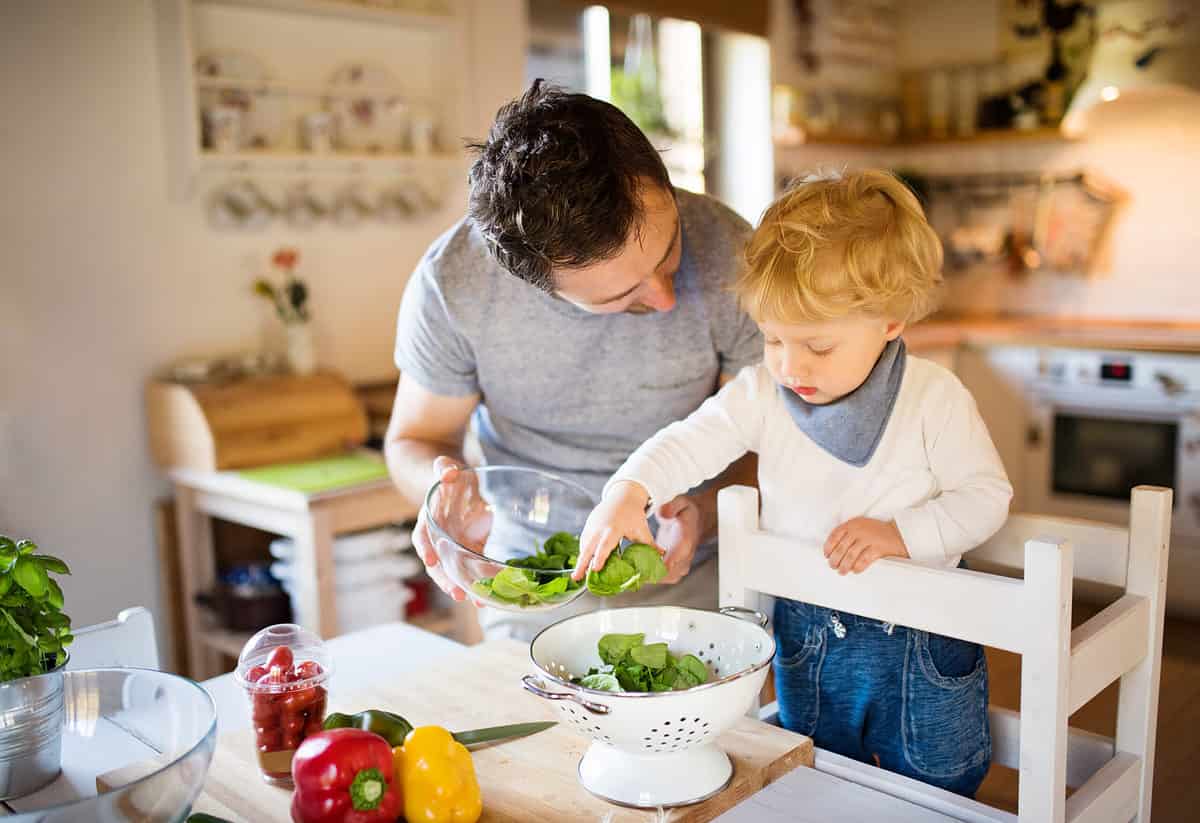
“Start with the basics — like feeding, hygiene, and dressing. A toddler can learn how to scoop food and pour liquids. They can help you whisk or stir while you are cooking. Have them start to practice putting on their pants, socks, shoes, and other items of clothing,” she says.
“They can wipe their mouths and faces. All of these skills are great for building independence, but are also great tools for helping build gross and fine motor skills too!”
Kids who do these activities are more likely to be able to manage bigger tasks, like doing their homework and getting themselves a snack, when they are school-aged. Teaching executive functioning skills early puts kids on a path of self-sufficiency for the rest of their lives.
Encourage Trying Small Manageable Tasks
Your toddler won't be able to cook a gourmet meal by age 2, but they may be able to peel their own clementine, spread butter on their toast, or pour their own cup of milk. If your child wants to help or to do something themselves, try to think of a smaller activity, or one that can be broken down into smaller pieces so that they can perform at least some of it independently.
“Choose things that have very little consequence if they do them wrong. For example, you might be comfortable with them pouring water out of a small pitcher into a plastic cup,” says Dykstra. “If you are not ok with a potential spill, choose something less messy. Tasks should be just slightly above their skill level and not so advanced that it creates a lot of frustration, for them or you!”
The same can be true of outdoor and play-based activities. You can encourage kids to climb to the next level on the play structure, or walk another block farther from the house instead of being pushed in the stroller. Just make sure you're right there to catch them if they fall or scoop them into the stroller if they venture too far on foot.
Create a Safe Environment Where They Can Try
©iStock.com/franconiaphoto
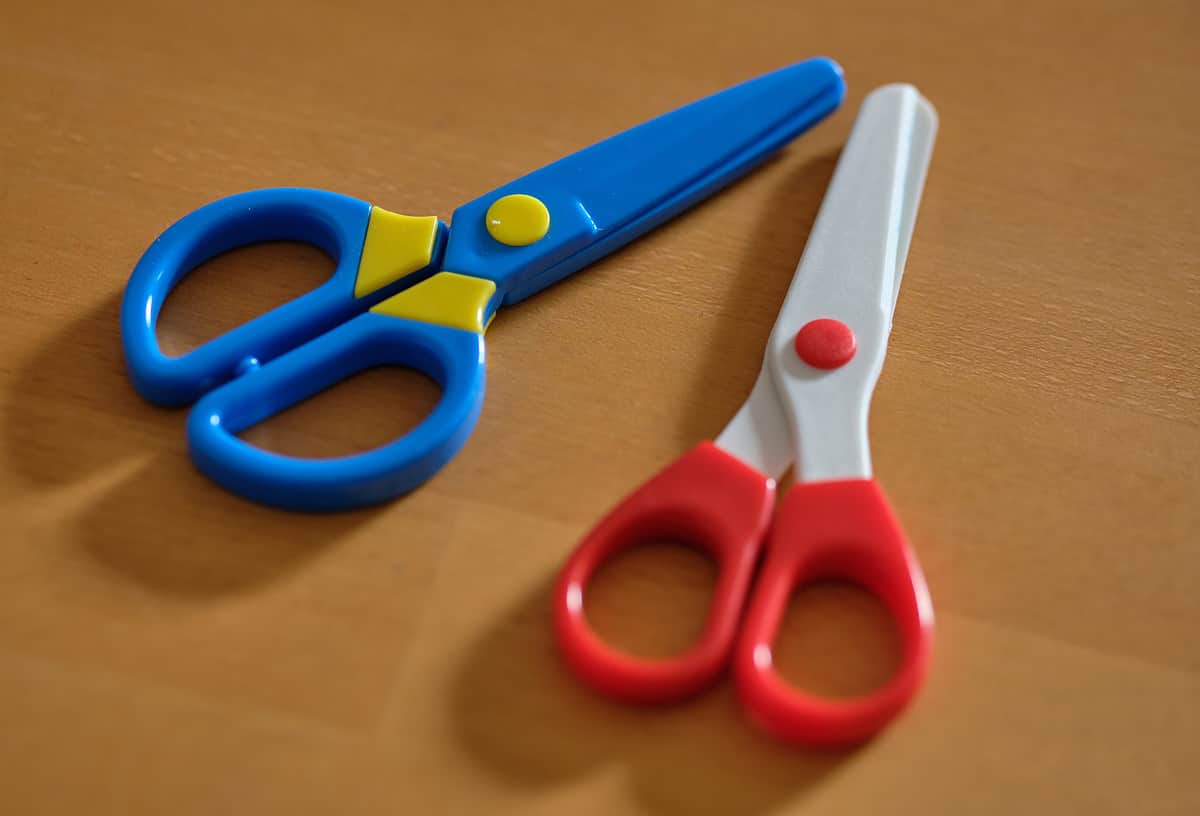
Parents and caregivers can set toddlers up for success by putting them in an environment where they can safely try some tasks on their own. Keep toddler-friendly toys and tools at easy-to-reach heights and move more dangerous implements higher up and out of reach.
Another part of creating a safe environment is teaching a child to interact with the environment appropriately. When you introduce a new object, show them how to use it safely, and have them do it under close supervision before allowing them to try on their own.
“Safe environments can be created by coaching toddlers how to interact with them and practicing. For example, telling them, ‘This stepping stool is to help you reach things up high. You can safely use (the stool) by making sure it is stable and ensuring you have an adult behind you to spot you. Let's practice getting the stool and an adult to spot,” says Cari Alvarez, Director at WellBunch Psychology.
Allow Toddlers to Take Their Time
It's going to take you some time to teach your child how to do something on their own. If you're trying to teach a more complex task, like shoe-tying or making a lunch to take to school, set aside half a day or even a whole weekend. Don't try to teach something new when you're on the way out the door or right before nap time, meal time, or bedtime. Setting aside the time to teach executive functioning is worth it in the long run.
“Things like picture charts can help children remember the steps to a routine, and frequent praise for effort will be helpful,” Alvarez says. “The upfront time investment will pay off when you don't have a teenager who is completely helpless and couldn't survive six hours without you.”
Focus on Process Over Product
Young children can be easily discouraged when they try something new for the first time, and it doesn't turn out the way they thought it would. Parents can help their child by praising efforts and progress instead of focusing on getting every part of the new task just right, says Dr. Linda Reinstein, Psychologist at Child Solutions.
“If the situation is not life-threatening or unhealthy, resist the urge to jump in and correct,” Reinstein says. “Focus on their efforts and persistence rather than on getting a job done perfectly; offer lots and lots of praise and encouragement for sticking with a task, for trying, and for doing things on their own.”
Parents and caregivers can show a child how to do things the right way, and then let them try it for themselves. Try not to correct a child's less-than-perfect efforts, like putting shoes on the wrong feet or putting a shirt on inside out.

©Sharomka/Shutterstock.com
Offer Choices
Many toddler-parent power struggles are about young children wanting to be able to choose for themselves. When there's time and there are multiple options available, let your toddler pick between two alternatives. These can be basic choices, like what color shirt to wear or which cup to pour the milk into, or bigger choices, like “Should we play a game or watch a show?” or “Should we go to the park or story time?” Only allow a choice when both options would be acceptable to you as the parent or caregiver.
Allowing children to have some choices can prevent arguments later. Sometimes, children don't get choices, like when they have to go to the doctor or when they need to go to bed. Knowing that they have had some opportunity for choice earlier in the day can ease these non-negotiable tasks.
Have Fun Helping Your Child Foster Independence
The National Association for the Education of Young Children notes that this stage of growing independence, and even the new opinions and outbursts that come with it, can be a time of joy. Watching your child enjoy the new things they can do as they get bigger can be a fun and exciting experience. Celebrate their new achievements and share their interests as they grow and learn.
The image featured at the top of this post is ©LightField Studios/Shutterstock.com