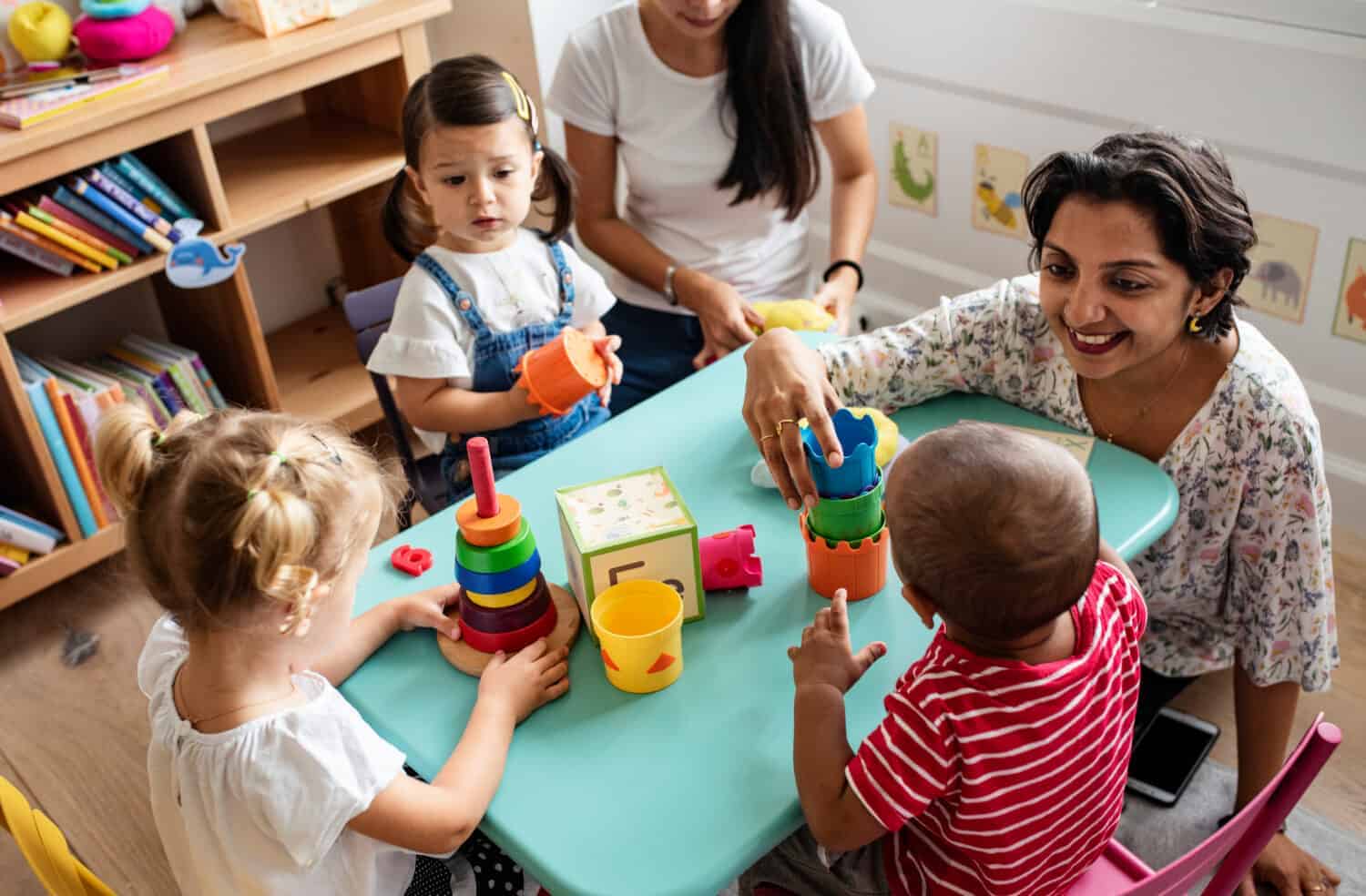
To most parents of preschoolers, it seems like their children were babies just yesterday. But even as early as age three, many parents are beginning to prepare their children for kindergarten. There's lots of pressure to get your child into the “best” preschool and to teach them to read before they even set foot in elementary school, but is it really necessary? Most experts don't think so. We speak with several experts about the best ways to get your child ready for kindergarten.
Can They Function Without a Parent?
©antoniodiaz/Shutterstock.com
For many kids, kindergarten is the first time they're away from a caregiver who is focused exclusively on them. That means they need to be able to perform basic tasks on their own so that the teacher doesn't have to take time out of academics to help each child handle personal care.
“That means knowing how to wipe themselves after using the bathroom, open and close their lunch containers, zip and unzip their backpacks and jackets, and even manage their own shoes (usually, with the help of Velcro),” says Erin Kahy, Executive Director of Admissions and Marketing at The Brunswick School in Jersey City, New Jersey. “When children can do those things, teachers can spend less time managing and more time teaching.”
Interacting Appropriately with Teachers and Classmates
Kindergarten teachers don't want to spend the whole day herding children into a line or mitigating arguments to determine whose turn it is to play with a specific toy. Kids who are ready for kindergarten should be able to pay attention long enough to follow directions and know how to treat others with kindness and respect.
“It’s essential that they have age-appropriate focus, so they can listen to and attend to their teachers, as well as their peers,” says Georgia DeClark, a certified parent coach and former executive director of Bethel Learning Center in Elmhurst, Illinois. “It’s also important that kids develop empathy and compassion for their classmates and the classroom environment.”
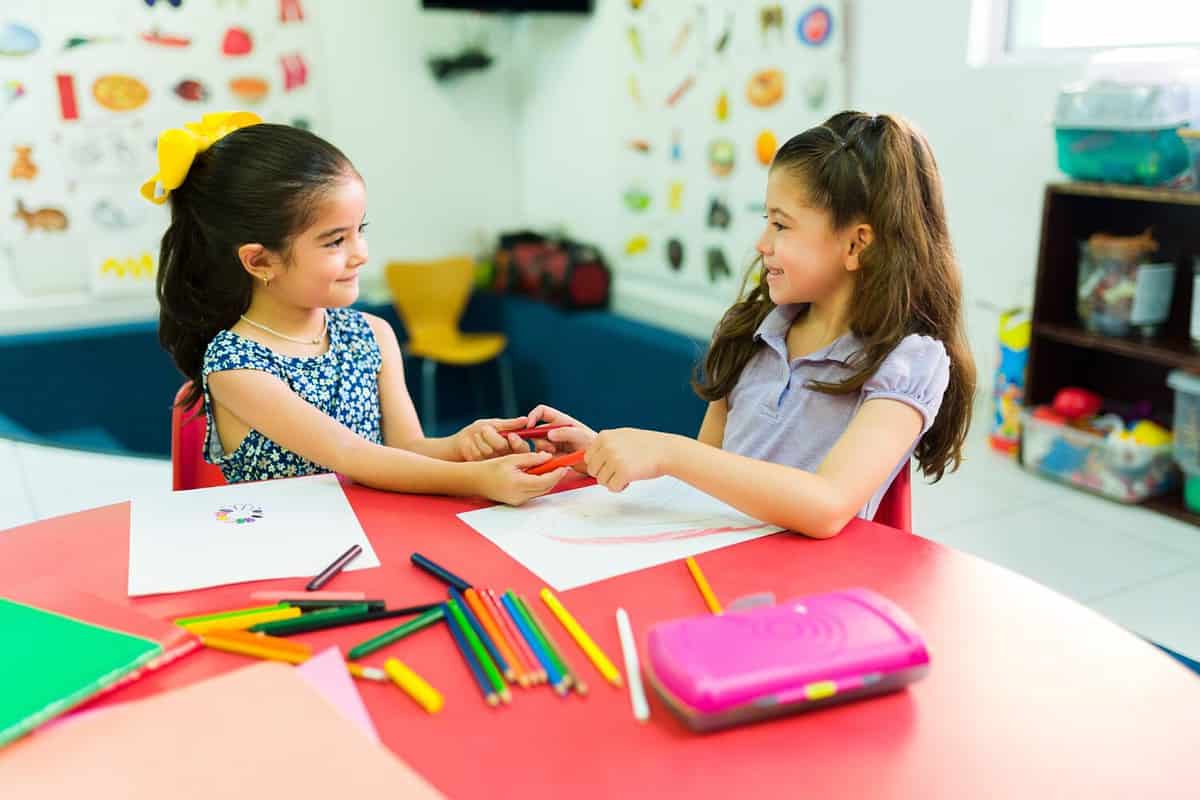
So how can parents help children develop the social skills necessary for entering kindergarten? DeClark says sending children to a play-based preschool, or at least having them play with other children, can help.
“Play is essential. It requires social interaction, cooperation, strategizing, taking turns, dealing with frustration and disappointment — all of the social-emotional characteristics that prepare children for life, in addition to preparing them for school,” DeClark says.

©PeopleImages.com – Yuri A / Shutterstock.com
Show Curiosity, Not Necessarily Rote Knowledge
Phonemic awareness and basic counting and math skills can be great knowledge for kindergartners, but it's more important to have a desire to learn and to start developing the focus and stamina to do so.
“Reading is not a requirement for kindergarten. It’s great if a child is there, but most teachers are looking for developmental readiness and learning stamina, not finished skills,” Kahy says.
And one of the best ways to develop those skills is by reading to your children at home. Children will also gain more curiosity if you talk to them about what you're reading or just things that they notice in their everyday lives.
“Research has proven for years that children who have been read to have an easier time and a higher success rate with reading,” DeClark says. “Encourage their curiosity by asking open-ended questions such as, ‘What do you think will happen if you…?' and, ‘Why do you suppose that…?'”
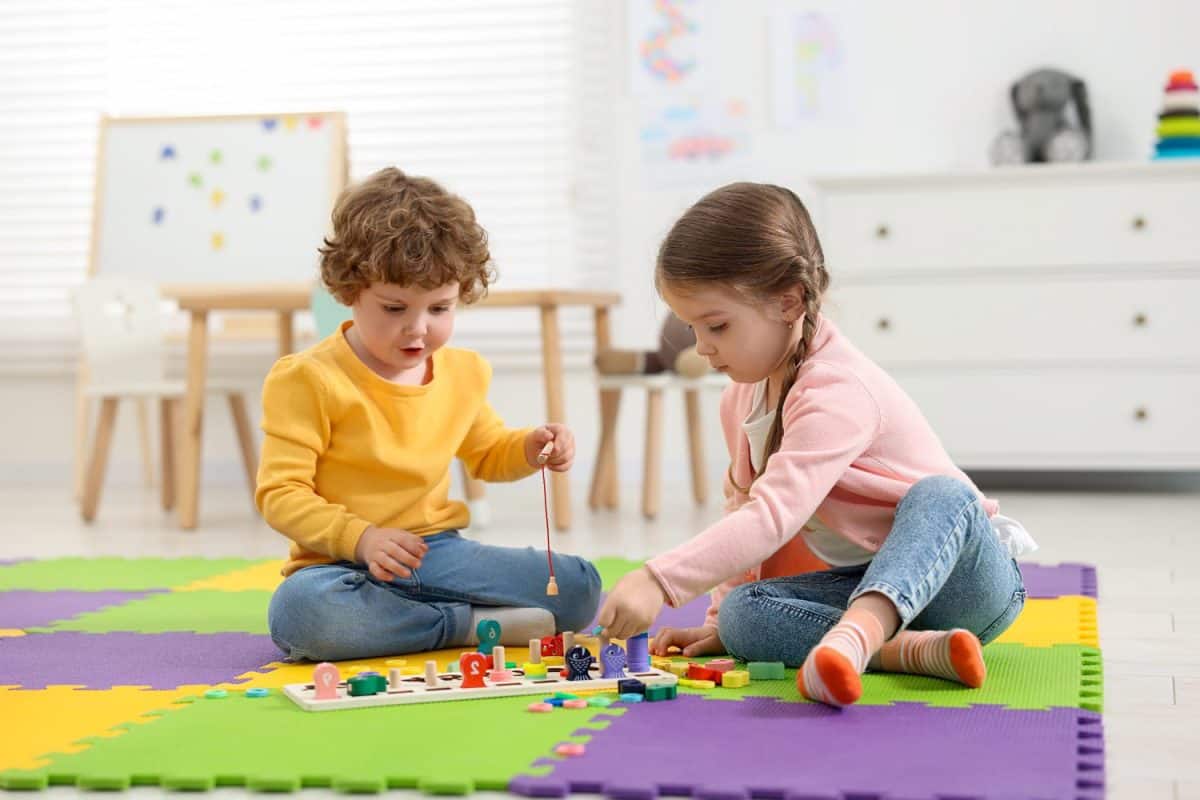
Parents and preschool teachers can help kids actually answer these questions by giving kids a chance to play and experiment in the real world. DeClark urges parents to stick by their screen time rules and instead give their kids lots of different items to play with. They don't necessarily have to be toys — just anything that allows a kid to try things out.
Children often come up with their own ways of playing that answer questions, like “How high can I build a tower of cups?” or “What happens if I mix the yellow paint with the red paint?” She also encourages parents to get off their own screens and play with their kids. This often helps you find what they're most interested in and how you can support their curiosity.
Find a Preschool That Works for Your Child
Many parents don't know if and when their children are ready for preschool. Most three- or four-year-olds can benefit from some kind of preschool to help them prepare socially and emotionally for kindergarten.
There are lots of different preschool philosophies, from Montessori to Waldorf to play-based. Families should choose based on their own ideas and what schools are available in their area. The best preschools are those that encourage independence, exploration, and play, our experts say.
©New Africa/Shutterstock.com
What to Do If You Think Your Child Might Need Help
Preschool can also be important in helping parents identify developmental delays in their children. A developmental delay probably won't mean that your child isn't ready for kindergarten, but it may help your school place your child with the right teacher or specialists to help them out. If you suspect your child might have a delay, talk with their preschool teachers and find resources for your state's Early Intervention program. Early intervention is free and can help children learn in a way that best meets their individual needs.
Teaching your kids age-appropriate levels of independence and kind and caring interactions with others should help them be prepared for a strong kindergarten year. By relying on the support of a preschool and early intervention, if needed, parents can feel assured that their children are ready for anything in their first year of elementary school.
The image featured at the top of this post is ©Rawpixel.com/Shutterstock.com