














15 Grocery Items That Used to Be Cheap but Feel Pricey Now
There's a specific kind of shock that hits differently from regular inflation. It happens at the grocery store when you decide to think about the price of whatever you’re buying. We’re not talking about the expensive stuff, where you have become accustomed to high prices. It’s the moment you reach for something you've bought a hundred times and realize the price has doubled while you weren't paying attention.
Here are 15 grocery store items that used to be cheap but feel expensive now.
Chocolate and Candy Bars
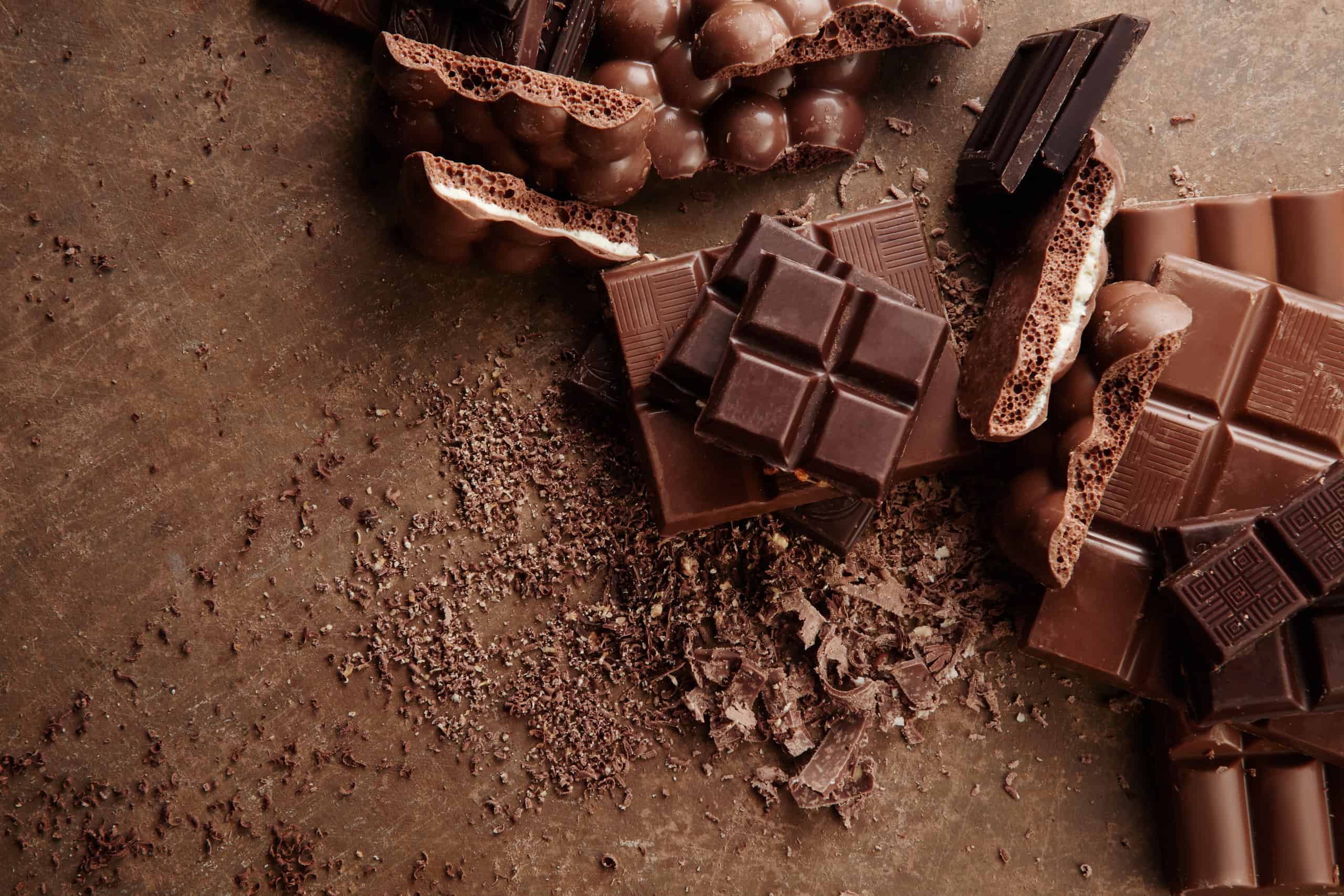
A chocolate bar was once something that consumers grabbed on a whim at checkout since they used to be pretty cheap. A major shortage of cocoa from West Africa, however, drove prices to record highs in late 2024, after which large manufacturers simply decided to pass those costs along.
Hershey's raised prices in the "low double-digit range" and Mondelez hiked prices 8% worldwide in 2025 alone. One price tracking study found that a standard Hershey's bar that cost $3.99 in 2020 had climbed to $8.29 by 2025, same size, just a lot more expensive. Cocoa futures have eased since, but retail prices in early 2026 are 14% higher than the previous year, and meaningful shelf relief probably won't arrive until late 2026.
Olive Oil
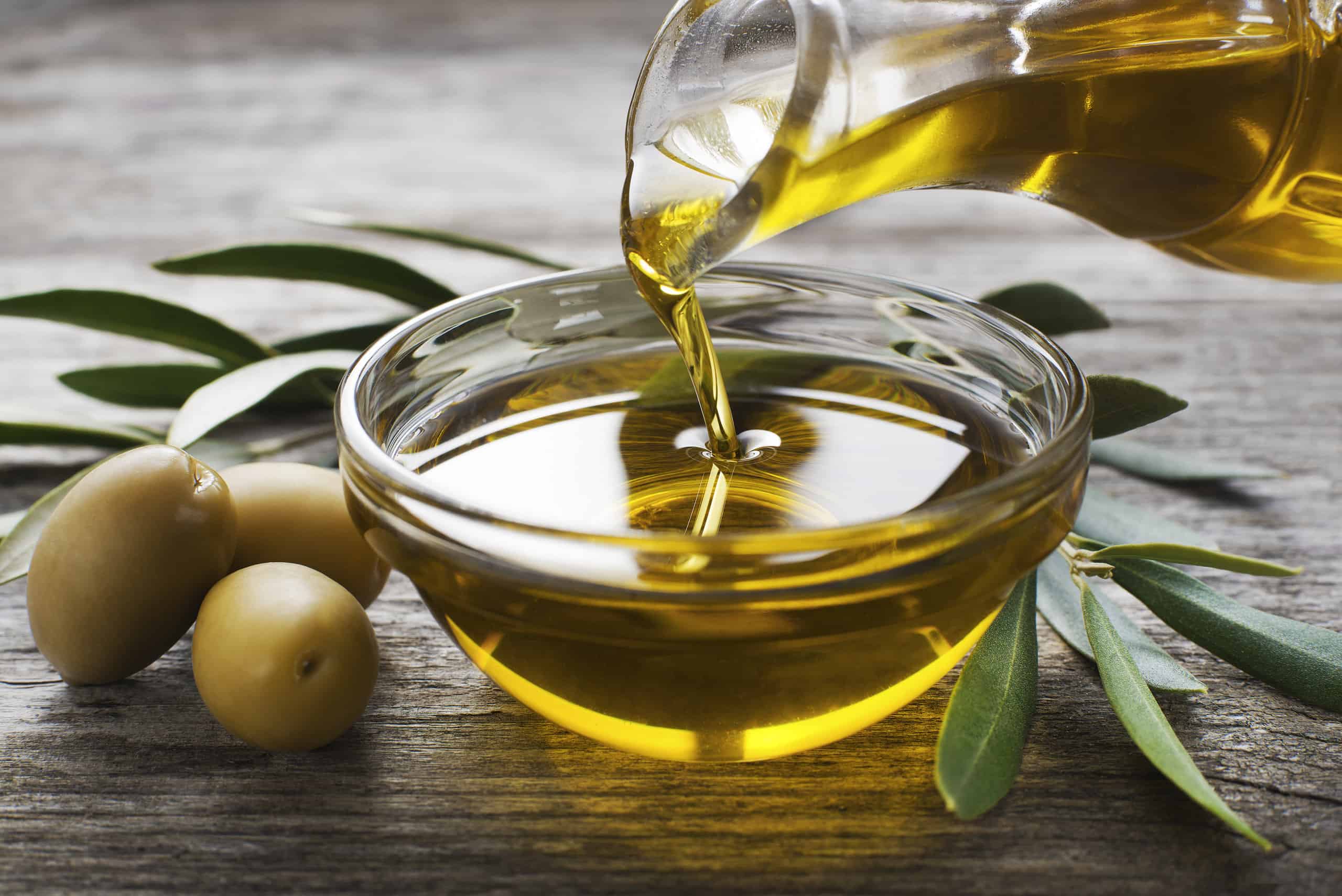
Extra virgin olive oil used to be an everyday grocery purchase that cost around $8-$10 per 25-ounce bottle. Two consecutive years of drought in Spain, Italy, and Greece had resulted in severe harvest failures by 2024, which in turn led to record-high wholesale prices for olive oil. Additional tariffs on EU-imported olive oil and the Middle Eastern conflict disrupting Red Sea shipping have both contributed to even higher markups. A bottle that retailed for $9.99 can now push past $14.99.
Bacon
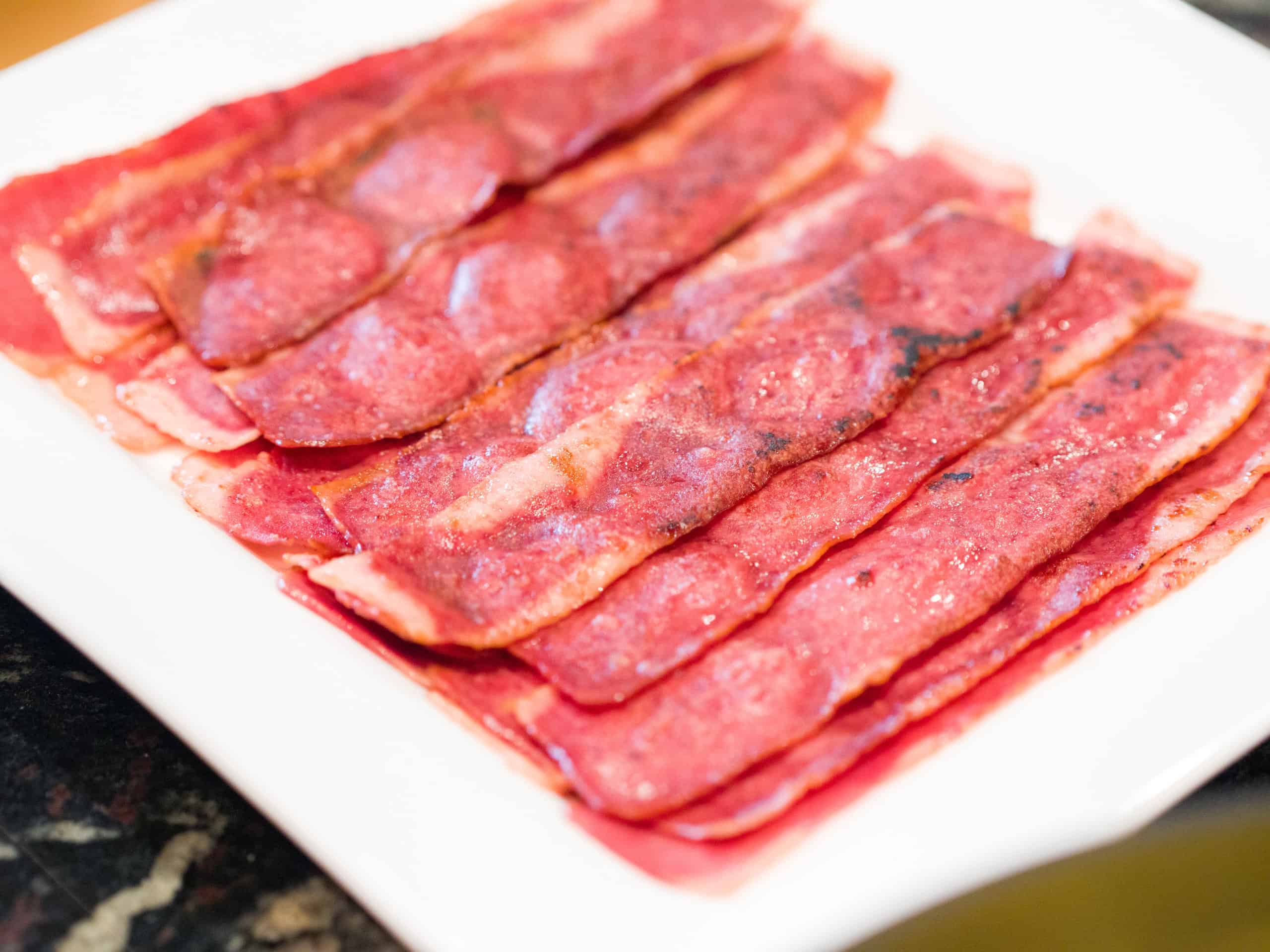
The pack of bacon you used to buy for $4 can easily cost you between $7 and $9. That kind of jump doesn't happen overnight. Feed, fuel, curing, packaging, and refrigeration have all become more expensive since 2020, and bacon absorbs more of that hit than other pork cuts because each of those inputs layers on top of the raw pork belly. The price at the register reflects all of them at once.
Cheese
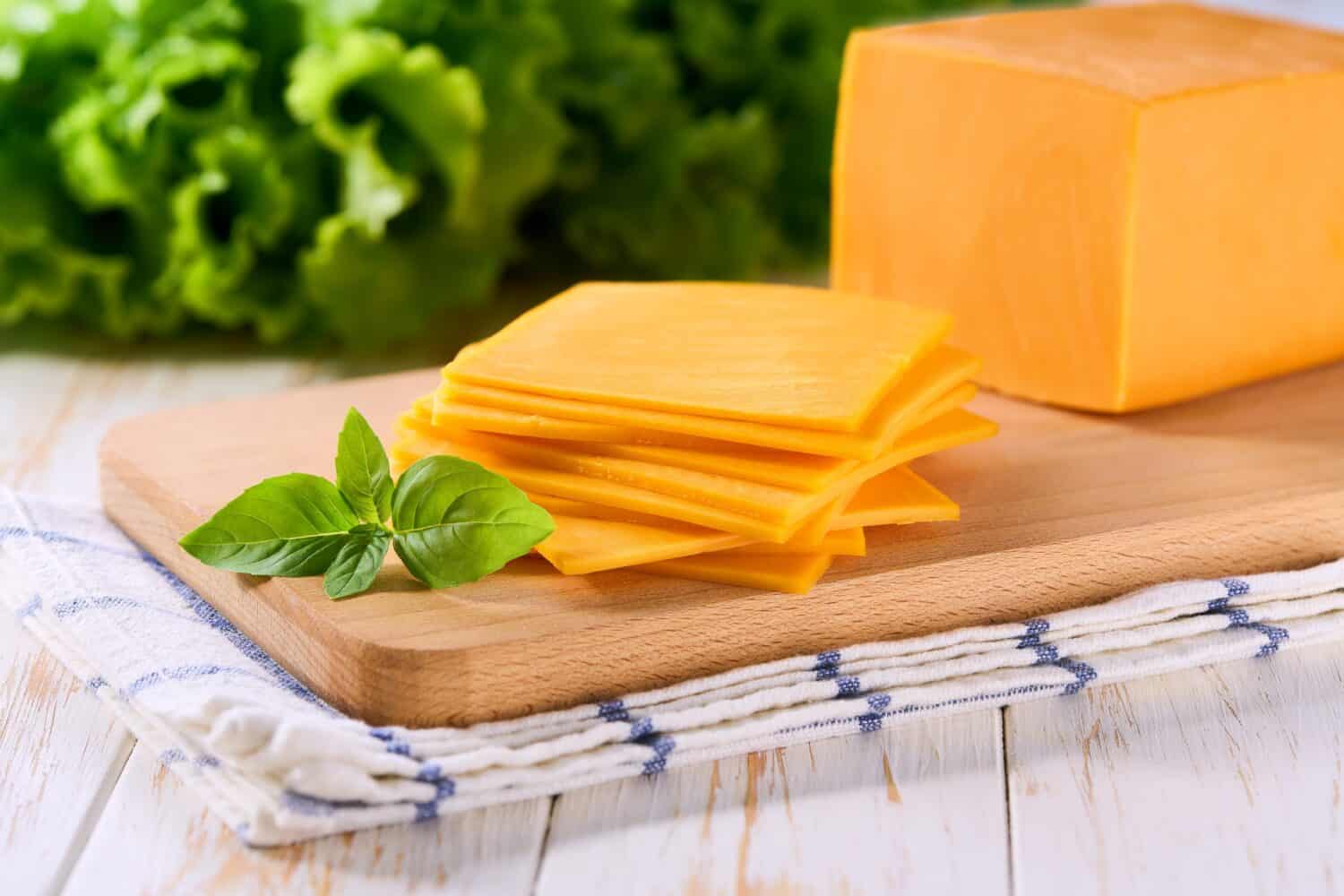
Whether it was a brick of cheddar, a bag of shredded mozzarella, or some Swiss for sandwiches, it cheese never cost much. But cheese prices jumped in 2025 due to volatility in the dairy industry. Increased costs of production throughout, including prices for milk and increased packaging and labor costs have further impacted the price. Prices are expected to improve throughout the year, but a bag of shredded cheese that cost $3 not long ago is now commonly sold at $4.50-$6.
Packaged Deli Meat
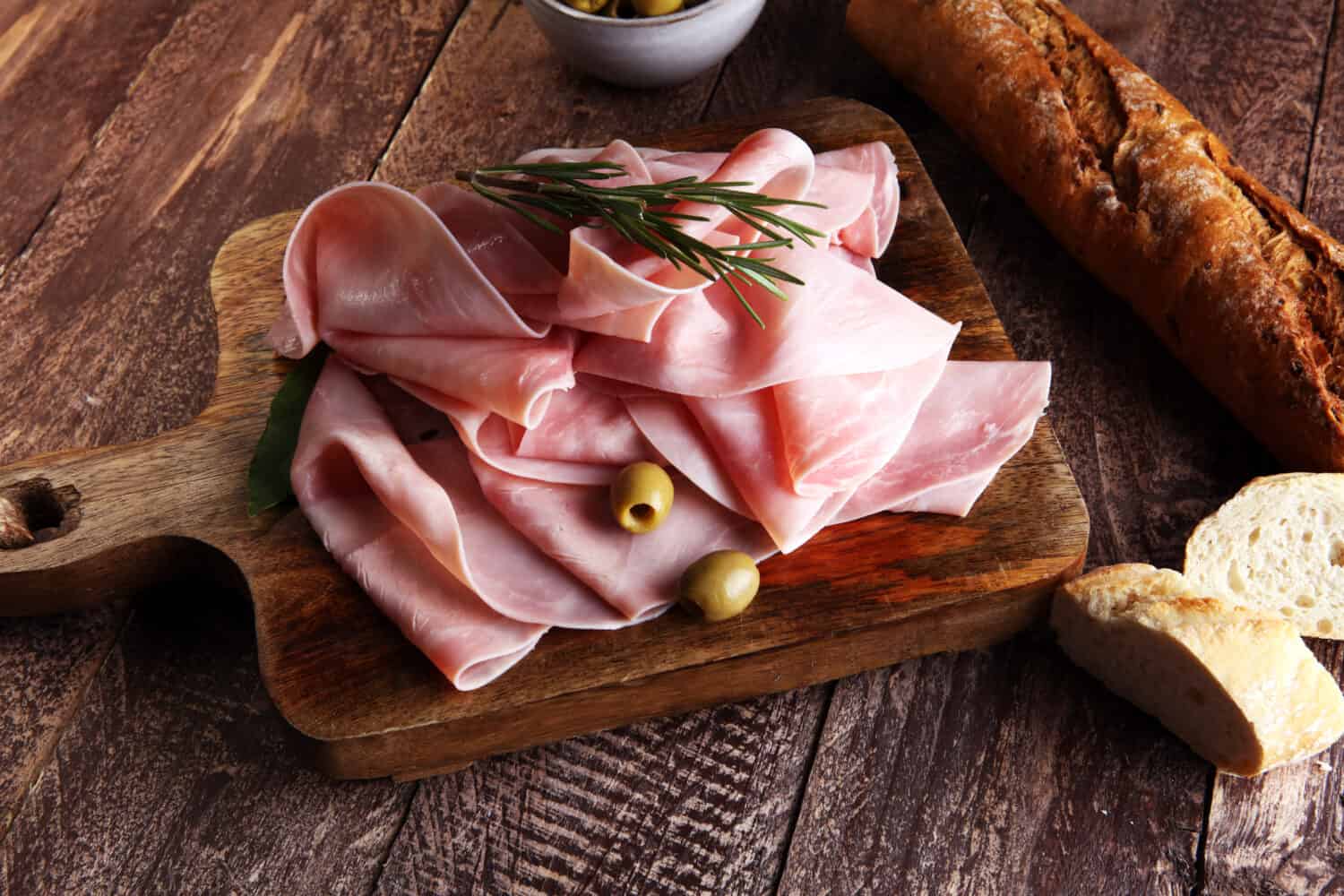
Sliced turkey and salami for the weekly lunchbox run. These were the reliable items you refilled without fuss, and they definitely increased in price while the packages have not become any larger.
Processing and transportation have become more costly since 2021, which has made the price of 9 ounces of sliced turkey increase from about $3 to $5 to $7. The shrinkflation affected this food category as well with some items reduced from 12 ounces to 9 ounces without a change in the price, quietly raising the cost per serving without triggering obvious sticker shock at the shelf.
Potato Chips and Snacks
Chips used to go for a handful of dollars, but the input side of the snack industry faced increased costs from three directions at once: potatoes, cooking oils, and packaging. Shrinkflation exacerbated this problem, as the usual 10-ounce bag of chips was silently reduced to 8 or even 7 ounces while the price remained the same or even increased. The $4.99 bag of chips that you buy today comes with fewer ounces compared to the $3.99 bag from 2021, meaning the real price of chips has increased significantly more than the shelf price alone suggests.
Canned Soups and Beans
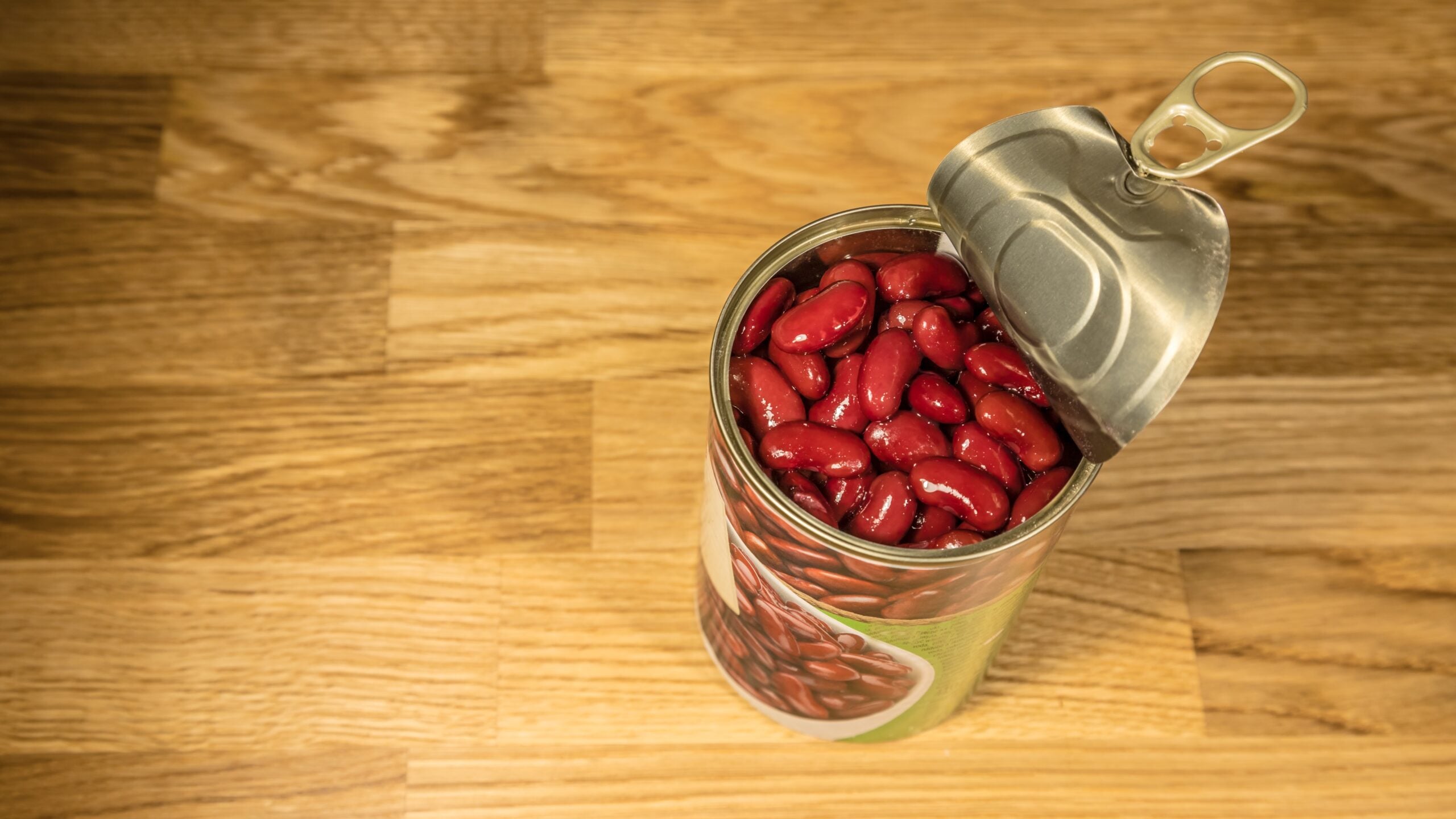
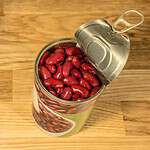
A can of soup for $1 and a can of beans for $0.89 are prices from different era now, and there is one reason behind it that many people do not know about. The costs for producing the can itself has risen due to higher tariffs on aluminum and steel. The impact was felt very strongly in 2025, and the price of the items is expected to stay high. A can of condensed soup, which used to cost approximately $1.25, now costs between $2 and $3, while canned beans and tomatoes have followed the same path.
Frozen Vegetables
Frozen peas and broccoli florets were your go-to side dish in a pinch, the one thing you always kept in the freezer because it was cheap and easy. It’s the same issue as the steel and aluminum tariffs levied on the canned products, but with the additional factor of energy cost associated with freezer storage and refrigerated transport. The bag that used to be under $2 just a couple of years ago now regularly goes up to $3.50, which adds up when you're buying three or four bags in a single trip.
Sugar
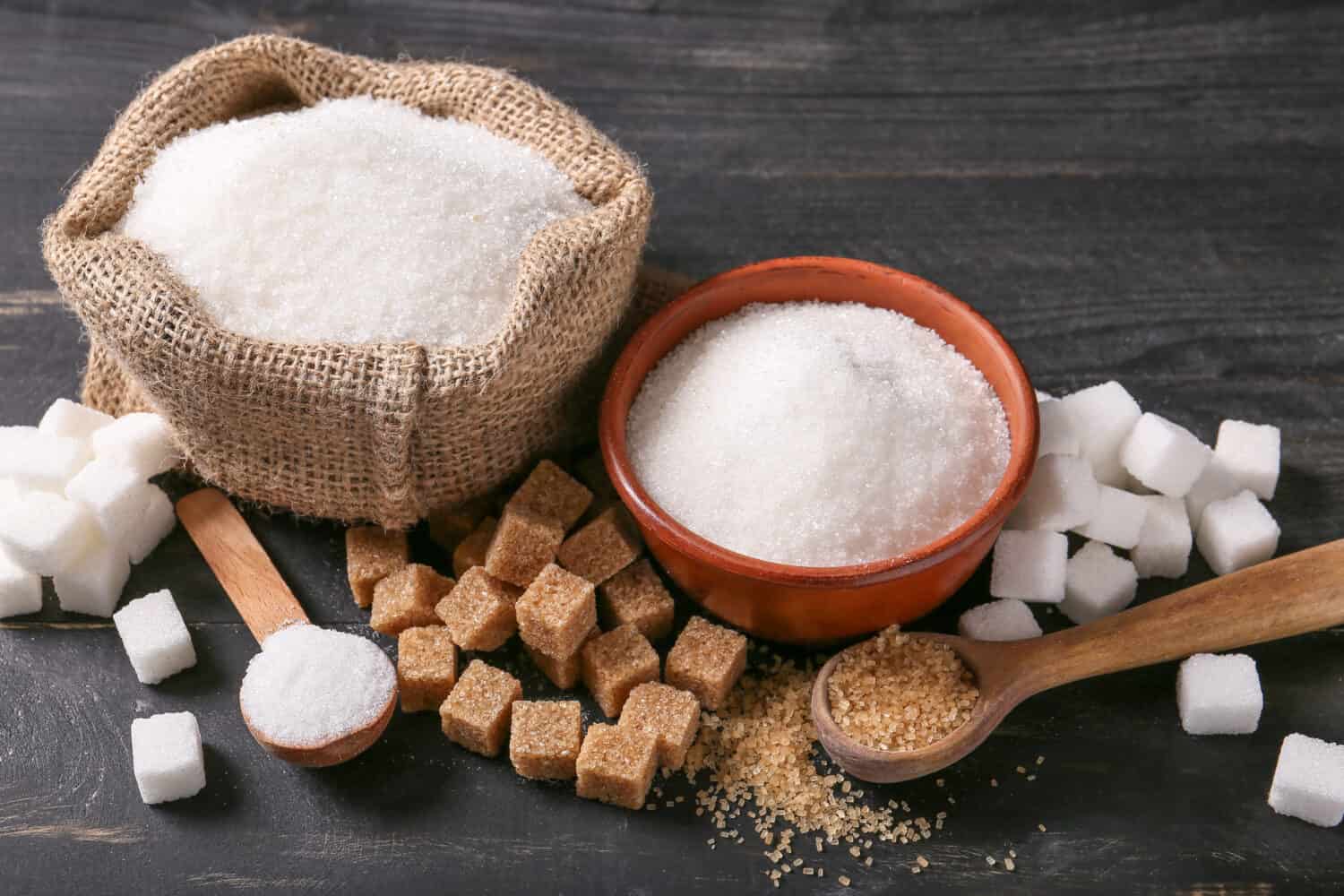
Sugar is one of those ingredients you probably don't think about until you try to bake something and then do a double take at the price. A 5-pound bag of granulated sugar that used to be priced at $2.50 to $3 has climbed to $4 to $5 at many grocery stores. For families who bake regularly, that adds up in a way that's hard to ignore across a year.
Soda and Soft Drinks
The two-liter for under a dollar feels like a distant memory, and so does the case of cans that felt like a cheap party supply. Higher sugar costs, aluminum prices, and fuel expenses have all fed into the final shelf price, and the USDA expects the category to keep outpacing its historical average through 2026. Soda 12-packs that used to cost four to five dollars now start at six to eight.
Fresh Fish and Seafood
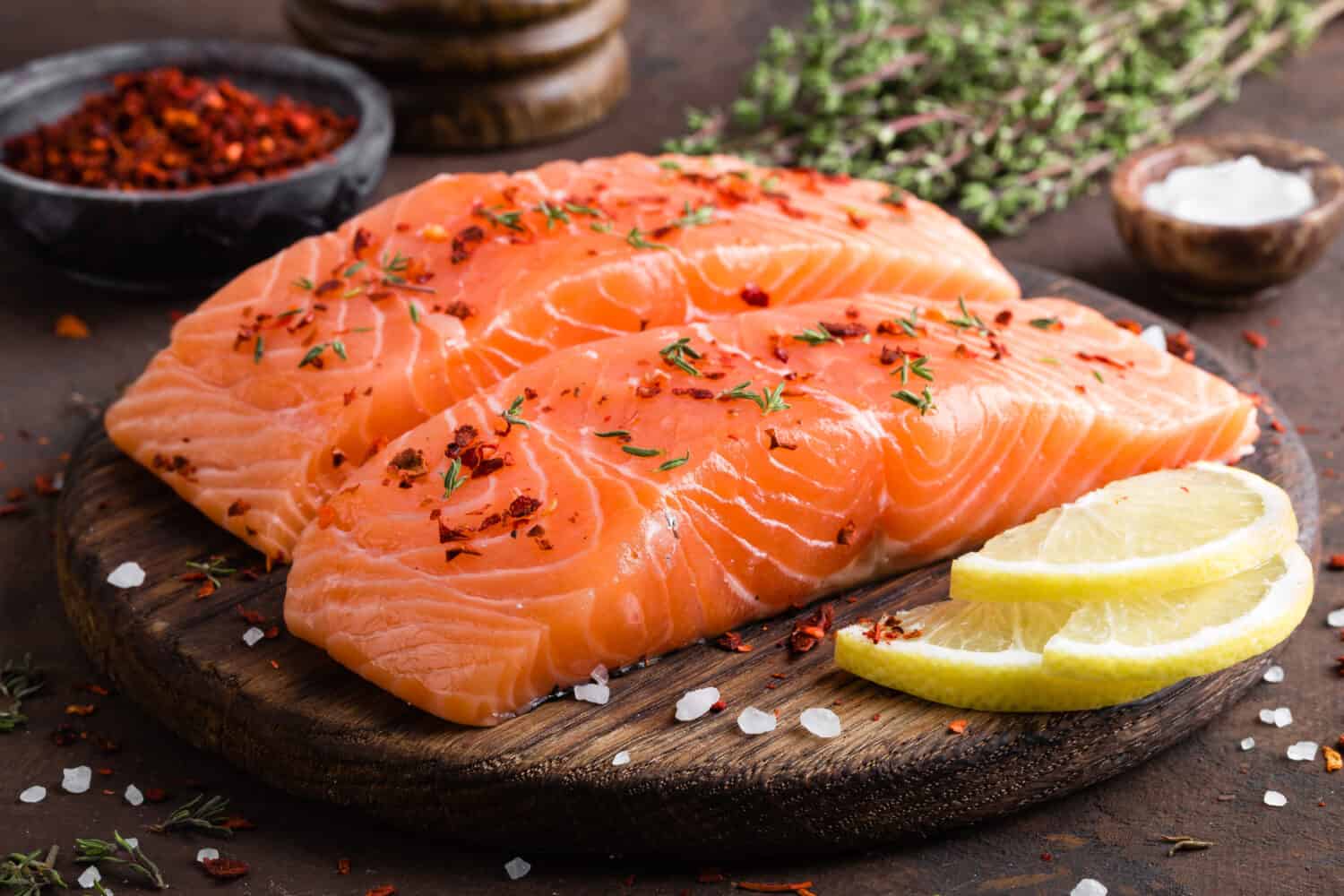
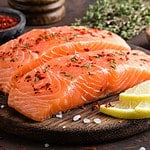
Fish used to be the practical, budget-friendly protein alternative to beef, but that reputation has quietly faded. Wild-caught fish is especially vulnerable to fuel prices because fishing boats run on diesel, and the cold chain from boat to store adds cost at every step. A pound of salmon or tilapia costs noticeably more than it did three years ago.
Shrimp
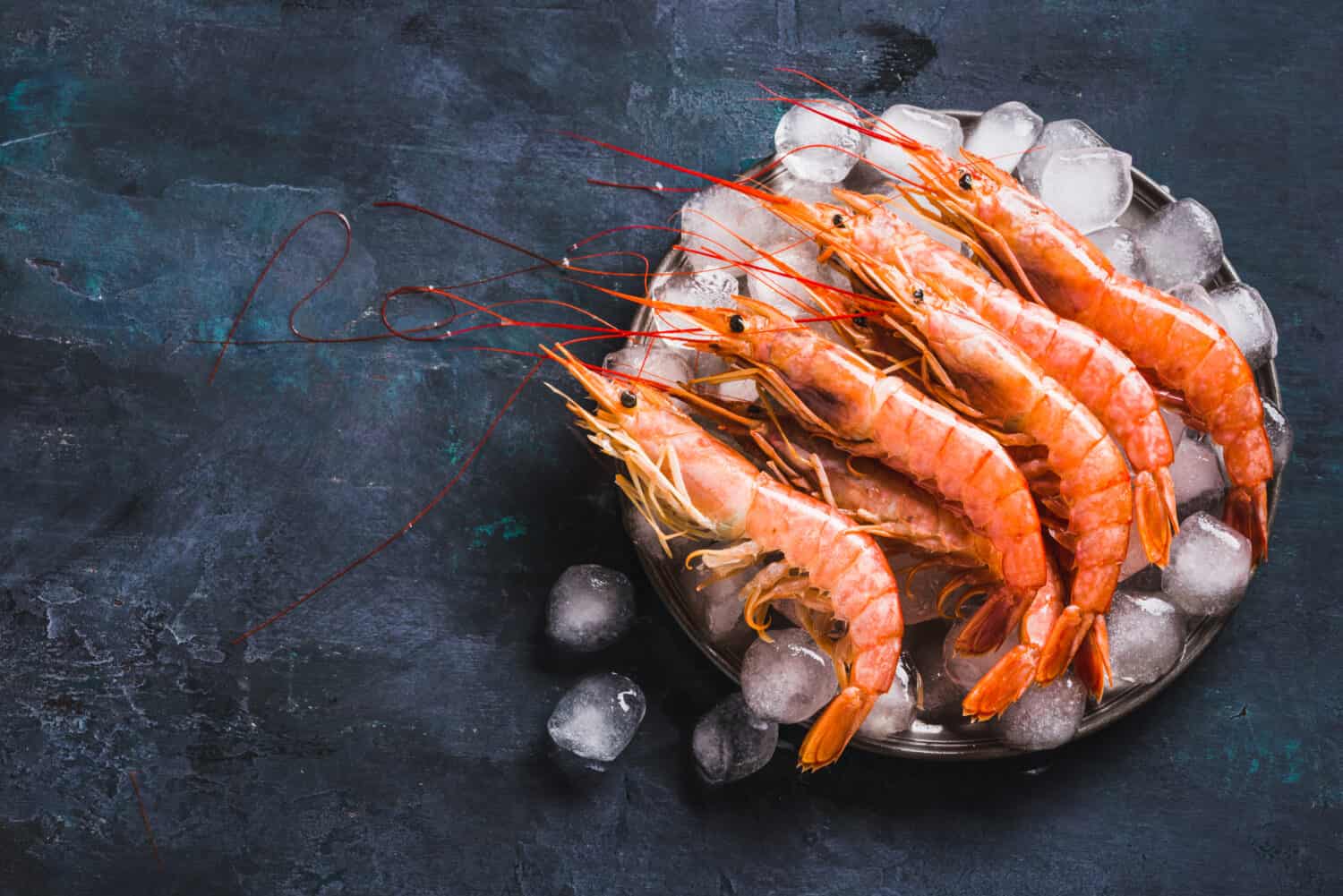
The shrimp used to be clearly distinguished as the low-end shellfish. It wasn’t crab or lobster, but it could be bought in large quantities frozen without guilt. Feed costs, fuel prices, cold-chain logistics, recurring outbreaks in shrimp-farming countries, and import duties have steadily driven the price of shrimp up. Frozen raw shrimp, which had always seemed like a good buy, now competes in price with higher-priced protein sources.
Ice Cream
The price of ice cream increased in 2025 due to rising costs for ingridients and packaging, along with the need for refrigerated storage and transport at every step of the supply chain. A typical carton previously cost between $3 and $4 and now goes for $5 to $8, with high-end products being significantly more expensive.
Shrinkflation has worsened the situation further. The industry has reduced container sizes from a half gallon down to a quart and a half over the course of ten years, while maintaining prices or increasing them, so you're getting considerably less ice cream per dollar than you were five years ago.
Avocados
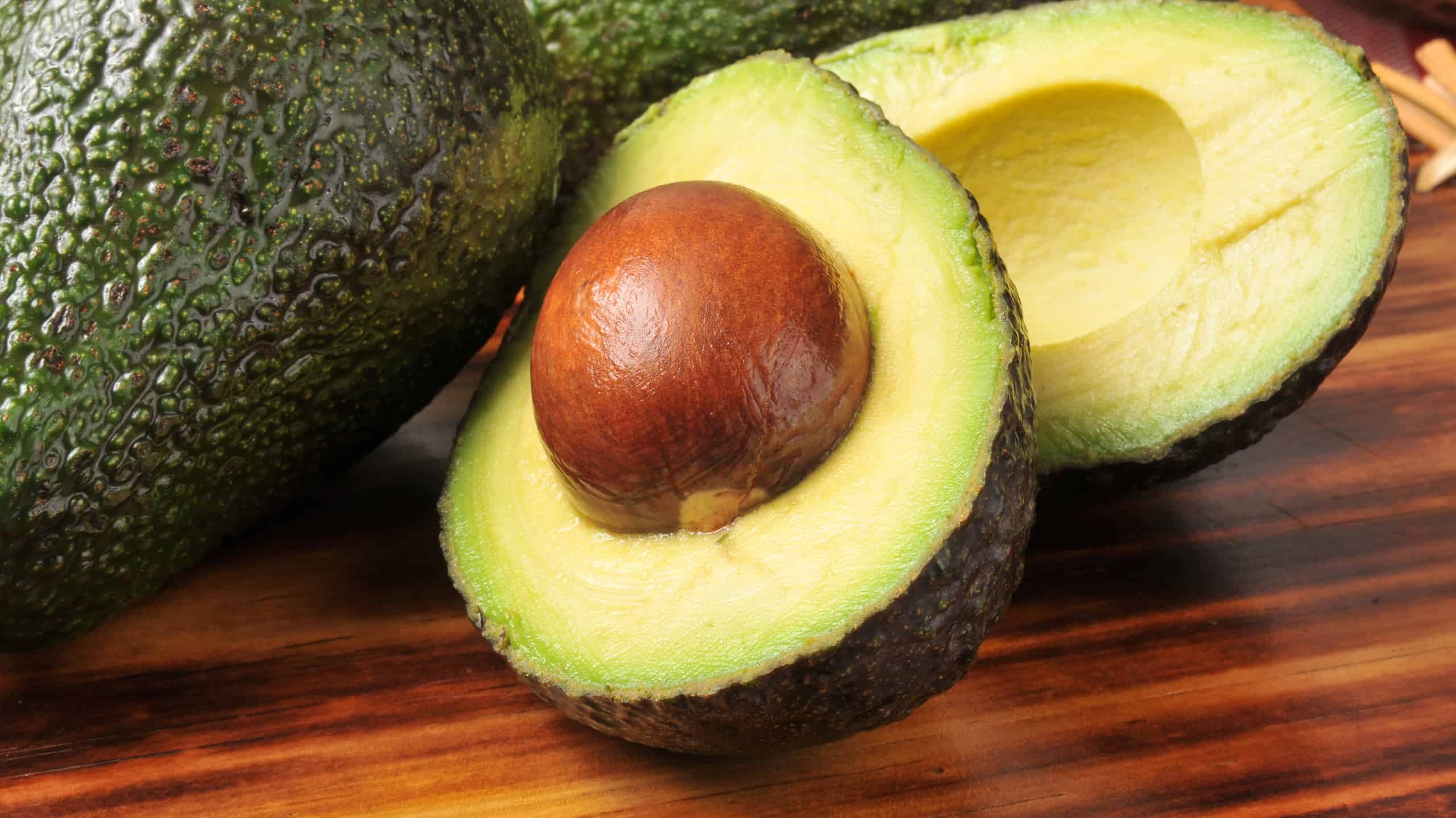
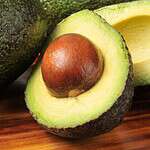
Avocado prices stayed consistent between $0.79 and $0.99 for a long time. Buying two or three avocados as you checked out never seemed like a luxury. But increased labor costs in Mexican growing regions, lack of water, fuel used in refrigerating trucks, and consistently high demand have pushed the price of avocados to roughly $2 or even higher at many stores. The days of grabbing four for $3 at a regular grocery store are gone.
Bakery Rolls and Pastries
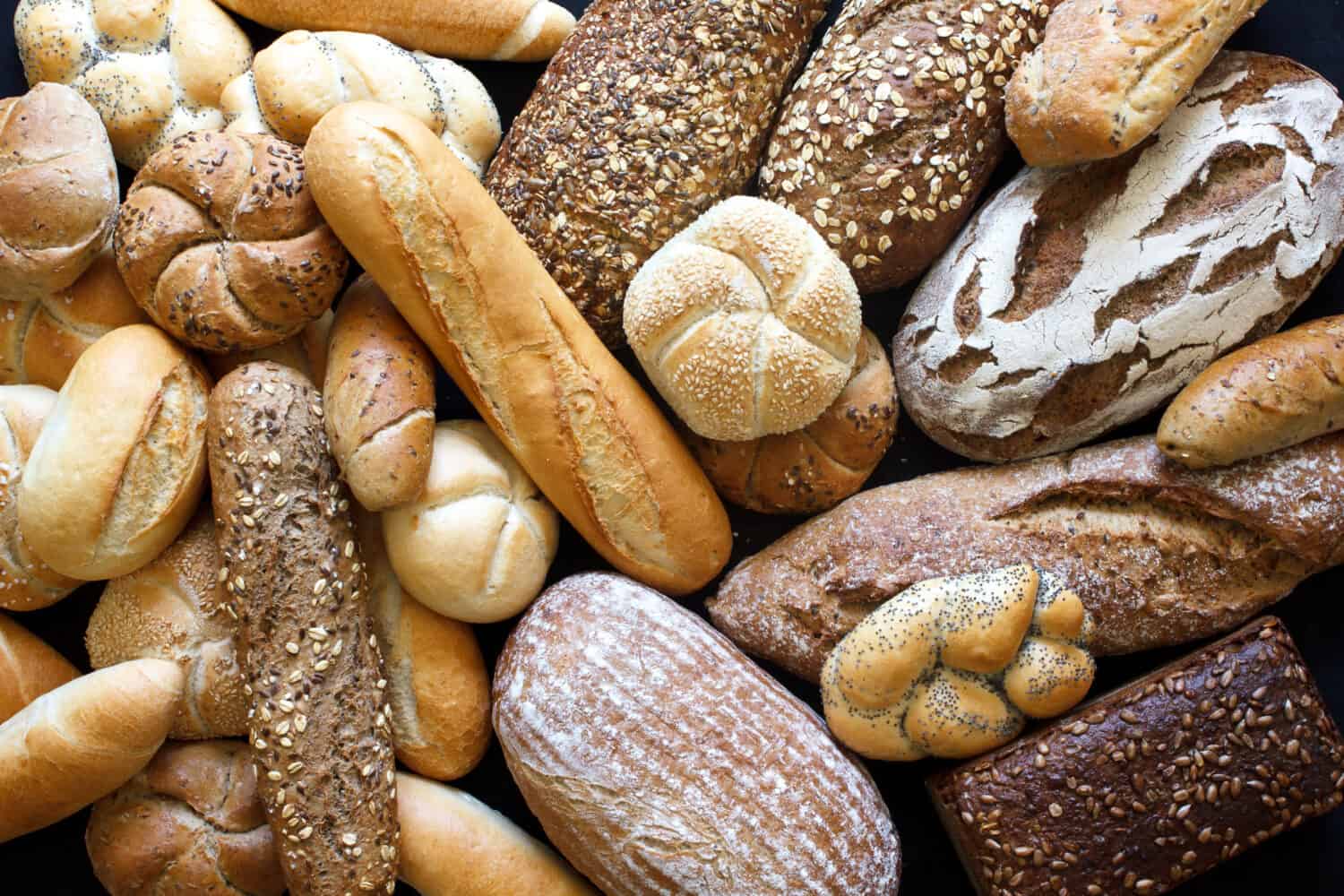
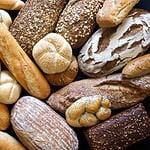
The price of sliced bread has not changed much and that’s what makes rolls, pastries, and croissants being more expensive so surprising. It happened for a different reason. The price of wheat declined from its post-Ukraine 2022 highs, but that wasn’t reflected in bakery goods since wheat is a smaller share of the final cost than most people assume. Using commercial ovens requires energy, and butter, and eggs feed into almost every pastry recipe. Increasing labor costs were added to the bill as well. A bag of dinner rolls, which used to cost $2 to $2.50, now often goes up to $4.50.
The image featured at the top of this post is ©PeopleImages / Getty Images