It’s not uncommon to find new parents who don’t see the benefit of pre-school, but that would be a mistake. It’s important to get your child preschool-ready because, for many youngsters, this will be their first structured time away from their parents.
During preschool, your child will become more independent and will need to start making small decisions without your input. It’s also at the preschool stage when your kids will gain more structure in their lives and form routines. The sooner you get your kids into this type of structured routine, the more comfortable they’ll be as they go through the grades.
As parents, ensuring that your child is mentally and physically prepared for preschool is as vital for them as it is for you. There’s bound to be some separation anxiety plus potential feelings of guilt, anxiety, and questions of whether your child is “ready enough.” In this guide, we’ll cover everything you need to know so you can send your child off on their great adventure in confidence.
What Your Kids Will Learn
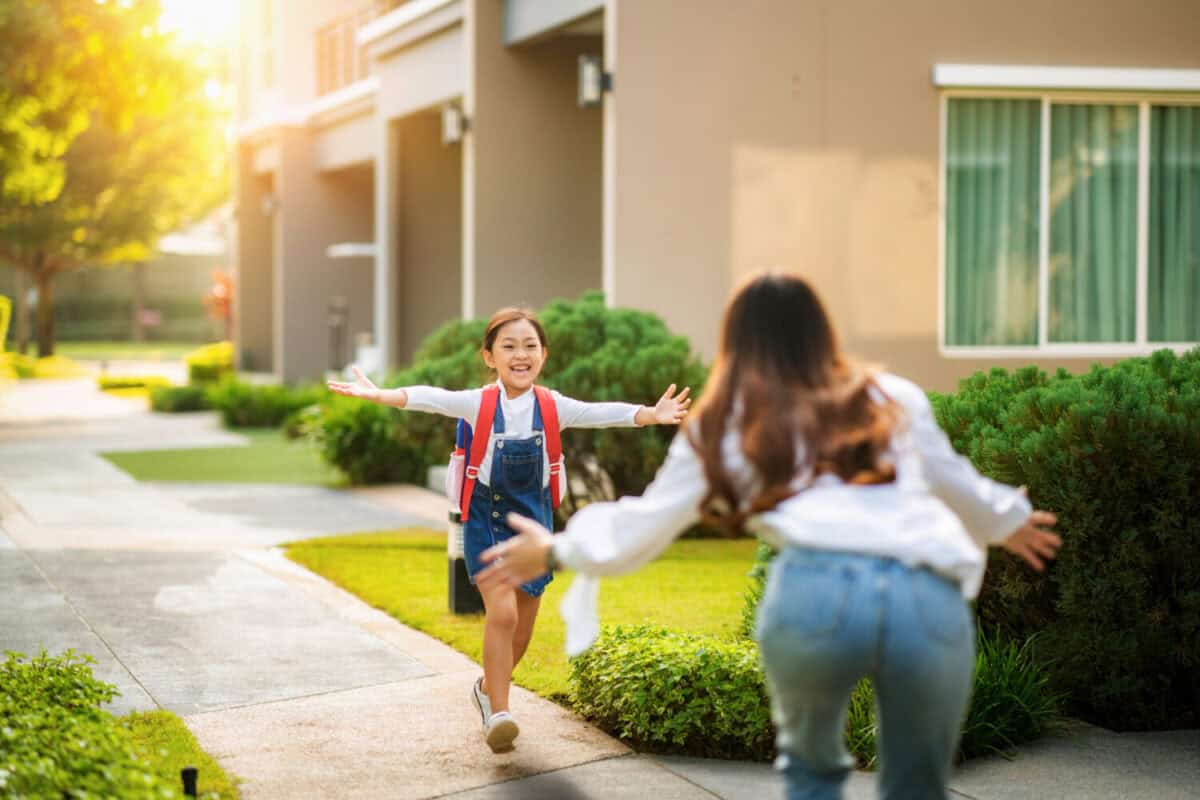
No matter what type of preschool your child goes to, there are so many things for them to learn.
©anek.soowannaphoom/Shutterstock.com
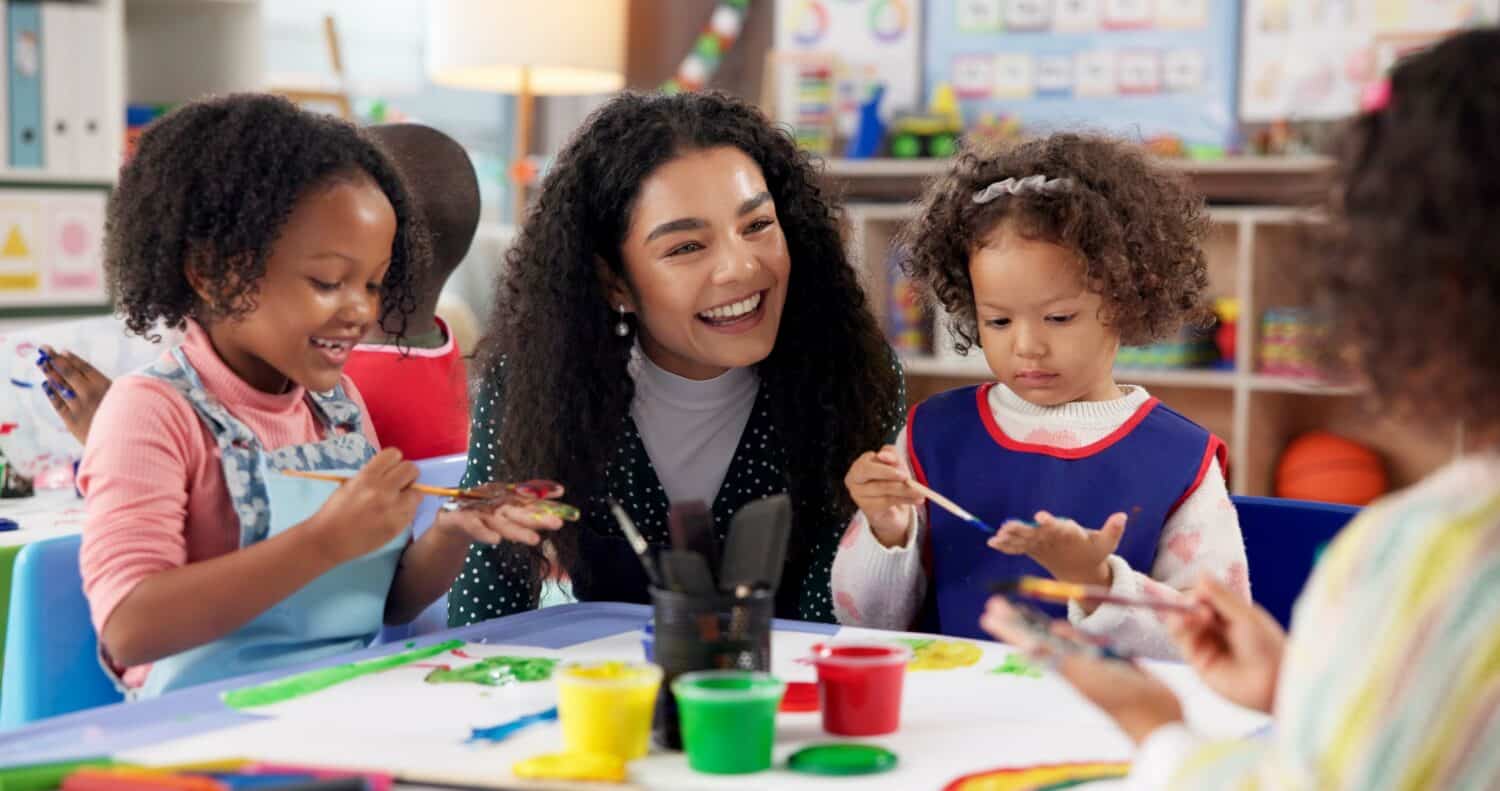
The first step to getting your child preschool-ready is to become educated on what your kids will do and learn while they’re there. While each preschool may differ in the details, the idea is that the teachers are preparing your kids for kindergarten. So, they’ll learn some basic skills for science, math, and literacy. The skills they learn will be very rudimentary, but will likely include things like colors, cutting, drawing, gluing paper, writing letters, practicing hygiene, and learning shapes.
While they’re making works of art with glue and construction paper, your kids will also further hone their gross and fine motor skills. They’ll learn hand-eye coordination, manual dexterity, and large physical movements. During recess, your kids will further develop their gross motor skills by skipping, running, and using playground equipment.
Finally, your kids will further develop their social skills in preschool. There will be an emphasis on taking turns, sharing, cooperative play, and transitioning from one activity to the next. When you look at everything they’ll learn, you may feel better about sending your kids to their first year of formal school.
Signs That Your Child May Be Ready
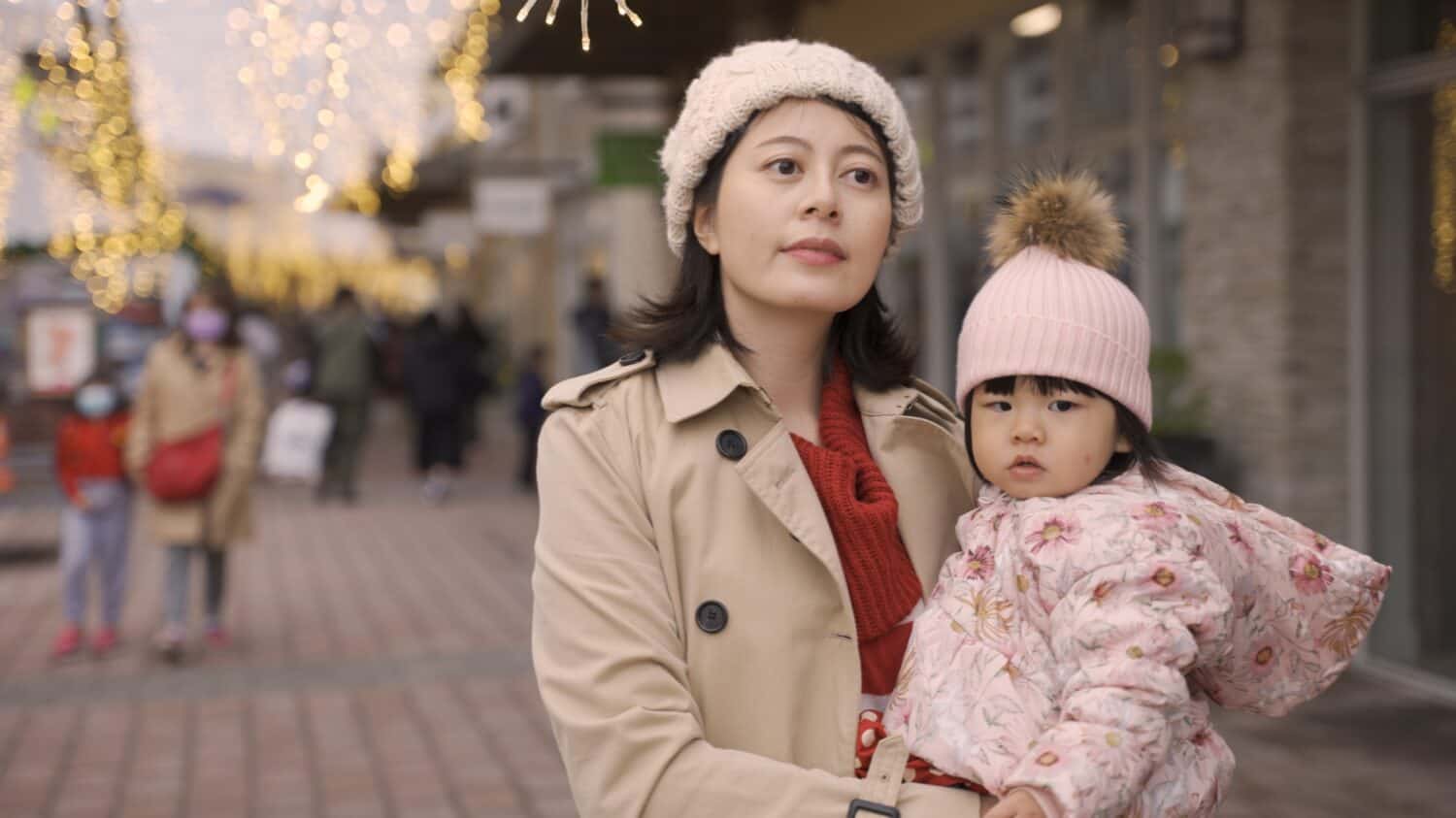
It may not be easy to be separate from your child, but your kids may be ready for this next step.
©PRPicturesProduction/Shutterstock.com
While we’ll discuss many ways you can ensure your child is preschool-ready, you may start to see signs that they're ready for class. The signs to watch for include:
Social Readiness
Even if they're not going up to other kids yet, if your child asks or shows an interest in playing with others, then they may be ready to start interacting with their classmates at preschool. Some kids may engage in parallel play, playing near other kids or mimicking them on the playground. Also, if your child begins to practice basic group expectations, such as following simple rules or waiting briefly for their turn in a group setting, they may be ready to go.
Emotional Readiness
Your child may also display some emotional signs of preschool readiness. For instance, if your child has become more comfortable with being separated from you, even if that’s just going with grandparents, then they may be ready for regular separation. If your child is crying less or is beginning to recover from big emotional outbursts faster than usual, they may also be ready. Finally, if they show any curiosity about new places, people, or activities, they may be looking for something new.
Physical Readiness
A final sign that your child is preschool ready is when they start to showcase physical or self-care skills. An easy one is when your child can feed themselves with utensils, even if they make a bit of a mess. Also, even if they’re not yet formally potty trained, if they’re exhibiting signs of awareness of their own bathroom needs, they may be okay at preschool. Finally, if they can sit in one spot for an extended period of time and sing a song or work a puzzle, they may be ready.
Understand Your Own Fears
A necessary tactic to getting your child preschool ready may involve getting over your own fears. Here are some common concerns and how to work through them:
Separation Anxiety
It’s typically around toddlerhood that parents start to realize their little bundle of joy is growing up and will soon be going to school. Separation anxiety can easily creep in. You can get past these concerns by realizing that this is a part of life and that your baby will be fine. They may cry at first, but once they get used to their school, they’ll be happier and likely enjoy themselves. While they’re at school, plan to do something you enjoy to keep your mind off things.
Social Worries
If you’re anything like me, you may worry that your child won’t fit in or that they’ll be too shy to engage in typical preschool behaviors. That’s a common feeling. However, you must remember that teachers are experts and they’re familiar with the many different types of children who come through the door. Also, remember that social interaction and friendships at this age are low-pressure and fluid. Your child will find a way to fit in, and they’ll be happy.
Academic Pressure
Like the social issue, you may feel like your kids aren’t ready to learn new things or aren't as ready as some of the other students. Or you may feel that your kid isn’t learning enough in school once they start. This is another unfounded fear at this age. Again, remember that teachers have this under control, and your child will be just fine.
Health and Safety
Finally, you may feel like your precious baby will not be safe or they could fall and get hurt in preschool. You can address this fear early by carefully selecting a preschool before enrolling your child. Read reviews, get references from friends, and do your research, and you’ll find a safe harbor for your offspring. If necessary, you can discuss safety protocols with the teachers on the first day so you can quell your concerns.
Getting Your Kids Preschool Ready
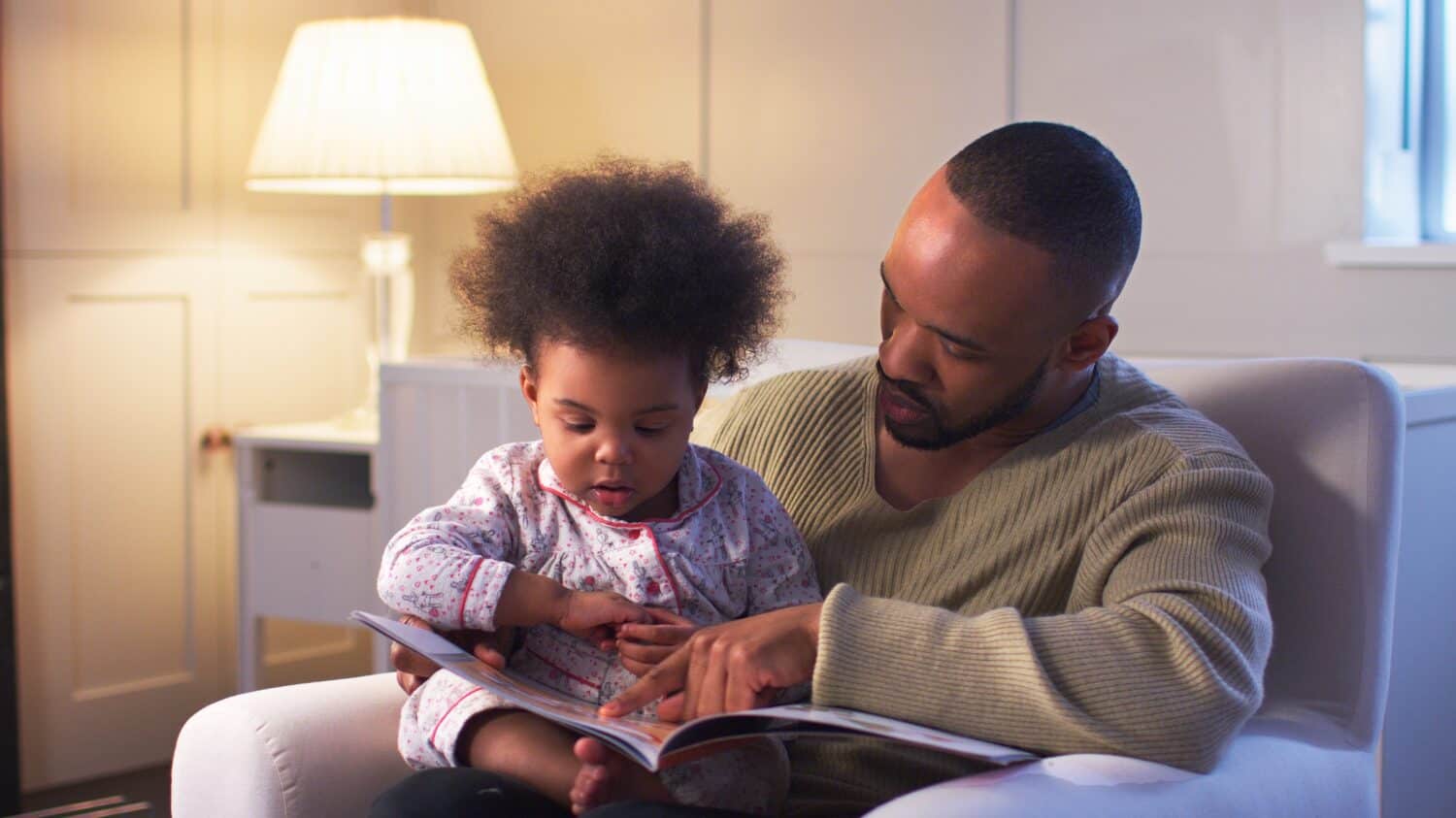
Start setting routines in motion at home, such as bedtime routines, so your child can be ready for the routines at preschool.
©Monkey Business Images/Shutterstock.com
Even if you feel like your student is preschool ready by their behavior, there are other steps you can take to ensure that your child is ready to go.
Encourage Independence at Home
Since your child will need to show some independence at school, you can help them start being independent at home. Start small by letting your child attempt simple tasks like eating or picking up toys on their own before you step in to assist. Also, when their toys are scattered all over the living room, encourage cleaning as a shared activity rather than a punishment, so they’re happy to clean up after themselves at school.
Build Simple Routines
Your kids will learn some routines at preschool, so get them started at home. Create a morning routine that includes making the bed, brushing teeth, and bathing at set times. At night, the routine can include putting on pajamas, brushing teeth, and hearing a bedtime story. Routines are essential for positive mental health, both for adults and children alike. They also build confidence and emotional security, which will be essential in preschool.
Practice Following Directions
To succeed in preschool, your child will need to know a bit about following directions, so start prepping them at home. Remember that your child isn’t even three years old yet, so don’t be too overbearing. When you instruct your child to pick up toys or eat from their plate, use simple, clear language. Don’t wait for perfection — praise their effort. Follow these guidelines at home, and when they get directions at preschool, it won’t be so jarring.
Prepare Your Child Emotionally
While you’re certainly going to be sad to be separated from your child for even a few hours, your baby boy or girl is likely to be just as petrified, at least the first few times. You need to prepare them for this emotional experience. Here are some tips to help in this regard:
Talk Positively About Preschool
First, get your child excited about the prospect by speaking positively about preschool when the subject comes up. Talk about how exciting it is, how much fun your child will have, and how great the teachers will be. Your child may not be receptive to everything you say, but they will detect the joy in your voice, and they’ll get excited, too.
Role Play
When you’re playing with your kids, role-play about preschool. You could pretend you’re dropping off a stuffed animal at preschool to get your child used to the routine. Then, play the game with your kids and listen to their comments or concerns. You can also find books about a child’s first day at preschool to get your child excited.
Stay Confident And You’ll Get Through This
Even if you practice all of these tips, the idea of dropping your child off at preschool for the first day will be tough. However, you need to put on a strong face. Whenever you’re around your child, sound confident about them going to school. Kids pick up on just about everything you say, and they’ll detect if there is doubt in your voice. Be confident about this exciting transition, and you’ll make the next step much easier.
The image featured at the top of this post is ©PeopleImages/Shutterstock.com