
Early reading is a topic that sparks debate among parents and educators alike. Some say that teaching children to read from an early age builds confidence and sets them up for success, while others argue that it may put too much pressure on little learners. So, should kids start learning to read before kindergarten?
We speak with several experts to discover the benefits, challenges, and practical ways to encourage early literacy for both parents and children.
Should Children Start Learning to Read Before Kindergarten?
©Prostock-studio/Shutterstock.com
If you're wondering whether children should start learning to read before kindergarten, the short answer is: yes. “We know that the reading skills that students enter kindergarten with are a predictor of later reading success, and those who come in behind in reading often stay behind,” says Zachary Barnes, PhD, an Associate Professor of Literacy at Austin Peay State University.
But there’s more to early reading than simply studying ABCs and 123s. “Social-emotional development comes first,” explains Cristina Barvo, an educator and founder of Empower Kids for Life and Leadership at Home. “Learning to read and write is a complex process that requires both cognitive and emotional readiness. Reading isn’t just about decoding letters and sounds — it’s about connecting meaning, memory, and curiosity.”
What Are the Benefits of Teaching Kids to Read Early?
Of course, an introduction to early literacy is a building block in a child's educational journey and can improve their academic success, but it’s not the only benefit. “Learning to read helps build their confidence and curiosity about language,” says Barvo. “It also helps strengthen attention and improve focus during shared reading moments.”
However, children who are pushed to read before they’re ready might lose interest or feel bored once school starts. “Some children may have already been exposed to books and reading, while other students in their class are still learning how to read and associate letters with sounds,” says Erin Sponaugle, an elementary teacher of 23 years, and author of Teachaholic: The 7-Day MindSET Shift to Conquer Burnout, Build Life-Changing Boundaries.
How Can Early Reading Skills Affect Classroom Learning?
Let’s say that your child starts school with advanced reading skills. What will happen if they’re in a classroom with kids who are still learning what the sky, plane, grass, and worm lines are?
“Kindergarten readiness is not only about reading and writing,” says Barvo. “It’s about being able to listen, take turns, manage emotions, and engage with others.” But don’t worry if your child already knows how to read — children who are ahead are often given materials that meet their reading levels or may even assist their classmates.
Even if your child has only basic reading skills in place, starting early generally benefits them. “You have nothing to lose by giving your child the gift of reading ahead of time,” says Sponaugle. “They will have more opportunities to be enriched in the classroom with higher-level texts and will potentially be able to move forward at an accelerated pace in their studies as time goes on.”

©Kyttan/Shutterstock.com
Encouraging Your Child's Reading Skills Early On
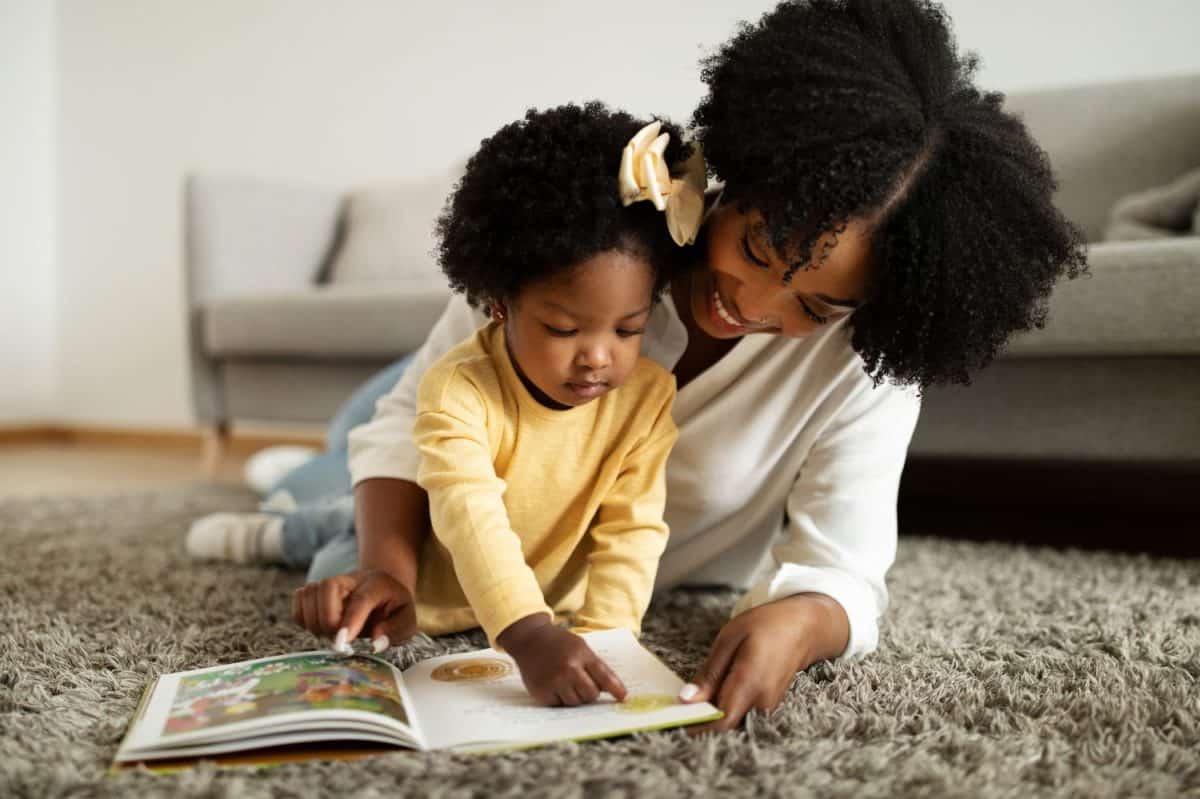
Reading books at bedtime is one of the best ways to help your child develop a love for reading. “When children associate books and reading with safety, enjoyment, and a positive interaction, you’re showing them that reading is fun and meaningful,” says Barvo, who suggests the following tips:
- When your child points at letters, say the sounds and connect them to real words.
- When you read to your child, track the words with your finger so they begin to see that print has meaning.
- Talk about the story, laugh, and predict what might happen next. Make reading a conversation, not a task.
- Take turns reading pages, even if it’s mostly looking at pictures or remembering words.
- Incorporate everyday activities into reading practice: ask your child to read the grocery list, follow a recipe (which helps with sequencing), or read signs while you’re out and about.
- Take trips to the library, and let your child pick out books that interest them.
Seeing you read can also help. “Children need to see reading being modeled by adults in their lives,” says Sponaugle. “They’re forming a relationship with books and reading based on what they observe from your interactions with printed words, too.”
©PeopleImages.com – Yuri A/Shutterstock.com
Deciding Whether a Reading Coach Is Right for Your Child
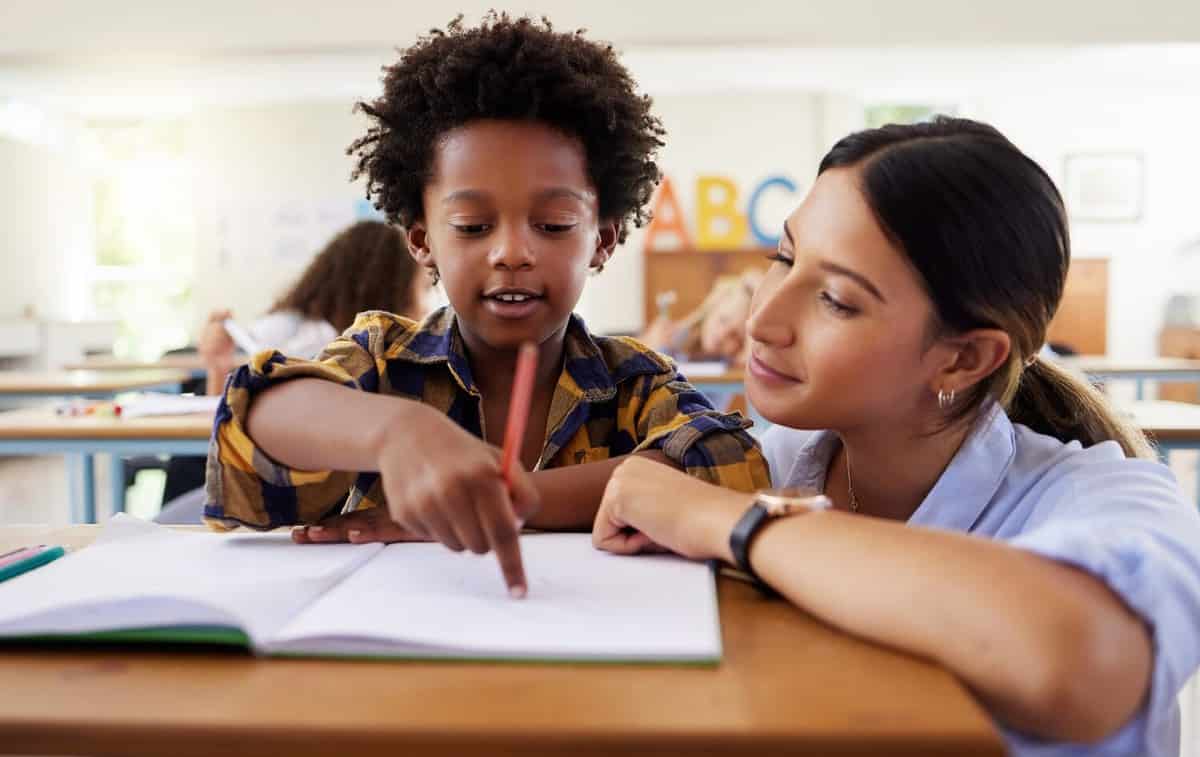
As a parent, you probably have all the skills you need to inspire your budding bookworm’s lifelong love of learning and reading. After all, when you’re getting your preschooler ready for kindergarten — you don’t have to prep them as if they’re going to college. “You don’t need a coach for your child to learn reading and develop a connection to books,” says Sponaugle.
To get the most out of reading together, be sure to take your time. For example, you might ask your child who they would say goodnight to if they were the main character in Goodnight, Moon. The goal, though, isn’t to give a pop quiz at the end of the book, but to allow open, natural conversation to occur.
That said, early intervention might be necessary if your child is struggling to learn or connect letters and sounds. “There are kids who, from an early age, may struggle with reading,” says Barnes. “For example, kids with parents with dyslexia or kids who are late talkers may be at a higher risk for reading difficulties.”
Consult your child’s pediatrician to see if they could use additional support (such as services with a reading specialist, school psychologist, or speech-language pathologist) to close any gaps early on.
What to Do When Your Child Isn't Interested in Reading
Fostering a love of reading isn’t an overnight process. Reading should be something that’s done for pleasure, and not viewed as a chore. “Children who associate reading with positive attention, love, and enjoyment will become drawn to reading and to the written word,” says Sponaugle. “The sooner a parent starts reading to their child, the sooner this connection will start.”
Ultimately, early reading is more than just letters and words — it’s about nurturing a lifelong love of learning and curiosity. Says Barvo: “The real goal isn’t early reading — it’s a child who wants to read because reading feels meaningful and joyful.”
The image featured at the top of this post is ©fizkes/Shutterstock.com