
There are lots of different ways to parent, and one that stands out is a thoughtful, observational approach known as “wait and see” parenting. This parenting approach encourages parents to pause before reacting to a child’s behavior, emotions, or challenges. Instead of immediately stepping in to fix, correct, or guide, the parent waits, giving the child space to process, problem-solve, or self-regulate. This intentional pause allows children to develop essential skills in independence, resilience, and critical thinking while maintaining a calm and steady presence from their caregivers.
In our exploration of this approach, we’ll delve into what “wait and see” parenting truly means, when it’s most appropriate to implement it, and how it can benefit both parents and children. By understanding the principles behind this method, we can foster healthier relationships and promote a nurturing environment that empowers children to navigate their own experiences and emotions. Join us as we uncover the transformative power of waiting and seeing in the parenting journey.
What Does an Expert Say About “Wait and See”

Tracey Biebel, LCSW, Therapist and Parenting Coach
©
To learn more about the “wait and see” method and to explore some healthy parenting strategies, we turn to Tracey Biebel, LCSW, Therapist and Parenting Coach. For more information about Biebel, check out her website.
At its core, the “wait and see” approach emphasizes giving children the time they need to adjust to their experiences. This method discourages rushing to label their feelings, pushing for immediate emotional responses, or making hasty decisions. Instead, it encourages parents to observe, remain present, and create space for their child’s emotions to unfold naturally. This mindful approach fosters a deeper understanding of the child’s needs and promotes emotional growth.
This approach is not passive or disengaged. Instead, it’s an active decision to observe before intervening. As Biebel notes, “I think it is important to offer warm kindness and clear limits.” Establishing boundaries helps create a secure environment where children can explore their feelings while knowing they are supported.
Biebel also recommends the book No-Drama Discipline by Daniel J. Siegel, M.D., and Tina Payne Bryson, Ph.D. This insightful book focuses on teaching rather than punishment, prioritizing the development of a strong parent-child bond. It encourages parents to view misbehavior not as a failure, but as an opportunity for learning and cognitive growth.
This Approach Helps Kids Learn Resilience and Independence
When your child encounters a manageable challenge, such as navigating a disagreement with a friend, figuring out a tricky homework question, or coping with mild frustration, Biebel encourages you to give them the chance to problem-solve independently.
“You’re nearby if they need help, but not rushing in right away,” she explains. This gentle support allows children to build confidence in their abilities. According to Biebel, the best thing you can do is to help set your child up for success, empowering them to tackle difficulties with resilience and creativity.
By adopting the “wait and see” approach, parents can create a supportive environment that promotes independence while deepening the parent-child relationship. This method encourages children to safely explore their emotions and face challenges, knowing their parents are there for support without being intrusive.
As kids learn to manage their experiences independently, they gain essential problem-solving skills and a sense of autonomy. Meanwhile, the consistent presence of a parent who observes and patiently waits fosters trust and communication, leading to stronger connections and a greater mutual understanding.
“Wait and See” in Action

Rather than rushing to fix, solve, or soothe, the “wait and see” approach helps children build resilience.
©iStock.com/Georgiy Datsenko
Therapist and parenting coach Tracey Biebel offers a couple of examples to demonstrate how this parenting approach can be applied in real-life situations. She explains that taking a 4-year-old to a late dinner and simply waiting to see how they cope is likely to result in chaos. The child may be hungry, tired, and have difficulty sitting still or focusing on their meal.
Biebel observes, “That is not a behavior choice; they aren't set up for success. We need to turn the mirror on ourselves at that point.”
In another scenario, Biebel discusses a child who climbs high on a play structure and requests help. She highlights that we often rescue our children too quickly. Instead, she suggests walking through the problem with them. “Having empathy for your child, maintaining a calm demeanor, and coaching them on what to do are essential,” she explains. This approach is not about allowing risky behavior; it’s a chance for the child to develop coping skills and build confidence.
There are also times when it may be unclear whether a situation requires parental intervention. A brief pause to observe, without panic, can clarify whether the child is managing independently or genuinely needs help. While you remain prepared to assist, the focus is on not rushing in without careful consideration.
When Not to Use “Wait and See”
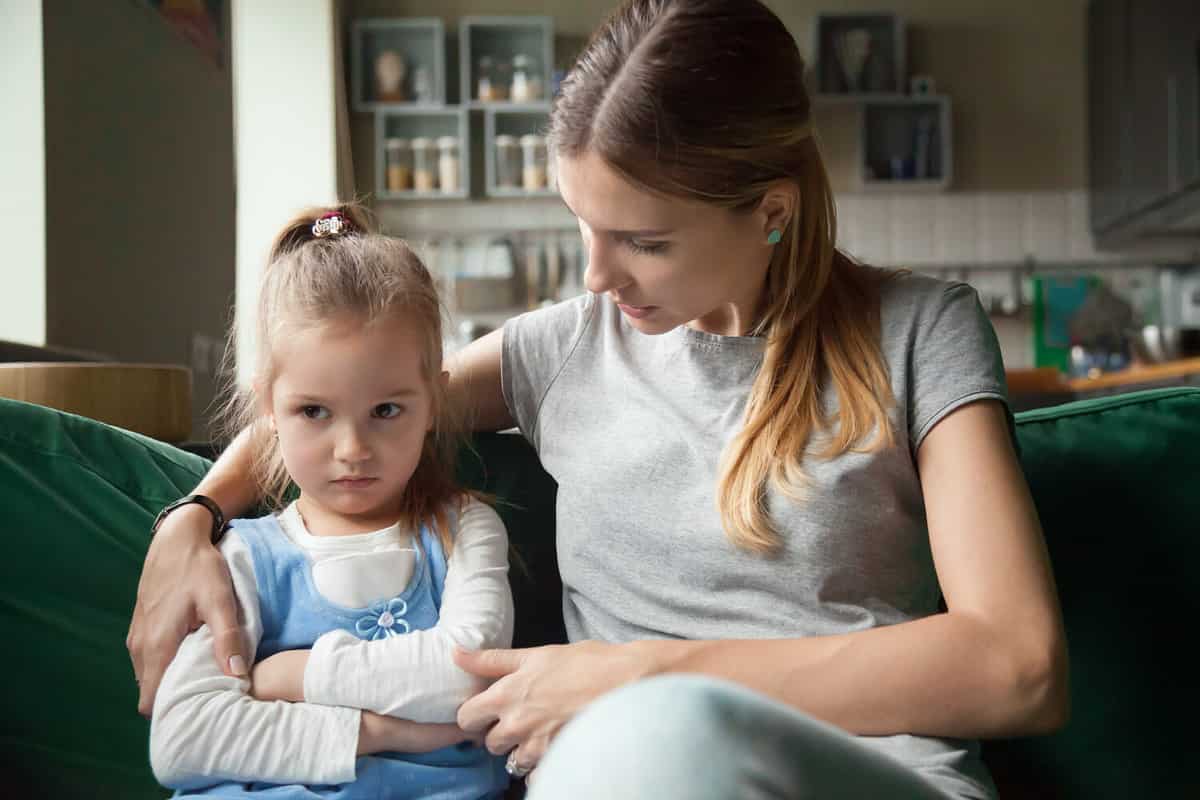
This parenting strategy supports children’s growth through natural experiences.
©fizkes/Shutterstock.com
There are times when the “wait and see” approach is not the right strategy. While this parenting method can facilitate natural growth through experiences, it should never be applied in situations involving danger, urgency, or emerging patterns of concern.
If your child finds themselves in physical danger, feels emotionally overwhelmed, or is exposed to a harmful environment, immediate action is always crucial. These kinds of moments do not allow for pauses or observations, but instead, they require you to step in and provide safety, comfort, and clear boundaries for your child. “Wait and see” is intended for manageable situations and is not for emergencies.
When your child reaches out for support, it's essential to listen. Even if you believe they can handle the situation on their own, honoring their request validates their feelings and reinforces the trust between you. Sometimes, the act of asking for help is more important than the challenge itself. Responding with empathy demonstrates to your child that they don't have to struggle in silence and that seeking support is a strength, not a weakness.
Ultimately, the “wait and see” approach should be measured with attentive awareness. It’s about finding the right balance between offering independence and ensuring your child feels supported and cared for. By knowing when to step in and when to give space, parents can effectively nurture their child's independence while ensuring their safety and emotional health.
Conclusion

©imtmphoto / Shutterstock.com
“Wait and see” parenting is not about stepping back. Instead, it’s about showing up in a calmer, more intentional way. It gives children the gift of discovering their strength while reassuring them that support is always within reach.
“Wait and see” parenting doesn’t mean doing nothing; it means doing less in the moment so your child can do more. It’s a vote of confidence in your child’s capacity to grow, with you standing by as their quiet guide. When used appropriately, this approach fosters resilience, confidence, and stronger parent-child relationships, while also providing parents with an opportunity to grow in trust, presence, and perspective.
The image featured at the top of this post is ©Nastuffa/Shutterstock.com