
Boredom is a feeling few kids ever experience anymore. The invention of iPads, video games, smartphones, and other tech has made it obsolete. While this was initially great news for parents struggling to keep kids entertained, many now question it. Is the lack of boredom really such a good thing?
These days, we have a constant influx of information and content to consume. For developing minds, the absence of boredom can lead to a lack of creativity, imagination, and critical thinking. To find out just how detrimental an overstimulated young mind can be to a child, we speak with Polina Shkadron, MA, CCC-SLP, MSNE, CTP, ADHD-RSP, Neurodivergent Specialist and Family Therapist.
In her years helping autistic and ADHD kids find their natural rhythms, she's familiar with just how much boredom (or lackthereof) can affect a child.
How Can Boredom Be a Good Thing?
©Bricolage/Shutterstock.com
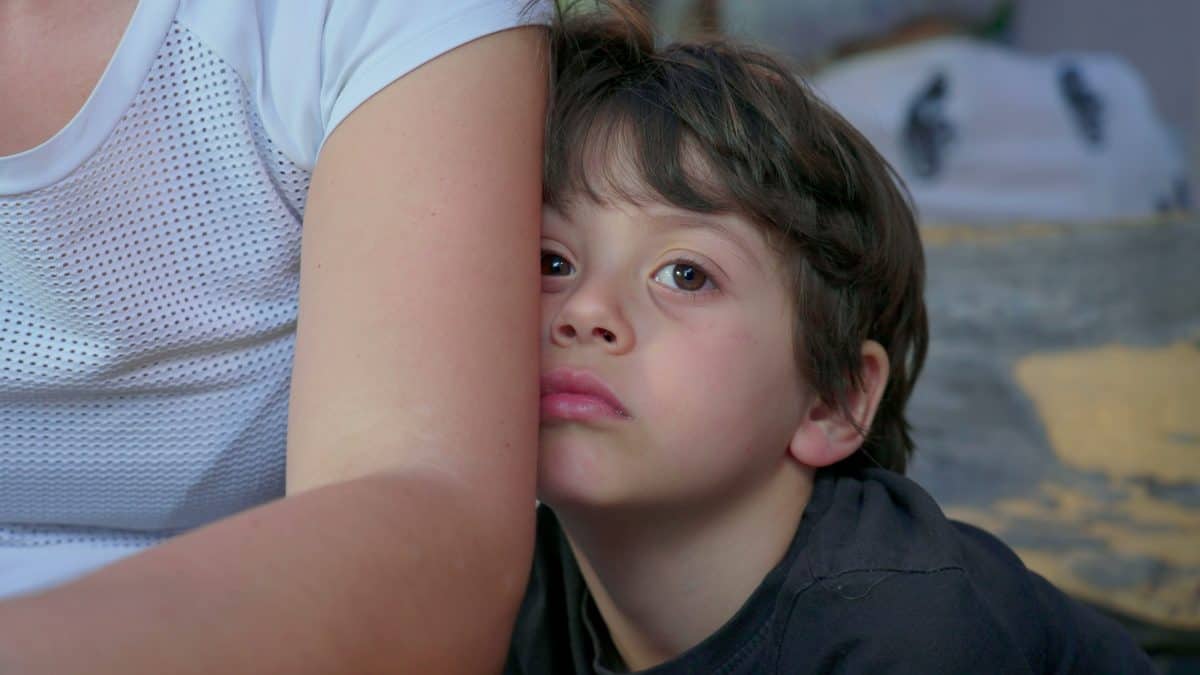
“Boredom allows for the brain to create a pause, which is also what's missing in the age where kids are constantly stimulated,” Shkadron says. “There is no pause. The pause builds self-regulation and impulse-control skills. These are the building blocks of executive functioning. The skills that you need, quite literally, for life.” Shkadron adds that regulation and impulse control transform into cognitive flexibility. It's these three pillars from which all other executive function skills emerge.
“Thus, the pause between thought and action is essential for problem solving, conflict resolution, and perspective taking, just to name a few,” she explains. All of these are essential to prompt the brain's Default Network Mode. When this is activated, the brain transitions into mind-wandering (sometimes called “daydreaming” or “introspection”), self-reflection, and creative thought.
It's easy to think of it like this: If the brain is constantly simulated, it's in “busy” or “away” mode. By removing the roadblock keeping the mind from its natural thought processes, it can think freely. This is similar to holding a weight and then dropping it, allowing the muscles to stretch and do what they naturally do without focusing on holding something up.
More Boredom Means More Room For Creativity
As our brains develop and our thought patterns change, so does our imagination. This is often the most active in children, who dream up vast scenarios and vivid storylines. Most of the time, this is done through play and socializing, two things that don't happen when screen time is involved. And if they do, it's limited to what kids are watching on phones or tablets.
“Boredom does enhance creativity because it works like a nudge. Since boredom can feel quite uncomfortable, it is a way to support children to become comfortable with their own discomfort,” says Shkadron. Through this discomfort, the brain begins to function in a way that's altogether different from how it functions with external stimulation. To encourage this, Shkadron says parents can lead by example and observe what happens.

©Motortion Films/Shutterstock.com
“For instance, when you're waiting in line to check out, stay off your phone. That way, you can have an intentional conversation with your child about boredom,” she says. “You can begin to notice what happens for you when boredom strikes, and reflect on what it can be like for your child. It is as if you're ‘practicing being bored together.”
Shkadron also shares that from boredom, other opportunities arise. “Creating in real life, such as building a Minecraft world with blocks or random home objects, is quite different and more inspirational than having the world already built for you by pressing a screen. It requires added effort and additional skills in the executive functioning domains.”
Boredom Also Teaches Valuable Life Skills
Aside from cognitive flexibility, boredom also teaches cognitive adaptability. While it fosters creativity, it also encourages sitting with emotions that are less fun. Boredom isn't a comfortable feeling, but sitting with that discomfort does more for a child than many realize. From this seed of frustration, things like problem-solving and planning bloom. As kids navigate how to avoid boredom, they're unintentionally expanding their minds and becoming open to other stimulating activities.

©BearFotos/Shutterstock.com
This critical thinking triggers a chain reaction. As kids invest their time into a project or chore of their choosing to fend off boredom, they're reaping the rewards. This comes in the form of fun, solving a problem, or simply completing a task.
As kids grow accustomed to planning their own time outside the digital world, their confidence also grows. They may find that they're good at creating with their hands or using their imaginations for art-focused endeavors. They could discover how much joy they get from reading or spending time with their friends or families. New experiences also boost self-esteem, encouraging growth as kids get older.
How Can Parents Encourage Boredom In a Natural Way?
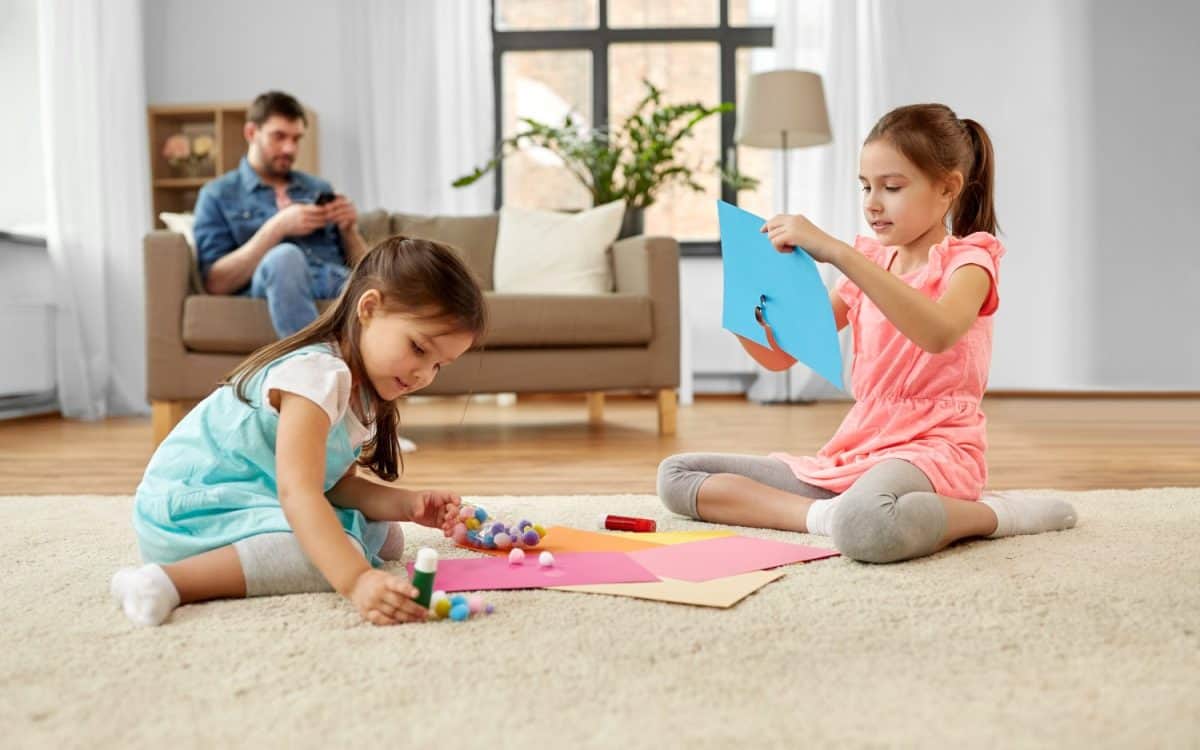
According to the Child Mind Institute, it's important to determine why your child is bored. If it's because they're curious, seeking attention, or hungry, these things should be addressed separately. However, if your child is genuinely looking for something to do, experts agree that responding positively is the best practice. Having a list of non-screen activities at the ready is a good way to navigate boredom before it becomes more frustrating.
©Ground Picture/Shutterstock.com
For older children, having a list of long-term activities might be helpful. This can include projects that take days or weeks to finish, i.e., LEGOs, building sets, or crafts. Acknowledging that boredom will be a side effect of reducing screen time is a good start, but parents should also be prepared to help their children navigate that feeling. This is also an excellent chance for parents and children to bond over shared interests or learn a new hobby they can do together.
However, it's also important to remember that kids should have the freedom to explore boredom on their own. Parents can offer a nudge in the right direction, but ultimately, it's up to their child to decide how to spend their time.
Parents Can Also Take a Backseat to Boredom
When it comes to shutting down screen time, Shkadron suggests being firm but supportive. “It's about upholding a supportive parental boundary when it comes to screens, such as, ‘I get that you really need to keep playing, and we're done for today.' Rather than focusing on the word ‘fun,' pivot to creating opportunities for struggle,” she says. “Whether it's a struggle in rediscovering an item your child has forgotten about, or simply allowing boredom to unfold. The struggle is theirs, and you do not have to solve it or fix it for them.”

©Yaoinlove/Shutterstock.com
Being bored isn't always a problem for parents to fix. At times, this can even counteract a child's natural problem-solving instincts. “You can always encourage and validate the fact that ‘being bored is annoying,' or a word that your child may typically use to depict boredom, followed by literally sitting with boredom, like they would a friend. They can then figure out how to entertain boredom, since — and this is the boredom you've personified — boredom is going to hang out at your house for a while.”
Allowing a child to entertain themselves, to a certain extent, is a practice in self-sufficiency. While this occurs, their brains are also shifting gears to get them out of the discomfort they feel. As they get older, this foundation becomes crucial for sitting with the discomfort of other, more mature feelings. It may start with your child saying, “I'm bored,” but it can end with the skills needed to navigate life as an adult.
The image featured at the top of this post is ©Dusan Petkovic/Shutterstock.com