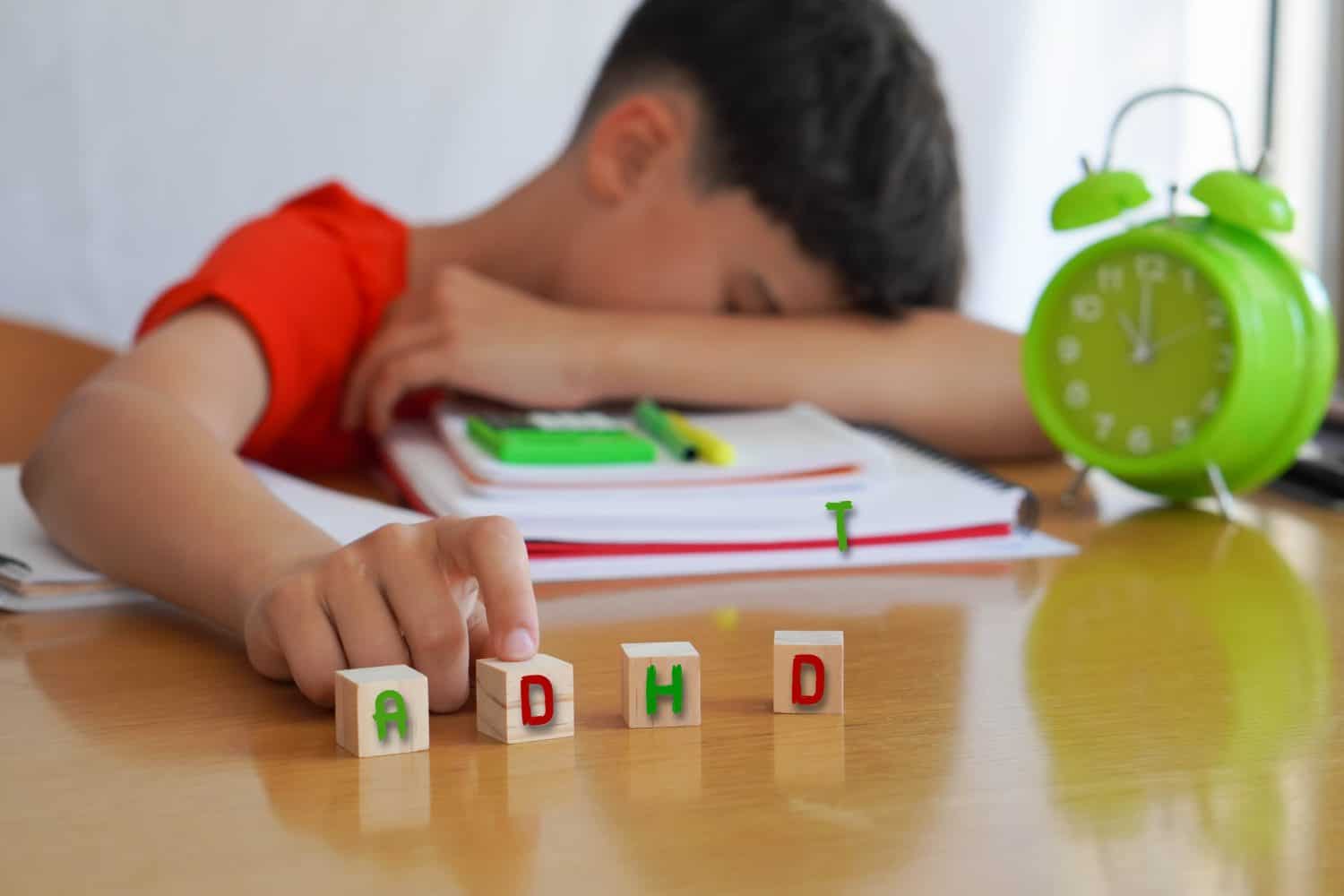
In 2022, approximately 7.1 million children were diagnosed with attention-deficit disorder, known as ADHD. Males are typically diagnosed faster than females, which means this number may be even higher in 2025. According to a recent study by the CDC, ADHD is on the rise, with an estimated 1 in 9 children being neurodivergent. While these statistics reflect the outcome of a diagnosis, they don't address the struggle of getting one.
ADHD presents with many different symptoms, which can differ from child to child. Symptoms can also change as a child ages, making a diagnosis that much more challenging. For parents, this can be a stressful time with few answers. To help you get the guidance you need, we speak with two experts whose mission is to diagnose, help, and guide parents of children with ADHD.
When You Suspect Your Child Has ADHD
One of the biggest questions regarding ADHD is when it's detectable. We speak with Erik Larson, Owner and PMHNP-BC at Larson Mental Health, to gain some insight. “Doctors usually start talking about ADHD around age four, as by this time the child's behavior becomes more stable and differences from peers become noticeable,” he says.
“In practice, the diagnosis is most often made during school age, when learning and social difficulties become apparent. However, there are cases where very clear symptoms suggest ADHD as early as 3-4 years of age.” Larson goes on to say that this is rare, and a premature diagnosis should be approached with caution. Sometimes, presumed symptoms of ADHD can also be a child's everyday play or behavior.

©Andrew Angelov/Shutterstock.com
After age four, early signs of ADHD can include many things. According to Larson, the first warning sign is when a child significantly differs from their peers in activity and attention. “For example, if they barely listen to adults or only follow a few instructions, this may be a reason for an evaluation,” he says.
Larson adds that parents should pay close attention to excessive fidgeting, inability to focus, running, talking excessively, and making excessive noise. “It's also worth paying attention if the child quickly abandons tasks and moves on to another, or if they do not recognize danger, act impulsively, and frequently injure themselves. Such behaviors can occur in any preschooler, but if they happen every day and interfere with the child's learning or social interactions, it is best to discuss them with a doctor,” he says.
Additional Early Challenges
Along with ADHD, a diagnosis can mean other disabling conditions. It's worth paying attention to your child's learning abilities to determine if they struggle in more than one area of learning. Children with ADHD often also have other challenges. These can range from learning difficulties, such as dyslexia or dyscalculia, to behavioral problems, such as frequent outbursts of anger and aggression, along with emotional disorders such as anxiety and depression,” Larson says.
“I generally recommend screening every child diagnosed with ADHD for these conditions so they can be factored into the treatment plan.”
According to the CDC, at least 78% of children diagnosed with ADHD have co-occurring conditions. Roughly half of these cases had behavior or conduct problems, while 4 in 10 dealt with severe anxiety.
Testing For ADHD
Testing for ADHD varies depending on the child's age. Larson explains that for preschoolers, the emphasis is on conversations with parents, observation of the child, and assessment of their development.
In school-aged children, a diagnosis begins with information from teachers and reports of classroom difficulties. He adds that questionnaires and behavior scales are also part of the process. When all the information is gathered, parents consult with a doctor. From this point, they may or may not recommend a specialist depending on the results.

©Ground Picture/Shutterstock.com
“If the criteria are met, the diagnosis is confirmed, and a treatment plan is developed, which is never the same for everyone because children are so different,” says Larson. “For young children, parent training and behavioral therapy are often recommended, and for school-age children, medication may be added if needed. The best results are achieved when a plan is tailored to the individual child and their family.”
He notes that rare cases may necessitate additional in-depth neuropsychological evaluations. “These are generally only needed in situations where a clinician sees indications that other conditions may be present and may be playing a role in the child's behavior or academic difficulties,” says Larson.
You Have a Diagnosis, Now What?
For some parents, the process following a diagnosis makes life more stressful than it was before. We speak with Polina Shkadron, MA, CCC-SLP, MSNE, CTP, ADHD-RSP, Founder and Neurodivergent Therapist at Play to Learn Consulting, to find guidance following a diagnosis. Shkadron has experience treating a range of ADHD cases, and shares that understanding is the first step.
Finding a Place to Start
Knowing what to ask and how to learn more about your child's ADHD can be daunting. As they grow up in a world often catering to neurotypical brains, parents may also need to alter their thinking to match their child's. When Shkadron first meets with a family, she asks them one crucial question: What's working and what hasn't been?
“I want to make sure that parents feel empowered and self-efficacious rather than thinking that they're failing their child,” she says. “They already intuitively know that their child is having a hard time, so starting with all the struggles is reaffirming that their parenting isn't working. That's the reason I hone in on what's been going well and ask about their child's greatest strengths.”
“I had a parent say to me recently, ‘I just want someone to tell me I'm not failing.' Parents also need to feel heard and validated.”
Polina Shkadron, MA, CCC-SLP, MSNE, CTP, ADHD-RSP, Founder and Neurodivergent Therapist at Play to Learn Consulting
Overcoming “Lowered-Expectation Days”
“Neurodivergence means that the brain is wired to perceive the world uniquely. When you claim a superpower or a disability, you're essentially putting the child into only two categories: good or bad,” Shkadron explains to us.
“The truth is that some days are going to be rough because the brain and the body aren't meant to achieve perfection. On those rough days, a child can be at a lower capacity and experience less resilience.”

©antoniodiaz/Shutterstock.com
Shkadron encourages parents to let their child know what clues they're picking up on. For example, acknowledging a struggle, such as getting dressed or putting on shoes, and offering to lighten some of the load.
“This type of affirmative language also sets up the child for success and allows them to understand their own dysregulation, where it comes from, and how to let someone else know that they're having an ‘off' day, so to speak. Then, there are going to be other days when they can rise to any challenge,” says Shkadron.
She explains that capitalizing on their success reinforces a parent's support of their child's problem-solving skills. This positive reinforcement affirms their efforts in a thoughtful, compassionate way. She also recommends following up with the question, “How did you do that?” This ignites curiosity, encouraging a child to reflect. “Neurodivergence is nuanced, and that's what we want to teach kids and families,” says Shkadron.
Learning How to Communicate Effectively
One of the most common problems for parents and children with ADHD is communication. Shkadron explains that communication becomes a significant struggle when two different conversations are happening. “What this means is that the ADHD child may be approaching a situation from a fear-based or emotional area of the brain, and the parent is in ‘fix it mode.' That is a communication mismatch because the child isn't asking for anything to be fixed,” she says.
“They need to know that the parent is with them in the fear and in the emotionality to then work through it at the child's pace, rather than immediately offering solutions.”

©fizkes / Getty Images
Instead of looking for a solution to the problem, the child in this case is seeking validation and regulation from someone they trust. Once this has been achieved, they can begin working through the problem with rational thinking.
“I like to describe it to parents as: accept, attune, advocate. Accept that you're going to be in this tough moment with your child for a while. Attune to their regulation needs and your own, so that you don't become dysregulated yourself. Then, build up toward advocating for those underlying needs from a rational perspective,” says Shkadron.
Engaging With ADHD Through Play
“Play therapy encompasses all aspects of executive function skills, including difficulties with emotional regulation, which children with ADHD experience,” says Shkadron. At her practice, play is a powerful tool for both engaging with and understanding neurodivergence.
“It is through playing board games, for instance, that require them to hold multiple pieces of information in mind and navigate challenges that come up based on how their opponent responds. Consider play as the avenue that creates opportunities for other discussions, as problems tend to surface naturally,” she explains.

©Studio.G photography/Shutterstock.com
Play stimulates neuroplasticity, which can help improve brain function. Certain games may also improve focus, lengthen attention spans, and manage unnecessary distractions. Through play, children can also find a safe space to express their emotions. They're given the freedom to be creative or express themselves through a non-verbal manner.
Some games, such as puzzles and brain teasers, can even enhance problem-solving skills. Each of these is highly beneficial for a child with ADHD, especially if they have co-occurring conditions.
How to Adapt to Life With ADHD in the Long-Term
Navigating life with a child who has ADHD can be challenging and frustrating at times. Shkadron understands this better than most and shares this understanding with families. She encourages them to make one significant change: Acknowledge their successes.
“Prior to giving your child a multitude of responsibilities solely based on their age or because you are attempting to comply with social norms, notice during what moments your child is successful. Then, you can capitalize on those successes by building, what I like to call, a bank of successes,” she says.
What this means is, instead of the ‘good jobs,' you start admiring and encouraging the effort that your child put into something they completed. Shkadron explains that this process can help parents build structure around their child's brain. Since ADHD is unique to each person, it also dictates a unique schedule, routine, and approach to tasks.

©SeventyFour/Shutterstock.com
Another aspect of parenting a child with ADHD is the importance of patience. We're all human and will make mistakes — what matters is how we acknowledge and move forward.
“When it feels like an uphill battle, that's because it probably is. It's important for parents to know that I am here acknowledging their struggles, and that some days they don't have enough capacity, which means they'll yell at their kid or they'll revert to empty threats or punishments,” she says.
“Once their own dysregulation has passed, and the parent has come to terms with the fact that what they said was really harsh, they are going to be the ones to repair and apologize.”
“The apology is taking ownership of their own actions and reactions. It sounds like, ‘I'm so sorry that I threatened to take your iPad away. It was so hard for me to take a moment.' It shows kids that parents will mess up too and that, despite the mess up, they will continue to show up as that trusting, safe and secure adult.”
Polina Shkadron, MA, CCC-SLP, MSNE, CTP, ADHD-RSP, Founder and Neurodivergent Therapist at Play to Learn Consulting
The image featured at the top of this post is ©MGARCIA_CREATIVE/Shutterstock.com