
















10 Signs Your Child May Have Asperger's
As parents, we all want the best for our children. We want them to have a healthy, fulfilled life filled with love. However, life gives us daily challenges, and some can be more overwhelming than others. Some parents have children born with Treacher-Collins syndrome, leukemia, brain tumors, ADHD, diabetes, and other disabilities. My nephew has Treacher-Collins syndrome, and I have a friend whose son has Asperger's. I can understand the challenges that a parent needs to overcome to support their child with these conditions. Today, we're identifying 10 signs your child may have Asperger’s.
Also known as Asperger’s syndrome, this neurodevelopmental disorder is considered a part of the autism spectrum. It was previously a separate diagnosis, but since 2013, Asperger's syndrome has been included under the broader autism spectrum disorder (ASD) diagnosis in the DSM-5 and is no longer diagnosed as a separate condition. In simple terms, these conditions can cause a delay in basic skills. Notably, these skills include socializing with others, working as a team, communicating and expressing feelings, and using their imaginations.
If your child has one or more of these signs, it doesn't necessarily mean they have autism, but it's a good idea to talk with your child's pediatrician if you have concerns. Here are 10 different signs that could indicate your child has ASD.
What Is Asperger's?
In the Diagnostic and Statistical Manual of Mental Disorders, Fifth Edition (DSM-5), Asperger syndrome is no longer a separate diagnosis and is now classified under autism spectrum disorder (ASD). Individuals with Asperger syndrome are usually diagnosed with level 1 ASD.
Individuals with level 1 autism are described as requiring some support, though the amount and setting of support needed can vary from person to person. Social communication can be challenging for them, but they also have many strengths, particularly in attention to detail and pattern recognition.
1. Social Skills
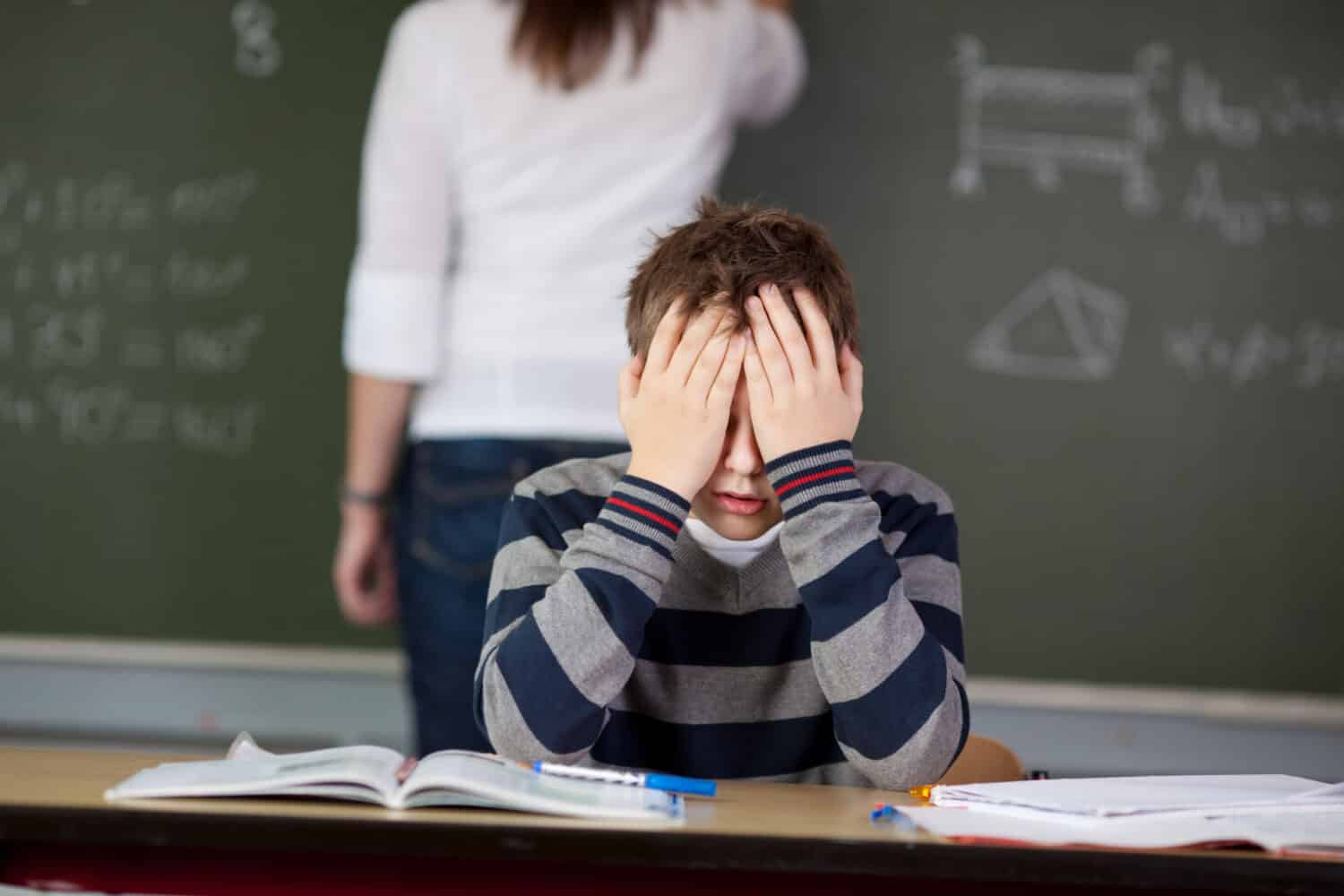
Those who have Asperger’s may struggle with social skills. They tend to have difficulty understanding facial expressions and maintaining eye contact. This can make them feel awkward and distant from others. Some children tend to play alone or have one particular friend. In addition, some children also do not respond to their names when being called and may seem as if they are ignoring you. They may also appear not to understand simple directions or questions.
2. Communication Skills
Furthermore, those with Asperger's may have difficulty understanding gestures, tone of voice, body language, and responding to natural conversations. This can also affect their speech, where they have a robotic or monotone voice. They may also struggle to understand humor and sarcasm.
3. Repetitive Behavior and Change
In addition, those who have Asperger's tend to feel uncomfortable with change. A switch in daily routines and activities can be disruptive. When feeling uncomfortable, they may demonstrate physical repetitive behavior such as spinning, hand flapping, biting, or rocking.
4. Eating Patterns
Some children may be quite picky when eating and drinking. They may only want to eat and drink the same type of food each day and are not willing to try something new because they are comfortable with what they know. They may also not eat foods with a certain texture. This is a sign to look out for because it is important to make sure that your child has a healthy, balanced diet.
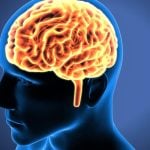
5. Brain Development
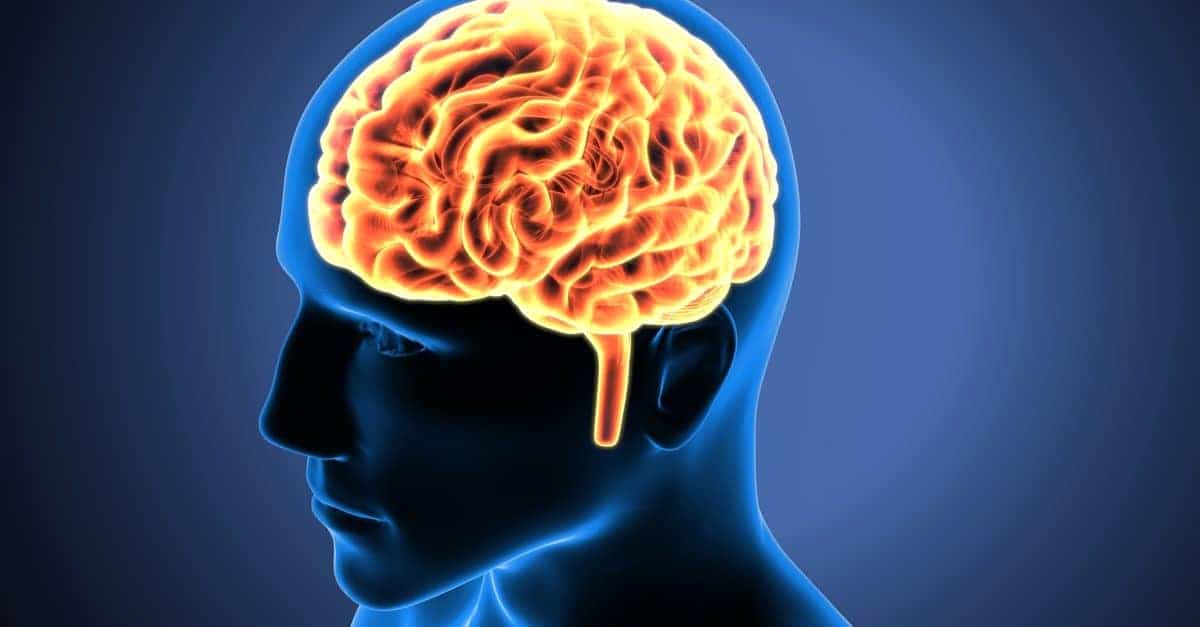
Regardless of whether those with Asperger’s have communication and social challenges, they do have loving and caring personalities, but may battle with empathy. Furthermore, they often exhibit average or above-average intelligence and have specific strengths in logic, memory, and problem-solving abilities. However, as previously mentioned, they may have difficulty expressing their own feelings and understanding others' emotions.
6. Genetics and Family
Asperger’s syndrome has been identified as part of the autism spectrum disorder, and hereditary factors play an important role in the onset of this condition. Research suggests that both parents can carry genetic variants that increase the risk of autism, and many different genes may contribute to the development of autism spectrum disorder. Babies who are born very prematurely (before 26 weeks) are at a greater risk of developing autism spectrum disorder. There may also be a connection between children born to older parents; however, more research is needed.
7. Environmental Factors
Certain environmental factors can also affect the development of autism spectrum disorder. These may include advanced parental age, prenatal exposure to air pollution or pesticides, maternal obesity or diabetes, and complications during pregnancy or birth. These can include complications during pregnancy or birth, drugs, alcohol, and even pesticides.
8. Sensory Issues
Children with Asperger's may have sensory issues. They may feel uncomfortable when touched or be sensitive to bright lights and loud noises.
9. Poor Coordination
Another sign your child may have Asperger’s is a lack of coordination; they may often seem stiff and clumsy. They could also drop items, trip, and fall.
10. Limited Interests
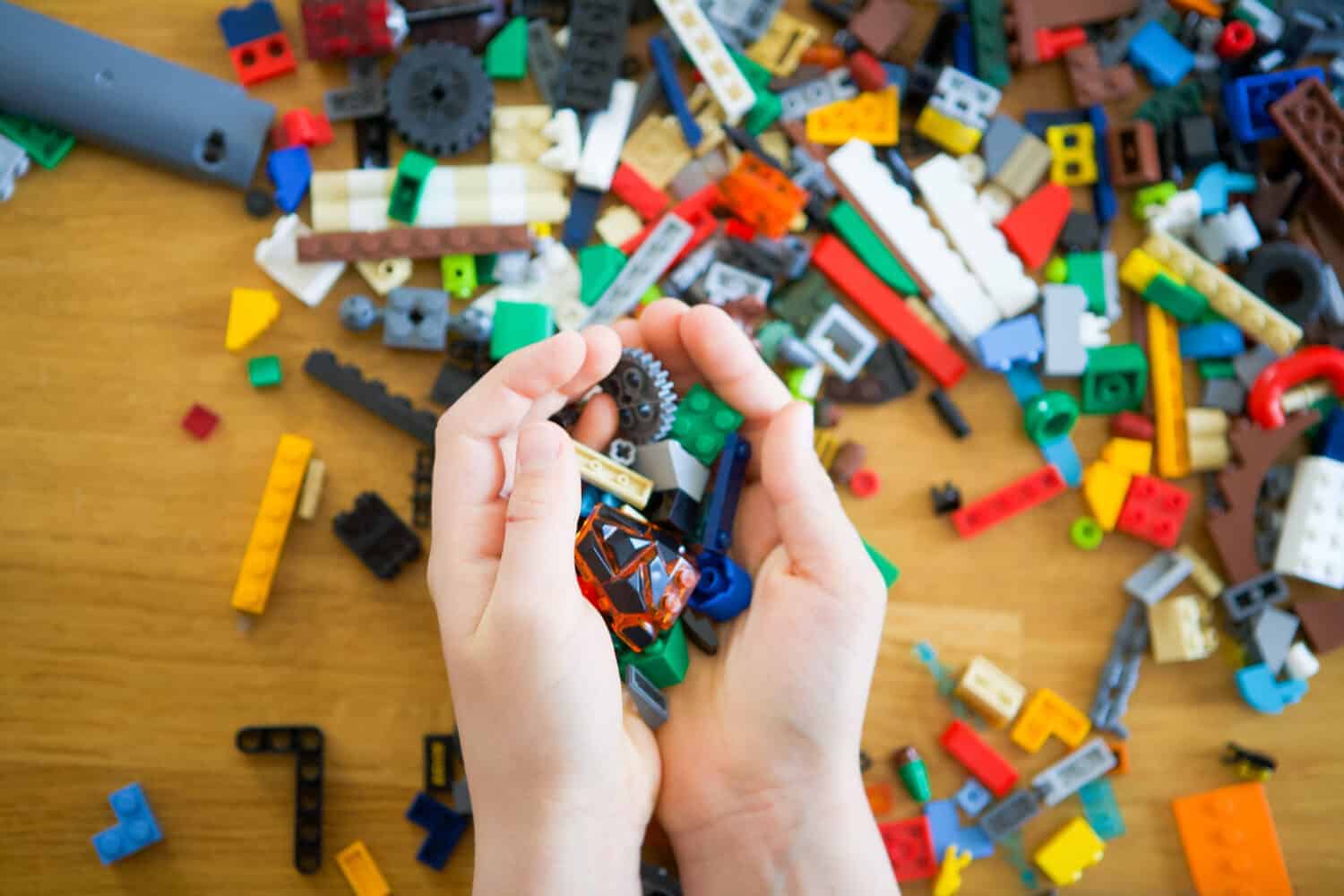
Finally, children with Asperger’s have a limited imagination; they don’t play make-believe games and tend to focus on one topic that interests them. This may appear obsessive and strange to others. If you notice any of these signs, do not hesitate to speak to your doctor.
The image featured at the top of this post is ©stockfour/Shutterstock.com