











9 Indicators Your Child May Be On The Autism Spectrum
Every parent wishes for their child to be happy and healthy, but that's not always guaranteed. As a parent, you never know what your children may be facing, and certain childhood conditions, disorders, and diseases can be difficult to detect. One such condition is Autism Spectrum Disorder (ASD), which, according to the American Psychiatric Association, is a complex developmental condition that involves challenges with social communication, restricted interests, and repetitive behavior.
Recognizing these signs can be difficult because they aren’t always obvious. To help combat early awareness, we've compiled a list of nine indicators that your child may be on the Autism spectrum. There are several signs to be aware of, such as a lack of language skills, constant irritability, and engaging in self-harm. While these may not always point to ASD, it’s always best to speak to a professional if you have any concerns. Research has shown that early detection is best and treatment is likely to have more positive long-term effects.
This post was updated in December 2025 to include updated information about the symptoms of ASD.
Lack of Emotion or Nonverbal Communication
One of the most noteworthy signs your child may be autistic is when they don't show a lot of emotion. Or they fail to show the forms of nonverbal communication that many of us do involuntarily. It's especially vital to watch for these issues during the first year of your child's life.
Your baby should be smiling a lot and there should be simple hand gestures like pointing and waving. If your child seems not to do any of this, it may be a sign of autism. Also, after six months, your child should be able to recognize their name and look at you when you say it. If you're not seeing this, talk to a doctor.
A child with autism may also make repetitive movements, like rocking their body and flicking their fingers. So keep an eye out for those signs as well.
Lack of Language Skills
By two, your child should be verbally communicating. It doesn't have to be complex sentences, but there should be some communication. Remember that a delay in speech doesn't necessarily point to autism. Sometimes, it may just be that your child is delayed, and they will catch up.
Usually, if your child is not talking by age 2-3, you will want to see if they're also exhibiting the other symptoms on this list. As your child gets older and reaches their teen years, they may find it hard to verbally express how they feel. Again, that can be a typical behavior of older kids.
But compare them with the other signs on this list and speak to a medical professional if you think something might be going on. Sometimes, a parent may get excited when they see their child speaking more, but then they'll regress. If so, that could be another indication of autism.
Isolation
While you may not be able to see the signs when your child is an infant, as they grow older, an autistic child will likely show a preference for isolation and being alone. Many children with autism are uncomfortable in loud places, like supermarkets and restaurants.
Children with autism are also more likely to be bullied than neurotypical children. Because of that, the isolation may be due to fear, rejection, or social anxiety. If you think your child may have autism, support them from the start. That will help them to feel better and potentially be a bit less isolated.
Your Child Gets Upset Easily
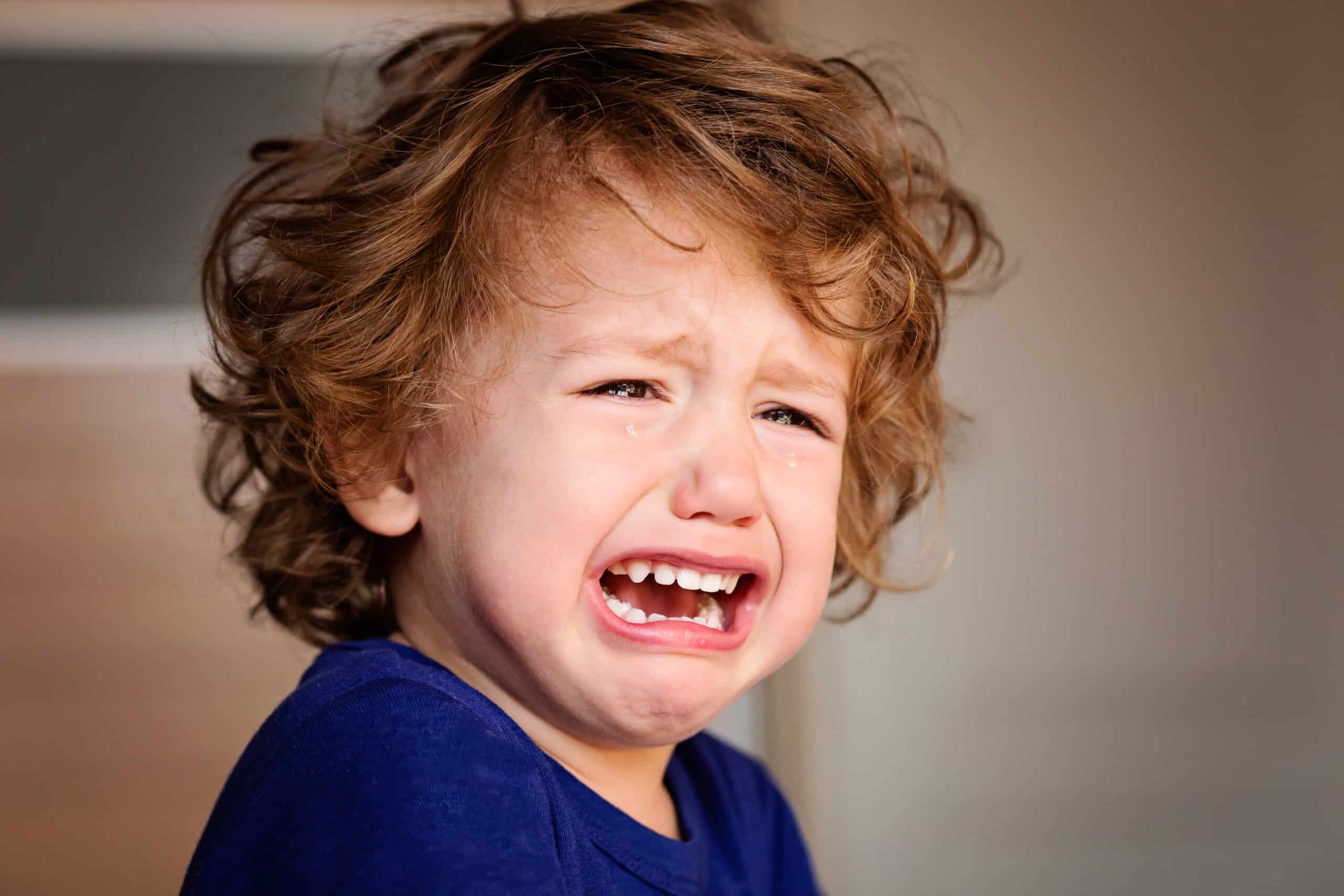
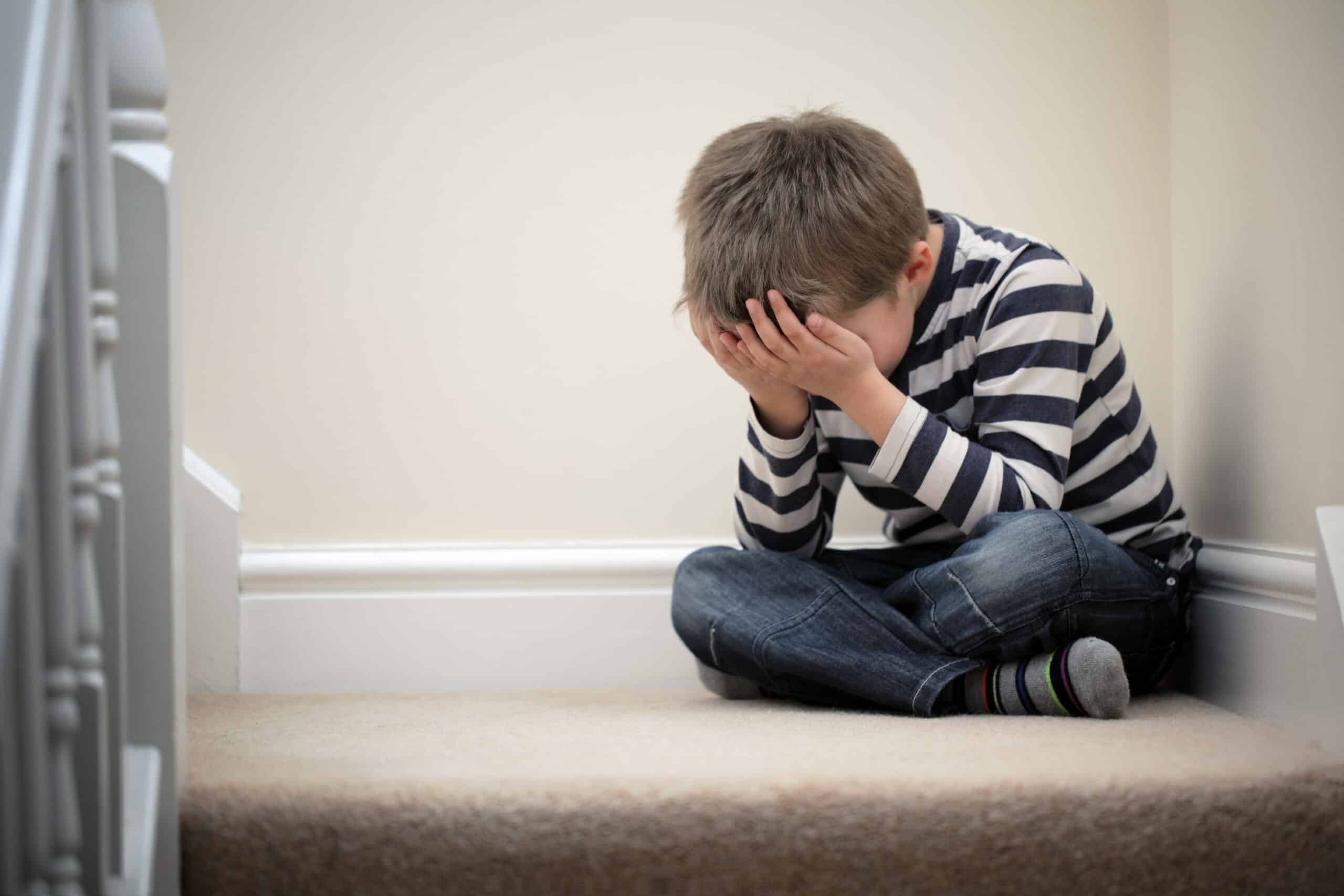
One of the signs your child may be autistic could be if they get overly upset at things that don't affect everyone as harshly. For instance, many autistic kids can get upset if they don't like a certain smell, sound, or taste. The sensations could be as simple as feeling the sand on the beach or hearing an extremely loud sound.
It can be different for everyone, but there can be a certain aspect of the environment they don't like. Some autistic kids also like to stick to a strict routine that they follow every day. It helps them feel at ease.
When that routine is disturbed, they can get upset. Some children with autism will get upset if you ask them to do something, like a chore around the house. If you see that your young child has a temper, talk to their pediatrician.
Not Engaging in Make-Believe Play With Other Children
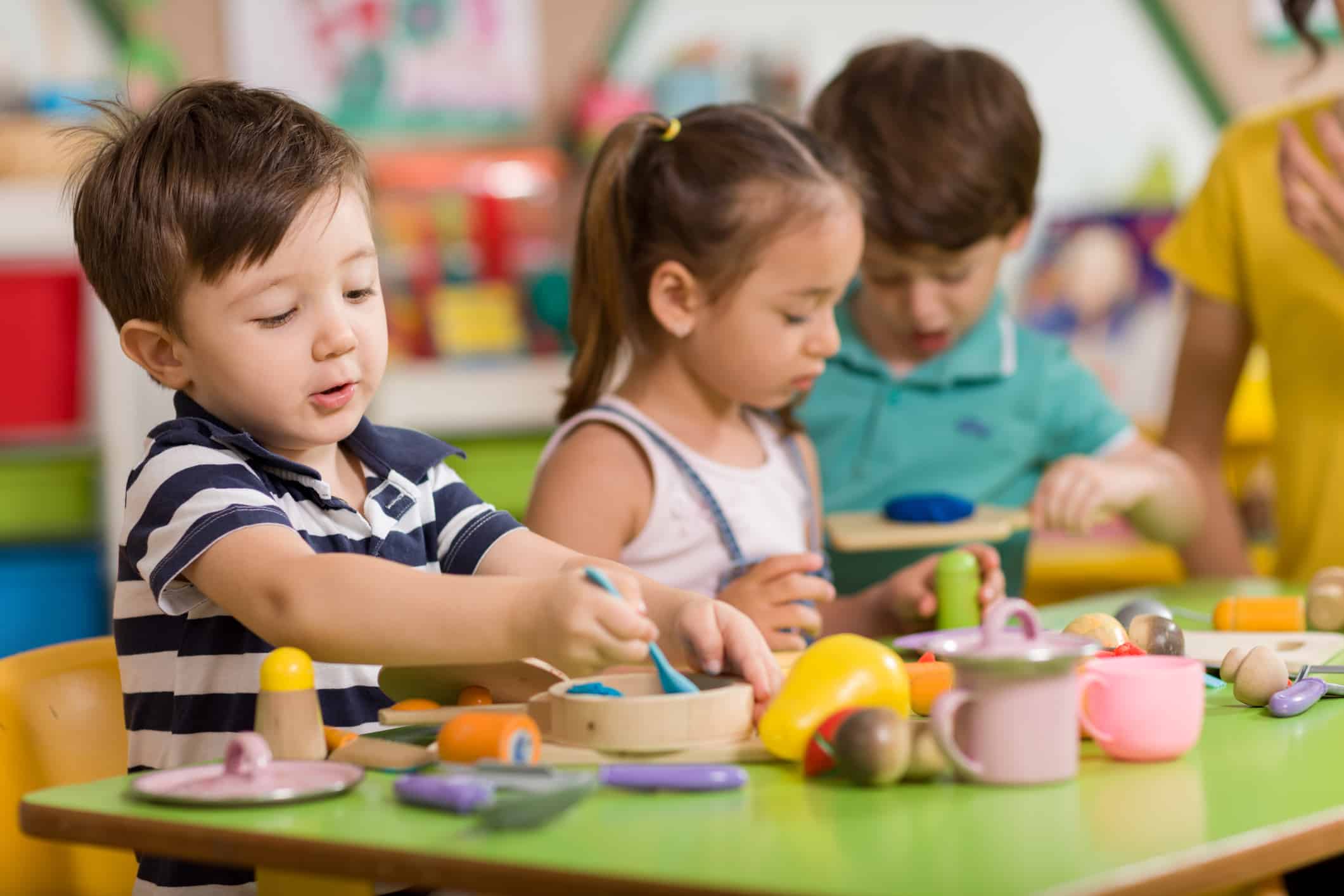
Many children engage in pretend play. That could be where they're pretending to cook a meal or be a professional, like a teacher or doctor. If you notice that your child is having trouble playing or they give up early, it could be a sign of autism.
Many autistic children struggle with this type of play. It's often because they may not understand the social cues, such as pretending to hold items, communicating during the game, and sharing. Some children with autism also have a hard time with abstract thinking.
If they don't see the object in front of them, they tend to get confused. If the object is real, and they don't like the texture or sound it makes, that could cause an outburst. Be on the lookout for these signs.
Performing Activities That Can Cause Self-Harm
It may be scary, but if you see your children engaging in activities that could lead to self-harm, then it may be a sign of autism. Instances of self-harm can include banging their head against the wall, biting, and anything else that can hurt them long-term.
It can often be a mystery why younger kids might engage in these behaviors. It could be that they're trying to cope with emotional distress, to relieve the tension they feel inside or as a cry for help. If you notice this type of behavior, speak to a medical professional immediately before the child does indeed cause harm.
Your Child Isn't Hitting Developmental Milestones
Sometimes, the signs your child may be autistic may not be obvious at first. Instead, you may notice signs as they grow. A good idea is to take notice of when your child isn't hitting the standard developmental milestones over time. Here are some important milestones that your child should exhibit:
- Babbles by 6 months
- Smiles on their own to get your attention by 4 months
- Responds to name by 9 months
- Point, wave, or make other gestures by 12 months
- Says at least one word by 15 months
- Plays simple pretend, like feeding a doll, by 2 years
- Uses word phrases by 2 years
If you notice that your child has missed several or many of these milestones, you may want to talk to the doctor. Again, kids can be delayed and turn out to be perfectly healthy, but it doesn't hurt to ask.
They Avoid Eye Contact
One of the most significant signs your child may be autistic is when they avoid eye contact almost all of the time. Yes, your child may move his or her head and constantly be looking at something new, especially when they're babies and toddlers. However, when your child can't make eye contact at all to the point that it seems painful to do so, it may be an issue.
Along with a lack of eye contact, a child with autism will continue to speak infrequently as they get older. If they do speak, they may repeat the same phrases. This repetition is often referred to as echolalia, and it's a potential sign of autism. If you notice them repeating phrases or words or notice other odd verbal cues, speak to a medical professional.
Issues with Coordination
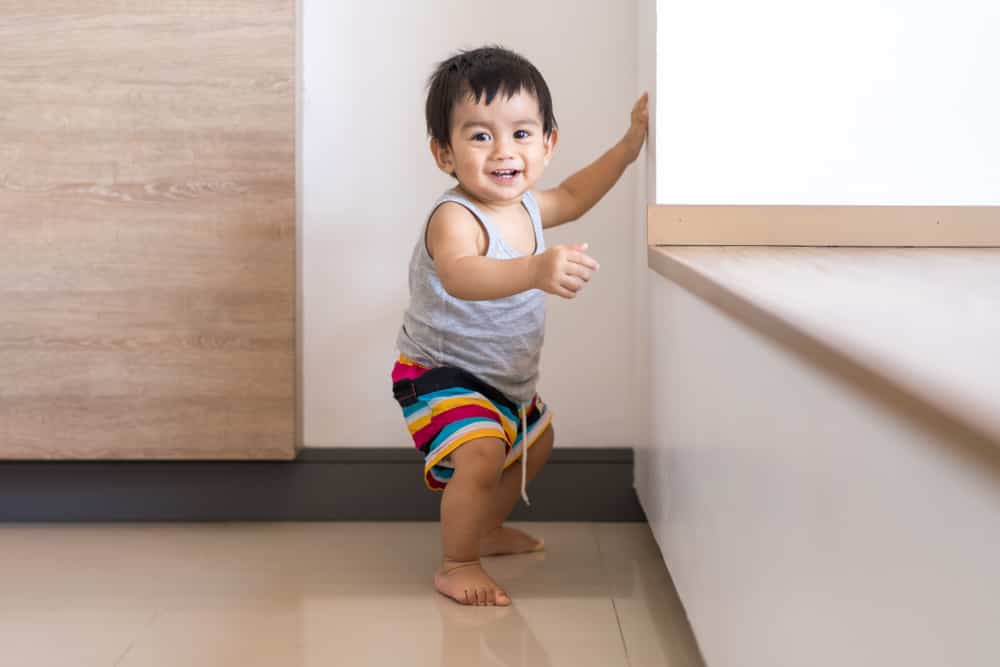
Recent studies from Autism.org show that one of the signs your child may be autistic is issues with coordination and motor skills. The research shows that many autistic kids experience both fine and gross motor skill delays that can affect how they stand, walk, and perform other activities. This is still a phenomenon that they are researching.
Scientists believe it could be due to differences in brain wiring. It could also be anxiety that affects how willing your child is to participate in new tasks, so they don't build muscle memory. There are even theories about low muscle tone. If you notice these issues with your child, speak to the doctor.
The image featured at the top of this post is ©Kittyfly/Shutterstock.com