
The brain-body connection between diet and mental health has been debated for decades. Some studies lean in favor of diet having a significant effect on children, particularly those with disorders such as ADHD and autism. In these cases, vitamin D, vitamin B, and Omega-3s may have the most impact. While the evidence is convincing, is diet something you should be concerned about with your child? We speak with two experts to see how slight changes in food can influence a child's mood.
Neurodivergence and Dietary Influences
Alex Turnbull, Pediatric Dietitian at The Family Nutritionist, has personal and professional experience in the subject. As a neurodivergent mom of two neurodivergent children, she's seen firsthand how food affects a child's brain. Turnbull recently spoke on the Tamron Hall Show about the relationship between red dye and hyperactivity in children, and now brings her expertise to us.
“It's really important for parents to recognize that the foods often containing ingredients of concern —such as artificial colors and preservatives — tend to be ultra-processed, nutrient-lacking foods that we should be eating less of anyway,” she says. “These often lack fiber, vitamins, minerals, and protein, and are often high in sodium and added sugar.”

©Cook Shoots Food/Shutterstock.com
Turnbull's professional observations support studies showing that processed foods can cause adverse reactions in children. According to West Holistic Medicine, artificial dyes like Yellow No. 5, Red No. 40, and Blue No. 1 can be linked to behavior. A review of 27 clinical studies showed that 52% of the studies found a statistically significant relationship between these dyes and behavioral changes in children. Combatting this can be difficult for parents, especially with picky eaters. This is a common challenge with neurodivergent children, who often have food aversions or comfort meals. Thankfully, Turnbull shares guidance based on her own experience.
How to Navigate a Healthy Diet
“The focus shouldn’t just be on eliminating one ingredient but on building a well-balanced diet with plenty of whole, nutrient-dense foods,” explains Turnbull. “Instead of stressing over every label, we can use this as an opportunity to encourage more fruits, veggies, and minimally processed options, while still allowing room for fun treats in moderation.”
Processed foods have less influence on behavior when given in small amounts. While cutting out these treats altogether may cause a child to spiral, exercising control over when and how often can gradually ease your child into a more beneficial diet.
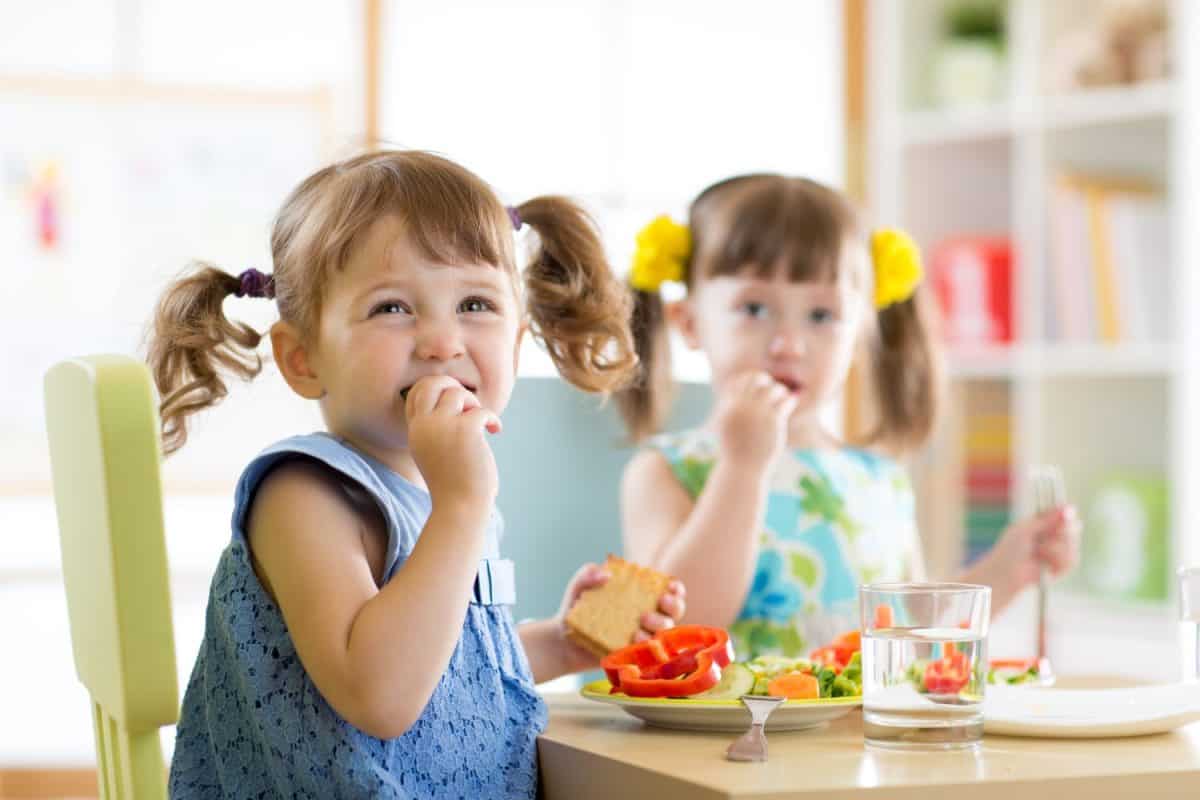
©Oksana Kuzmina/Shutterstock.com
Processed foods also include significant amounts of sugar, which may also contribute to behavioral changes. While it's important to note that sugar doesn't cause disorders like ADHD, there are many benefits to eating a low-sugar diet for neurodivergent children.
This is also true because excessive sugar can cause further food cravings as a child's body struggles to find a reliable fuel source. This is particularly harmful in the morning and can cause a midday sugar crash. West Holistic Medicine recommends a balanced breakfast with a low glycemic index (sugar content).
Steer Clear of Artificial Dyes
Food intake becomes tricky when it comes to the effect of artificial dyes on children. According to research, some children are not affected, but the results vary among neurodivergent children. “When it comes to artificial colors like red dye causing hyperactivity, the answer is yes AND. The research tells us that the majority of children are not significantly affected by food dyes like Red No. 40,” says Turnbull.
She goes on to explain that Red No. 40 may impact some children, specifically those with ADHD. “However, this does not mean it's the sole factor in increased behaviors in children. Most of the research comes from observational studies and small-scale clinical trials, rather than large, well-controlled randomized studies, which are considered the gold standard of studies,” Turnbull says.

©Freeman Studio/Shutterstock.com
To determine if your child is among those affected by artificial dyes, Turnbull recommends the process of elimination. “If parents are noticing an increase in behavior, specifically after consuming foods with artificial colors, they can try cutting back on these items for two weeks to see if there’s an improvement. Then they can reintroduce them to see if there’s a noticeable difference,” she says.
It might sound arduous, but it's often the only way to know for sure how sensitive your child might be to artificial and processed foods. These foods are commonly made with Red Dye No. 40:
- Cakes and pastries
- Canned frosting
- Boxed cereal
- Candy
- Gum
- Yogurt with artificial coloring
- Premade pudding
- Jell-O
- Ice Cream and popsicles
- Soda and sports drinks
- Chips
Foods to Add to Your Family's Diet
Another consideration is being aware of what might be missing from your child's diet. While certain foods can trigger behavioral changes, a lack of nutrition causes equally adverse effects. “It's also possible that it may not be what ingredients are contributing to increased behaviors, but rather deficiencies in certain nutrients that are lacking in their diet, such as iron, omega-3s, Vitamin D, and magnesium,” says Turnbull. Several of these are common deficiencies in neurodivergent children, according to Navigating Nutritional Pathways in Autism Spectrum Disorder.

©bbernard/Shutterstock.com
Nissa Goldberg, a Board-Certified Behavior Analyst specializing in Pediatric Feeding Disorders, also spoke with us about missing nutrients. “In my experience, the leading cause of behavioral issues related to food isn't one specific food, but rather a diet lacking in essential nutrients and insufficient calories,” she says.
“When children's diets aren't balanced with the proper amounts of protein, fiber, fat, and carbohydrates, I see large dips in emotional regulation, leading to challenging behaviors. Therefore, I typically do not encourage parents to take foods away from their children, but rather to add to their diets, ensuring proper nutrition, weight, and growth.”
Try Incorporating These Foods
Research shows that foods high in Omega-3 fatty acids and zinc sulfate may help, particularly in cases of ADHD. Foods rich in these minerals include:
- Fish like salmon and tuna
- Flaxseed
- Chia seed
- Walnuts, cashews, almonds, and sunflower seeds
- Fortified eggs and dairy
- Seed oils rich in Omega-3
- Beef, lamb, and poultry
- Crab
- Lobster
- Beans
- Lentils
- Chickpeas
- Yogurt
- Cheese
Another option is to include supplements, but this should only be done under a doctor's supervision. The good news is that these additions can be adjusted to any budget or time constraint. Customizing your child's diet to what you have access to is something Turnbull recommends.
“I always recommend that parents focus on what they can add with the access and budget they have, versus micromanaging and eliminating specific ingredients.”
Nutrition Takes Time, So Don't Rush the Process
Goldberg admits that swapping out processed foods can be challenging, but she's learned that there are ways to make it easier. “A great starting point is educating yourself and your child about healthy choices. Examine the ingredients you're trying to avoid and look for healthy alternative swaps. Many picky eaters rely on processed foods for their nutrition, which can be tricky!” she says.
To help with this transition, she encourages swapping out food gradually in small amounts, rather than all at once. “It's always better to replace a food rather than remove it, especially if a child's repertoire is already limited,” she says.

©anouchka / iStock Unreleased via Getty Images
Goldberg also provides specific recommendations for parents who are unsure where to start. “Consider brands like Annie's, Whole Foods 365, and Trader Joe's, as many of their pre-packaged foods use natural juices and spices instead of artificial fillers,” she says. “Remember, this process takes time! Repeated exposure, mixing new foods with familiar ones, gentle encouragement, and patience can go a long way.”
When It Comes to Food-Related Behavior, Parents Aren't Alone
Goldberg also flags that nutrition imbalances can cause stress on the entire family, not just your child. Episodes with picky eaters can become triggering, and it's easy for parents to feel discouraged. However, there is a light at the end of the tunnel.
“When a child struggles with eating challenges, it can place stress on the whole family! Parents often become short-order cooks, preparing separate meals. Mealtimes can become filled with negative comments like, ‘I don't want it, this is gross!', disruptive tantrums, and a sense of defeat,” explains Goldberg. She adds that parties, travel, and activities like summer camp can add additional stress for parents.

©Prostock-studio/Shutterstock.com
These feelings are entirely valid and even normal, according to Goldberg. The important thing is to reach out for help when it's needed and understand your child's pace. “There can be social stigmas, as eating together is a significant part of our culture. Children may feel like they do not fit in due to their relationship with food. If your child is struggling, talk to your doctor and seek professional advice from a feeding therapist,” she encourages. “You are not alone!”
The image featured at the top of this post is ©Kmpzzz / Shutterstock.com – License / Original