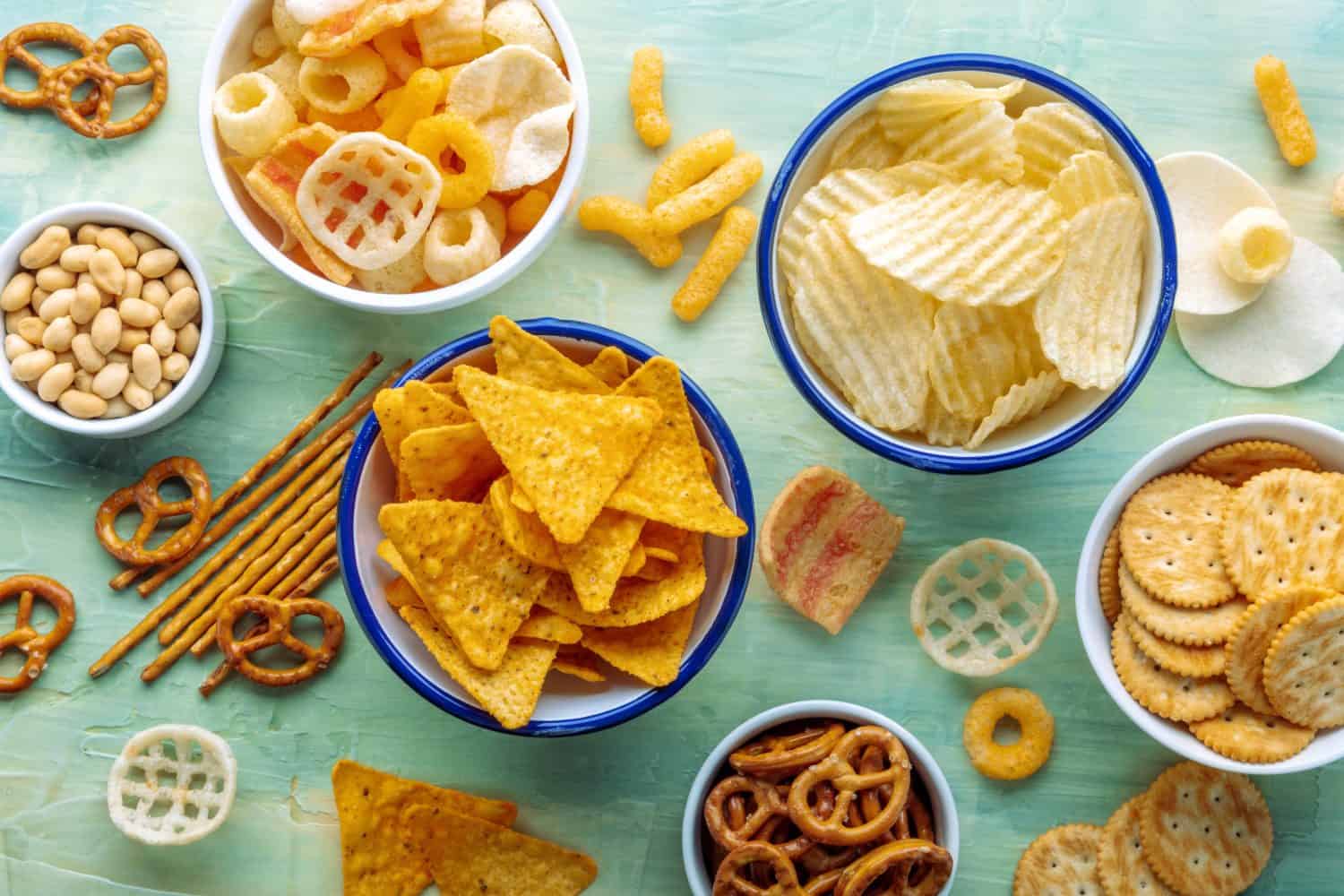
Spend enough time in the grocery store, and you’ll likely start to get overwhelmed with the number of meal and snack options lining the shelves. It can become almost impossible to separate the healthy options from the items that should never make their way into your pantry. One of the more recent threats is the rise of ultra-processed foods. These are snacks that are loaded with additives that do more harm than good.
The problem is that many of these unhealthy options taste so good that your kids may be clamoring for them. So, what can you do? In this guide, we’ll provide you with more information about these highly processed snacks, including why they can cause harm and how a balanced diet may offer a solution.
What Is Ultra-Processed Food?
©Ekaterina Markelova/Shutterstock.com
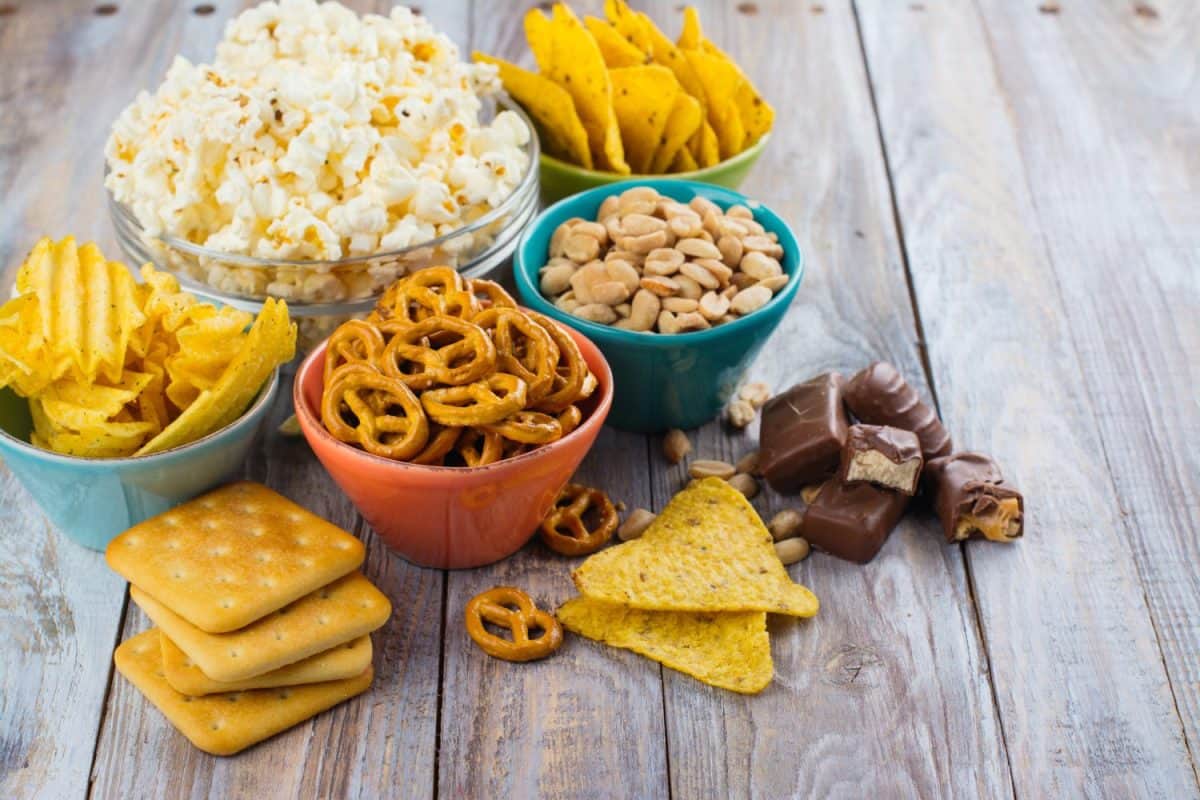
As the name suggests, ultra-processed foods are like something out of a science lab. They don’t contain many natural flavors or healthy ingredients. Instead, these are foods that have changed a lot from their original form. These aren’t snacks that you can easily make at home because they aren’t typically created with items you’d find in a kitchen. Instead, they often incorporate preservatives, artificial colors, and flavors to ensure they not only taste better but also last longer.
Typical snack categories that may include ultra-processed items include:
- Candy
- Cookies
- Soda
- Pizza
- Fast Food
- Breakfast items
The presence of unhealthy items in grocery stores and fast food restaurants underscores the importance of parents reading food labels and conducting comprehensive research before purchasing food for their families.
What Makes Ultra-Processed Food Unhealthy?
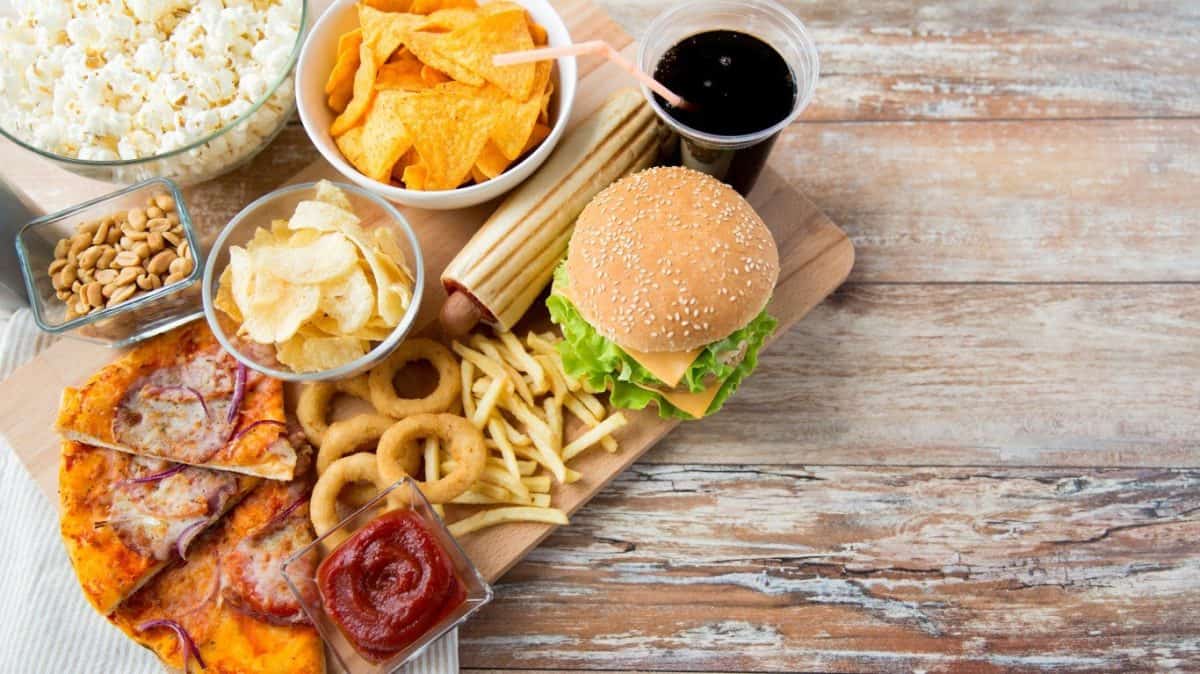
Ultra-processed foods are very unhealthy and must be eaten in moderation.
©dolgachov / Getty Images
It’s important to realize that ultra-processed foods are in a league of their own. Many foods are partially processed, but that doesn’t mean that they’re all terrible for your health. Some foods are minimally processed. These foods can include canned foods, whole grains, canned tuna, and roasted nuts. They’re often partially processed to preserve them for longer and produce them for less money.
However, ultra-processed meals bring this concept to the next level. Often, the companies try to make the snacks even tastier by adding excessive amounts of salt, fat, and sugar. All of these components can lead to significant health consequences in the long run.
Salt – Too much salt in your diet can lead to deadly health issues, including heart disease, stroke, and high blood pressure. Health professionals recommend that you eat no more than 2,300 milligrams (mg) of sodium per day.
Fat – Many types of fat, such as trans fats, should be avoided at all costs because they can increase your risk of heart disease. Consuming too much saturated fat can lead to an increase in blood cholesterol levels.
Sugar – As a parent, you likely know the side effects of too much sugar: hyperactivity, upset stomach, and blood sugar crashes. A long-term diet of sugary foods can cause weight gain and an increased chance of obesity, type 2 diabetes, and some types of cancer.
Mental Health Issues
The other issue with eating too many foods that are loaded with unhealthy components is that it can also affect your mental health. According to studies, people who eat more ultra-processed snacks are more likely to deal with mental issues, including anxiety and depression.
Even if you’re a generally happier person, if you’re eating a lot of unhealthy food all of the time, you’re going to start to feel bogged down. That’s why most people don’t feel so good after eating fast food. The idea of eating tasty stuff is great, but going overboard can cause short and long-term issues.
These are just a few of the reasons why you need to watch what your kids eat and to encourage a balanced diet.
How to Spot Ultra-Processed Food
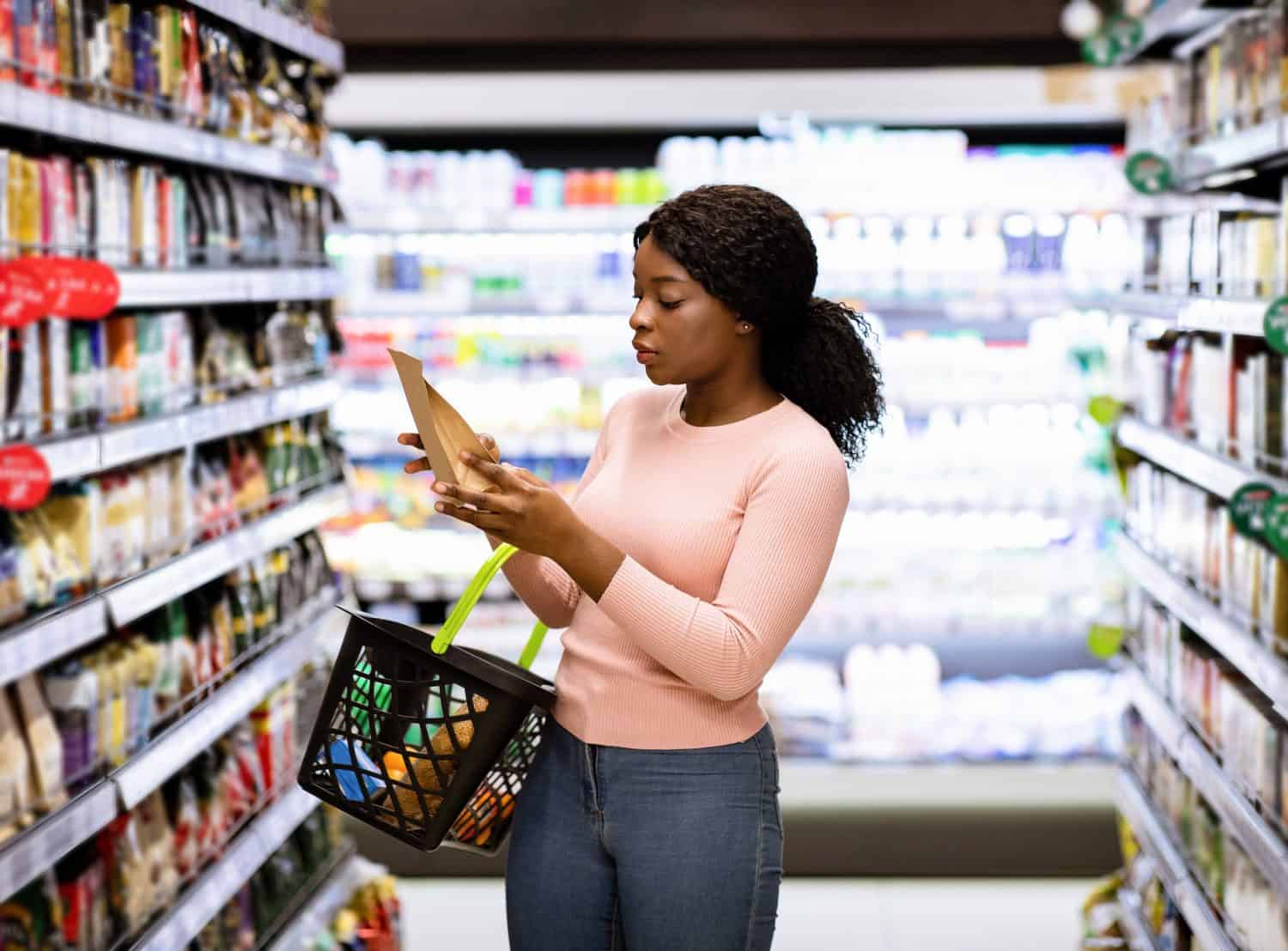
As time goes on, reading food labels becomes even more important.
©Prostock-studio/Shutterstock.com
Any food item that doesn’t include terms like “all natural” or “organic” likely contains some preservatives and ingredients that aren’t so healthy. However, you really need to be aware of the items that are loaded with dangerous ingredients. The best way to do that is to read food labels. These are the keywords to watch for when you’re reading labels at the supermarket:
- Food dye
- High-fructose corn syrup
- Hydrogenated oil
- Potassium Bromate
- Carrageenan
- Sodium nitrate
If the food label requires you to get a degree in food science just to understand what’s going into your child’s body, then caution is necessary.
Ultra-Processed Foods to Avoid
You can go your whole life avoiding ultra-processed foods, but keep in mind that even if you have some in your diet, it’s not going to do extreme harm unless you overdo it. With that said, you want to be cautious around certain snacks, especially if you have kids. Here are some to be wary of:
Energy drinks
The idea seems good. Get a boost of energy to make it through school or work. However, energy drinks are not healthy. The beverages work by boosting your heart rate to uncomfortable levels, which can lead to serious ailments, especially for kids.
Hot Dogs
Hot dogs are always on the list when discussing ultra-processed foods. Many hot dogs contain nitrates and high levels of salt and fat. Plus, hot dogs are typically made of red meat, and it’s good to keep your consumption of red meat to a minimum.
Chicken Nuggets
You may have heard that chicken nuggets often include the extra parts of the chicken, and depending on the kitchen, that may be true. Research has shown that many chicken nuggets contain strange ingredients, including bone, skin, fat, collagen, and tendons. These aren’t healthy ingredients for growing kids.
Microwave Dinners
Though they’re perfectly fine when you’re pressed for time, don’t make microwaveable and ready meals part of your daily dinner routine. These meals contain various additives designed to prolong their shelf life and maintain a great taste even after time has passed. Microwave dinners are usually pretty straightforward, so consider making your own healthier version at home.
The Key is Balance
While many families may go completely gluten-free or focus on vegetarian meals, others will have a fair share of ultra-processed meals in the home, and that’s not the end of the world. However, there has to be some balance so that your family can get all the nutrients they need as well.
A good, balanced diet will include some snacks and goodies, but it must mostly contain a good amount of fresh fruits and vegetables, whole grains, legumes, nuts, and lean proteins. Healthy foods will contain carbohydrates, vitamins, minerals, antioxidants, protein, and healthy fats that all people need to thrive.
It’s also essential that you carefully monitor the number of calories you and your family are eating every day. The average person should eat about 2,000 calories to maintain their weight. Young kids can eat around 1,000 calories. Good calories come from the foods listed above. Foods like processed meats, sodas, and pizza contain empty calories, which don’t benefit your health, so be cautious about how many you eat.
Healthiest Snacks to Offset the Ultra-Processed Foods
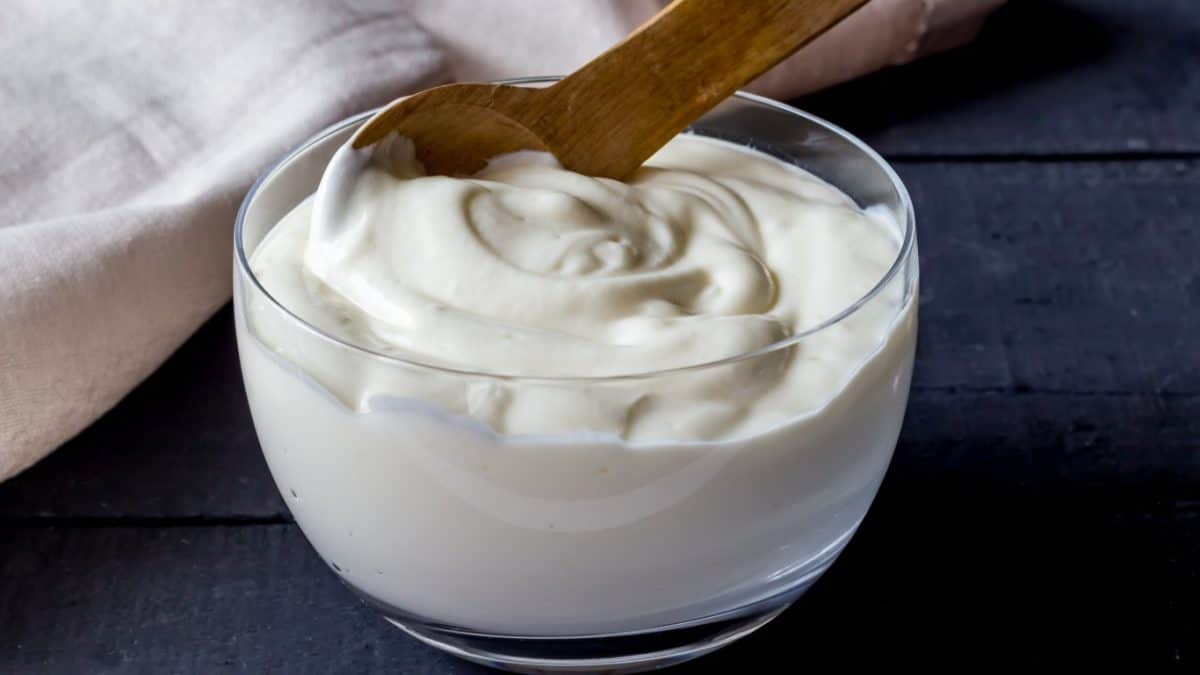
Classic standbys like yogurt are always going to be a great addition to a healthy meal.
©ToscaWhi / iStock via Getty Images
If you’re looking for snacks that your kids will enjoy and you want them to be healthy, then there are plenty of treats from which to choose. Here are some of our favorites:
- Yogurt – It’s packed with calcium and protein, which are essential for growing bones.
- Popcorn – Popcorn is healthy by itself because it provides whole grains. Just don’t drown it in butter and toppings.
- Celery with Peanut Butter – Together, the snack provides a mixture of protein, carbs, and fat.
- Nuts – Most nuts are full of fiber and antioxidants that the body needs.
- Cottage Cheese – It’s an acquired taste for some, but cottage cheese has many healthy elements, including vitamin B12, calcium, and selenium.
- Oatmeal – Provides a good dose of fiber for a healthy digestive tract.
- Hard-Boiled Eggs – They contain selenium, riboflavin, vitamin B12, and more, and they’re a great morning meal.
- Pickles – A tasty snack that provides a good amount of vitamin K, which is also good for the digestive system.
- Carrots and Hummus – Hummus is great with almost anything, and it is made with chickpeas, which contain antioxidants and fiber.
- Bell Peppers – They contain vitamin C, fiber, and carotenoids, which support eye health.
As time goes on, finding healthy food for your kids can become a bit more difficult, but if you’re careful and do a bit of research, you can find some great options. Remember to have a balanced diet and avoid over-saturating it with ultra-processed foods, and everyone in your family can grow up big and strong.
The image featured at the top of this post is ©Cook Shoots Food/Shutterstock.com