
It seems like everyone is talking about protein these days. There’s protein ice cream, protein popcorn — and it’s no surprise why. Protein is essential for energy, building muscles and bones, and providing vital nutrients. We know we need it, we add it to our food and drinks, but are our kids actually getting enough? How much of this essential food group is enough for kids to be healthy, and how do we know if they need more than they’re currently getting? We speak with a child nutritional expert and pediatric dietitian to learn more about our kids’ daily protein needs.
It’s clear why kids need protein. What’s less clear is exactly how much they need each day — and whether their favorite foods, like chicken nuggets and mac and cheese, provide enough protein.
Protein Is Essential for Your Kids' Health

Your kid can get protein from many different food sources (including chicken nuggets!).
©Mila Bond/Shutterstock.com
“Not only is protein essential for your child's physical health, but the amino acids contained in it are vital in forming the brain's neurotransmitters,” Georgia O’Neill, certified advanced child brain nutritional advisor at Parent Proof Nutrition, tells us. “These neurotransmitters are so important for your child's mood, memory, behavior, and learning ability. Don't neglect your protein!”
How Much Protein Do Kids Need?
The amount of protein you need depends on your age, sex, height, weight, and physical activity, according to MyPlate.gov, part of the U.S. Department of Agriculture. The recommendations from MyPlate are described in terms of how many 1-ounce-equivalent foods from the protein food group are necessary for each age range.
In general, daily recommendations for toddlers ages 12-23 months are about 2 ounce-equivalents of protein foods per day; children ages 2-3 need 2-4 oz-equiv per day; and children ages 4-8 need 3-5.5 oz-equiv daily.
Girls ages 9-13 need about 4-6 oz-equiv, and that number goes up to 5-6.5 oz-equiv for girls ages 14-18. Boys, on the other hand, need 5-6.5 oz-equiv for ages 9-13 and 5.5-7 oz-equiv for ages 14-18.
For reference, here are some examples of a 1 oz-equiv:
- 1 ounce of meat, poultry, or fish
- 1/4 cup cooked beans
- 1 egg
- 1 tablespoon of peanut butter
- 1/2 ounce of nuts or seeds
- 1/4 cup of tofu
- 1 ounce tempeh, cooked
Another Way to Look at Protein Amounts

Many kids will get enough protein through their milk.
©Dmytro Zinkevych/Shutterstock.com
If ounce-equivalents are too confusing to wrap your brain around (trust us, we get it!), then look at it another way: grams of protein per day.
“While parents are often worried their child isn’t eating enough protein, they most often are,” Jennifer House, MSc, RD, pediatric dietitian and founder of First Step Nutrition, tells us. “It’s not hard to meet the minimum recommendations, which are lower than you might think. Often, kids will meet their intake through milk alone! But getting enough protein might be more of a struggle if your child doesn’t consume dairy or meat.”
House points us to the Dietary Reference Intake, which shares adequate intakes of protein as a guide:
- 1-3-year-olds: 13 grams per day
- 4-8-year-olds: 19 grams per day
- 9-13-year-olds: 34 grams per day
“Another easy way to estimate how much protein your child needs is to take their weight in pounds and divide it by two,” House says. “For example, a 40-pound child needs about 20 grams of protein daily.”
For reference, Tyson chicken nuggets have about 2.2 grams per nugget, so in theory, your child could get all their protein from chicken nuggets per day. Just don't neglect other healthy foods.
When calculating protein, House says the range of calories in your child’s diet that should come from protein is about 5-20 percent for children ages 1-3, and 10-30 percent of calories should come from protein for 4-18-year-olds.
“I would rather see the percentage of calories from protein in the diet in the higher amounts of those ranges,” says House. “But carbs and/or fat would be too low if the protein exceeds these ranges.”
Some Kids Might Require More Protein Than Others

Kids going through a growth spurt or who are highly active might need more protein.
©JGA/Shutterstock.com
The protein needs of your kids might seem like a lot because they're growing so much. “Children may actually need more protein (per kg of body weight) than adults, as they are constantly growing and making new cells all the time,” O’Neill says.
Additionally, certain cases call for more protein. O’Neill explains, “Children may need more protein in certain situations. For example, if they are highly active, going through a growth spurt, or recovering from an illness.”
What Are Some Signs Your Kid Isn’t Eating Enough Protein?
Everything from slowed growth to a decreased immune system and poor concentration can be signs of low protein intake, according to our experts.
“Amino acid deficiencies from lack of protein can cause symptoms such as loss of muscle, irritability, lethargy, poor memory, hair loss, stomachaches, and lack of motivation, to name a few!” adds O’Neill.
How to Get Your Kid to Eat More Protein

Peanut butter is a great source of protein for kids.
©Fortyforks / Shutterstock.com
If you struggle to get your kid to eat foods that are high in protein, O'Neill recommends combining plant foods with meat.
“In terms of what types of protein to eat, I think parents would be surprised at what foods can actually provide good protein — it is not just steak and eggs!” O’Neill says.
“Combining plant foods, such as beans and rice, can actually create a complete amino acid profile (making it an excellent protein source). Other easy examples could be peanut butter on toast with apple slices, lentil pasta, hummus, and whole wheat pita. There are so many possibilities!”
House offers additional ways to add protein to your kid’s diet:
- Add lentils to baking (like banana lentil muffins)
- Add hemp hearts to a smoothie or sprinkle on yogurt
- Add powdered milk to mashed potatoes or blend into a smoothie
- Make a vegetable dip with Greek yogurt
- Add edamame beans or tofu to a stir fry
- Try legume- or bean-based pasta
- Whisk egg whites and add them to oatmeal while cooking. You can find pasteurized egg whites in cartons by the eggs at your grocery store.
What About Protein Shakes?
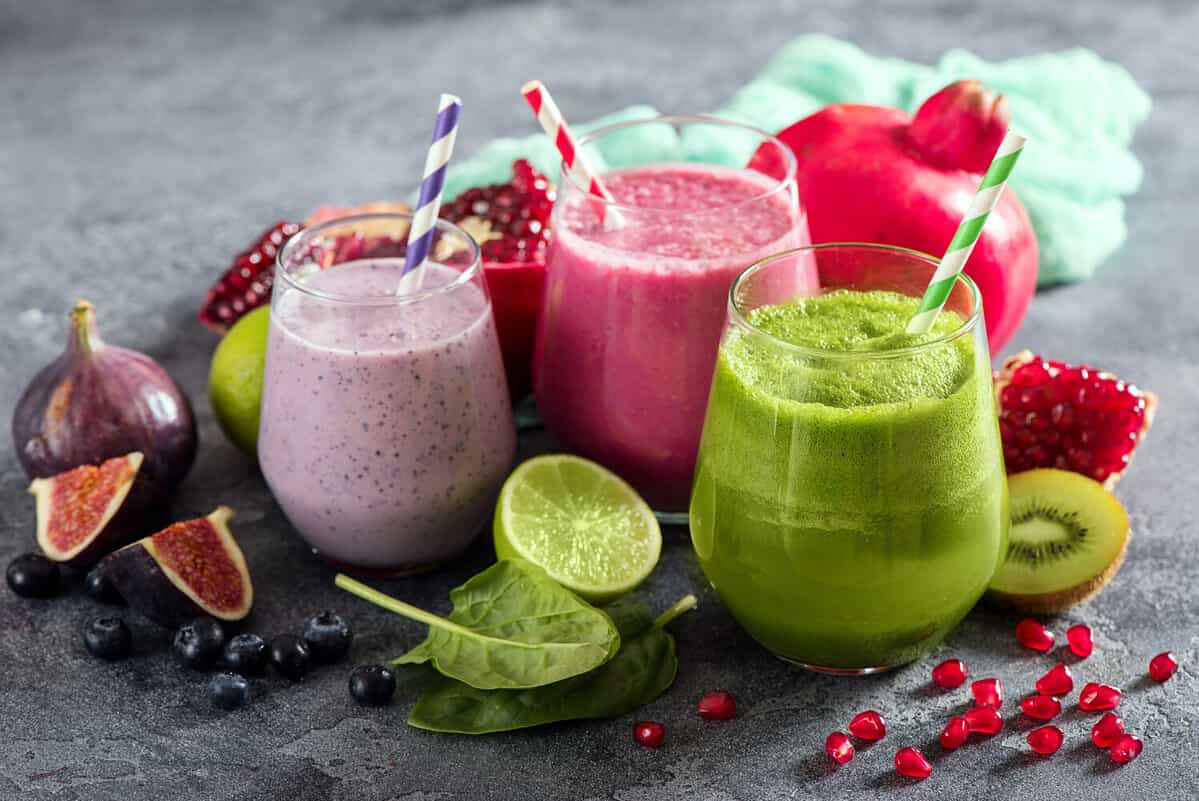
Most kids don't need protein shakes. Consider adding a basic whey powder to their smoothies instead.
©Alexandra Anschiz/Shutterstock.com
The average child likely does not need to take protein supplement shakes, according to O’Neill, as they should be able to reach all their protein needs through their regular diet. “Also, these types of protein drinks are ultra-processed and high in added sugar/additives, so personally, I would not recommend these,” she adds.
House takes a more nuanced approach to protein powder. She explains that children who don’t consume dairy or meat/alternatives may need more protein. Although she does issue this warning: “Avoid protein powders marketed to athletes. They contain adult vitamin and mineral fortification levels, and often artificial sweeteners, herbal extracts, and caffeine.”
If you're going to give your kids protein powder, a basic whey powder that is free of additives and artificial sweeteners is best. You can add this to smoothies or yogurt for added protein.
What If Your Kid Gets Too Much Protein?

Kids need lots of variety in their diet, not just protein.
©Savanevich Viktar/Shutterstock.com
Protein is essential for many reasons, but too much of a good thing can be harmful — and protein is no exception. “Excessive protein can put strain on your kidneys in particular, but also, only having one food type in excess leads to other essential nutrients being neglected, such as fiber and fats,” says O’Neill.
“We live in a culture now where excessive protein consumption is encouraged, but this is not actually suitable for the average person, and definitely not for children who need a full diet with lots of variety,” she adds.
Know When to Get Help
If you're still worried about your child’s protein intake or have other questions about their diet, reach out to a pediatric registered dietitian for advice.
“It can be difficult for kids to eat for many reasons beyond behavioral,” House says. “These include pain, low iron status, enlarged tonsils, oral motor weakness, or sensory sensitivity. It’s important to know why your child is picky so that it can be treated.”
The image featured at the top of this post is ©Elena Veselova/Shutterstock.com