









These 10 Fruits Have More Protein Than You Might Think
In 2026, you can find protein versions of nearly every treat. From protein coffee to protein pastries, if you're looking to increase the amount of protein you're consuming daily, there are many ways to do it. What you may not know is that even fruit can contain a decent amount of protein, giving you a boost for breakfast or an afternoon snack.
Most people don't consider the produce section for high-protein snacks, but adding these fruits to a smoothie, yogurt, or cottage cheese can provide a protein boost without eating any meat. Here are some of the fruits with the highest amount of protein.
This post was updated in March 2026 to include updated information about recommended protein intake and additional editorial enhancements.
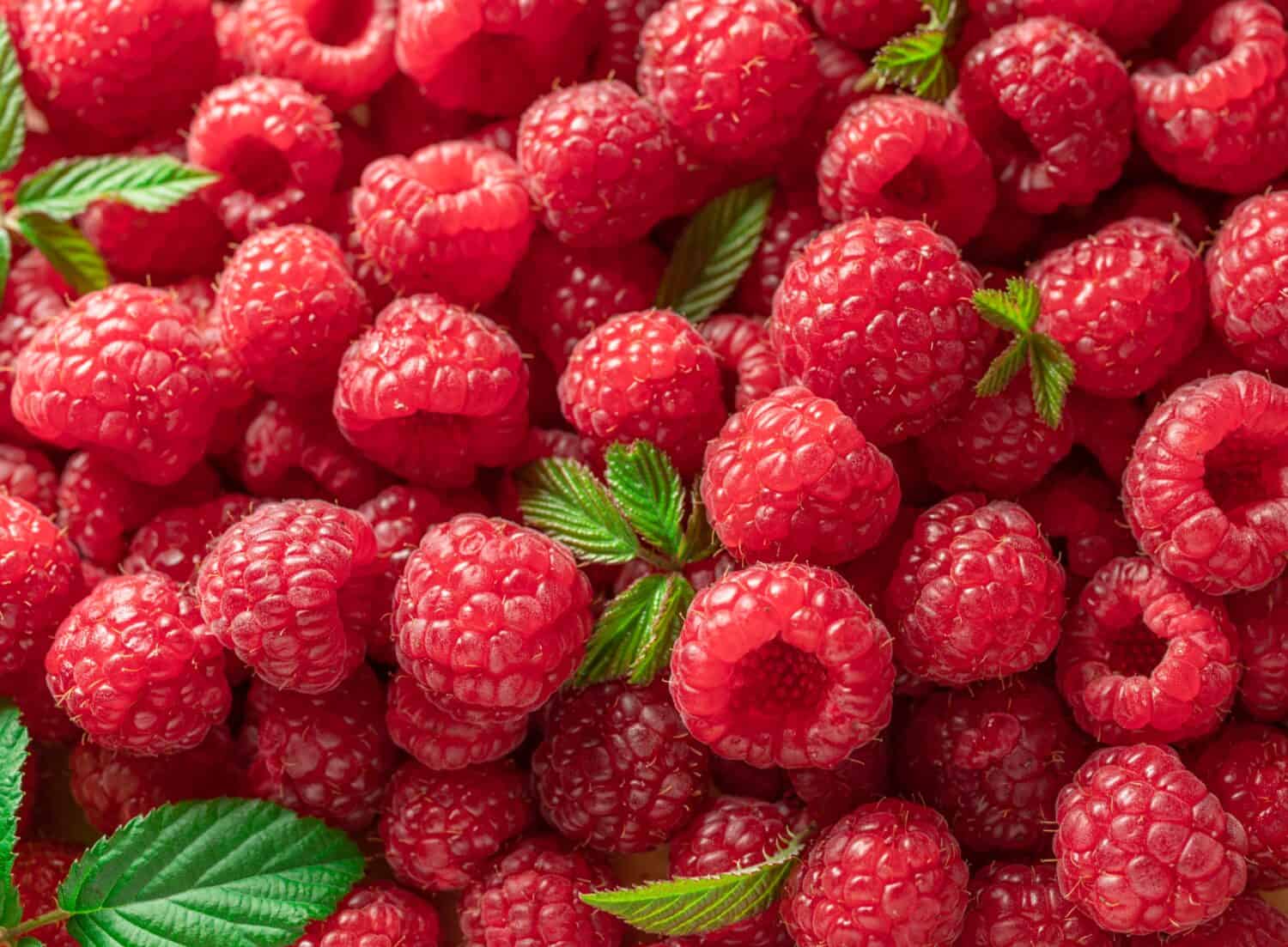
Raspberries
- Protein per cup: 1.5 grams
Raspberries are a favorite fruit for many adults and kids alike. This type of berry is sweet and slightly tart, pairing perfectly with a variety of other foods. Add it to a cup of Greek yogurt or cottage cheese for a high-protein breakfast or snack.
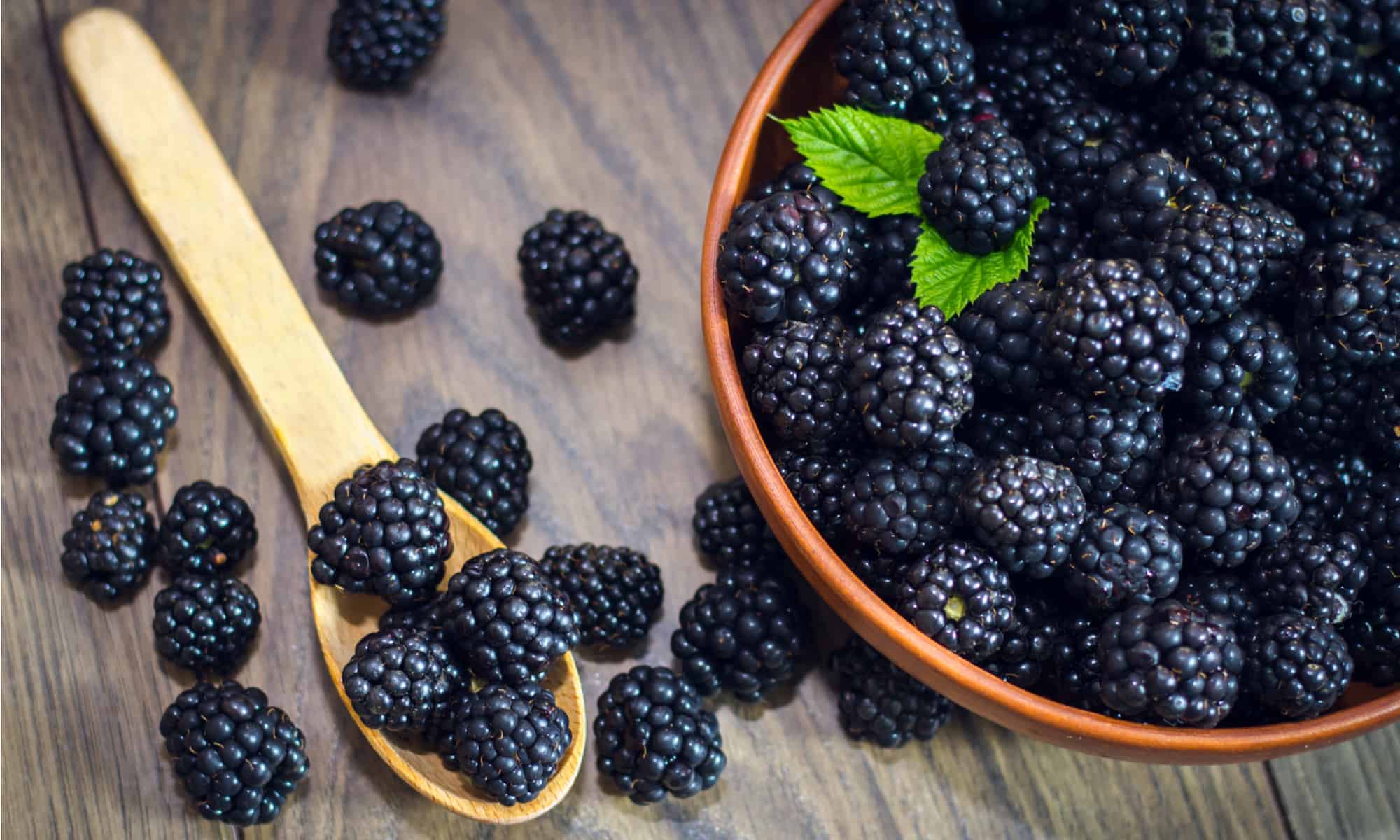
Blackberries
- Protein per cup: 2 grams
Blackberries are another popular type of berry, although not everyone enjoys them because of the prominent seeds. Still, they taste delicious in smoothies or on top of oatmeal. With 2 grams of protein per cup, you can get an extra boost any time of day.
Kiwi
- Protein per cup: 2.1 grams
Kiwi is delicious enough to eat on its own, but it's also a versatile fruit you can use in a lot of recipes. It tastes great in fruit salad, smoothies, or yogurt parfaits. You can even make popsicles or juice with kiwi, adding a couple of extra grams of protein to a sweet treat.
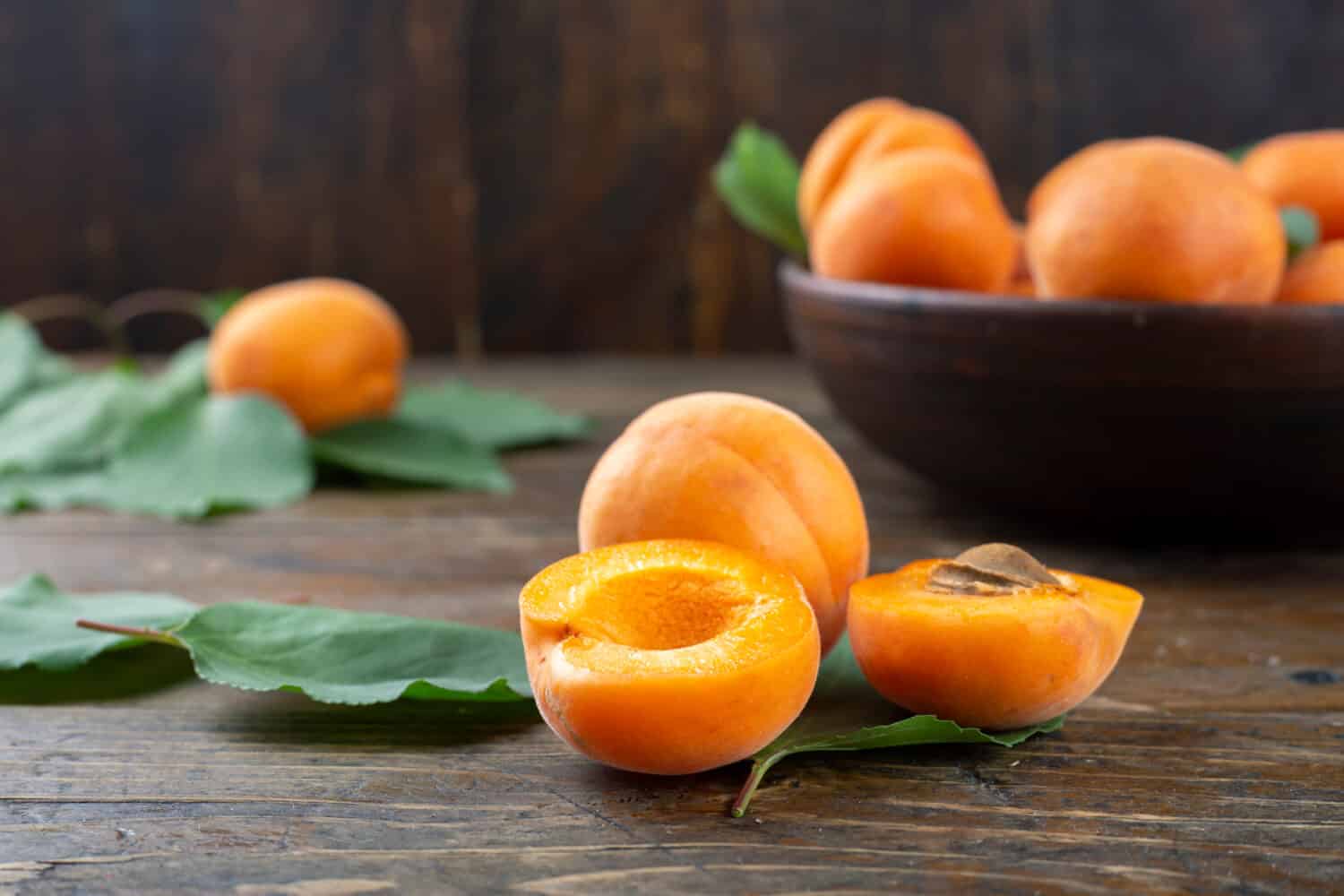
Apricot
- Protein per cup: 2.3 grams
Apricots are great because they pair well with both savory and sweet recipes. You can make apricot jam or an apricot smoothie, but you can also make apricot-glazed chicken or steak with an apricot sauce. Dried apricots are also a great option for a snack.
Bananas
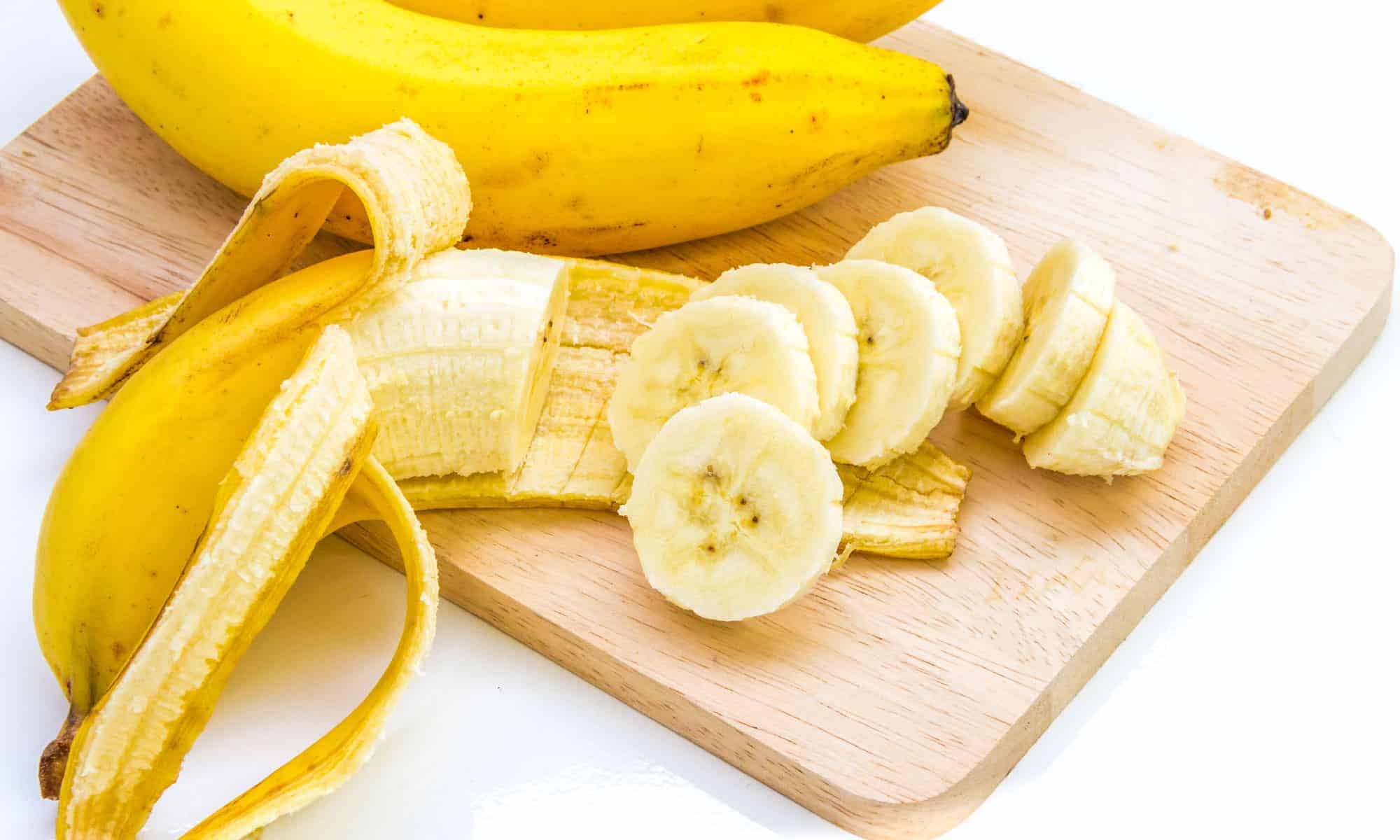
- Protein per cup: 2.5 grams
Bananas are one of the most popular fruits in the U.S., and it's easy to see why. They're easy to eat, kids love them, and you can use them for a variety of recipes. One cup of mashed bananas has about 2.5 grams of protein, which makes this fruit great for smoothies, yogurt, or baked goods like banana bread.
Jackfruit
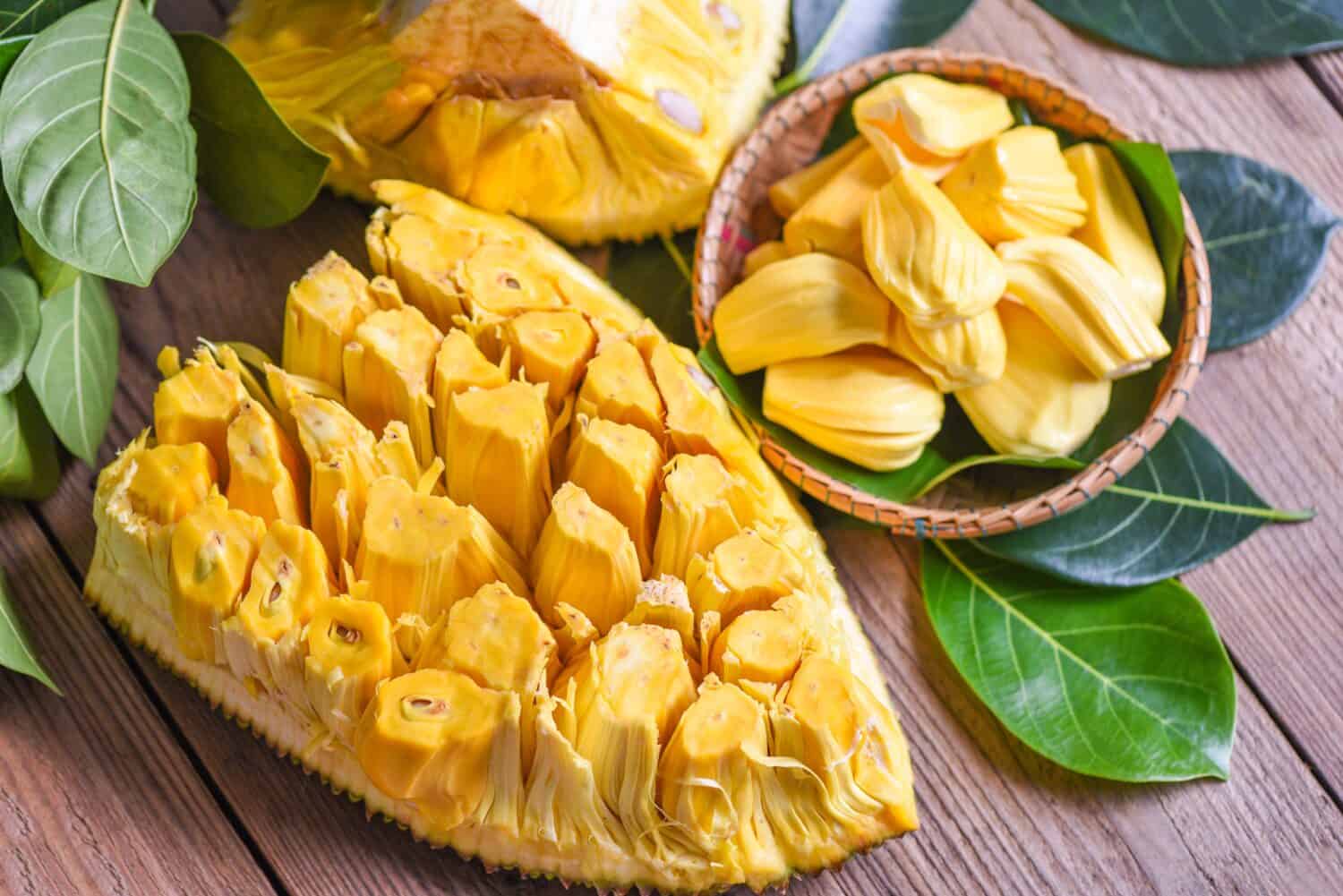
- Protein per cup: 2.8 grams
Jackfruit isn't as popular as bananas, but if you're trying to find ways to add more protein and fruit to your diet, it's one you should consider eating. When it's ripe, jackfruit has a tropical flavor. This interesting fruit is also used as a meat substitute in many dishes because of its texture.
Pomegrante
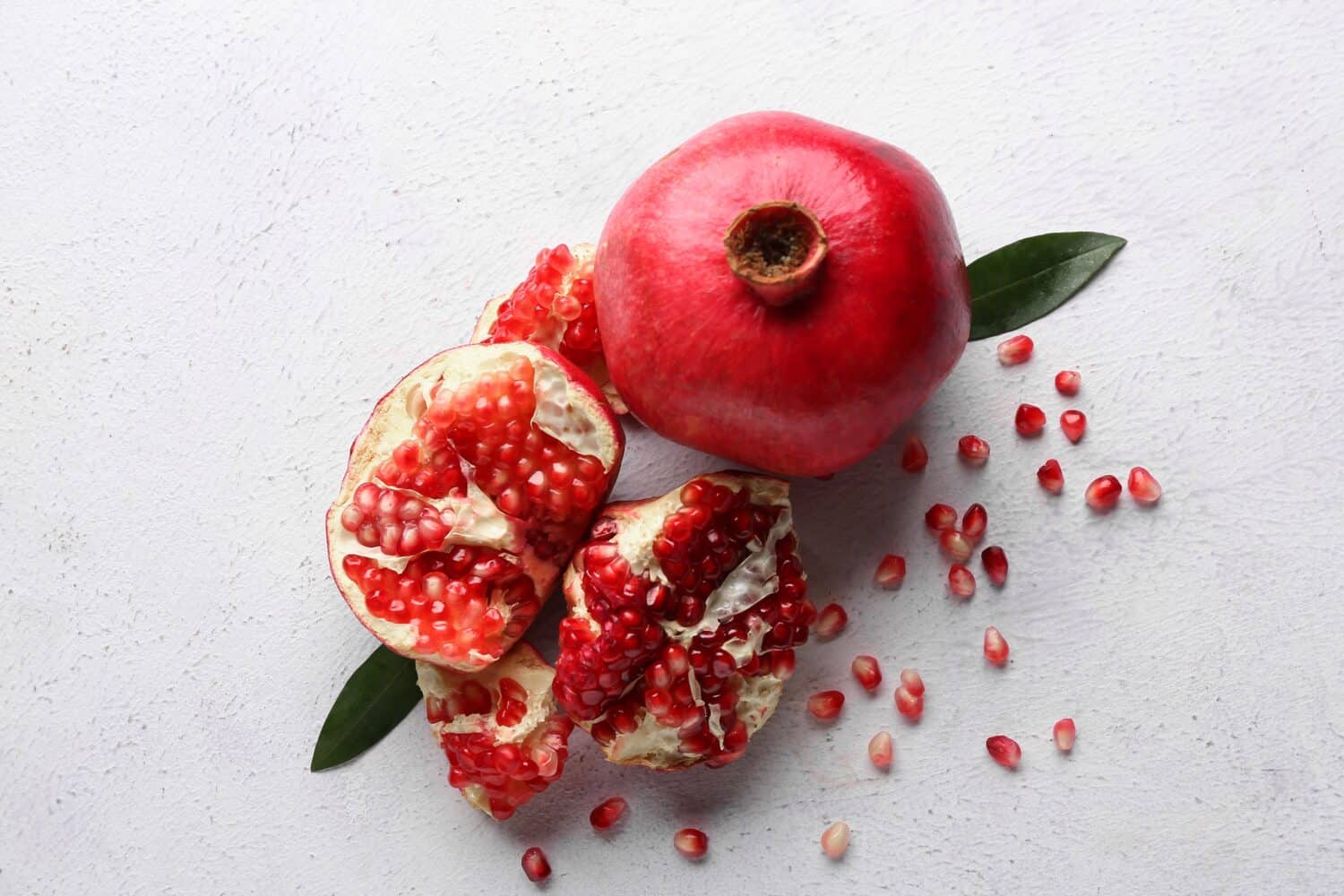
- Protein per cup: 3 grams
Eating a pomegranate can be intimidating if you don't know how to get the arils, or seed sacs, out. There can also be a lot of effort involved, and many people worry about the juice from the pomegranate staining their kitchen. However, if you learn how to cut a pomegranate, a cup of seeds has about 3 grams of protein.
Avocado
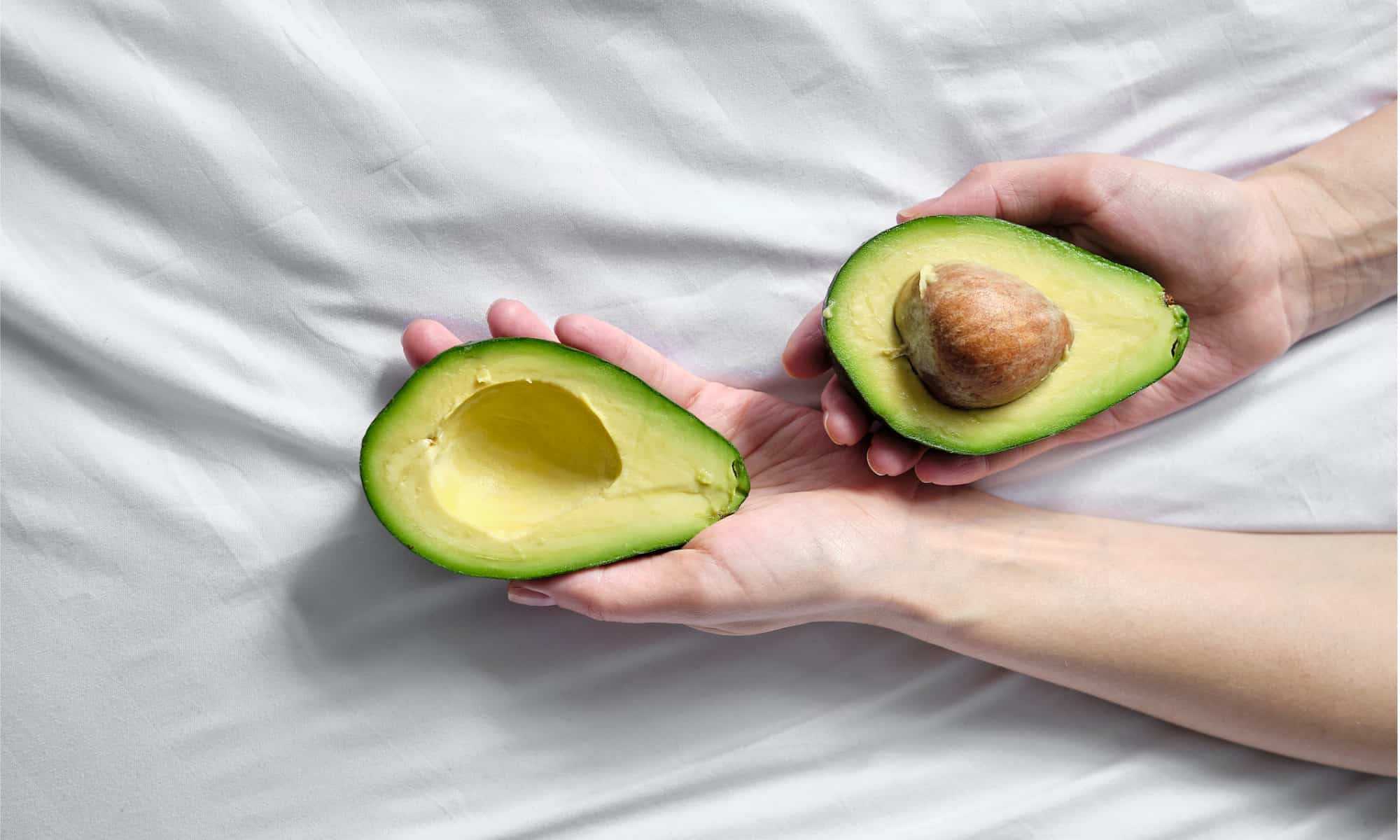
- Protein per cup: 3-4 grams
Even though avocados are often used as vegetables in the kitchen, they're technically a fruit. Not only are they delicious and full of nutrients, but avocados are also one of the fruits with the highest amounts of protein. Avocados are great for salads, sandwiches, and even for making pudding.
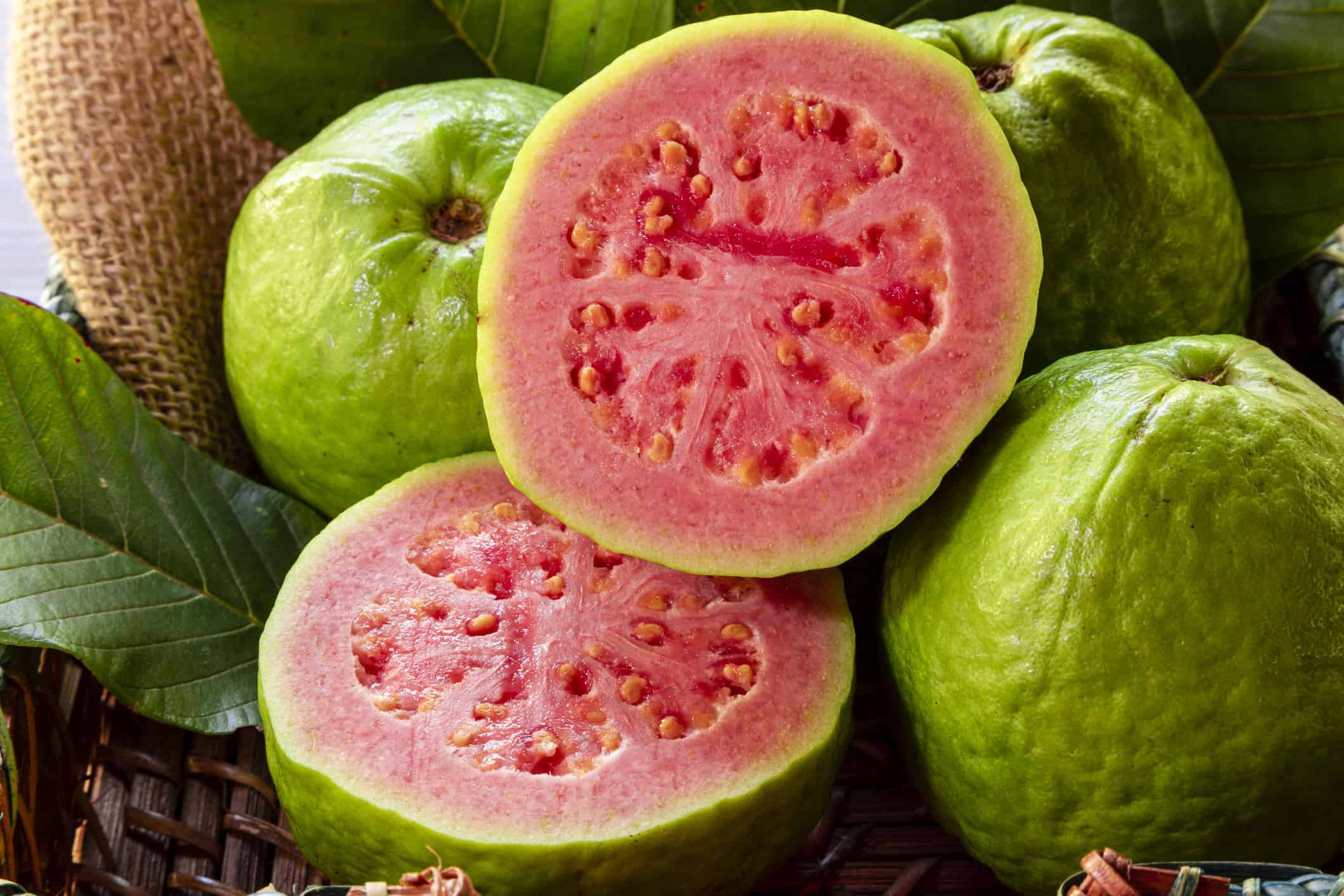
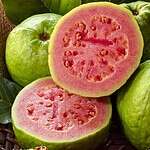
Guava
- Protein per cup: 4.2 grams
While a guava pastry may not exactly be considered a healthy snack, many don't realize how much protein is in a cup of guava. This tropical fruit contains over 4 grams of protein per cup, but that's not the only benefit of eating it. Guava also comes with minimal fat and a good amount of fiber. You can use guava in desserts, beverages, or eat it fresh on its own.
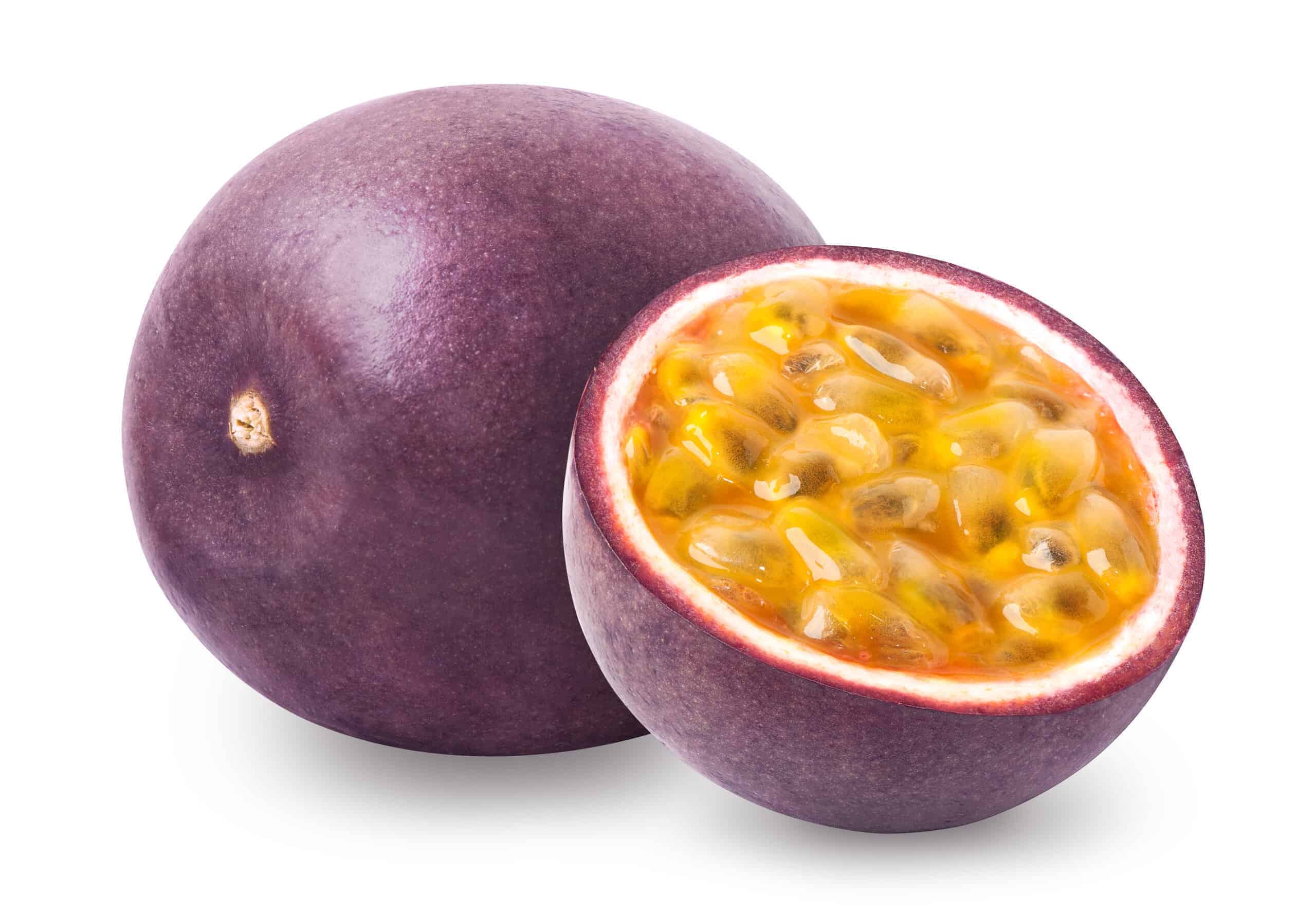
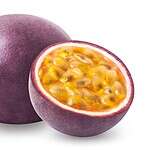
Passion Fruit
- Protein per cup: 5 grams
Last on our list of high-protein fruits is passion fruit. This is another tropical fruit that's tasty in sweet and savory dishes. It's both tart and sweet, but what's most impressive is that a cup of passion fruit has about 5 grams of protein. This fruit is great in oats, ice cream, fruit salad, and as a marinade.
How Much Protein Do You Need?
There are a lot of factors that go into determining how much protein you need in a day. Generally, the recommendation is based on your body weight, but how much you exercise is also a factor. The recommended protein intake is also different for men and women, and women who are pregnant require a higher amount of protein.
According to the American Heart Association, the minimum recommended daily allowance (RDA) is 0.8g of protein per kg of body weight for adults, but recent guidelines suggest 1.2-1.6g/kg may be optimal for health. When it comes to your daily meals, 10% to 35% of your calories should come from protein.
The image featured at the top of this post is ©Afanasieva/Shutterstock.com