
It's estimated that 7 to 10 million adults in the U.S. identify as vegan. This number encompasses many more when vegetarians are included, making more than 6% of the country plant-based eaters. What this data doesn't reflect is the number of plant-based families and children in the U.S. Many parents may wonder, “Is it safe to feed my child a vegan or vegetarian diet?” The answer, it turns out, is not as simple as yes or no.
To learn more about plant-based lifestyles for kids, we spoke with someone who has lived it for nearly a decade. Alongside her family, Allie Petersen, a plant-based chef and recipe creator for Naturallie Plant-Based, has learned that a vegetarian lifestyle is not only enriching but entirely possible.
The Surprising Benefits of Plant-Based Living
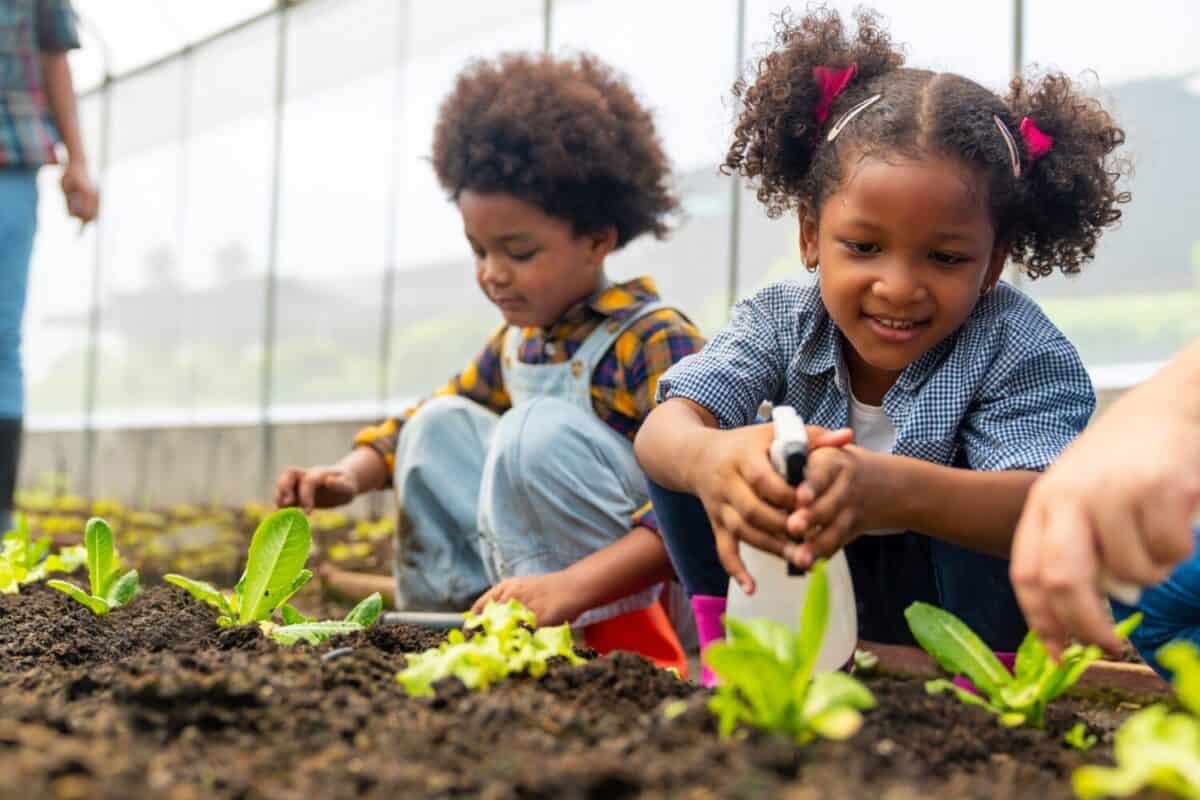
©CandyRetriever/Shutterstock.com
Petersen has been a vegetarian for eight years, and says the decision to raise their family with the same lifestyle was easy. “We initially chose to eat vegetarian for our health, but over the years we have grown to appreciate the positive effects it has on the environment and animal welfare. We want the same health benefits for our daughter, and I would love to see her grow up with the appreciation and love for animals that we have,” she shares.
For so many like Petersen, vegetarian and vegan lifestyles go beyond improving health — and for kids, these benefits can also shape the way they grow and see the world, particularly around food. “It teaches children about ‘food literacy' and cooking skills. Parents can help kids understand the wide variety of colorful, fresh foods available and also teach them how to cook meals in the kitchen. Cooking together can be a great family bonding experience,” Petersen tells us.
“Children can also learn about the many environmental benefits of a vegetarian diet, including reduced greenhouse gas emissions compared to omnivore diets. Studies show that a plant-based diet can reduce greenhouse gas emissions by 25-70%,” she adds, mentioning that vegan diets show the largest reduction.
Petersen also believes that vegetarianism can teach children how to develop compassion for animals and all living beings. “They can develop deeper connection and empathy through animal interactions such as visits to farms, animal rescues, or interactions with their own pets,” she says.
What Are the Health Benefits of Vegetarianism for Children?
It's normal for parents to have concerns about plant-based eating. However, Petersen says there are many health benefits that should also be considered. “One of the most studied benefits relates to cholesterol levels. Studies have shown that vegetarian children have lower LDL cholesterol compared to omnivores,” she tells us. “High LDL cholesterol is linked to a higher risk of heart disease. A meta-analysis found that vegetarian children also have significantly higher intakes of beneficial nutrients like fiber, folate, vitamin C, and magnesium.”

©Q88/Shutterstock.com
The Academy of Nutrition and Dietetics also states that appropriately planned vegetarian diets are suitable for all life stages. In fact, they may help prevent certain diseases and reduce the risk of heart disease, type 2 diabetes, hypertension, certain cancers, and obesity. To this, Petersen adds, “I also believe exposing children to different cuisines offers many benefits. As vegetarians, we love to cook a variety of ethnic foods from around the world. While an omnivore could do this, many vegetarians and vegans choose to consume more ethnic cuisines because those cuisines are simply more veggie-friendly.”
Plant-Based Beyond a Diet
Some families live a fully plant-based lifestyle, including products certified vegan. This has its pros and cons; these products are eco-friendly, and you can use them with a low carbon footprint. On the other hand, they can be more expensive, and aren't always accessible. Petersen says she sees value in choosing daily products that support our health and the environment, but it's a personal choice.
“While we don't follow any strict guidelines in our own lives, we often choose more non-toxic vegan cleaning and health care products — lotions, soaps, etcetera, especially if research supports their benefit over other products,” she says. This can also be another opportunity to teach kids about their environmental impact, especially if that's an important value to your family.
How to Balance Plant-Based Living for Your Family
A common concern many have with plant-based diets is deficiencies. Protein must come from a source other than meat, which means making plant-based alternatives accessible — and enjoyable — for kids. To do this, Petersen says meal planning is key.
“Vegetarian children can be at higher risk of certain deficiencies, such as B12 if vegan, vitamin D, and calcium. Therefore, parents should monitor their child's dietary intake to ensure they receive the recommended daily amounts,” she says. “It is also important that parents provide a variety of fruits, vegetables, legumes, whole grains, and so on, and not just processed vegetarian or vegan foods, such as fake meats. While these are okay in moderation, they should not be the main focus of a child's diet.”

©Jack Frog/Shutterstock.com
As a practicing Physician Associate (PA-C), Petersen is also familiar with red flags in a plant-based diet. “Discuss your child's diet with your pediatrician at every check-up. Some key signs that the diet may not be working include poor growth (falling off the growth curve), signs of nutrient deficiencies shown by bloodwork, persistent fatigue, or being underweight,” she recommends. “Your pediatrician can provide more guidance about how to meet protein and nutritional goals or whether working with a dietitian may be helpful.”
Picky Plant Eaters? No Problem
Kids are typically picky eaters, and that's entirely normal. In plant-based homes, Petersen explains, this is simply part of the developmental phase. “I do not think a vegetarian household necessarily faces more challenges with picky eating than an omnivore household, but managing it can require certain strategies to ensure children still meet their nutrient goals,” she says.

©EB Adventure Photography/Shutterstock.com
“I recommend that parents focus on guiding which foods are offered while allowing the child to decide how much to eat from those options. Also, repeated exposure is important! A child sometimes needs to be offered a new food up to ten times before accepting it. It's important not to put pressure on a child, but repeatedly offering is highly effective for getting kids to try new foods,” Petersen adds that this gives the child the power of choice and openness to grow and try new things.
“In a vegetarian household, I recommend choosing nutrient-dense foods rather than processed foods that are often low in nutritional value. This includes eggs, yogurt, cheese if vegetarian, nut butters, tofu, legumes, and more. To add more iron and zinc, I offer fortified cereals and plant milk,” she encourages.
Chef and Kid-Approved Vegetarian Foods to Try
Petersen shares that one thing she loves making for her 8-year-old daughter, who follows the same vegetarian diet, is protein pancakes. “I choose ingredients higher in protein: soy milk, almond flour, peanut butter, and Greek yogurt. This can be blended with high-iron foods like spinach and sweet potato,” she explains.
She adds that her own healthy banana oat muffins use only 3 ingredients (oats, bananas, and baking powder) and are popular among babies and toddlers. “My daughter loves them! Some easy additions include fruit, nuts/seeds, nut butter, or even protein powder,” Petersen says enthusiastically.
“Another fun trick is to blend white beans with a variety of veggies to make pasta sauces. I will occasionally choose higher protein noodles made from chickpeas or lentils,” she suggests. “I will also make tiny black bean burger ‘bites,' which are smaller versions of my homemade black bean burger. These are great because they incorporate high-protein black beans with tomatoes and spices. I recommend decreasing the amount of spices in this recipe for babies/toddlers.”
The image featured at the top of this post is ©PeopleImages.com - Yuri A/Shutterstock.com