
For a long time, praise was an underutilized parenting tool. Many generations have put their faith in discipline and obedience rather than in positive reinforcement. But now, all of that is changing. Parents are breaking cycles and know that praise is more than just saying, “good job!” at the end of the day.
The words parents use to raise their children have a lasting impact. Praise goes a long way, and it shapes more than how your child reacts to a job well done. It boosts confidence and self-esteem and even serves as the foundation for trust. Here's how you can use it in a meaningful way, rather than just as a pat on the back.
Why Parents Value Praise More Today
In previous generations, praise was one thing that was missing from most parenting styles. The emphasis was not on encouragement but on correcting mistakes. Krista Norris, LMFT, PhD(c) and Practice Owner at Conscious Connection Therapy Services LLC, shares more about how this differs in today's world.
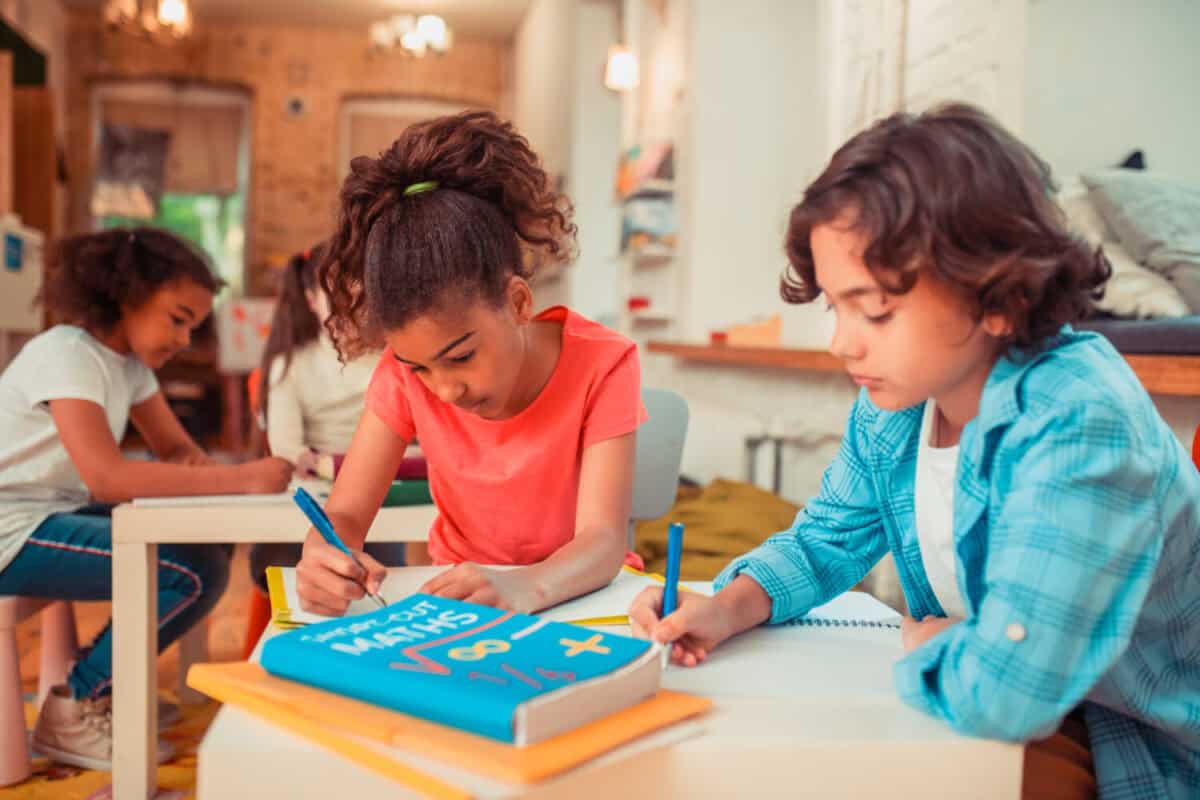
©Dmytro Zinkevych/Shutterstock.com
“As a depth therapist who works with families, I often find that parents today are operating with more mindfulness of the emotional wounds they’ve carried from their own childhood. Older generations in the past placed focus on obedience and achievement and acted out of survival,” Norris explains.
“Today, praise has become a form of communication and confirms to the child that they are seen and their voices matter,” she says, adding that many parents today are leaning into emotional attunement and attachment. “Praise offers a level of attunement where children can see that praise doesn’t solely have to be performance-based. This supports children in developing their own sense of self-worth and emotional intelligence.”
Praising the Positive Vs. Highlighting the Negative
Criticism can have a lasting effect on a child, and it's something a parent may not even realize they've done. Something as seemingly simple as scolding a child for how they've cleaned up a mess can shape their reality, and Norris shares that focusing on the positive is a far better practice.
“When children are criticized rather than praised, they tend to internalize the criticism and develop shame, which can negatively impact their sense of self and their ability to take healthy risks. Children are often pulled to enhance the areas of themselves that are nurtured and cared for,” Norris says. “When a child experiences positive attunement, this can strengthen their strengths rather than deficits and helps them develop a deeper sense of competence.”
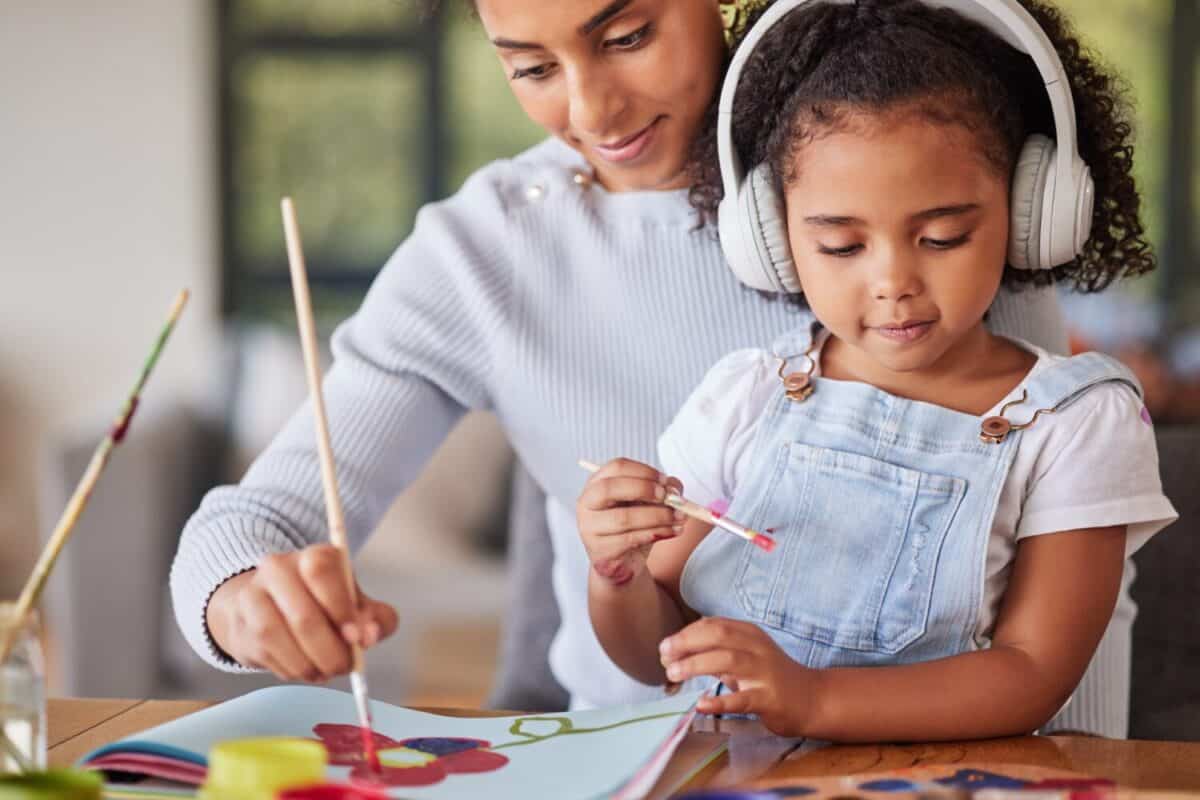
©PeopleImages/Shutterstock.com
She tells us that the goal isn’t to ignore the problematic behavior. Rather, it's to address it without shame and criticism. “When children feel validated and seen, they are more likely to be motivated to continue with positive behaviors and overall growth,” Norris adds.
Neurodivergent Children Greatly Benefit From Praise
In environments that favor neurotypical thinking, Norris explains that neurodivergent children are often penalized for their deficits. Praise is a way to bridge that gap and help them be understood and accepted, rather than left out. “Praise can highlight their unique creativity, empathy, and unique ways of viewing the world as a whole. Especially when these children struggle with feelings of inadequacy,” Norris says.
She also tells us that over time, with a balanced amount of praise, children gain a sense of self-confidence. With this foundation, they begin to internalize compassion for themselves and others. “Neurodivergent children need to feel valued for who they are, rather than being judged by their deficits. Overall praise can enhance their resilience and build high emotional IQ,” Norris shares.

©pics five/Shutterstock.com
She also explains that curiosity and praise often go hand in hand for parents of neurodivergent children. “Behavior is communication. Rather than reprimanding the child and trying to control them, it is more beneficial to understand the root cause of the behavior,” Norris says. “Most behaviors communicate unmet needs, feelings of overwhelm, sensory concerns, or trouble with emotional regulation. When parents can display empathy and flexibility, the child learns that effort matters more than obedience. The child then values connection, which enhances overall skill building.”
What Does Meaningful Praise Look Like?
“As a family therapist, I’ve found that meaningful and purposeful praise needs to be authentic and attuned to each unique child. Praise should not be exaggerated. Praise that acknowledges growth, core values, character, and genuine effort is the most valuable,” Norris shares with us.

©Marina April/Shutterstock.com
She gives the example of applauding your child for their time and energy, rather than the end result. This could look like, I noticed how you kept putting in the effort even though you felt like giving up,” or “Earlier, I saw how you took time to show your brother how to do that assignment rather than doing it for him.”
Norris explains that this feedback helps your child recognize their own positive traits. It also encourages a level of competency which, Norris says, inspires integrity and grit. “Praise during difficulty, self-doubt, or struggle can be transformative for the child. This affirms the perspective that you are seeing the individual they are becoming, not just the tasks they are achieving daily,” she says.
The image featured at the top of this post is ©SDI Productions / E+ via Getty Images