
























These Old-School Parenting Myths Are Still Harming Kids Today
Do you remember reading The Little House on the Prairie books? In one of the books, Laura mentions that a common rule during her time was "children should be seen but not heard." Children today may have a hard time fathoming this social rule, but that's only one of the many old-school parenting myths that have caused generations of children to struggle.
Since the 1930s, when Little House on the Prairie was first published, a lot has changed, and we have a lot more knowledge about how kids learn than parents did back then. With a deeper understanding of how children's brains work and a deeper understanding of neurodivergence, we now know that expecting all children to simply be quiet is not only unrealistic — it can also be extremely damaging.
Throughout history, parenting styles and ideas have come and gone. Yet, some parenting myths have way more staying power than they should. This article will explore common parenting myths that may cause more harm than good.
14 Parenting Myths That Could Be Harmful
Just a quick look at history shows that parenting has changed in several ways throughout generations, even from decade to decade. Things like parenting goals, access to information, and parental involvement are not the same as they used to be. However, so many parenting myths continue to make their way from generation to generation, even though these myths may do more harm than good. Let's take a look at several common ones that continue to live on.
Parenting Comes Naturally
If a young mom feels nervous about parenting her child, she may be met with well-meaning advice. "Oh, don't worry, parenting comes naturally" may just be spoken by your well-meaning elderly neighbor. But just because it's a common saying doesn't make it true. Some parents are natural; others simply aren't.
This myth can lead to parents feeling like failures and putting unrealistic expectations on themselves. Parenting is a learned skill that may take time and effort for some.
Vaccines Cause Autism
One myth that keeps popping up even after being debunked is that vaccines cause autism. Childhood vaccinations were developed to protect against several potentially deadly diseases. Autism, on the other hand, is connected to the brain development of a person and genetics.
This myth came to life when a 1998 study made this suggestion. However, since then, the person who wrote this study had their medical license revoked, and the study was retracted. Since then, several studies have debunked this myth.
Giving Children Respect Makes Them Spoiled and Selfish
Children are people deserving of respect, just like any adult. There is a misconception that children should respect all adults but are not deserving of the same respect. We can see this in examples of children being expected to give hugs and kisses to those who make them uncomfortable.
Additionally, the idea that children should respect all adults could put them in a dangerous situation that may lead to an adult hurting them. A child is not spoiled or selfish if you give them respect and autonomy. Instead, it will teach a child that their mind and intuition are important.
We should also teach our children how to spot safe adults and that they do deserve respect from others.
Kids Are Born Resilient
'Oh, kids are resilient." Have you ever heard this? This myth simply isn't true. Sure, kids can become resilient when they have a strong support system in place. However, when exposed to adverse childhood experiences, it can actually cause great harm, not resilience.
These stresses and trauma can affect a child in several ways. They may be more likely to participate in harmful activities like unsafe sex or drug use. If you have never heard of Adverse Childhood Experiences (ACEs) and how they affect a person's future, read more about them here.
Children Always Come First
This is a well-meaning myth. Yet, it can be harmful to parents who do believe this. Your child's needs should always be at the forefront of your mind. However, you can't neglect yourself and compromise your health in the name of parenting.
Being the best parent you can be means you need to care for your own physical and mental health. When a parent is struggling with mental illness, it can significantly impact the health of their child as well. Even though your child has needs, it's important to take care of yourself, too.
The Twos Are Terrible
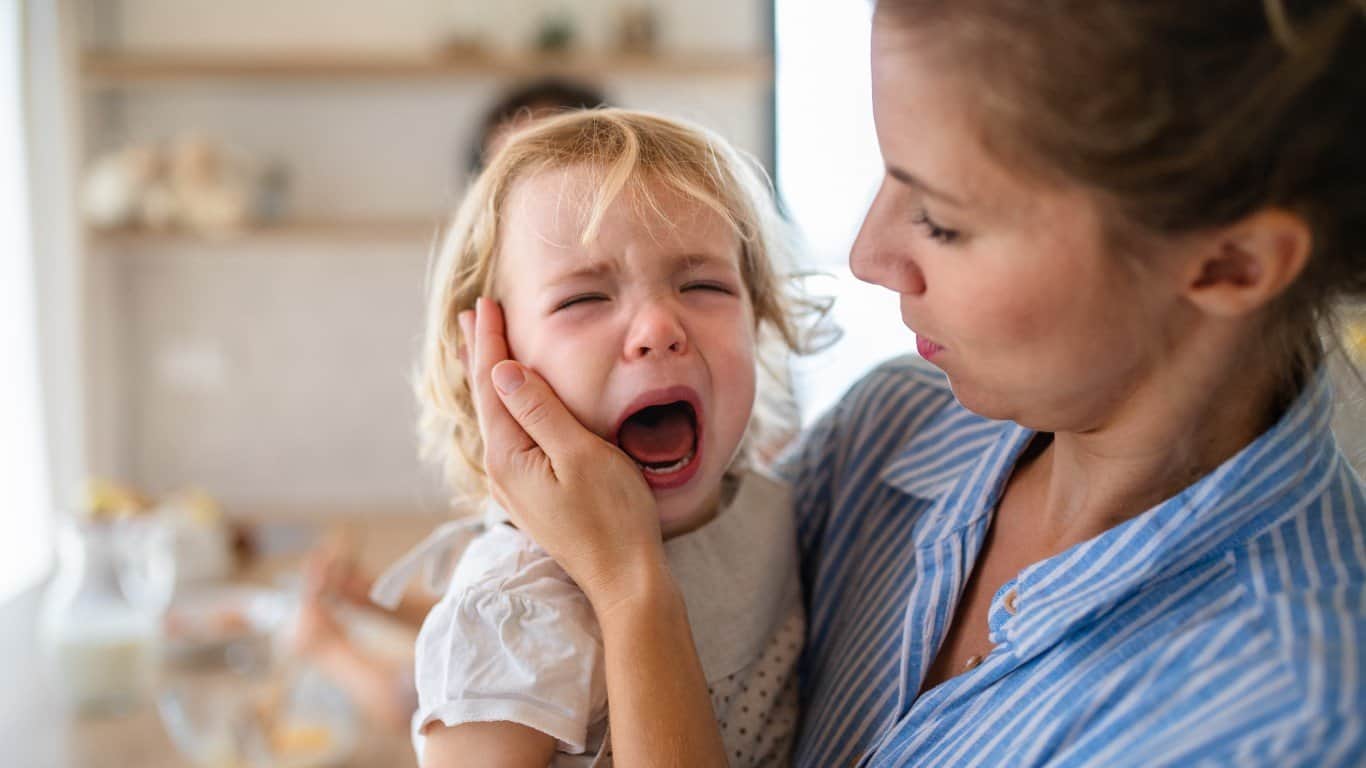
Oh, the terrible twos. While this phrase may be meant to encourage parents, it can lead to a mindset that is not helpful. During the two-year-old phase, toddlers' minds are taking in so much information. Just think about where your toddler was even just a year before. However, during this time, toddlers are learning independence and communication.
This means that tantrums are simply a normal part of development. Is this time challenging for parents? Yes. However, this time is also difficult for your fast-growing toddler, who is learning so much about their world.
Giving Your Kids Medication Makes You a Lazy Parent
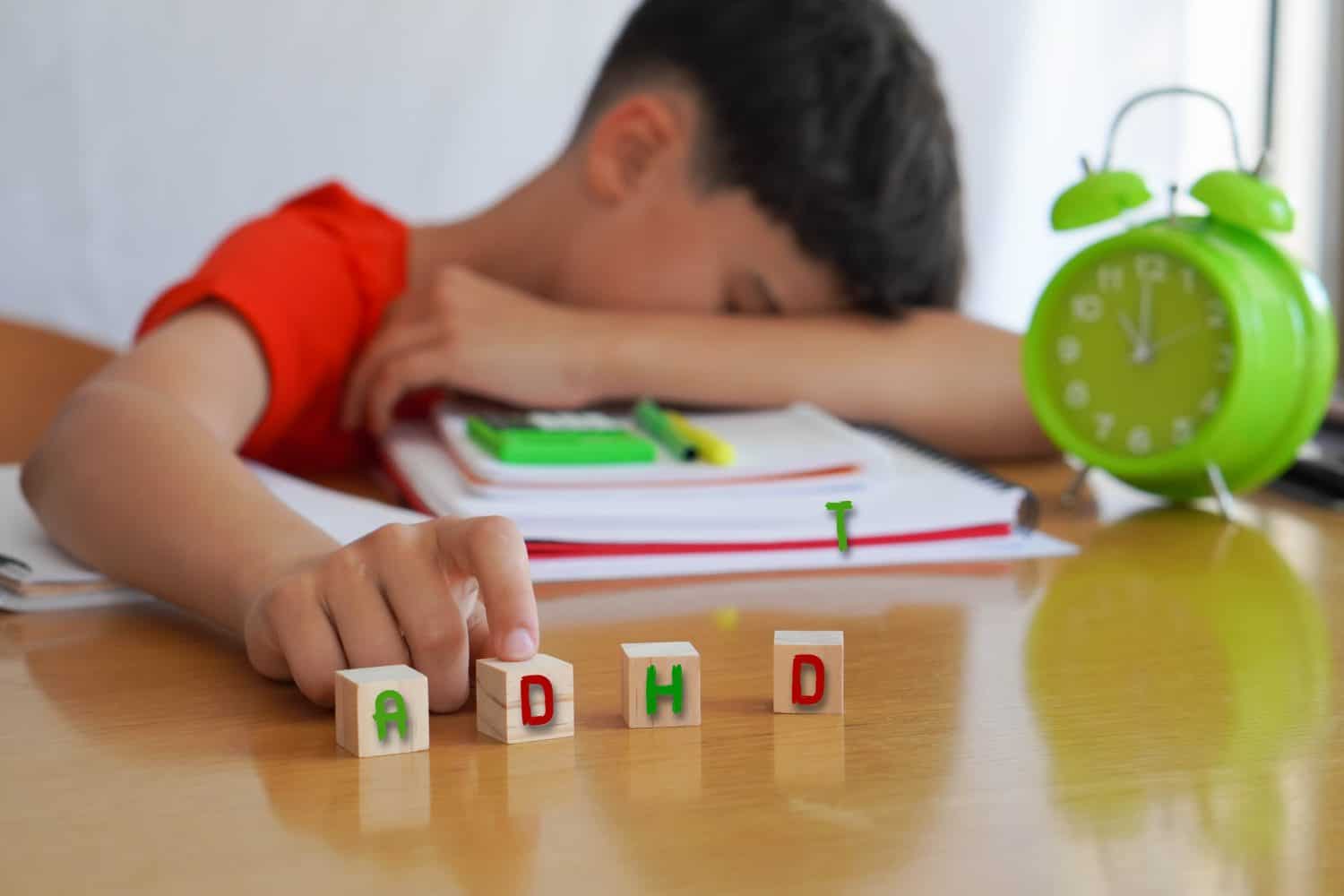
Sometimes, parents are hesitant to give their children the necessary medication for disorders like anxiety, depression, or ADHD because they believe the lie that doing so makes them lazy parents. However, these disorders are more common in children than people would like to believe. It's also important to note that mental illness and disabilities like ADHD are often caused by a chemical imbalance in the brain, and medication can help your child lead a healthier life.
If your child needs medication to help them in life, then why knowingly deny it to them? Disorders like anxiety in teens are common, but it is also treatable in most cases.
Sugar Equals Hyperactivity
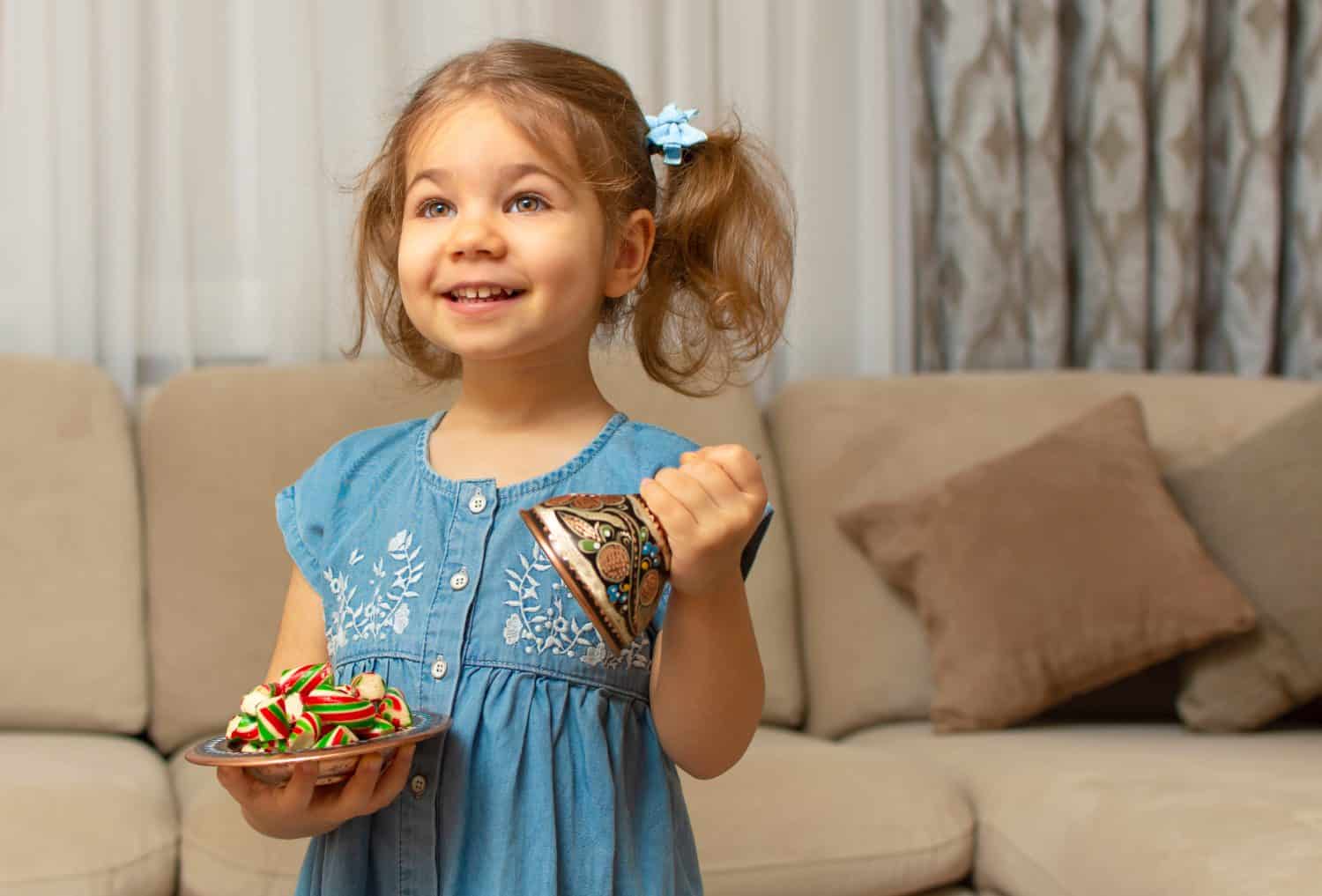
This common belief has been debunked several times. Sugar doesn't equal hyperactivity. Generally, the hyperactivity that comes out of nowhere when your child eats sugar is likely caused by their excitement about having a treat.
That doesn't mean sugar is good for your kids. In fact, consuming too much sugar can still have adverse health effects, so it's still a good idea to eat it in moderation.
There's Only One Right Way to Parent
This myth can be harmful to both children and parents. There is no right way to be the perfect parent and many ways to be a good parent. Experience, grace, and time will help you find what works for your family.
If we buy into the lie that there's only one way to parent, we put immense pressure on ourselves, which can affect not only our parenting but also our families. But the truth is, every family is different, and every child is different.
You Are Spoiling Your Baby if You...
Hold them too much. Pick them up when they cry. Respond right away. Give them too much love and attention. Young infants are not developmentally able to understand cause and effect. You can't spoil your baby if you hold them, pick them up, and respond immediately.
Besides, time goes by too fast. Hold the baby. Love and affection have the opposite effect from spoiling. Instead, love and affection show children they are valued and build self-esteem.
Strict Parenting Equals Well-Behaved Children
Strict parenting doesn't create well-behaved children. It is possible to be firm but loving, consistent but warm. When a child grows up with authoritarian parents, it can negatively impact them in many ways.
Children with authoritarian parents often have low self-esteem, are more rebellious, and are less successful academically. While this type of parenting may temporarily stop poor behavior, it has serious long-term consequences.
Spare the Rod, Spoil the Child
This actually dates back to a Proverb found in the Bible. Interpretations of this verse lead some parents to believe it means spanking or harsh punishment. However, discipline doesn't necessarily mean punishment.
The AAP advises parents to refrain from spanking or physical punishment because it can cause more harm than good. It can lead to an increase in low self-esteem, mental health disorders, and aggression.
Fear is Just a Stage
While some fear is normal childhood development, not all fear is just a stage. Anxiety in children is actually a very real concern and should never just be dismissed. Dismissal of this fear may lead a child to grow more anxious.
It's our responsibility as parents to help children tackle any fears they may have with coping mechanisms, support, and possibly even consulting a health professional.
Children Need to Clear Their Plates
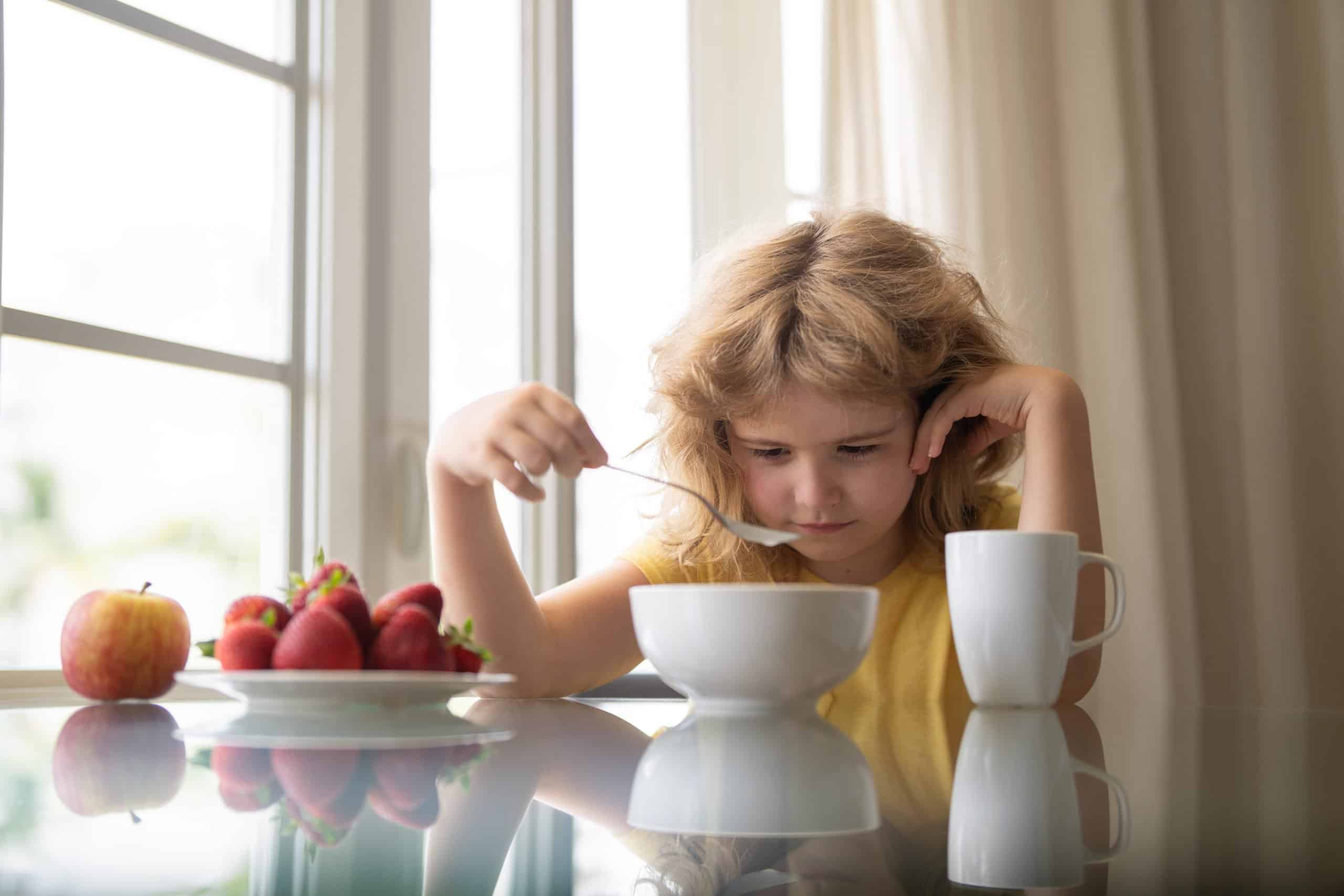
Have you ever heard a parent say, "There are starving children in Africa, so finish what's on your plate"? While it may be an attempt to teach children gratitude, this mentality can cause children to learn to ignore their internal voice of being full, develop an unhealthy relationship with food, and gain weight.
Food phases are a normal part of childhood, but forcing children to finish everything on their plate isn't the solution. It's more important that children develop a healthy relationship with food, rather than get in the habit of finishing every bite of every meal.
The image featured at the top of this post is ©fizkes/Shutterstock.com