Some restaurant chains announce their final days with bankruptcy headlines, emotional farewells, and loyal customers lining up for one last meal. Most, however, seem to disappear much more quietly. One location closes, then another leaves town, and before we realize what happened, a restaurant we once saw everywhere is suddenly nowhere to be found.
That is what happened to many of the chains on this list. They slowly vanished from shopping malls, highway exits, neighborhood plazas, and family dinner plans. Years later, someone mentions a favorite menu item, and we discover that younger relatives have never even heard of the place.
Some of these once-popular chains are now completely gone, while others survive through a lone location, a revived brand name, or a grocery-store product with little connection to the original restaurant. Yet there was a time when their dining rooms were packed and their signs seemed impossible to miss. Here are 12 restaurant chains we loved that seemingly disappeared overnight.
Henry's Hamburgers

During the 1950s and 1960s, Henry’s Hamburgers was one of McDonald’s biggest fast-food competitors. At one point, the chain reportedly had more American locations than McDonald’s, serving 10-cent hamburgers from walk-up windows across the Midwest and Northeast. By the early 1960s, more than 200 Henry’s restaurants were operating nationwide.
Unfortunately, Henry’s struggled to keep pace as drive-through service and larger menus became increasingly important. Locations gradually disappeared throughout the 1970s and 1980s, leaving just one original restaurant in Benton Harbor, Michigan. For longtime customers, it remains a delicious reminder of when Henry’s signs could be spotted in communities throughout the region.
Farrell’s Ice Cream Parlour
Farrell’s Ice Cream Parlour made dessert feel like a full-blown celebration. Servers dressed in old-fashioned uniforms and straw boater hats, music filled the dining room, and enormous sundaes arrived with plenty of noise and attention. Its famous Pig’s Trough challenge featured 12 scoops of ice cream and rewarded anyone who finished it with a playful ribbon or certificate.
The chain reached roughly 130 locations during the 1970s, when it was owned by Marriott. Farrell’s then spent decades changing owners, closing restaurants, and attempting several comebacks. Despite the lasting affection many families had for the brand, none of those revivals stuck. The final Farrell’s location, in Brea, California, closed in 2019.
Victoria Station
Eating at Victoria Station was an experience families were unlikely to forget. Many locations incorporated real railroad cars into their dining rooms, with customers entering through a British-style telephone booth and enjoying drinks inside a caboose bar. Vintage railroad decorations completed the theme. Founded by three Cornell Hotel School graduates in 1969, the chain expanded to approximately 100 restaurants by the late 1970s.
Victoria Station became so popular that Johnny Cash recorded a promotional album called Destination Victoria Station. However, growing debt and an unsuccessful attempt to reposition the chain around hamburgers contributed to its collapse. The company filed for Chapter 11 bankruptcy in 1986, and most of its restaurants soon disappeared.
A handful of independently operated locations kept the name alive into the 1990s. One longtime holdout in Salem, Massachusetts, survived until 2017, but Victoria Station had effectively vanished from the American restaurant scene years earlier. Although the name still exists in Japan, the railroad-themed chain many American families remember is gone.
Lum's
Lum’s began as a small hot dog stand in Miami before growing into a nationwide chain with approximately 400 locations. Its signature item was certainly memorable: hot dogs steamed in beer. The menu also featured the Ollieburger, a heavily seasoned hamburger created by restaurateur Ollie Gleichenhaus that became another customer favorite.
In the early 1970s, Lum’s was briefly owned by John Y. Brown Jr., who had previously helped transform Kentucky Fried Chicken into a national success. Even his involvement could not secure the chain’s future. Lum’s parent company filed for bankruptcy in 1982, and most of its restaurants closed soon afterward. With them went one of the more unusual hot dog recipes in American restaurant history.
Mr. Steak
Founded in Colorado Springs in 1962, Mr. Steak promised families an affordable steak dinner without the prices or formality of a traditional steakhouse. The simple idea proved enormously popular, helping the chain expand to approximately 280 locations at its peak.
As Mr. Steak added chicken, seafood, salads, and other dishes, however, its original identity became less clear. The company filed for bankruptcy in 1987 and had fallen to 57 restaurants by 1992, when its remaining assets were purchased for $140,000. A planned revival failed to reconnect with customers, and the last Mr. Steak restaurant, located in St. Charles, Missouri, closed in 2009.
Horn & Hardart
Long before modern fast-food restaurants appeared on every corner, Horn & Hardart introduced Americans to the Automat. The company opened its first coin-operated restaurant in Philadelphia in 1902 and brought the concept to New York City a decade later. Customers placed coins into a slot, turned a knob, and retrieved fresh dishes from small compartments behind a wall of glass—no server required.
At its peak, Horn & Hardart served hundreds of thousands of meals each day. Families could choose everything from baked beans and sandwiches to macaroni and cheese and slices of pie. The concept felt remarkably futuristic, but the growing popularity of drive-through restaurants during the 1950s and 1960s gradually made Automats seem outdated.
During the 1970s, many Horn & Hardart locations were converted into Burger King or Arby’s restaurants. The remaining Automats quietly closed one at a time until the final location, on East 42nd Street in Manhattan, served its last meal in 1991. The Horn & Hardart name has since been revived as a coffee brand, but its famous walls of coin-operated food compartments are now part of restaurant history.
Chicken Delight
“Don’t cook tonight, call Chicken Delight!” was more than a catchy slogan. Chicken Delight was among the earliest restaurant chains to deliver fried chicken directly to customers’ homes. Founded in Illinois in 1952, the company expanded rapidly through franchising and had nearly 1,000 locations by the mid-1960s.
The chain’s fortunes changed after a major antitrust case in 1971, while growing competition from KFC and other chicken restaurants added further pressure. Within a few years, most American locations had disappeared. A small number of Chicken Delight restaurants remain, primarily in Canada, but the chain that once seemed to blanket the United States has largely vanished from its home country.
White Tower
For nearly a century, White Tower served small, square hamburgers from spotless white buildings that were impossible to mistake for anything other than a White Castle competitor. Both chains became known for selling inexpensive burgers, including nickel hamburgers during the Great Depression.
The resemblance was hardly accidental, and White Castle successfully sued White Tower during the 1930s. Although White Tower survived the legal battle, its restaurant count gradually declined over the following decades. The final location in Toledo, Ohio, remained a nostalgic landmark until a fire destroyed the building in 2022, bringing the chain’s exceptionally long run to an unfortunate end.
Kenny Rogers Roasters
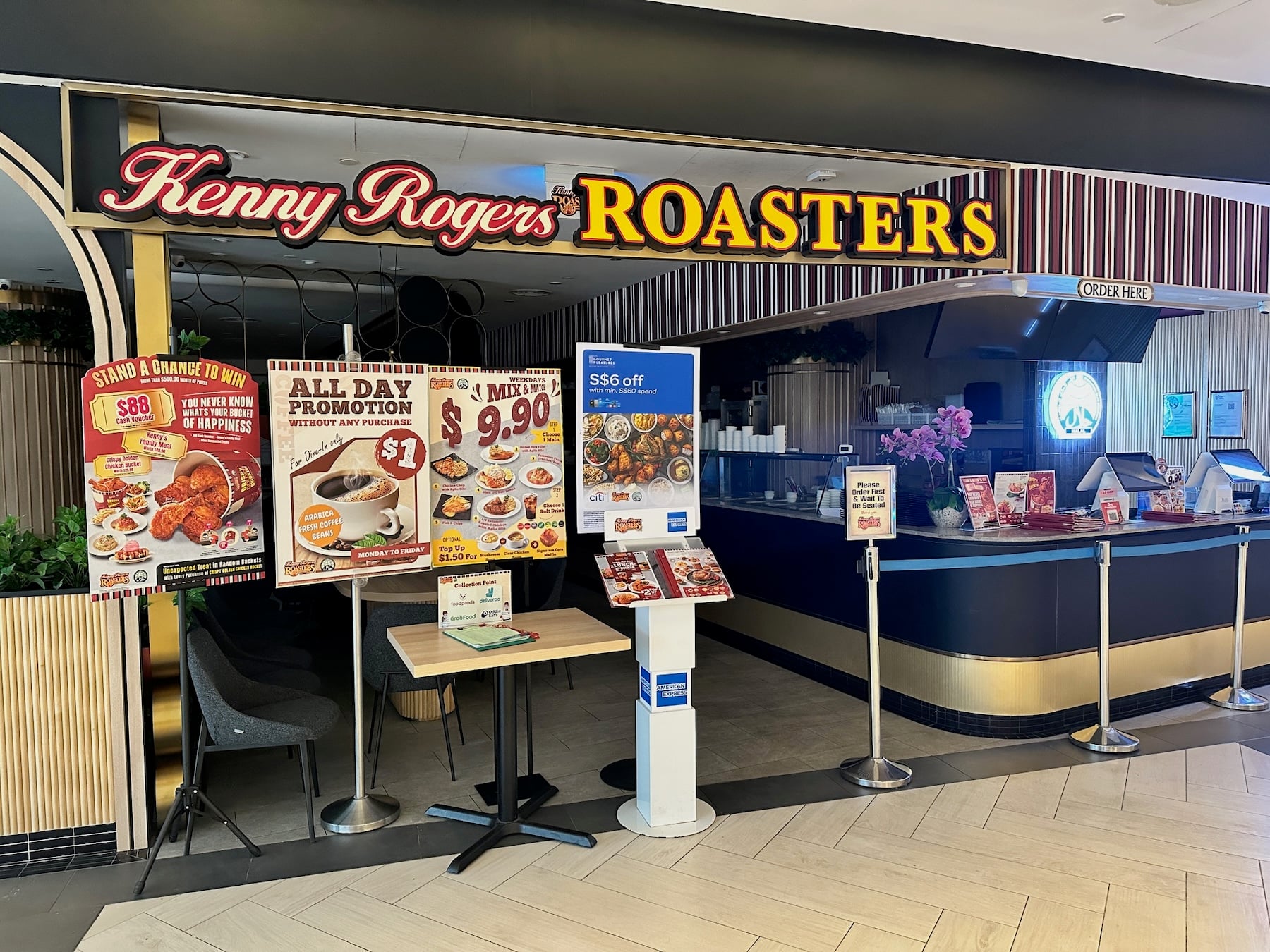
Kenny Rogers Roasters may have disappeared from American streets, but it remains surprisingly popular overseas. Country music star Kenny Rogers and former KFC executive John Y. Brown Jr. launched the rotisserie chicken chain in 1991. Hundreds of locations soon opened, and the restaurant became recognizable enough to inspire a memorable 1996 episode of Seinfeld centered on its glaring red neon sign.
Despite its rapid growth, the company filed for Chapter 11 bankruptcy in 1998. Nathan’s Famous later acquired the chain, but its American presence continued to shrink. The international rights were eventually sold to an Asian franchise company, which helped the brand find lasting success abroad. Today, Kenny Rogers Roasters operates throughout Southeast Asia, even though its U.S. restaurants are long gone.
Bugaboo Creek Steak House
Bugaboo Creek Steak House offered families more than dinner—it offered an entire Canadian wilderness adventure. Restaurants resembled rustic mountain lodges, complete with fireplaces, snowshoes, and animatronic animals mounted on the walls. The talking and singing wildlife occasionally startled diners, while birthday guests were invited to kiss the restaurant’s moose for good luck.
Founded in Rhode Island in 1993, Bugaboo Creek eventually expanded across six states and developed an especially loyal following in the Northeast. Many former customers still remember the quirky decorations, birthday tradition, and signature Moose Juice cocktail.
The chain filed for bankruptcy in 2010, but new ownership attempted a comeback the following year with an updated menu and house beer. The revival briefly offered fans hope, but locations continued closing one by one. By 2016, Bugaboo Creek—and its famous good-luck moose—had disappeared for good.
Don Pablo's
For a brief time in the 1990s, Don Pablo's was the number two Mexican chain in the United States, just behind Chi-Chi's. Hand-made tortillas pressed in front of customers and a menu that leaned into Tex-Mex comfort food rather than fast-casual speed set Don Pablo's apart.
After its prime, the chain was bought and sold over ten years, declaring bankruptcy at various points, whittling it down almost invisibly, until there were just 34, then 12, then 6, and finally 3 restaurants left standing. The last remaining Don Pablo's was located in Deptford, New Jersey, and it closed in June of 2019. Unlike some of its old rivals, nobody has tried to bring it back.
Lone Star Steakhouse & Saloon
Lone Star Steakhouse leaned heavily into its Texas theme, even though the chain was founded in North Carolina. The formula was memorable: big steaks, cold drinks, Western décor, and buckets of peanuts that left shells scattered across the floor. Customers embraced the roadhouse atmosphere, helping Lone Star grow to about 265 restaurants by the end of the 1990s.
The chain’s momentum stalled as the casual-steakhouse market became crowded and costs climbed. A proposed 2002 buyout collapsed, and the Great Recession later accelerated years of closures and ownership changes. By early 2017, only 16 locations remained. Today, nearly the entire chain has all but vanished. The lone surviving Lone Star Steakhouse operates in Tamuning, Guam, keeping the once-massive brand alive far from the mainland.
The image featured at the top of this post is ©Vintage Food - Reddit