Parenting in 2026 looks markedly different from even a few years ago, and that shift feels intentional. After years of rigid rules, aesthetic pressure, and fear-driven advice (and yes, COVID-era parenting, remember that?), families are embracing approaches that feel more human, flexible, and grounded in emotional well-being.
Today’s parents are navigating rapid technological change, climate anxiety, cultural shifts, and a deeper understanding of mental health. In response, parenting trends are less about perfection or control and more about connection, curiosity, and calm.
Below, we explore the defining themes shaping parenting in 2026: what’s rising, what’s fading, and the mindset shifts behind it all.
Intentional, Imperfect, and Emotionally Intelligent

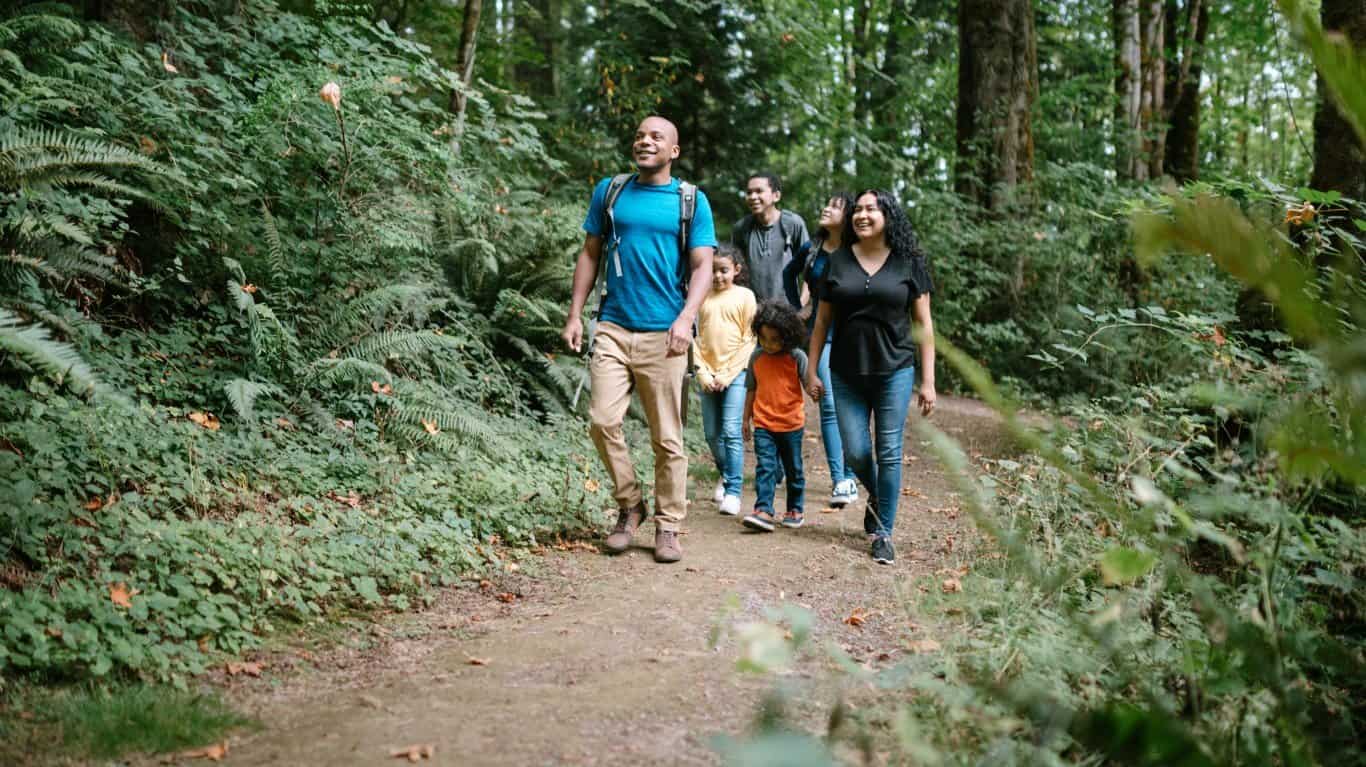
Parenting in 2026 favors intention and emotional intelligence over fear and perfection.
©monkeybusinessimages / Getty Images
At the heart of parenting trends in 2026 are three guiding ideas:
- Intentionality over reactivity
- Imperfection over curated perfection
- Technology as a tool for connection, not distraction
Parents are becoming more reflective and strategic in how they show up for their children. Rather than reacting to every challenge or chasing the latest parenting philosophy, caregivers are slowing down and making choices that align with their values. This intentional approach allows parents to model emotional regulation and thoughtful problem-solving, showing children that not every problem requires an immediate fix. Sometimes presence is enough.
Parents are also letting go of the pressure to appear perfect. Homes are messier (or at least we aren't hiding the messes), routines are looser (kids need structure, but it doesn't need to be so prohibitive), and mistakes are acknowledged rather than hidden (we are letting our humanity show). Parents are increasingly comfortable apologizing to their children, naming their own emotions, and treating parenting as an ongoing learning process rather than a performance.
Technology & Data-Driven Parenting
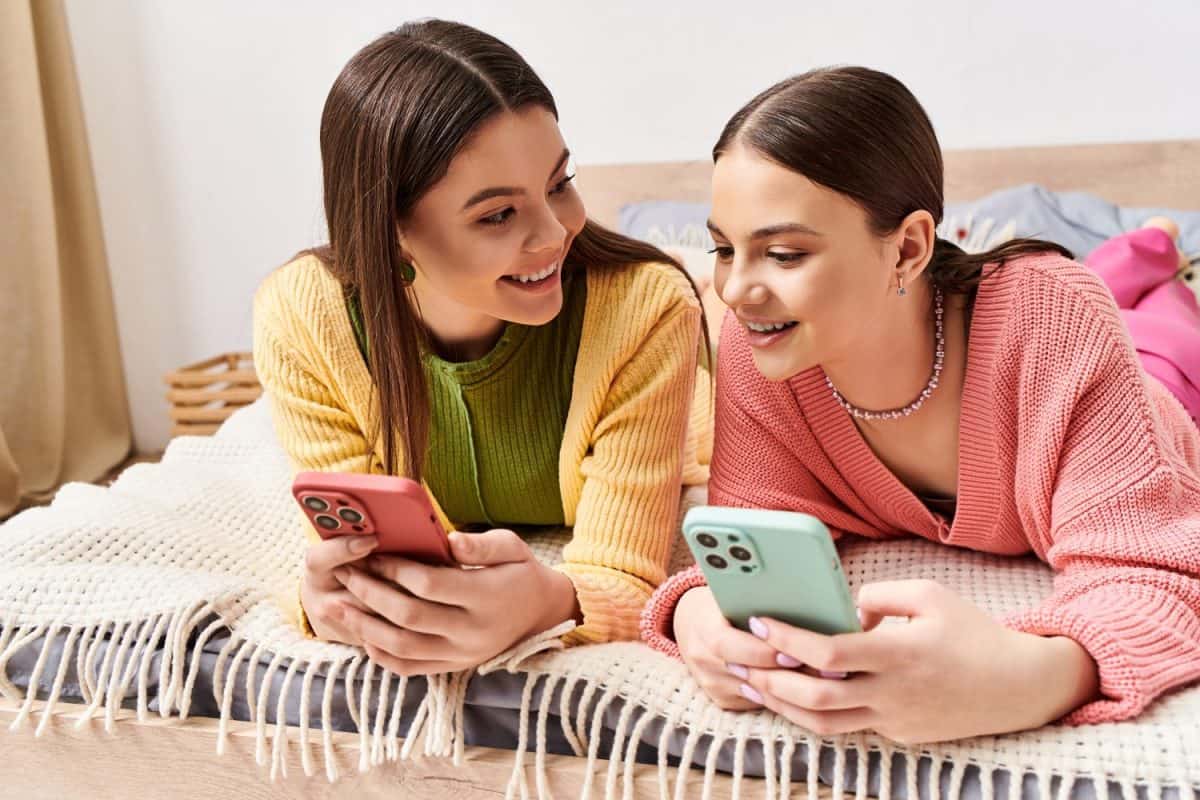
AI is being used to ease the load, while parents set screen boundaries and revisit low-tech connections.
©LightField Studios/Shutterstock.com
One of the most talked-about shifts is the rise of AI as a parenting support system. Rather than replacing human intuition, AI tools are increasingly positioned as calm, background helpers. Need a chore chart quickly, a creative activity suggestion, or advice on a tricky parenting moment? Many parents turn to AI for guidance. This “AI co-parent” model emphasizes “smart time” using data and insights to free parents from mental overload, enabling them to be more present and emotionally available.
At the same time, 2026 parenting trends show a growing awareness of balance. While families may use AI more than ever, they are also setting clear limits on screen time and social media exposure for kids. Parents are learning that digital tools can support growth without dominating a child’s day.
Interestingly, several families are even rediscovering older technologies, such as home phone lines or products that recreate the feel of a classic landline, as a way to connect without screens. These choices reflect a broader desire to blend high-tech assistance with low-tech human connection.
Of course, opinions about AI’s impact on humans, society, and the environment remain varied. AI is here and increasingly unavoidable, but its role in a family is a conscious decision. It's a tool to support parenting, not replace the human presence at the heart of childhood.
Using AI in parenting isn’t about outsourcing care; instead, it’s about using data and tools thoughtfully so parents can focus on what matters most: relationship, presence, and emotional availability.
Parenting as a Learned Skill, Not an Instinct

Parents prioritize connection over control, embrace imperfection, and see parenting as a learned skill.
©iStock.com/paulaphoto
A major mindset shift defining 2026 is the recognition that parenting is not an innate talent but a skillset, one that can be learned, practiced, and refined. The days of assuming “good parenting just comes naturally” are fading. Instead, parents are embracing the idea that effective, compassionate parenting requires intention, effort, and ongoing growth.
We aren’t born as perfect guides for our children; we develop these abilities over time, through reflection, experimentation, and learning from both successes and missteps.
In practice, this shift is driving parents to actively invest in personal development and family dynamics, including:
- Emotional education and communication skills: Parents are prioritizing the ability to recognize, name, and manage their own emotions while teaching children to do the same. They are learning to have open, age-appropriate conversations about feelings, empathy, and conflict resolution.
- Self-regulation and stress management: Recognizing that children learn as much from their parents’ responses as from explicit lessons, parents are developing strategies to stay calm under pressure, navigate frustration, and model resilience. Mindfulness, intentional pauses, and stress-reduction techniques are becoming standard tools in the parenting toolkit.
- Reflection on their own childhood experiences: Parents are increasingly examining the ways their upbringing influences their approach to discipline, nurturing, and expectation-setting. By acknowledging patterns they wish to continue or break, they can consciously shape the family culture they want to create.
This mindset shift reframes parenting as a lifelong learning process rather than a static role. It encourages humility, curiosity, and flexibility, fostering environments where both children and parents can grow together. In 2026, the most admired parents aren’t those who never fail; they’re those who commit to evolving, learning, and showing up fully for the human beings in their care.
Embracing Imperfection at Home and Beyond
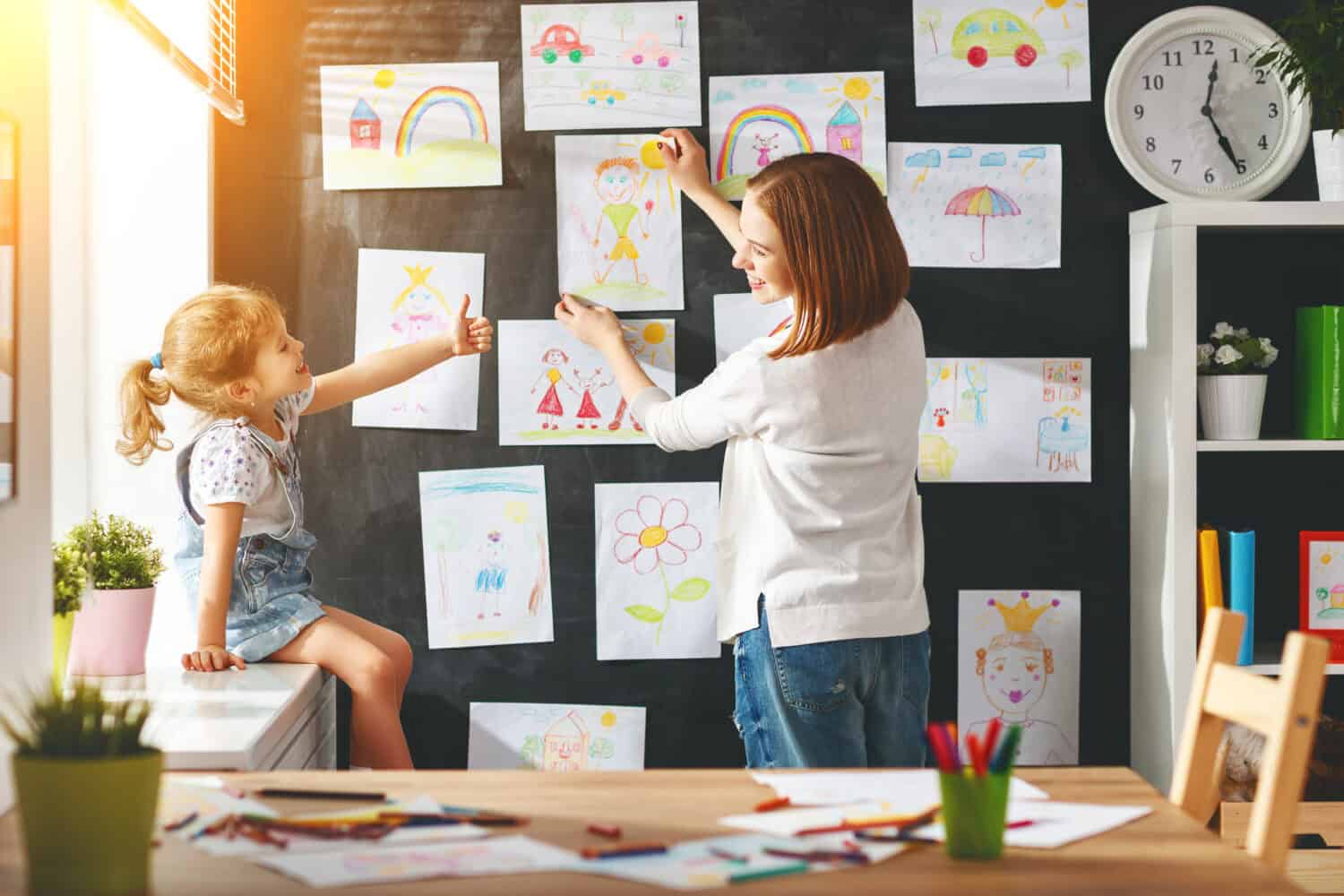
Adding color, or kids' artwork, can really change a space for the better.
©Evgeny Atamanenko/Shutterstock.com
The aesthetic of parenting has shifted dramatically. While the dominance of hyper-curated, gray-and-beige minimalism is waning, 2026 home trends blend warmer, layered neutrals with more personal, lived-in touches and bolder colors, reflecting a shift toward authenticity and comfort.
In its place:
- Bright, unapologetic color and décor chosen by the children themselves, reflecting their personalities rather than a designer’s vision.
- Walls filled with art, stickers, and photographs, chronicling everyday life rather than showcasing a magazine-perfect moment.
- Room designed for living, not photographing, where couches bear the marks of play, kitchens are hubs of experimentation, and floors are maps of daily adventures.
Parents are redefining what a “good home” looks like. Toys are visible, crayon marks are celebrated, and mess is no longer a failure but a sign of creativity, exploration, and learning. This embrace of imperfection extends beyond the physical space into the emotional climate of the home.
Parents model repair, resilience, and flexibility, showing children that mistakes aren’t shameful, they’re growth opportunities. Honesty, empathy, and adaptability are now central to both parenting style and home life, creating environments that nurture curiosity, emotional intelligence, and authentic connection.
Micro-Milestones, Play, and Everyday Growth

Rather than chasing big milestones or curated aesthetics, parents are celebrating small, everyday wins.
©Ground Picture/Shutterstock.com
Parenting in 2026 is increasingly about intention, presence, and valuing the process rather than just the outcomes. Families are shifting focus from perfection and big milestones to everyday growth, curiosity, and emotional development. The emphasis is on creating environments where children feel seen, supported, and free to explore, make mistakes, and celebrate progress in its many forms.
Celebrating Small Wins
Rather than focusing solely on major milestones, parents are paying attention to everyday growth moments, such as:
- Trying a new food
- Managing a difficult emotion
- Showing persistence or kindness
- Inventing a game or solving a problem
These micro-milestones are recognized as essential building blocks for a child’s emotional and cognitive development. Celebrating them encourages curiosity, self-efficacy, and the understanding that progress often comes in small, meaningful steps.
Play as Essential, Not Optional
Play has been re-centered as a critical part of development. Unstructured, imaginative play is no longer an afterthought; it’s a core tool for learning, problem-solving, and emotional regulation. Boredom is no longer feared; it’s embraced as a catalyst for creativity, self-discovery, and independent thinking.
By prioritizing play, parents help children develop adaptability, joy, and resilience, skills that will serve them well beyond childhood. In this mindset, every game, puzzle, or improvised adventure is an opportunity to grow, experiment, and learn, reinforcing that learning and fun are deeply intertwined.
Emotional Intelligence, Identity, and Cycle-Breaking Parenting

Emotional intelligence, cycle-breaking, and cultural storytelling reflect a focus on children’s well-being.
©fizkes/Shutterstock.com
EQ Starts Early
Teaching emotional intelligence is no longer seen as “extra.” Even young children are learning to name feelings, breathe through big emotions, and practice empathy. Emotional regulation is seen as foundational, on par with reading or math.
At the same time, many parents are engaging in cycle-breaking parenting. They are examining how they were raised and making conscious choices about what to carry forward and what to change. Therapy, self-reflection, and honest conversations are normalized, reinforcing the belief that healing can happen alongside parenting.
Families are also placing greater emphasis on cultural identity and storytelling. Through shared meals, traditions, and family stories, children develop a sense of belonging and continuity that grounds them in an increasingly complex world.
Community, Culture, and Where Parents Get Advice

Curated communities and values-driven guidance have replaced one-size-fits-all advice.
©fizkes/Shutterstock.com
How parents find information in 2026 is continuing to shift. While books and traditional resources still hold value, the rise of digital culture and social connectivity has created a broader, more diverse landscape for parenting guidance. Caregivers are increasingly looking beyond one-way advice and gravitating toward formats and communities that feel immediate, relatable, and actionable.
Many parents now turn to:
- Short-form video and digital platforms: Quick, digestible clips offer tips, demonstrations, and real-life parenting insights without requiring long attention spans. These platforms allow parents to see solutions in action and absorb practical strategies in minutes.
- Peer-led discussions: Parents are seeking advice from people with shared experiences, trusting peers who understand their specific challenges and values. These discussions often happen in small, interactive formats rather than large, anonymous comment threads.
- Values-aligned online communities: From local neighborhood groups to niche interest forums, parents are curating spaces where guidance aligns with their principles, whether that’s sustainability, cultural identity, or neurodiverse parenting.
Rather than consuming endless streams of advice, parents are intentionally building smaller, trusted circles. These micro-communities provide emotional safety, a sense of shared expectation, and relief from information overload. They offer spaces to ask questions without judgment, share both struggles and wins, and feel supported in a way that mass media or impersonal platforms cannot replicate.
The focus has shifted from quantity of content to quality of connection, emphasizing relationships over algorithms and fostering learning environments that feel human and grounded in real-life parenting experiences.
What’s In and What’s Out
Parenting in 2026 isn’t about optimizing childhood, but instead it’s about honoring it.
©AnikonaAnn/Shutterstock.com
As parenting continues to evolve, 2026 is all about intentionality, presence, and celebrating the everyday moments that truly matter. Families are embracing tools, spaces, and mindsets that support curiosity, creativity, and emotional growth, while moving away from approaches that prioritize perfection, appearances, or rigid rules.
Below is a snapshot of what’s on the rise and what’s fading, highlighting the trends shaping modern parenting culture.
What’s In: Parenting Trends on the Rise
- AI as a Co-Parent: Monitoring, guidance, and virtual play support
- Curated Communities & Culture: Values-driven, intentional social circles
- Low-Stim, Natural Play: Simple activities, boredom, and sustainable materials
- Micro-Milestones: Celebrating everyday growth
- Personalized Tech: Smart gear
- The “Age of Awe”: Curiosity, wonder, and exploration
- Kid-Centric Homes: Spaces that reflect children’s personalities
What’s Out: Parenting Trends Fading Away
- Millennial Gray & Beige Aesthetics
- Hiding Kids’ Lives: Toys and art are no longer tucked away.
- Overly Curated Social Media Parenting
- “Perfect” Playrooms: Rigid, staged spaces
- Ignoring Digital Reality: Tech avoidance without guidance
The Key Mindset Shifts Defining 2026
- From Control to Connection
- From Fear to Fun
- From Fast Trends to Lasting Impact
Parents are choosing sustainable, development-focused tools and philosophies over fleeting fads. They’re slowing down, tuning in, and trusting that childhood doesn’t need to be optimized; it needs to be honored.
The Bottom Line

In 2026, we are preparing children to navigate a complex world with resilience, curiosity, and confidence.
©fizkes/Shutterstock.com
Parenting in 2026 is less about doing everything “right” and more about doing things with intention. Parents are embracing imperfection, using technology thoughtfully, nurturing emotional intelligence, and creating environments, both physical and emotional, where children feel safe to explore who they are.
Rather than shielding children from reality, today’s parents are preparing them to meet it with curiosity, resilience, and confidence — qualities that will outlast any trend. We are ready for this energy in 2026.
The image featured at the top of this post is ©RyanJLane / E+ via Getty Images