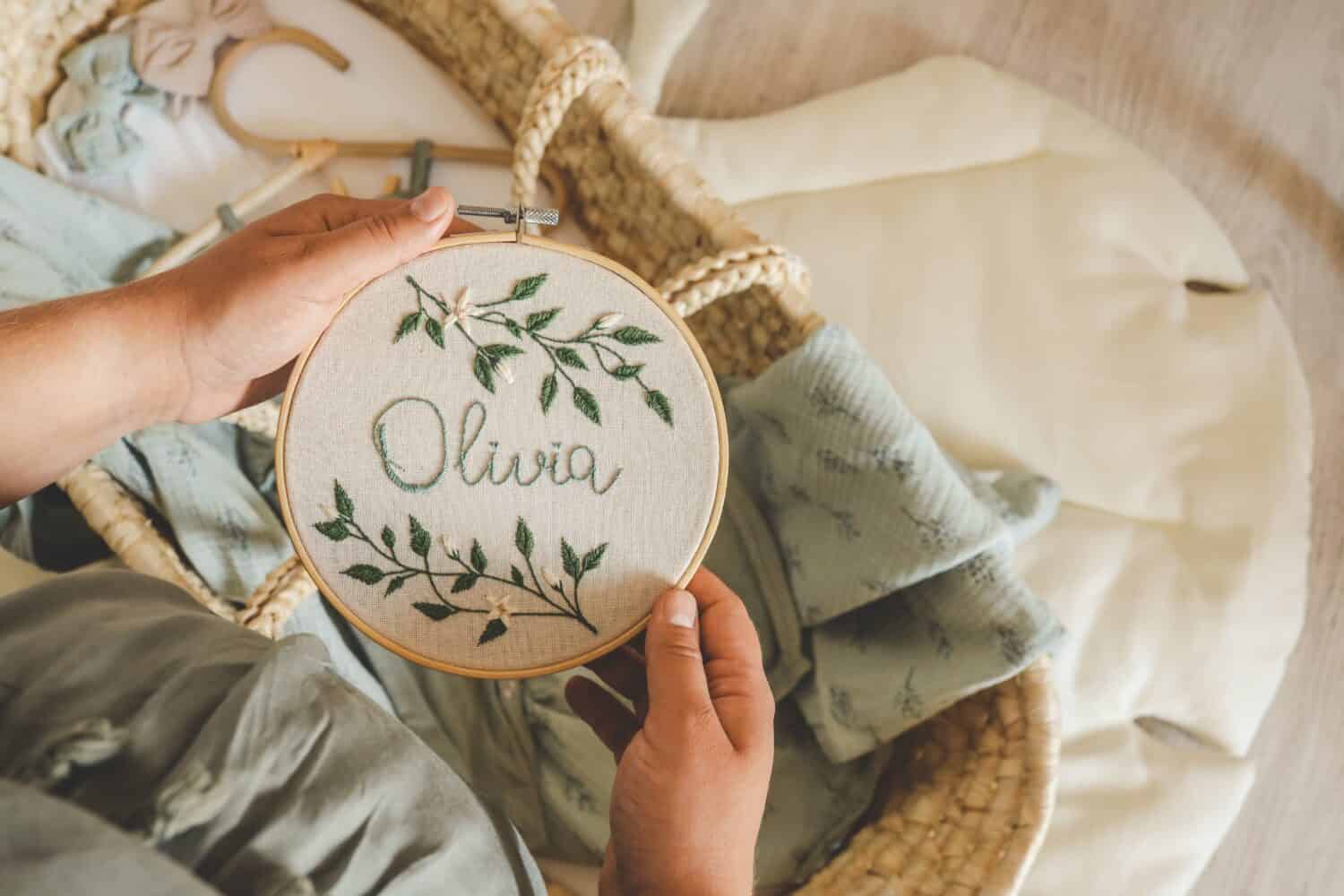
Throughout history, names have been symbolic of many things: Status, legacy, family history, and, most importantly, identity. Our name shapes who we are and where we come from, as well as the story we leave behind. Though namesakes change and grow, the meaning behind them has remained very much the same.
The art of naming looks radically different in 2026 than it did 500 years ago. However, many similarities born of ritual have also persisted into the modern era. You might not even know it, but your name or your child's may have roots dating back centuries. And centuries from now, the name you've been given might even reflect your own significant moment in history.
To learn more about this ongoing cycle, we speak with Julie Hackett, Founder and Chief Storyteller at Name Stories®. What she shares with us is that a name is more than a few letters; it's an entire collection of life stories.
How Old Is the Tradition of Naming?
©Miljan Zivkovic/Shutterstock.com
Hackett has spent years studying the history of naming through ancient languages, religious texts and literature, mythologies, migrations, hagiographies, monarchies, and pop culture. Through this, she unearthed an entire timeline dating back thousands of years.
“The earliest birth certificates may have been drawings on cave walls. Gary Larson of ‘Far Side' cartoon fame reimagined caveman names as Thag and Zorg. The first known names were recorded in Egypt and Mesopotamia over 5,000 years ago, coinciding with the invention of written language,” Hackett shares. “Primitive naming practices were likely simple and descriptive to serve the practical function of identification, to distinguish and individualize.”
She also explains that children were not always named at birth. Today's “paperwork pressure” comes from birth certificates formalizing the process of naming. “Before the Modern Era, timing is one aspect of naming that has varied over history,” Hackett says.
She goes on to tell us about some of the different naming customs. “Ancient Egyptians, Hebrews, Greeks, and Romans all had different customs. The Greeks and Romans had naming ceremonies 7-10 days after the baby’s birth, due to high infant mortality rates. Egyptians and Hebrews named their infants at birth, often honoring gods or God to ensure the child’s protection. The early Germanic and Celtic tribes named their children shortly after early infancy, later mixing with Roman and Christian naming practices. Today, nearly 80% of parents have selected a name by the time of birth.”
What, Exactly, Is In A Name?
Hackett notes that, before the 18th century, the meanings of names were heavily influenced by the era. With thousands of years shaping some names, their meaning has transformed with the times. “A name was a prayer, a talisman, a virtue; a symbol of survival, salvation, lineage, and legacy. Names were less about individual expression, as many names are today, and more about the identity of the larger communities in which they were given,” she says.
©Shevtsova Yuliya/Shutterstock.com
Hackett also tells us that names served different purposes at different times across different communities. “In Ancient Greece, for example, a name like Phillipos (Philip), which means ‘friend of horses,' belonged to the aristocracy. It was a symbol of nobility, power, and prosperity due to the cost of owning one. As such, the name Philippos finds its roots among the land-owning elite. The name’s survival, however, is owed to medieval Christian adoption, in honor of St. Philip the Apostle. This time, given as a symbol of piety and virtue.”
Some Names Maintain Their Deep-Rooted Meanings, Even Today
During the Classical Antiquity Era, spanning from the 8th century BCE to the 6th century CE, some names were also born of status. Surprisingly, many, such as the name Julia, have survived and trended with the times.
“A name like Julia would have been a status name, given to a female born to the Roman patrician class. It fell into obscurity after the Fall of the Roman Empire but was revived during the Renaissance, when Greek and Roman names came back into style as part of a broader intellectual revival. Then Shakespeare gave the name some literary cachet when he used it in Romeo and Juliet, forever tying the name to youth, beauty, and romance,” Hackett shares.
©Tomsickova Tatyana/Shutterstock.com
During the Protestant Reformation, the invention of the printing press popularized the name, which appears in the New Testament (Romans 16:15). According to Hackett, many people delighted in using the name because of their scriptural knowledge.
“Since the 18th century, Julia has maintained a Top 100 position or close to it, including a little pop-culture bump with the rise of Julia Roberts’ fame. A symbol of power, intellect, and holiness, Julia meant different things at different name-giving moments in time,” she says.
“I love showing the transmission paths of names over time, precisely because they have carried such layered meaning. I call them ‘one-word poems.' They contain so much beauty and spirit each time they are given. Names tell a story. This is what inspired Name Stories.”
How Legacy Status Has Evolved Through the Years
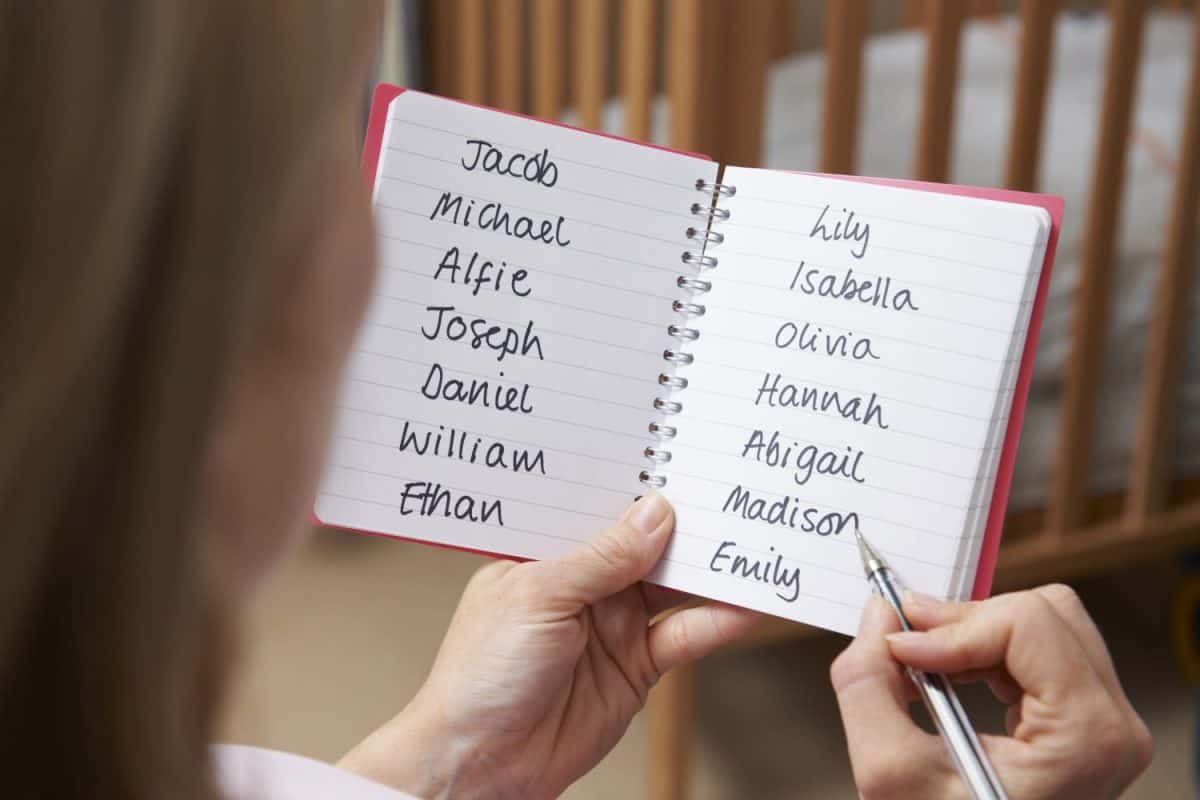
It's not uncommon for parents to name their children based on family traditions. This practice dates back to Classical Antiquity, when powerful, wealthy families repeated names to signal status. “Repeating names across the generations was not just sentimental, but strategic, reinforcing familial or dynastic continuity and preserving social standing,” Hackett explains.
Naming a child after oneself or a family member is another example of early status or legacy. “There are specific cultural and/or hierarchical traditions, as namesakes will always be a form of legacy,” Hackett explains.
©SpeedKingz/Shutterstock.com
“In some Jewish traditions, the first initial of a deceased relative is used in the selection of a name, to honor that relative’s memory. According to Catholic tradition, some children are named for the saint whose Feast Day coincides with their birthday. And in Irish tradition, there was a naming pattern based on the birth order of sons and daughters, and on which relative would be the namesake.”
How Memorial Names Are Used Today
Naming a child after a loved one remains prevalent today, and Hackett shares her personal connection to this tradition. “In everyday families, I would say, namesake-naming is really about love and remembrance. The gesture feels more emotional than dynastic in the 21st century. Occasionally, a parent names the child after themselves, more commonly fathers to sons, but this is becoming less common. To name a child after yourself is to say: this story isn’t over,” she says.
“My Mom, Catherine, was named after her mom, but that was following the Irish pattern of naming, given my mother’s birth order. Their everyday names were Kathleen and Katie, respectively. Another story: my friend is John Baptiste the IX—that's right, John Baptiste the 9th!—and he named his son Miles. He and his wife graciously asked permission of his paternal grandmother; permission granted. There will never be a John Baptiste X in that family.”
Naming In Honor of Folklore and Fandoms
From Game of Thrones to mythology and legend, naming has taken root in both lore and pop culture. Hackett says that while the origin may differ, all of these naming practices share one thing in common: Meaning. “Meaning has always mattered.
“Meaning was the first motivation for naming. It conveyed something about the bearer. In Biblical tradition, the Hebrew names Adam — ‘man' or ‘formed from the earth' — was the first man, and Eve — ‘breath' or ‘mother of all living' — the first woman. The ancient Greek name Leonidas — ‘lion-like' —evoked the ferocity of the lion, while in Ancient Rome, the Latin name Lucian — ‘light' — was given to babies born at the light of dawn.”
From the Stark Family to the Dark Side

©Prostock-studio/Shutterstock.com
Hackett informs us that naming from legend is neither unusual nor new. “Today’s ‘fandom' names like Arya and Kylo are a modern way of following a long-established pattern. Borrowing the names of characters whose essence, energy, and spirit we admire. What’s new is how global and fast these references spread in the digital age! Such naming trends get established more quickly and fall into obscurity much faster, too,” she says.
“Whether Ezra or Arya, naming trends often reflect what society craves. Our names not only speak loudly about us but also provide one of the first impressions we give to the world, revealing the values and ideals of our parents and our society at large. Parents today are incredibly intentional. They want names that say something.”
As Names Evolve, Pet Names Are a Common Result
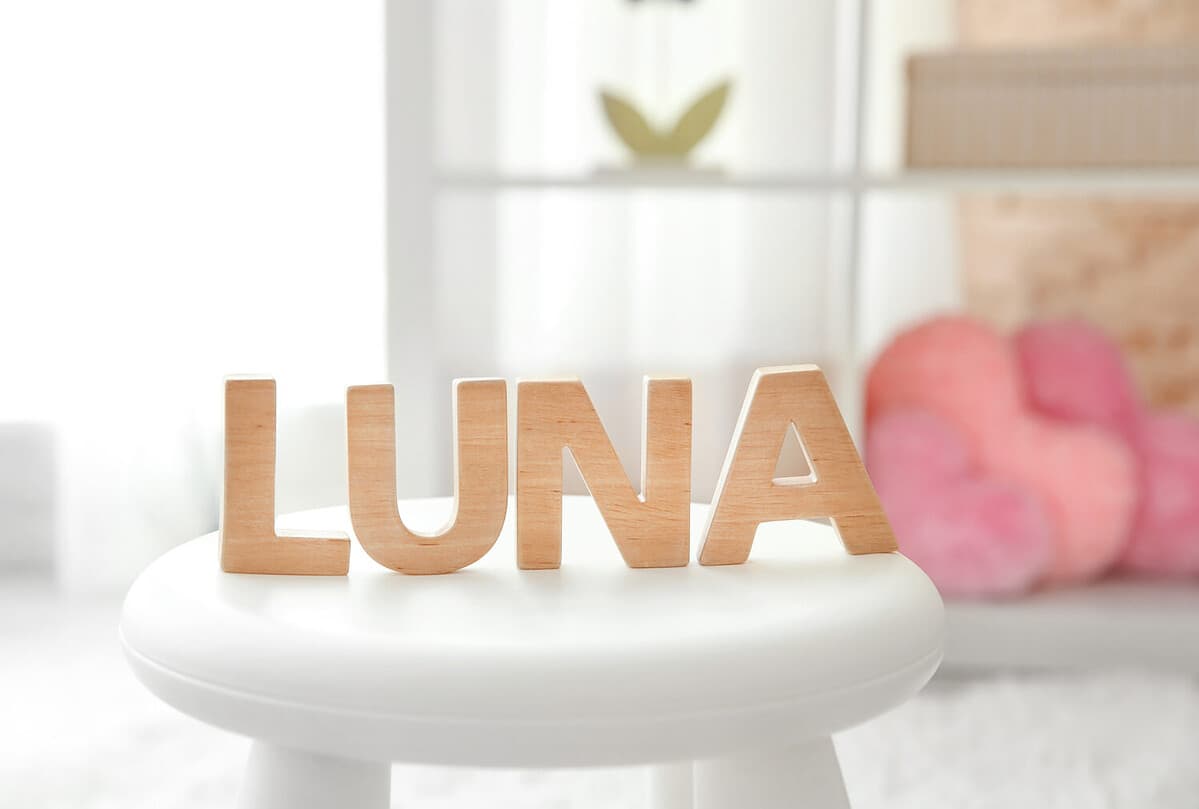
According to Hackett, Hypocorisms, or pet names, began out of necessity in the High Middle Ages. “You couldn’t swing a cat in a 14th-century English playground without hitting a John, Mary, Agnes, or Thomas, so if you wanted to get the attention of your kid, you might call out Jack, Molly, Nancy, or Tommy. These diminutives or short forms of names developed organically within linguistic and cultural groups.”
©Africa Studio/Shutterstock.com
“The more popular the name, the more hypocorisms are usually associated with it. The more overused a name, the more people there are to distinguish among the others. Pet names stuck because they also communicated warmth and affection, and over time, they came to be used independently and formally as first names.”
Hackett says that this trend really took off in the late 19th century, especially for girls. “If you look at the Top 50 names in America in 1880, you will find these charming diminutives: Minnie, Annie, Nellie, Carrie, Bessie, Jennie, Hattie, Mattie, and Fannie.”
Some Names Are Even Phased Out Completely
While names do evolve from one decade to the next, they may not change as much as you think. “One of the most surprising things I’ve learned in studying names, especially from a data perspective, is how little actually changes year to year,” Hackett muses. “The top 200-300 names tend to show remarkable stability over time. You might see a few newcomers enter the list, or a little shuffling in rank, but the core group of names stays largely intact for 15 to 20 years. Sometimes longer. These names have what I’d call cultural stickiness.”
She goes on to explain that these names are familiar, likable, and widely accepted across regions, religions, and ethnicities. “Names like Emma, James, Olivia, Charlotte, William, or Benjamin hold a kind of intergenerational appeal. They feel timeless and safe. Where I do see movement is at the edges. It’s the outliers that tell the real story of micro-trends.”
©Africa Studio/Shutterstock.com
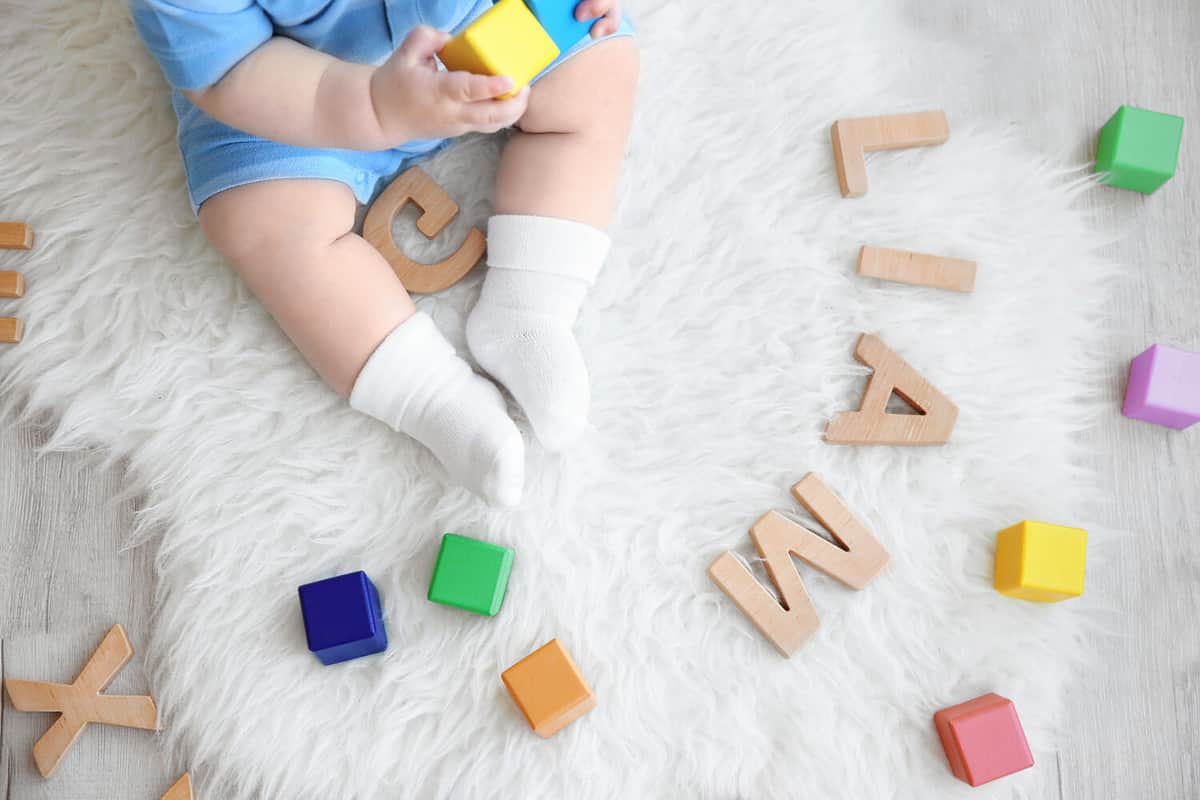
This is where parents are experimenting, getting creative, borrowing from pop culture, or reviving something vintage. “Names like Luna, Maverick, or Wrenley don’t quietly rise over decades. They often shoot up suddenly, reflecting a specific cultural moment.” She adds that what feels “unusual” is always changing, as each generation decides what's on trend.
“An unusual name may make a Millennial think ‘cool and creative,' and a Baby Boomer think ‘is that even a name?' What feels ‘unusual' is a matter of timing. What’s ‘dope' today is dusty tomorrow. Many of the names that turn heads today might seem bold or unfamiliar now, but in 60 years, some kid will be calling for his Grampa Zephyr, thinking what a dated and old-fashioned name grandpa has!” she says.
Why, Regardless of the Century, Names Are So Powerful
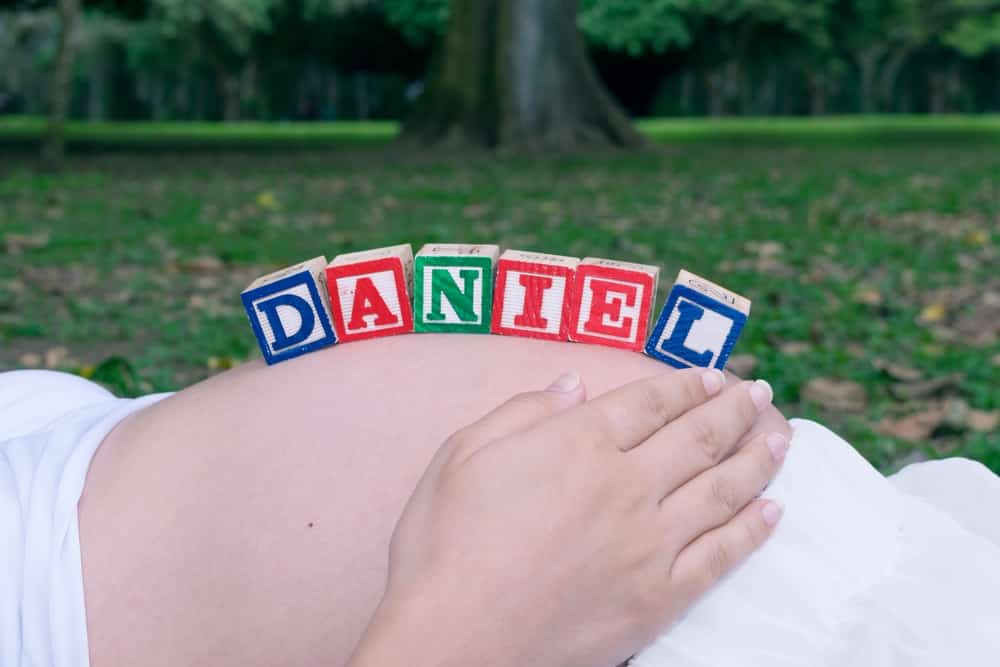
The journey of a name can be described as peeling back layers. Something that begins as an identity quickly becomes a story, a history, and a collection of lifetimes. “No matter what, the story is always beautiful, because names are always given with love,” she says. “Sigmund Freud said, ‘A human being’s name is a principal component in his person, perhaps a piece of his soul.' I believe this.”
©Jessicacgb/Shutterstock.com
Hackett adds that through Name Stories®, she wants people to feel inspired and empowered by their names, because they are the very essence of who they are. “Our name reflects our parents’ love for us and the values they hold dear, but it also is a link to generations past, to languages we probably don’t speak, and to places we’ve never been,” she shares. “Our name was chosen. It means something. It has its own story. That’s powerful. What’s most special is that names are individual to us, but they are also part of a shared human experience. Everyone has a name. Everyone wants to know they matter.”
“Language is a living, breathing thing, constantly evolving,
Julie Hackett, Founder and Chief Storyteller at Name Stories®.
yet rooted in the past. Names follow the same rhythm. They shift across generations,
sometimes subtly, sometimes suddenly, shaped by culture, history and emotion. A name
might begin in scripture, get reshaped by poets, revived by royalty, and reimagined by
modern parents. That’s what makes studying names so endlessly fascinating: they’re
personal yet universal. They tell the story not only of individuals, but of the world we live
in and how it changes.
In a world with so much noise, our name is our anchor of identity. We
remember the power of who we are.”
The image featured at the top of this post is ©shine.graphics/Shutterstock.com