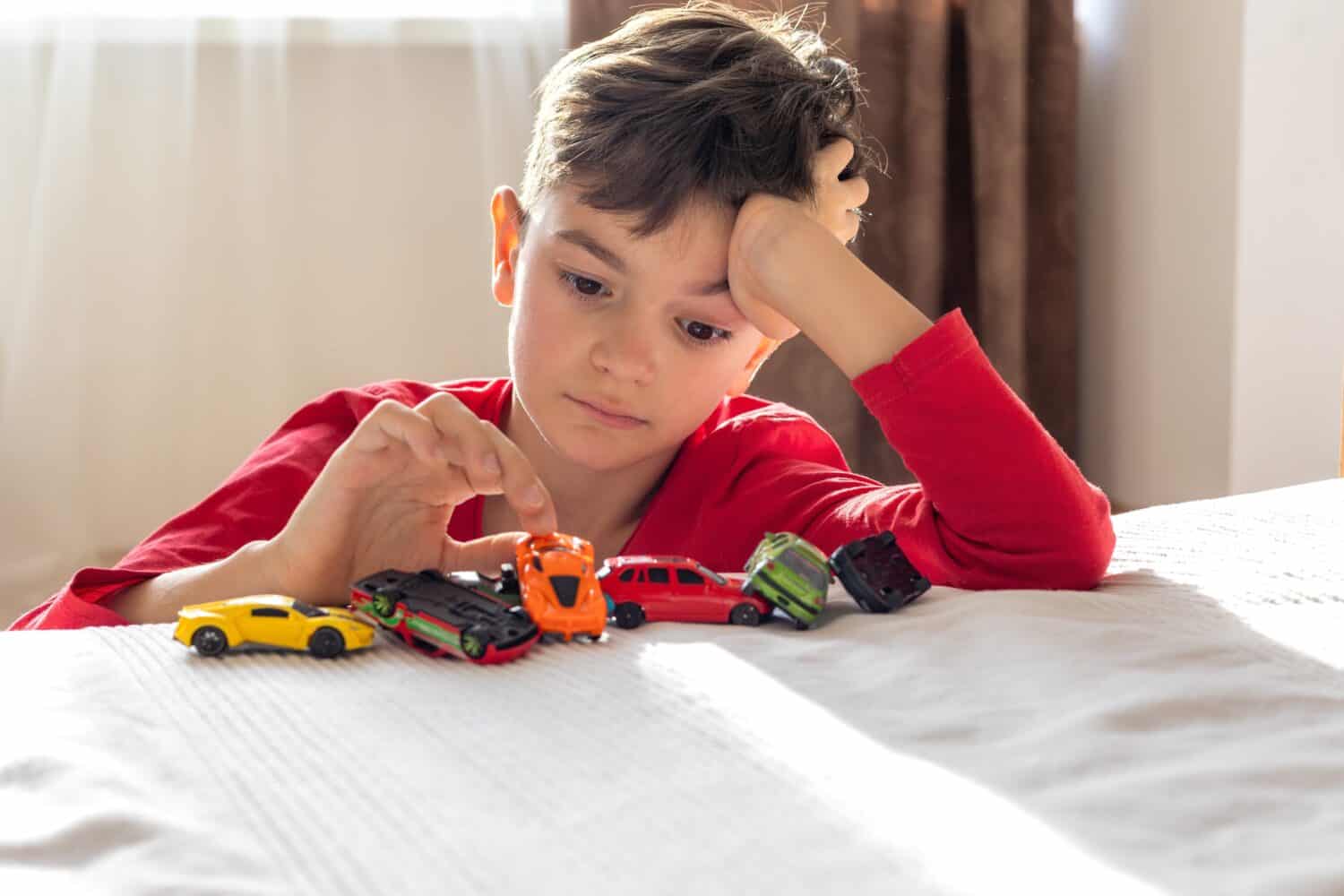
Every parent eventually hears it. Sometimes multiple times a day, especially during long stretches of unstructured time. Your kids tell you that they’re bored. Summer break, holiday weekends, and even lazy afternoons after school can all bring that familiar complaint. It often arrives just when you’ve finally sat down, started a task, or hoped for a few quiet minutes.
It’s easy to see boredom as something that needs to be fixed immediately. After all, no one enjoys hearing whining or watching a child wander aimlessly around the house. But boredom isn’t actually a problem. It’s a signal. It’s your child’s brain looking for stimulation, purpose, or connection. And when handled thoughtfully, it can become one of the most valuable developmental tools a child experiences.
This is where preparation and perspective come together. Instead of scrambling for solutions in the moment, parents can learn to respond in ways that encourage independence. We’ll tell you how to handle this common complaint and provide a great list of ideas that kids can turn to when they feel stuck.
Why Boredom Can Be a Good Thing

Your child might be frustrated by their boredom, but it's not always a bad thing.
©Prostock-studio/Shutterstock.com
Before diving into a list of activities, it helps to understand why boredom deserves a little respect. In today’s world, kids are rarely left without stimulation. Between screens, scheduled activities, and constant entertainment, there’s often very little downtime. While that might sound like a good thing, it can actually limit opportunities for creativity and self-direction.
Boredom creates a gap, and in that gap, something important happens. Kids begin to think for themselves. They imagine, experiment, and sometimes even struggle a little before landing on something interesting. That process builds resilience, problem-solving skills, and confidence.
In other words, boredom is often the starting point for creativity. Not the absence of it.
The challenge is that many kids aren’t used to working through boredom. They expect entertainment to be readily available, which is why your response as a parent matters so much.
How Parents Can Respond to “I’m Bored”
When your child says they’re bored, your instinct might be to jump in with suggestions or solutions. While that can be helpful occasionally, doing it every time can create dependence. Instead, think of your role as a guide rather than a problem-solver.
Start by normalizing the feeling. A simple response like, “That’s okay. Sometimes being bored helps you come up with something fun,” can shift their mindset. It tells them that boredom isn’t something to avoid, but something to move through.
From there, try offering choices instead of answers. Giving two or three options, like going outside, doing something creative, or building something, keeps the responsibility on your child while still providing direction.
Another powerful strategy is creating a “boredom list” together when your child is already in a good mood. Brainstorm activities they enjoy and write them down somewhere visible. When boredom strikes, they can pick from the list instead of relying on you.
It’s also helpful to set reasonable boundaries around screen time. Screens are an easy fix, but they often short-circuit the creative process. By encouraging kids to explore other options first, you help them build the ability to entertain themselves.
Finally, make independent play an expectation, not a punishment. Let your child know that it’s normal to figure things out on their own sometimes. Over time, they’ll become more comfortable doing exactly that.
A Practical List of Things Kids Can Do When They’re Bored

If your child says they're bored, find an activity that you can do as a family to have fun while building bonds.
©THICHA SATAPITANON/Shutterstock.com
Having a wide range of activity ideas is incredibly helpful, but how you frame those options matters just as much as the activities themselves. Kids are more likely to engage when they understand the purpose behind what they’re doing or when the activity feels open-ended rather than forced.
Below are several categories of boredom-busting ideas, each with a bit of context to help you guide your child toward the right kind of activity when they claim they’re bored.
Creative and Imaginative Activities
When kids say they’re bored, it’s often because they’re craving stimulation that feels interesting and new. Creative activities are perfect for this because they don’t come with strict rules or outcomes. Instead, they invite kids to use their imagination and create something entirely their own.
This type of play is especially valuable because it builds storytelling skills, encourages problem-solving, and allows kids to express themselves in ways they might not during structured activities.
- Build a fort using blankets, pillows, and furniture
- Write and illustrate a short story or comic book
- Create a puppet show and perform it
- Draw or paint an imaginary creature or world
- Make a homemade board game with original rules
- Design an invention and explain how it works

Going outside is a great way to cue boredom while also getting some sun and exercise.
©Anna Kraynova/Shutterstock.com
Outdoor Adventures
Sometimes boredom is simply a sign that kids need to move. Fresh air, open space, and physical activity can quickly reset their mood and energy levels. Outdoor play also provides sensory stimulation that indoor environments often lack.
Even if you don’t have access to a large yard or park, simple outdoor activities can make a big difference. The goal isn’t to plan something elaborate. It’s to get kids outside and engaged with their surroundings.
- Go on a nature scavenger hunt
- Ride bikes or scooters
- Create a backyard obstacle course
- Play tag, hide-and-seek, or other classic games
- Use sidewalk chalk for art or games
- Watch clouds and imagine shapes or stories
Hands-On and DIY Projects
Many kids respond well to activities that let them physically create or build something. Hands-on projects give them a sense of purpose and accomplishment, especially when they can see the results of their effort.
These activities are great for kids who enjoy working with their hands or who struggle with more abstract forms of play. They also help develop patience and focus.
- Build with LEGO, blocks, or construction sets
- Try simple science experiments
- Make crafts like bracelets or decorations
- Rearrange or decorate their room
- Create slime or homemade playdough
- Start a small garden or care for plants
Quiet Time Activities
Not all boredom needs to be solved with high-energy activities. Sometimes kids feel bored because they’re overstimulated or tired. In these moments, quieter activities can help them reset and recharge.
Learning how to enjoy calm, independent time is an important skill. It teaches kids how to slow down and engage with something without constant excitement.
- Read a book or listen to an audiobook
- Work on puzzles or brain teasers
- Draw, color, or sketch
- Write in a journal
- Listen to music and relax
Social and Family Activities
At times, when kids say “they’re bored,” it really means: “I want connection.” They may not always express it that way, but boredom can stem from a desire for attention or interaction.
This is a good opportunity to spend time together in simple, meaningful ways. These activities don’t need to be elaborate. What matters most is the shared experience.
- Call or video chat with a friend
- Play a board game as a family
- Cook or bake something together
- Plan a themed movie or game night
- Put on a family talent show
Acts of Kindness and Responsibility
Boredom can also be redirected into something meaningful. Giving kids small responsibilities or opportunities to help others not only keeps them busy but also builds character.
These activities help children feel useful and capable, which can be especially helpful if boredom is tied to restlessness or frustration.
- Help with household chores
- Write a letter or draw a picture for someone
- Organize toys or donate unused items
- Help prepare a meal or snack
- Do something kind for a sibling or neighbor
Learning and Skill-Building Activities
While not every bored moment needs to become a learning opportunity, some kids enjoy exploring new skills, especially when it feels like a choice rather than an assignment.
These activities can introduce kids to new interests and help them build confidence in their abilities.
- Learn basic phrases in a new language
- Practice a musical instrument
- Watch an educational video and discuss it
- Try beginner coding or logic games
- Explore hobbies like photography or drawing
Creating a “Boredom Toolkit”
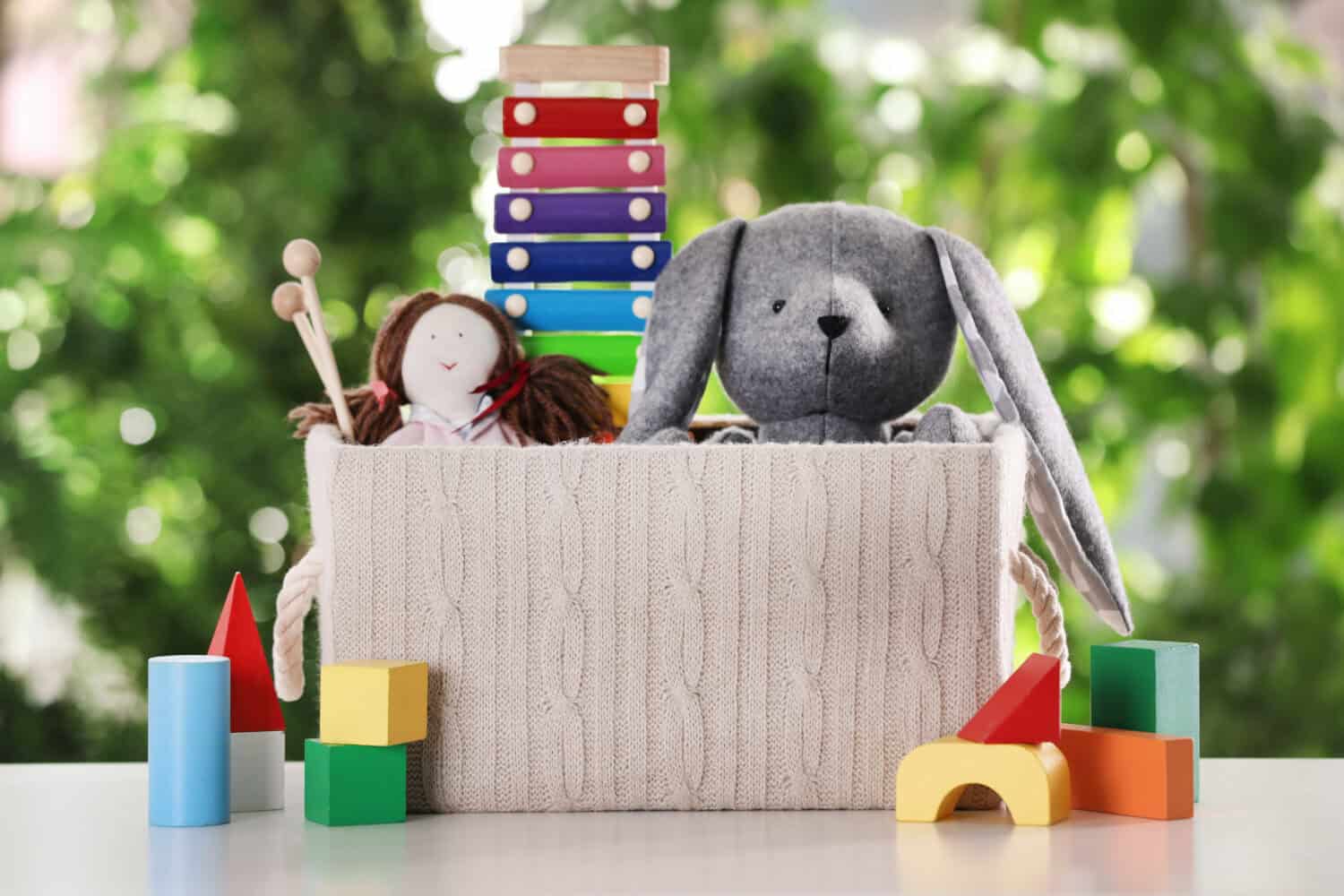
Save yourself some sanity by putting together a boredom toolkit that you can turn to when the kids start saying they're bored.
©New Africa/Shutterstock.com
One of the most effective ways to handle boredom is to prepare for it ahead of time. A “boredom toolkit” gives kids easy access to ideas and materials, making it more likely they’ll take initiative on their own.
This could be as simple as an activity jar filled with slips of paper containing ideas, or a dedicated shelf with art supplies, puzzles, and building materials. Rotating toys and activities every few weeks can also keep things feeling fresh without the need to constantly buy new items.
You might also consider posting a list of activity ideas somewhere visible, like the refrigerator or a bulletin board. When kids can see their options, they’re less likely to default to saying, “They’re bored.”
The goal isn’t to overwhelm them with choices. It’s to give them just enough structure to get started.
When Boredom Means Something Else
It’s important to remember that boredom isn’t always about having nothing to do. Sometimes it’s a sign of something deeper.
A child who repeatedly says they’re bored might actually be:
- Looking for attention or connection
- Feeling overwhelmed and unsure where to start
- Tired or in need of rest
In these moments, it can help to gently ask, “Are you bored, or do you want to do something together?” This opens the door for a more honest response and helps you meet their actual needs.
Finding the Right Balance
There’s no perfect formula for handling boredom, and every child is different. Some will quickly learn to entertain themselves, while others may need more guidance and encouragement along the way.
What matters most is the balance between support and independence. By resisting the urge to immediately solve boredom and instead guiding your child toward their own solutions, you’re helping them develop skills that will last far beyond childhood.
Over time, those constant cries of “I’m bored” will likely become less frequent. In their place, you’ll start to see something better, like kids who take initiative, think creatively, and find their own ways to stay engaged.
And when that happens, boredom stops being a daily frustration and becomes something far more valuable: a quiet starting point for imagination, growth, and independence.
The image featured at the top of this post is ©Mishchenko Svitlana/Shutterstock.com