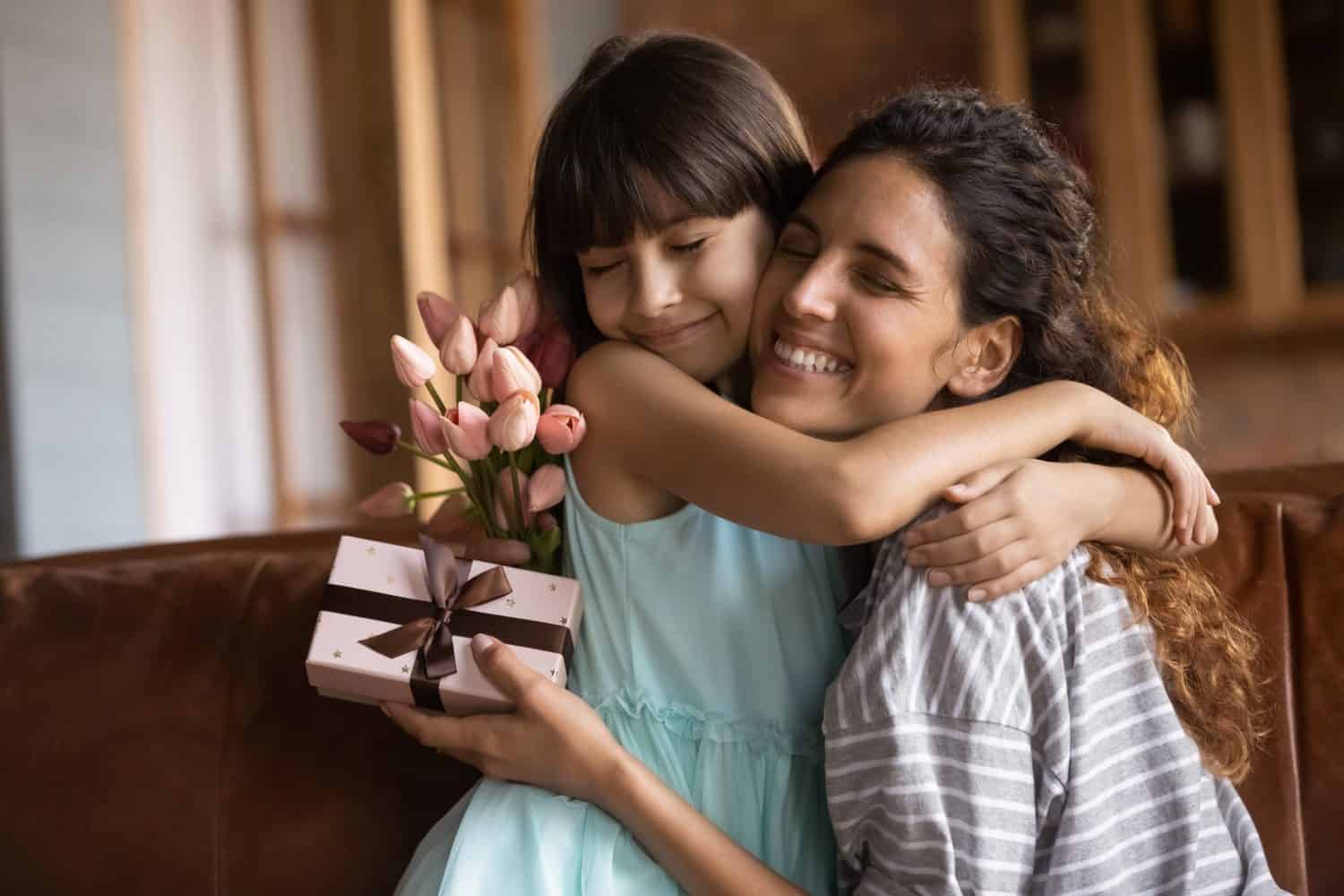
As we inch closer to Thanksgiving, thoughts about thankfulness and gratitude begin to swirl around in our minds. We begin to look at our family, our work, and our lives, and start to realize how lucky we really are. While thoughts about Thanksgiving may be the catalyst, the reality is that you can talk with your kids about being grateful for what they have every day of the year.
With autumn coming up, there's no time like the present to start practicing gratitude. In this guide, we'll provide you with tips and activities to teach your youngsters about gratitude this fall, helping them develop a positive outlook on life that they can pass on to others.
What Does It Mean to Have Gratitude?
©Ground Picture/Shutterstock.com
First things, first. As a parent, before you can teach your kids about gratitude, you need to understand what it means to be grateful in the first place.
According to Merriam-Webster, gratitude is the state of being thankful for what you have. Do you personally wake up in the morning happy to be living a new day? Do you walk through your home grateful that you have a roof over your head and a heating system in your house to keep you warm during the autumn months? When you see your kids, are you filled with gratitude that they are happy and healthy and that you're able to provide a good life for them day after day?
Many people take these simple things for granted. If you are ungrateful a lot of the time and you constantly look upset, then your kids are going to catch on. So, the first tip to teaching your kids gratitude this fall is to be a good role model and to lead by example.
Your kids should hear you mention one or two things that you're grateful for each day. That could include briefly mentioning something that you're lucky to have, by saying grace before a meal, or with any other method that comes naturally to you. It may be challenging at first, but as you begin to reflect on your life and appreciate how fortunate you are, showing gratitude will become easier over time. Our kids often repeat the things we say, so take advantage.
The Benefits of Being Grateful
Kids who are happy and grateful now will grow up to be grateful as adults.
©PeopleImages.com – Yuri A/Shutterstock.com
We all know it's important to be grateful because we have so much to be thankful for. However, there are many other benefits of gratitude that you may not have considered:
- Improved mental health – When you try to see the positive side of things, you’re less likely to resort to anxiety, and you may be less stressed. You also have a chance to fight off depression and other serious issues.
- Improved social bonds – Grateful people are more likely to acknowledge when others do good, and the conversations that come up because of this gratitude could forge long-lasting friendships. Plus, when your kids go into the working world, they'll be more valued if they always try to look at the bright side.
- Improved behavior – Individuals who are grateful and appreciative are more likely to be respectful of those around them. That means kids could behave better in class and have a positive attitude when it comes to tasks and homework.
- Future resilience – Life isn't always easy when we're young, but it certainly doesn't get much easier as we get older. By laying a foundation for gratitude and a positive mindset, your children will be more resilient when things don't go their way as adults. It's essential to remain positive, even when things don't go the way you planned.
Set Times During the Day to Talk About Gratitude
If you have trouble coming up with natural ways to express gratitude throughout the day, then schedule certain times when you and your kids speak about the things you’re grateful for.
An easy time to do so is during bedtime. While your kids are lying in bed with you by their side, talk about the things you're thankful for, ask your kids what they're thankful for, and take turns expressing your happiness. One thing my daughter started doing is asking everyone in the family about “their favorite part of the day.” We go around the room, and everyone says one or more things that they liked most about the day. It's an easy way to express gratitude while spending time as a family.
As your kids get older, you may find different times of the day to express gratitude. It could be while you and the family are in the bathroom brushing your teeth. Or you can start the day off on the right foot by taking turns saying what you're grateful for on the drive to school. Just do whatever is comfortable. Finally, consider spending time around the dinner table to talk about the things everyone in the family is grateful for.
Keep a Gratitude Journal
If your kids are shy about verbally discussing what they're grateful for, then another way to teach your kids gratitude this fall is to keep a gratitude journal.
Bring your kids to the store and let them pick out a journal that they like. Autumn is a great time to do this since back-to-school shopping is in full swing. When you get home, encourage the kids to write in the journal whenever they’re feeling especially happy about things or when they’ve had a great day at school.
Writing about our feelings is great for our mental health, so this can also be a therapeutic exercise. Later on, if your kids are ever feeling sad or upset, they can review their gratitude journal. Remembering better times or the things they’re grateful for may help to cheer them up.
Gratitude Activities
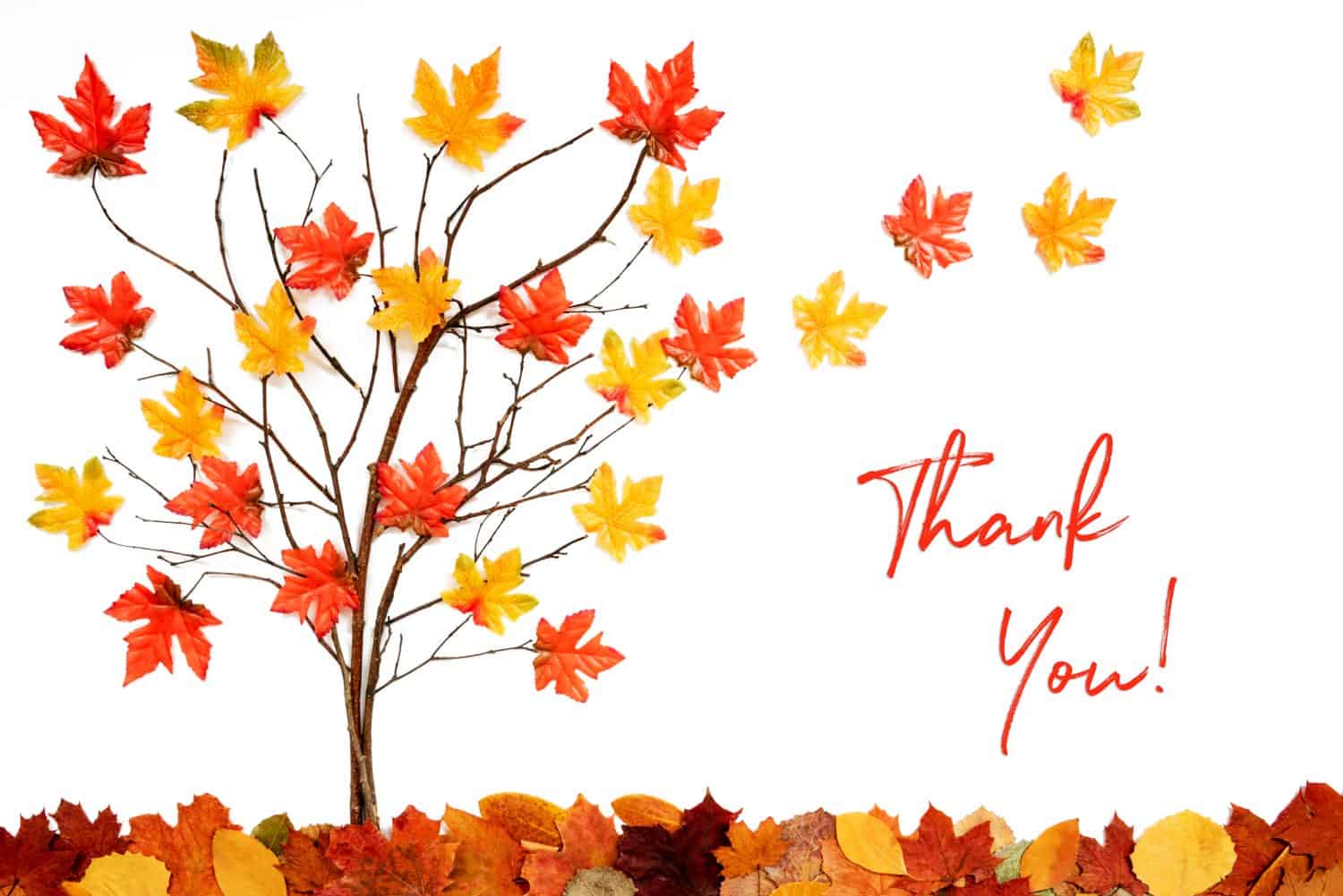
Fun activities like creating a gratitude tree can make being thankful fun!
©Nelosa/Shutterstock.com
While you and your family work on being thankful for the good things that happen in your life, the other way to teach your kids gratitude this fall is to engage in fun, gratitude-based activities at home, outside, and around town. Here are some fun activities to consider this autumn:
Gratitude Videos
A fun activity may be to use your smartphone to take videos of your kids whenever something happens for which they are grateful. It may be something simple like being thankful for their family or a new video game. This can be a fun experience, and down the road, your kids can rewatch the videos when they’re older so they can see if anything in their life has changed.
Gratitude ABCs
You can play a fun activity at home or at school by trying to recite the gratitude ABCs. It’s just like it sounds. Go through the alphabet and try to think of one thing you’re grateful to have for each letter of the alphabet. Help each other if one of you gets stuck on a letter.
Gratitude Tree
One of the more common exercises that you can use to teach your kids gratitude this fall is creating a gratitude tree, which is a perfect activity for fall. You can draw a tree or print one from the internet. Then, cut colorful leaves out of construction paper. Everyone takes a few leaves and writes something that they are thankful for on each one. Then, paste each leaf on the tree and create a lovely piece of artwork.
Since it is autumn, you can swap the tree for a paper cut-out of a turkey. Cut out large tail feathers and write something that you’re grateful for on each of them. The result will be a festive decoration that’s perfect for your Thanksgiving celebration.
Learn Thank You in Multiple Languages
A great way to learn about gratitude and expand your knowledge of the world is to try to learn how to say the words “thank you” in as many languages as possible. It's easier than it sounds. In most countries, you can say thank you with a single word. For instance, you can say Danke in German and Merci in French. Your kids could get hooked on learning a different language, and their extensive knowledge can help them as they get older and find a career.
Gratitude Jar
One way that your family can prove that you’re expressing more gratitude this fall is by filling a gratitude jar. Put a jar in the kitchen or another place where your family spends a lot of time. Whenever one of you is feeling thankful for something in your life, write it on a colored piece of construction paper and put it in the jar. Once filled, it can make a colorful autumn decoration.
Gratitude Pumpkin
When it comes time to carve pumpkins this fall, you can again incorporate gratitude into the activity. Instead of carving a face into the pumpkin, carve the words of the things that you are thankful for. Younger kids and those who aren't good at carving can also write the words onto the pumpkin.
Gratitude is Key
In the end, one of the most important attributes a person can have is a sense of gratitude, so start teaching your kids the value of thankfulness this fall. They will grow up being more appreciative of what they have, and their lives will be better because of what you taught them.
The image featured at the top of this post is ©fizkes/Shutterstock.com