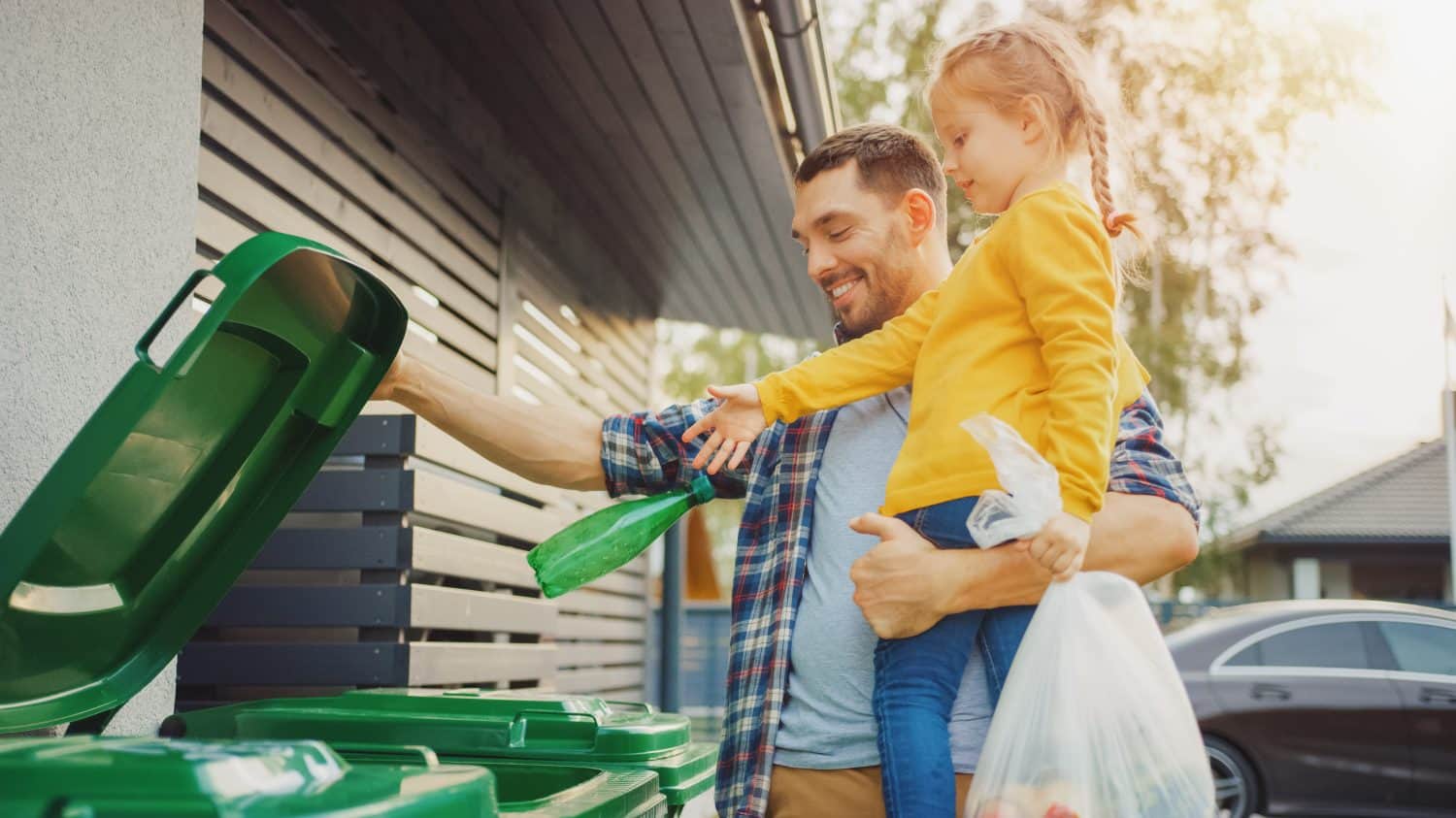
Watch the news on any given night, and you’re likely to hear something about climate change and the need to become more environmentally friendly. Many scientists believe that we need to take purposeful steps to become more sustainable. They believe doing so will preserve the life of the planet and help to quell some of the natural disasters and other dangerous scenarios caused by climate change. While we can only do so much to change the planet, you can make a big impact by changing how you live and by raising eco-conscious kids, especially when you send them to school.
In this guide, we’ll tell you about simple steps you can take to live a more environmentally friendly life at school and home. We’ll also give you tips on how to teach your kids good, sustainable habits now so they can continue to take the steps to protect the Earth in the future.
Purchase Sustainable School Supplies
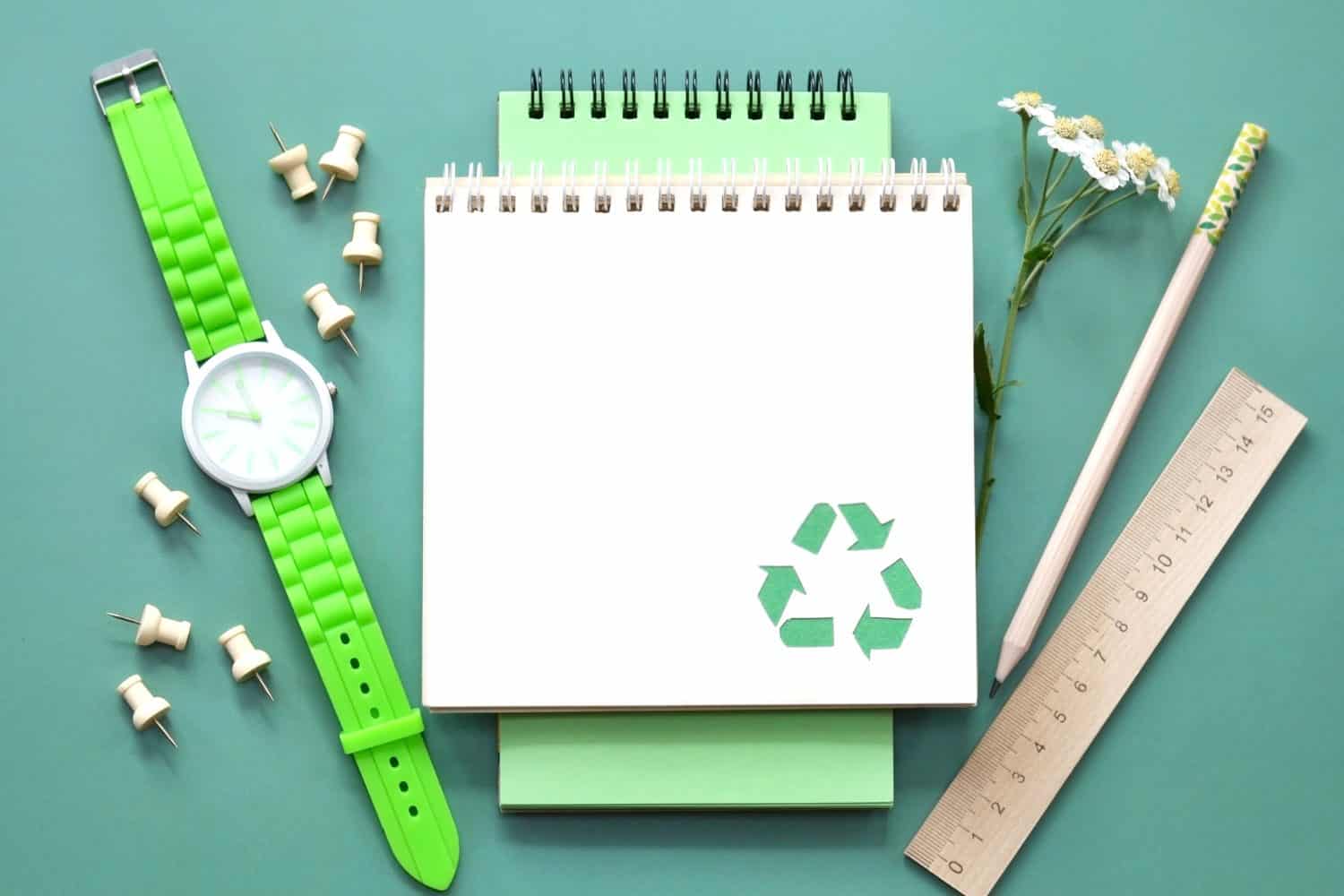
There are sustainable alternatives for just about every school supply you buy.
©AlexSandraSml/Shutterstock.com
The first step to creating eco-conscious kids is to send them to school with sustainable school supplies that limit waste and are just as useful as non-sustainable alternatives. You can find many of these eco-friendly options at the major stores, or you can purchase them online. Here are some options:
- Notebooks – Find notebooks that contain recycled paper.
- Writing Utensils – Look hard enough and you can find pens and pencils made of sustainable materials, like bamboo and recycled plastic. You can also find highlighters made from eco-friendly materials.
- Art Supplies – Head to Michaels and other arts and craft stores, and you can find plant-based glue products. You can also find crayons, markers, and paints made from non-toxic materials.
- Plastic Supplies – Just about anything that is made of plastic can be purchased with eco-friendly materials instead. Consider a lunch box made of steel that will last a lifetime instead of one made of plastic. Even the plastic pencil sharpener can be replaced with a bamboo alternative.
- Drinkware – Whether you send your kids to school with water, Kool-Aid, or another beverage, send it with them in a reusable drink bottle. Avoid sending disposable plastic water bottles. Give them a durable, reusable bottle that can last for years.
You can also make some great sustainable choices with the cloth products you purchase. Instead of the standard nylon backpacks, look for the same dependable backpacks in a more eco-friendly fabric, such as hemp, organic cotton, or recycled polyester.
School Clothes
Parents can also make a big difference when it comes to purchasing back-to-school clothing. Instead of going to the major retailers to buy brand-new clothes, consider going to the thrift store. Many thrift stores are full of adorable and cool outfits that fit all kids, and you can get them at a fraction of the cost.
When you purchase pre-worn clothes, you reduce the need for factories to produce new clothes, which results in less pollution. Plus, thrift shopping is now trendy, so you don't have to worry as much about your kids getting picked on for it.
Provide Eco-Friendly Lunches
You can also set your kids up for success when they head to the cafeteria with sustainable lunches. Here are some ideas to get you started:
Plant-Based Foods
As time goes on, more plant-based alternatives are available to replace old favorites. Plant-based foods are more eco-friendly because they require less water and land to produce. The cultivation of plant-based foods also reduces the greenhouse gas emissions that fill our atmosphere. There are numerous tasty plant-centered options that you can swap out this school year:
- Have crackers and hummus instead of cheese and crackers
- Eat a chickpea sandwich instead of an egg salad sandwich
- Pack a V.L.T. (veggie, lettuce, tomato) sandwich instead of a BLT
There’s also the option to make a lunch that combines plant-based foods and standard lunch fare, so the change isn’t so jarring for your kids.
Shop at Farmer’s Markets
Another way you and your kids can help the planet is by shopping at local farmers’ markets. Eating locally is always a good idea because it reduces the need for trucks to travel across the country to bring the food from factories elsewhere. A significant amount of pollution is generated by these trucks, and you can help reduce it by opting for food that’s grown locally. When you shop, look for plenty of fruits and vegetables and add them to their packed lunch each day.
Practice Meal Prep
Regardless of where you get your food, you can ensure that you’re not creating waste by practicing smart meal prep. Plan your child’s lunches so that you get the portion sizes right. If you pack too much and they end up throwing it away, they can end up wasting a lot of food throughout the year.
Grow a Garden at Home
One of the best ways to save money and ensure that you’re providing healthy, sustainable food is to grow your own vegetables and herbs at home in your garden. Get your kids involved. There’s nothing quite as satisfying for your kids as using their own hands to plant seeds and then watching those seeds turn into big plants with food they can bring to school.
Think About How You Travel to School
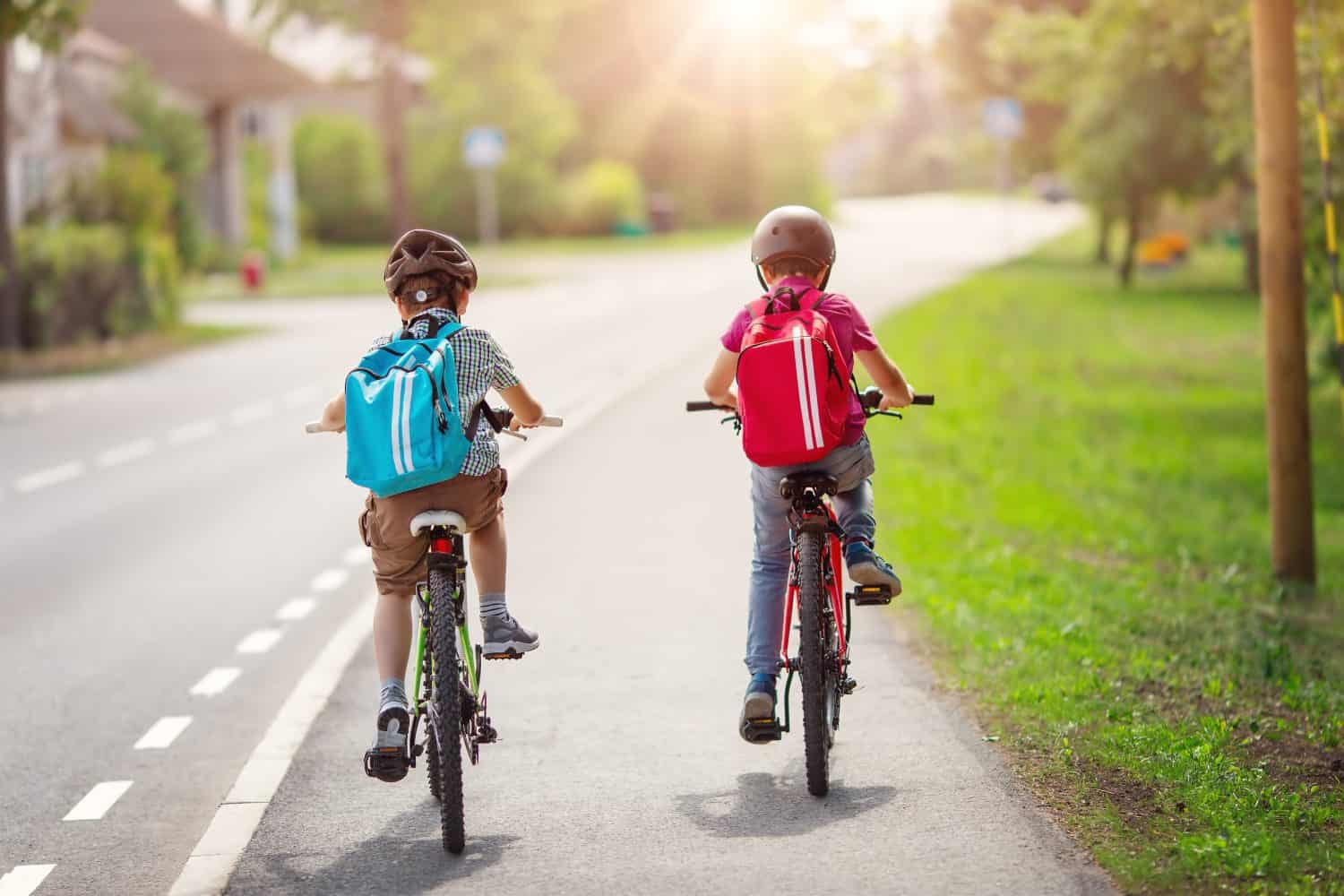
Send the kids to school on their bikes, and they'll eliminate any pollution.
©LeManna/Shutterstock.com
Another great way to raise eco-conscious kids is to teach them about alternative transportation when it comes to getting to school. Does your teen drive themselves to school? Recommend that they try walking or riding their bike if you live close enough, so they can cut down on the pollution they produce.
If you currently drive your kids to school, think about alternative options. If every parent drives their kid to work, that’s a lot of cars on the road, producing pollution. Instead, consider starting a carpool group with other parents. Even sending your kids to school on the bus is a good idea because it’s more kids in a single vehicle.
Petition the School to Go Green
A great way to show you mean business when it comes to sustainability and to raise eco-conscious kids is to talk to the school about different ways that they can go green. Head to a PTA meeting and mention your recommendations. Exciting ideas could include:
- Encourage the school to start a recycling program
- Make recycling fun by determining how many plastic bottles the kids can bring to school
- Petition to add real indoor plants for cleaner air
- Rally for the school to add solar panels
- Encourage the administration to use eco-friendly cleaning materials
- Grow a community garden at school
- Recommend composting
- Consider a field trip to a recycling plant
When you go to school with your ideas, your kids will be proud of your courage, and they’re likely to mimic your behaviors when they get older.
Sustainability at Home
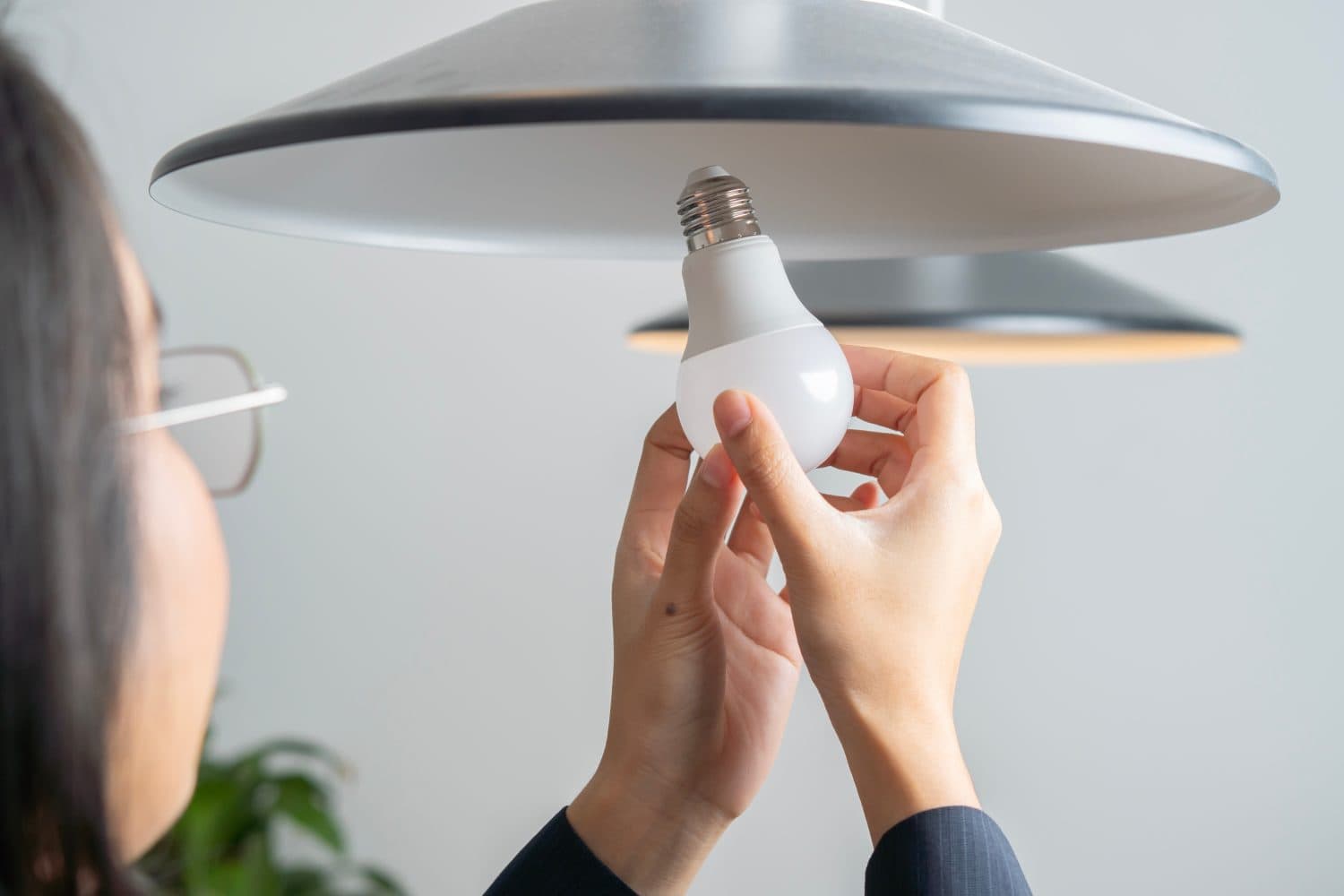
Changing to LED bulbs is one of the easiest ways to be more sustainable at home.
©Kunlathida6242/Shutterstock.com
You can also raise eco-conscious kids by making sustainable decisions in your own home. You’ll be surprised at the many ways you can create a more eco-friendly home without breaking the bank.
Cut Down on Energy Usage
There are many strategies that you can use to cut down on energy usage at home to help the planet and reduce your utility bills. Start by switching out your incandescent light bulbs for LED alternatives that are often brighter and more affordable.
You can also switch out your sinks and shower heads for low-flow alternatives. An easy way to cut down on water use is to encourage everyone in the family to take shorter showers.
Reduce Heating and Cooling
You’ll be surprised at how much energy your HVAC systems waste at home, so be smarter about how you use them. For starters, when the weather is mild, keep your air conditioner off completely and instead open the windows for a natural breeze.
There’s also a good chance that you’re wasting a lot of energy when you’re not even home. A solution is to get a smart thermometer. You can use it to set the temperature to a higher temperature during the summer when you’re at work and school, and then it can automatically change to a more comfortable temperature when you get home. Do the opposite for the winter months.
Finally, try the same initiatives in your home that you asked the school to try, including recycling, starting a compost area in your backyard, and considering solar panels. Larger houses can benefit greatly from going solar. The monthly utility bills are much lower, and you’re getting your power naturally from the sun, instead of requiring the burning of fossil fuels.
The more you talk about sustainability and the health of planet Earth, the more your kids will listen and absorb what you have to say. Simple changes can make a big difference in their lives and the future of our world.
The image featured at the top of this post is ©Gorodenkoff/Shutterstock.com