
When I was growing up in the 1990s, it seemed like every kid got some sort of allowance. Gen Z kids, though, seem to be all over the board on whether they get an allowance, if it is tied to the completion of chores, and how much they receive each week.
My husband and I have debated for a while on the topic of allowance. Now that our kids are in elementary school, they seem to have the capacity to make decisions regarding money. They know that they can't have everything right away, they understand the reasons to save up money for something bigger, and they see the value in giving to charity. But we sometimes wonder about the price of most of the things they want. Is it even worth it to dole out money to them every week?
In this article, we'll take a look at both sides of the debate and what makes families decide whether or not to give kids an allowance.
Why Some Families Choose Not to Give Kids an Allowance
©Julhabiby/Shutterstock.com
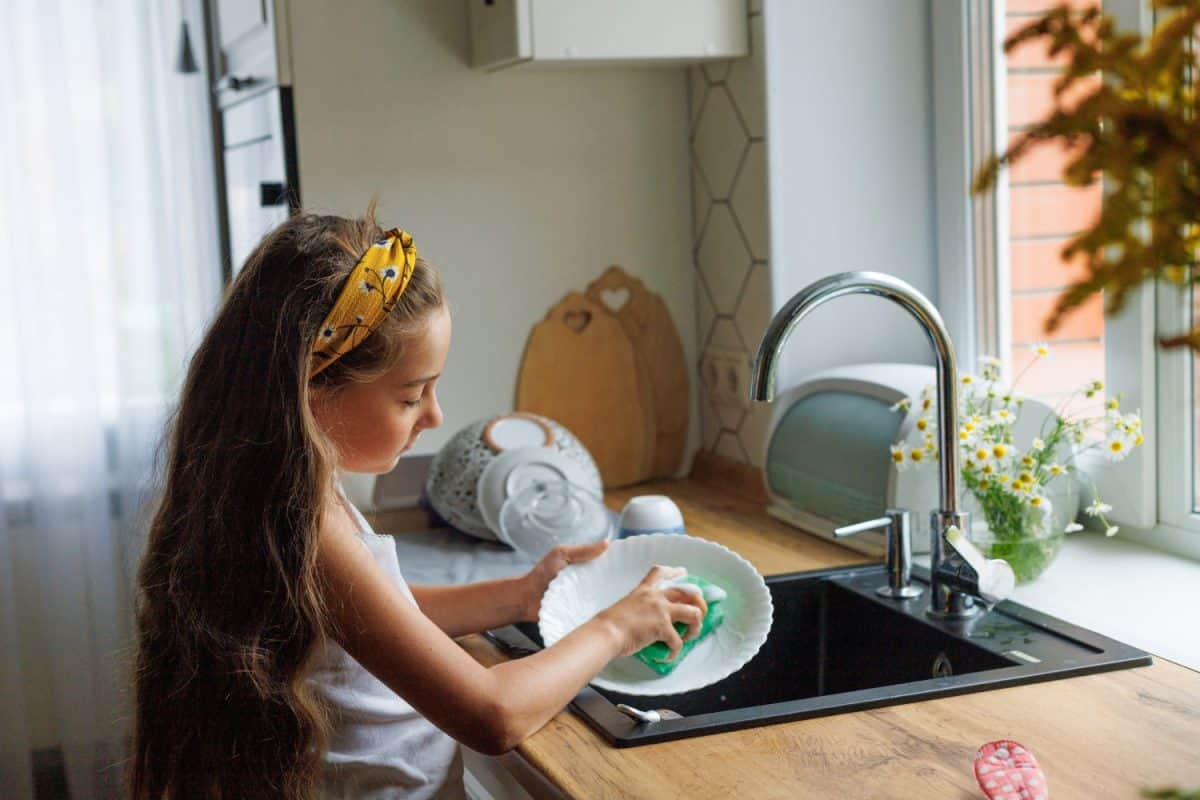
The most commonly cited reason to not give children an allowance is that it shows that you should only do work if you are paid for it, not just as a part of the common good of the household. Mom and Dad don't expect to get a dollar every time they sweep the floor or empty the garbage, so why should children? Kids should do chores because one day, they will need to live on their own, and they will need to know how to cook, clean up, and maintain their own home.
Parents also say that allowance can alter the motivation to do chores. Some kids prefer not to do chores and not have money, while others will try to do extra chores to get more money. Either scenario can cause a rift between children and parents that wouldn't exist without the idea of allowance.
Some parents also worry that the money they give their kids may not be used in the way they had hoped. No one wants to hand their kids $10 only to have it be used on a dollar-store shopping spree within hours. If you're paying for all of your kids' needs and a lot of their wants, it can be hard to give them complete freedom with more of your hard-earned money each week.
Why Some Families Choose to Give Their Children an Allowance

©Trzykropy/Shutterstock.com
On the other hand, allowance can teach kids that money has value and that if they really want something, they can save up for it. By assigning dollar values to certain chores or withholding allowance until chores are complete, parents can teach kids that work can help you earn your way to the next thing you want.
If you do decide to attach the allowance to chores, make sure you're assigning age-appropriate chores for each child. Kids will also likely compare their workload to their siblings, so make sure the amount and difficulty of chores are comparable for each child.
Parents can also use allowance to teach kids financial responsibility. If a child only has so much money, they will eventually learn to spend it on the things they really want and value instead of on the first thing they see at Five Below. This process often comes with some regrets about purchases, but it may be better to learn that with a little money at a young age than with a lot of money as an adult.
If you want your children to learn to be charitable, you can also request or require that they set aside a certain percentage of their allowance each week to donate. Sweeten the pot by allowing them to choose a cause of their choice to donate to. They may see value in everything from the Make-A-Wish Foundation to a local animal shelter.
When to Start Giving an Allowance, and How Much
I've seen sources say that you can start giving an allowance as young as age 3, but as a preschool teacher, I'm not sure anyone below the age of 6 has the capacity to make longer-term money decisions. If you choose to give an allowance to a preschooler, keep it small and give them limited options on how to spend it. Every kid is different, but I think the best age to start offering an allowance is between 6 and 8, when they have the motivation to earn money but not enough freedom to waste too much of it.
Most sources say that before high school, it's appropriate to give an allowance of between 50 cents and a dollar per year of age. Families can decide on their own the frequency of the allowance based on their budget — weekly, biweekly, or monthly. Once kids are in high school, consider increasing their allowance so they can buy everyday necessities like school lunch or gas for their car. You can also encourage them to take on extra jobs like babysitting, pet sitting, or mowing neighbors' lawns if they want more spending money.
Rules and Regulations for Allowance

©antoniodiaz/Shutterstock.com
Before you start giving an allowance, decide what the allowance is going to pay for. Are you still funding school lunch? Will you continue to buy whatever clothes your child wants, or will you buy a minimal number of clothes, and any extras will be on your kid? If they want to go to the movies with their friends or buy a friend a birthday present, are you paying, or are they? Will you set any requirements for savings or charitable giving? Under what conditions would you give your child an advance on their allowance? Discuss and agree on these parameters before you start handing out money.
You may also want to discuss the causes for not getting an allowance. Will you withhold some or all of the allowance if certain chores aren't completed? What happens if a child gets poor grades or is disciplined at school? If you decide to give allowance unconditionally, have a plan for what happens if your financial situation suddenly changes.
The Verdict on Chores and Allowance
Like most aspects of parenting, there is no one-size-fits-all solution for every family. Each parent or family should decide on their philosophy on chores and allowance, and stick to it. Kids will likely compare this with their friends' situations, so be prepared to explain whichever stance you take when your child asks. Now that you know the benefits and drawbacks, you can tell your child why you've made your decision.
The image featured at the top of this post is ©Miljan Zivkovic/Shutterstock.com