
Some “facts” have a way of following us from childhood into adulthood. We heard them from teachers, parents, relatives, television shows, and old trivia books, so naturally, we assumed they were true. Once an idea is repeated often enough, it becomes surprisingly difficult to question—even when the evidence tells a very different story.
Today, those familiar myths spread even faster through social media, viral videos, and half-remembered headlines. Some are harmless, like misunderstandings about food or animals. Others change the way we think about history, science, health, and the world around us. Many began with a simple mistake, an exaggerated story, or a claim that sounded believable enough to keep repeating.
This list looks at 40 “facts” many of us learned growing up that turned out to be completely wrong. From classroom lessons and family sayings to popular myths that still circulate online, these are the familiar claims that have been corrected by research, historical records, and expert evidence. You may be surprised by how many you still believed.
Salt Makes Water Boil Faster
Many of us learned that tossing salt into a pot would help the water boil faster, but ordinary kitchen amounts do not speed things up in any meaningful way. Salt actually raises water’s boiling point, which means the water must become slightly hotter before it boils. The effect from a teaspoon or two is so small that most home cooks would never notice it. Salt is still worth adding when you cook pasta, potatoes, or vegetables because it seasons the food as it cooks. Just do not expect it to shave time off dinner prep. If anything, using a lid, heating less water, and matching the pot to the burner will make a much bigger difference in practice.
Mount Everest Is the Tallest Mountain on Earth
Mount Everest is the highest mountain above sea level, rising more than 29,000 feet, but “tallest” depends on where you begin measuring. Hawaii’s Mauna Kea reaches only about 13,800 feet above sea level, yet most of the mountain sits beneath the Pacific Ocean. Measured from its underwater base to its summit, it is taller than Everest. There is even a third way to measure: Ecuador’s Mount Chimborazo is the point on Earth’s surface farthest from the planet’s center because of the bulge around the equator. Everest still deserves its famous title, but it is specifically the highest peak above sea level—not the winner under every possible definition.

©"Mount Everest from base camp one" by theglobalpanorama is licensed under BY-SA 2.0. – Original / License
Humans Use Only 10% of Their Brains
The idea that people use only 10% of their brains has appeared in movies, self-help books, and classroom conversations for generations. Brain imaging shows something very different. We use virtually every region of the brain over the course of a normal day, although not every area is active at full strength at the same moment. Different networks handle movement, memory, language, vision, emotion, planning, and basic functions such as breathing. Even during sleep, the brain remains busy. Damage to a relatively small area can also cause serious changes, which would make little sense if 90% were unnecessary. We may not use every ability perfectly, but there is no huge reserve of untouched brain waiting to be unlocked.
George Washington Had Wooden Teeth
George Washington suffered from severe dental problems and wore several sets of dentures, but they were not made of wood. His false teeth were constructed from materials that could include ivory, metal, animal teeth, and human teeth. Records also show that Washington purchased teeth from enslaved people, although historians cannot prove that those exact teeth were placed in a surviving set of his dentures. The wooden-teeth story may have grown because ivory dentures can stain, crack, and develop a grainy appearance over time. The real history is less charming and much more complicated, reflecting both the limited dentistry of the 1700s and the human exploitation built into Washington’s world.
One Drink Kills Brain Cells
You may have heard that every alcoholic drink permanently kills a fresh batch of brain cells. A typical drink does not simply wipe out neurons on contact, but that does not make alcohol harmless. Alcohol interferes with communication between brain cells, affects judgment and coordination, and can damage the structures that help neurons send signals. Long-term heavy drinking can contribute to brain shrinkage, memory problems, nutritional deficiencies, and lasting neurological damage. The developing brains of teenagers and young adults are especially vulnerable. The accurate lesson is not that one glass instantly destroys the brain, but that repeated heavy exposure can seriously harm how the brain functions and, in severe cases, damage brain tissue.

The Great Wall of China Is Clearly Visible From Space
The Great Wall of China is enormous in length, but it is relatively narrow and often blends into the surrounding landscape. That makes it extremely difficult to see with the naked eye from low Earth orbit and impossible to pick out from the Moon without special equipment. Astronauts have said that portions may be visible under unusually favorable lighting and weather conditions, especially with magnification, but it is not the obvious ribbon across Earth that many schoolbooks once suggested. Cities, roads, airports, and nighttime lights can be easier to identify because they create stronger contrasts. The Great Wall remains an extraordinary human achievement; it just does not function as a giant landmark visible from anywhere in space.
Only Oysters Make Pearls
Oysters are the animals most closely associated with pearls, but they are not the only mollusks capable of producing them. Clams, mussels, scallops, and even some snails can form pearl-like objects when an irritant becomes trapped inside their shells. The animal protects itself by coating the irritant with layers of material. Pearls with the familiar smooth, glowing finish are usually formed with nacre, the same substance that lines many shells. Different species create pearls with different colors, shapes, textures, and levels of shine, and many are not valuable enough for jewelry. So the classic pearl oyster deserves its reputation, but it belongs to a much larger group of shellfish with the same surprising defensive ability.
Sugar Makes Children Hyperactive
Parents have blamed birthday cake, soda, and candy for wild behavior for decades, but controlled studies have not found strong evidence that sugar itself causes hyperactivity in most children. The setting often explains more than the dessert. Kids usually eat sweets at parties, holidays, sleepovers, and other exciting events where they are already stimulated, surrounded by friends, and staying up later than usual. Adults may also watch more closely for restless behavior after sugar because they expect to see it. Caffeinated drinks can complicate the picture, and every child is different, but the familiar “sugar high” is not as scientifically clear as many of us were taught. Too much sugar still matters for dental and overall health.
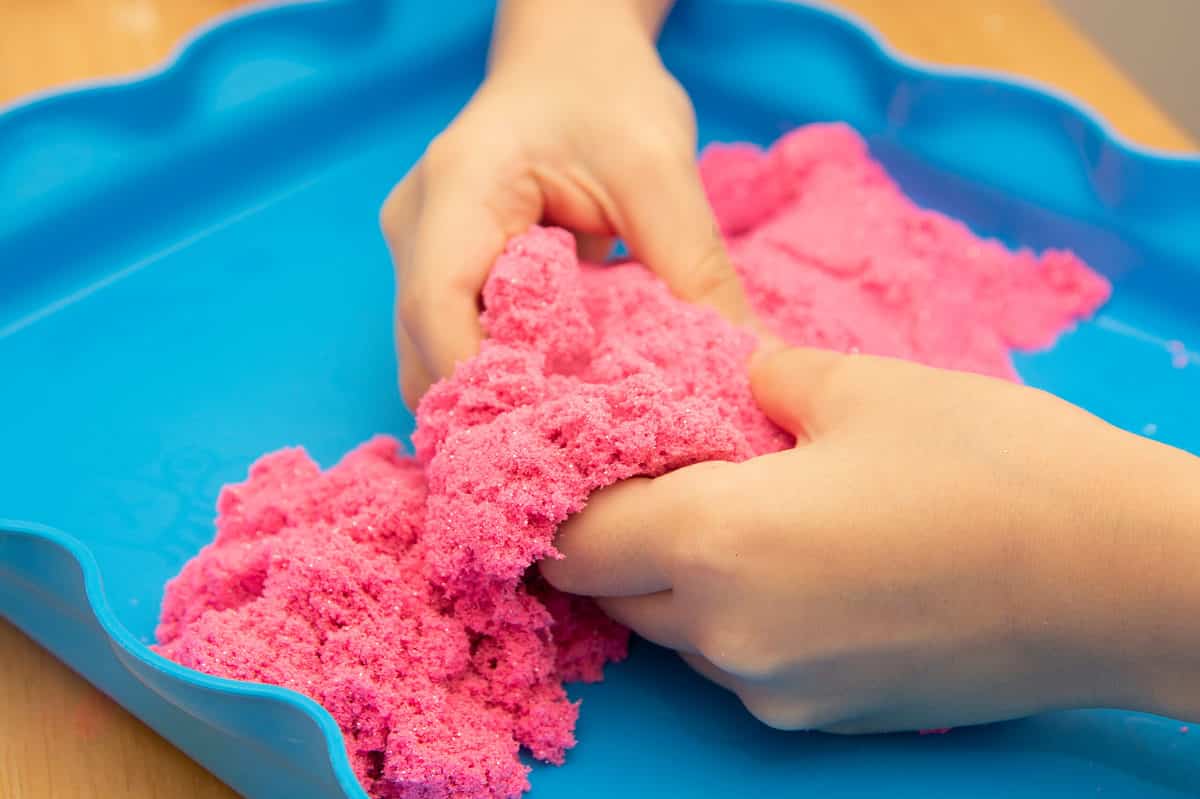
Sensory sand is a great activity for your child to explore their senses.
©Erhan Inga/Shutterstock.com
Humans Have Only Five Senses
Sight, hearing, smell, taste, and touch are the five senses most of us memorized in school, but the human body gathers information in many other ways. Your inner ear helps you maintain balance. Proprioception lets you know where your arms and legs are without looking at them. Other systems detect temperature, pain, pressure, hunger, thirst, and internal changes such as a racing heartbeat. Scientists do not always agree on the exact number because several senses overlap and can be divided into smaller categories. That is why estimates range well beyond five. Aristotle’s list is still a useful introduction for children, but it is not a complete map of how the brain and body understand what is happening inside and around us.
Columbus Proved the Earth Was Round
Christopher Columbus did not sail west to prove that Earth was round. Educated Europeans had accepted a spherical Earth for centuries, drawing on observations and calculations that went back to ancient Greece. The real dispute involved size and distance. Columbus badly underestimated the circumference of the planet and believed Asia could be reached much more quickly by sailing west from Europe. His crews were not terrified of falling off the edge; they were concerned about running out of food and water before reaching land. The voyage became historically significant because it connected Europe and the Americas in a lasting and devastating way, but it did not settle a debate between a round Earth and a flat one.
Benjamin Franklin Wanted the Turkey as America’s Symbol
Benjamin Franklin did once write that the turkey was a more respectable bird than the bald eagle, but he was not campaigning to place a turkey on the Great Seal of the United States. The comment appeared in a private letter to his daughter after the seal had already been adopted. Franklin criticized the eagle as a bird that sometimes stole food from others and joked that the turkey had better character. Years earlier, when he served on a committee to suggest a national seal, his proposal involved a biblical scene of Moses and Pharaoh—not a turkey. The story survived because it is funny and easy to remember, but it turns one colorful opinion into a formal proposal Franklin never actually made.
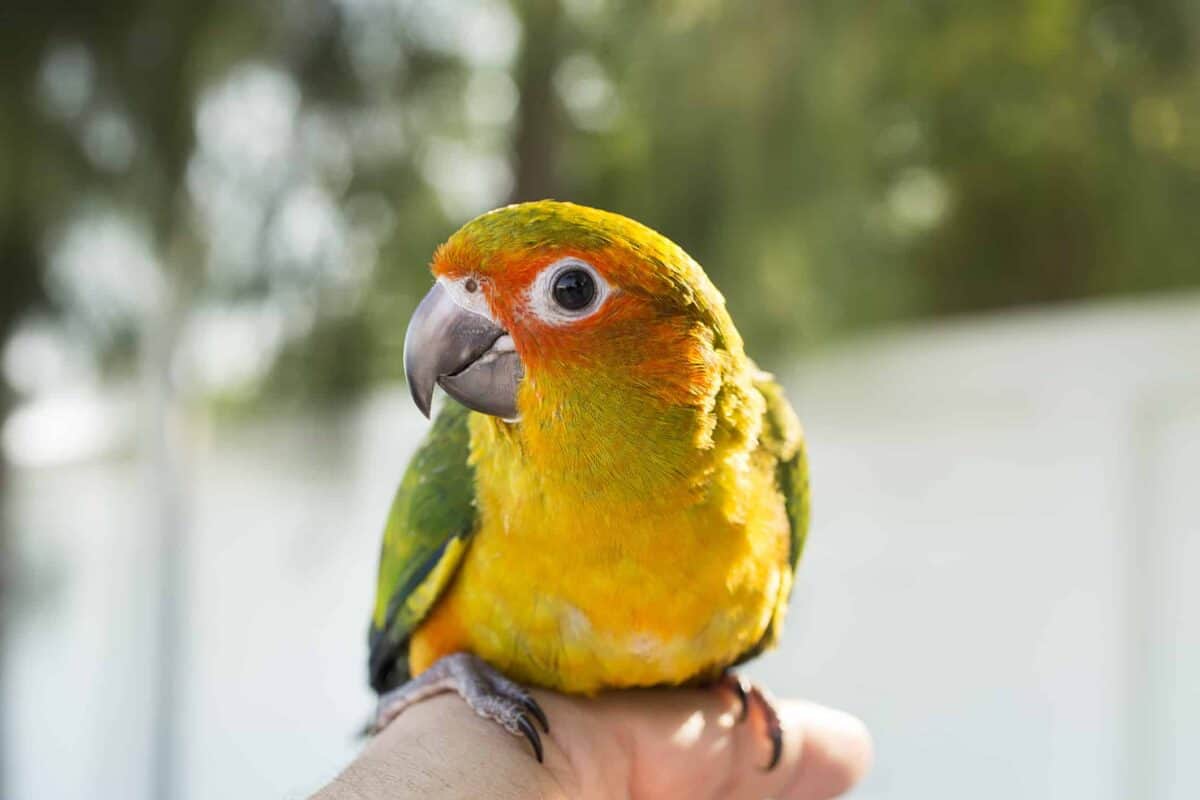
Close-up of a sun conure parrot perched on a hand.
©iStock.com/Thirawatana Phaisalratana
Touching a Baby Bird Makes Its Mother Abandon It
Parents often warn children that a mother bird will reject her baby if a person touches it and leaves a human scent behind. Most common backyard birds do not have such a weak attachment to their young, and brief human handling usually will not cause abandonment. If a featherless nestling has fallen and you can safely locate the nest, placing it back is often appropriate. A fully feathered fledgling on the ground may be learning to fly while its parents watch nearby, so it is usually best left alone unless it is injured or in immediate danger. The myth probably helped keep curious children from disturbing nests, which is still a good goal. The reason, however, is stress and safety—not a magical human smell.
Milk Creates More Mucus When You Are Sick
Many families avoid milk during a cold because they believe dairy causes the body to produce extra mucus. Research has not shown that drinking milk meaningfully increases mucus production in most people. What milk can do is mix with saliva and existing mucus, leaving a temporary coating in the mouth or throat that feels thicker. That sensation may make congestion seem worse even though the body is not producing more of it. Someone with a true milk allergy can have respiratory symptoms and should follow medical advice, but that is different from an ordinary cold. If milk feels unpleasant while you are sick, skip it. Just know that a glass of milk is not automatically creating more congestion.
The Pilgrims First Stepped Ashore at Plymouth Rock
The familiar image of the Pilgrims stepping directly from the Mayflower onto Plymouth Rock is more legend than documented history. In November 1620, the passengers first reached the tip of Cape Cod and spent weeks exploring the area before establishing the settlement at Plymouth. No surviving account from the Pilgrims mentions a ceremonial landing on the famous boulder. The connection appeared more than a century later, when an elderly local man said the rock had been identified by earlier settlers as the landing place. The story grew into a patriotic symbol, and pieces of the rock were eventually moved and displayed. Plymouth Rock matters culturally, but it is not a reliable record of the Mayflower’s first landfall.
You Must Wait 30 Minutes After Eating to Swim
Generations of children sat impatiently beside pools because adults insisted they had to wait 30 minutes after eating before getting back in the water. Digestion does redirect some blood flow, and a large meal may leave a swimmer feeling sluggish, uncomfortable, or mildly crampy. However, there is no good evidence that swimming soon after eating causes the sudden, paralyzing cramps described in the old warning. A healthy child who has eaten a normal meal can usually return to light swimming when comfortable. The more important rules are active supervision, life jackets where appropriate, swimming skills, and avoiding exhaustion. After a huge meal, taking a short break may feel better—but the clock itself is not a safety device.

©dsabo / Getty Images
SOS Means “Save Our Ship”
SOS is one of the world’s best-known emergency signals, but it was not created as an abbreviation for “Save Our Ship” or “Save Our Souls.” It was chosen because its Morse code pattern—three short signals, three long signals, and three short signals—was simple, distinctive, and easy to recognize through radio interference. The letters came later because three dots represent S and three dashes represent O in Morse code. Sailors and the public then attached memorable phrases to the signal as helpful mnemonics. Those phrases made SOS easier to explain, but they are not its original meaning. The signal was designed first as a practical sound pattern, not as a sentence hidden inside three letters.
Dogs See the World Only in Black and White
Dogs do not see the same range of colors humans do, but their world is not a black-and-white movie. Most people have three types of color-detecting cone cells, while dogs generally have two. That gives dogs a form of dichromatic vision similar to red-green color blindness in humans. They see blues and yellows more clearly, while reds, oranges, and greens may appear as dull browns, grays, or yellowish shades. Dogs also rely heavily on motion, contrast, smell, and low-light vision, so color is only one part of how they experience a room or backyard. A bright red toy on green grass may blend in more than owners realize, while a blue or yellow toy can be easier for a dog to spot.
Bananas Grow on Trees
A banana plant can tower over a person and look exactly like a tropical tree, but botanically it is a giant herb. What appears to be a trunk is a pseudostem formed by tightly wrapped leaf bases rather than woody tissue. The plant grows from an underground structure called a rhizome. After a pseudostem produces a bunch of bananas, that stalk dies back and a new shoot takes its place. This growth pattern is very different from a tree adding woody rings year after year. Bananas are also berries in botanical terms, which makes the plant even stranger than it appears. Calling it a banana tree is convenient in everyday conversation, but scientifically, it is one of the world’s largest flowering herbs.
Bulls Become Angry When They See Red
The red cape in a bullfight has convinced generations that bulls are enraged by the color itself. Cattle do not see red the way humans do, and the shade is not what triggers the charge. The bull responds mainly to the movement of the cape and to the threatening activity around it. Experiments using different-colored cloths have shown that a moving object draws the reaction regardless of whether it is red, blue, or white. The traditional red cape also helps disguise blood during the final portion of a bullfight, making the spectacle easier for an audience to watch. Bulls can be powerful and unpredictable, but waving motion and perceived threat matter far more than the color of someone’s shirt.
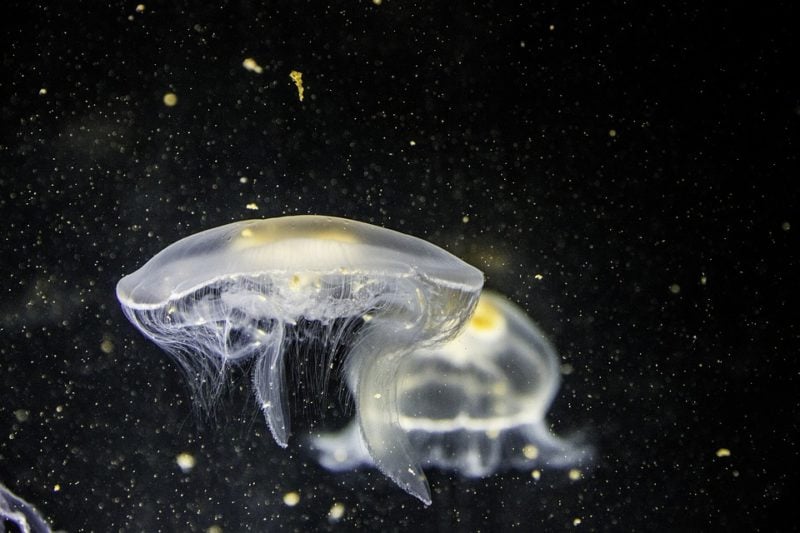
Urine Is the Best Treatment for a Jellyfish Sting
The advice to urinate on a jellyfish sting became a popular joke, but it is not recommended first aid and may make some stings worse. Fresh water and other poorly chosen liquids can trigger remaining stinging cells to release more venom. Guidance varies by jellyfish species and location, so lifeguard or local medical instructions should come first. In many cases, the safest immediate steps are to leave the water, rinse with seawater, carefully remove visible tentacles without bare hands, and use hot-water immersion for pain. Vinegar is recommended for certain species but not universally. Severe pain, breathing trouble, chest symptoms, or a large reaction requires emergency help. This is one myth nobody should test.
Vikings Wore Horned Helmets
Horned helmets look dramatic in movies, costumes, and sports logos, but archaeologists have not found evidence that Viking warriors regularly wore them in battle. A helmet with large horns would have been awkward, easy to grab, and more likely to catch a weapon than stop one. Surviving Viking-era helmets and fragments are practical designs meant to protect the head. The horned image became especially popular in the 1800s, when artists and costume designers romanticized Germanic and Norse history for paintings, festivals, and operas. Horned ceremonial headgear existed in other ancient cultures, which may have helped inspire the look. Real Vikings were intimidating enough without the theatrical accessories later generations gave them.
Vaccines Cause Autism
Vaccines do not cause autism. The claim gained worldwide attention after a 1998 paper suggested a connection between the measles, mumps, and rubella vaccine and autism. The paper was later retracted, serious ethical and research problems were uncovered, and the lead author lost his medical license. Since then, large studies involving hundreds of thousands of children have found no causal link between vaccines and autism. Researchers have also found no evidence that thimerosal, a preservative once used in some vaccines, causes autism. Autism is a developmental condition with strong genetic and biological influences. Vaccination protects children and communities from diseases that can cause hospitalization, disability, and death.
Napoleon Was Extremely Short
Napoleon Bonaparte is remembered as a tiny ruler overcompensating for his height, but he was probably close to average for a French man of his era. Records describing him as five feet two inches used older French measurements, which were longer than British inches. Converted into modern units, his height was roughly five feet six or seven inches. Confusion between measurement systems helped the myth spread, and British political cartoons exaggerated his size to mock a military enemy. Napoleon was also often surrounded by tall guards, which may have made him appear smaller. The so-called “Napoleon complex” became a lasting phrase, but the historical man was not unusually short by the standards of the early 1800s.
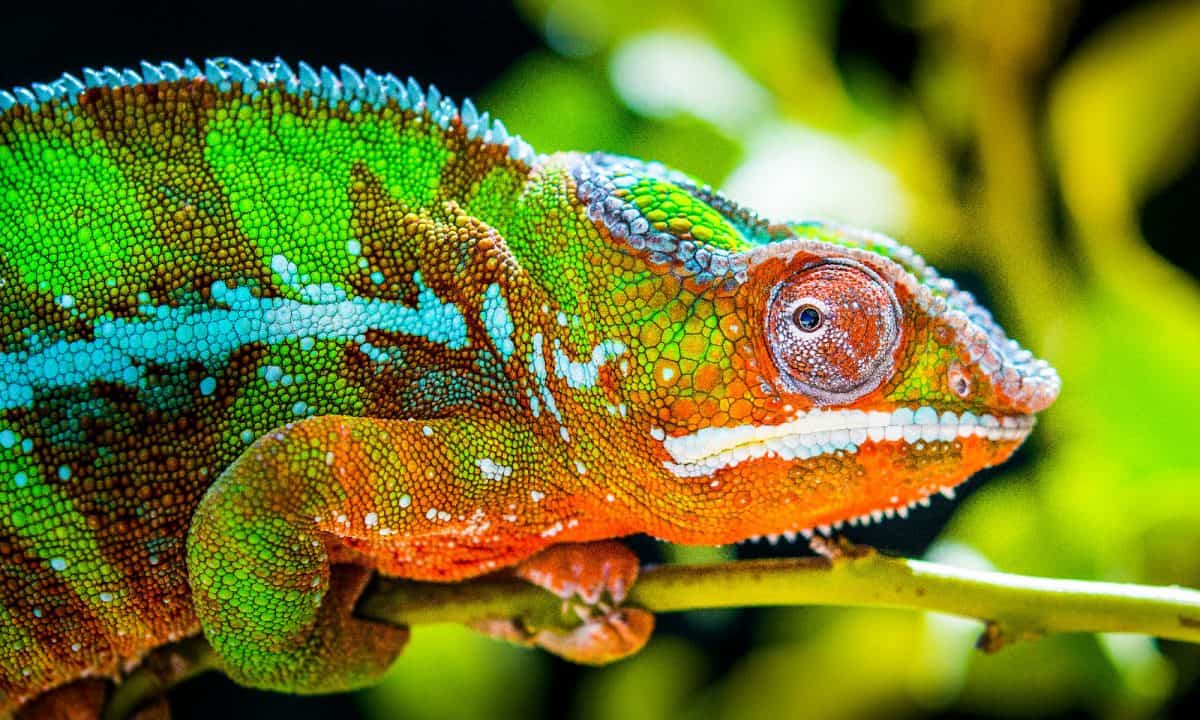
Beautiful colored chameleon.
©OMP.stock/Shutterstock.com
Chameleons Change Color Only to Match Their Background
Chameleons can change color, but they are not tiny living paint samples that copy every surface they touch. Their color shifts are used mainly for communication, temperature control, and responses to stress, light, and mood. A chameleon may darken to absorb more warmth, brighten during a territorial display, or show different patterns when attracting a mate. Camouflage can still be part of the picture, and many species begin with colors that already suit their natural habitat. The change happens through specialized skin structures that alter how light is reflected. So a chameleon placed on a plaid blanket will not suddenly become plaid. Its colors reveal more about its condition and behavior than the wallpaper behind it.
A Penny Dropped From a Skyscraper Can Kill Someone
A penny falling from the top of a skyscraper would not keep accelerating forever. Air resistance eventually limits its speed, and the coin’s low mass means it carries far less energy than a heavier object falling from the same height. It could sting, cause a small injury, or be dangerous if it struck an eye, but it is very unlikely to smash through a skull or kill a person as the urban legend claims. Wind and the penny’s tumbling shape would also make its path unpredictable. The broader safety lesson is still important: throwing or dropping objects from tall buildings is reckless because larger or sharper items can be deadly. The penny itself, however, is not the tiny high-speed missile many of us imagined.
Bagpipes Were Invented in Scotland
Bagpipes are so closely tied to Scotland that it is easy to assume they were invented there. Instruments that use a bag to hold air and pipes to create sound existed in several parts of Europe, North Africa, and western Asia long before the modern Scottish Highland bagpipe took shape. Ancient writings and artwork suggest that related instruments were played in the classical world, although historians still debate exactly where the earliest true bagpipes began. Scotland developed its own powerful traditions, music, military uses, and distinctive designs, turning the Highland pipes into a national symbol recognized worldwide. The instrument is genuinely Scottish in cultural importance, but its family history stretches far beyond Scotland’s borders.
Enslaved People Built the Egyptian Pyramids
Movies often show the pyramids being built by masses of enslaved people under constant whips, but archaeological evidence paints a more complicated picture. Excavations near Giza uncovered workers’ settlements, bakeries, animal bones, tools, and tombs belonging to laborers who helped construct the monuments. Many appear to have been skilled workers supported with food, housing, and medical care, while others may have been seasonal laborers fulfilling obligations to the state. That does not mean the work was easy, voluntary by modern standards, or free from coercion. It does mean the biblical-style slave image is not supported by the strongest evidence. The pyramids were built by organized Egyptian workforces with specialized skills.

The Great Pyramid and Great Sphinx of Giza.
©AlexAnton/Shutterstock.com
Every Coin Toss Is Exactly 50-50
A fair coin has two sides, so we usually treat a toss as a perfect 50-50 event. In mathematical models, that assumption works well. Real coin flips, however, are physical events affected by how the coin starts, how it is launched, how many times it rotates, whether it is caught or allowed to bounce, and tiny differences in shape or weight. Large experiments have found a slight tendency for a coin caught in the hand to land on the same side it started from. The advantage is small—close enough that an ordinary family coin toss is still effectively random—but it is not always perfectly equal. For a truly fair decision, one person should not be allowed to see and choose the starting side.
Swallowed Gum Stays in Your Stomach for Seven Years
Chewing gum is designed to resist breaking down in your mouth, and the human digestive system cannot fully digest the gum base. That does not mean it sticks to the stomach for seven years. A swallowed piece moves through the digestive tract along with other indigestible material and is usually passed in a bowel movement. The body still absorbs sweeteners and flavorings, while the gum base continues on its way. Swallowing an occasional piece is unlikely to cause harm, though regularly swallowing large amounts—especially with other objects—could create a blockage, particularly in a child. Gum belongs in the trash, but parents do not need to imagine it building a seven-year collection inside the stomach.
The Salem Accused Were Burned at the Stake
The Salem witch trials were brutal, but the people executed in colonial Massachusetts were not burned at the stake. Nineteen people were hanged in 1692 after being convicted of witchcraft. Giles Corey was pressed to death with heavy stones after refusing to enter a plea, and several others died in jail. Burning was used in some European witchcraft prosecutions, which likely caused the two histories to blur together in popular memory. The Salem crisis grew from fear, local conflict, religious pressure, false accusations, and a court system that accepted deeply unreliable evidence. Correcting the method of execution does not make the event less horrifying; it helps us understand what actually happened and how legal panic destroyed innocent lives.
Twinkies Never Expire
Twinkies are famous for surviving almost anything in jokes and movies, but they do not last forever. Packaged snack cakes contain preservatives and are sealed to slow mold and staling, yet they still have a shelf life measured in weeks rather than decades. Over time, the cake can dry out, the filling can change texture, and mold may eventually appear if the package is damaged or the product is stored long enough. The printed date is generally about best quality, but it is not permission to keep a box as a family heirloom. The myth probably grew because Twinkies stay soft longer than homemade cake. That convenience is impressive, but it is food science—not immortality.

©"Twinkies: Comics Lied!" by Christian Cable is licensed under BY 2.0. – Original / License
Different Parts of the Tongue Detect Different Tastes
The colorful tongue map in old textbooks assigned sweet to the tip, salty and sour to the sides, and bitter to the back. That diagram badly oversimplified how taste works. Taste receptor cells for sweet, salty, sour, bitter, and umami are distributed across the areas of the tongue that contain taste buds, and the mouth can detect each basic taste in more than one location. Some regions may be slightly more sensitive than others, but there are no strict flavor-only zones. Smell, temperature, texture, and even sound also shape what food tastes like. You do not need to place chocolate on the tip of your tongue or coffee at the back to experience them properly; the whole system works together.
Peanuts Are Nuts
Peanuts have “nut” in their name and sit beside almonds and cashews in the snack aisle, but botanically they are legumes. They are related to peas, beans, lentils, chickpeas, and clover. Peanut plants flower above ground, then send a peg down into the soil, where the pods develop underground. True tree nuts grow on trees and have a different botanical structure. The distinction matters scientifically, but it does not make peanut allergy less serious. People with peanut allergies may or may not also react to tree nuts, so medical testing and label guidance are important. In recipes and everyday conversation, peanuts function like nuts. In the plant family tree, however, they belong with beans.
Most Body Heat Escapes Through Your Head
The head is not a special chimney that releases most of the body’s warmth. Heat loss depends mainly on how much skin is exposed, the temperature, wind, moisture, and insulation. If someone wears a winter coat, gloves, pants, and boots but leaves the head uncovered, a large share of the exposed heat will naturally leave through the head. Cover the head and expose an arm of similar surface area, and the arm will lose heat too. The myth may have grown from older military research in which participants wore cold-weather gear everywhere except their heads. Hats are still important, especially for babies and in severe weather. They help because they cover exposed skin—not because the head leaks heat differently from every other body part.
Marie Antoinette Said “Let Them Eat Cake”
The phrase “Let them eat cake” became a symbol of Marie Antoinette’s supposed indifference to starving French citizens, but historians have found no reliable evidence that she said it. A similar line appeared in the writings of Jean-Jacques Rousseau before Marie Antoinette even arrived in France, attributed vaguely to a “great princess.” Political enemies later circulated scandalous stories about the queen, making the quote fit an image that already existed. The French wording also referred to brioche, a rich bread, rather than modern frosted cake. Marie Antoinette lived extravagantly in a deeply unequal society, but this particular sentence is almost certainly propaganda that became more famous than the documented facts.
Touching a Toad Gives You Warts
Toads are covered in bumps, which made them an easy target for the old warning that touching one would cause warts. Human warts are actually caused by strains of the human papillomavirus, or HPV, and spread through contact with infected skin or contaminated surfaces. A toad cannot pass that virus to a person. Some toads do release irritating or toxic secretions from glands in their skin, so children should still wash their hands after handling one and keep fingers away from their eyes and mouth. Pets can become seriously ill after mouthing certain species. The bumps are part of the toad’s natural anatomy and defense system, not contagious warts waiting to jump onto human hands.
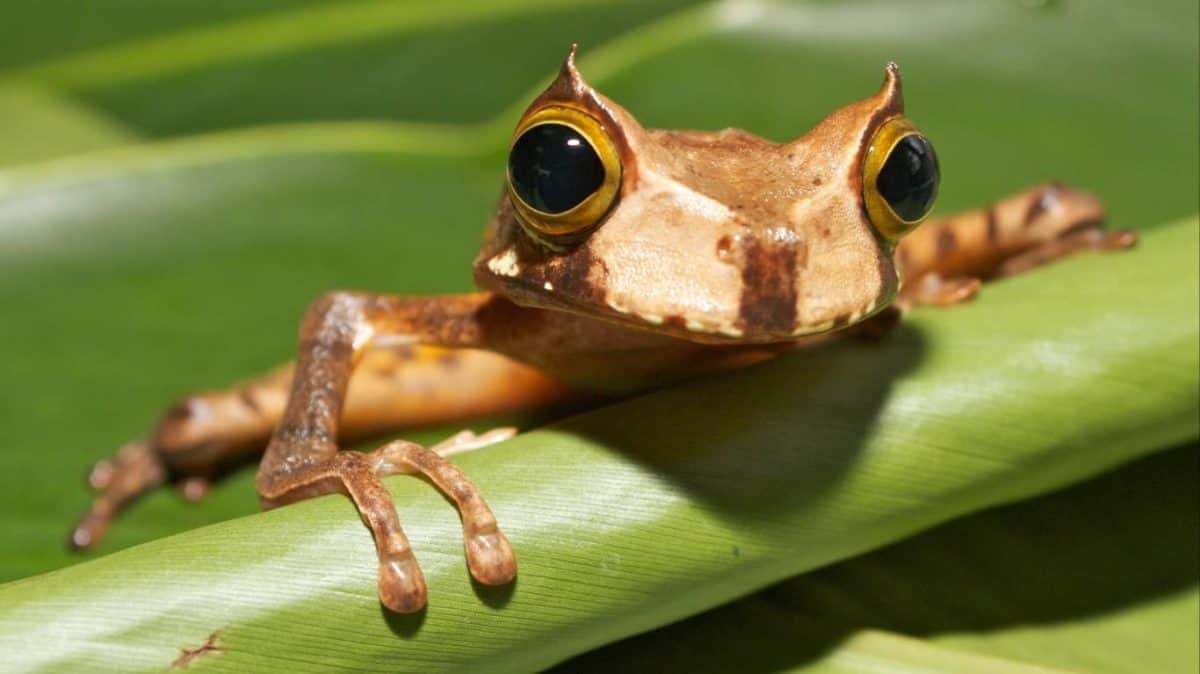
Every Living Thing Must Eventually Die of Old Age
Nearly every animal eventually dies, but one tiny jellyfish has earned the nickname “immortal” because it can reverse its life cycle. When Turritopsis dohrnii is injured, stressed, or starving, it can sometimes transform from its adult medusa form back into an earlier polyp stage and begin developing again. That biological reset means it may avoid ordinary aging under ideal conditions. It is not truly invincible, however. The jellyfish can still be eaten, infected, damaged, or killed by environmental changes, and most never repeat the cycle forever in the wild. The species does not prove that living things cannot die. It shows that nature has evolved a remarkable escape route from one form of aging.
Cracking Your Knuckles Causes Arthritis
The popping sound from cracked knuckles has worried parents for generations, but studies have not found that the habit causes arthritis. The noise is linked to pressure changes and gas bubbles inside the fluid that lubricates a joint, not bones grinding themselves down. One doctor famously cracked the knuckles on only one hand for decades and found no meaningful difference in arthritis between his hands, although that was hardly a perfect experiment. Frequent or forceful cracking can still irritate soft tissue, cause temporary swelling, or injure a finger if someone pushes too far. A painless pop is usually harmless. Pain, swelling, locking, or reduced movement deserves medical attention rather than another crack.
Alcohol Keeps You Warm in Cold Weather
A drink can create a quick feeling of warmth because alcohol widens blood vessels near the skin and sends more warm blood to the surface. Your cheeks may flush and your hands may feel warmer, but the body is actually losing heat more quickly to the surrounding air. Alcohol also impairs judgment, reduces shivering, and can make someone less aware of dangerous cold. That combination increases the risk of hypothermia rather than protecting against it. The old image of a rescue dog carrying brandy belongs to folklore, not modern first aid. In cold conditions, the safer choices are dry layers, shelter, warm nonalcoholic fluids when appropriate, and medical help for confusion, slurred speech, or severe shivering.
MSG Automatically Causes Headaches
Monosodium glutamate, or MSG, has been blamed for headaches and other symptoms for decades, often through a stereotype once labeled “Chinese restaurant syndrome.” Controlled research has not consistently shown that normal amounts of MSG in food cause headaches in the general population. Glutamate also occurs naturally in foods such as tomatoes, Parmesan cheese, mushrooms, and breast milk. Some people report symptoms after consuming very large amounts of MSG, especially without food, and individual sensitivities should not be dismissed. Still, MSG is not broadly toxic when used as a seasoning. It mainly adds umami, the savory taste that makes broths, meats, and many vegetables more satisfying.