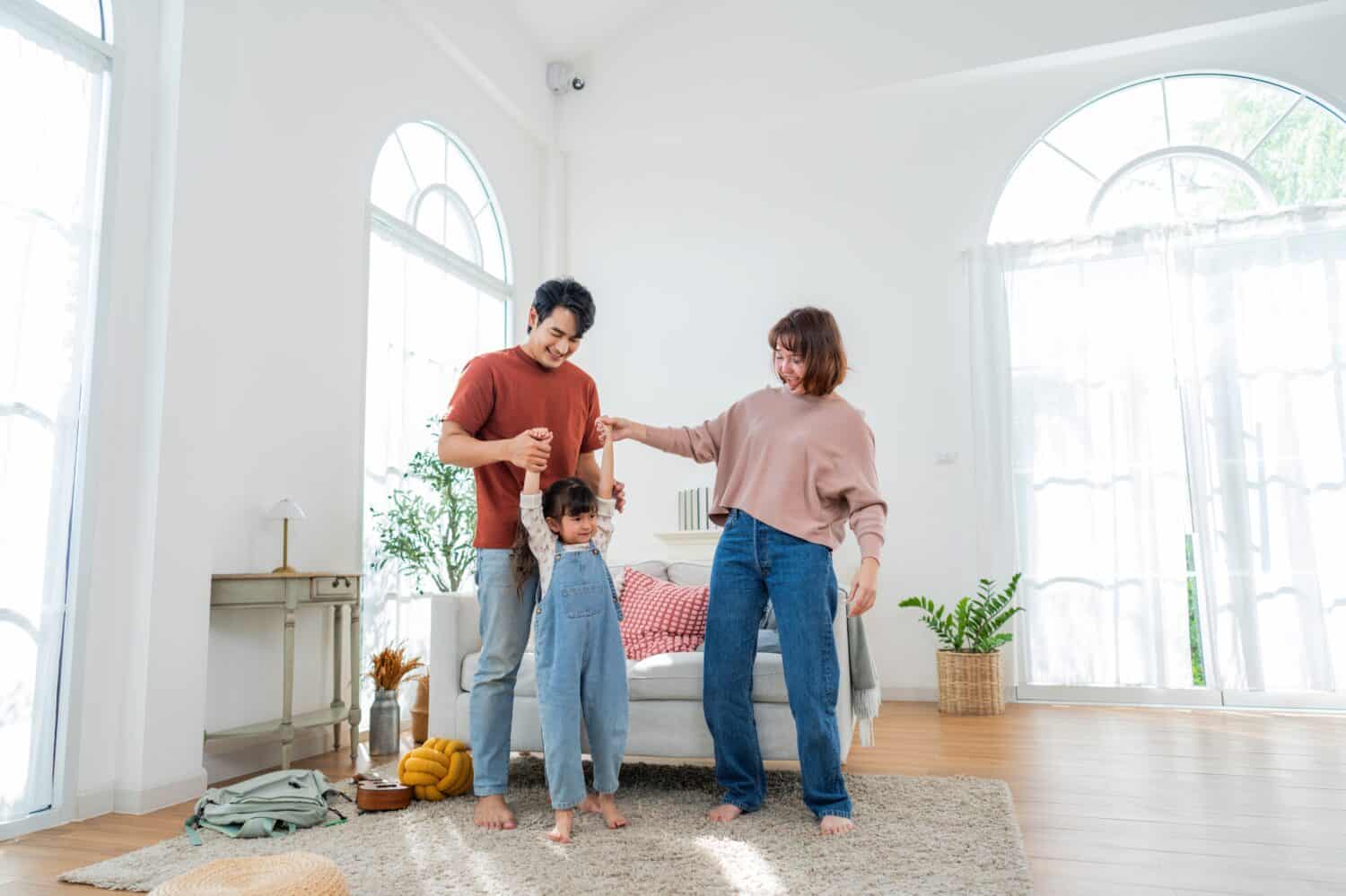
Over the last year or two, Millennial and Gen Z parents have started speaking out about how we are a generation of “bedroom kids” raising our kids in “living room families.” But what does that mean? And is one definitely better than the other?
What Are Bedroom Families and Living Room Families?
©Unai Huizi Photography/Shutterstock.com
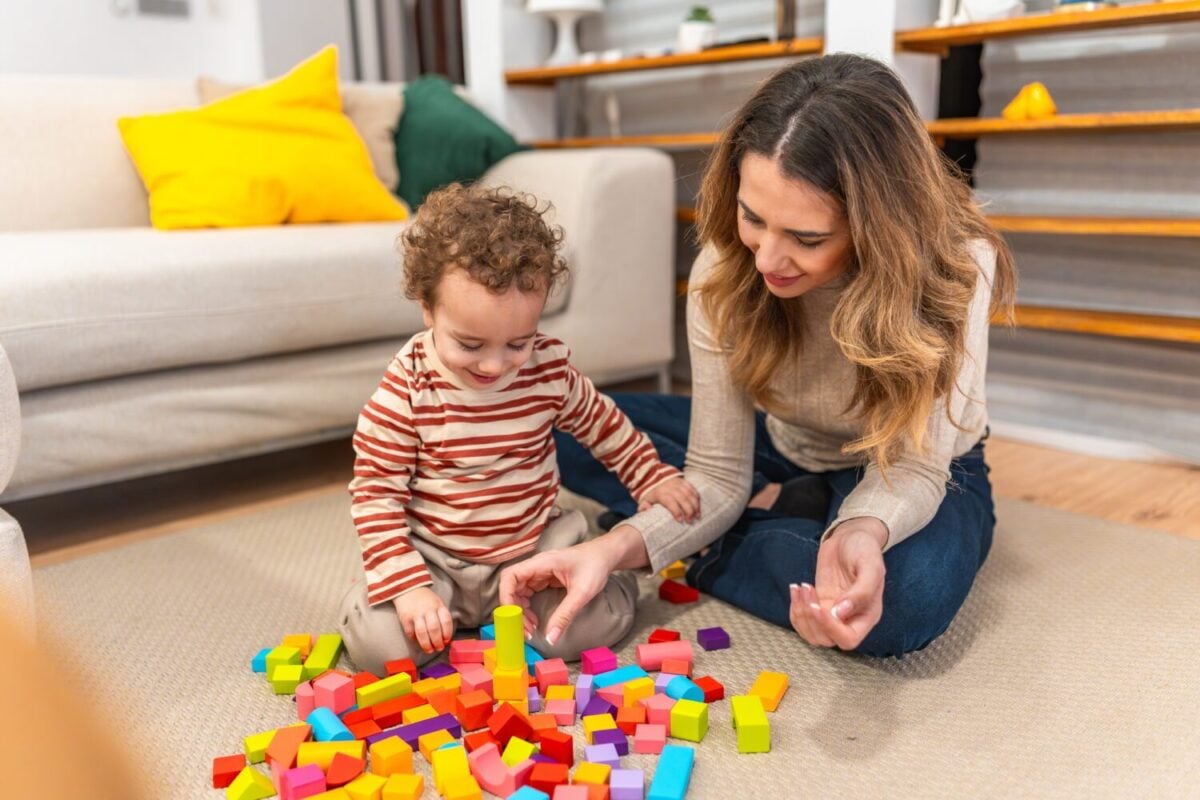
In bedroom families, each member of the family has their own space (like a bedroom or an office) where they keep most of their stuff and spend most of their downtime. Kids' toys are in their bedrooms, and kids do their homework there and bring their friends to their rooms to play. There's more separation between family members, which is sometimes seen as parental indifference or isolation.
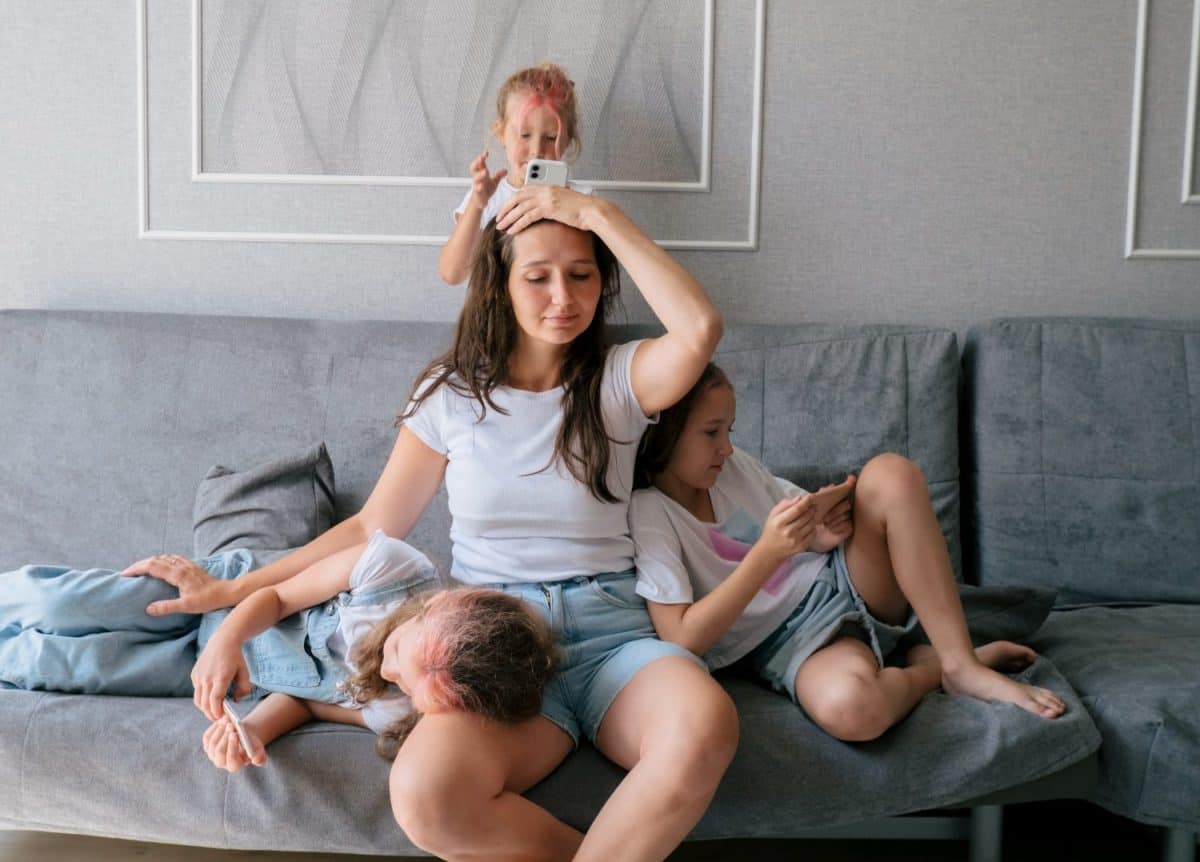
Living room families spend most of their time in communal areas. Children are allowed to have their toys in the living room, and when friends come over, they don't necessarily head straight to the bedroom. Families spend more time in close physical proximity, even if they are sometimes on their own devices, reading, or doing another traditionally solitary activity.
Why Are More Families Trending Toward Being Living Room Families?
Throughout the 1980s and 1990s, house sizes grew, and family sizes shrunk, meaning that more kids had their own rooms instead of sharing with siblings. And with the increasing popularity of desktop computers, it was easier to message your friends from your desk in your room. Plus, you were out of your parents' way.
Today, many families are choosing to be living room families. There are lots of reasons for this. Many parents feel a desire to be closer to their kids. They may have negative memories of being alone or being told to go to their room, or they may want to create positive experiences of being together with their children, regardless of how they grew up.
Also, parents can monitor technology usage and what their kids might be reading or watching. Even if it's just spot checking, they have some knowledge that kids aren't spending hours watching something that's not appropriate for them on YouTube.
House design also lends itself to being a living room family. Many houses have open floor plans, so there is less privacy. Those with smaller houses or smaller rooms also find value in having kids spend more time in common areas. Sometimes, there just isn't enough room for all of their toys, electronics, or even furniture in their own bedroom.
Is One Better Than the Other?
Because of the newness of the discussion of living room and bedroom families, there isn't much research yet on the long-term impacts of being a living room or a bedroom kid. But online influencers and commenters have a lot to say about living room and bedroom families. For example, kids can be alone in their bedroom without feeling lonely or isolated, especially if they are introverted or easily overstimulated. Kids can also be together with family in the living room and still feel isolated because they are in their own little world on their device, or their parents and siblings are all otherwise engaged.
Being with your family instead of spending more time alone can build social skills. The more conversations children have with their parents or siblings, the more they can pick up on social cues, realize when they've said something that hurt someone else's feelings, and develop their ability to contribute meaningfully to conversations.
Children in living room families are also usually discouraged from an overabundance of screen time. These are often the kind of families that don't allow phones at the dinner table and encourage real-life conversations instead of texting.
©Alena A/Shutterstock.com
Downsides to Being a Living Room Family
However, there are some downsides to being a living room family. Living room families tend to have messier common areas because there are fewer boundaries about where each person's possessions are kept. Similarly, kids in living room families sometimes need parents to teach them boundaries when it comes to sharing. Even if most toys and books in your house are shared, friends that children make outside of the house may not be as open to sharing or communal use of toys.
It's also easier to study or work from home in a bedroom family. Having your own space to focus without noise or distractions can help each member of the family get work done more efficiently. Some children are more prone to overstimulation than others and may thrive in a bedroom family environment.
Even Kids in the Same Family Can Have Different preferences
As a parent of a late elementary schooler and a tween, I have had a living room family for a decade. However, my fourth grader likes spending time in his room, while my sixth grader is rarely voluntarily alone. We try to maintain an open and welcoming main floor where the kids can come if they want, but if they're in the mood to read, draw, or build LEGOs by themselves, we don't question them. So far, they still choose to be in the living room more often than not. As they get older, I'm interested to see whether they'll stay in the living room or start retreating to their bedrooms. Either way, they know the stairs leading to the living room are always open.
The image featured at the top of this post is ©A HIP A HUB STOCK/Shutterstock.com