
In many households, mealtime looks very different from what it did 20 years ago. Back in the day, families used to sit down for dinner together. It was a time to enjoy each other’s company and talk about your day. Today, many families rarely see each other, especially around dinnertime. Even if they do manage to meet on the same schedule, most people are on their phones during the meal, and nobody talks. It’s time to go back to the good old days, at least where mealtime is concerned. In case you’ve forgotten, there are many benefits of eating together, from a regained sense of connection to improved eating habits.
In this guide, we’ll explain why eating together is so important and how you and your family can all get on the same page at mealtime.
Why Family Meals Have Faded

Family dinners are a great way to strengthen family bonds and enjoy a healthier lifestyle.
©DavideAngelini/Shutterstock.com
So, what really happened in the last couple of decades, and why have family meals become less common? Part of it is that back in the day, things were less rushed. Without technology and packed schedules, people often had a bit more time to stop and smell the roses. Today’s world often prioritizes productivity and efficiency. Work schedules often extend into evenings, sports and extracurricular activities often keep kids occupied late into the night, and the ability to pop a meal into the microwave makes it easy to eat quickly and separately.
Many families want to spend time together, but time seems stretched so thin. It’s a lack of time, energy, and structure that is to blame, but you can make a change. Sit down with your family and figure out a plan for how you’ll spend at least one meal at the same table. We promise it will be worth your while.
The Benefits of Eating Together
It’s not only recommended that you eat at least one meal as a family, but it’s practically a requirement for creating a healthy family environment. Since mornings can be busy, aim to at least have dinner around the same table. During this time, all smartphones should be off, and the focus should be on discussion about the events of the day.
Here are six reasons why eating together as a family should be a priority:
Stronger Family Bonds
At its core, sitting down for a meal signals a natural opportunity for connection. When you sit down together, facing one another, it’s natural to want to talk and engage. Unlike quick conversations you have as you pass each other in the hall, mealtime often requires eye contact, shared experiences, and a sense of togetherness. Consistency is key here. Make it a point to have dinner together at the same time every night. That sense of normalcy is great for your mental health.
Better Communication
The dinner table is one of the best places to communicate as a family. However, if you have any hope of actually connecting, you must have a rule that prohibits smartphones at the table. You’ve seen the scene, or perhaps been a part of it: You go to a restaurant and everyone at the table is staring down at their screens, and it’s unlikely that they’re messaging each other.
Restrict phones and keep the TV off, and you’ll be amazed where the conversation will lead. This is especially important if you have young children. The dinner table is where your kids will learn to express themselves, listen to others, and engage in meaningful communication. They’ll need these skills as they get older. Your conversations don’t need to go too deep. Ask simple questions like “What was the best part of your day?” They can really, really lead to a good conversation.
Improved Emotional Wellbeing
New studies are showing that spending time around the table with your family can increase your happiness and mental well-being. This precious family time can also reduce the chances of stress, anxiety, and depression. A lot of this is because the family dinner table is typically a safe space where everyone feels seen and heard. After a while, you and your kids will likely look forward to dinner time. It’s a time when you can all reset from a long day and reconnect with those you love.
Healthier Eating Habits
It’s also been discovered that families that eat together often make healthier choices. When there’s a plan to enjoy dinner together, many families opt for a home-cooked meal rather than ordering from a restaurant or getting fast food. These home-cooked meals will often include fresh vegetables, fruits, and balanced portions. Do it right, and these healthy eating habits can follow your kids into adulthood. Beyond nutrition, when you’re eating while talking with your family, you’re also more likely to practice mindful eating, which means slowing down, savoring your food, and paying attention to when you’re full.
Teaching Life Skills and Values
If you dedicate dinner time to truly being a chance to connect, then you can impart a lot of great wisdom to your kids. This is an opportunity to pass down values, traditions, and cultural practices that your kids will love. Use this opportunity to teach your kids to say grace and thank God for the meal. Make sure that everyone at the table uses good manners and says “please” and “thank you.”
Creating Lasting Memories
The benefits of eating together include creating memories that will last a lifetime. If you do it right, your kids will remember these dinners as they grow up, and they’ll likely continue to have them with their own families. Just remember that these meals don’t need to be perfect. Just do your best, and your kids will see how important these meals can be. As parents, you want to create as many positive memories for your kids as possible, and dinners can be a big part of that.
Practical Tips for Making Family Meals Happen
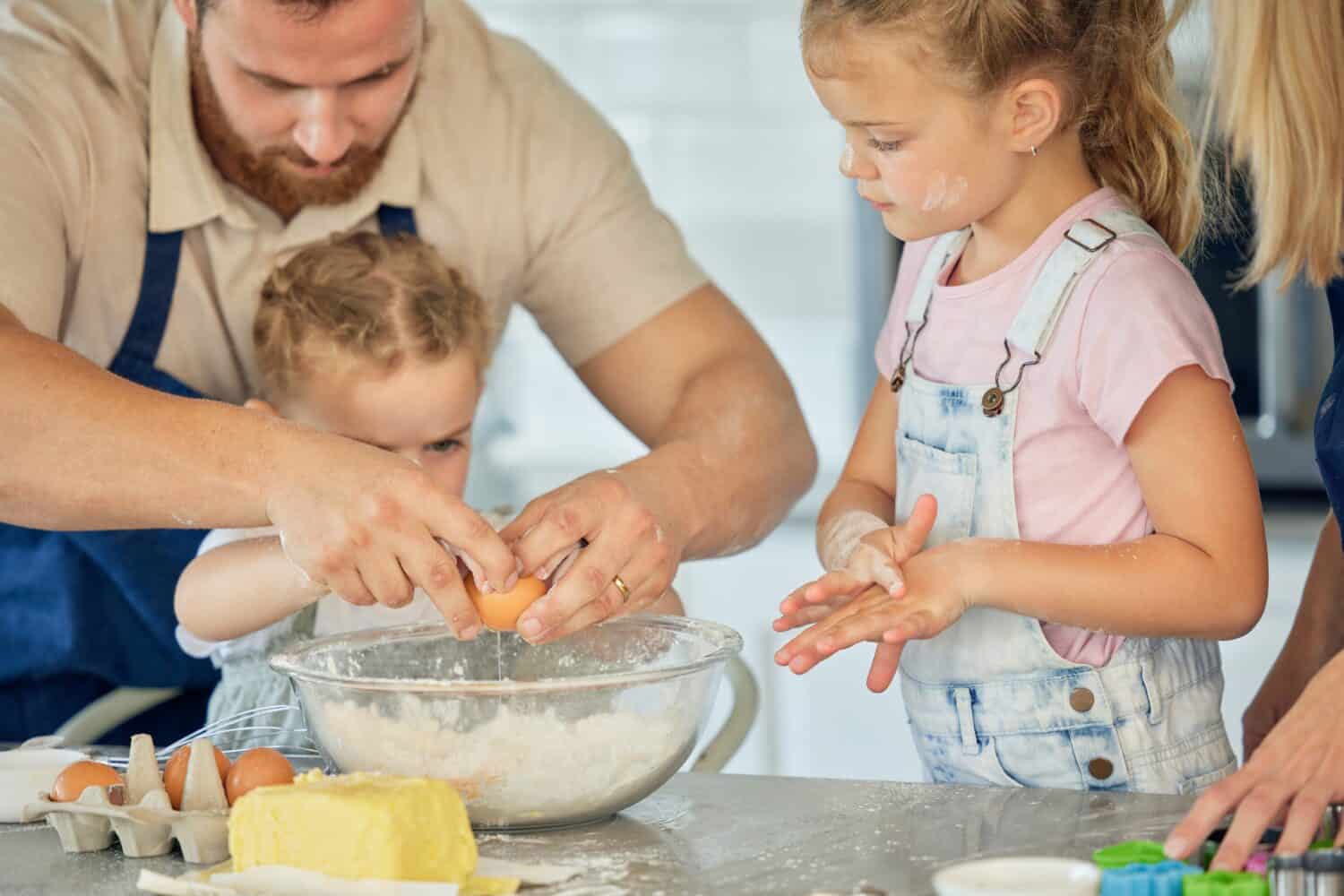
Family meals can be even more special when you cook the meal together as well.
©PeopleImages/Shutterstock.com
It’s time to face reality. Our busy lifestyles are unlikely to slow down any time soon. Life is busy, and with advancing technology, it gets busier all the time. If all you can do is slow down enough to have one meal a day, you’ll be doing something great. It’s all about being intentional. With proper planning, you can get the benefits of family meals. Here are some tips to help you along the way.
Start Small and Realistic
As with anything, setting small, achievable goals is the key to success. So, don’t worry if you’re unable to have a family dinner every day of the week. Try it for a few days and see what works and what you need to tweak. Even one consistent meal, like a Sunday night dinner, can create amazing, long-lasting memories.
Schedule It Like an Appointment
Again, being intentional is the best way to make your family dinners a success. Set a start time for the meal and stick to it. Mark the family calendar and post it on the refrigerator so everyone can see it. Ensure that everyone’s schedule is taken into account so that no one misses out.
Embrace Simplicity
Many parents give up on family dinners and miss out on the benefits of eating together because they think they need to plan an elaborate meal to make it worthwhile. But you don’t need that. Really, the food is secondary to the company and time spent with your kids. A simple pasta dish, sandwiches, or even breakfast-for-dinner can work.
Get Everyone Involved
While the meal itself is the star of the show, you can get the family involved and make more memories by getting your kids involved with the kitchen work and food prep. Have them set the table, chop vegetables, stir the pot, and clean up. You’ll be able to teach your kids many lessons about food prep that they’ll use when they get older. This process will also make preparing the food easier, so having family dinners won't be such a hassle.

While you're sitting at the table together, turn off the TV and limit other distractions.
©Josep Suria/Shutterstock.com
Limit Distractions
It must be said again that the only way to make family dinners truly successful is to limit distractions. Turn off the TV and forbid smartphones at the table. You can even make a routine of having everyone put their phones in a basket to eliminate temptation. Over time, you’ll learn that there’s not much to see on phones anyway. Spending time with family is almost always more rewarding than watching screens.
Keep Conversation Light
While there will likely be dinners where you get into deeper conversations, it doesn’t always have to be that way. The point is that you all enjoy each other’s company. There doesn’t need to be a third degree, and it doesn’t need to be an interrogation. Simple prompts can include things like:
- “What made you laugh today?”
- “What’s something you’re looking forward to?”
- “What’s one thing you learned?”
Go around the table and share your answers. Don’t pressure anyone. If someone doesn’t have much to say right now, move on. As time goes on, your kids are likely to be more comfortable sharing.
Accept Imperfection
Remember that the dinner doesn’t need to be perfect. As a parent, you may want your family dinner to be flawless, but that won’t always be the case. Sometimes the food will be late, it may burn, or the conversation may fall flat one night. Don’t worry, you’re not a failure. Just try again next time and see what works well for your family.
The Long-Term Impact
It’s time that we all get back to making family meals a way of life again. We’ve been separated and too busy for too long. When families consistently make time to eat together, even in small ways, the impact adds up. The more effort you dedicate to family meals, the more you’ll see the long-lasting benefits. Your family will become more resilient, communication will become more natural, and your relationships will deepen. Try a family meal this week and see the difference it can make.
The image featured at the top of this post is ©Drazen Zigic/Shutterstock.com