
Spring Break is right around the corner, and what do you have planned? For our family, most Spring Breaks have been staycations. So if you are not traveling this year, there is no shame in that!
While it may be hard to hear about all the amazing vacations other families are taking, think of all of the bonuses of a no-travel Spring Break. No airports. No packing stress. No budget strain. Just time together, and the freedom to create something meaningful right where you are.
Staying home doesn’t have to mean settling for a ‘regular week.' With a little intention, you can turn spring break into something memorable, restorative, and even magical. It’s easier to have a plan so you aren’t scrambling for things to do at the last moment, and we'll help you plan the whole week.
Pick a Theme
©Kaspars Grinvalds/Shutterstock.com
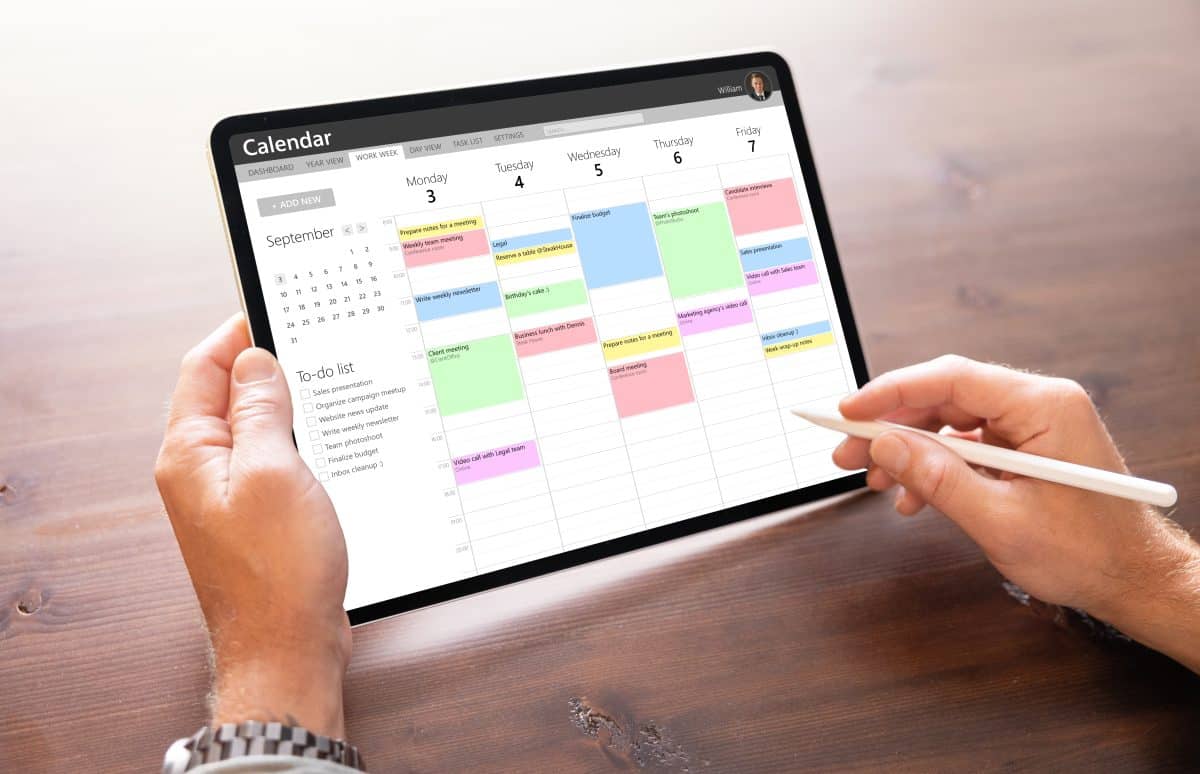
For me, I LOVE a theme! You can do a weekly theme or a daily theme. Themes don’t need to be complicated. If you love the idea of going deeper, build the entire week around one central concept. Here are some creative, low-stress ways to make spring break at home feel special.
Campout Week
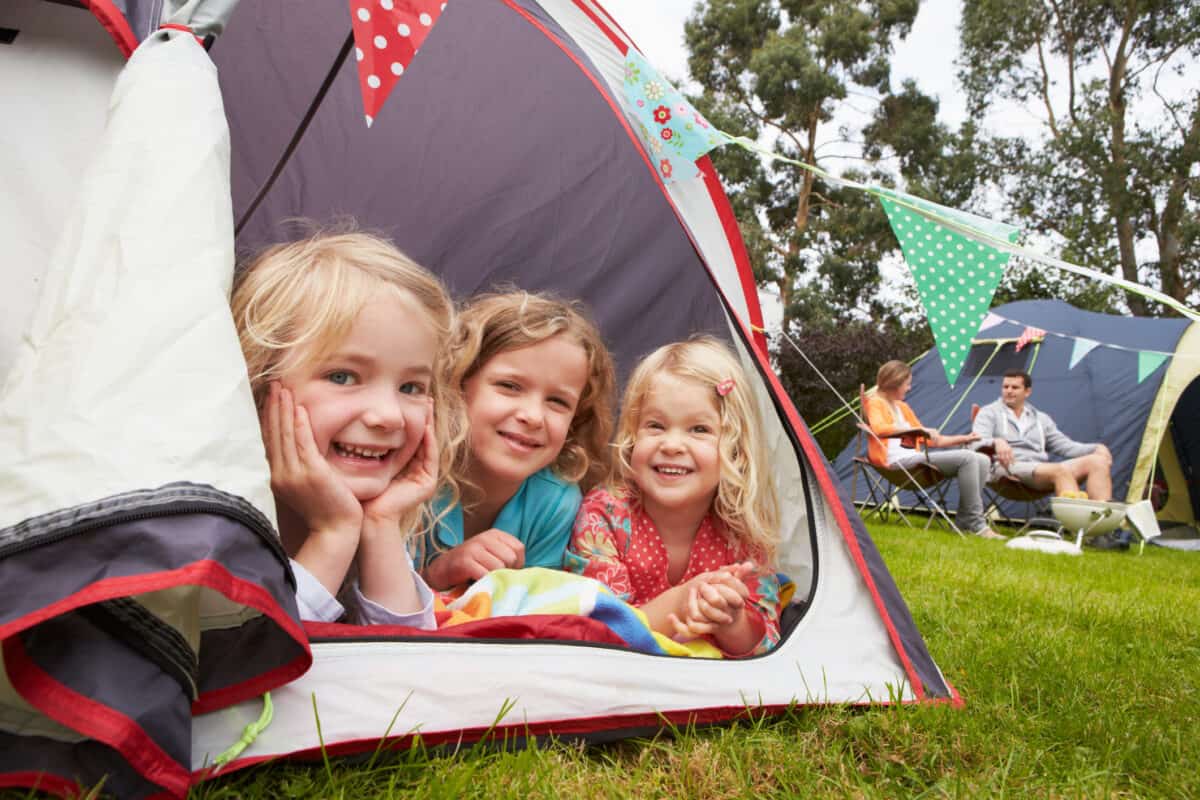
Camping locally, or even in your backyard, can be the foundation for some wonderful memories.
©iStock.com/omgimages
Host an official Spring Break campout right in your backyard. Let the kids help set up, unroll sleeping bags, pile on extra blankets, and tuck in favorite stuffed animals. Hang string lights or set out battery-powered lanterns to make it feel festive. As night falls, gather around a fire pit or grill to toast marshmallows. No fire? Make s’mores in the oven and eat them outside. Share family memories, tell silly campfire tales, or create a round-robin story where everyone adds a line. Try flashlight storytelling or shadow puppets against the tent wall.
If spring rain arrives (as it often does), pivot: move the campout indoors, spread sleeping bags across the living room, turn off the lights, and use lanterns for ambiance. Play cards, tell stories, and keep the “we’re camping” spirit alive. Flexibility makes it even more fun.
In the morning, lean into the theme with a special breakfast. Cook pancakes outside on a griddle or serve them picnic-style on a blanket indoors. Add strawberries, whipped cream, or chocolate chips, plus hot chocolate for the kids and strong coffee for the adults. Let the morning unfold slowly without rushing.
Cook Around the World

Cooking with kids can be so wonderful (and sometimes challenging). Let's make it something special.
©Nataliia Zhekova/Shutterstock.com
You can still “travel” the world, but right from your kitchen. Choose a different country each day of the week and turn dinner into a mini cultural adventure. It’s immersive, educational, surprisingly affordable, and full of memory-making moments.
Pick five to seven countries. Keep it simple, no need for complicated, restaurant-level cooking. The goal is fun, not perfection. Try these guidelines to keep things light and fun:
- Cook at least one approachable dish from that country.
- Play music from that culture during dinner.
- Watch a short travel video or documentary clip together (10–20 minutes is plenty).
- Create little “passports” for the kids and stamp or sticker them each day.
- You can even decorate the table with a printed flag, a map, or a few themed touches from around the house.
Sample Spring Break Around-the-World Week
- Italy Night: Make homemade pizza or simple pasta with garlic bread. Let everyone customize their toppings. Play classic Italian music or modern Italian pop during dinner. Afterward, watch a short clip about life in Rome or Venice. Add gelato (or regular ice cream) for dessert.
- Mexico Night: Prepare tacos, quesadillas, enchiladas, or something hands-on and colorful. Add fresh salsa or guacamole. Play lively regional music and talk about different regions of the country. Watch a short travel clip featuring markets, beaches, or historic sites.
- Japan Night: Try simple teriyaki chicken, rice bowls, or homemade sushi rolls (even basic cucumber rolls work). Play soft instrumental music or contemporary music in the background. Watch a short segment about Tokyo street food or the cherry blossom season. Encourage everyone to try using chopsticks for part of the meal.
- France Night: Make crepes for dinner (savory or sweet), or a simple roasted chicken with potatoes. Light a candle at the table for ambiance. Play French café music. Watch a short travel video about Paris or the countryside. Finish with strawberries and whipped cream or a simple pastry.
- India Night: Cook a mild curry, butter chicken, or lentil dal with naan. Fill the kitchen with warm spices. Play Bollywood music and maybe even learn a few simple dance moves after dinner. Watch a short clip about Indian markets or festivals.
- Greece Night: Serve grilled chicken, pita, tzatziki, and a simple Greek salad. Play traditional Greek music while you eat. Watch a travel clip of the islands with their white-and-blue architecture. Talk about the Mediterranean and ancient history.
Garden Week
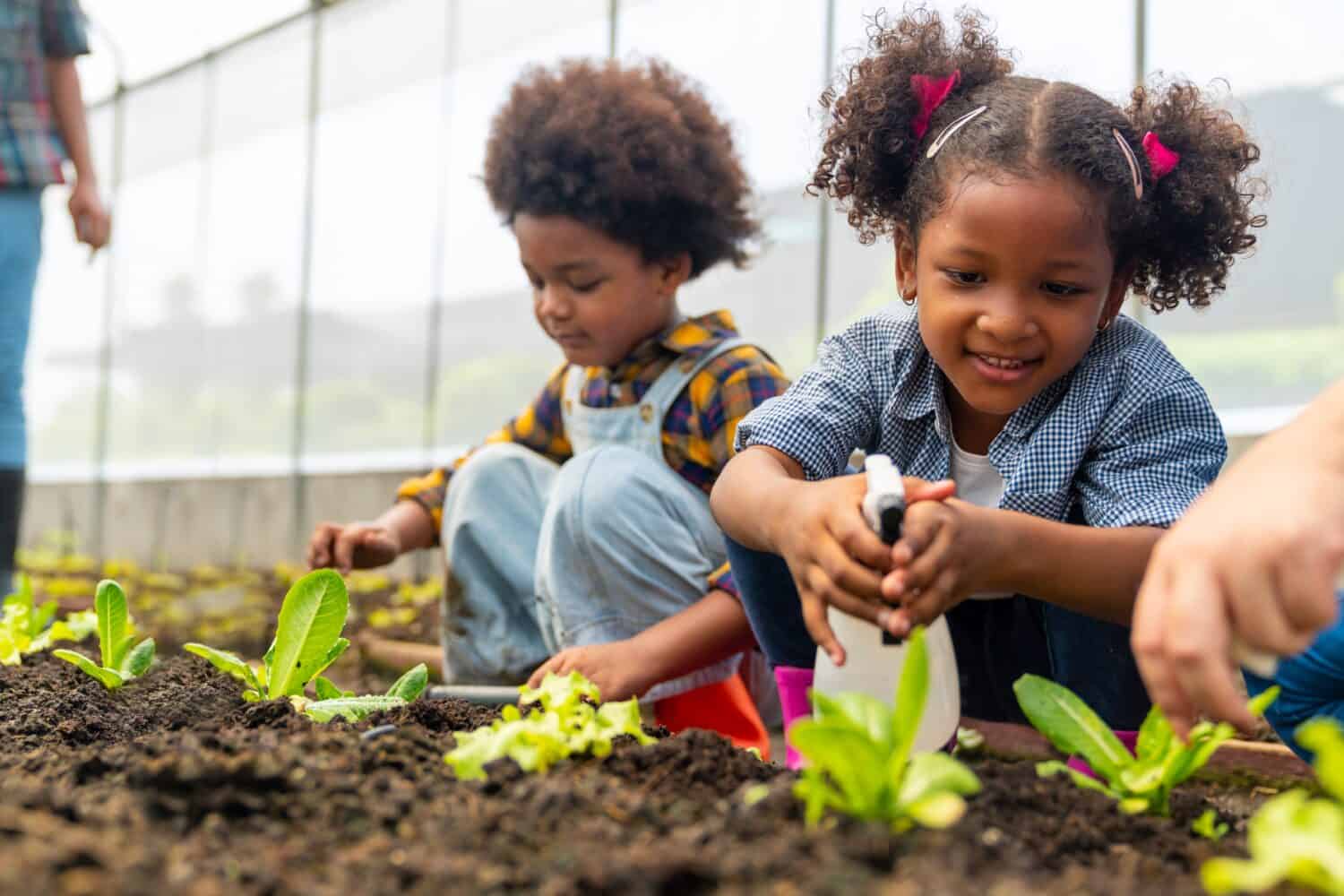
If you’re staying home for spring break, make it a hands-in-the-dirt way to mark the season changing.
©CandyRetriever/Shutterstock.com
You don’t need acreage or elaborate raised beds. A few containers on a porch, patio, or windowsill can feel completely transformative. Spring is about beginnings, and planting something together captures that energy perfectly.
Choose a mix of quick wins and longer-term growers:
- Herbs– basil, parsley, mint, chives
- Flowers– marigolds, zinnias, pansies
- Vegetables– lettuce, radishes, sugar snap peas
Let each child choose at least one plant that feels like ‘theirs.' That sense of ownership matters. When kids see something they planted begin to sprout, it builds patience, responsibility, and quiet pride.
Make It a Week-Long Experience
Instead of planting everything in one afternoon, stretch it across the week.
- Plan and Shop: Visit a local nursery or hardware store. Talk about sun vs. shade. Sketch a simple garden plan.
- Prep the Space: Clean pots. Fill containers with soil. Decide placement based on sunlight.
- Paint and Personalize: Paint terracotta pots in bright spring colors. Add patterns, names, or inspirational words. Seal them if you want them to last longer.
- Planting Day: Read seed packets together. Talk about spacing and depth. Gently water everything in.
- Create Plant Markers: Use popsicle sticks, painted rocks, or small wooden stakes. Write the plant name and the planting date. Add drawings for younger kids.
- Build the Care Plan: Create a simple watering schedule. Hang it on the fridge and assign days. Talk about how plants communicate by droopy leaves, dry soil, and bright new growth.
- Celebrate and Reflect: Have a picnic near your new garden. Talk about what you’re most excited to harvest. Take “before” photos so you can compare later.
Even a tiny porch garden can shift the rhythm of your week. Each morning becomes an excuse to step outside. Each new sprout becomes a small celebration. And weeks later, when you snip basil for pasta or pick the first lettuce leaves, you’ll remember that it started as a simple spring break project.
Be Tourists in Your Own City

Sometimes it just means looking at home with new eyes and giving yourself permission to explore.
©KAMPUS/Shutterstock.com
If you’re staying home for spring break, turn it into Tourist-in-Your-Own-Town Week. Search “hidden gems in your city,” make a short list, and approach your hometown the way visitors would, curious, open, and unhurried. When you shift your mindset, ordinary places start to feel like discoveries.
Start by choosing one or two spots you’ve always meant to visit but never have. Maybe it’s a small local museum tucked downtown, a historic house you’ve driven past for years, or a neighborhood known for beautiful old architecture. Walk slowly. Read the plaques. Ask questions. Let the kids lead part of the exploration.
Spend one day at a museum you’ve never explored. It doesn’t have to be huge or famous. Smaller museums often feel more intimate and manageable for families. Challenge everyone to pick one exhibit to learn about and share a fun fact at dinner that night.
Plan a morning at a botanical garden or arboretum. Spring is when everything begins to wake up, buds forming, early blooms pushing through the soil, bright green everywhere. Pack a picnic. Bring a sketchbook. Take photos of your favorite plants and try identifying them later.
And don’t forget the food. Choose a local bakery everyone raves about, but you’ve never tried. Go early. Order one item each and share bites around the table. Turn it into a rating system if you want: best pastry, best atmosphere, most likely to revisit.
When you approach your hometown like a visitor, you rediscover it. You slow down. You notice details. You realize there are layers of history and beauty you’ve been too busy to see.
Host a Family Talent Show or Play

Having a family play or talent show can be a wonderful way to use the week and create memories.
©aerogondo2/Shutterstock.com
Create a Family Play! Spend the first day brainstorming ideas together. Keep it light and funny, mystery in the backyard, a time-traveling family, a parody of everyday life, or whatever you like. Let everyone contribute at least one plot twist.
Over the next couple of days:
- Write a short script: 10–20 minutes is perfect.
- Assign roles: Actors, narrator, director, costume designer, and stage manager all need to be determined.
- Create costumes: Household items like bathrobes become royal capes, aluminum foil becomes armor, and sunglasses signal “spy mode.”
- Build simple props: Use cardboard boxes, markers, and painter’s tape to make the stage.
Keep rehearsals short and playful. The rehearsal process will likely become the best part: inside jokes, forgotten lines, last-minute rewrites, and bursts of laughter. Embrace the chaos. Perfection is not the goal; shared fun is.
By the end of the week, host opening night. Invite neighbors, grandparents, or friends to attend either in person or virtually. Print simple programs. Dim the lights. Play entrance music. Serve popcorn to make it feel official.
Or Host a Family Talent Show
If scripted theater feels like too much, switch to a spring break talent show instead. This works beautifully for mixed ages and personalities.
Encourage a wide range of “acts”:
- A short piano or guitar performance
- A magic trick routine
- A stand-up comedy set
- A dance performance
- A cooking demonstration (yes, even showing how to make the perfect grilled cheese counts)
- A pet trick showcase
Set up a performance schedule and allow time for rehearsals during the week. Create simple “backstage passes” or handmade tickets. Let one person serve as the host or emcee to introduce each act.
You can even add lighthearted awards at the end:
- Most Dramatic
- Best Costume
- Funniest Moment
- Most Creative
Spring break at home can easily drift into screen time and scattered days. A creative performance project gives the week shape and anticipation. Each day builds toward something. There’s collaboration, problem-solving, and plenty of laughter.
Turn Your Kitchen into a Science Lab

Make it a week filled with experiments, concoctions, and more!
©Yiistocking/Shutterstock.com
If you’re staying home for spring break, try some hands-on experiments, call it Science Week, and watch curiosity come alive. This is the perfect way to mix learning, laughter, and messy fun in a way that feels entirely different from schoolwork.
Start by gathering simple, safe materials you already have at home. Everyday pantry ingredients can become the foundation for memorable experiments. For younger kids, make it visual and tactile; slime, baking soda volcanoes, or fizzy vinegar reactions are always a hit. Older kids might enjoy rainbow density jars, simple circuits with batteries and LEDs, or DIY lava lamps.
Set the stage for exploration. Let the kids wear ‘lab coats,' which can be oversized button-down shirts, aprons, or even old t-shirts you don’t mind getting messy. Add goggles or fun safety glasses for dramatic effect. Label your ‘stations' and give each experiment its own space; this adds a sense of structure and excitement.
Spend the week trying a few different experiments, encouraging kids to make predictions before each one. Ask scientific questions! Capture the moments on camera, it’s fun to see their faces light up when predictions come true (or spectacularly fail). Don't forget to reflect at the end — you could even create a mini “lab journal” to continue documenting future experiments beyond spring break.
Science week turns ordinary household ingredients into magic. It’s messy, hands-on, and wonderfully playful, reminding everyone that curiosity is even better when it’s an adventure.
Dedicate a Week to Art
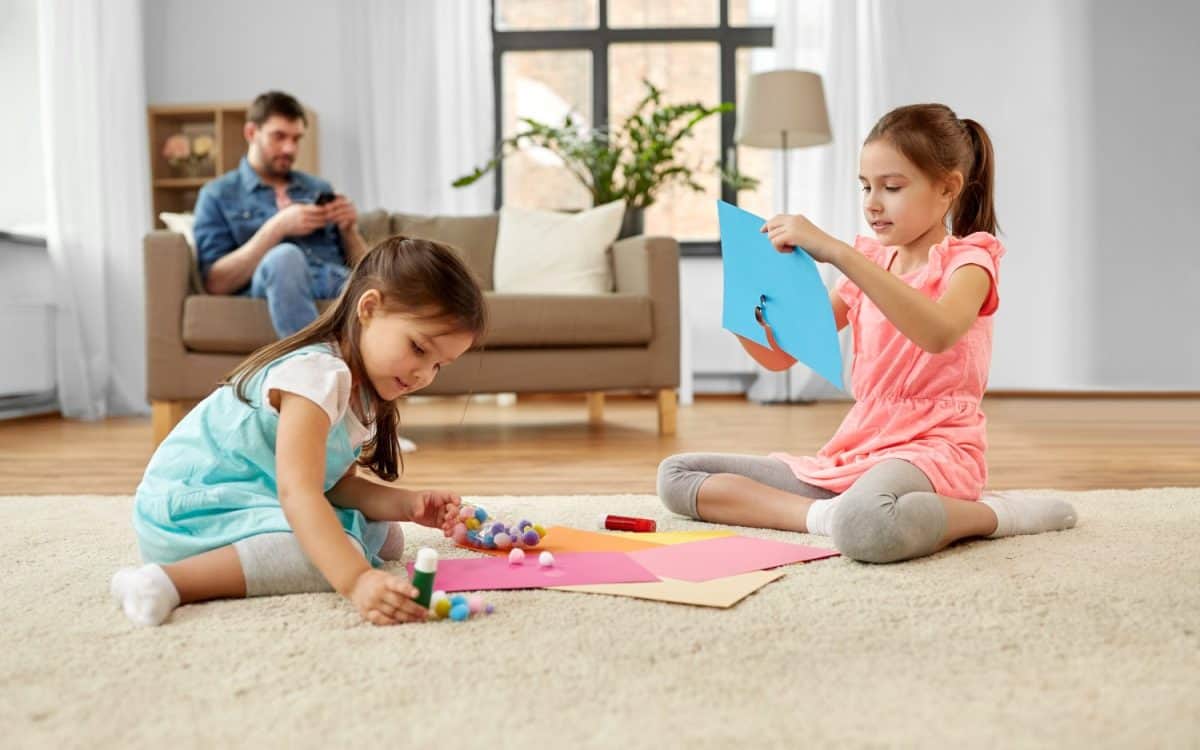
Spring break can be as simple as slowing down and seeing home differently.
©Ground Picture/Shutterstock.com
Art Week is a creative, hands-on way to explore different mediums while letting everyone express themselves. Each day, pick a new medium to experiment with to make the week feel fresh, playful, and full of surprises.
Suggested Daily Art Activities
- Watercolor Painting: Start with brushes, water, and watercolor paints. Experiment with blending, washes, and simple landscapes or abstract designs. Encourage everyone to try different techniques: wet-on-wet, salt textures, or layering colors.
- Collage from Old Magazines: Gather old magazines, scissors, glue, and paper. Create themed collages: a dream vacation, favorite animals, or an imaginative “family portrait.” This is perfect for kids to cut, paste, and arrange freely.
- Chalk Murals on the Driveway: Take the art outside! Use sidewalk chalk to make murals, hopscotch games, or large-scale designs. Let kids collaborate on big drawings or create their own individual pieces. Bonus: Take pics! Photography captures the art before rain or fading.
- Clay or Air-Dry Sculpture: Use modeling clay or air-dry clay to craft sculptures, figurines, or abstract shapes. Encourage imaginative creations, animals, fantasy creatures, or miniature gardens. Sculpting builds fine motor skills and patience.
- Simple Printmaking: Try printing with potatoes, leaves, or even cardboard shapes. Dip the objects in paint and press onto paper or fabric. Patterns, repeated designs, and textures make this both creative and experimental.
End-of-Week Family Art Show
At the end of the week, display the finished pieces gallery-style around your home. Invite neighbors, grandparents, or friends, either in person or virtually, to attend. Set up a simple “opening night” with snacks and music. Let each artist talk about their work, favorite medium, or the story behind their piece.
Slow Down with Nature Journaling

Sometimes the best adventures start at your front door. Spring break can be a mindset.
©Ground Picture/Shutterstock.com
For a calm and reflective spring break, dedicate a day (or a few) to Nature Journaling — an activity that encourages curiosity, mindfulness, and creativity while being fully unplugged. It’s perfect for slowing down and noticing the small wonders around you.
How to Structure Nature Journaling
- Choose Your Spot: Pick a local park, botanical garden, nature reserve, or even your backyard. Bring notebooks, pencils, colored pencils, or watercolors. Encourage kids to find a cozy spot where they can settle for 15–30 minutes at a time.
- Observe and Record: Start by asking everyone to quietly notice what’s around them.
- What birds or insects do you hear?
- How do the trees or flowers look today?
- Are there patterns in leaves, bark, or rocks?
- What shapes do the clouds make?
- Sketch and Write: Encourage a mix of drawing and writing. Kids can sketch a tree, leaf, flower, or bird and jot down notes, descriptive words, or short poems. This helps them practice observation skills and attention to detail.
- Collect or Press Natural Treasures: Where permitted, collect fallen leaves, acorns, or flowers. Use a simple flower press or sandwich flowers and leaves between pages of a heavy book to preserve them. Make sure to follow park rules; don’t pick live plants or disturb wildlife.
- Reflect and Share: After journaling, gather together to share sketches, observations, and discoveries.
- What surprised you today?
- What’s the most beautiful or interesting thing you noticed?
- How did it feel to slow down and watch carefully?
- Extend the Experience: Create a small nature journal binder or scrapbook from the collected sketches and pressed items. Use it as a springboard for future adventures or a keepsake of the week.
Daily Themes

Spring break doesn’t have to be extravagant to be meaningful.
©Pra Chid/Shutterstock.com
If committing to a full-week theme feels overwhelming, or you just want a little more flexibility, you can easily choose a daily theme for spring break instead. This approach gives the week structure and a sense of anticipation without locking you into a rigid schedule. Each day becomes its own mini-adventure, allowing variety while keeping things intentional.
Example Schedule
- Maker Monday: Pull out art supplies, start a DIY project, build something from recycled materials, or try a new craft from YouTube.
- Trail Tuesday: Visit a local park, try a new walking trail, or explore a nearby nature preserve you’ve never prioritized.
- Water Wednesday: Set up sprinklers, visit an indoor pool, wash the car together, or have an epic water balloon afternoon.
- Theater Thursday: Host a movie marathon with popcorn and printed “tickets,” or write and perform a short backyard play.
- Foodie Friday: Cook a new meal together, try homemade pizza night, or bake something elaborate just because you can.
Don’t Over-Schedule It
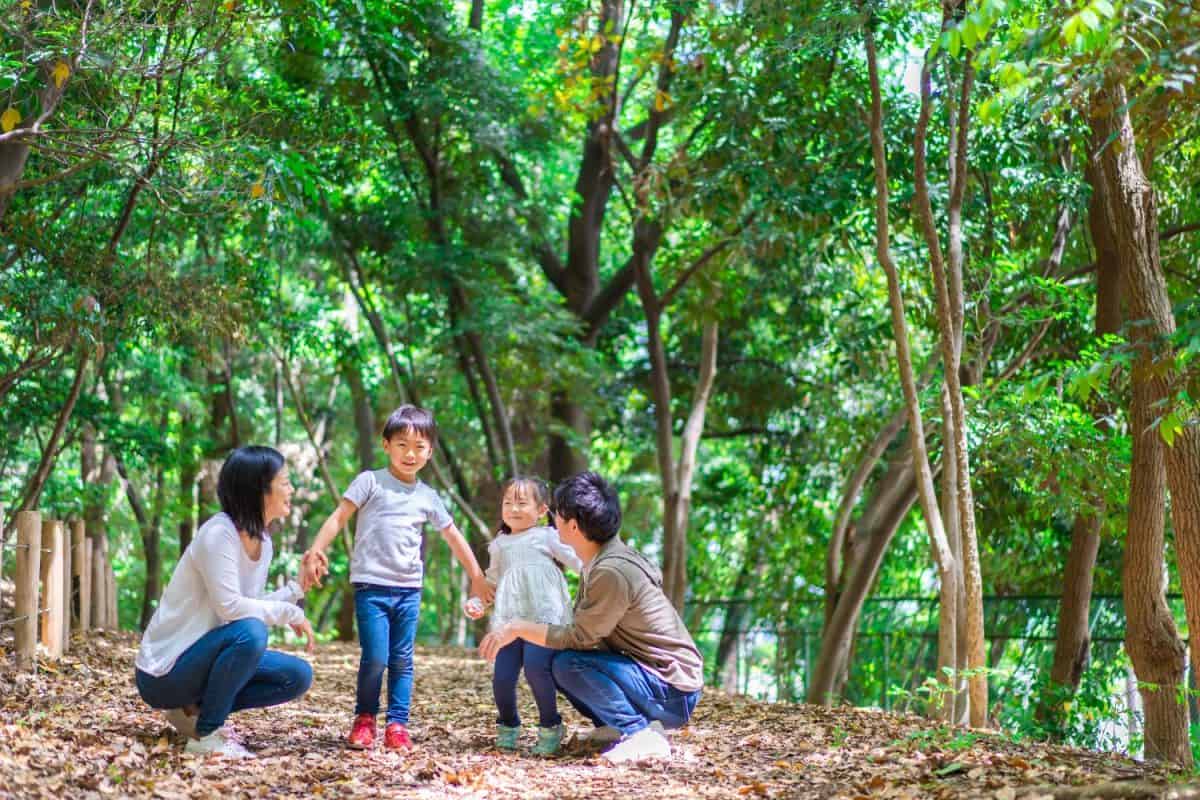
What if staying home isn’t settling — it’s savoring? You are choosing simple joy right where you are.
©maroke/Shutterstock.com
The goal isn’t to recreate a Pinterest-perfect experience. It’s to create moments of connection. Leave room for boredom, reading, spontaneous ice cream runs, and long conversations.
Spring break at home offers something travel sometimes doesn’t…ease. You can sleep in your own beds and change plans without penalty. You can repeat what works and skip what doesn’t.
At the beginning of the week, gather as a family and choose a handful of ideas together. Write them on a big piece of paper and hang it in the kitchen. Anticipation is part of the fun.
At the end of the week, reflect:
- What was your favorite day?
- What surprised you?
- What should we do again next year?
Because the truth is, kids don’t measure spring break by miles traveled. They measure it by moments felt. And sometimes, the most meaningful adventures happen right at home.
The image featured at the top of this post is ©dakota snider/Mammoth Lakes