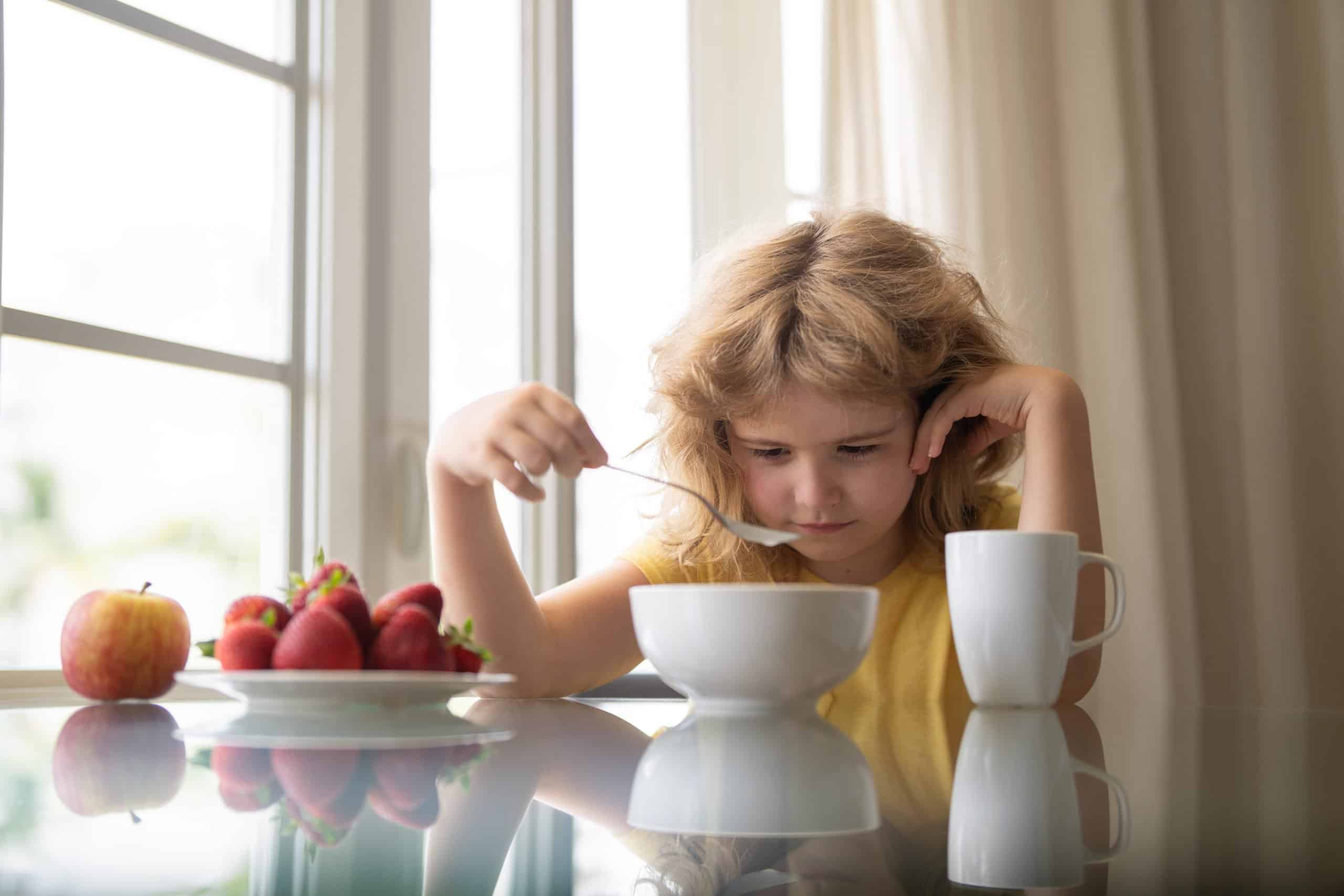
Have you ever opened your fridge for a snack and realized you had plenty of ingredients, but nothing to eat? If so, you may have an ingredient household. And if you have young kids, this may lead to them constantly complaining about there being nothing to eat, even though you just went to the store.
“Ingredient household” is a relatively new term that became popular due to social media. But as videos discussing it went viral, many realized that they grew up in this type of household, and now they're raising their kids in one, too.
While it's not necessarily a negative term, there are both pros and cons to living this way. In this article, we'll walk you through what it means to have an ingredient household and what to consider before you start making everything from scratch.
What Is an Ingredient Household?

©VH-studio/Shutterstock.com
If you're the parent of young children, you likely know what it's like for your little ones to ask for snacks all day long. The kind of parents who purchase ready-made food and snacks at the store may dole them out to their kids throughout the day. But other parents skip these types of snacks and keep their fridge stocked with ingredients instead. If you're the second type of parent, you have an ingredient household.
Simply put, an ingredient household is one where there are only ingredients to make food in the fridge and pantry, not any ready-made food or snacks. So while you may have all the ingredients to make, say, chocolate chip cookies, you won't find any Chips Ahoy or Oreos in the pantry. When your child asks for something to eat, you can't just toss them something you grab from the fridge — you have to make them something.
Where Did This Term Come From?
Like many things that we hear about online, most people are familiar with the term “ingredient household” due to a TikTok trend. In 2022, the term went viral when creators started posting videos describing two different households — one that had snacks, such as chips, fruit snacks, granola bars, etc., in the pantry. Another, which only had ingredients to make food.
Most of the users posting videos were reminiscing on their own childhood, where they claimed to grow up in an “ingredient household,” even though all they wanted was snacks. The TikTok trend popularized the phrase in 2022, but an Urban Dictionary entry from 2021 refers to an “ingredient house” as “a home that has no ready-to-eat foods or snacks, only the ingredients to make food.”
What Was It Like Growing Up in an Ingredient Household?
What's most interesting about this trend is that, according to those who never had any snacks in the house as kids, this didn't stop them from wanting to snack on something, or even creating snacks of their own. In the comment sections on TikTok, users swapped stories about the things they used to snack on throughout their childhood when there wasn't anything ready-made. One TikTok user listed everything from handfuls of shredded cheese to sprinkles.
If this trend showed us anything, it's that parents who choose to have ingredient households make this decision for a reason. Many of the videos were of creators who grew up in ingredient households joking about how they now also have an ingredient household as adults. Whether it's due to a desire to avoid ultra-processed foods or due to the cost of snacks, many are following in the footsteps of their parents and skipping the snacks at the store.

©Ekaterina Markelova/Shutterstock.com
Pros and Cons of Having an Ingredient Household
There are certainly different reasons why some families don't purchase snacks and other similar foods. Some pointed out on social media that it was related to their family's culture and what they were used to cooking and eating.
In many other cases, parents choose to purchase only ingredients to avoid buying unhealthy snacks that are popular with kids, such as fruit snacks, chips, candy, and other items. The main benefit of not purchasing these snacks is that you and your kids don't eat them, which not only prevents the family from consuming too much sodium, sugar, and other unhealthy ingredients but also can prevent poor health outcomes.
Kids generally don't need snacks as often as they may want you to believe. But, if you do have an ingredient household, it's a good idea to have some healthy foods that kids can snack on throughout the day. These foods, such as fruits and vegetables, are far better for your kids than processed snacks. However, the downside is that produce can be a lot more expensive than other food items, especially when your kids will consume an entire pound of strawberries in a day.
It's also important to note that having an ingredient household does make meals and snacks more time-consuming. If you have the time to make every meal from scratch, go for it! But if you don't, know that there's no shame in having some ready-made or frozen items in your home for the days when you don't have the time or energy to cook.
How to Make Your Kids Excited About Not Having Things Ready-Made
If your kids have grown up without snacks in the house, they may be used to it, but for the parents who have bought snacks in the past and want to eat healthier, it can be a challenge to get kids excited about the transition to an “ingredient household.” Here are some tips on how to involve your kids and help ease the transition without a fight.
Get Creative With What You Cook
Your kids likely already have a go-to lunch or dinner — whether it's mac n' cheese and chicken nuggets or grilled chicken and broccoli. If one of their go-to meals is something you typically pop in the microwave or oven, it can be exciting to show them that you can make their favorite food from scratch, too.
As far as many of the popular kids' snacks, you can usually make a version of them at home. Even though it takes longer than grabbing something from the pantry, you can show your kids that waiting for the homemade version is worth it. Some homemade snacks that are great for kids include fruit leather, yogurt bark, and muffin cups.

©PeopleImages.com – Yuri A/Shutterstock.com
Involve Them in the Process
One of the best parts about making things from scratch is that you can involve your kids in the process. Yes, I know it gets messy (and can even be frustrating at times!) However, this is such a fun experience for them and a great way to make memories.
Letting your kids help in the kitchen can also be an educational experience. From learning to measure ingredients to learning the difference between baking powder and baking soda, there are so many opportunities when you involve your kids in the cooking and baking process.
Make Shopping Fun
If you're going to have an ingredient household, you've got to find a way to make shopping for ingredients enjoyable. Sure, there are going to be times when you go to Costco or Sam's Club with your kids and have to walk past all the snacks. But there are other ways to make the experience fun for everyone.
When you're shopping for produce, try visiting a local farmer's market instead. Many outdoor farmers' markets have different stands where you can find fruits, vegetables, herbs, baked goods, and other items.
Remember, There's No Right or Wrong Way to Shop
When terms like “ingredient household” go viral online, it can lead to a lot of comparisons. All of a sudden, the mom whose pantry is stocked with Goldfish and Oreos may wonder, “Should I have an ingredient household as well?”
While we know that overly-processed snacks are not great for our kids' health, moderation is key. Some parents are stricter when it comes to what their kids eat, and other parents are okay with purchasing certain snacks simply because their kids like them or because it makes their lives easier.
How you feed your kids or what you cook for your family shouldn't be a competition. At the end of the day, what matters is that you're doing the best you can to keep your kids happy and healthy.
The image featured at the top of this post is ©Volodymyr TVERDOKHLIB/Shutterstock.com