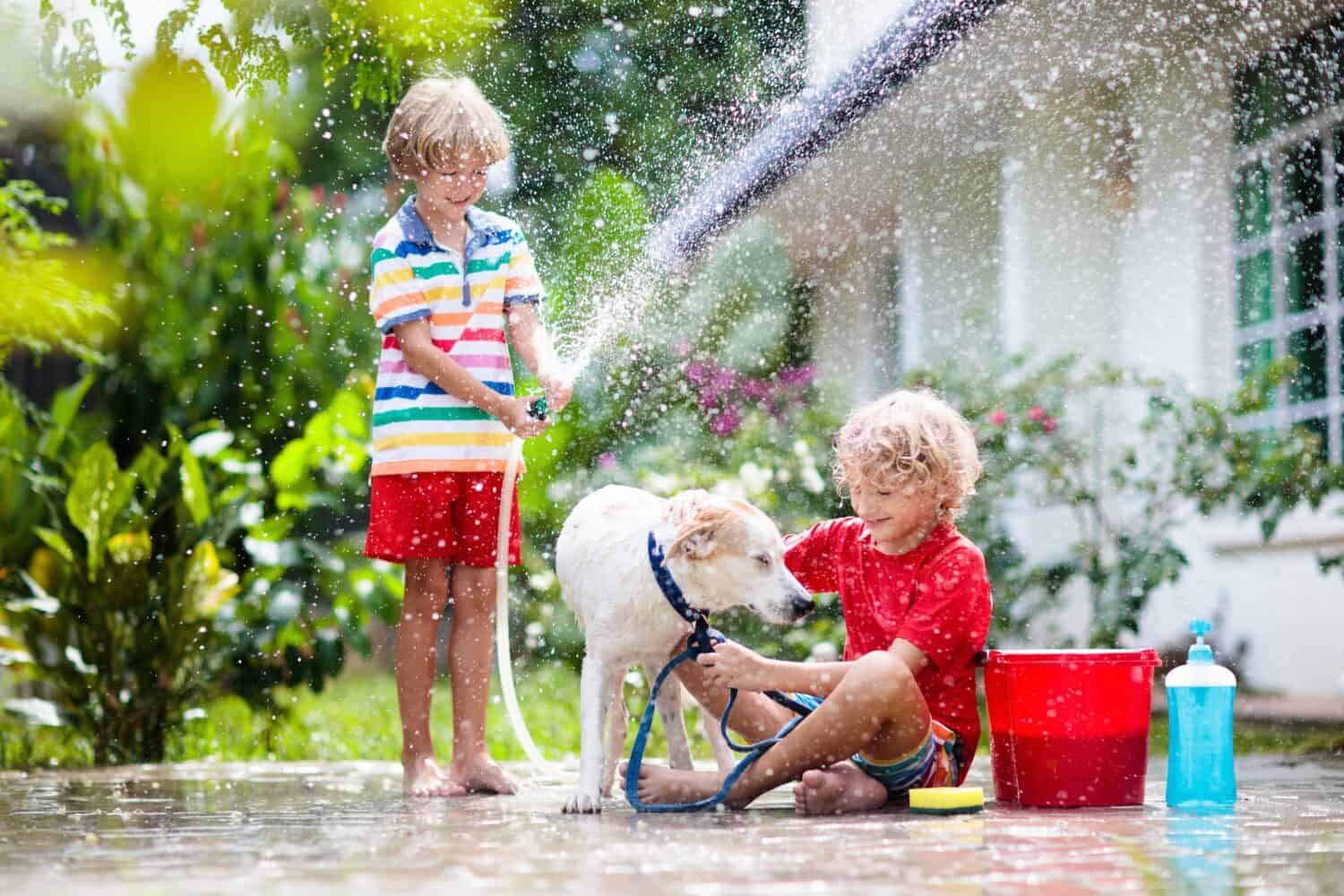
Bringing a pet into your home can be one of the most rewarding experiences for a family. But remember that it’s not only about cuddles and playtime. If you’ve ever heard your child passionately promise, “I’ll take care of it, I swear,” you already know how strong that desire can be.
Though daunting, with a bit of observation, honest assessment, and thoughtful preparation, you can make a confident decision and set both your child and your future pet up for success.
Understanding What “Ready” Really Means

Adding a pet to the family can be great, but it's also a big responsibility.
©PeopleImages/Shutterstock.com
Kids will often say that they’re ready for a pet when they’re imagining the fun parts, like playing fetch, naming their pet, or showing it off to friends. However, they forget about the daily routine, such as the feeding schedules, cleaning up messes, going to the vet, and the fact that animals don’t always behave the way we expect.
Just because they’re “ready” for a pet, it doesn’t mean they’ll suddenly become perfectly responsible overnight. Still, they may be able to understand that a pet is a living creature with needs and not a toy that can be set aside when they get bored.
For parents, readiness also includes your own willingness to step in. Even the most responsible child will need support, reminders, and backup. Ultimately, a bulk of the responsibility for the pet will fall on the adults in the household, so your decision ought to reflect that reality.
Signs Your Child May Be Ready for a Pet
Every child grows at their own pace, but several clear indicators can help you gauge whether your family is fully ready for a pet.
One of them is that your kids are already good at doing their chores. If your child already has chores, whether it’s making their bed, helping with dishes, or keeping their room tidy, pay attention to how reliably they follow through. A child who needs constant reminders could struggle with the added responsibility of caring for a pet.
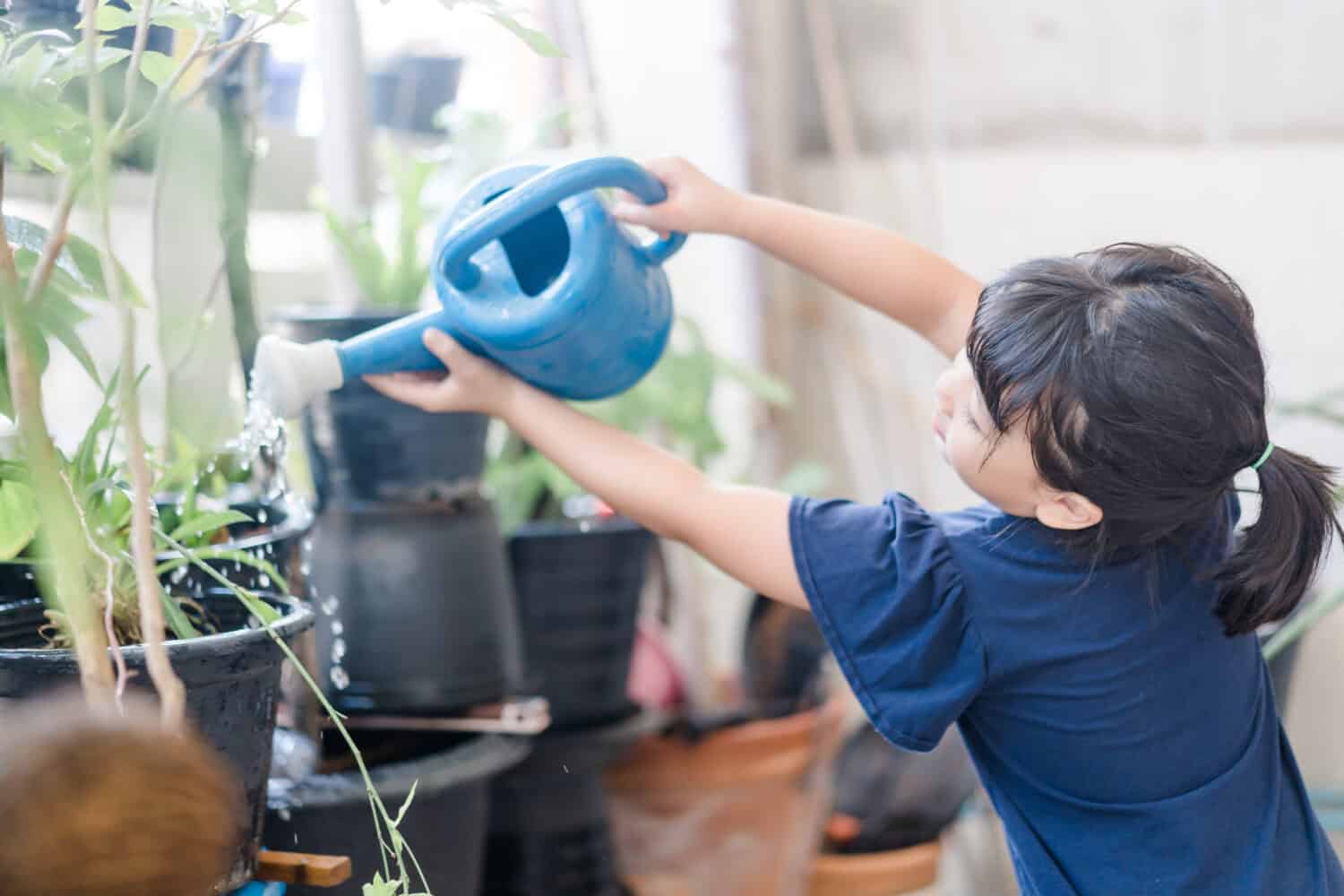
If your child already stays on top of their chores, they may be ready to care for a pet.
©MIA Studio/Shutterstock.com
Another important factor is empathy. How do your kids react when a friend, brother, or sister is hurt or upset? That will be a big indicator. Empathy plays a huge role in responsible pet ownership, especially in recognizing when an animal is scared, tired, or unwell.
Ensure It's Not A Passing Phase
Interest level matters too. This can’t be just a passing phase. Has your child been asking for a pet for a while now, or did the idea just come up after seeing a cat on the sidewalk? Lasting interest suggests a deeper desire rather than a passing impulse.
Age may also be a factor. Younger children can certainly help care for a pet, but they’ll need more supervision. Older kids and preteens are typically better with more complex responsibilities, like feeding schedules or basic training routines.
Finally, consider how your child responds to feedback. Pets require patience, and mistakes will happen. Things like missed feedings, spilled water bowls, or confusion about handling will become a reality. If your kids can accept guidance without becoming overly frustrated or defensive, then they may adapt more easily.
The Role of the Parent: A Reality Check
Before saying yes, it’s worth pausing for an honest self-assessment. Even if your child appears ready for a pet, are you prepared to do your part as well?
Pets require time, money, and attention. Veterinary care, food, grooming, training, and supplies can and will add up quickly. There’s also the daily commitment, such as feeding, exercise, and cleaning. If your child loses interest (which can happen), the responsibility won’t disappear. You’ll have to do those things instead.
That doesn’t mean you can’t get a pet. It just means the decision should be made as a family, and that it should not be your child's responsibility alone.
Matching the Right Pet to Your Family
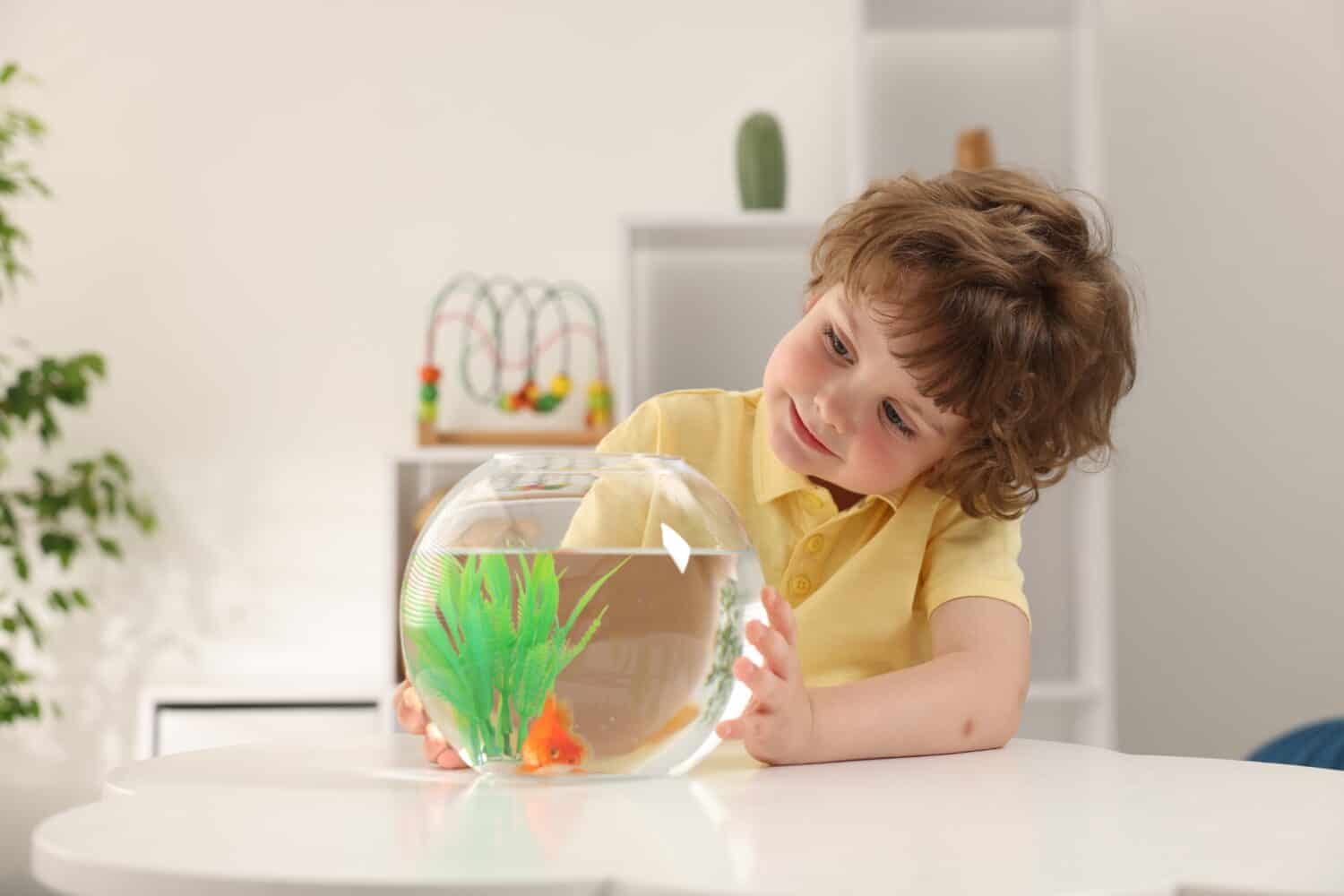
A goldfish is a nice starter pet for a child, but keep in mind that even a small fish needs maintenance and a proper living environment.
©New Africa/Shutterstock.com
Not all pets are created equal when it comes to care. Part of knowing if you’re ready for a pet involves choosing a furry friend that fits with your child’s age, temperament, and your family’s lifestyle.
For younger children or first-time pet owners, starting small is smart. Fish, hamsters, or guinea pigs typically require less intensive care than dogs. However, they still need regular attention and proper handling. These pets can help children learn routines and responsibility in a manageable way.
Dogs and cats require more time and emotional investment. Dogs, in particular, need training, exercise, and consistent interaction.
You also need to think about your home environment. Do you have space for a larger animal? Do you or your kids have allergies? Is your schedule flexible enough? These considerations are just as important as your child’s readiness.
How to Prepare Your Child Before Bringing a Pet Home
Preparation is where many families either set themselves up for success or unintentionally create challenges. The more you can do before the pet arrives, the smoother the transition will be.
Gradual Responsibility
One of the most effective strategies is to introduce responsibility gradually. If your child doesn’t already have daily chores, now is the time to start. Assign tasks that mimic pet care responsibilities, such as feeding a plant, keeping a schedule, or helping with household routines. This builds habits that will transfer naturally once a pet is involved.
Hands-On Experience
Another helpful method is hands-on experience. Spend time around animals whenever possible. Visit friends or relatives who have pets and let your child observe (and participate in) their care routines.
Education is Key
Talk openly about what a pet needs to stay healthy and happy. Discuss feeding, grooming, exercise, and anything else you feel may be involved. Have your kid sit next to you when you research different types of pets, helping them understand the differences and what each one requires.
Making clear expectations is important. You’ll want to establish specific responsibilities that your child will need to do every day or every week. For example, they might be in charge of feeding the pet every morning or helping clean its cage twice a week. Just make sure these expectations are realistic and age-appropriate.
Creating a Transition Plan
When you do decide that you’re ready for a pet, having a plan in place can make all the difference. The first few weeks are a critical adjustment period for both the pet and your family.
Start by setting routines right away. Feeding times, walks, and playtime should happen at about the same time each day. This helps your child understand that it’s part of the daily routine.
Supervision is especially important in the beginning. Even if your child is excited and keen to help, they may need guidance on how to interact with the pet safely and respectfully. This includes learning how to approach, handle, and recognize signs that the animal needs space.
Always React Appropriately
Positive reinforcement can go a long way in encouraging responsibility. When your kid does their chores, commend the effort. You don’t have to go crazy. A simple “good job” or pat on the back will do wonders.
At the same time, remember that your kids aren’t perfect. Missed tasks or periods of frustration will be involved. Instead of reacting with anger or harsh words, use these occasions as opportunities to teach. The goal isn’t perfection. Its growth. If you stick with it, the process will work.
Teaching Long-Term Responsibility
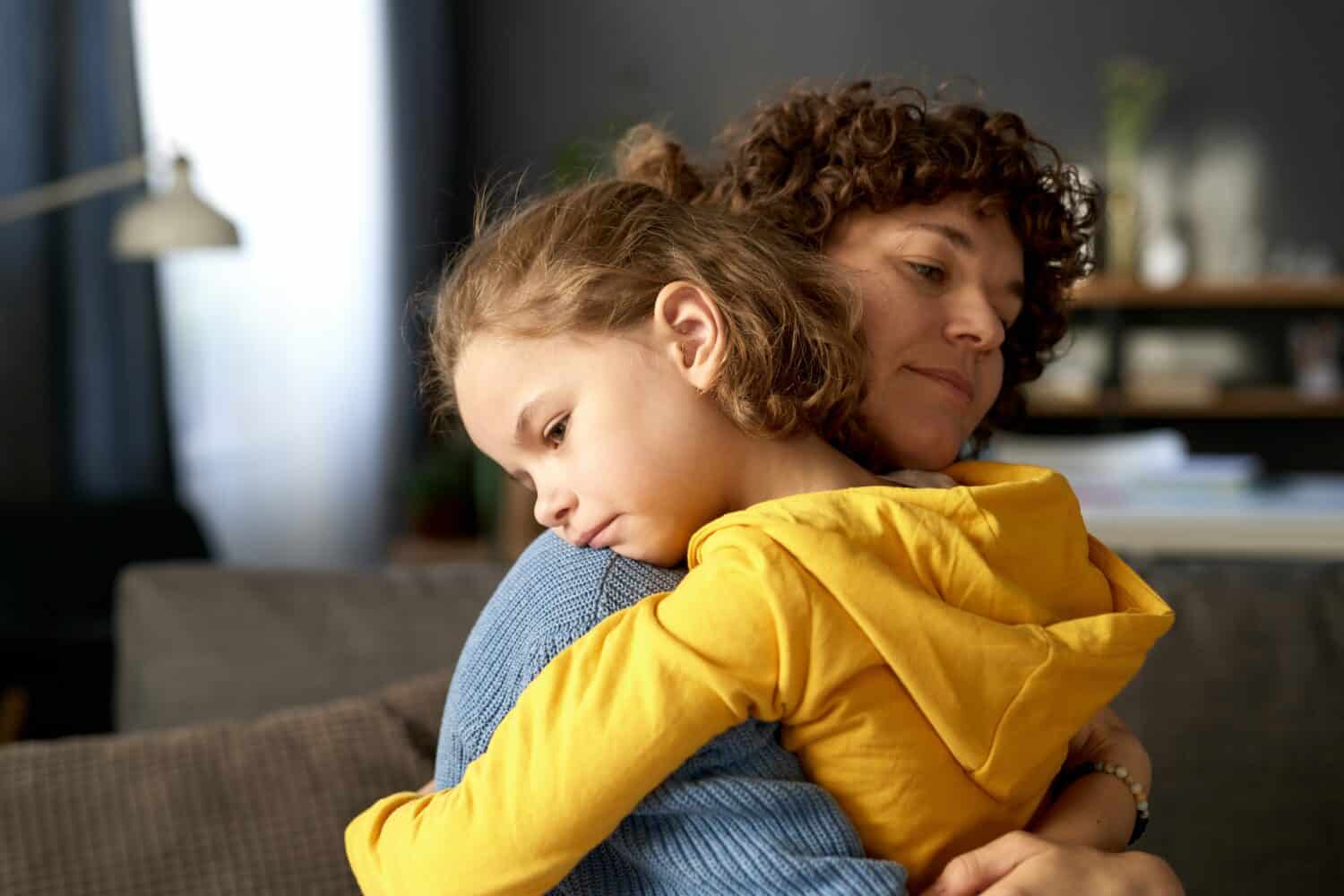
Perhaps the most important consideration you can make is whether you're ready for the inevitable moment when your pet passes away.
©Media_Photos/Shutterstock.com
One of the most valuable aspects of having a pet is the life lessons it provides. Caring for an animal teaches children about commitment, empathy, and the importance of meeting another being’s needs.
Over time, give your kids more responsibilities. As they display consistency and understanding, they can take on more complex tasks, such as helping with grooming or participating in training.
It’s also important to have ongoing conversations about the pet’s well-being. Encourage your child to notice changes in behavior, appetite, or energy levels. This helps them develop awareness and reinforces the idea that caring for a pet is an active, ongoing process.
Perhaps most importantly, a pet can teach children about the full cycle of life, including aging and loss. While these moments are difficult, they offer meaningful opportunities for growth and understanding. A key to knowing if you’re ready for a pet is understanding yourself and how you’ll react when the pet eventually passes away.
When the Answer Is “Not Yet”
Sometimes, after careful thought, it may be clear that your kid isn’t ready for a pet, and that’s fine. Saying “not yet” doesn’t mean saying “never.” In fact, it can be an opportunity to establish clear goals and work toward readiness.
If you do wait, explain the reason in a way your child can understand. Focus on what your kids need to work on and how they can show they’re ready in the future. This approach turns discouragement into motivation and gives your child a definite path forward.
A Decision That Shapes Your Family
Bringing a pet into your home isn’t just something nice to do for your child. The decision affects your entire family. When approached thoughtfully, it can build bonds, teach valuable life skills, and produce lasting memories. Take the time to assess your child’s capabilities, involve them in the process, and support them along the way. That way, you’re doing more than just getting a pet. You’re helping your child grow into a more responsible and compassionate person.
The image featured at the top of this post is ©FamVeld/Shutterstock.com