
Buying a first home feels harder than ever for many families. Between high home prices, elevated mortgage rates, and the cost of everyday life, the idea of finding an affordable starter home can feel almost impossible in much of the country.
But homeownership has not disappeared everywhere. Some U.S. cities still offer first-time buyers a better shot at finding a reasonably priced house without stretching their budget to the breaking point. These places may not have the name recognition of the country’s biggest housing markets, but they stand out for giving new buyers something increasingly rare: a realistic path into their first home.
Buying a First Home Is Getting Harder

Rising home prices and mortgage rates have made buying a home more difficult for many families, especially those trying to purchase for the first time. A buyer who could once afford a modest home may now face a much higher monthly payment, even when the list price has not changed dramatically. Add in property taxes, insurance, repairs, moving costs, and the need for a down payment, and the financial barrier can feel overwhelming. For young families, single parents, and households still building savings, the first home often has to be practical before it can be perfect. That means affordability depends on more than the price tag. It also depends on whether the local market gives buyers enough options to compare, negotiate, and choose a house that fits their long-term budget.
Still, some cities across the country remain more affordable for people hoping to purchase their first house. These markets may not be immune to national housing pressures, but they often start from a lower price point than major metros where bidding wars and limited inventory dominate the conversation. In more affordable cities, first-time buyers may be able to find smaller single-family homes, older properties with renovation potential, or neighborhoods where mortgage payments are closer to local wages. For families who are flexible about location, these places can offer a better chance to enter the market, build equity, and avoid the stress of buying more house than they can comfortably afford.
Some Cities Still Offer Affordable Starter Homes
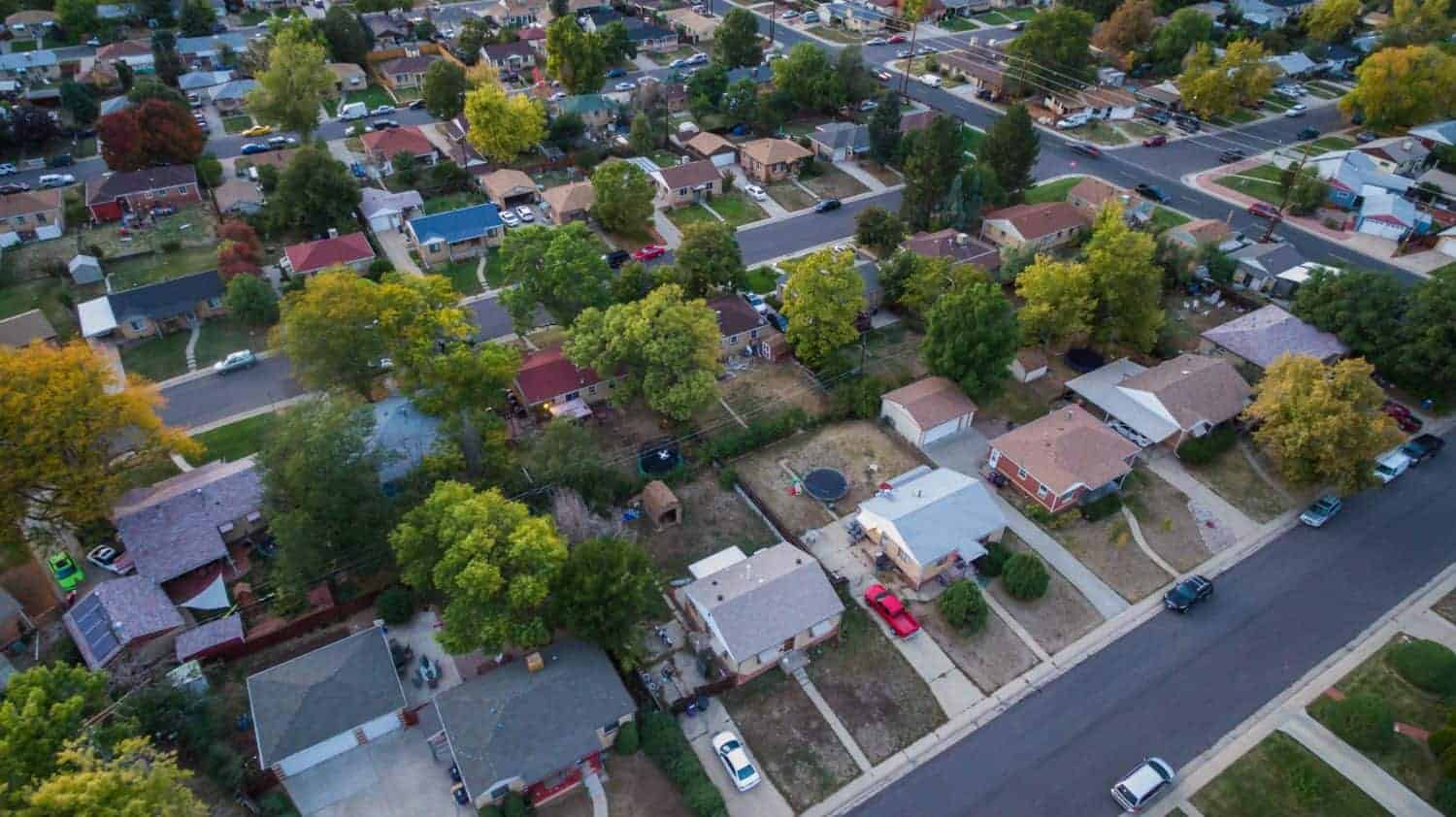
Researchers looked at affordability, housing availability, and local economic conditions to identify cities where first-time homebuyers may still find reasonably priced houses. Affordability matters most, but it is not the only thing that makes a market realistic for new buyers. A city also needs enough available homes for buyers to have choices, along with local employment, services, and community stability that make ownership practical after the purchase. A low median listing price can be appealing, but families also have to think about repair costs, neighborhood conditions, commute times, schools, taxes, and whether the area supports the lifestyle they want. The best starter-home markets are usually places where the numbers work without forcing buyers to give up every other priority.
These cities show that affordable housing has not vanished completely. In many cases, they are older industrial cities, state capitals, inner-ring suburbs, or regional hubs where home prices remain lower than in the most competitive markets. Some have experienced population shifts or slower growth, while others offer a mix of historic housing stock and more modestly priced neighborhoods. For first-time buyers, that can create an opening. These markets may not be right for everyone, and buyers should always research local conditions carefully, but they demonstrate that the first step into homeownership is still possible in parts of the United States.
Rochester, New York
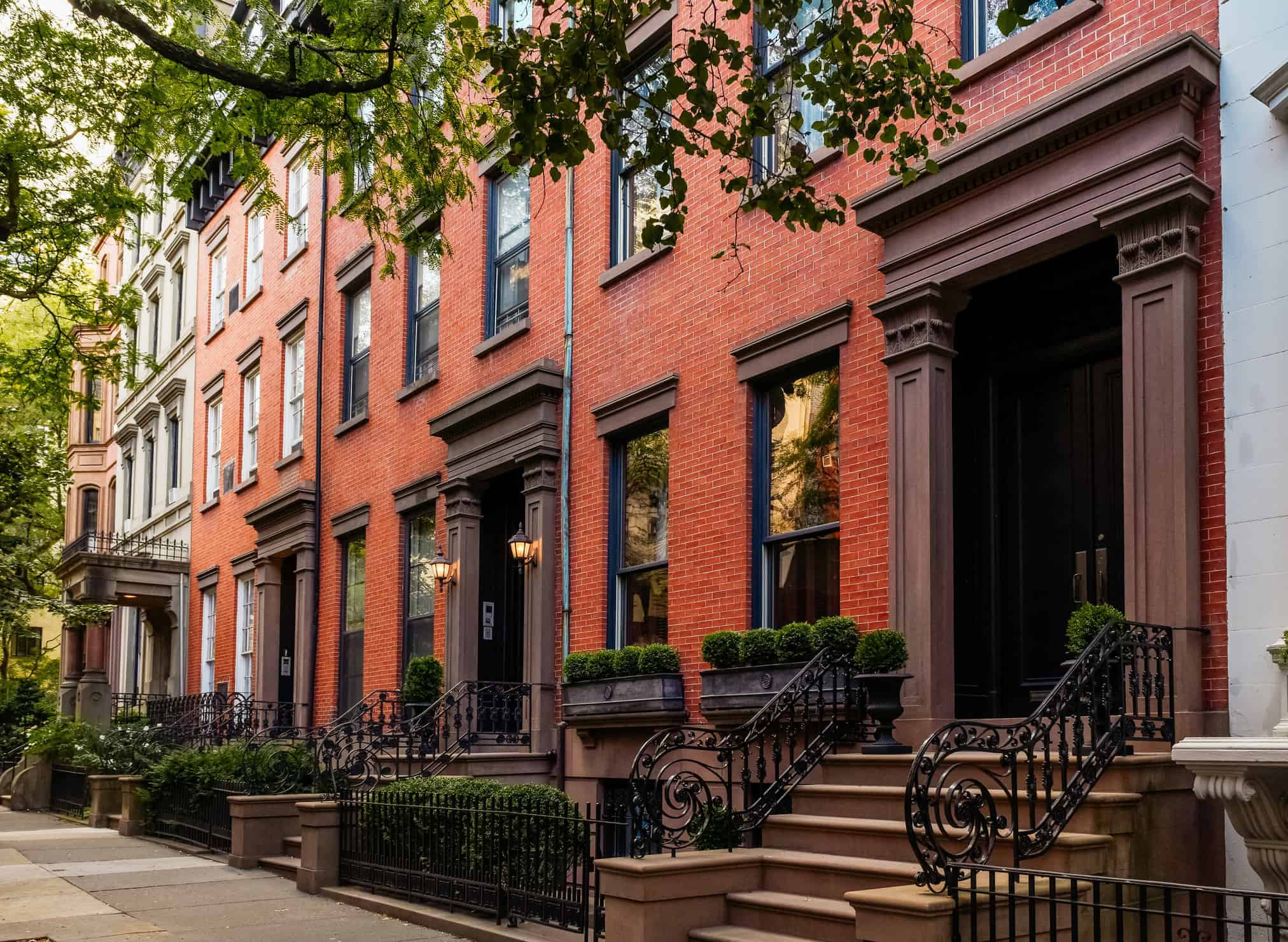
In Rochester, New York, the median listing price for homes is about $139,900, making it one of the more affordable options for first-time buyers on this list. For families trying to purchase their first home, that price point can make a major difference because it may translate into a smaller down payment, a more manageable mortgage, and less pressure to compete for properties far above budget. Rochester also has the advantage of being a real regional city rather than a remote bargain market. It has universities, hospitals, cultural institutions, older neighborhoods, and access to the broader Finger Lakes and western New York region. That mix can appeal to buyers who want affordability without feeling completely disconnected from jobs, services, and amenities.
Like many older northeastern cities, Rochester has a wide range of housing conditions from neighborhood to neighborhood, so first-time buyers need to look closely at taxes, maintenance needs, and local market trends. But compared with expensive coastal metros, the lower listing prices can give buyers room to consider homes that would be out of reach elsewhere. For a family hoping to stop renting, build equity, or find a modest home with a workable monthly payment, Rochester may offer a more attainable path. It is the kind of market where careful research and realistic expectations can still uncover starter homes that fit a first-time buyer’s budget.
Harrisburg, Pennsylvania
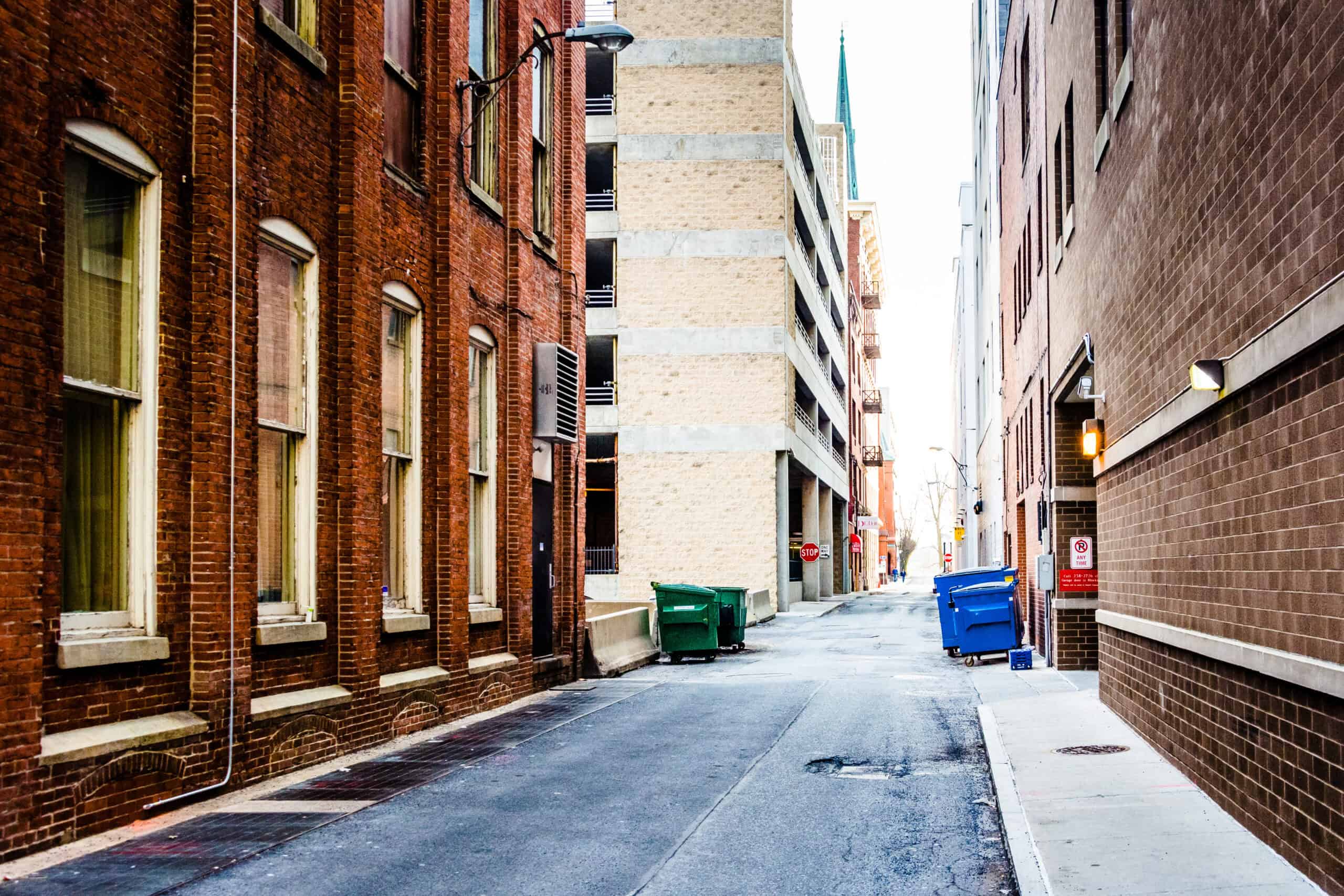
In Harrisburg, Pennsylvania, the median listing price for homes is about $151,999. For first-time buyers, that puts the Pennsylvania capital in a very different affordability category from many of the country’s larger housing markets. Harrisburg offers the practical advantages of a state capital, including government employment, regional healthcare, nearby colleges, and access to central Pennsylvania communities. It is also close enough to larger East Coast job centers to feel connected, while still maintaining a much lower housing cost than places like Philadelphia, Washington, D.C., or New York. For families who want a city with history, services, and a manageable scale, Harrisburg can stand out as a more realistic starting point.
The lower median listing price does not mean every home will be move-in ready or that every neighborhood will fit every buyer. First-time buyers still need to factor in property taxes, inspection issues, renovation costs, and commute patterns. But the market can offer something many families are struggling to find: a chance to buy without taking on a mortgage that overwhelms the rest of the household budget. In a period when starter homes have become scarce in many regions, Harrisburg’s relative affordability gives buyers more room to compare options and make a careful decision instead of rushing into the only property they can barely afford.
Granite City, Illinois
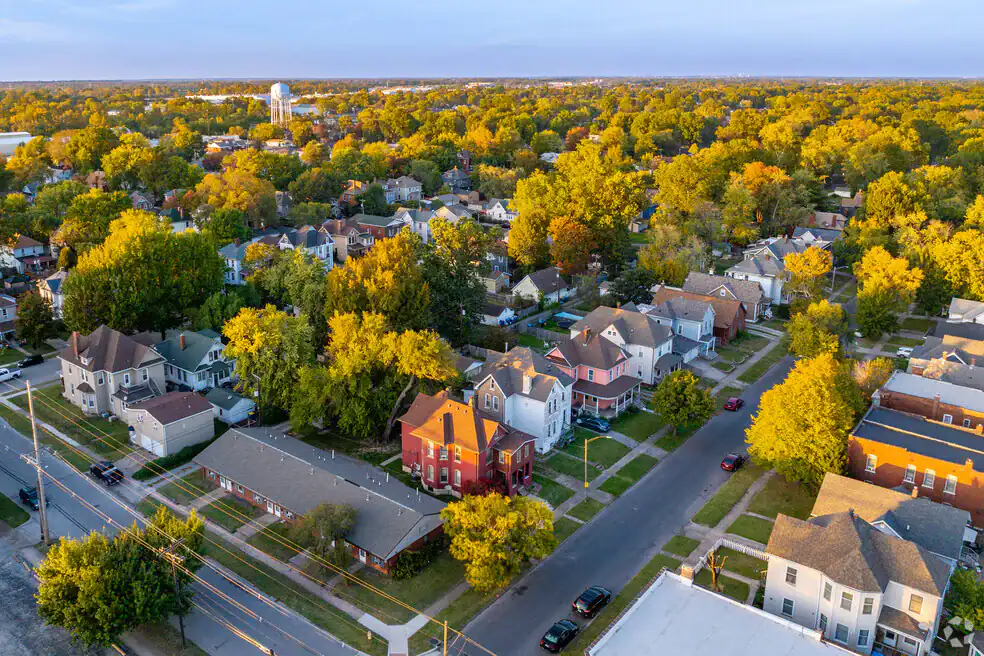
In Granite City, Illinois, the median listing price for homes is about $119,000, which makes it one of the lowest-priced markets included here. For first-time buyers, that kind of price point can be especially important because the first purchase often comes with limited savings, student loans, childcare costs, or other financial pressure. Granite City sits in the Metro East area near St. Louis, giving residents access to a larger regional economy while offering home prices that can be far lower than many suburban and urban markets. For buyers willing to consider an older industrial community, the city may provide a more affordable way to enter homeownership while staying within reach of jobs, shopping, healthcare, and transportation options.
As with any lower-cost market, affordability should be weighed against local conditions. Buyers will want to research specific neighborhoods, school options, flood or insurance concerns, home age, and the cost of needed repairs. But the low median listing price can make a meaningful difference for families who simply cannot compete in higher-priced housing markets. Granite City may appeal to buyers who prioritize monthly affordability and are comfortable looking carefully at older housing stock. For households trying to move from renting to owning, the city shows that starter homes still exist in some parts of the Midwest, especially for buyers who are flexible about location and patient during the search.
Birmingham, Alabama

In Birmingham, Alabama, the median listing price for homes is about $148,950. That makes the city a notable option for first-time buyers looking for a larger metro area where homeownership may still be within reach. Birmingham has a long history as an industrial and medical center, and today the region includes healthcare, education, banking, logistics, and service-sector jobs. For families who want the benefits of a city but cannot afford the prices common in many fast-growing Southern markets, Birmingham can offer a more accessible entry point. Its neighborhoods vary widely, but that range can also create opportunities for buyers who are willing to compare areas carefully and think about long-term value.
First-time buyers in Birmingham should look beyond the listing price and consider commute times, school zones, property taxes, insurance, and the condition of older homes. Still, the relatively low median price can give buyers more flexibility than they might find in places where even a small starter home costs several times more. Birmingham may be especially appealing to families who want urban amenities, a regional job base, and a housing market that still includes modestly priced homes. For buyers priced out of larger cities, it is a reminder that some metros still offer a path to ownership without requiring a luxury-level budget.
North Little Rock, Arkansas
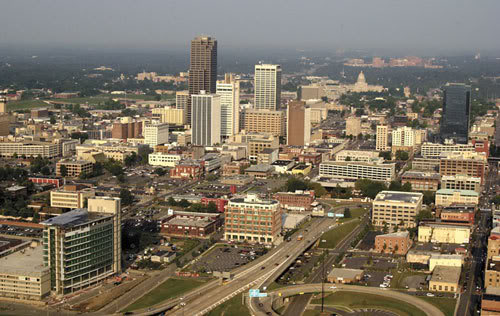
In North Little Rock, Arkansas, the median listing price for homes is about $170,000. For first-time buyers, that can put homeownership closer to reach than in many parts of the country where starter homes have become increasingly expensive. Located across the Arkansas River from Little Rock, the city gives residents access to the broader capital-region economy while maintaining its own neighborhoods, parks, local businesses, and housing options. Buyers who want to stay near jobs and services in central Arkansas may find North Little Rock appealing because it offers a balance of affordability and convenience. That can matter a great deal for families trying to keep housing costs predictable while still staying connected to work, school, and everyday needs.
The market is not one-size-fits-all, so first-time buyers should compare neighborhoods carefully and consider home condition, insurance, transportation, and future maintenance. But the median listing price suggests that buyers may still find homes that are more realistic than what is available in many larger or faster-growing markets. North Little Rock may be a good fit for households that want a practical first home rather than a dream-home price tag. For buyers who are prepared to research the area and make smart tradeoffs, it offers another example of a city where the first step into ownership has not been completely priced out.
Syracuse, New York
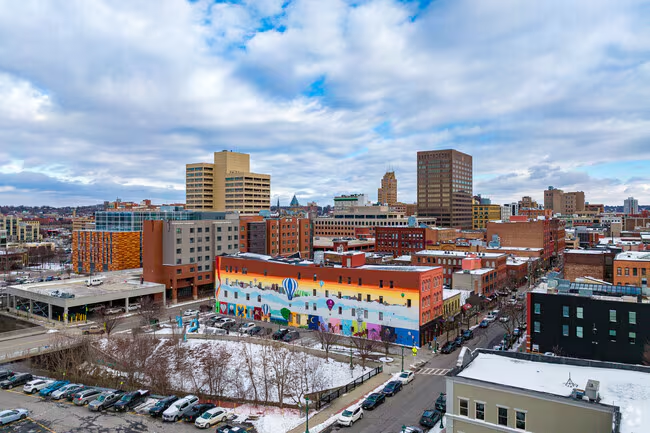
In Syracuse, New York, the median listing price for homes is about $169,900. That price point can make the city stand out for first-time buyers who want affordability while still living in a regional hub. Syracuse is home to major institutions, including universities, hospitals, and employers that support the central New York economy. It also offers access to parks, older neighborhoods, and a relatively compact urban area. For families who are used to seeing starter homes listed far above their budget, Syracuse may provide a more realistic set of options. The city’s lower housing costs can help buyers focus on finding the right fit instead of stretching every dollar just to compete.
As in many older cities, buyers need to pay attention to property condition, heating costs, taxes, and neighborhood differences. A low listing price can be attractive, but the real cost of ownership includes repairs, utilities, insurance, and long-term upkeep. Even so, Syracuse remains an example of a market where first-time buyers may find a workable path into homeownership. For families who want a city with schools, healthcare, culture, and regional employment without the extreme prices of larger metros, Syracuse can be worth a closer look. Its affordability gives cautious buyers a chance to compare homes and make a decision based on more than desperation.
Baltimore, Maryland

In Baltimore, Maryland, the median listing price for homes is about $223,900. That is higher than some of the other cities on this list, but it remains relatively affordable compared with many major East Coast markets. Baltimore’s location is one of its biggest advantages for buyers who want access to jobs, healthcare, education, and transportation in a large metro region. The city has historic row houses, established neighborhoods, waterfront areas, and connections to the broader Washington-Baltimore corridor. For first-time buyers who are priced out of nearby suburbs or larger coastal cities, Baltimore may still offer opportunities to purchase a home at a more approachable price point.
Affordability in Baltimore varies dramatically by neighborhood, and first-time buyers should research safety, schools, taxes, insurance, renovation costs, and commuting needs before making a decision. Some homes may require significant repairs, while others may be in competitive areas where prices climb quickly. Still, the city’s range of housing stock gives buyers more possibilities than many markets where starter homes are almost nonexistent. For families who want urban amenities and regional access without paying the highest East Coast prices, Baltimore can offer a practical path into ownership. The key is careful research and a realistic understanding of both the opportunities and tradeoffs.
St. Louis Park, Minnesota
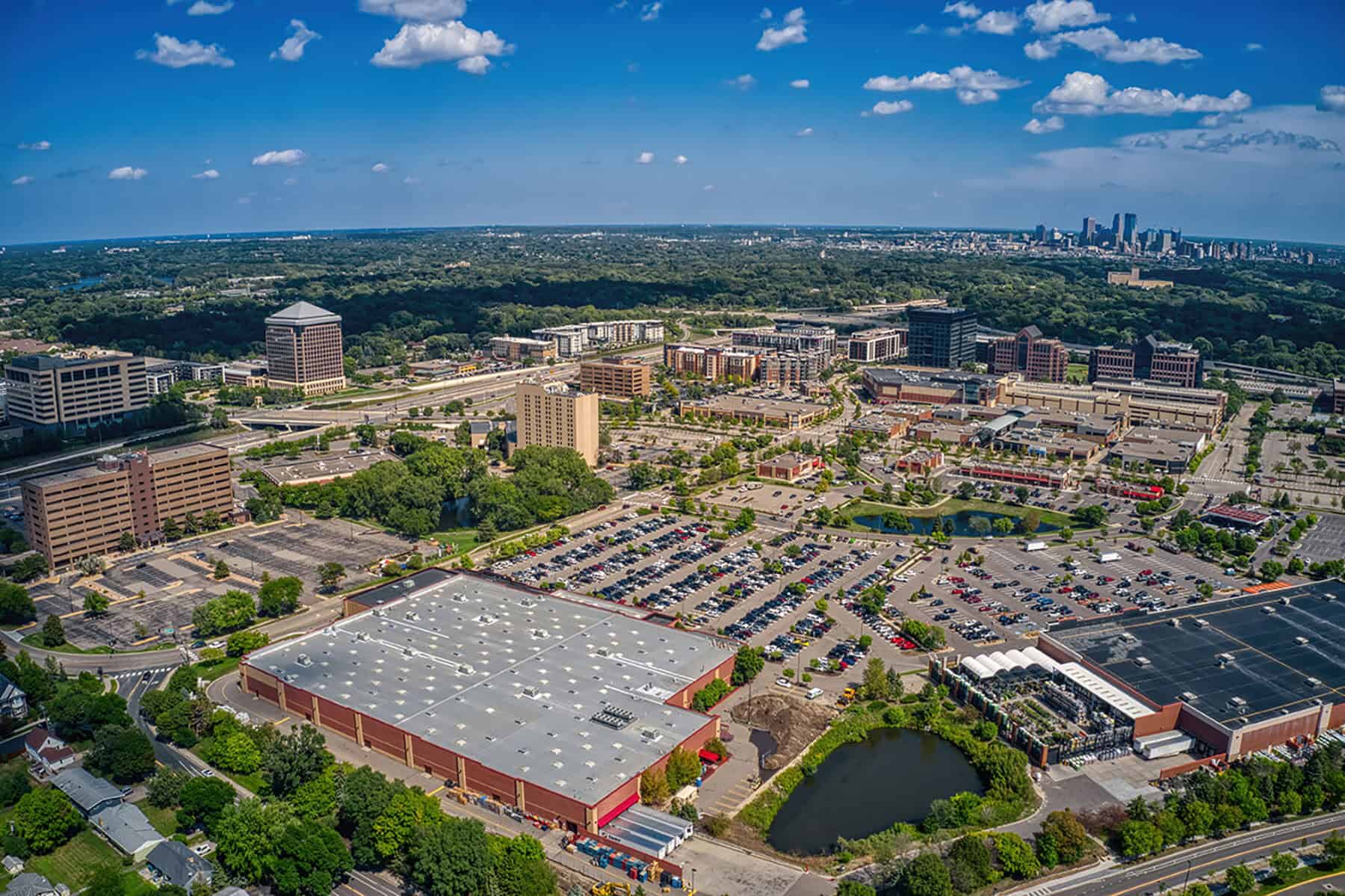
In St. Louis Park, Minnesota, the median listing price for homes is about $375,000, making it the most expensive city on this list by a wide margin. Even so, it may still be considered attainable compared with other desirable, close-in suburbs near major job centers. Located just west of Minneapolis, St. Louis Park offers proximity to employment, parks, shopping, schools, and regional amenities. For first-time buyers who want a suburban feel without being far from the city, that location can be a major advantage. The higher price reflects demand, but it may still compare favorably with many other inner-ring suburbs in large metro areas where homes can cost much more.
Because the median listing price is higher, buyers in St. Louis Park need to be especially careful about monthly payments, taxes, insurance, and long-term affordability. It may not be the easiest market for every first-time buyer, but it can still represent a realistic option for households with stronger incomes or savings who want to stay close to Minneapolis. The city’s appeal comes from balancing access and livability, not simply from having the lowest prices. For buyers who can afford the entry point, St. Louis Park may offer a first home in a well-connected community with long-term value and everyday convenience.
Pittsburgh, Pennsylvania
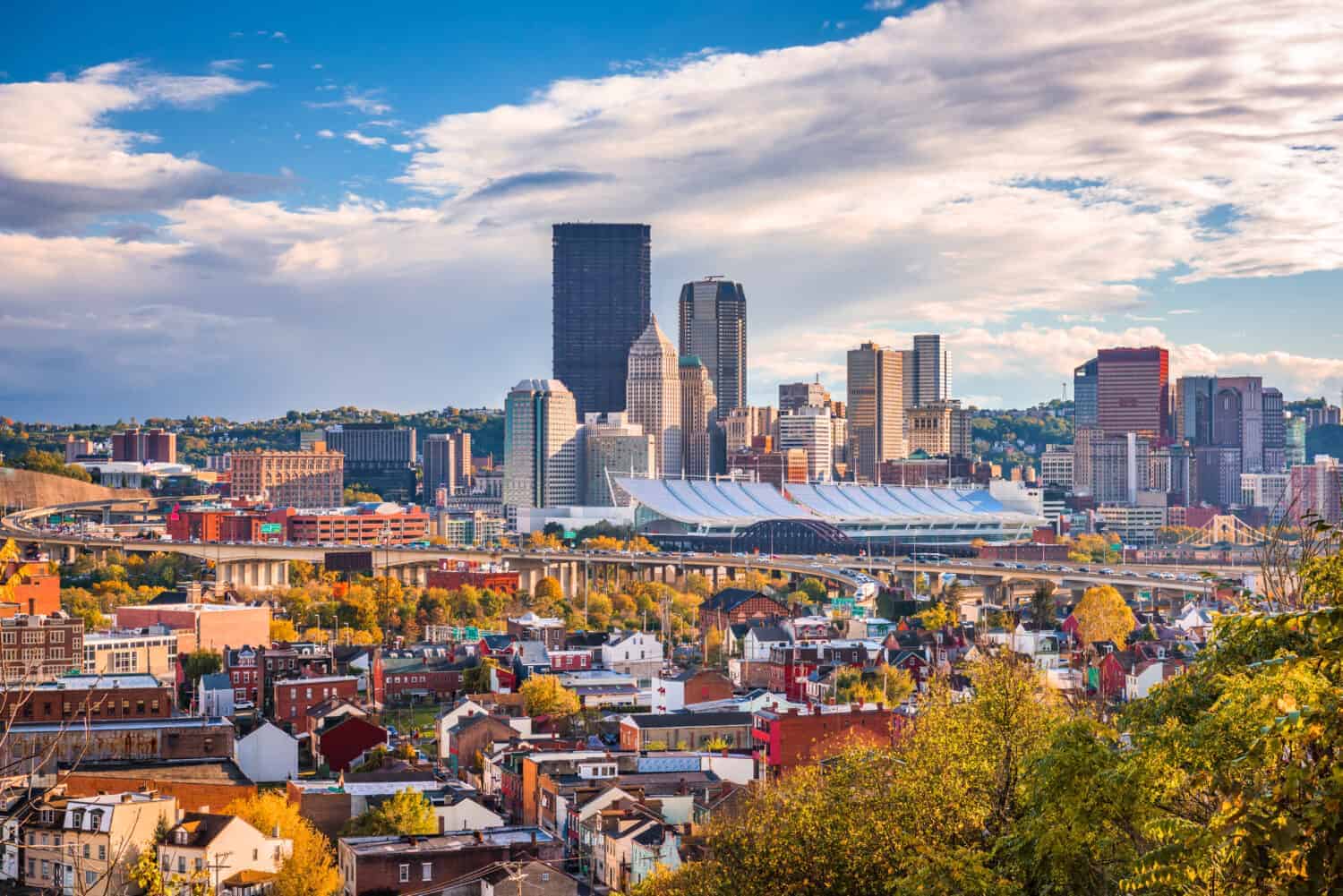
In Pittsburgh, Pennsylvania, the median listing price for homes is about $249,000. For a city with major universities, hospitals, technology employers, cultural institutions, and professional sports, that level of affordability can be appealing to first-time buyers. Pittsburgh has transformed over the decades from a steel-centered economy into a more diversified regional hub, and its housing market still includes many older neighborhoods with relatively modest prices. For families looking for a city that offers jobs, amenities, and community character without the extreme prices of larger coastal metros, Pittsburgh can be an attractive place to begin the homebuying search.
Buyers should pay close attention to neighborhood differences, hillside streets, older housing stock, taxes, and maintenance costs, since Pittsburgh homes can vary significantly in age and condition. But the city’s median price suggests that first-time buyers may still find houses that are reachable compared with many other urban markets. Pittsburgh can work well for households that want city life, regional employment, and a strong sense of place while still keeping housing costs in check. For families who are willing to research carefully and compare neighborhoods, it offers a realistic path into ownership in a city with more amenities than its price tag might suggest.
Garfield Heights, Ohio
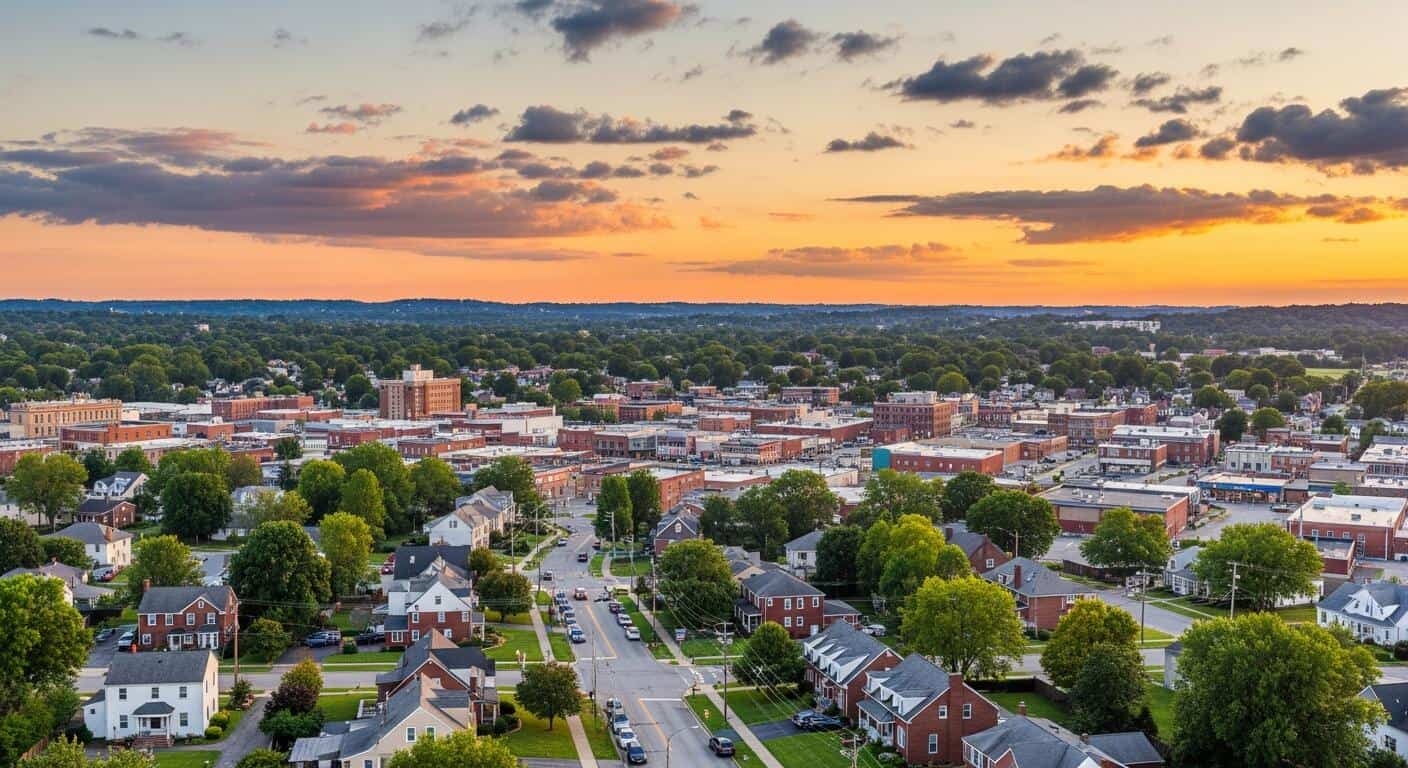
In Garfield Heights, Ohio, the median listing price for homes is about $140,000. Located in the Cleveland area, the city may appeal to first-time buyers who want access to a larger metro region while keeping the purchase price relatively low. Garfield Heights offers older housing stock, established neighborhoods, and proximity to jobs, healthcare, shopping, and transportation in greater Cleveland. For buyers who are priced out of more expensive suburbs, a community like this can provide a more affordable way to become a homeowner without moving far from a major regional economy. The lower median price can also reduce the size of the down payment and make monthly costs easier to manage.
First-time buyers should still look closely at home condition, local taxes, school options, insurance, and neighborhood trends before buying. Older homes can be affordable up front but may require repairs or updates, so inspections and budgeting are especially important. Even with those considerations, Garfield Heights stands out because its price point may make ownership possible for families who cannot compete in higher-cost markets. For buyers who want a practical starter home in the Cleveland area, it is the kind of place where careful planning and realistic expectations can turn homeownership from a distant goal into something more achievable.
The image featured at the top of this post is ©Feverpitched/iStock via Getty Images