10 American Cities That Just Aren’t What They Used to Be
Sometimes it is hard to explain exactly what a city has lost. The streets may look the same, the landmarks may still be there, and people may still visit for the reasons they always have. But for longtime residents, something feels different. The place that once felt full of character, community, and personality no longer feels quite like home.
Across the country, some cities that were once known for their charm are changing in ways locals do not always love. In some places, rising costs have pushed out longtime residents and small businesses. In others, tourism, overdevelopment, neglect, or years of poor planning have changed the feel of neighborhoods that once had a strong identity.
Of course, every city still has people who love it and reasons to visit. But when locals start saying a place is not what it used to be, it usually means something meaningful has shifted. These are 10 American cities where many people feel the charm is starting to slip away.
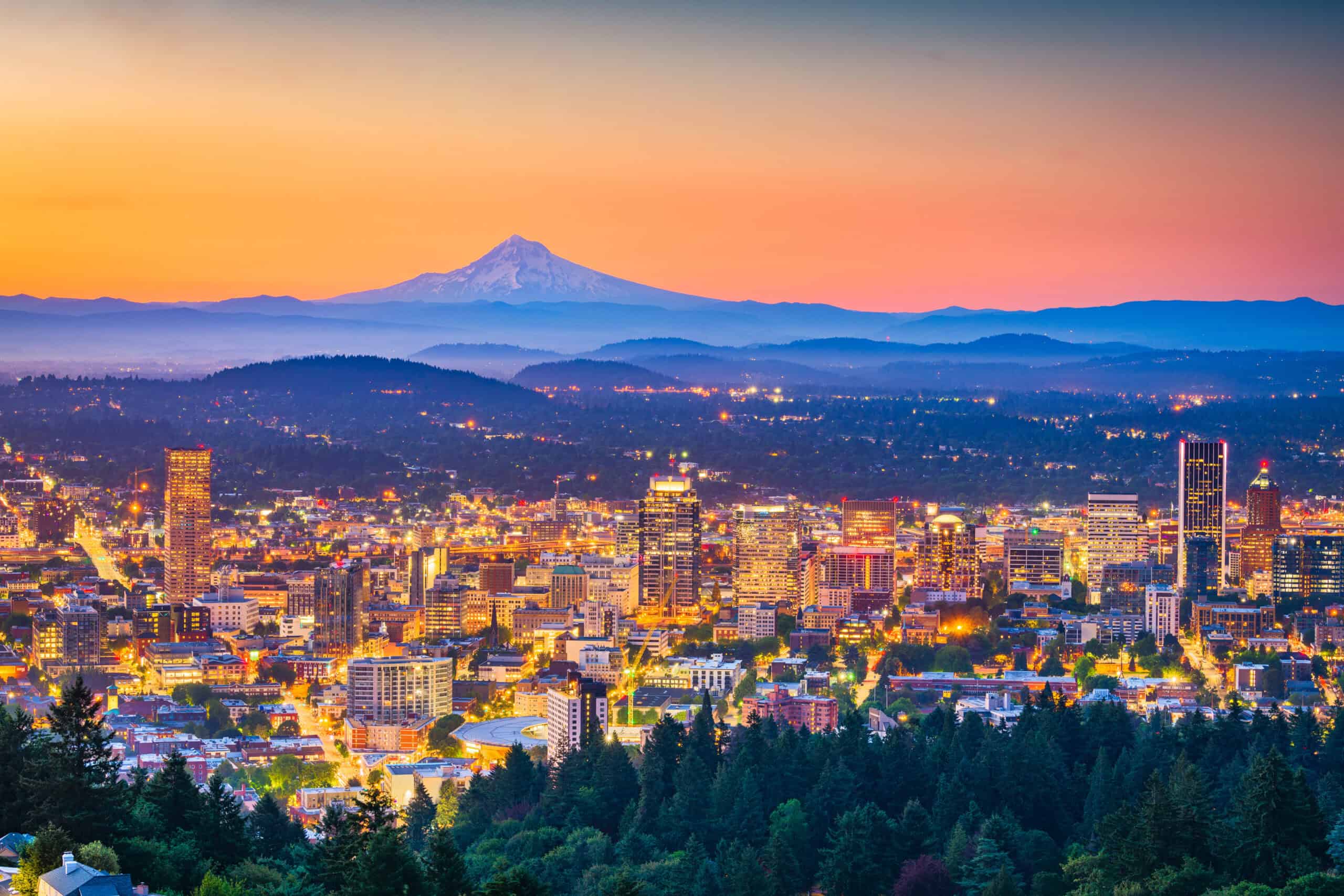
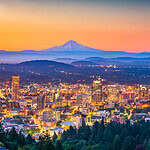
Portland, Oregon
You used to drive through Portland and see "Keep Portland Weird" on bumper stickers. Those weren’t ironic either. Residents were proud of how quirky the city was. Independent bookstores, an impressive food cart culture, and neighborhoods that didn’t feel like anywhere else in America.
That version of Portland is largely gone. The downtown that residents remember as a walkable and friendly place full of local independent business owners has been hollowed out. Storefronts are empty. Streets that were once full of life, even on weekdays, now feel like a ghost town.
Longtime residents say the drug decriminalization policy adopted in 2020, and the homelessness crisis that followed, have had a deep impact on how the city looks and feels. The weird, creative city that people moved to in the 2000s and 2010s is still in there somewhere, but nearly half of Portland's locals who were surveyed in a January 2026 Portland Metro Chamber poll say the city is going in the wrong direction.
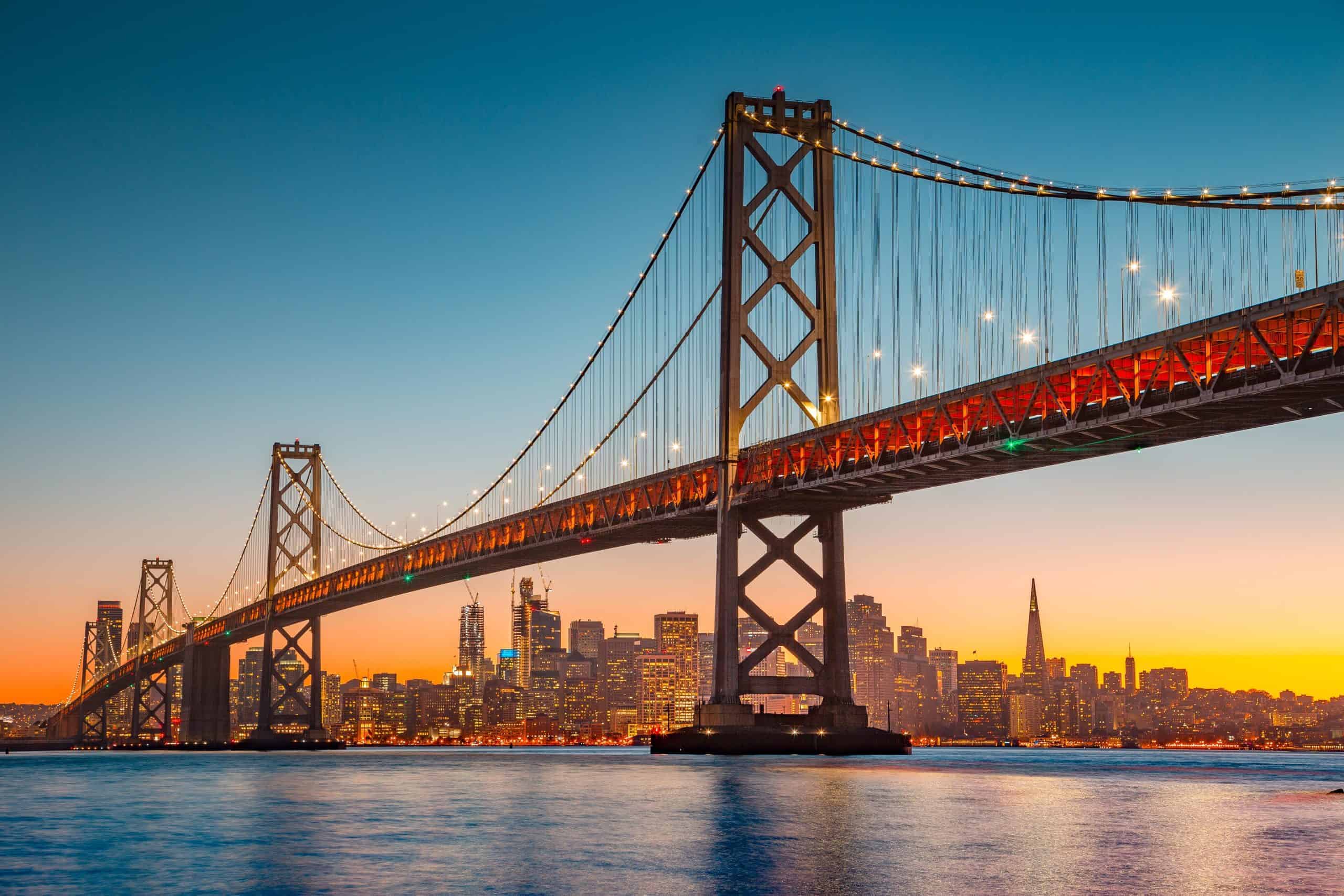
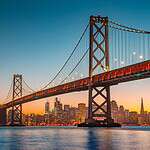
San Francisco, California
Throughout the years, artists and outsiders who didn’t seem to fit in anywhere else made San Francisco a place they could call home. Neighborhoods like the Haight, the Mission, and the Castro each had their own distinct character. The city had a rebellious, experimental energy that didn't exist anywhere else in the country.
The growth of the technology sector didn’t kill that spirit overnight, but it did price out the people who kept it alive. Gentrification did the rest. The Mission District, which used to be the beating heart of the Latino working-class in San Francisco, is now filled with luxury condos. The independent corner stores that once filled the city are mostly gone along with its community spaces. These made way for high-end restaurants and co-working offices.
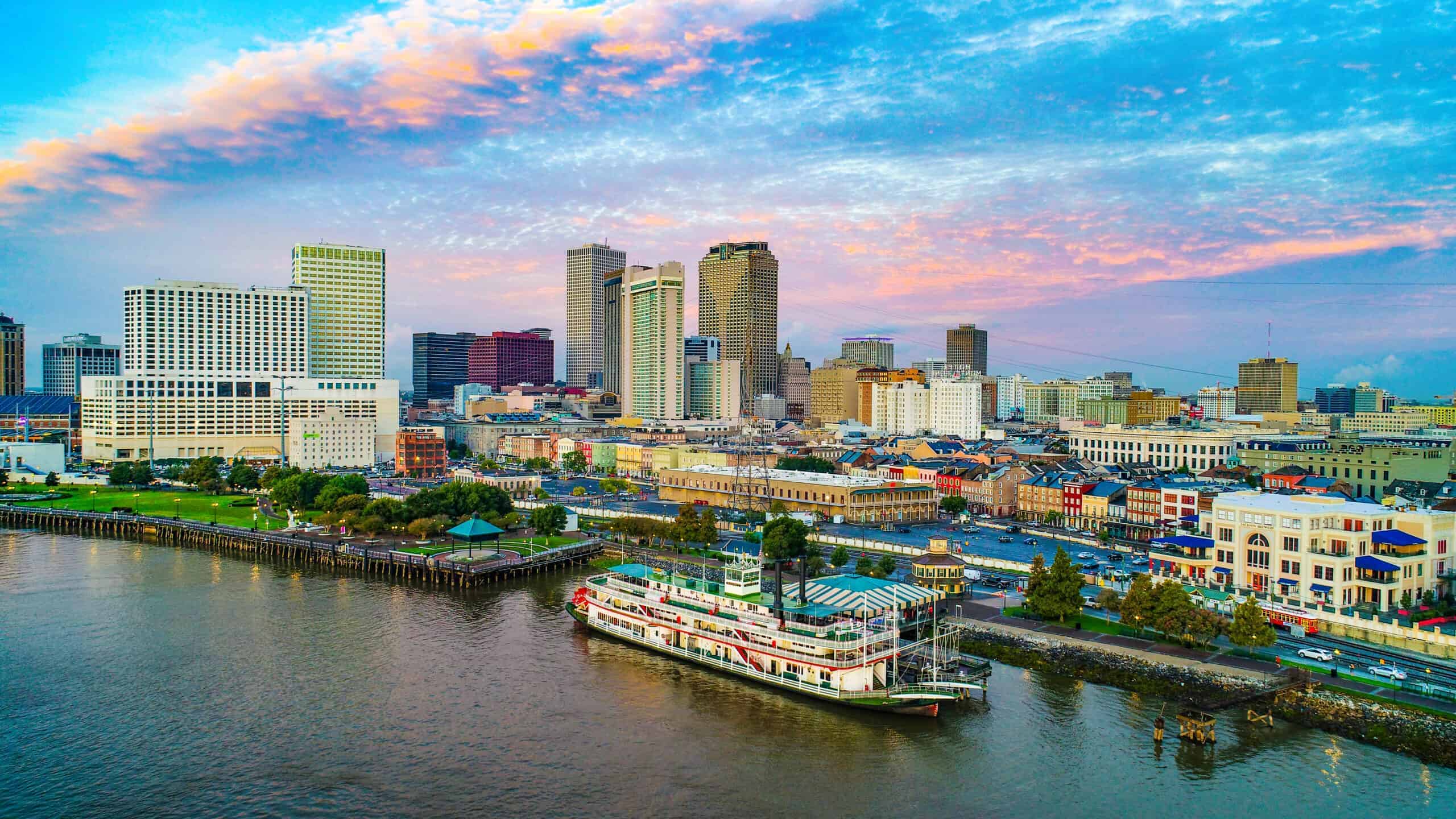
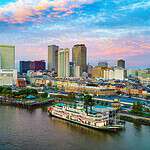
New Orleans, Louisiana
New Orleans has always been known for its food and music scene. It’s a city that has had a heavy cultural impact in America throughout the decades, but the people who call it home have watched it transform.
Before the global pandemic, New Orleans was welcoming nearly 20 million visitors at its 2019 peak. Those visitors kept the economy going, but they also turned the city into a place that locals no longer recognize. The French Quarter used to be a mixed-income neighborhood. Now it's Airbnbs and souvenir shops. Rents have skyrocketed even in neighborhoods that aren’t close to any tourist attractions.
Hurricane Katrina in 2005 also played a huge role in defining the city’s character, accelerating the demographic shift that was already taking place. Many of the residents who lost their homes never came back, and they took a lot of what made New Orleans special along with them. Locals say the city no longer belongs to them. It belongs to the tourists passing through.
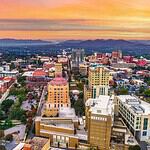
Asheville, North Carolina
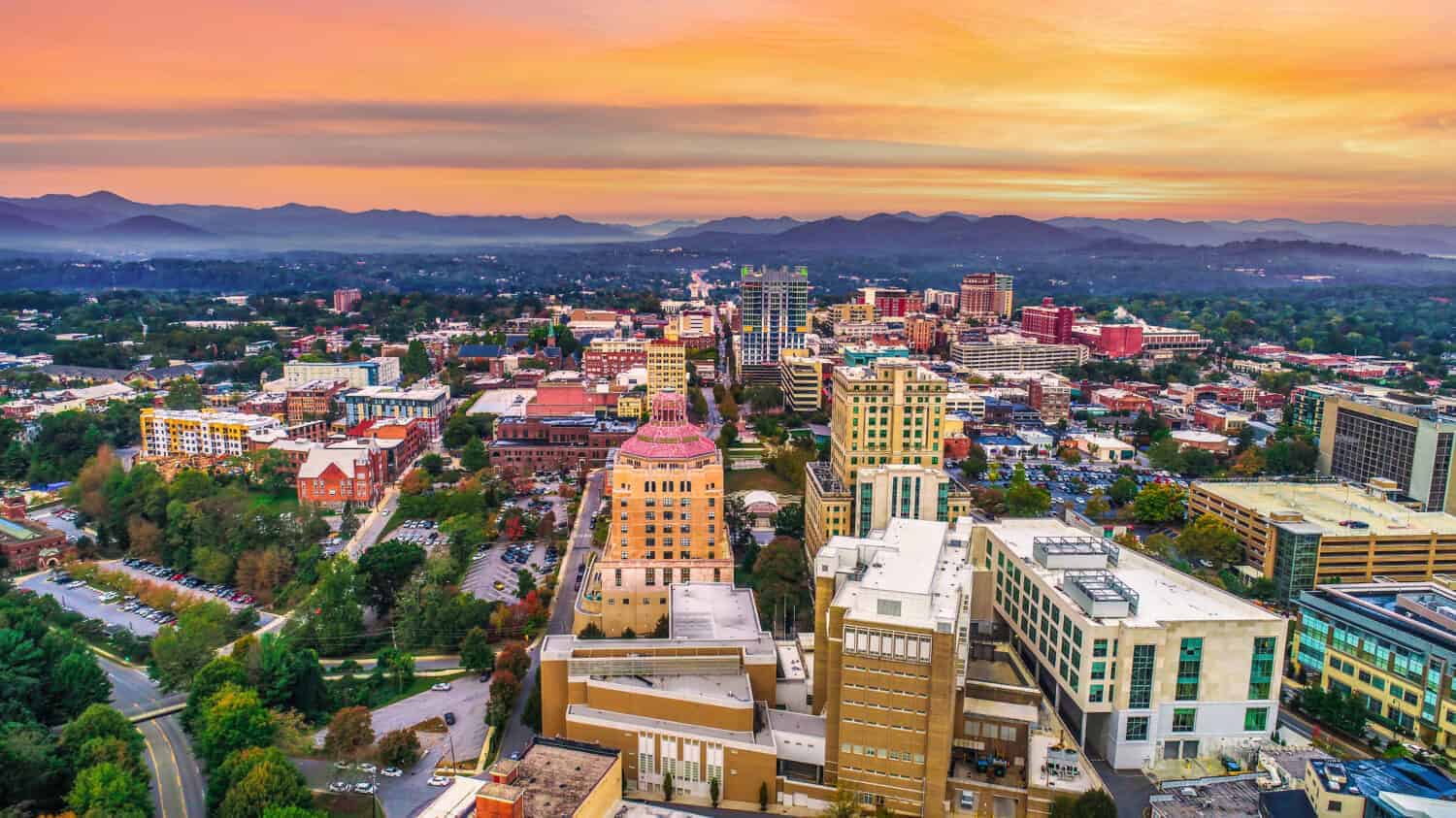
Asheville's art scene gave the city its distinct appeal. Artists and craftspeople built it from the ground up, back when they could actually afford to live and work there. Local-owned businesses on Wall Street and Lexington Avenue filled the streets and gave the mountain city its particular character.
Then the same thing that gave Asheville its identity made it famous. The art scene, the breweries, the local food, and the mountain scenery drew a wave of tourism the city wasn't built to absorb. Property values rose quickly. The artists who built the scene got priced out, and the independent businesses that made Asheville worth visiting struggled to compete with larger competitors.
Locals now describe a downtown that feels like it caters to the casual tourist rather than to the people who have lived there for as long as they can remember. Most of the city’s beauty is still there, but its identity has been diluted, repackaged and sold back to visitors.
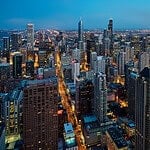
Chicago, Illinois
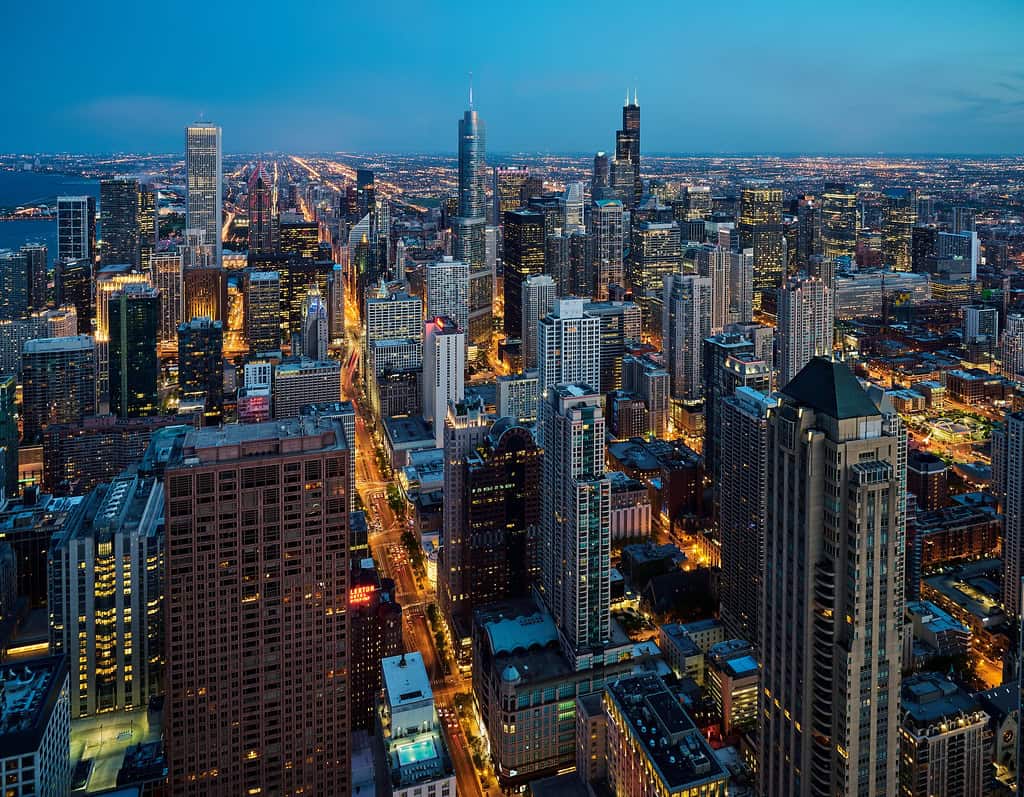
Chicago has always been a unique place. The neighborhoods have a sort of gritty character built over generations, and the architecture rivals any other city in the world. The food alone has put the city in tourist itineraries for decades. But Chicago has a complicated relationship with its own reputation and residents have been leaving it in droves.
Nowhere else is that more visible than in Cook County, which ranked among the counties losing the most residents in America throughout the early 2020s. Crime rates make certain neighborhoods less viable for families who have lived there for generations. Coupled with punishing property taxes and brutal winters, these conditions make what once felt like an affordable alternative to the coasts a place that a lot of people feel just isn't worth living in anymore.
It’s not all bad. The North Side, Wicker Park, and the lakefront neighborhoods still feel much like the old Chicago. But the South Side communities that once had thriving local economies have seen a massive outflow of capital that makes getting by harder every year. What Carl Sandburg once called “the city of the big shoulders” is struggling to hold the weight of its own contradictions.
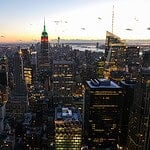
New York City, New York
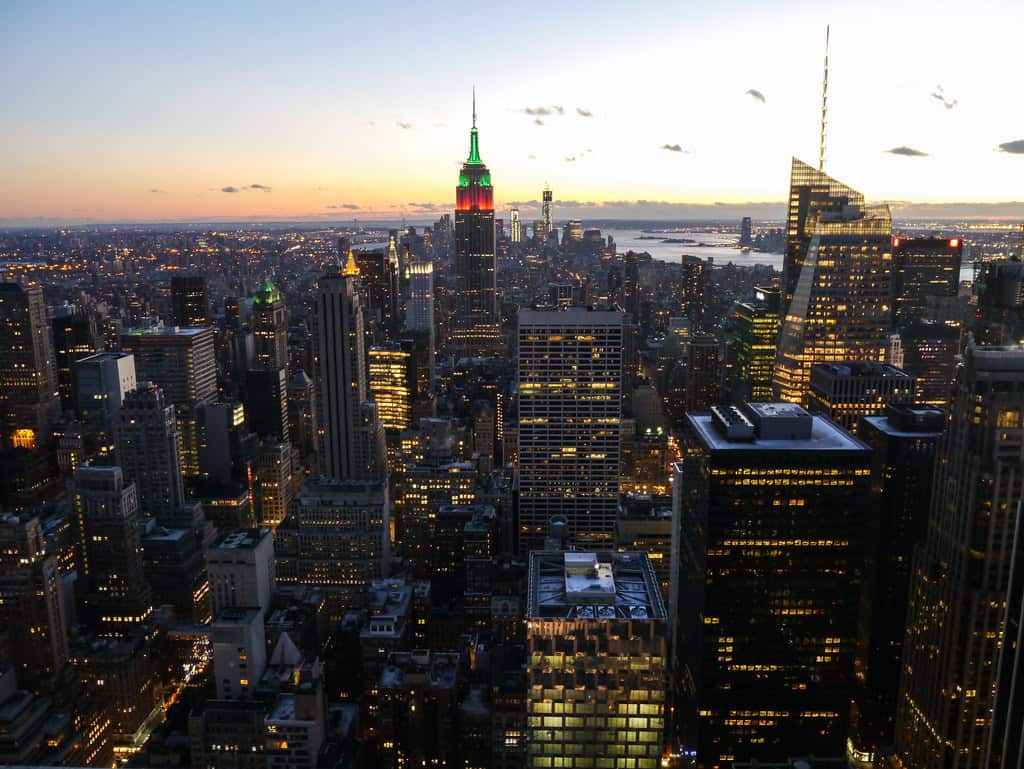
New York, New York. While a lot of its former energy is still there, the city Frank Sinatra sang about has lost something important. The place where you could arrive and build a new life with nothing but a suitcase and a dream is getting harder to recognize.
Rents are notoriously high, rising above $3,000 for a tiny apartment in places like Manhattan, Brooklyn and Queens. The post-pandemic recovery has failed to return the city to what locals remember. Midtown's office buildings are empty and the blocks around Grand Central and Penn Station feel oddly quiet on weekdays for a place that used to feel like the center of the universe. Homogenization and rising rents have turned places like the East Village, Carroll Gardens, and parts of Harlem into neighborhoods that feel like they could be anywhere.
As of 2025, New York was one of the leading cities when it came to domestic population outflow. Middle-class families and average workers who once gave the city its distinct character are being replaced by people who can actually afford it, but have no real connection to what made those neighborhoods worth living in.
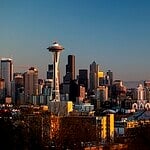
Seattle, Washington
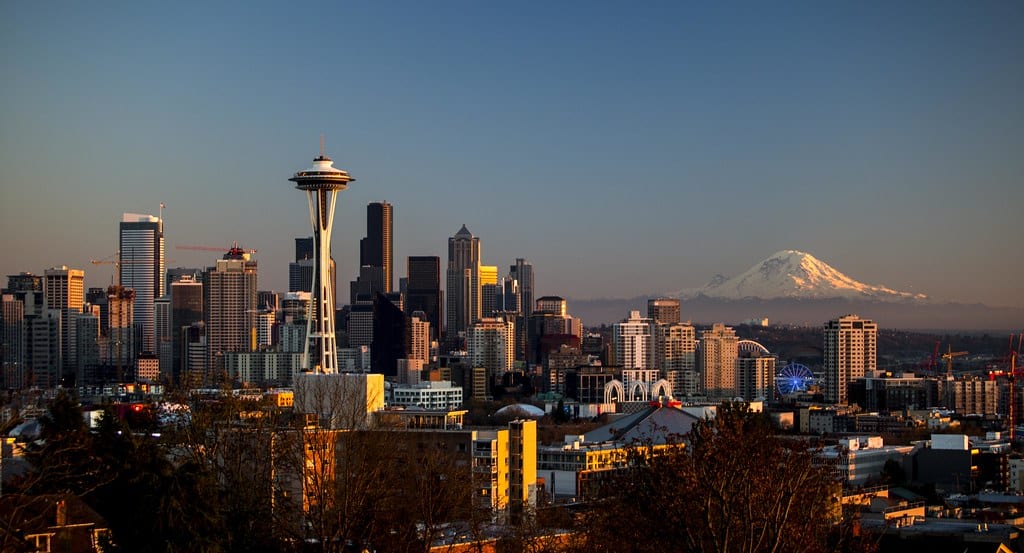
Seattle’s transformation wasn’t something that happened slowly in the background. It was a sudden change that caught longtime residents off guard. Capitol Hill used to be the city’s bohemian center, home to a counterculture of artists and musicians. But Bars and luxury apartments have replaced that Capitol Hill. While Seattle’s rise as a tech hub brought in money and jobs, it did so at the expense of its culture.
The Amazon campus's effect on South Lake Union turned a neighborhood that used to pride itself on its unique character into a corporate campus with a few adjacent restaurants. Housing costs have skyrocketed over the last decade, and the artists and working-class residents who gave neighborhoods like Fremont and Capitol Hill their identity were priced out long ago.
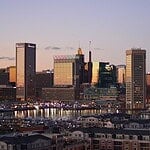
Baltimore, Maryland
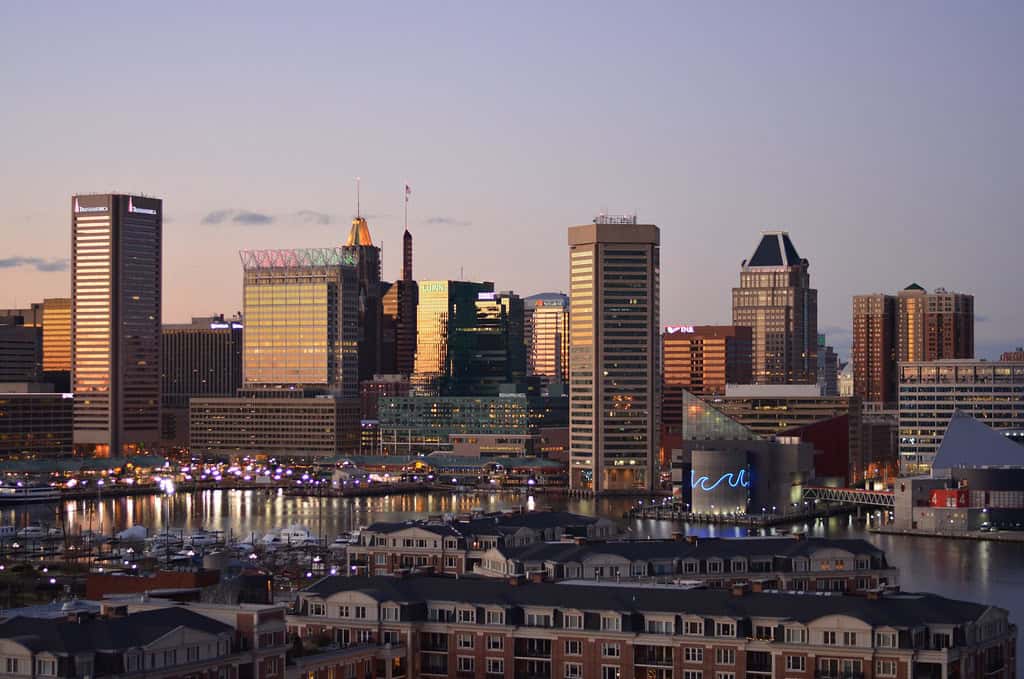
Baltimore has been known as “Charm City” since the 70s. Someone coined it as a marketing campaign in 1975, and it stuck because it was true. Baltimore had lively waterfront neighborhoods and its rowhouses made them feel intimate. The city’s identity was rough around the edges and fiercely proud, and that was part of what made it special.
That charm is getting harder to find. Roughly 35,000 residents left the city between 2010 and 2020, making it one of the steepest declines among major American cities that decade. Baltimore’s neighborhoods have some of the highest crime rates in the U.S. and good jobs have become increasingly hard to come by as manufacturing and shipping left the city.
The Inner Harbor has lost many of the businesses and attractions that once made it a favorite among tourists. Neighborhoods like Hampden and Pigtown still feel like they belong to the Baltimore of old, but population loss and high crime rates have left locals feeling like Charm City needs things to turn around quickly.
Los Angeles, California
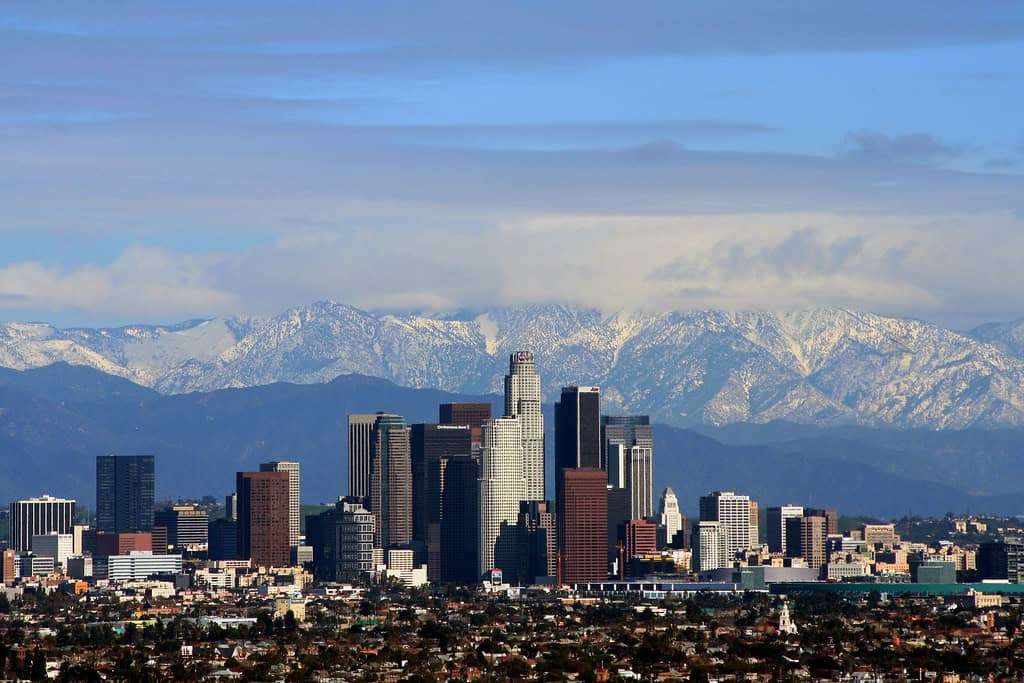
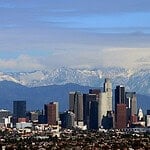
Los Angeles has always been able to reinvent itself over the years. Different generations see different things when they look back on L.A. The dream factory, the car culture capital, the surf city, the multicultural metropolis. Part of what gave the city its appeal was that it managed to be all of those things, depending on which neighborhood you lived in.
The losses are adding up. It’s the closure of independent music venues that sustained generations of subcultures. It’s the pricing out of Silver Lake, Echo Park, and Highland Park and the displacement of the Latino families and working-class communities that made those places special. All of these things make L.A. feel like it’s no longer the place locals used to know.
And then the fires came. The January 2025 wildfires that burned through Altadena and Pacific Palisades added a different kind of grief to a city already dealing with affordability and displacement. The rebuilt neighborhoods may not rebuild the communities that made them distinct. That's what longtime Angelenos are worried about most.
Savannah, Georgia
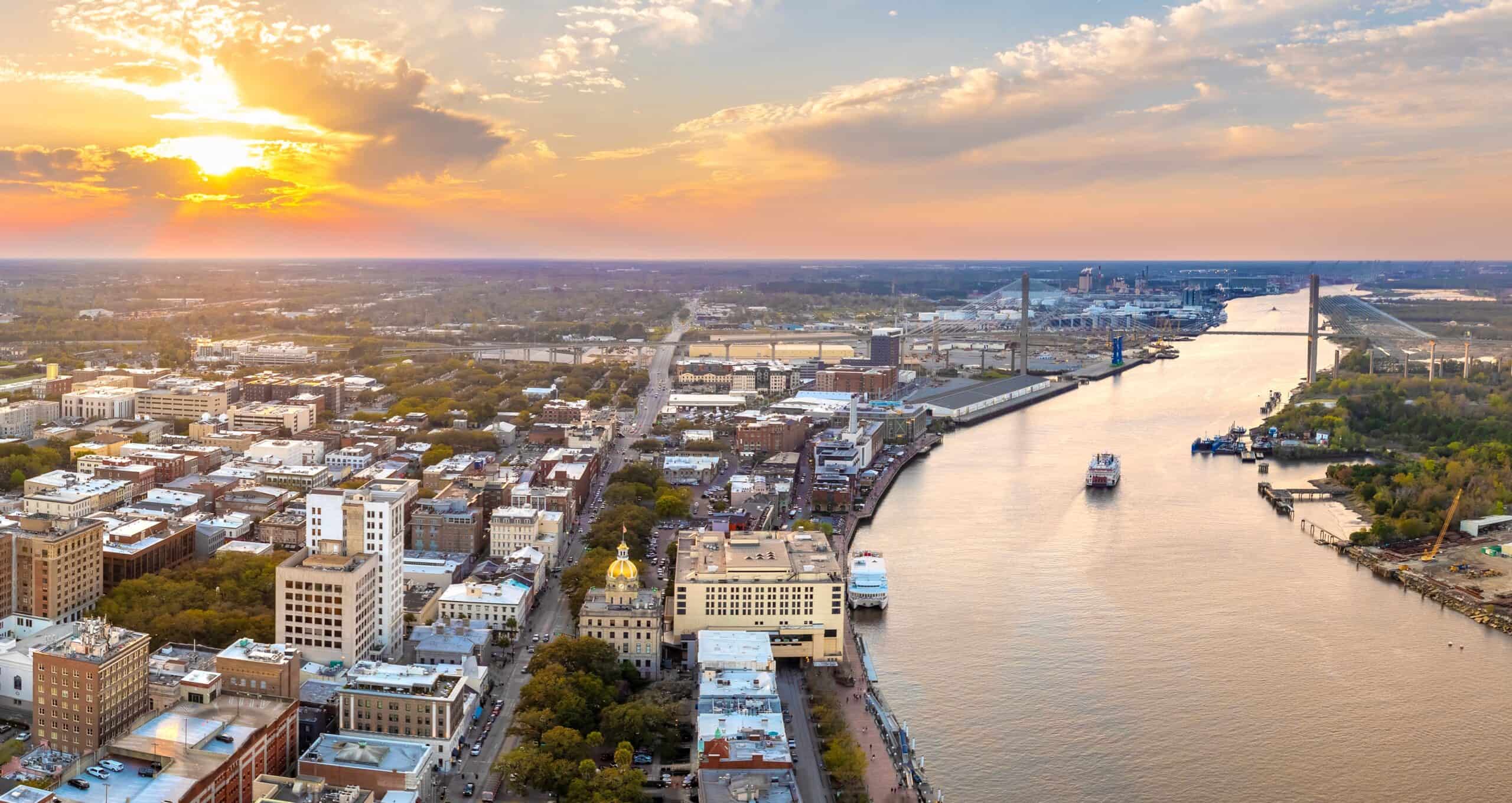
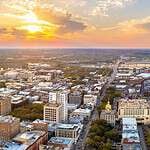
Savannah is one of the most beautiful places in the U.S., with its moss-draped oaks and antebellum architecture. It feels like it belongs in a different century, and its slow-paced environment is part of that feeling. Chippewa Square is the kind of place where you can sit on a bench and enjoy a quiet afternoon where nothing much happens.
That feeling is getting harder to maintain in Savannah. Tourism has risen in the past decade as the city has constantly made its way to the “most beautiful cities in the South” lists. Short-term rental investments followed and gutted the historic neighborhoods that once belonged to locals. High-end restaurants replaced the quiet spots locals used to eat at, and downtown now belongs to visitors more than anyone who actually lives there.