
10 American Towns That Still Feel Frozen in Time
America is always changing. Old buildings are replaced, quiet main streets become busy shopping corridors, and towns that once had their own personality can start to look like every other place in the country. In the name of convenience and growth, historic neighborhoods, family-owned businesses, and local landmarks often disappear faster than anyone expects.
A few towns, however, have managed to hold on to what made them special. Their downtowns still feature buildings that have stood for generations, their streets have avoided being taken over by endless chains, and their communities continue to protect traditions that might have vanished elsewhere. Visiting one can feel like stepping into an old photograph or returning to the place you remember from childhood.
These 10 American towns have changed far less than most over the past 50, 100, or even 150 years. They are not completely untouched by modern life, but they have preserved enough history and character to make the past feel surprisingly close.
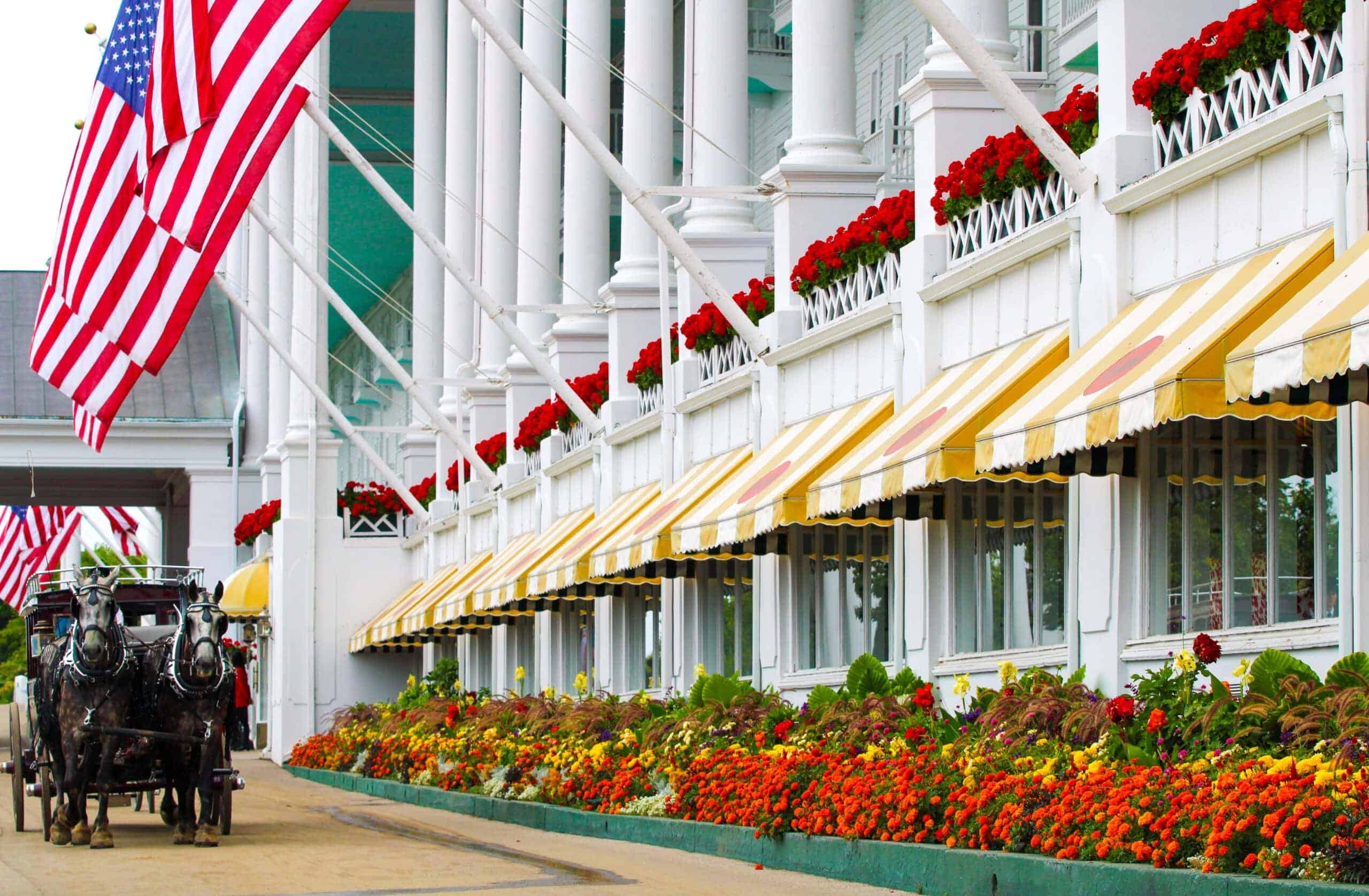
Mackinac Island, Michigan
Visiting Mackinac Island can feel like stepping into a place your grandparents might remember. The island’s first “horseless carriage” appeared in 1898, but the noisy vehicle frightened local horses so badly that carriage operators asked the village council to intervene. Motorized vehicles were soon banned, and that rule eventually expanded across the island. Today, most residents and visitors still travel by bicycle, on foot, or in a horse-drawn carriage.
The famous Grand Hotel adds even more old-fashioned charm. Built in 1887, it is known for its enormous front porch, elegant rooms, and traditional evening dress code. Mackinac Island has also avoided the fast-food restaurants and large chain hotels found in so many vacation towns. Families who visit can slow down, put away the car keys, and enjoy a community where the sound of bicycle bells and horses still fills the streets.
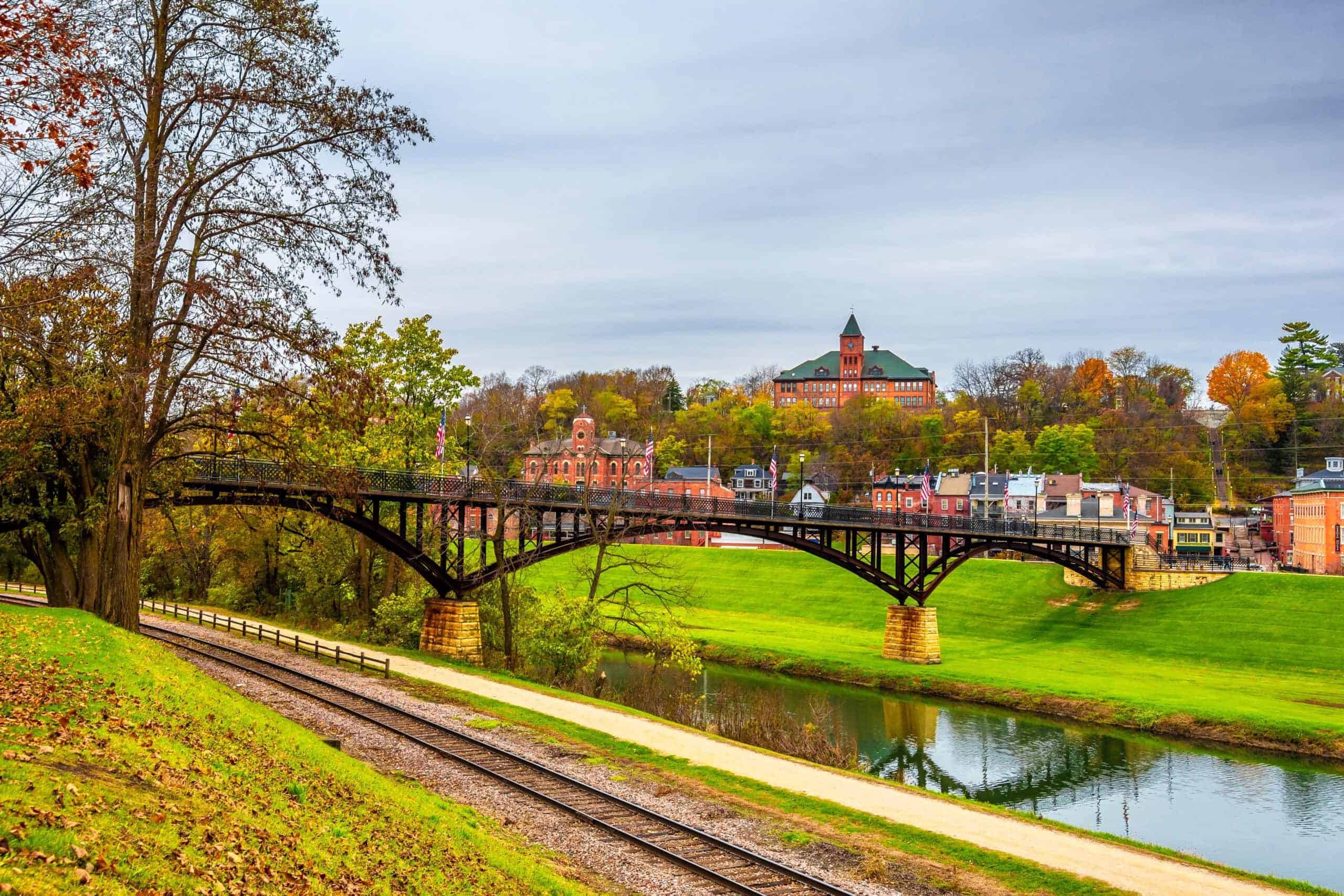
Galena, Illinois
Galena was once one of the Midwest’s busiest and most prosperous communities, thanks to the lead-mining industry. When the mines declined and railroad routes shifted elsewhere, the city became much quieter. That slowdown turned out to be a gift for future generations. Because there was less pressure to tear everything down and rebuild, Galena’s brick storefronts, hillside homes, and grand 19th-century architecture remained remarkably well preserved.
Today, much of Galena feels like an outdoor history lesson families can explore together. Around 85 percent of the city’s buildings are reportedly located within a nationally recognized historic district. Visitors can also tour the home presented to Ulysses S. Grant and his family after the Civil War. Between the winding streets, historic houses, and locally owned shops, Galena still looks and feels very different from the average modern suburb.
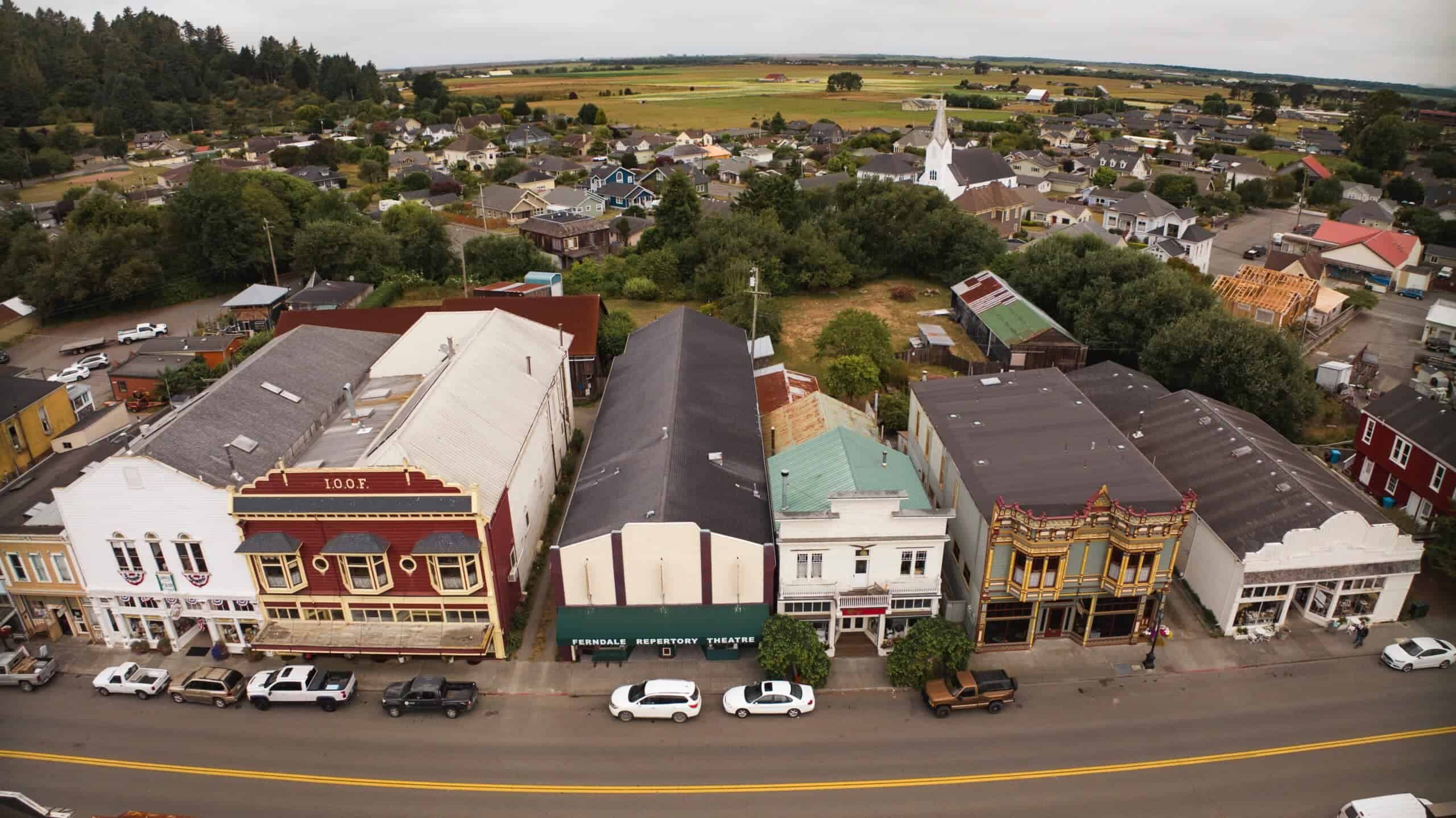
Ferndale, California
Tucked away in California’s Humboldt County, Ferndale is the kind of town that makes visitors want to stop and look at every house. The community grew prosperous through dairy farming during the late 1800s, and successful local families used their earnings to build beautifully decorated Victorian homes. The houses became so elaborate that residents affectionately called them “Butterfat Palaces,” a nickname that still reflects the town’s agricultural history.
Ferndale has worked hard to preserve those colorful homes, historic storefronts, and small-town streets. The community is now recognized as a California Historical Landmark, but it is not simply a collection of old buildings. Dairy farming remains part of the local economy, allowing Ferndale to maintain a genuine connection to the work that helped create the town. Families can enjoy the architecture while also seeing a community that continues to live alongside its history.
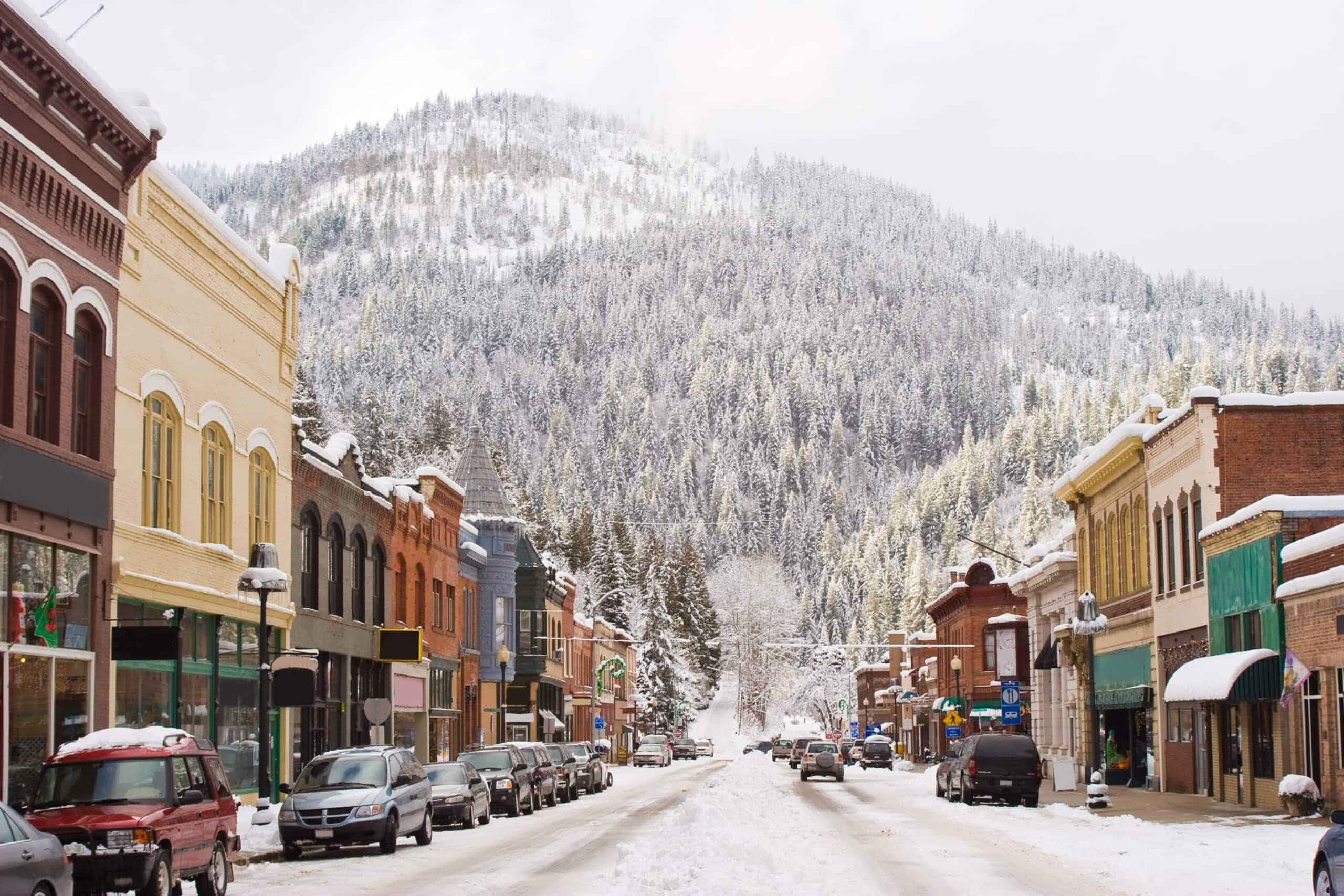
Wallace, Idaho
Wallace is a small Idaho mining town with a downtown that has survived fire, changing industries, and even the arrival of the interstate highway system. After a devastating wildfire swept through the region in 1910, much of Wallace was rebuilt using brick. Those sturdy buildings eventually became part of the town’s signature appearance, and the entire downtown district was later placed on the National Register of Historic Places.
When plans for Interstate 90 threatened to cut directly through the historic center, residents fought to protect their community. Their efforts helped persuade officials to route the highway above the town rather than demolish the buildings below. Families driving through Wallace today can still see the brick storefronts, narrow streets, and mining-era landmarks that might otherwise have disappeared. It is a wonderful example of what can happen when neighbors work together to protect the place they call home.
Bisbee, Arizona
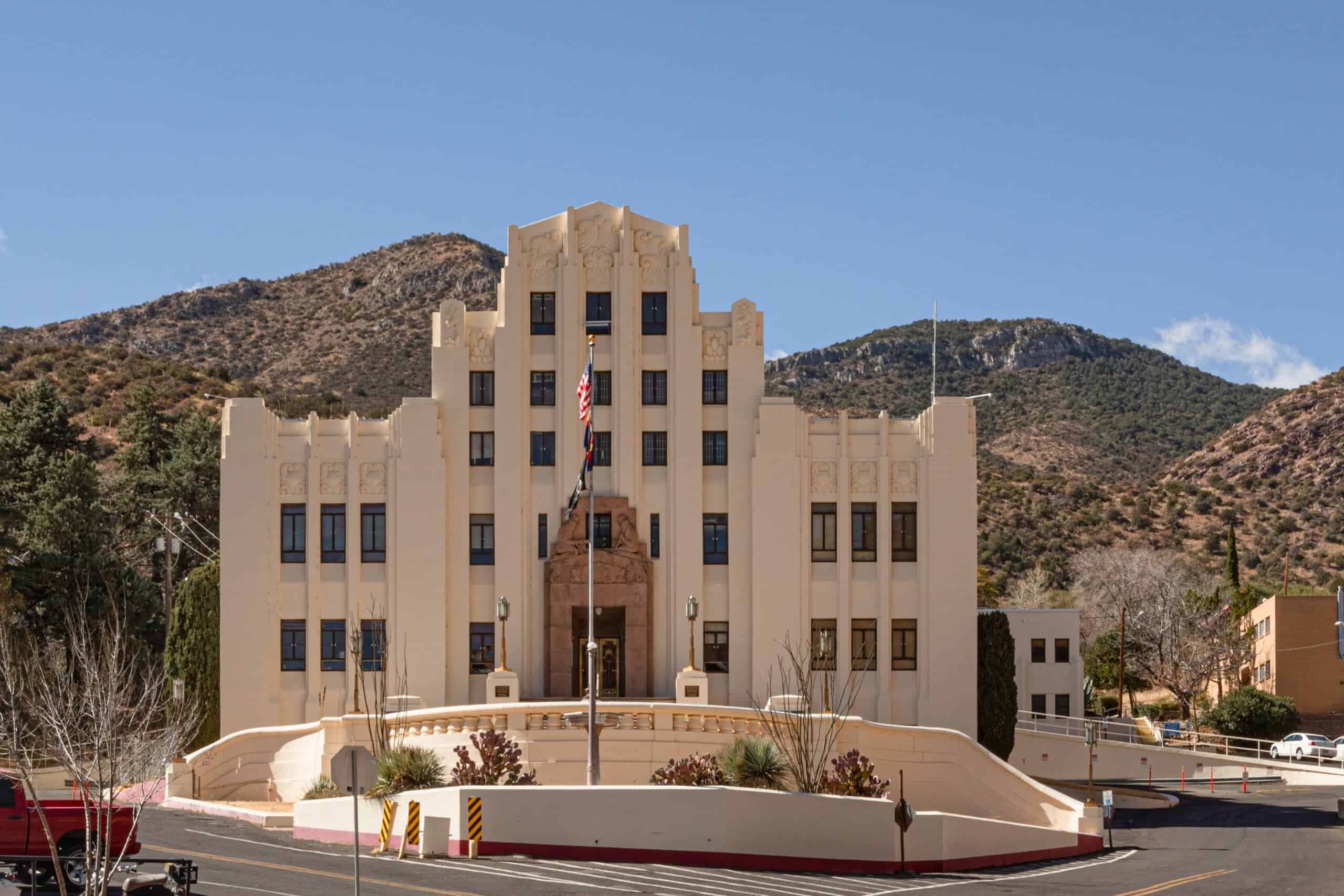
Bisbee grew around one of the most productive copper-mining operations in American history. For decades, workers and their families filled the steep hillsides with homes, businesses, stairways, and winding streets. When copper prices declined and the mines began closing, Bisbee could easily have become another abandoned company town. Instead, residents stayed, cared for the old buildings, and found new ways to keep their community alive.
The result is a town that still feels closely connected to its mining past. The Copper Queen Hotel, which opened in 1902, continues welcoming guests, while former miners’ homes and historic storefronts remain scattered across the hills. Bisbee has also become known for artists, independent shops, and unusual local events. Families who visit will find plenty to explore, along with a strong sense that the people who live there genuinely value the town’s history and personality.
Woodstock, Vermont
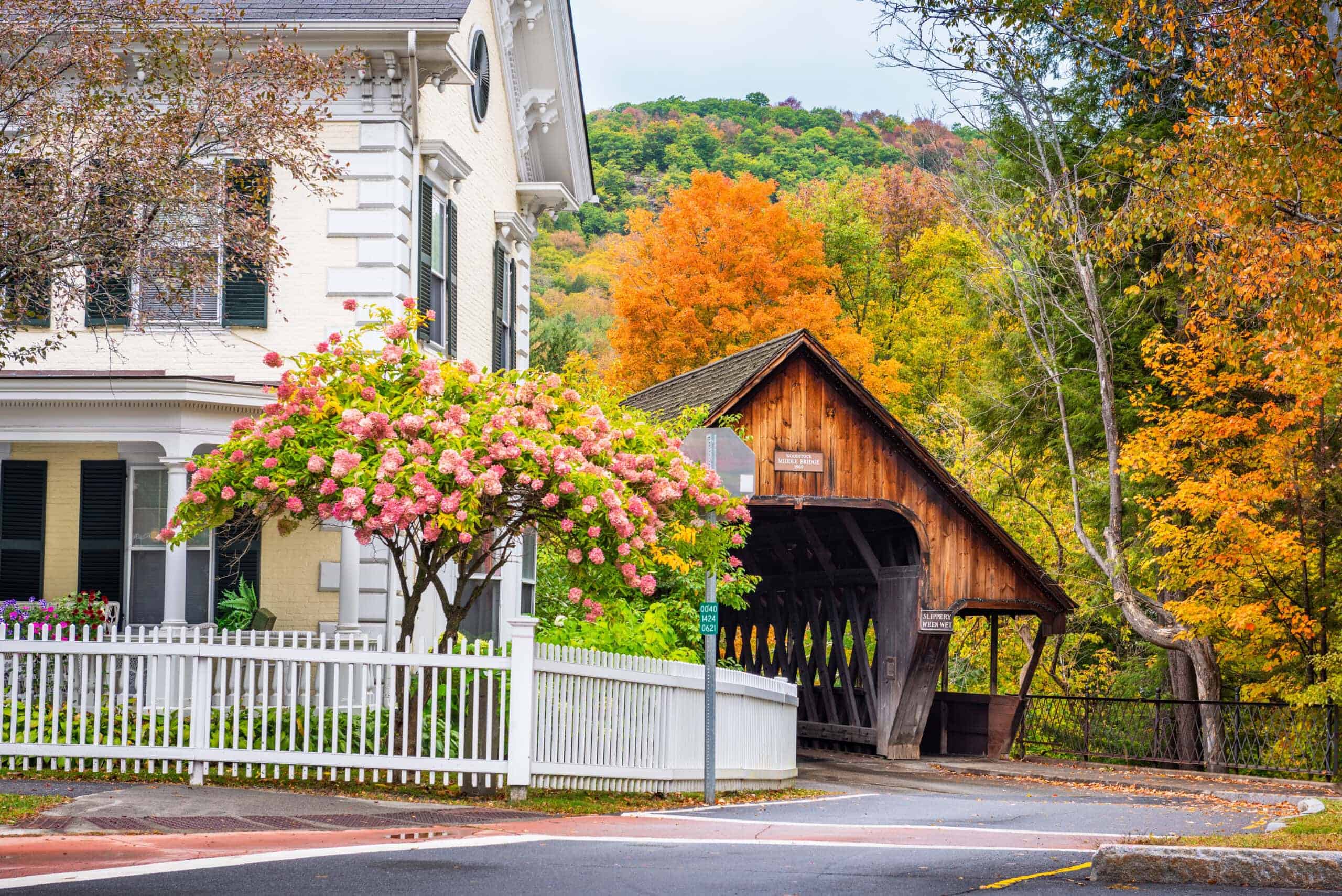
Woodstock looks like the kind of New England village many families picture when reading an old-fashioned storybook. Federal and Georgian-style homes surround a traditional village green, while historic churches, inns, and small businesses line the nearby streets. Vermont’s long-standing ban on roadside billboards has also helped protect the scenery from the visual clutter that has changed so many other communities.
Several parts of Woodstock are protected as historic districts, and generations of preservation work have helped safeguard both the village and the surrounding countryside. The Rockefeller family also played a major role in protecting local farmland and historic properties. Visitors will not find towering signs or a downtown dominated by large chains. Instead, Woodstock offers covered bridges, locally owned stores, and peaceful streets that make it easy for families to imagine what life there might have looked like generations ago.
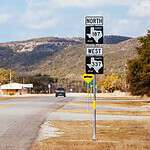
Bandera, Texas
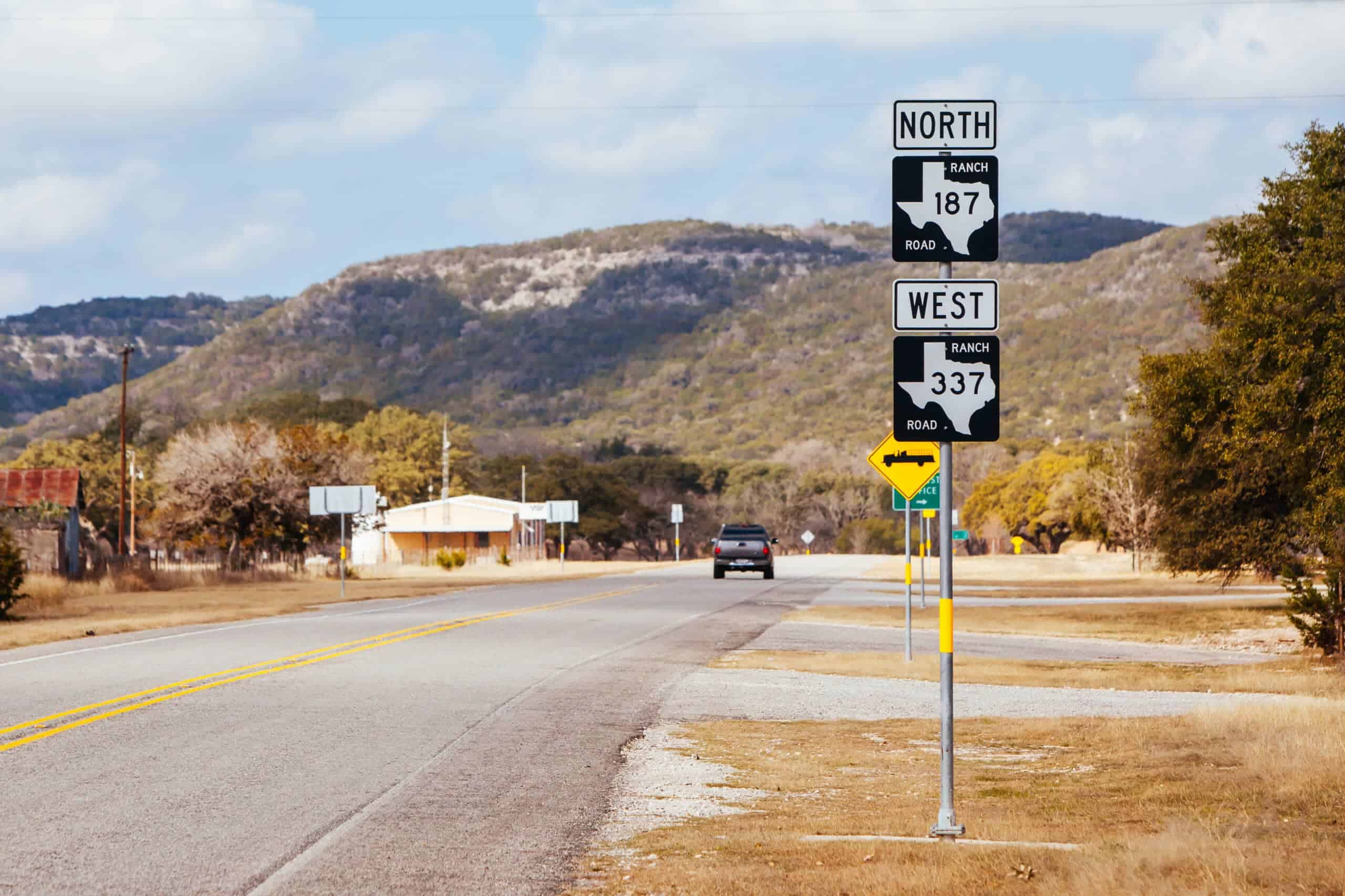
Bandera proudly calls itself the Cowboy Capital of the World, and the town’s ranching traditions are still part of everyday life. Located in the Texas Hill Country northwest of San Antonio, Bandera has remained closely connected to horses, cattle, rodeos, and family-run ranches. While nearby areas have experienced rapid suburban growth, the town has held on to the customs and community identity that have defined it for generations.
Families may spot horses traveling along local roads, visit a working ranch, or attend events that celebrate Western history. Bandera does not feel like a theme park created to imitate the Old West. Many residents still work in ranching, and local businesses continue to reflect the town’s roots. Children who have only seen cowboys in movies or books may be surprised to discover that this way of life is not merely a piece of history here. It remains part of the community’s present.
Marfa, Texas
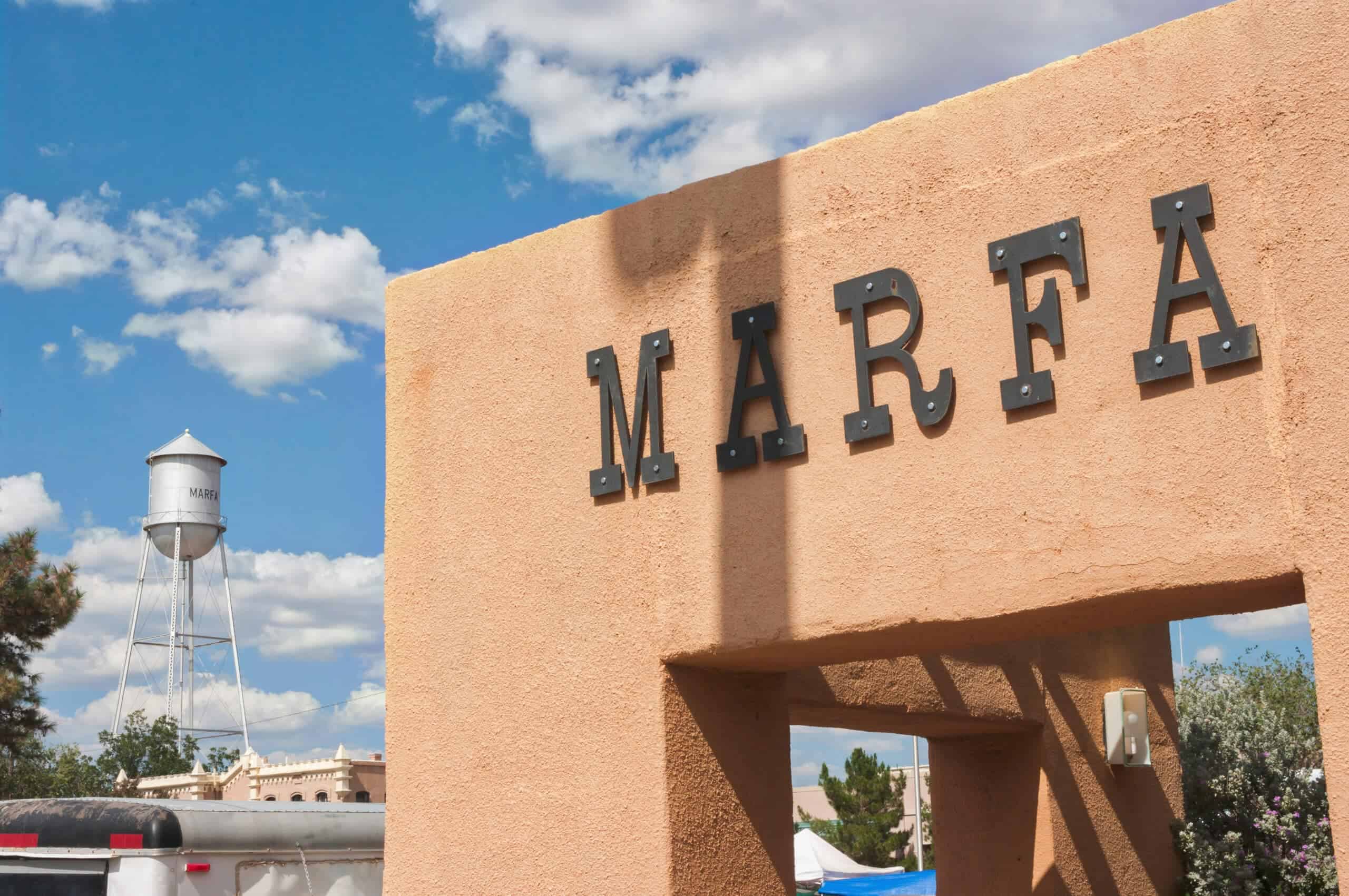
Marfa began as a quiet railroad water stop in the wide-open West Texas desert. The town remained relatively isolated until artist Donald Judd arrived in the 1970s and began transforming old buildings and military spaces into large-scale art installations. Marfa eventually became an international destination for artists and curious travelers, but it never completely traded its desert-town personality for polished development.
The community still has old adobe buildings, broad views of the surrounding landscape, and only a small number of traffic lights and busy intersections. Families can explore art exhibits, look for the mysterious Marfa Lights, or simply enjoy how much sky is visible in every direction. The town has certainly changed over time, but it has done so in its own unusual way. Marfa remains creative, quiet, and difficult to confuse with anywhere else in America.
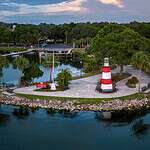
Mount Dora, Florida
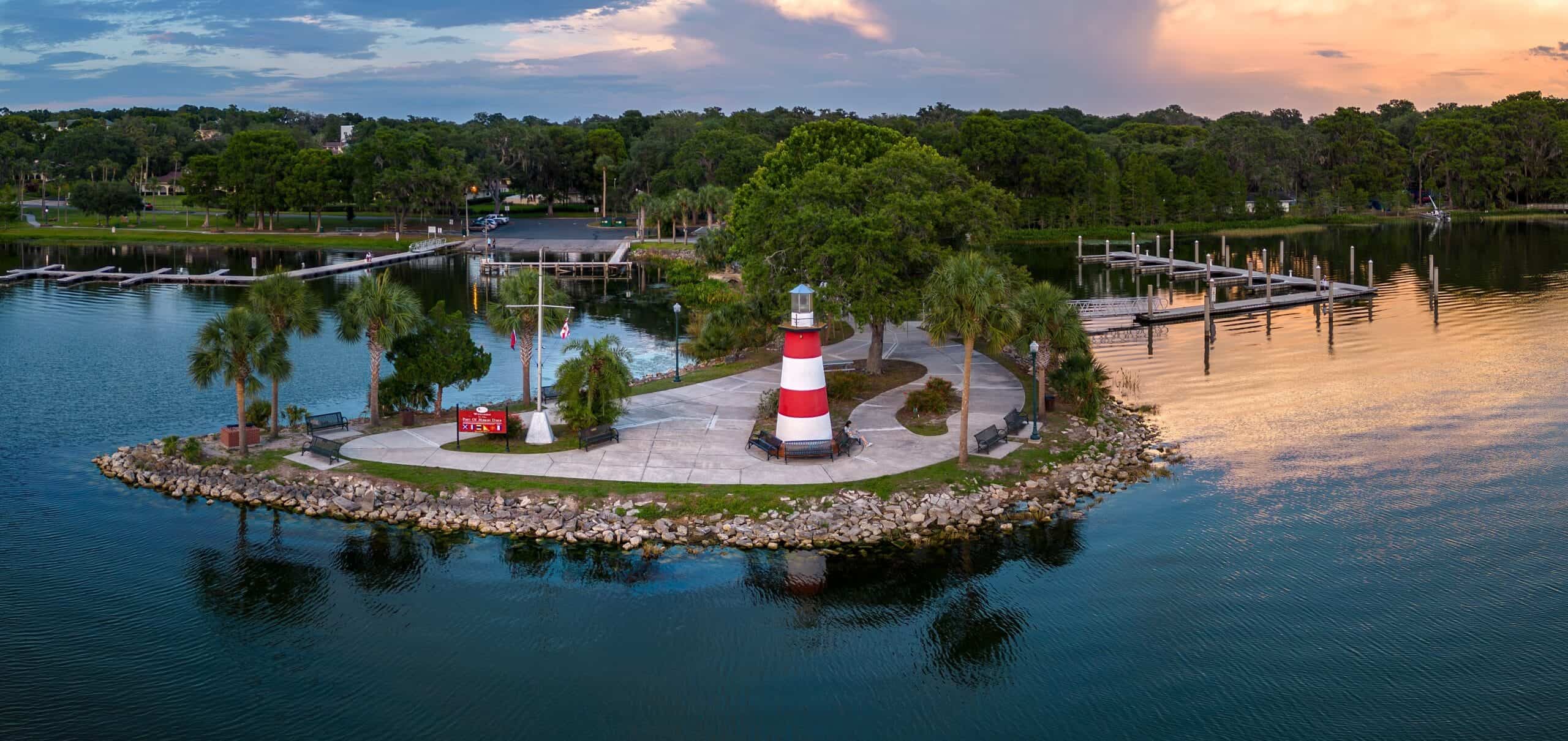
Mount Dora feels especially surprising because it sits only about 30 miles northwest of Orlando, one of the fastest-growing and most heavily developed areas in Florida. The lakeside community has managed to preserve a walkable downtown filled with historic buildings, locally owned restaurants, antique stores, and small shops. Victorian-era homes and shady streets add to the feeling that the town belongs to an earlier, quieter version of Florida.
Festivals, craft fairs, and antique events bring visitors throughout the year without requiring the downtown district to depend entirely on major chains. Families can browse the shops, walk near the lake, ride the local trolley, or spend an afternoon exploring without needing a packed theme-park schedule. In a part of the state where new subdivisions and shopping centers seem to appear overnight, Mount Dora’s continued commitment to its historic character feels increasingly special.
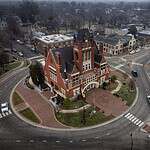
Bardstown, Kentucky
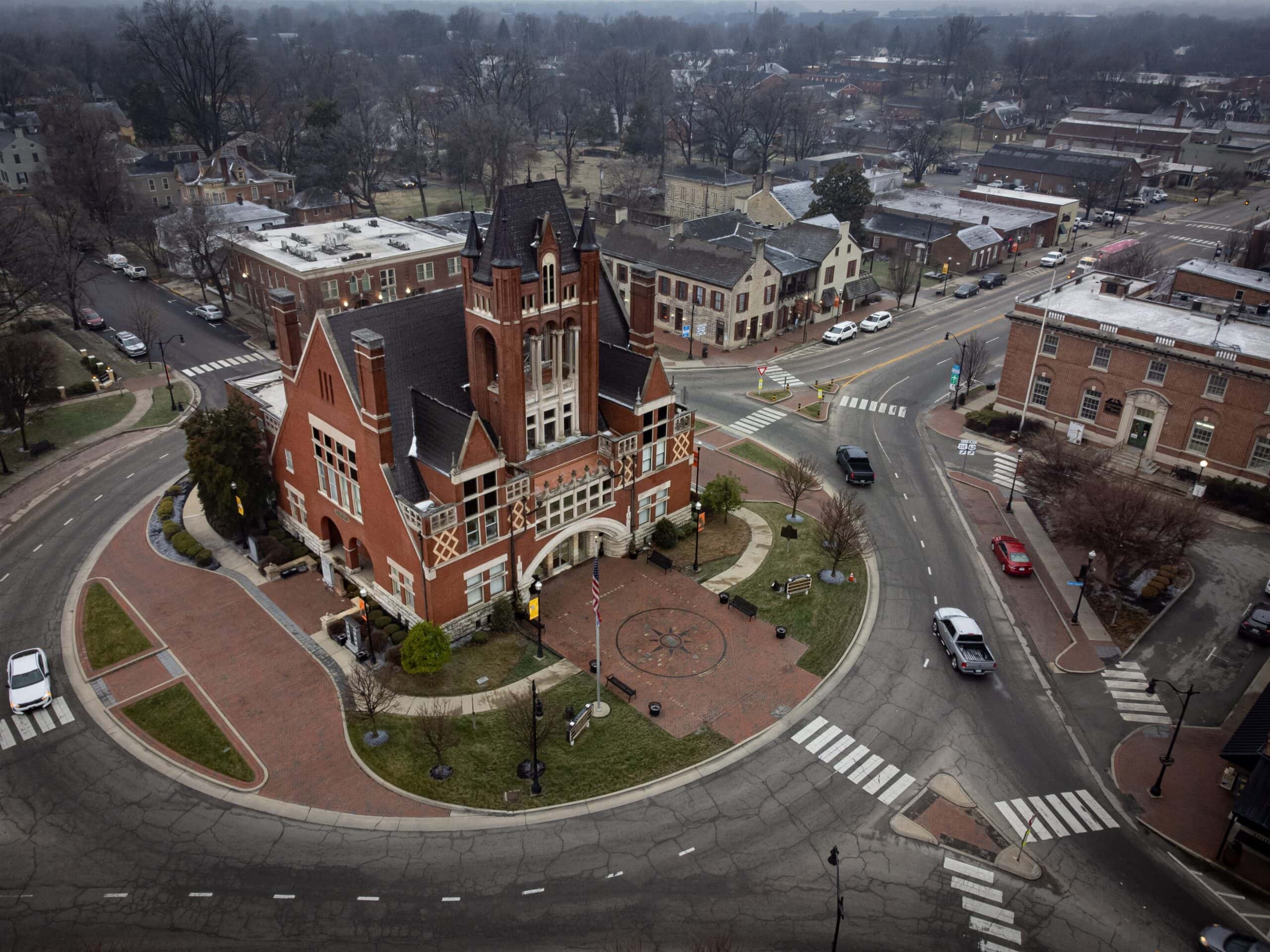
Founded in 1788, Bardstown is one of the oldest communities established west of the Appalachian Mountains. Its downtown remains filled with Federal, Georgian, and Greek Revival architecture, giving visitors a glimpse of Kentucky life from generations ago. The bourbon industry has brought renewed attention and tourism to the region, but Bardstown has worked to welcome that growth without losing the buildings and traditions that make the town distinctive.
One of the best-known local landmarks is Federal Hill, the historic mansion at the center of My Old Kentucky Home State Park. The property has long been associated with Stephen Foster’s famous song and remains an important part of the town’s story. Families visiting Bardstown can explore historic homes, museums, churches, and a downtown filled with independent businesses. Although modern life has certainly arrived, the town’s deep connection to Kentucky history is still easy to see.
The image featured at the top of this post is ©jfergusonphotos / Shutterstock.com – License / Original