Nothing in this world is guaranteed to be safe, and every mom has felt that fear before. Protectiveness is instinctive and often kicks in when we need it the most. And when everything on the news and social media tells us to be afraid of the world, it's hard not to feel that 24/7. This is especially true for moms who take solo trips with their kids. When you're the sole protector of your family in that moment, it's natural to question the people around you.
That fear is also incredibly normal. Which is why we speak with Adam Coughran, M.A., President of Safe Kids Inc. Coughlin is also a former police officer with over two decades of experience. He shares with us how moms can be aware while protecting themselves and their families.
Safety Starts Before Leaving the House

©bbernard/Shutterstock.com
In many cases, the best safety practices come down to self-awareness and being prepared before ever walking out the door. Coughran recommends doing several things before heading out with kids, starting with your mindset. “A woman’s demeanor and how they carry themselves can go a long way in deterring a would-be attacker. Being aware and engaged with their environment, walking confidently, with purpose, and distraction-free, displays non-verbal body language of someone who is prepared and not an easy potential victim,” he says.
“Often, criminals look for someone they believe will offer little to no resistance or who may be distracted, so they can catch them off guard. Things they often look for are walking earphones in both ears or over-ear headsets, hood sweatshirts with the hood on over your head, looking down texting on a phone, looking through a purse or backpack, or looking or bending down into a truck or the backseat of a car.”
Coughran notes a significant difference between the two versions of a parent. The safety-first parent is walking with their head up, shoulders back, and confidently engaged with their surroundings. This increases situational awareness, allowing you to take preventive actions against potential threats.
“Crossing a street, changing directions, having car keys or pepper spray in your head, or giving verbal commands to someone to stop well in advance who may be advancing towards you with purpose. This gives you time and distance to react and take precautions to stay safe,” Coughran adds.
Once You're Out, Reduce Distractions
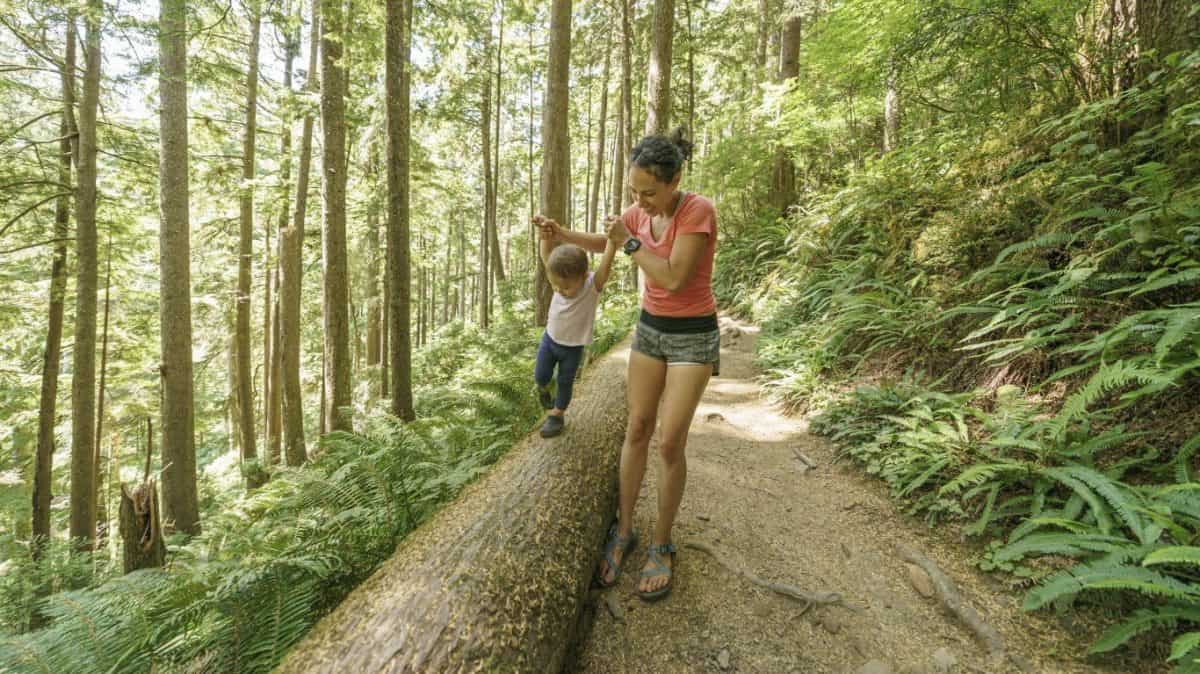
Kids are a big enough distraction, and this can add to the stress of an already tense outing. The key, Coughran says, is to control what you can. Being on your cell phone, a shoulder bag constantly falling off your shoulder, sandals slipping off, or hair getting into your eyes are all additional distractions. These can take away from a parent's awareness of their surroundings, which is something to avoid.

©antoniodiaz/Shutterstock.com
“Before heading out, prepare for the outing. If using a stroller, be sure it’s in good working order and can carry items to avoid distractions. Change purses or bags for ease of use, and it won’t cause frustration or distraction. Before taking your children to a public place you haven’t been to before, visit the area ahead of time to get a sense of what you’ll need for the outing. Understanding where to park, the areas you will want to visit with your children, what type of shoes or clothing you will want to wear that is most appropriate, and multiple ways in and out in the event of an emergency,” Coughran suggests. He also recommends asking these questions:
- If visiting a place at night, what is the lighting and visibility in the area?
- Are there other families also visiting?
- Do you have cell phone reception?
Familiarity with an area greatly increases safety odds. If you can anticipate and know what to expect, you're already a step ahead.
Red Flags and Details to Notice When You're Alone
Once you're out, attention should shift to noticing the things around you. At this point, Coughran says that a mother's intuition is one of the strongest tools you have. “When focused and situationally aware, the brain looks for baseline behaviors it considers normal for the environment. When actions, people, or events meet the expectations of the brain’s baseline, everything seems ‘normal,” he explains. “It’s when there are clusters of abnormal actions, people, or events, or multiple ‘divergences of baseline,' that the brain processes potential danger, as things are no longer normal in the environment.”
He adds that for mothers, this sense is typically heightened or hyper-focused. At this point, they are not only protecting themselves, but also their children. “It’s this sense that alerts mothers to strange behaviors, a sense that a car is odd or out of place when others are not, or when things ‘just don’t seem right,” he encourages.
“Trust your instincts, as your brain doesn’t always have the ability to articulate how it feels a certain way, but it does have the ability to alert you to a set of circumstances it believes doesn’t ‘add up' given what it knows and is trying to warn you.”
Adam Coughran, M.A., President of Safe Kids Inc.
Exploring the Worst-Case Scenario
No parent ever wants to consider a worst-case scenario. But in knowing what to do, we're also automatically adding a layer of defense if it should occur. While it's scary to think about, there are ways to prepare without feeling powerless. “In an ideal world, a stranger would not get close enough to a parent with children to cause concern. At the point where a stranger feels like a threat or has ill intentions, immediately verbally challenge the person,” Coughran stresses. Saying things like, “Can I help you? Stop right there. I don’t feel comfortable with you coming any closer,” is key.

©Gerain0812/Shutterstock.com
“Loud, firm, and prompt commands give early and clear signals if someone may be intending harm by not following or ignoring. Or if they at least initially comply. Time and distance are your friends in most circumstances, so giving plenty of distance for the person to respond to what you are saying also gives you time to react,” he adds.
“The general rule is that it takes about 24 feet of distance to react to an aggressor charging at you. Thus, good situational awareness of your environment, seeing persons of interest early, and taking proactive measures to create time and distance can prevent any interaction altogether. And should the person actively adjust their movement and make it obvious they are coming towards you, you can respond earlier and faster to get to safety and call for help.”
Take Extra Precautions At Night
The same environment can change completely from daytime to nighttime. Coughran explains that during the day, most any setting is easily visible and can even appear more inviting. “However, once daylight is removed and the environment becomes dark, it changes not only the appearance, but also how the area is used,” he says.
“Streetlights, building lights, light brightness and color, the lack of lighting, and shadows all play a part in shaping how we perceive and interact with areas. When heading out for a nighttime walk or visiting a venue, consider bringing a flashlight or installing lights on the front of a stroller to improve visibility. Avoid shadowed or poorly lit areas in favor of well-lit areas where you can see the area around you. Depending on the activity, also consider reflective clothing or small flashing lights, as vehicles and other people will have a harder time seeing you in the dark.”
When In Doubt, Always Remember This
Preparation is the key to success, according to Coughran, drawing on his 20 years of experience in the field. “Consider for a moment that ‘multi-tasking' is a myth. The brain does not actually have the capacity to do multiple things well at the same time. It can do multiple things at the same time, but you’re dividing focus among the number of things you’re doing,” he says.
©Fly View Productions / E+ via Getty Images
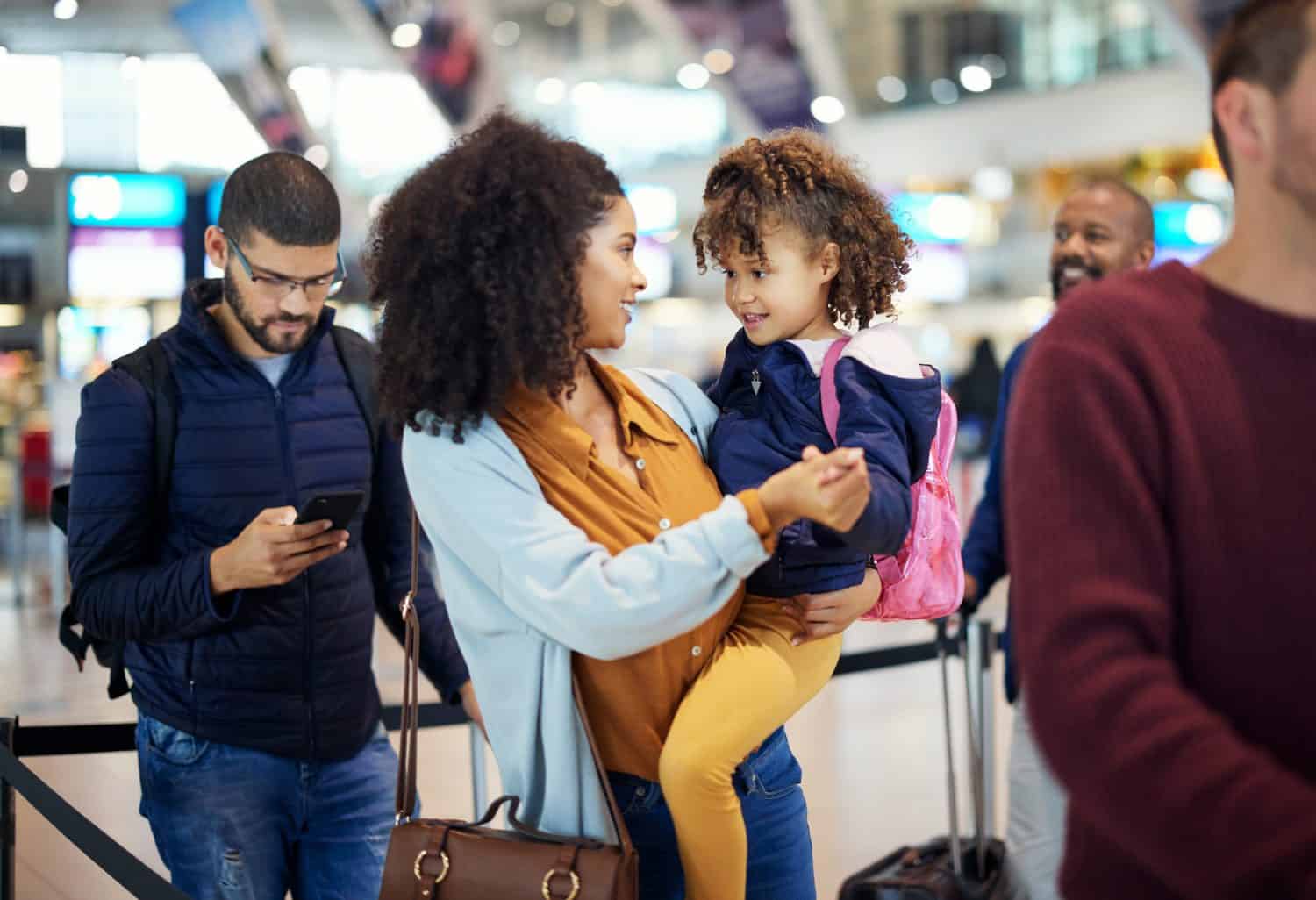
“If you focus on your situational awareness and are prepared for the check-in process at the airport, you have a greater chance of staying safe by recognizing potential issues, keeping track of where your children are and what they’re doing, and so on. If, however, you are talking on your phone, searching through a bag for something while trying to find the right line to stand in, and running late for the flight, your focus is now divided among several things, and being aware of your environment is no longer a priority. And when traveling, most parents will be in unfamiliar areas, where being aware of what is happening around them becomes even more important for their personal and family [safety].”
The image featured at the top of this post is ©PeopleImages.com - Yuri A/Shutterstock.com