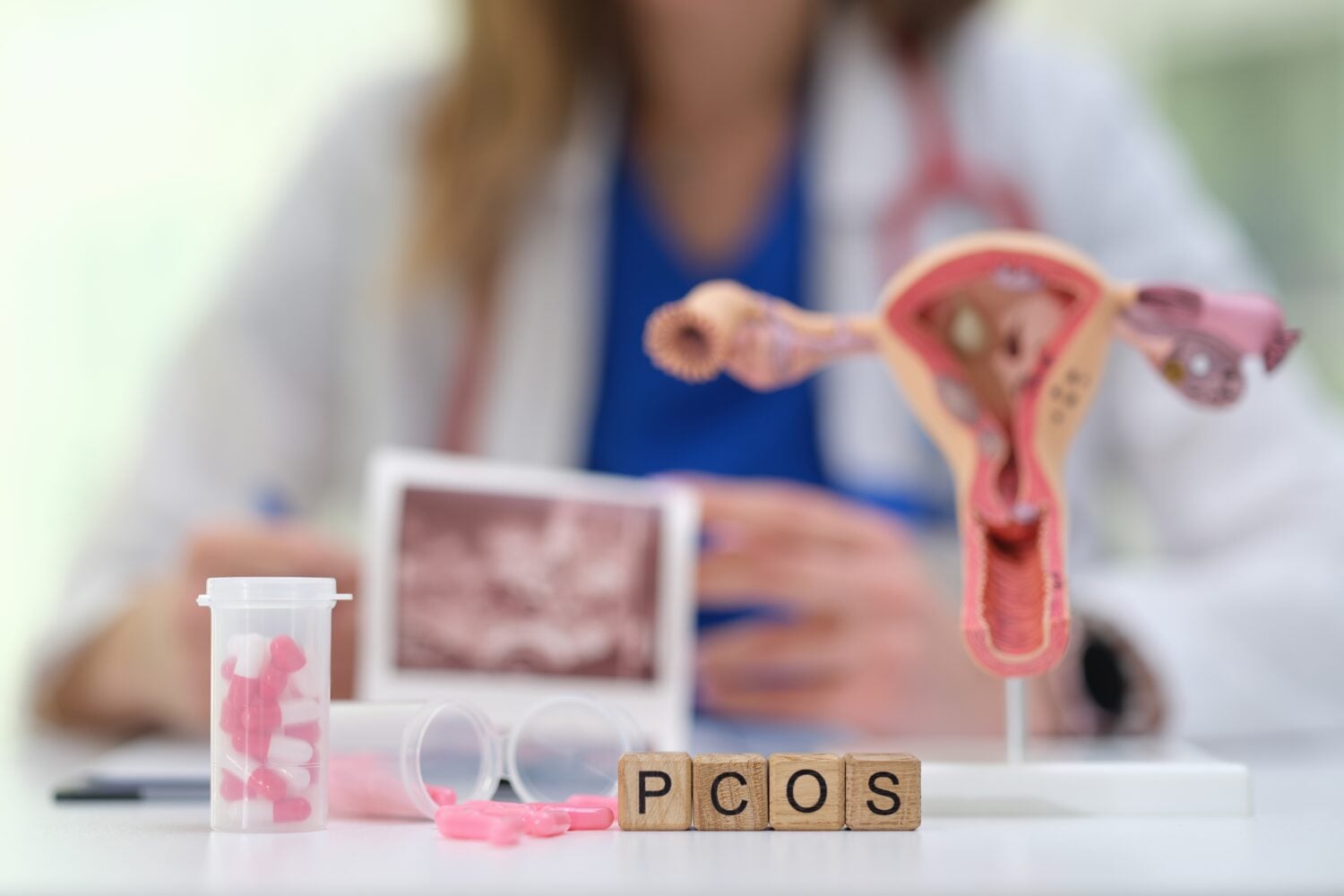
May 12th, 2026, is a historic date for those who suffer from PCOS. This year, the disease underwent a significant name change, now called Polycystic Metabolic Ovary Syndrome. This not only changes the medical dictionary definition of PCOS — now PMOS — but also changes millions of lives.
For too long, the clinical guidelines of PMOS discounted the fact that multiple hormone systems are involved, not restricted to the ovaries alone. The full-body symptoms are now included, along with an emphasis on insulin resistance and long-term effects. This change makes all those diagnosed with PMOS finally feel seen and, according to doctors, goes beyond physical health.
A History of PCOS and Its Shortcomings
The name change is hailed as one of the most significant medical changes in decades. Dr. Gillian Goddard, board-certified endocrinologist and author of The Hormone Loop, tells us more about this historic renaming.
“In the earliest days of identifying this condition, it was called Stein-Leventhal syndrome. Polycystic ovary syndrome didn’t become the typical name used until the 1990s, but it was still based on their original findings,” Dr. Goddard explains. “But that name became confusing as knowledge grew. We now know that the characteristic cysts often described as looking like a string of pearls on ultrasound are not cysts at all. They are immature eggs that have stalled on the path toward ovulation. And these eggs don’t cause the symptoms of PCOS. They result from the metabolic changes that also cause other common PCOS symptoms.”

©Jo Panuwat D/Shutterstock.com
The women diagnosed with this early disease presented with the following primary symptoms:
- Irregular menstrual periods
- Enlarged ovaries that were packed with partially mature eggs (called cysts at the time)
- Signs of elevated testosterone
- Elevated androgen levels
- Acne
- Body hair growth
- Scalp hair loss
As is the case with many reproductive disorders in their earliest stages, the first treatment was invasive and painful. When a patient was diagnosed with Stein-Leventhal syndrome, it was treated with a bilateral ovarian wedge resection. This removed large chunks of each ovary in an attempt to prevent cysts. By 1953, cortisone therapy was also recommended to treat sclerocystic ovaries that overproduced testosterone. Neither was comfortable, nor did they address the root cause of what's now recognized as PMOS.
There's Still More Work to Do
It's estimated that PMOS affects up to 13% of women worldwide, or one in eight individuals. However, it's also estimated that up to 70% of women worldwide could be misdiagnosed or not diagnosed at all. The lack of cysts during routine exams is typically to blame for this, but the name change allows doctors to go beyond outdated guidelines. The change, Dr. Goddard says, has been brewing for a while now, but it's still not enough.
“While doctors may have some understanding of what the new name means, I worry that patients won’t. As an endocrinologist, I know most people don’t know what endocrine means or even that it refers to glands and hormones. Many people have a sense of what metabolism is, but they don’t know that ‘metabolic' refers to so much more than how our bodies burn calories,” she shares.

©Chinnapong / iStock via Getty Images
Dr. Goddard adds that PMOS is a clinical diagnosis, meaning the diagnostic criteria have not changed dramatically. “The change in name also does not change the treatment options available to a woman diagnosed with PMOS. My patients are surprised to hear that there isn’t a single medication with an FDA indication for treating it. Birth control pills, metformin, and GLP-1 receptor agonists (GLP1-RAs) are all prescribed off-label to treat various symptoms of PCOS,” she tells us.
“Ultimately, we need more than a name change to improve the experience of women with PMOS. We need research to develop better diagnostic testing. And we need advocacy to support women getting expensive treatments covered by their insurance.”
What PMOS Means For Those Diagnosed
A name change such as this one goes beyond medical journals. For so many women, the bigger change happens on an emotional level as they finally feel validated. Dr. Charles M. Carlsen, Board Certified Obstetrician-Gynecologist and co-founder of Drsono, shares why.
“11 years. More than 22,000 voices. One long-awaited correction. Polycystic ovaries? No. Polyendocrine metabolic ovarian syndrome. PMOS. Published in The Lancet. Official. This was not a rebranding. This was a correction,” he tells us.

©PeopleImages.com – Yuri A/Shutterstock.com
“Over twenty years of working in medicine, and here's what I've learned. As soon as those words entered the conversation, the whole atmosphere of the room would change. Eyes opened wide. Shoulders tensed. Women imagined huge cysts in their bodies,” Dr. Carlson says. “In many cases, I would spend the first ten minutes of the visit trying to dispel this misconception. Because I knew something that the term did not convey to the women: there is almost nothing wrong with their ovaries. There were no abnormalities. The name lied.”
Dr. Carlson explains how the name “Polycystic Ovary Syndrome” suggests a focus on the ovaries alone. This blatantly ignores other symptoms, such as insulin resistance, androgen excess, hormonal axis skewing, cardiovascular problems, and mood swings. “Women suffered from a condition that affects their entire body but were given a partial diagnosis and told it is polycystic ovaries,” he says.
How Changing the Name Makes PMOS Inclusive
“When I diagnose a woman with PMOS, I pay attention to much more than just the size of her ovaries. I analyze her insulin levels, her lipid profile, her blood test results, and [her] mental state. My approach to treatment covers skin problems, menstrual disorders, possible coronary issues, and mental well-being,” Dr. Carlson explains. “Up to 70% of people with this disease do not know about it. This statistic has bothered me for quite a while now. The reason lies in the name itself.”
He adds that the next generation of doctors will learn about this syndrome as an endocrine-metabolic disorder from day one. This crucial step is what may change the outlook for patients in getting the help they need before symptoms become severe. In his own office, Dr. Carlson says he's already witnessed the impact a proper diagnosis can have.

“I want to be honest about something,” he says. “My patients sometimes cried from joy in my office when they received this diagnosis. Not from sadness. From relief. Finally, someone realizes what is happening with them. Women were misdiagnosed for years because their symptoms were treated as weight, lifestyle, or mental issues. They were told that they just imagined problems like anovulatory cycles, hyperandrogenism, and metabolic dysfunctions. The meaning of a name is important. It conveys a message: what are patients suffering from and how should they be approached?”
“When the name becomes consistent with the syndrome's clinical picture, everything changes for women. They treat their illness differently and do not accept misdiagnosis.
Dr. Charles M. Carlsen, Board Certified Obstetrician-Gynecologist and co-founder of Drsono
And here is what you should remember. PMOS affects 170 million people worldwide. Everyone needs an appropriate name for the condition.
For every woman who spent years being handed half an answer — this one's for you.”
The image featured at the top of this post is ©H_Ko/Shutterstock.com