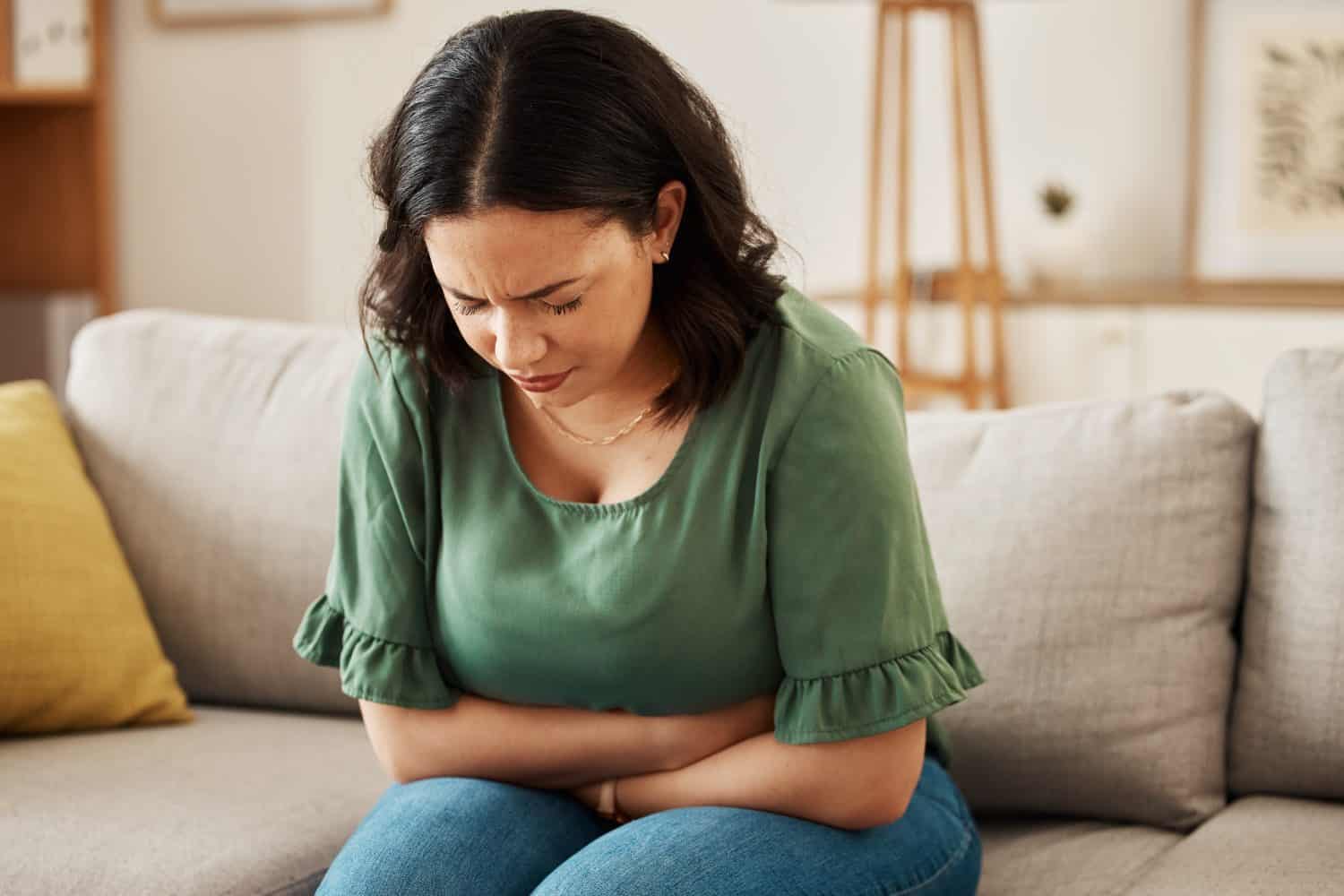
Although some women experience periods with little pain and no noticeable symptoms, approximately 50% to 90% of childbearing women experience painful periods. This type of pain is known as dysmenorrhea. Primary dysmenorrhea is relatively common during a woman's teen and young adult years. Secondary dysmenorrhea occurs around a woman's mid-20s, and can be a sign of underlying conditions.
However, these aren't the only causes for period pain. Disorders such as endometriosis and adenomyosis can also cause severe pain during a woman's menstrual cycle. Poor pelvic floor health, infections, and cysts caused by PCOS can also contribute to higher pain levels. Many things can go wrong during a woman's cycle. Therefore, we're looking for the answer to what we can do right. We speak with several experts in various women's health fields to address the most significant question: How do you know when you should dig deeper into your period pain?
When to Question the Severity of Your Period Pain
Heavy, painful periods can be disorienting, exhausting, and scary. For many women, it can be challenging to know when and how to raise concerns about the cause of this pain. We speak with Dr. Margo Harrison, MD, MPH, OB/GYN, researcher, and Founder of Wave Bye to find out.
Dr. Harrison makes the process feel far less intimidating, explaining how the scale varies depending on the root of pain. “Menstruation kind of makes you feel bad everywhere. Sometimes you can feel pain in your bowels, rectum, and back in addition to headaches and uterine cramps,” she says.
“If your pain feels like it's reflected in any of those places, it could be the smooth muscle of those organs responding to hormonal signals, or it could potentially be a sign of menstrual tissue being outside the uterus, called endometriosis.”

©PeopleImages.com – Yuri A/Shutterstock.com
According to Dr. Harrison, knowing when to call your doctor comes down to one thing. “When your period pain or bleeding is affecting your quality of life, it is time to be evaluated,” she says. Dr. Harrison also recommends documenting your symptoms before seeing a doctor, primarily:
- Period products you may be using (i.e., how many menstrual pads, tampons, or cups you bleed through)
- Any headaches, severe cramping, or other pain markers
- Severity of pain
“It is always easier for a doctor to evaluate objective data than vague descriptions, which can help you get the answers you need and want,” she explains. Period notebooks, medical planners, wellness journals, and other tools are available to help keep track of these symptoms.
Writing symptoms down makes it easy to note patterns and can help when discussing your concerns with a healthcare professional.
Tracking Symptoms Starts With You
Another piece of advice Dr. Harrison shares is that tracking symptoms can be the key to a diagnosis. If nothing else, they can start a beneficial conversation. “OB/GYNs only have so many tools at their disposal to diagnose and treat period pain, bleeding, and symptoms. This is why it's amazing that there are so many start-ups in the space pushing research and care forward,” she says.
“In the meantime, the best thing you can do is educate yourself about the menstrual cycle itself and become an expert in your own cycle and symptoms.” She goes on to explain that knowing yourself and your cycle can help doctors better understand your body. Once you and your doctor pin down the problems, you have a better chance at a targeted treatment.
“Being able to predict the day your bleeding is coming based on your own knowledge and connection with your body is profoundly empowering.”
Dr. Margo Harrison
When Pelvic Floor Therapy Can Help
Sometimes, painful periods can stem from a place we never even thought of. When speaking with Rachel Gelman, Pelvic Floor Specialist, Sexuality Counselor, and owner of Pelvic Wellness & Physical Therapy, we learned that treatment sometimes lies in movement.
“Obviously, there are various factors that can cause or contribute to period pain, so I always recommend people consult a pelvic pain specialist to determine potential causes. Often, pelvic floor muscle tension can contribute to pelvic pain, including pain related to the menstrual cycle,” she explains.
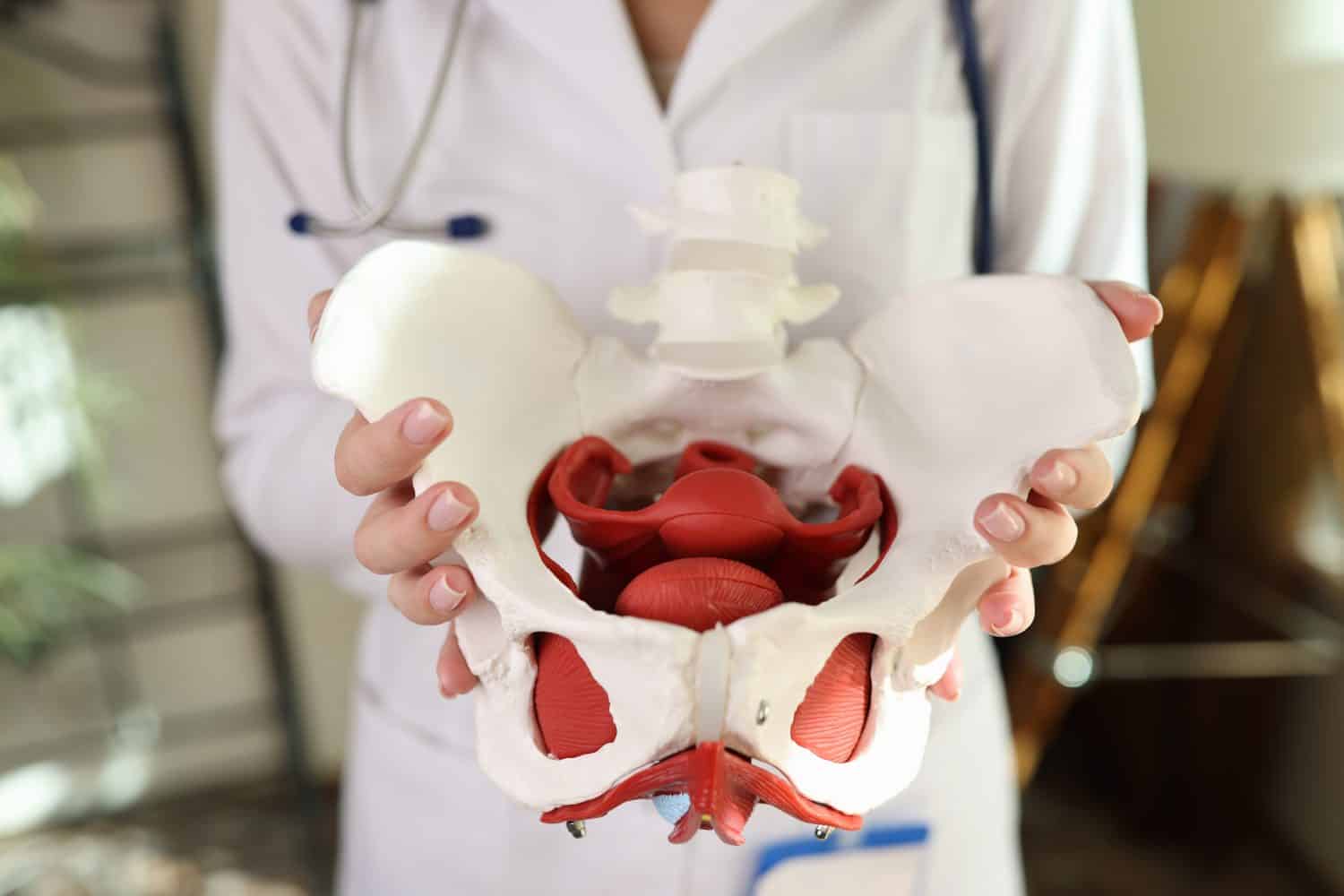
The connections between the pelvis and the rest of the body are vast. Sometimes, our muscles can work for us, rather than against us. “As the pelvic floor muscles support the pelvic organs, which include the uterus, ovaries, and fallopian tubes, surrounding muscles and fascia in the abdomen, hips, back, and thighs can impact these areas as well,” says Gelman.
“Pelvic floor therapy can help improve the flexibility and mobility of these structures. This can help improve blood flow, the ability of nerves to move, all of which can decrease pain.”
How Pelvic Floor Therapy Treats Pain
While many issues can cause period pain, pelvic floor therapy is an option that many women have benefited from. Pain can sometimes be relieved by targeted tense parts of the body. This is not unlike using a pressure point to relieve a headache.
“In-person pelvic floor therapy often involves hands-on manual therapy externally and internally — with a patient’s consent. Myofascial trigger points in the abdomen and hips can contribute to pain, so working on releasing these points of tension can be helpful for pain relief,” explains Gelman. “Myofascial release and connective tissue manipulation are other treatment techniques that can be helpful as well.”
When treating patients, Gelman also looks for red flags in the answers to these questions:
- Pain severity is a big one: Is it limiting their ability to engage in daily life?
- Is the pain so severe that they are unable to attend work or school?
- Is the pain unmanaged with over-the-counter pain medication?
- Do they have a fever, chills, and abdominal pain?
- Is the pain worsening over time?
- Do they notice a foul-smelling discharge?
- Do they faint and/or vomit from the pain?
- Do they need to change a pad, tampon, or diva cup more than every two hours?
These issues can sometimes indicate underlying conditions and may necessitate more targeted or additional treatment.
Period Pain That Comes From Outside the Uterus
Pelvic floor therapy doesn't only treat uterus-specific pain. It addresses all aspects of the pelvic region. “The bladder, uterus, and rectum all live in the pelvis and are supported by the pelvic organs, so as a pelvic floor therapist, I think about all of these structures when someone comes in to see me,” explains Gelman.
“Pelvic floor muscle dysfunction can contribute to things like urinary urgency, frequency, pain with urination, and incontinence. Sometimes patients report the feeling of a UTI, but all the lab tests are negative for an infection, and the actual cause is pelvic floor muscle tension,” she says.
She also shares that people often report constipation, a feeling of incomplete defecation, pain with bowel movements, gas, and bloating. “Pain with sex is another very common symptom I treat, and it’s reported that 75% of women will experience pain with sex in their lifetime,” says Gelman.
©megaflopp/Shutterstock.com
Period pain sometimes extends beyond a woman's cycle and can contribute to a painful sex life. This, Gelman says, isn't necessarily a red flag — but should not be ignored. “[painful intercourse] shouldn’t be ignored or accepted as normal. It is common and can be due to a variety of factors, so again, I recommend that someone consult their healthcare provider to determine what is causing the pain,” she says.
“It is often multifactorial in nature, and one of the causes is often pelvic floor muscle dysfunction.” Gelman also explains that tense or spasmotic pelvic floor muscles can make penetrative sex painful or impossible. “As these muscles have a close relationship with the clitoris, people may report pain with non-penetrative sexual activities and can report pain with orgasms or arousal.”
Expert-Recommended, Easy, At-Home Pelvic Floor Techniques
Thankfully, pelvic floor treatments vary in degree, and some can be done at home. Gelman explains that even the simplest of movements and techniques can provide much-needed relief. “The pelvic floor muscles move with the diaphragm, one of the main breathing muscles. So practicing slow, deep breathing is an easy way to help relax the pelvic floor,” she says.
“This breathing also helps calm down the nervous system, which can also help reduce pain. Certain yoga poses, like child’s pose and happy baby, help open up the pelvis and relax the pelvic floor, which can also help,” Gelman encourages.
“I am also a big fan of castor oil packs or Epsom salt baths, as heat is very helpful for relaxation and pain reduction.” For those looking for pelvis-targeted stretches, YouTube has a wealth of easy-to-follow tutorials.
“No matter the cause, treatment is available and people shouldn’t suffer in silence.”
Rachel Gelman, Pelvic Floor Specialist and Sexuality Counselor
When the Pain Interferes With Your Day-to-Day Life
Unfortunately, many women experience period pain that goes beyond the threshold of “normal.” This scale is a moving target, as everyone has a different pain tolerance. However, debilitating pain should not be accepted as normal or representative of the average period. In these cases, consulting a medical professional is the best course of action.
We speak with Endometriosis and Pelvic Pain Treatment Specialist Dr. Iris Kerin Orbuch, the Founder of Iris Wings Sanctuary for Endometriosis Surgery & Wellness. Dr. Kerin Orbuch has been featured in the documentary BELOW THE BELT and wrote Beating Endo: How to Reclaim Your Life from Endometriosis. After having so many patients referred to her with severe period pain, she has seen her share of extreme cases.
©Prostock-studio/Shutterstock.com
This type of pain can often be a symptom of something significant, such as endometriosis or adenomyosis. “The biggest red flag for patients complaining of painful periods is when the pain is so severe that it keeps them from doing the things they love,” Dr. Kerin Orbuch tells us.
“Other concerning symptoms include painful sex, either on entry or with deeper penetration, constipation, diarrhea, bloating, painful bowel movements, and urinary urgency or frequency — all of which are symptoms of endometriosis. Importantly, with endometriosis, pain can occur at any time of the month, not just before or during one's menses.”
If the Pain Goes Deeper
These inflammatory diseases rarely show up on imaging, according to Dr. Kerin Orbuch. Therefore, pelvic ultrasounds alone are not usually enough to diagnose them. “I always stress to patients to trust their intuition and their gut. If they are experiencing pain and their general OB/GYN cannot identify the cause, I strongly urge them to find an endometriosis specialist,” she says. “Unfortunately, most general OB/GYNs are not equipped to diagnose, manage, or operate on endometriosis patients.”
With this type of pain comes a natural response to its debilitating nature. “Muscle pain can also cause severe discomfort. Typically, those with endometriosis develop pelvic floor muscle pain from curling up in a fetal position, bracing, and tightening their bodies every time they are in pain,” explains Dr. Kerin Orbuch. This is often a sign that pain goes beyond the average period, versus more common pain such as Mittelschmerz (ovulation pain).
“While it’s normal to experience some pain during one’s menstrual cycle, if the pain prevents them from engaging in activities they love, that is too much pain.”
Dr. Iris Kerin Orbuch, Founder of Iris Wings Sanctuary for Endometriosis Surgery & Wellness
How Period Disorders Affect the Body
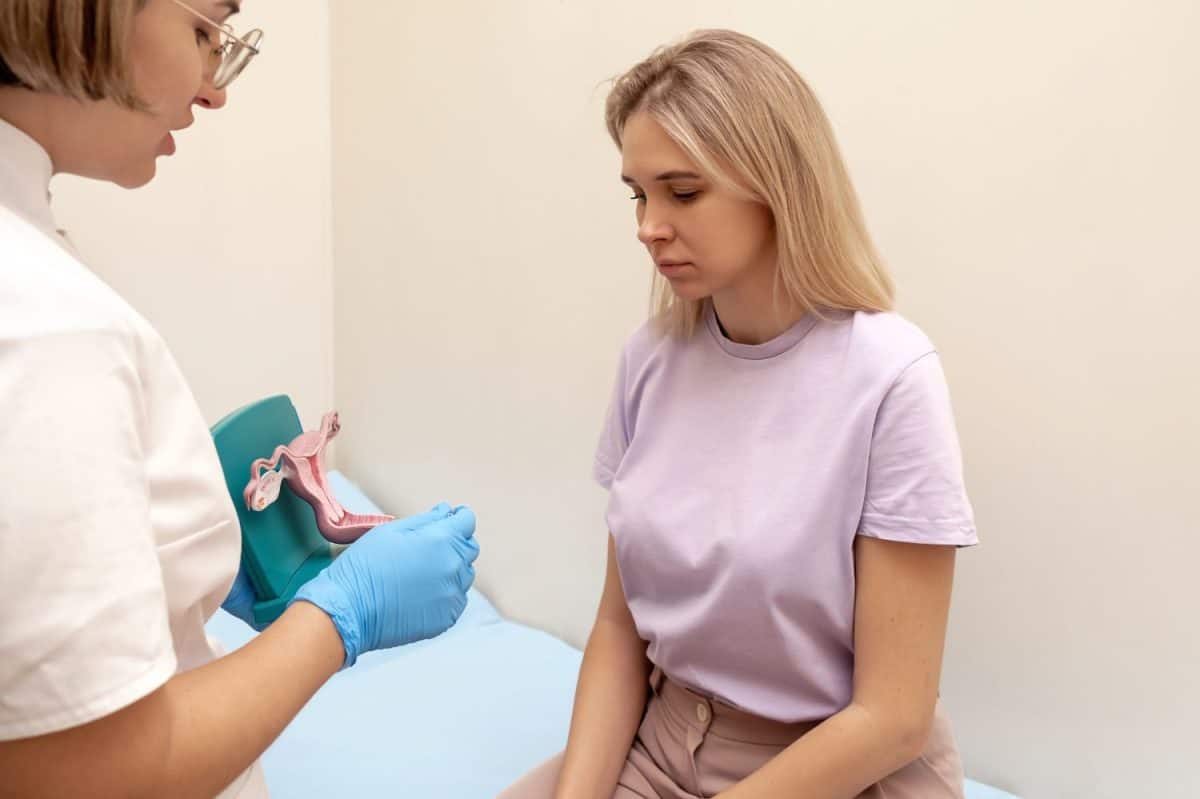
Dr. Kerin Orbuch also explains how various disorders can affect a woman's body. While some cause significant pain, others manifest in different ways. “PCOS and PMDD do not cause pain. Endometriosis and adenomyosis, however, do cause pain,” she explains.
“PCOS (Polycystic Ovary Syndrome) is typically associated with irregular menstrual cycles, excess facial or nipple hair, oily skin, and certain blood work abnormalities. PMDD (Premenstrual Dysphoric Disorder) primarily refers to mood shifts occurring before one’s menstrual cycle.”
©Tatiana Buzmakova/Shutterstock.com
PCOS does not cause pain, but a disease like endometriosis can cause pain and inflammation throughout the body. “Endometriosis can cause a wide range of symptoms,” Dr. Kerin Orbuch says. “Some may have only one symptom, while others may experience many, including painful periods, pain at any time of the month, painful sex, constipation, diarrhea, painful bowel movements, painful urination, urinary frequency, and infertility.”
When to Fight for Treatment
She adds that adenomyosis can also cause similar symptoms. However, patients often describe more midline pain and a sensation of heaviness. Adenomeiosis occurs when cells similar to those found in endometriosis are found in the muscle of the uterus.
In the case of these diseases, Dr. Kerin Orbuch believes that endometriosis excision is the gold standard of treatment. “Combining expert endometriosis excision surgery with a multidisciplinary approach provides the best outcomes. My philosophy is very ‘East meets West'—a mind to body, head to toe approach,” she says.
For those with excruciating pain, this is a symptom that should not be ignored. While its root cause may be something easily treatable, a professional opinion can provide assurance. When asked what Dr. Kerin Orbuch wishes more doctors would do, she says, “I wish more general OB/GYNs recognized that even teenagers can have endometriosis, so it could be diagnosed and treated at a younger age.”
She encourages women to seek out specialists, especially when their pain interferes with doing the things they love. Don't suffer in silence — there are experts out there who can provide you with the support you need.
The image featured at the top of this post is ©PeopleImages.com - Yuri A/Shutterstock.com