












10 School Rules From the ’80s and ’90s That Moms Would Never Accept Today
If you went to school during the 1980s and 1990s, you accepted everything that happened at there as being natural. The use of the paddle at the principal's office, the silence policy during lunchtime, the teacher who decided when you could go to the bathroom. No one really challenged these things as there was no other vision of what school should be like for comparison.
Things weren’t bad, they were just different, and even the things that were not good were often simply products of the era. Tell your kids what the schools of the 1980s and 1990s looked like, and you will see a mixture of disbelief and fascination in their eyes.
Here are ten such rules that were completely natural during the 1980s and 1990s but are completely unimaginable today.
Corporal Punishment Was Completely Legal (and Common)
The wooden paddle hung behind the principal's desk and it wasn’t a prop. Up until the 1990s, the paddle was commonly used in many schools in the United States to punish students who misbehaved. They would be made to stand in the principal's office and get paddled, sometimes in front of staff and sometimes with written consent from the parent. Some schools had paddles with holes drilled to minimize air resistance, which tells you something about how seriously this measure was taken.
Today, corporal punishment is outlawed in 37 states, specifically in public schools. But at the time, it was part of the school routine, especially in Southern and Midwestern states. Kids nowadays are left in disbelief when they hear about the infamous paddle.
No Water Bottles: The Fountain or Nothing
Seeing a water bottle on a student’s desk would have been bizarre to many teachers back in the 1980s. Children used to drink water from the fountain in the hallway during breaks, and that was enough. Requests to get water during class time were often denied.
It’s now known that even mild dehydration impacts concentration and memory in children. Allowing students to have a water bottle in class, and even encouraging it, reflects a better understanding of how basic physiological functions affect learning. For two full decades, however, children had to sit through a full school day on a few sips from a communal fountain.
Lunch Was Silent
The cafeteria was a no-talking zone in many schools through the 80s and 90s. Kids sat in rows and ate whatever was in front of them while the teachers observed and ensured the silence was near absolute. Those who got caught whispering to a neighbor could be punished with detention or kept inside during recess.
Scientists now know that lunch is one of the crucial social activities at school, especially for young children. The relationship established through lunch plays a critical role in emotional control and a sense of belonging. The idea of treating that time as a silence exercise would raise serious flags in any school nowadays.
Left-Handed Kids Were Forced to Switch
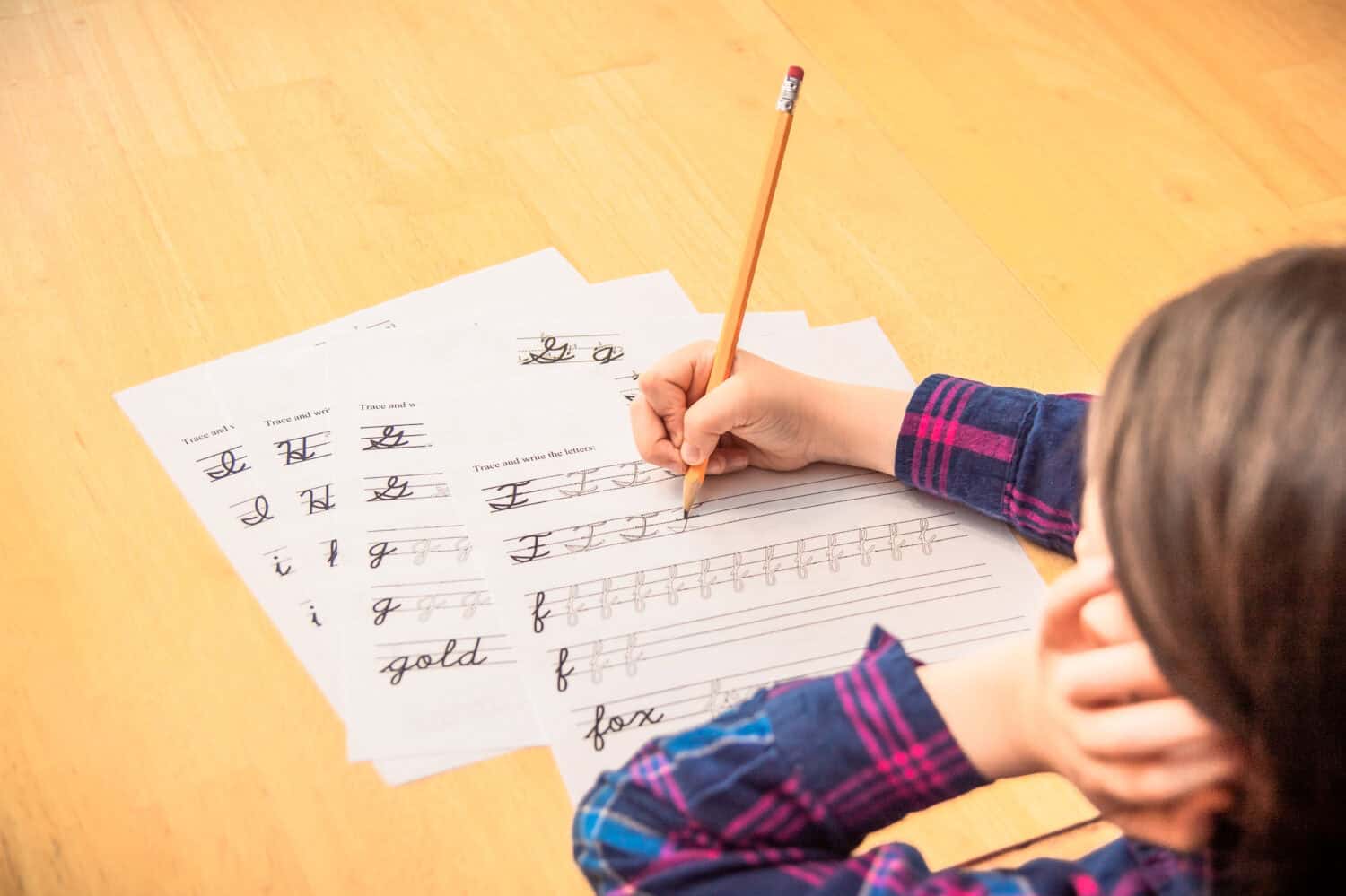
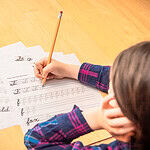
People find this one surprising when they learn about it, but it was very common back then. All throughout the '80s and before, left-handed children in many classes were forced to write using their right hand. The left-handed writing was considered a deviance that needed fixing. Kids would be forced to write with their right hand. If the child slipped up, they would sometimes get scolded or even hit with the ruler, which was another common practice back then.
We now know that did some real damage. Children forced to switch hands often developed slower, more awkward handwriting that followed them into adulthood, along with the unnecessary anxiety associated with academic tasks. Being left-handed or right-handed is a neurological trait, not a behavioral one. There was never anything to fix.
Behavior Charts Were Posted on the Classroom Wall
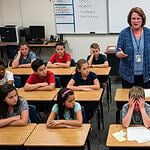
Public behavior tracking was typical of the 1980s classroom. The names of each student would be posted on a chart on the wall, and symbols would be added throughout the day whenever a student misbehaved. All the students in the class knew exactly which kids were struggling and how much.
In the latter half of the 1990s, educators began seeing the effects of this charting method. It didn’t really improve the behavior. It solidified reputations. A kid who had a couple of bad days at the beginning got a bad rep that followed him for the rest of the year. Kids would see that and act accordingly. Developmental psychologists now know that public shaming undermines self-control rather than developing it.
Backpacks Were Not Allowed in Class
Backpacks were always kept in lockers. Kids would rush between periods, grab their books, and carry everything in their arms to the next room. Running late because you couldn't get your locker open was your problem, not the school's.
The ban on the backpacks was partly due to contraband and partly due to the teachers’ desire to have the classrooms look organized. The ban resulted in disorganized kids who were often tardy because of not being able to access their lockers. The switch back to backpacks was eventually implemented as a simple practical improvement with no downside.
Some High Schools Had Designated Student Smoking Areas
This one can come as a huge shock depending on what decade you grew up in. There were a number of high schools that provided a designated smoking area for students throughout most of the early 1980s. The same areas were sometimes used by staff during their breaks. Students who made use of them often needed nothing more than a written note from their parents.
Tobacco companies had been purposefully targeting teens since at least the 1970s, and schools that tried to regulate a behavior that had become prevalent inadvertently normalized it for a new generation. Schools slowly began implementing smoking bans on their premises through the late 1980s and into the 1990s. By then, a designated smoking area for students had become unthinkable, and what had once been a routine accommodation was suddenly something no school would openly admit to having allowed in the past.
The Whole Class Got Punished for One Person's Behavior
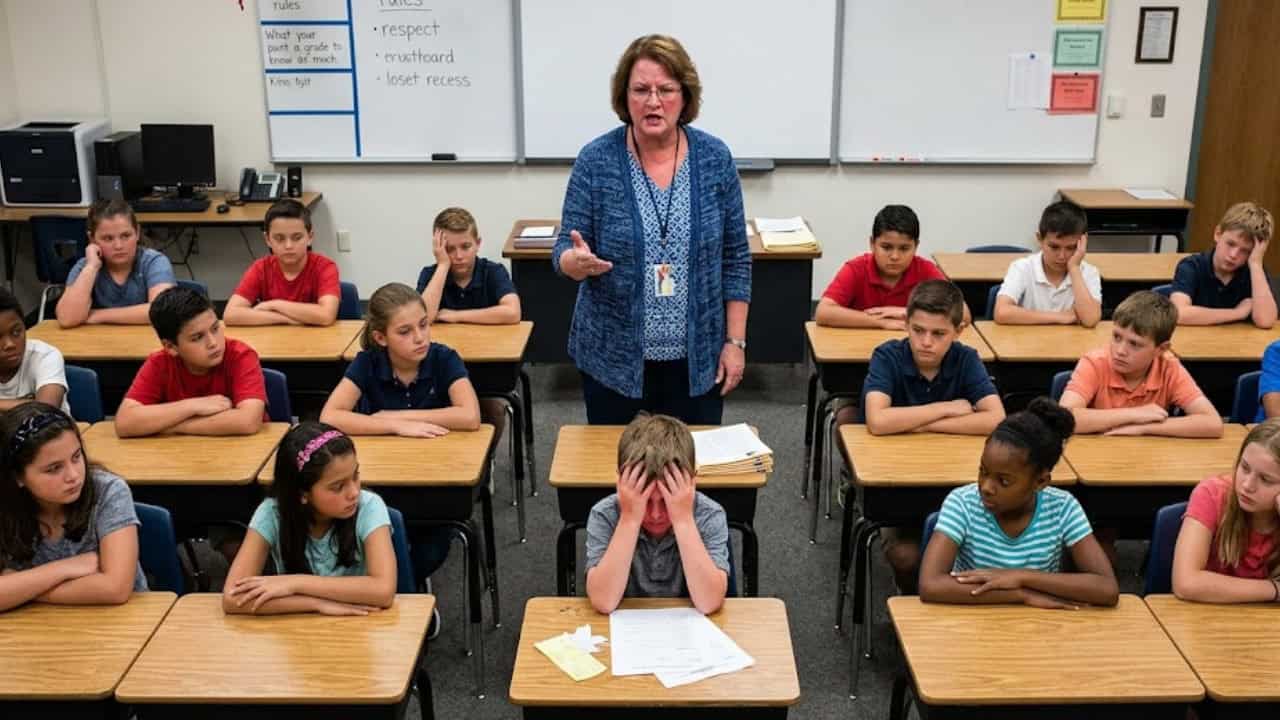
If one student tossed a crumbled piece of paper or interrupted the teacher, the whole class could lose its recess time. Or stay after the bell. Or get extra homework. Punishing the whole group was an established means of control, and the teachers would use it on purpose to turn peer pressure into a means of compliance.
Unfortunately, it did not teach responsibility. It taught kids that the authority figure could punish an innocent person if it served a broader goal, and that created resentment and scapegoating that had nothing to do with the original infraction. Research into behavioral science has demonstrated beyond any doubt that consequences have to be direct and related to the act itself.
Cleaning the Chalkboard Erasers As a Punishment
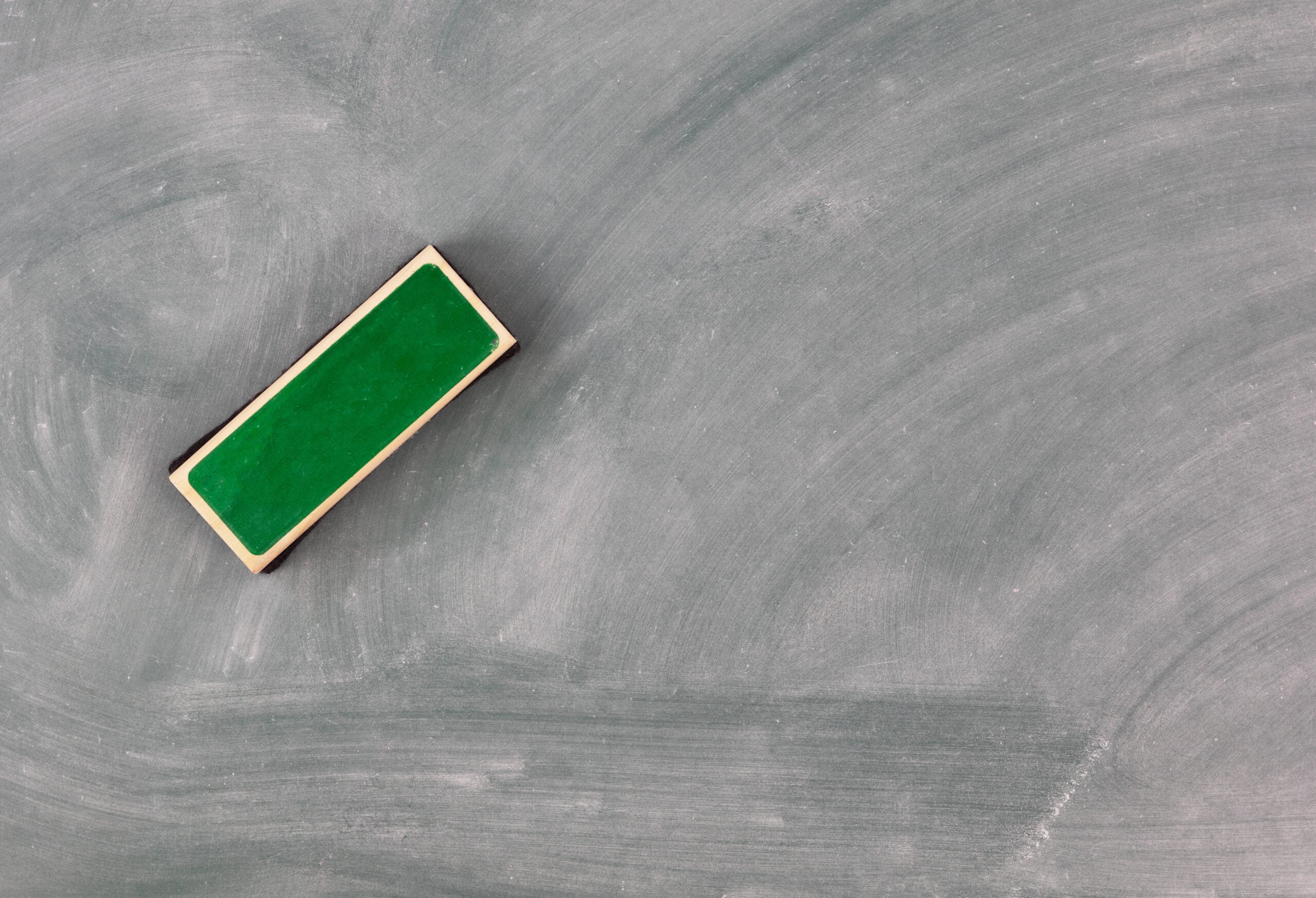
Acting up during class could get you kept after it ended to clean the chalkboard erasers. Students would go outside and clap the felt erasers together, creating dust clouds that would cover their clothing and have them coughing until the next period.
It seems rather quaint in today's world, but it was a physical and slightly humiliating task. The chalkboards themselves are largely gone from today's classroom, having been taken over by whiteboards and smart screens, so this punishment can be hard to explain to a child who has never held a piece of chalk.
Teachers Could Deny Bathroom Access as Discipline
Teachers in the '80s and '90s often viewed requests to go to the bathroom as something that the child had to earn. Trips to the bathroom would often be limited to certain hours or made contingent upon receiving a physical hall pass from the teacher. Sometimes, it was flat out refused. In some schools, there were a limited number of bathroom passes issued per semester, and exhausting them had consequences.
Pediatric specialists have found that systematically depriving children of bathroom breaks can contribute to urinary tract problems and bladder dysfunctions. For kids managing health conditions or anxiety, the requirement to publicly justify a basic physical need to an authority figure, and sometimes the whole class, was particularly nerve-wracking.
Today, most schools consider bathroom breaks a basic need, which is exactly what they always were.