As soon as summer starts, some kids want nothing to do with books for a full ten weeks. Others are so overbooked with specialty camps and classes that they just have no time for reading, even if they want to. So how can parents make sure their children get in some reading time over the summer without causing a huge argument? We've got some tips and tricks for you.
Focus on Quality, Not Quantity

©Slatan/Shutterstock.com
We don't focus on having kids read over the summer because we're afraid they'll lose literacy. Older kids will still know how to read, even if they don't touch a book for three months. Instead, it's more likely they may lose some of their comprehension skills. If they're resistant to reading, try alternatives to having them read a physical book. They can listen to a story that you read to them, listen to an audiobook, or read magazines and online media. Just make sure they understand what they're reading and can tell you something interesting about it.
Make sure that your child is maintaining their comprehension levels by asking questions. What did they like about this story? What was new or surprising? Why do they think this character did what they did? And remember, not every book or story is going to be a winner, so if they didn't like a book, have them tell you why, and allow them to put it down and pick up something else.
Let Kids Choose What They Read
Some schools provide a list of books they want kids to read over the summer. If they do, you may be stuck reading a few of those. If they don't, let your kids read whatever they want — as long as it's age-appropriate. I wasn't a fan of graphic novels when my daughter first became interested in them. But her teacher told me that they are actually more likely to contain complex vocabulary words, and kids may understand those words better because of the visual context clues.
It's also okay to read for comfort instead of as a challenge over the summer. If your kid wants to re-read the same book a couple of times, it may not be worth the fight. They could pick up a plot point or piece of information on a second or third read that they didn't catch the first time. If I see my kids reading a book for the fourth or fifth time, I sometimes suggest that they try something different, but not to the point of arguing with them.
Take Advantage of Library Summer Reading Programs

©Przemek Klos/Shutterstock.com
My kids love getting stuff, or even raffle tickets for stuff. There's an added bonus if they earned it themselves because sometimes it's things I wouldn't buy for them, like a coupon for a giant ice cream sundae or a gift card to go buy more squishies. Some summer reading programs even let you earn double rewards for reading more.
These programs also get them into the library, which means they'll be exposed to more of what's out there, and they can even ask a librarian for recommendations. These suggestions might bring up something that your child didn't know they wanted to read. My daughter is still going on the Amari and the Night Brothers series that our local librarian recommended 18 months ago.
Read Together
My kids' school just started a One Book, One School program, giving each family a copy of the book to read together. We spend 20 minutes a night taking turns reading chapters aloud. This is fun for everyone, and also helps with the previously mentioned comprehension skills. You can make it like a mini book club for your family. If your school or town doesn't have a suggested book, have each parent pick a favorite book from when they were their kids' ages.
We also love when our kids read to each other without us getting involved. Our younger one easily became an avid reader from listening to the older one read, and they learned how to pick stories that interested both of them without grown-up intervention.
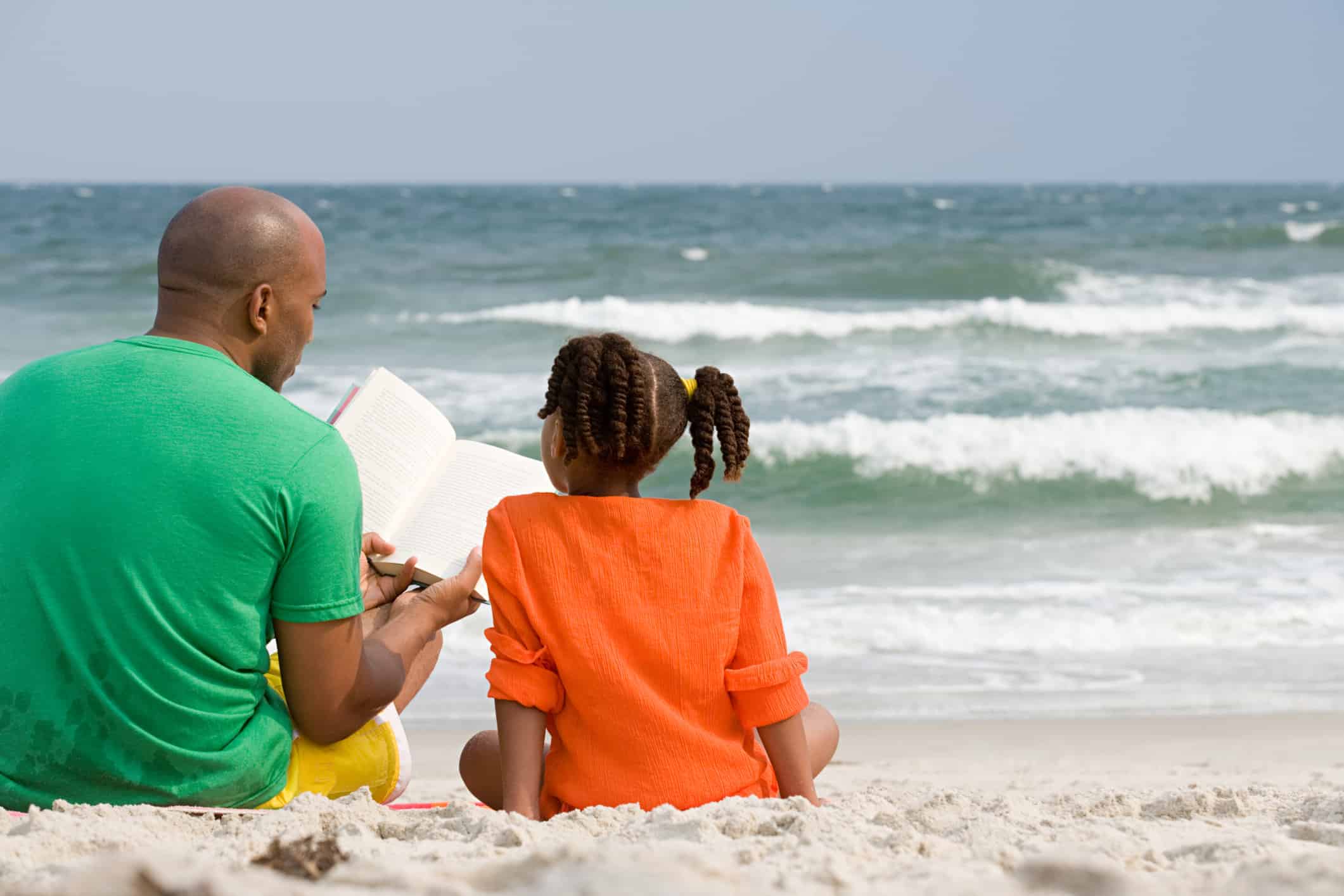
You also don't have to read to each other. We have designated family reading times where everyone finds a comfortable spot on the couch or in mom and dad's bed to read. This is a hit during the winter months in Chicago, but you can also read outside in the summer. Books are always good for taking on car trips, on a plane ride, or to the beach. Make sure you, the grown-up, are also reading to set a good example for your children.

©Maria Sbytova/Shutterstock.com
Help Your Kids Pick Relevant Reading Material
My son, in particular, likes reading about what he's experiencing in real life. Before we went to Myrtle Beach last summer, he picked up a couple of books on South Carolina. The whole plane ride, he regaled the family with facts about the state. My daughter picked out a dense graphic novel about the history of desserts and provided us with facts about her favorite sweets. Help your kids find books about vacations, pets, food, their favorite celebrities, or anything else that sparks their interest. You can even find books that aren't about anything very specific, like the dozens of National Geographic fact books out there.
The great thing about kids' non-fiction books is that they don't always have to be read in order. There's leeway to jump around and read the paragraphs next to the pictures they're interested in. Plus, they'll learn research skills for the next time they have to do a project.
The Harvard Graduate School of Education and Child Mind Institute also has some great ideas on how to keep your kids engaged in reading over the summer!
The image featured at the top of this post is ©iStock.com/XiXinXing