


























Most Americans Have No Idea Why We Celebrate These Holidays
With Labor Day quickly approaching, you might find yourself planning for a three-day weekend. For many Americans, it's a time to throw a picnic or barbecue, head to the beach, or even have a relaxing day at home. But as you prepare for the festivities, you might find yourself wondering: Why do we celebrate Labor Day?
Every time you turn around, there seems to be a holiday for something. Even things like National Cat Holiday and National Be Nice Day. With the abundance of days to celebrate, the reasons for each holiday may get lost. While we aren't going to cover the lesser-known holidays (like Donut Day,) we will look at federal and non-federal public holidays that people have probably heard of. However, most Americans have no idea why we celebrate these holidays.
To create a list of holidays, Moms Who Think consulted numerous sites, including History.com and the US Department of Congress. Here, we were able to narrow down holidays where the reasons for celebration may not be as well-known.
This post was updated in August 2025 to include updated information about upcoming holidays and additional editorial enhancements.
Federal Holidays
We know there are federal holidays, and that some holidays are observed only by specific religions, such as Hanukkah. Then there are state holidays. But what exactly determines whether a holiday is a federal holiday?
A federal holiday is established by Congress through legislation. Once a holiday is designated as a federal holiday, federal employees are given the day off, but private businesses and states may choose whether or not to observe it. This is one reason that most Americans have no idea why we celebrate these holidays.
Federal Holidays
The very first federal holidays were created in 1870 for federal employees in the District of Columbia: New Year's Day, Independence Day, Thanksgiving Day, and Christmas Day. These were later extended to all federal employees. While the big holidays are pretty self-explanatory, there are many holidays where the cause for celebration is lesser-known. That's where this list comes in handy. Take a look at common and uncommon holidays and why we celebrate them, their origins, and more.
Presidents Day
Every year, Presidents' Day is celebrated on the third Monday of February. Originally, Presidents' Day was started to honor George Washington, the United States' first president. His birthday is on February 22nd, so at first, this is when it was celebrated. The federal holiday honoring George Washington's birthday was established in 1879 (effective 1880) for federal employees in Washington, D.C., and later expanded nationwide. The official federal name is still 'Washington's Birthday,' though many states and people refer to it as Presidents' Day.
The holiday was moved to the third Monday in February as part of the Uniform Monday Holiday Act in 1971.
Labor Day
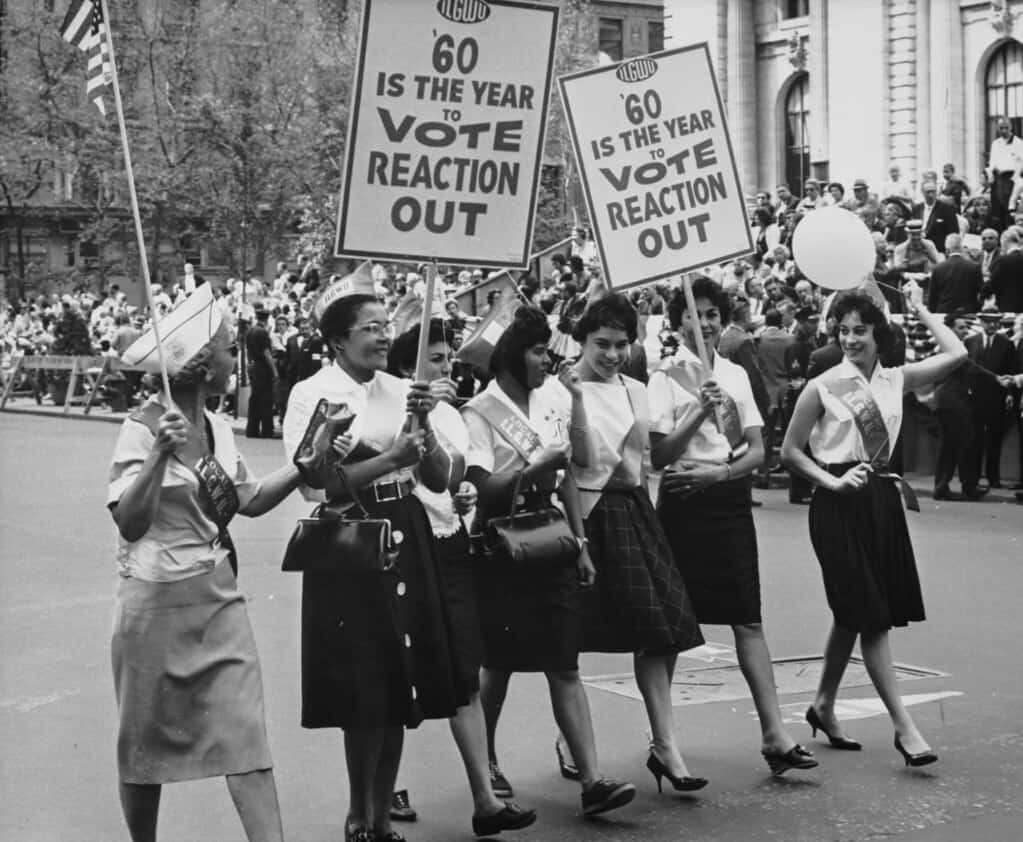
Labor Day is a fixed holiday observed on the first Monday of every September. Its creation dates back to the 1880s, when it was suggested that a holiday for the laboring class be created. The holiday was meant to celebrate all the advancements and successes that laboring workers had made in contributing to American economics and society.
Activists pushed for this holiday in 1885 and 1886. By the time 1894 rolled around, enough states were recognizing Labor Day, so the government officially made it a legal holiday.
Columbus Day
In 1937, Columbus Day became a national holiday, but people had honored this day long before. This holiday began as a way to honor Christopher Columbus, who first landed on American soil on October 12, 1492.
At first, Columbus Day was celebrated on October 12th, but then the celebration was moved to the second Monday in October. In some states and localities, Columbus Day has been replaced or supplemented by Indigenous Peoples Day, which honors Indigenous people and their heritage and cultures. However, they are not officially the same holiday at the federal level.
Columbus Day has become controversial over the years. For starters, Columbus wasn't the first person to ever discover America. Not only were there other explorers before him, but this land was also home to indigenous peoples long before Columbus ever arrived on the scene. This is why some people choose to forgo honoring Columbus on this day, and instead honor the cultures and heritage of those who were here before Columbus.
Other people choose to honor both while learning more about the hard history that comes with the "founding of America," not just the parts that benefit the nation.
Juneteenth
Juneteenth is the most recent holiday to be added to the federal holiday list; however, it has been celebrated since the late 1800s after the end of the Civil War.
The reason the holiday is called Juneteenth is that on June 19, 1865, enslaved Americans in Galveston, Texas, were officially told they were free. Therefore, the holiday name combines the words June and nineteenth. The holiday itself honors and celebrates the end of slavery across the United States.
Texas was the very first state to make Juneteenth a holiday in 1980. However, most of the country didn't know or understand what Juneteenth was until more recently. It is the second Independence Day for black Americans and is often referred to as Freedom Day.
In 2021, President Joe Biden officially signed Juneteenth as a federal holiday. Celebrations have increased immensely in recent years, although some people still misunderstand the true meaning of the holiday. Therefore, Juneteenth is also an opportunity for Americans to seek historical awareness and learn more about the history of black Americans.
Veteran's Day
November 11, 1918, saw the end of World War I for America. President Woodrow Wilson initially recognized November 11th as Armistice Day in 1919. An armistice is "an agreement made by opposing sides in a war to stop fighting for a certain time." World War I was often called the "War to End All Wars," and many people hoped this was the case. Furthermore, Armistice Day began to be observed throughout the world, not just in the West.
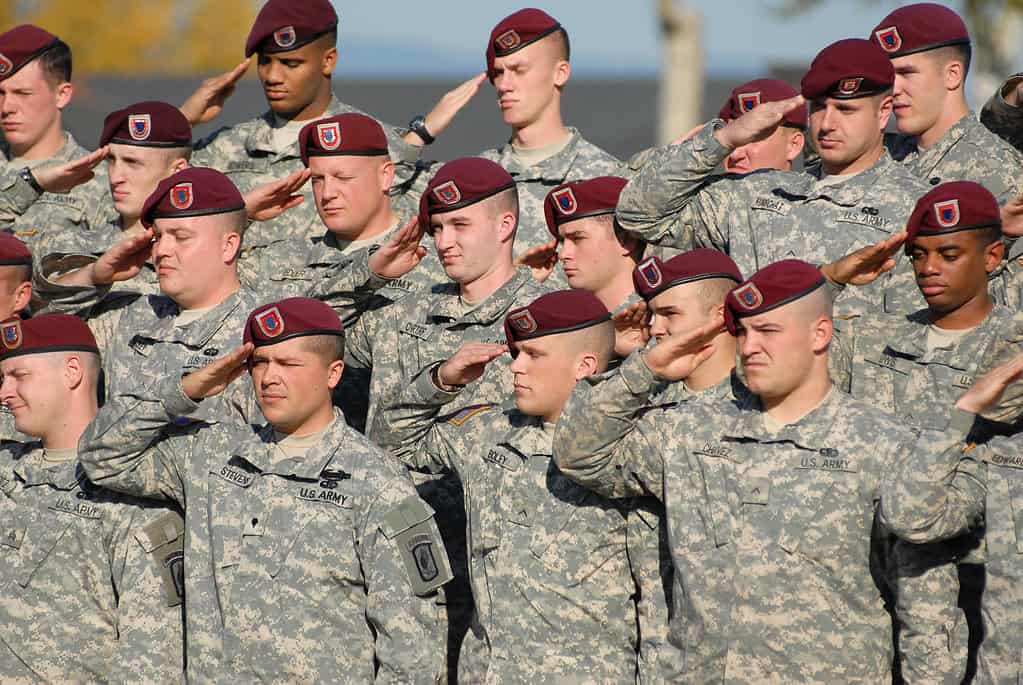
Armistice Day was officially renamed Veterans Day in 1954 by President Eisenhower after World War II and the Korean War. It has always been a day to remember the veterans who committed themselves to the service of their countries, showed honor and courage, and sacrificed plenty.
Memorial Day
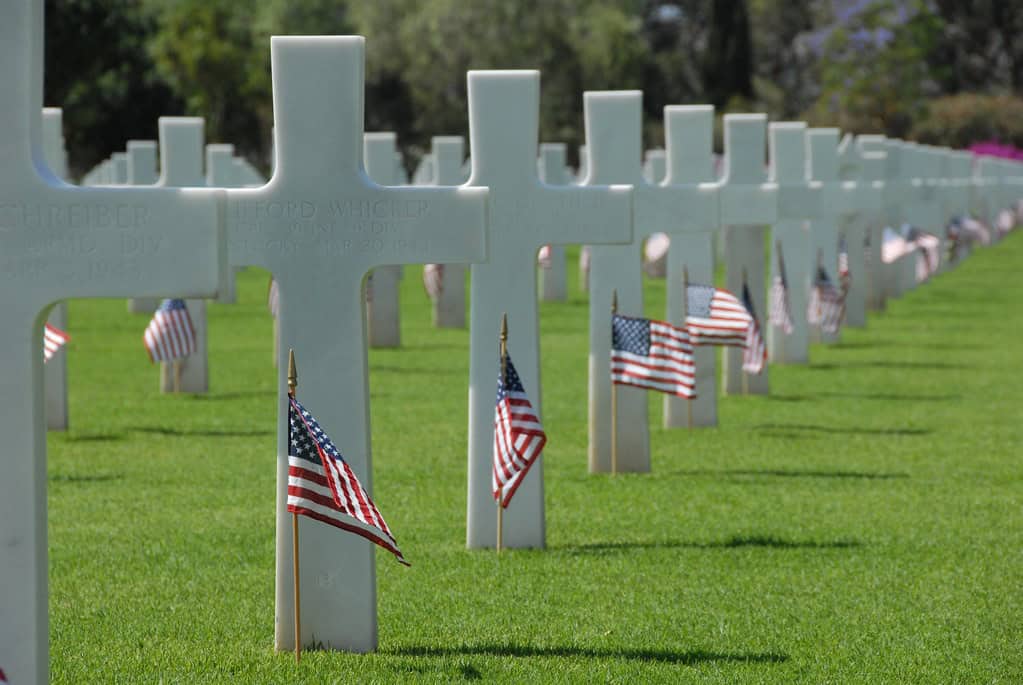
Whereas Veterans' Day is a day set aside to honor men and women who are alive, Memorial Day is a federal holiday to honor military members who have died while serving in the military.
Memorial Day is always celebrated on the last Monday in May. It is a day set aside to remember and honor all U.S. military personnel who have died in service.
Flag Day
Flag Day is set aside to celebrate the American symbol: the national flag. On Flag Day, we also celebrate patriotism and freedom and honor our country's history.
In 1949, President Harry Truman signed an Act of Congress designating June 14 as Flag Day, but it is not an official federal holiday. However, even before this day in 1949, people were honoring and celebrating the creation of the flag. It is thought that the very first Flag Day was celebrated in Hartford, Connecticut, in 1861.
Non-Federal Holidays
Federal holidays are signed into law so that federal employees receive paid time off. However, several non-federal holidays are still observed as public holidays by the majority of society. While they are celebrated by many, some of the origins or reasons for these holidays aren't always understood.
Good Friday
Good Friday is a Christian holiday that has been honored and observed since at least 100 CE. However, some sources state that it was observed even before then. Good Friday is a day set aside to honor the crucifixion of Jesus Christ. Good Friday is observed on the Friday before Easter Sunday.
Groundhog Day
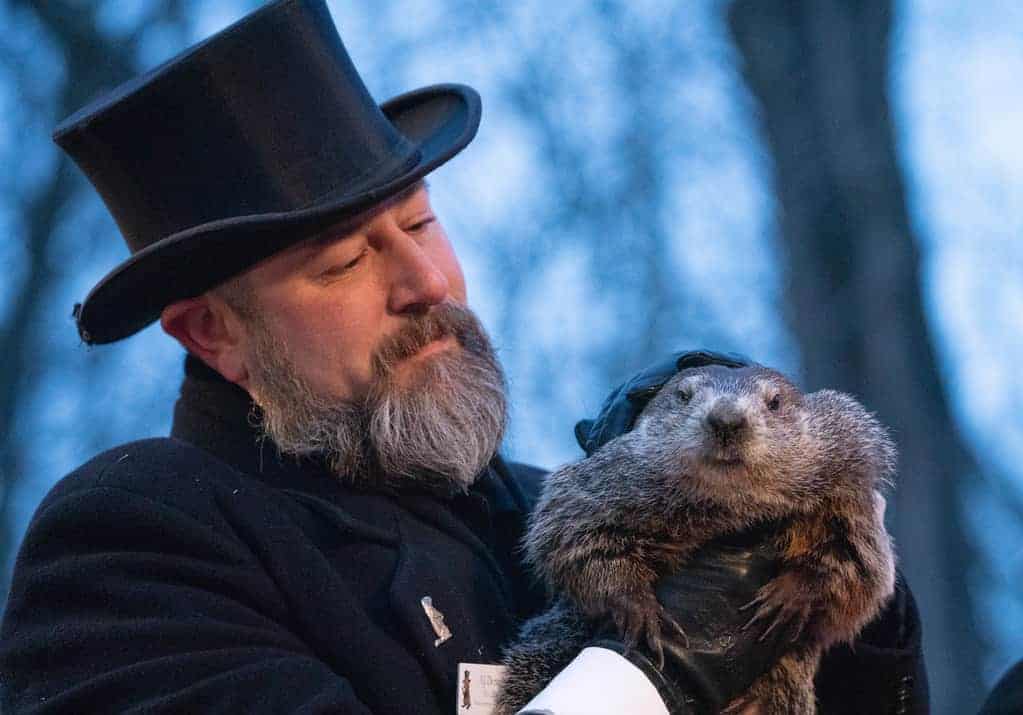
Groundhog Day is a fun traditional holiday celebrated on February 2nd. Initially, the Day began with the Pennsylvania Dutch. (Actually, it began before them, but they are the ones who added the animals to this folklore.) The Dutch believed that if a hedgehog saw its shadow on Candlemas, there would be a "second winter." In other words, there would be at least six more weeks of terrible winter weather. However, if the hedgehog didn't see his shadow, then winter would end.
There was a bit of a predicament when the Dutch arrived in Pennsylvania. There wasn't an overabundance of hedgehogs. So, what animal did they decide to use instead? Well, groundhogs, of course, because they were everywhere in Pennsylvania!
The first official Groundhog Day was on February 2, 1887. The celebration took place in Punxsutawney, Pennsylvania. For this reason, the groundhog hunters named themselves "The Punxsutawney Groundhog Club" and decided to name the groundhog who predicted the weather Punxsutawney Phil.
Cinco de Mayo
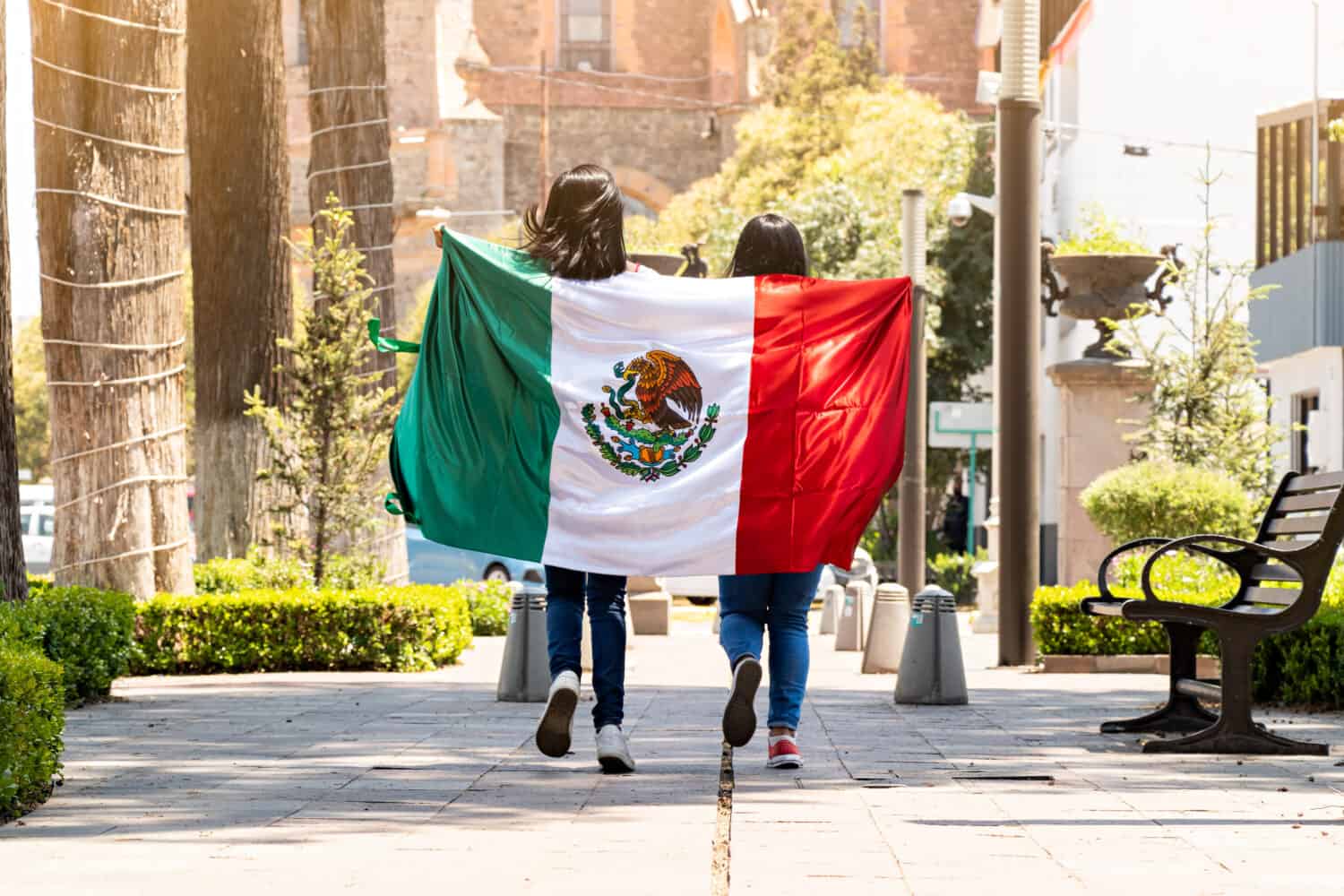
Cinco de Mayo is a day of celebratory parades, music, Mexican food, and battle reenactments. While many people think that Cinco de Mayo is Mexico's Independence Day, it's actually not! Instead, Cinco de Mayo is a day to honor and celebrate Mexico's victory in the Battle of Puebla, which took place in 1862.
Since the day originated in Mexico, why do we celebrate it in the United States? Well, for starters, after the battle, Mexicanos and Latinos living in California began celebrating this victory in 1863.
The holiday itself is more popular in America than in Mexico and is a way to honor Mexican patriotism and culture. Cinco de Mayo is celebrated on May 5th every year. While it is a public holiday in the Mexican state of Puebla, it is not an official public holiday in the United States, though it is widely celebrated.
Mardi Gras
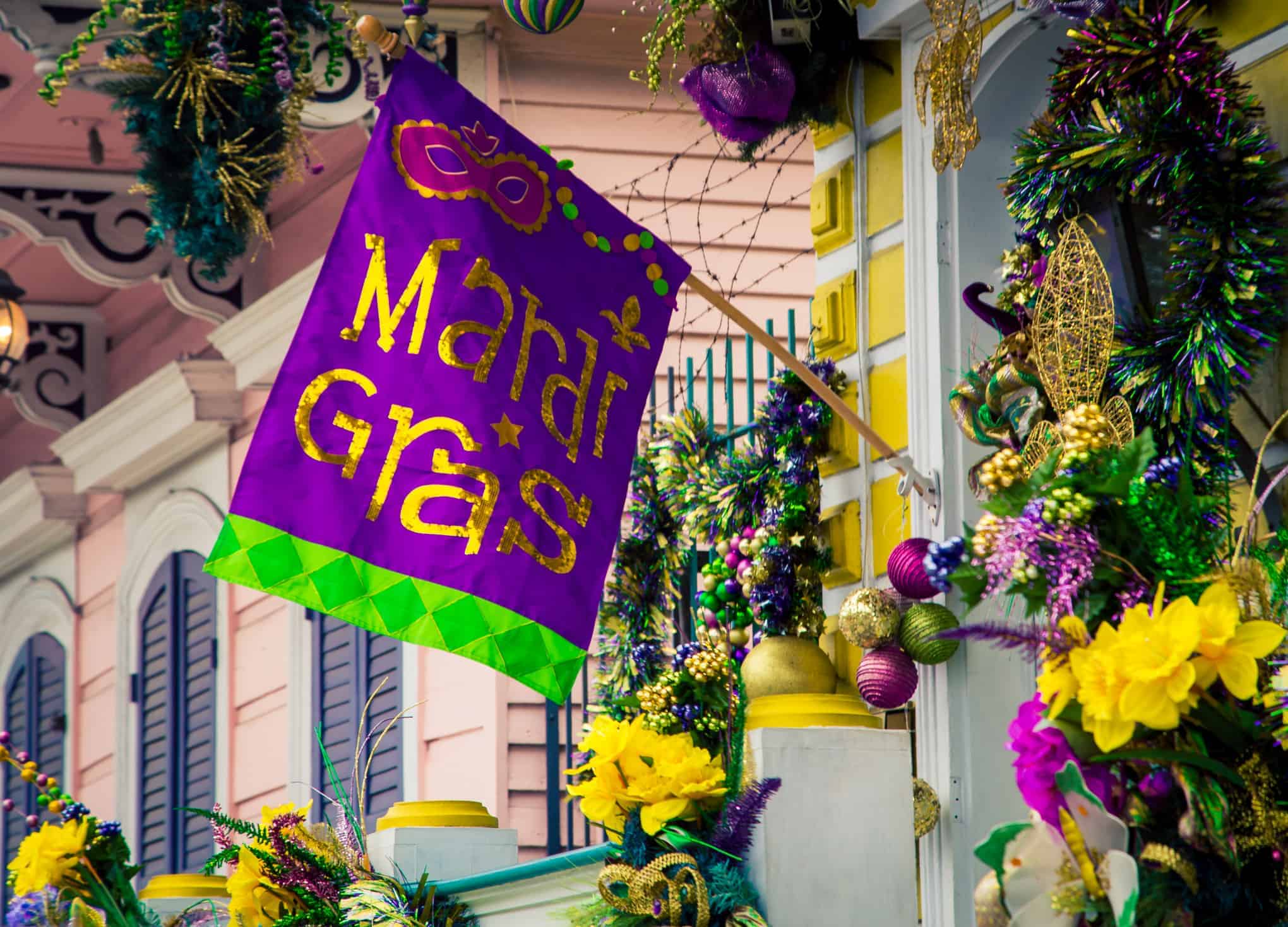
Mardi Gras, also called "Fat Tuesday," is celebrated the Day before Ash Wednesday. It was initially a Christian tradition meant to prepare for Lent. Before Lent started, the food in the home would often be binge-eaten as people prepared for fasting. However, when Christianity came to Rome, the Romans combined holidays and traditions with the Christian faith. This is why the modern Mardi Gras has strayed so far away from its original purpose.
So, where does New Orleans come into play? On March 3, 1699, Pierre le Moyne d'Iberville and Sieur de Bienville had a celebration when they landed near New Orleans, Louisiana, and the pair named the landing spot Point du Mardi Gras.
Mardi Gras
This Day was observed with street parties until Spain came into the picture. During this time, Spain put an end to these street festivals. Their control ended in 1812, and 15 years later, the dancing through the streets of New Orleans in vibrant costumes began.
St. Patrick's Day
In the 5th Century, Saint Patrick died on March 17th. Since then, this Day has been set aside to honor him, eventually becoming a feast day for Christians. Sure, we celebrate St. Patrick's Day because of a man, but who exactly was he?
St. Patrick's Day
Saint Patrick was a man who was enslaved at the age of 16. This is when he was taken to Ireland and held captive for six years. He ended up escaping, but he didn't stay gone for long. Saint Patrick took his faith seriously, so he returned to Ireland and brought Christianity to those who lived there.
During his lifetime, he helped create schools, monasteries, and churches. However, today, in America, Saint Patrick's Day isn't a religious holiday. Instead, Irish immigrants turned this Day into a secular holiday with parades, elaborate costumes, and folklore about Saint Patrick.
April Fools' Day
April Fools' Day is either a holiday you love or hate. But where exactly do the origins of this prankster holiday lie? The true answer: no one really knows. However, there are a few theories.
April Fools' Day
Some believe the start of April Fools' Day began in the 1500s when the Gregorian calendar was set to replace the Julian calendar. The Julian calendar (or original one) had the new year beginning on April 1st, but the Gregorian calendar (the replacement one) had the year beginning on January 1st.
Since a big change like this sometimes takes a while to catch on, people would continuously forget the New Year's change. As a result, they were teased when celebrating the New Year on April 1st and labeled as gullible.
Others believe that April Fools' Day's origins go back to Hilaria, a celebration observed in ancient Rome. During this celebration, people disguised themselves by dressing up and mocking others.
Lastly, some believe the holiday is linked to the vernal equinox and how Mother Nature loves to play tricks on us with random weather.
Palm Sunday
Palm Sunday is a Christian holiday that is observed on the Sunday before Easter. It is a day to honor the entrance of Jesus Christ into Jerusalem.
Palm Sunday also marks the start of Holy Week. As Jesus rode into Jerusalem, he was greeted with people waving palm leaves and laying them down in front of him. This is why the holiday is named Palm Sunday.
Earth Day
Earth Day has been celebrated on April 22nd every year since 1970. It is a day set aside to raise awareness about environmental concerns, including pollution, climate change, endangered species, and more.
It is celebrated worldwide and is a great way to advocate for protecting our planet.
Pi Day
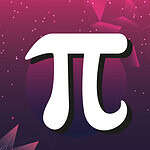
In 1988, Larry Shaw, a physicist, founded Pi Day. This day celebrates the mathematical sign, Pi. March 14th was chosen because those numbers are the same as the first three digits in pi, 3.14.
Fun fact: Though unintentional, this Day also falls on Albert Einstein's birthday.
Pi is an irrational number in mathematics, meaning its decimal representation is non-terminating and non-repeating, so it is often abbreviated when used in calculations. Though Pi Day has been celebrated since 1988, it didn't officially become a holiday until 2009.
Sweetest Day
Almost everyone has heard of Valentine's Day, the holiday set aside for love and romance. However, Sweetest Day is a lesser-known love holiday celebrated in the Midwest on the third Saturday in October.
The first Sweetest Day was celebrated in Cleveland, Ohio, in 1922. During this year, over 20,000 boxes of candy were given to the "city's vulnerable."
This Day is set aside to express love and admiration for anyone in your life, not just your significant other. This can be anyone who makes your life better! While it's not a national holiday, it's still a smaller public holiday that many people enjoy.
Ash Wednesday
Ash Wednesday is the first Day of Lent, a Christian holiday. During Lent, Christians participate in 40 days of prayer and fasting. The end of Lent is marked by Easter. On Ash Wednesday, a priest or minister will place an ash cross symbol on a Christian's forehead. This symbol represents the death of Jesus Christ and a person's mourning for their sins.
Ash is also a representation of repentance. This holiday is always observed six and a half weeks or forty days before Easter.
In Conclusion
Holidays can be a fun way to celebrate and enjoy life. There's always a reason to celebrate, from nationally recognized holidays to other non-mainstream ones. While many Americans have no idea why we celebrate some of these holidays, they still have fun with many, like St. Patrick's Day and Mardi Gras.
Others are perfect times to honor those lost in wars or observe religious practices and beliefs. Whether you celebrate one of the holidays on this list or a lesser-known one (like No Socks Day), knowing exactly why you are celebrating can help make the holiday more meaningful.
The image featured at the top of this post is ©Savanevich Viktar/Shutterstock.com