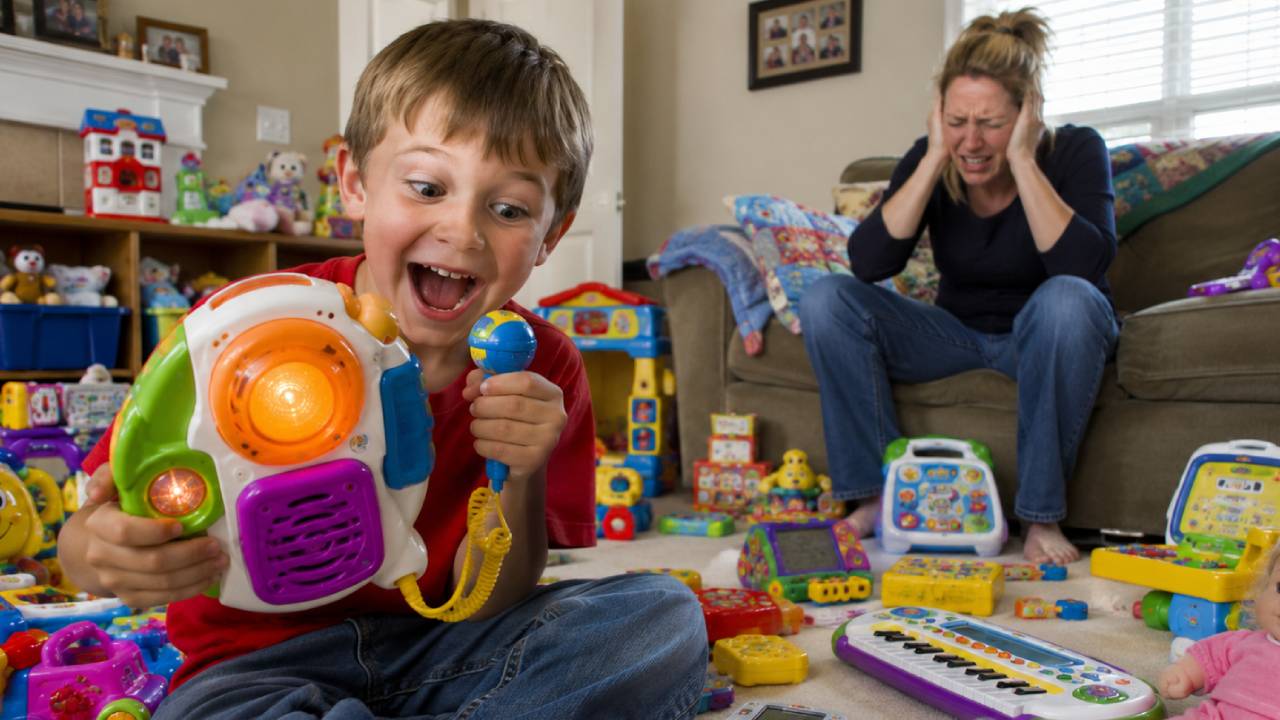
Every parent has done it. You watch your kid tear open a gift at their birthday party, and before they even have finished with the wrapping paper, you already know that toy is not making it home. Or if it is taken back home and lasts two wild weeks, it quietly disappears one afternoon when the kids are at school. Nothing is said or explained. Just gone. Never to return.
The 2000s were the peak era for such toys. Kids absolutely loved them, but parents simply could not put up with them. Some were loud enough to rattle your sanity. Others were hazardous, bordering on health-threatening. Here are twelve of the most notorious offenders.
Moon Sand
This sand was supposed to be the clean version of kinetic sand, but apparently no one involved in marketing it knew what children were like, because Moon Sand acted like a perfect toy on a flat surface until the moment a kid decided the floor was more interesting, where it separated into a fine powder that permanently embedded itself into carpet fibers and couch cushions. Vacuuming it only spread it further and sweeping it up would raise a dust cloud. If parents allowed that toy into their homes once, they would be finding traces of it months after it had been confiscated.
Bop It
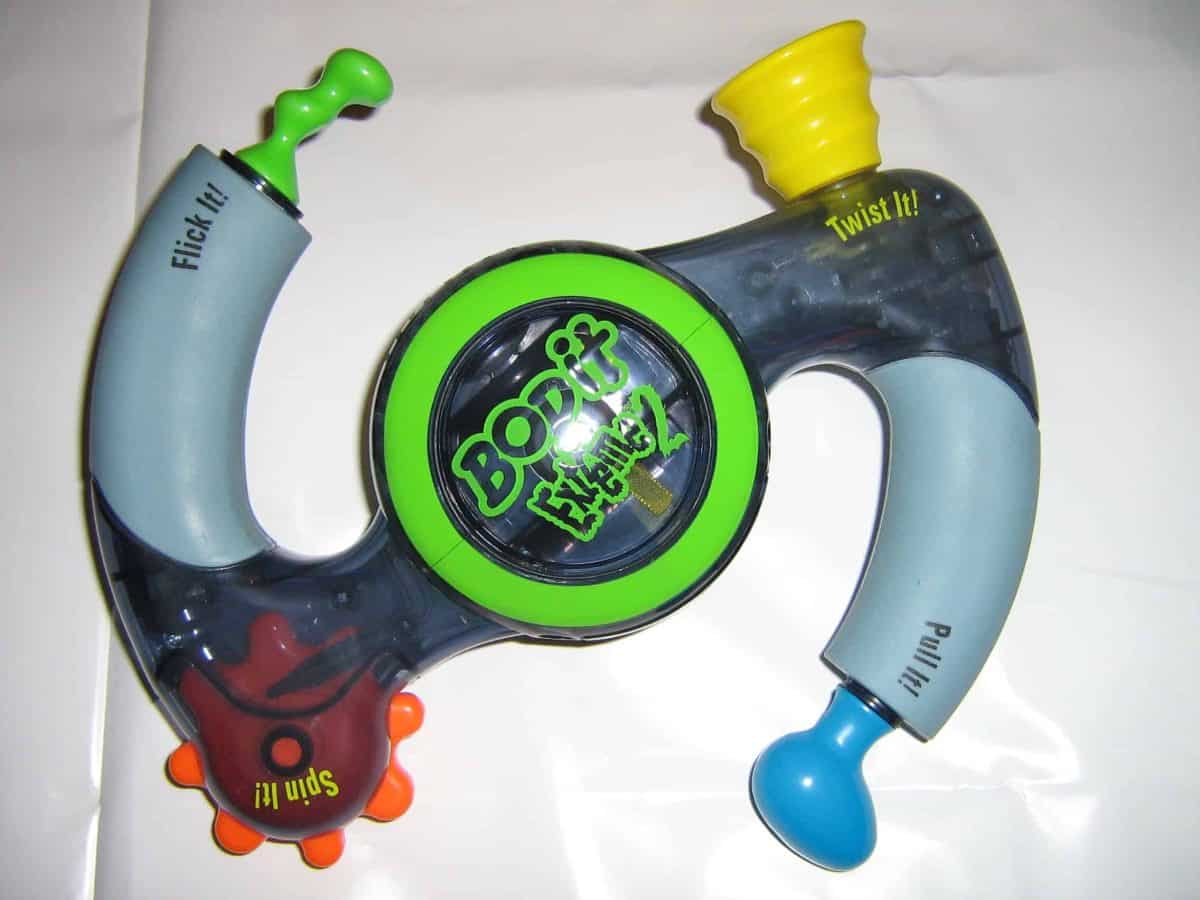
Bop It was a game that rewarded quick reflexes, while punishing everyone within earshot. The commands were rapid, and the sound effects were cartoonish and relentless. When a participant failed, the toy emitted an audio clip of someone screaming. And then the process would start all over again, in a never ending cycle of what parents could only describe as psychological warfare. Kids could go on playing for forty-five continuous minutes without blinking.
©Public Domain / Wikimedia Commons
The original 1990s version was almost tolerable. The 2000s variations included louder speakers and a multiplayer feature that enabled several kids to compete on who could make the noise last the longest. It’s like they took notes on what parents hated the most and built in features optimizing for that very hate.
Furby
Who doesn’t remember the Furby. It was released in 1998, but by the early 2000s the toy had become fully culturally ingrained, at which point parents discovered the truly terrifying fact about Furby: there is no off switch. The toys would activate on sound and motion, which meant they went off at 3am when someone walked past them. They went off when the heat kicked on. They went off seemingly at random. They went off muttering in a made-up language called Furbish like a small cursed oracle.
Hasbro sold over 40 million of them in the first three years alone. Many of them were hidden away in the back of closets and garages, buried under blankets, following midnight disturbances. Somewhere out there, parents are still having nightmares about these robotic creatures from hell.
Heelys
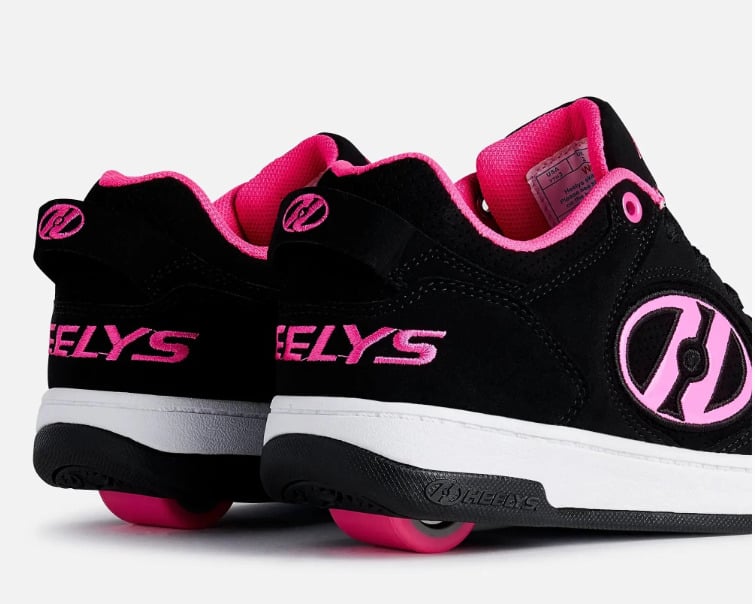
The Heelys were shoes fitted with a wheel in the heel. It was a great idea, on paper that is. Skating culture was everywhere in the early 2000s, and Heelys made it possible for kids to glide across literally any flat surface, like miniature action heroes.
The trouble was that any flat surface could be a grocery aisle, hospital corridor, kitchen floor, and even the living room. Falls were common and frequently spectacular in all the wrong ways. An increase in wrist and head injuries directly related to the shoes was registered by hospitals, and nearly all schools banned them. Parents who caved and purchased the shoes for their kids knew they were a bad idea, but decided to give them a vote of confidence. They had to spend several weeks confiscating them indoors and finally hiding them in a bag destined for Goodwill.
Silly String
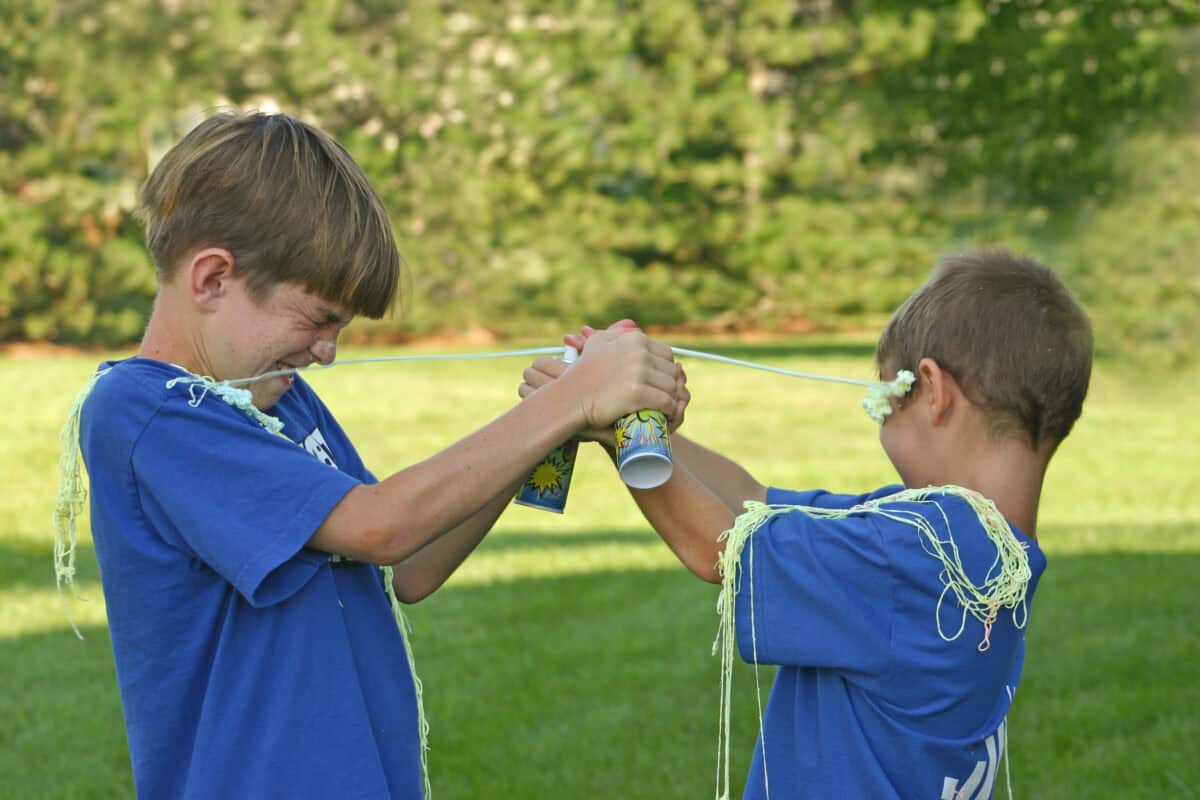
Every parent has a moment of weakness when walking through a dollar store and thinking, “How bad can it be?” That's what Silly String can be. It seems innocent enough until you see it on the upholstered furniture, where it attaches itself to the fabric in a way no amount of elbow grease or patience can get rid of. When it lands on the carpet, it dries into a stiff crust.
Boys Shooting String at Each Other
©sonya etchison/Shutterstock.com
The cans also have a reach that catches children completely off guard. The dog, the curtains. Nothing was safe. Parents who allowed one Silly String incident in their houses rarely fell for it again.
Easy Bake Oven (2006 Model)
This one was a beloved toy since the 1960s, but the redesigned pink and purple model from 2006 introduced a specific and serious problem: the front opening trapped children's fingers and burned them. Hasbro received 29 reports of children getting their hands or fingers caught in the door, including one case that required a partial finger amputation.
Parents who owned one were watching it with the kind of suspicion normally reserved for appliances that spark. A lot of parents donated theirs long before the recall was announced.
Zhu Zhu Pets
Zhu Zhu Pets came into the market in 2009 as the most coveted holiday toy, selling out in stores across the country. Robotic hamsters that would run about on the floor making cute noises. The noise was the problem. The gears would turn. The speakers would squeak. At high speed on a hardwood floor, a Zhu Zhu Pet sounded like a blender full of loose change.
They would also get stuck under pieces of furniture, where they would continue running and squeaking against the baseboard until someone rescued them. Parents who purchased the hamster tubes and tracks soon realized that they had constructed an obstacle course in their playroom that took up the entire playroom floor. A lot of these toys were donated brand new.
Tech Deck Mini Skateboards
Tech Decks were little fingerboards where kids could perform all sorts of skateboarding tricks on a miniature level, and they were pretty impressive as a concept. Kids could perform kickflips and grinds if they trained long enough, all without having to suffer through the hardships of learning how to do them on a real skateboard. The catch was that training involved a constant, rhythmic click-clack on every hard surface in the house, tables, desks, kitchen countertops, even the edge of the bathtub. No flat, horizontal surface was safe.
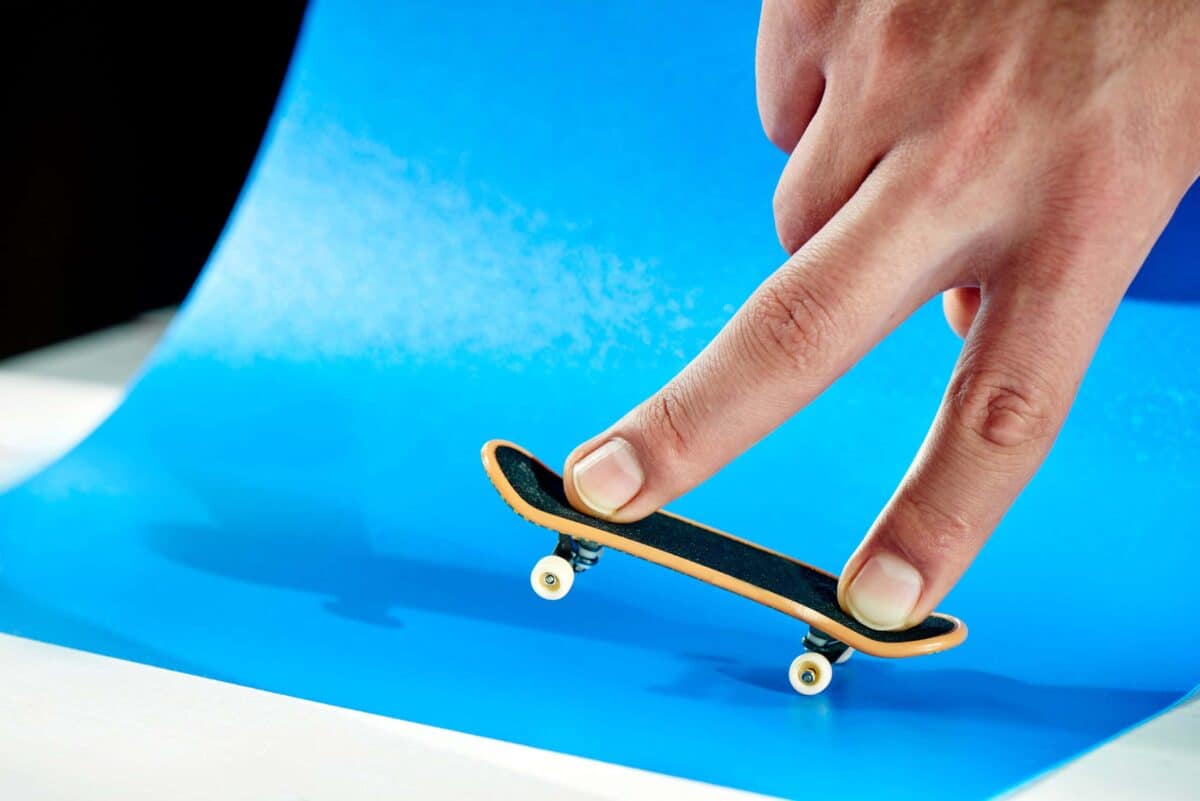
The DGK Josh Kalis is currently the most sought-after Tech Deck.
©ivan_kislitsin/Shutterstock.com
Moreover, the boards were small and easy to lose anywhere, and sharp enough in their trucks to scratch the furniture. Those parents who took the toys away from their kids always did so after discovering scratches on the dining table that couldn't be polished off or after hearing that clicking sound one time too many. The toy worked exactly as designed. That was the problem.
Beyblades
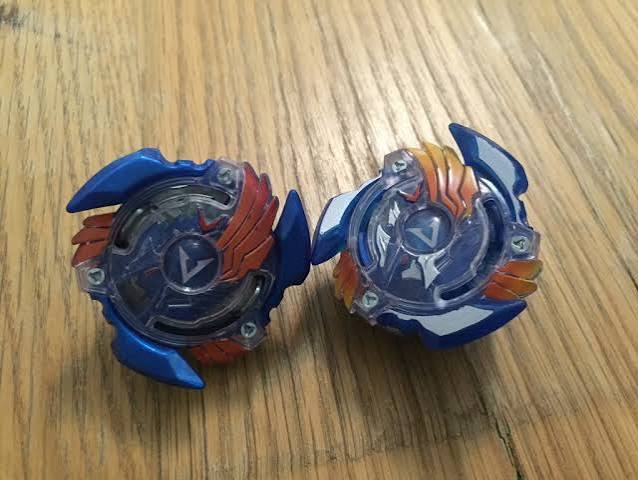
The Beyblades were string-launched tops designed to battle each other with the help of a small launching device. The idea was for kids to battle among themselves. The tops would collide until one stopped spinning or fell apart. They were very popular among the kids, boosted by the anime series that were made to help sell them. Some kids even modified Beyblades to be faster and more aggressive, which also made them more likely to cause minor injuries.
Parents whose children played indoors with them were not happy. A Beyblade at full speed hitting a hard floor sounds like a dropped socket wrench. They had a reliable tendency to jump out of the arena and skid into walls and even shins. Parents knew that something bad was about to happen when they heard “let it rip,” the popular phrase said in the cartoons.
Bratz Dolls
The reason for banning Bratz Dolls is one that parents struggled to articulate out loud without sounding preachy, and that is probably why so many chose to quietly donate rather than confront the issue. These dolls came to the market in 2001 with a very specific aesthetic. They had heavy makeup and fashionable clothes. They had a general vibe that some parents found more appropriate for a teenager than a seven-year-old.
Many parents let the dolls in the door once and then found them gradually disappearing from the toy box over a few weeks.
Razor Scooters
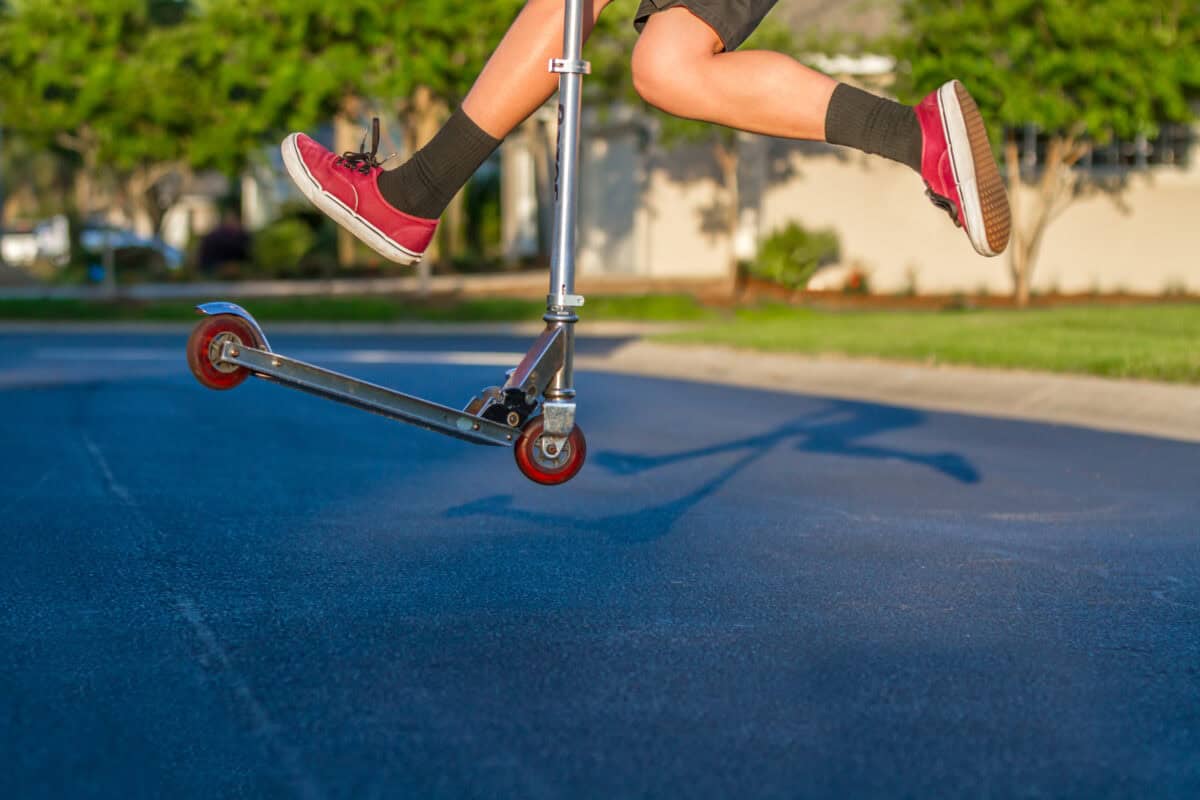
The Razor scooter came into the market in 2000 and quickly gained popularity as one of the fastest-selling toys in history, reaching sales in the millions in the very first year. It was also a reliable source of shin injuries and ankle bruises from kids who were yet to figure out how to brake.
©David Schulz Photography/Shutterstock.com
The rise in hospital emergency room visits caused by scooters in the early 2000s included mainly fractured wrists and head injuries. Parents would eventually restrict the use of the Razor to the outdoors only, which meant for most children it would sit in the garage most of the year and get a brief burst of enthusiasm on the driveway before being packed away again.
Lego
Lego develops spatial skills and creativity. It also turns every floor turn into hostile territory. Parents who know the pain of stepping on a Lego piece barefoot, walk the house at night with the same awareness of a soldier crossing a minefield.
In the 2000s, more intricate and smaller pieces appeared, which meant more surface area on the floor to be covered and more pieces lost in carpets. Parents who bought Lego usually loved the concept but had complicated relations with Lego itself. Bins helped. They did not solve the problem. Nothing has ever solved the problem. Some parents banned them. Others chose to suffer. Lego is still the number one toy out there.