
15 ’90s Toys in Your Attic Worth Big Money
Every parent knows how quickly a beloved toy can disappear into the back of a closet, the bottom of a toy bin, or a box marked “kids’ stuff” in the attic. One Christmas morning, it is the only thing a child wants to play with. A few years later, it is forgotten beside old school papers and outgrown clothes. What families rarely realize is that some of those ordinary 1990s toys have become highly collectible. The parent who waited in line at Toys “R” Us was not trying to make an investment, and the child trading cards in the school cafeteria was not building a retirement fund. Still, certain toys that once cost only a few dollars have sold for hundreds or even thousands, especially when they remain complete, unopened, or unusually rare. Before donating an old box from the garage or storage unit, it may be worth checking what is inside. Prices vary widely by condition and demand, so recent verified sales are far more useful than ambitious online asking prices.
First Edition Pokémon Cards
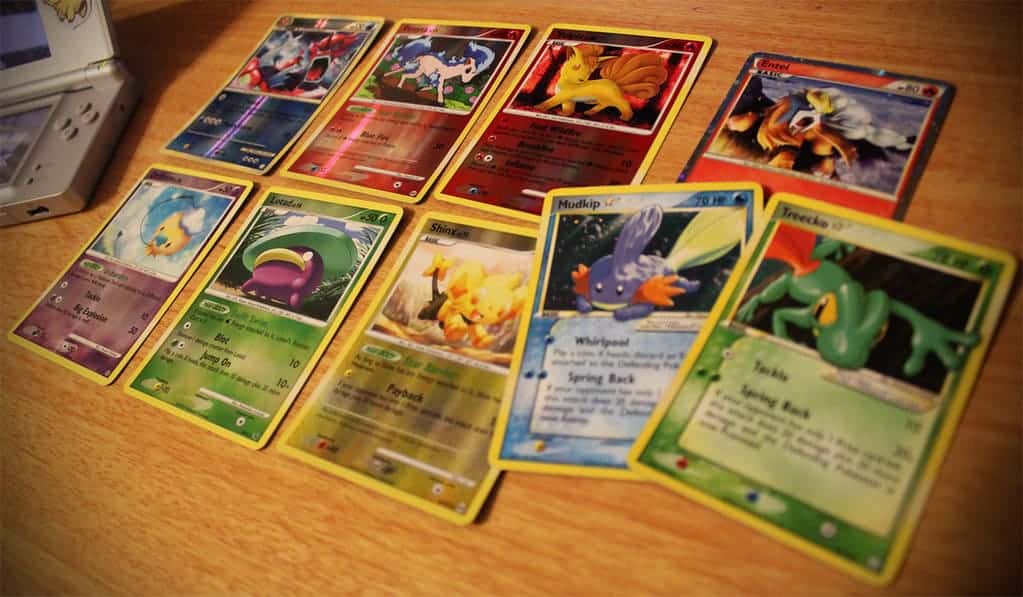
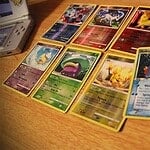
When Pokémon cards arrived in the United States in 1999, parents mostly saw small packs of cardboard that children begged for at the checkout counter. Kids, meanwhile, carried binders to school, traded cards during lunch, and argued over which character was strongest. Today, those collections can be worth far more than anyone imagined. A PSA 10 First Edition Charizard sold for $420,000 in 2022, although that card represents the extreme end of the market. More ordinary First Edition and Base Set cards may still command meaningful prices when their corners are sharp, their surfaces are clean, and their colors have not faded. Even common cards can interest collectors when professionally graded in exceptional condition. Families continue to discover old binders and shoeboxes tucked away in childhood bedrooms, but condition makes all the difference. A card that survived years of playground trades without creases, stains, or bent edges is far more valuable than the same card that was lovingly carried in a child’s pocket.
The Talkboy
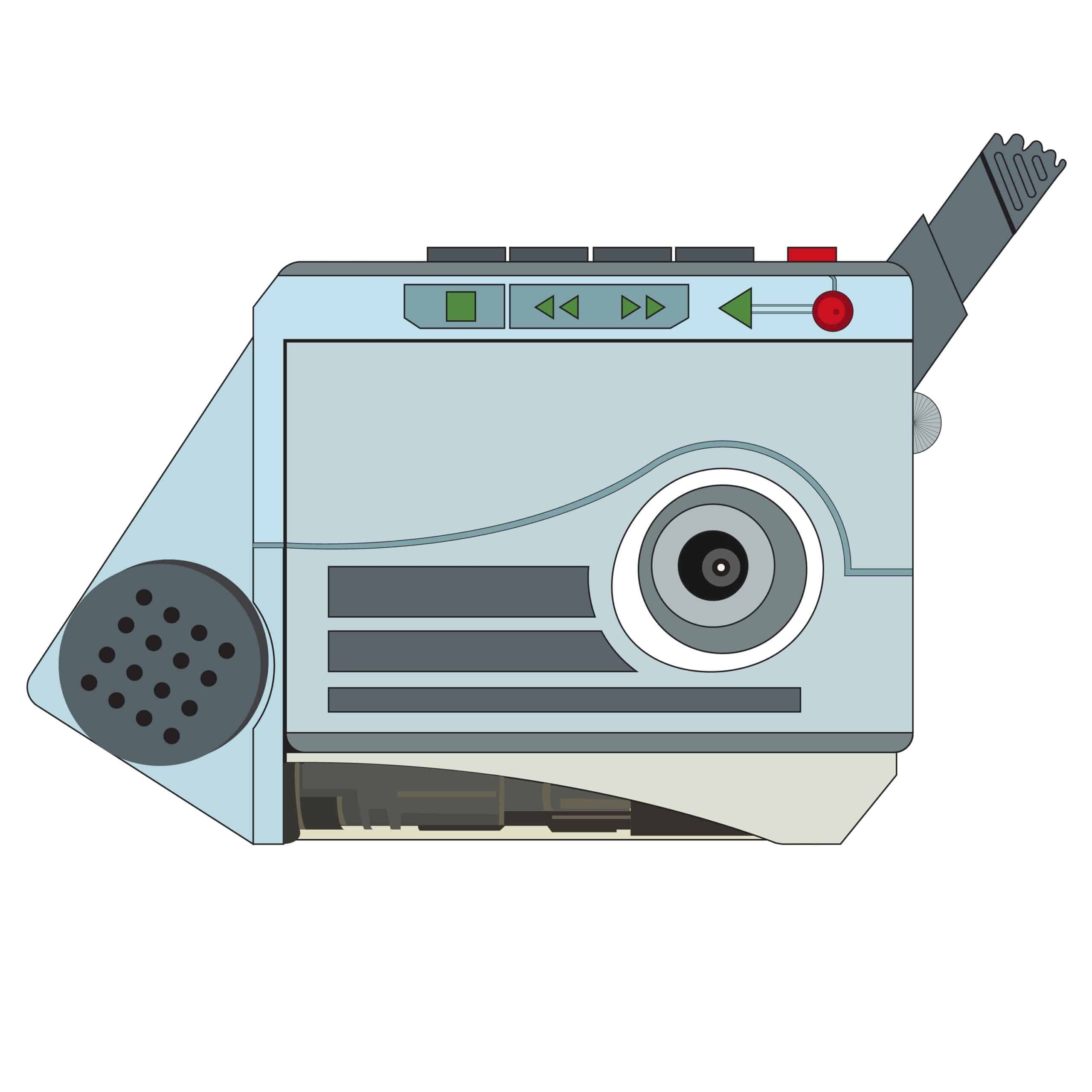
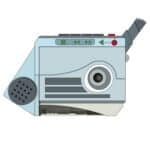
After children watched Kevin McCallister use a Talkboy to change his voice in Home Alone 2, the movie prop quickly became the kind of toy that filled birthday and Christmas wish lists. Tiger Electronics released a working version in 1993, allowing kids to record conversations, slow down their voices, and create the same exaggerated sound effects they had seen in the movie. Parents often heard the same recordings played repeatedly until the batteries died, and many Talkboys were eventually dropped, scratched, or worn out from constant use. That heavy play is exactly why complete working examples are collectible today. Loose devices in good condition may sell for considerably more than their original retail price, while boxed versions with the microphone, packaging, and instructions can bring higher amounts. The Deluxe Talkboy and certain related models may be especially appealing to collectors. It is a funny outcome for a toy mainly used to make prank calls and turn a child’s voice into that of a cartoon villain.
Original Tamagotchis
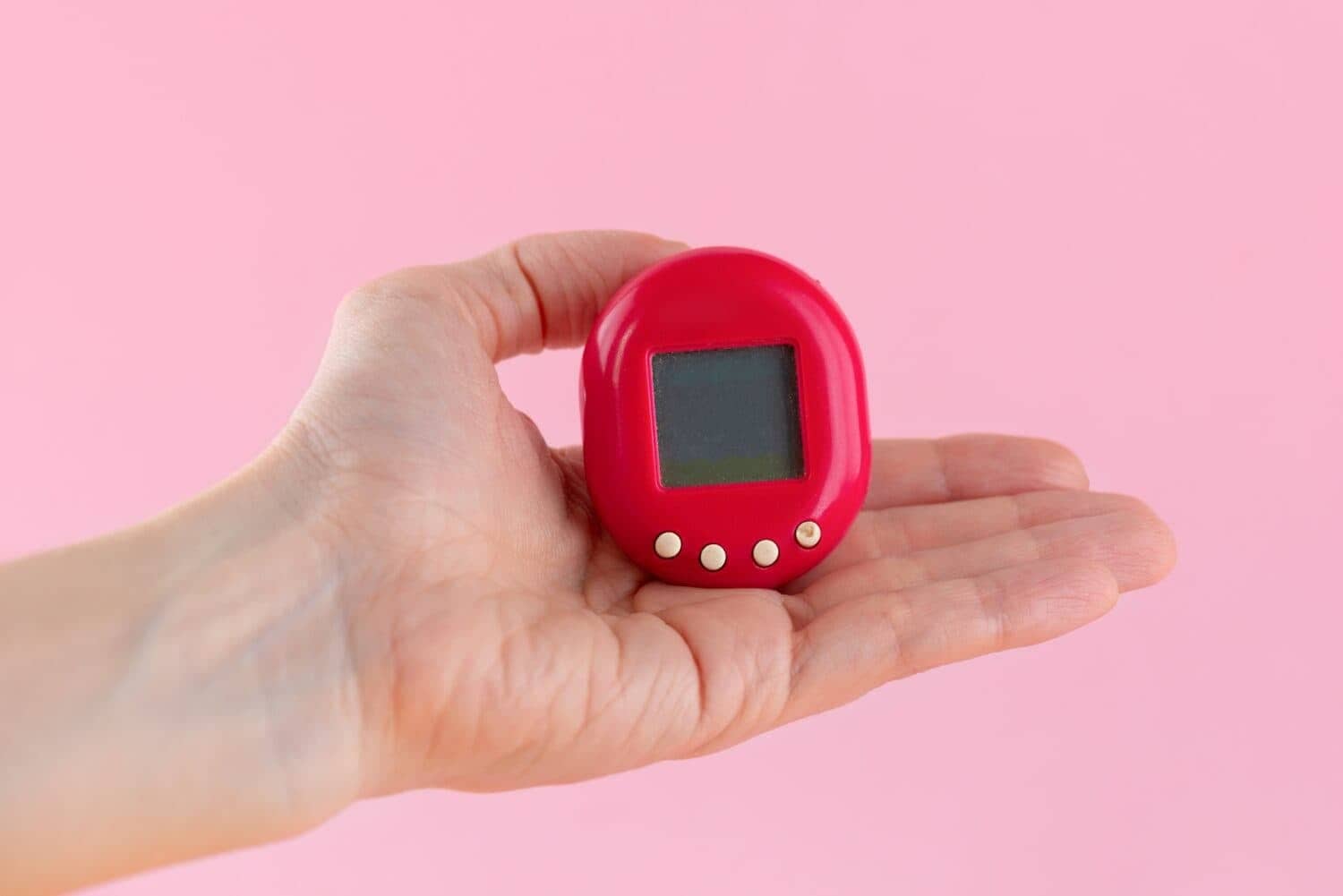
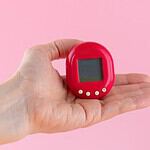
Bandai’s tiny egg-shaped digital pet first appeared in Japan in 1996 and reached the United States the following year. Almost overnight, children were carrying the devices to school, feeding virtual creatures at the dinner table, and asking parents to keep them alive during class. The novelty was adorable, but the constant beeping also tested plenty of family patience. Many Tamagotchis were played with until the buttons stopped working, while others were forgotten in drawers after their digital pets met an unfortunate end. Unopened Japanese releases can now be particularly collectible, with value depending on the model, shell design, packaging, and rarity. Special editions such as the Devilgotchi can command much more than common American versions, although actual sale prices vary widely. The irony is difficult to miss: the children who cared for their virtual pets every hour usually wore out the toy, while the untouched ones that never received any attention are now the examples collectors most want to own.
Sealed Nintendo 64 Games
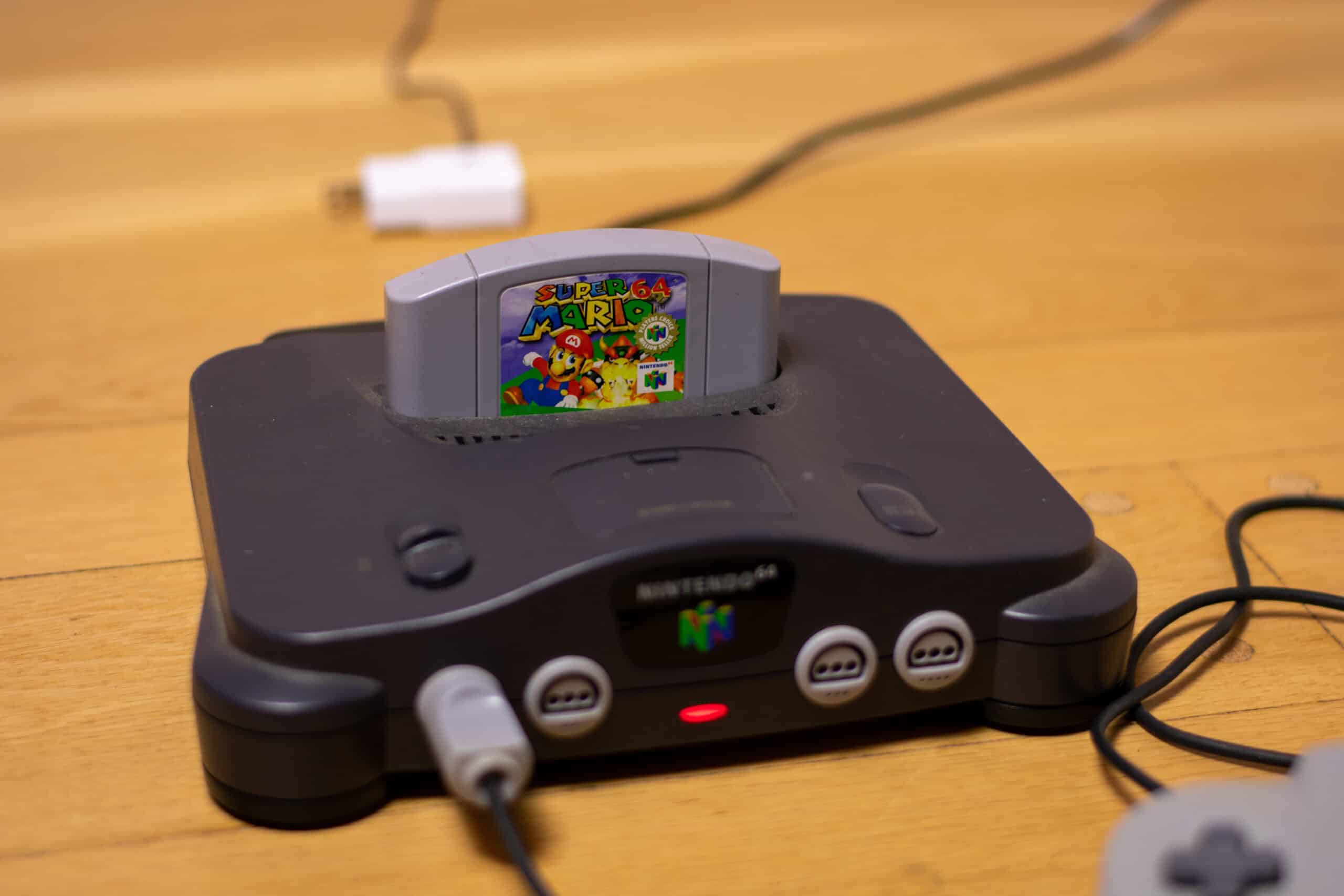
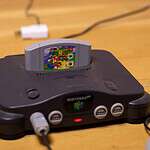
The Nintendo 64 was the center of countless family rooms during the late 1990s, especially when siblings and friends gathered around games such as Mario Kart 64, GoldenEye 007, and Super Smash Bros. The console itself can still be valuable when clean, complete, and paired with working controllers, but unopened games are where prices become much less predictable. Factory-sealed first-print copies of major titles have sold for hundreds or thousands of dollars, while professionally graded examples can reach much higher amounts. Games that had smaller production runs or were overlooked when new may also attract collectors today. Even an opened cartridge can be worth more when the cardboard box, instruction manual, inserts, and original plastic tray survived. Unfortunately, most families threw those pieces away as soon as a child tore into the package. That plain cardboard box parents considered clutter can now be more difficult to replace than the game itself, making completeness one of the biggest factors in determining value.
The Original Game Boy and Its Games
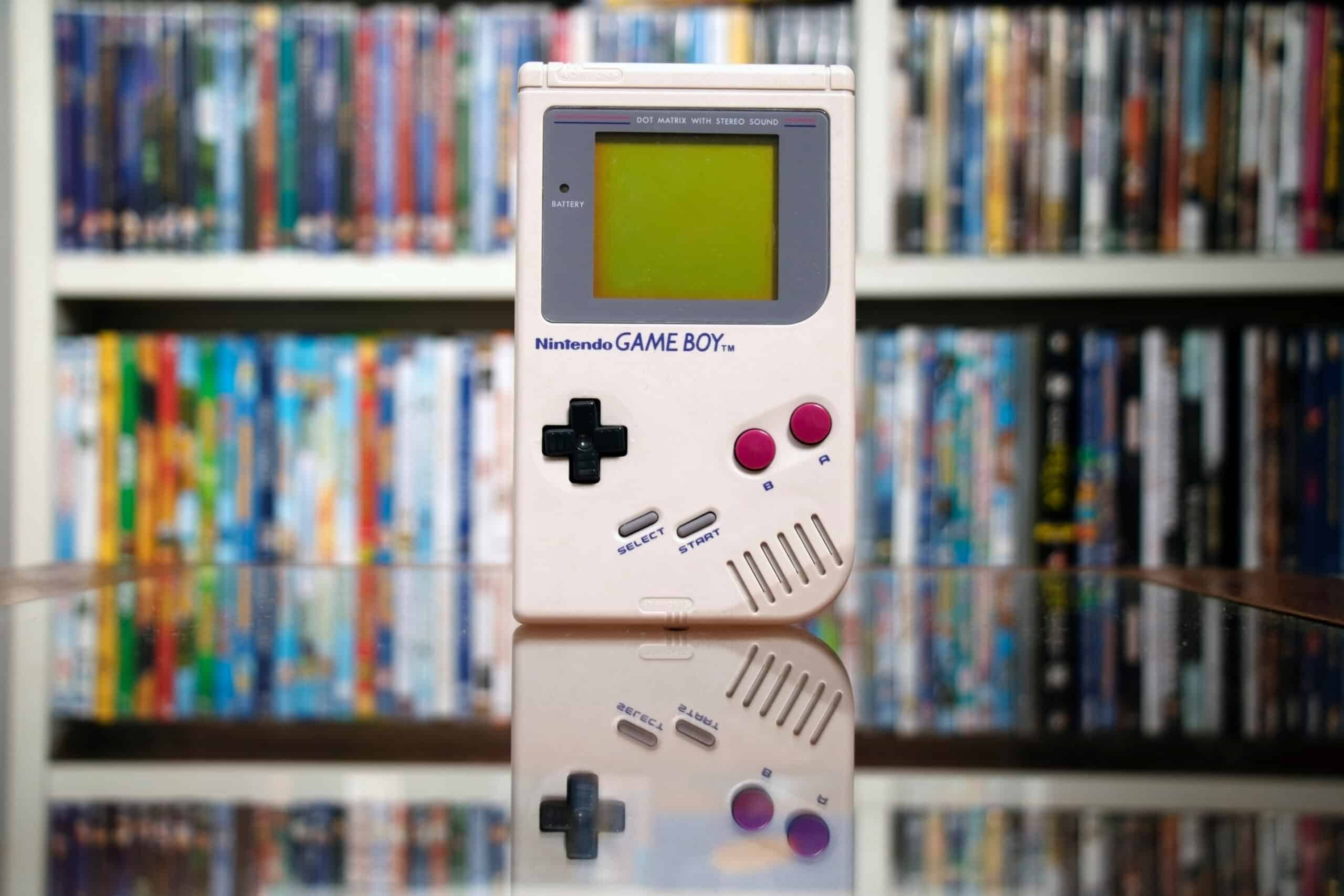
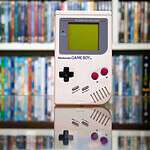
Long before children carried smartphones and tablets, the original Game Boy made it possible to bring video games into the car, the waiting room, or a sibling’s bedroom after lights-out. The gray handheld was famously durable, which is why so many loose systems still work decades later. Boxed examples in excellent condition are much harder to find and can sell for several hundred dollars, particularly when they include the original manuals, packaging, inserts, and accessories. The games may be even more valuable. Sealed copies of Pokémon Red, Blue, or Yellow can command five-figure prices in exceptional cases, while complete opened copies may still bring hundreds depending on condition. Other titles, including early Mario and Zelda games, also attract serious collectors. As with Nintendo 64 games, the packaging matters enormously. Parents who carefully stored the box instead of tossing it on Christmas morning may have preserved the most valuable part of the entire purchase.
Playmates Teenage Mutant Ninja Turtles Figures
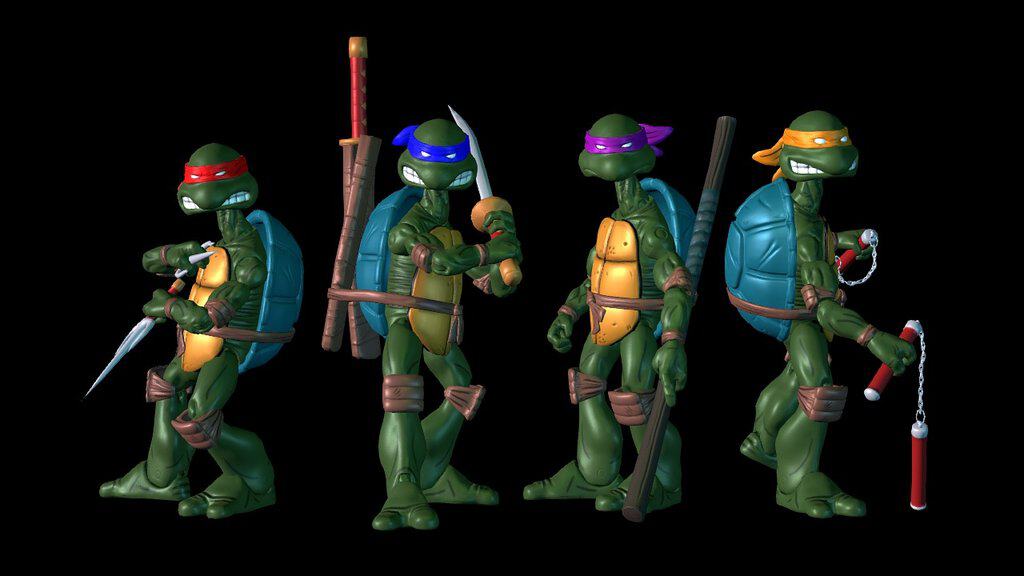
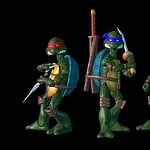
Although the Teenage Mutant Ninja Turtles first became popular in the 1980s, the Playmates action figure line exploded during the early 1990s. Children collected the four turtles, their allies, villains, vehicles, and an increasingly strange assortment of side characters. Parents could hardly keep up as new figures appeared on store shelves, and most were immediately removed from their packages for backyard battles or living-room adventures. Common loose figures may still sell for modest amounts, especially when their belts, weapons, and accessories are missing. Early figures that remain complete or sealed can be worth considerably more. The most famous example is Scratch the Cat, a scarce figure that has sold for thousands of dollars in packaged condition and hundreds even when loose. His value is especially surprising because he was not one of the franchise’s most important characters. Families searching old storage tubs should look closely at every turtle and villain, since one odd character may be worth much more than the familiar heroes.
Hot Wheels Treasure Hunt Cars
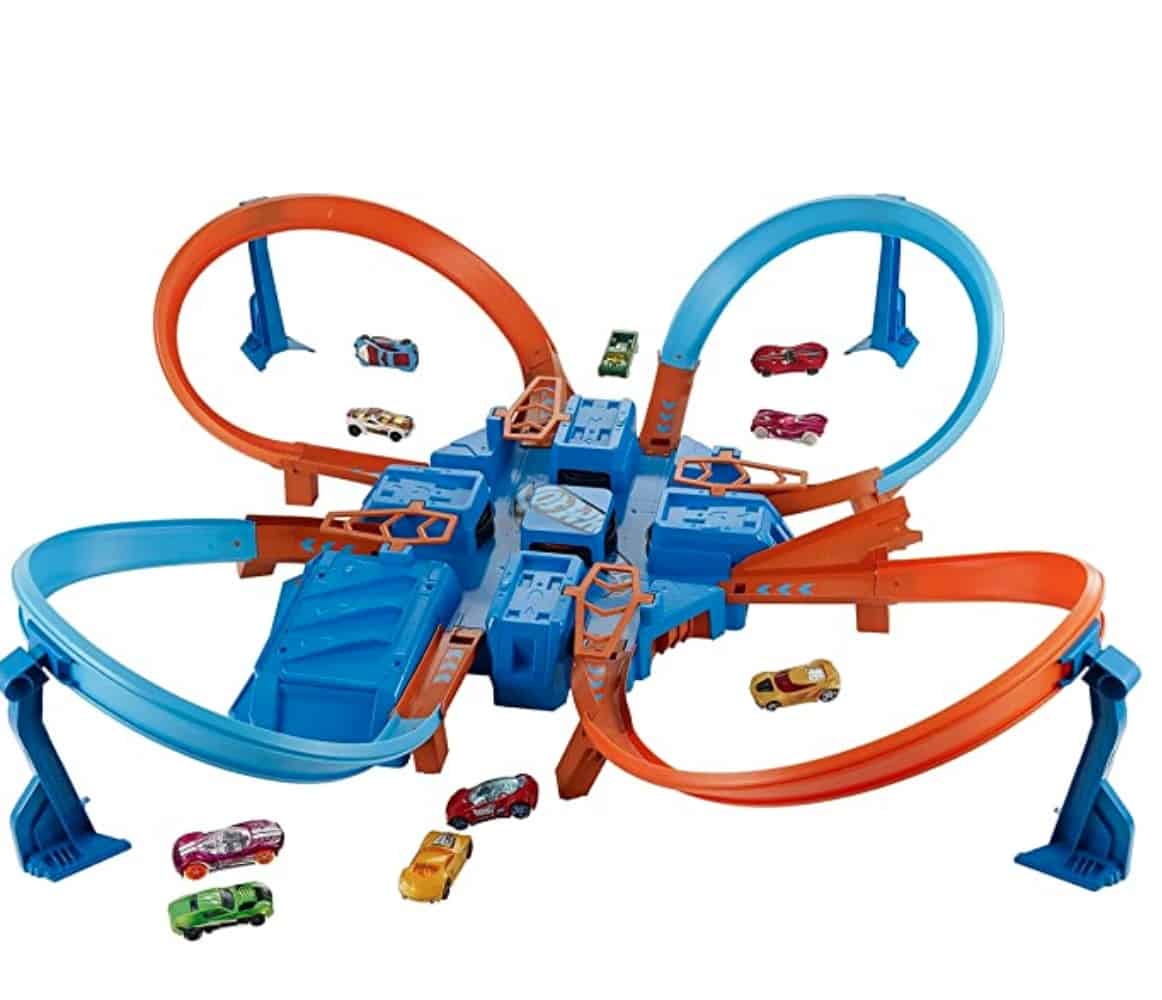
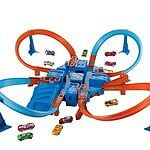
Hot Wheels were inexpensive enough to become birthday-party favors, allowance purchases, and small rewards for a good report card. In 1995, Mattel made the hunt more exciting by introducing Treasure Hunt cars, limited versions secretly mixed among ordinary models on store pegs. Children and parents began checking packages for special paint, symbols, and wheels, hoping to find a rare car without paying more than the usual store price. Many were opened immediately and raced across kitchen floors, but sealed examples from the earliest series can now be surprisingly valuable. A 1995 Treasure Hunt ’67 Camaro has sold for well over $1,000, while complete early sets can bring several thousand depending on condition and buyer demand. The difference between a common car and a valuable one may be a tiny symbol or unusual finish that is easy to overlook. Before handing a box of old Hot Wheels to the kids, parents may want to inspect the packaging and model details carefully.
Retired LEGO Sets From the 1990s
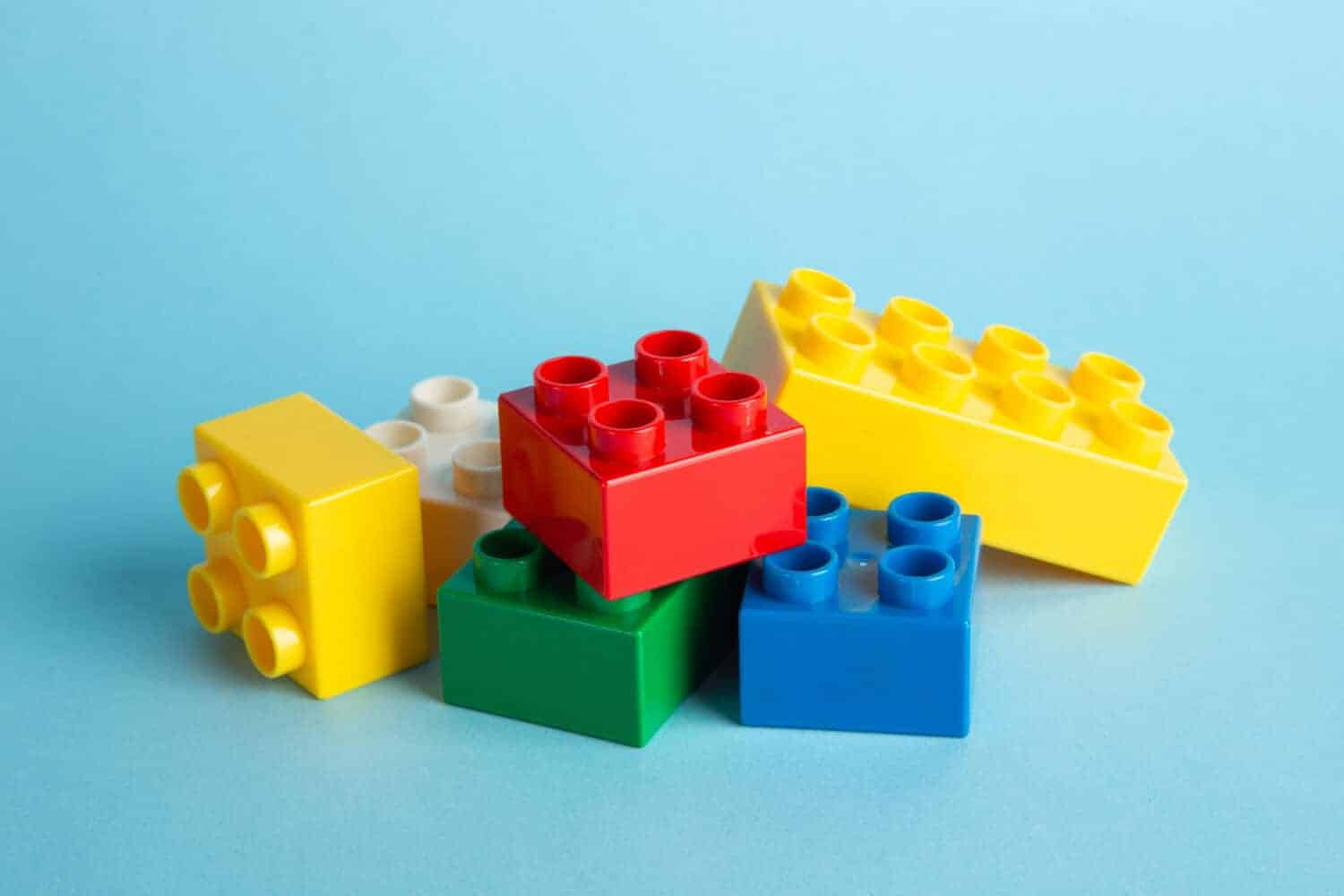
For many families, LEGO bricks were never kept in their original sets for long. A pirate ship might be dismantled to build a spaceship, then mixed with castle pieces, race cars, and whatever else happened to be in the storage bin. That creativity was the entire point, but it also means complete 1990s sets are now difficult to find. Retired themes such as Pirates, Castle, Space, and early licensed collections can sell for hundreds or even thousands of dollars when unopened or carefully preserved. Used sets may also have value if every brick, minifigure, weapon, sail, sticker, instruction booklet, and box is included. Missing one small accessory can significantly reduce what a collector is willing to pay, especially when that piece was unique to the set. Parents sorting through a giant bin of mixed bricks may not have a sealed treasure, but they could still have rare minifigures or specialty parts. Before donating everything, it may be worth matching pieces to old instruction manuals or online set inventories.
Original Furbies
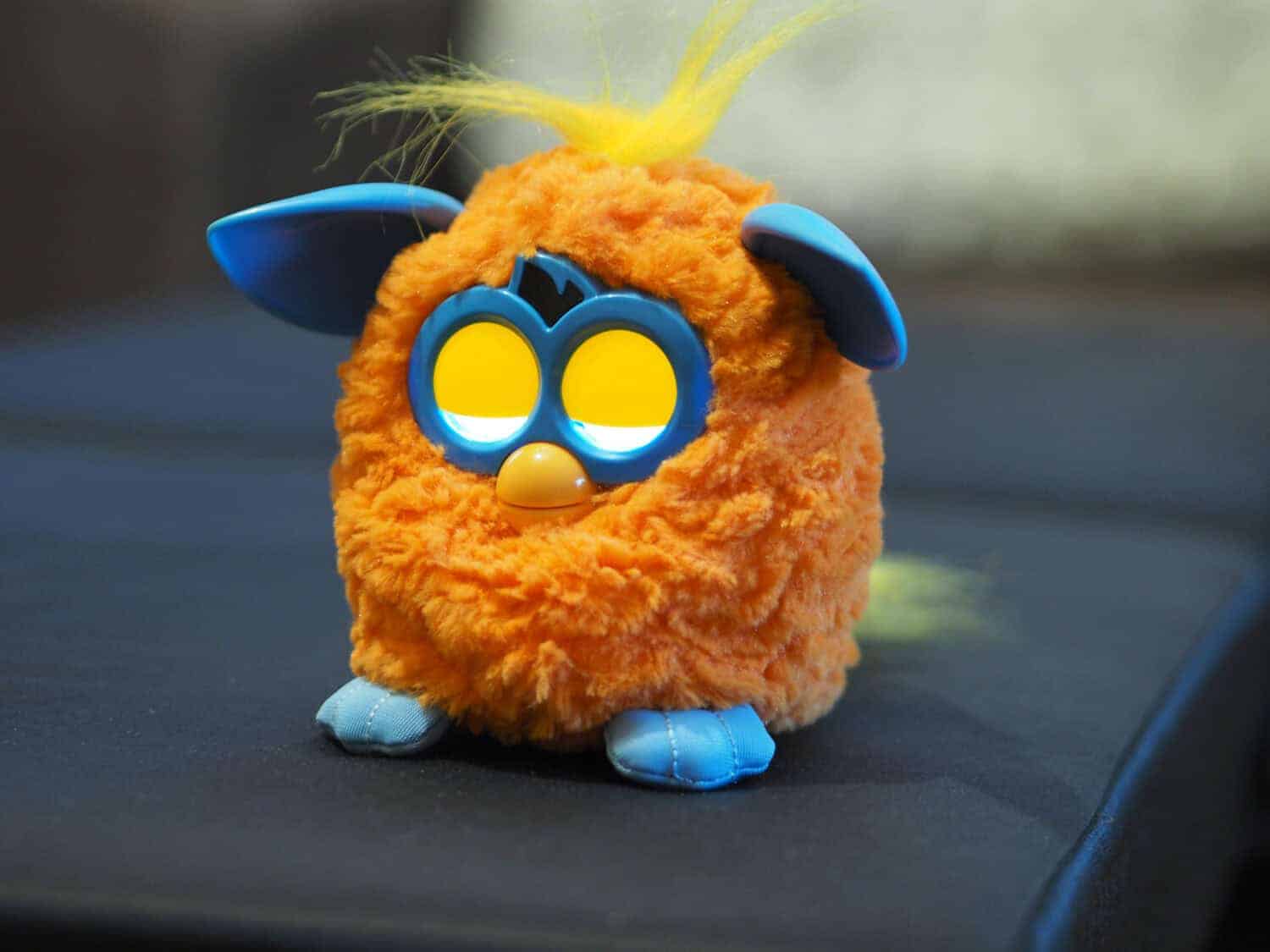
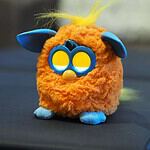
When Furby arrived in 1998, it became one of the most frantic holiday toys of the decade. Parents searched crowded stores, called multiple retailers, and waited for new shipments while children hoped the talking creature would appear under the Christmas tree. Once opened, Furbies blinked, moved their ears, spoke their own language, and sometimes seemed to start talking at the worst possible moment. Many were heavily played with or eventually pushed into closets when families tired of the noise. First-generation examples, identified by specific model numbers and packaging, can now sell for much more than their original price when they remain boxed and working. Rare colors, limited editions, promotional releases, and holiday versions may attract additional interest. Online asking prices can be wildly unrealistic, so completed sales provide a better picture of value. Even so, an unusual Furby in clean condition may be worth checking before it is handed to a child, donated, or returned to the attic for another decade.
Vintage Bluebird Polly Pocket Sets
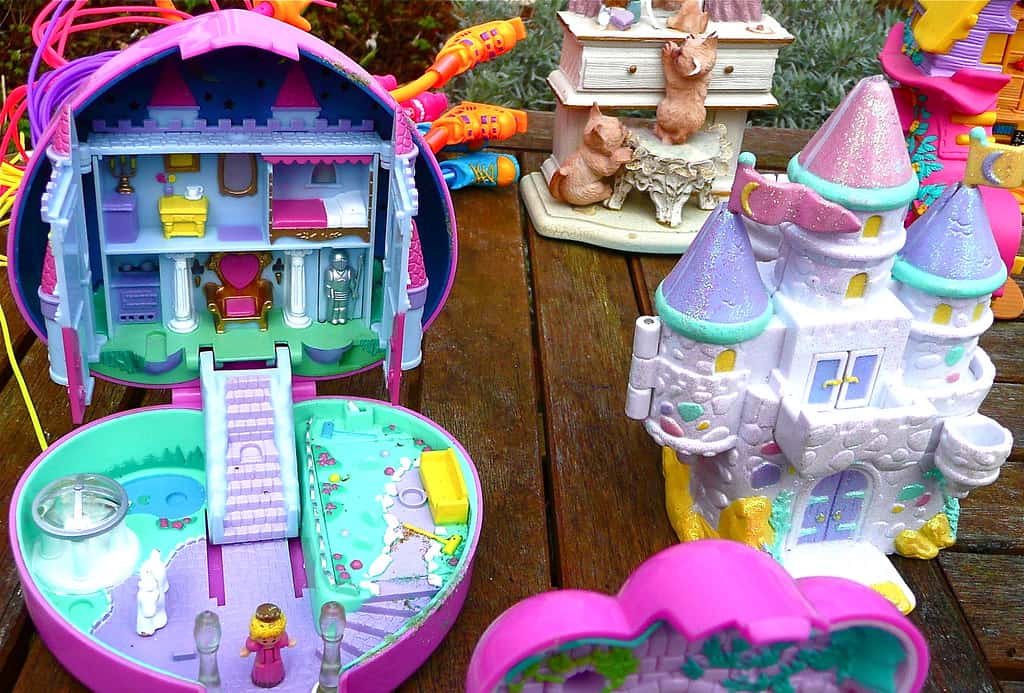
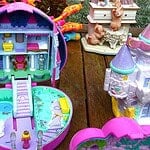
Original Polly Pocket sets packed an entire miniature world into a compact small enough to fit inside a backpack or purse. Bluebird Toys produced the classic versions from 1989 through the 1990s, filling them with tiny dolls, moving parts, secret rooms, and accessories that were incredibly easy to lose. That last detail is what makes complete examples so valuable today. Certain rare sets in excellent condition have sold for thousands of dollars, while more common compacts may still bring hundreds when boxed and complete. Collectors generally place the greatest value on the original Bluebird designs rather than the larger dolls Mattel introduced later. Families should check for the tiny figures before assuming an old compact is incomplete, since dolls can become wedged inside furniture, hidden behind doors, or mixed into another toy container. A single missing character can sharply reduce the price. Polly Pocket rewarded careful children then, and decades later, the sets that survived every move without losing their smallest pieces are still the most desirable.
Kenner Jurassic Park Action Figures
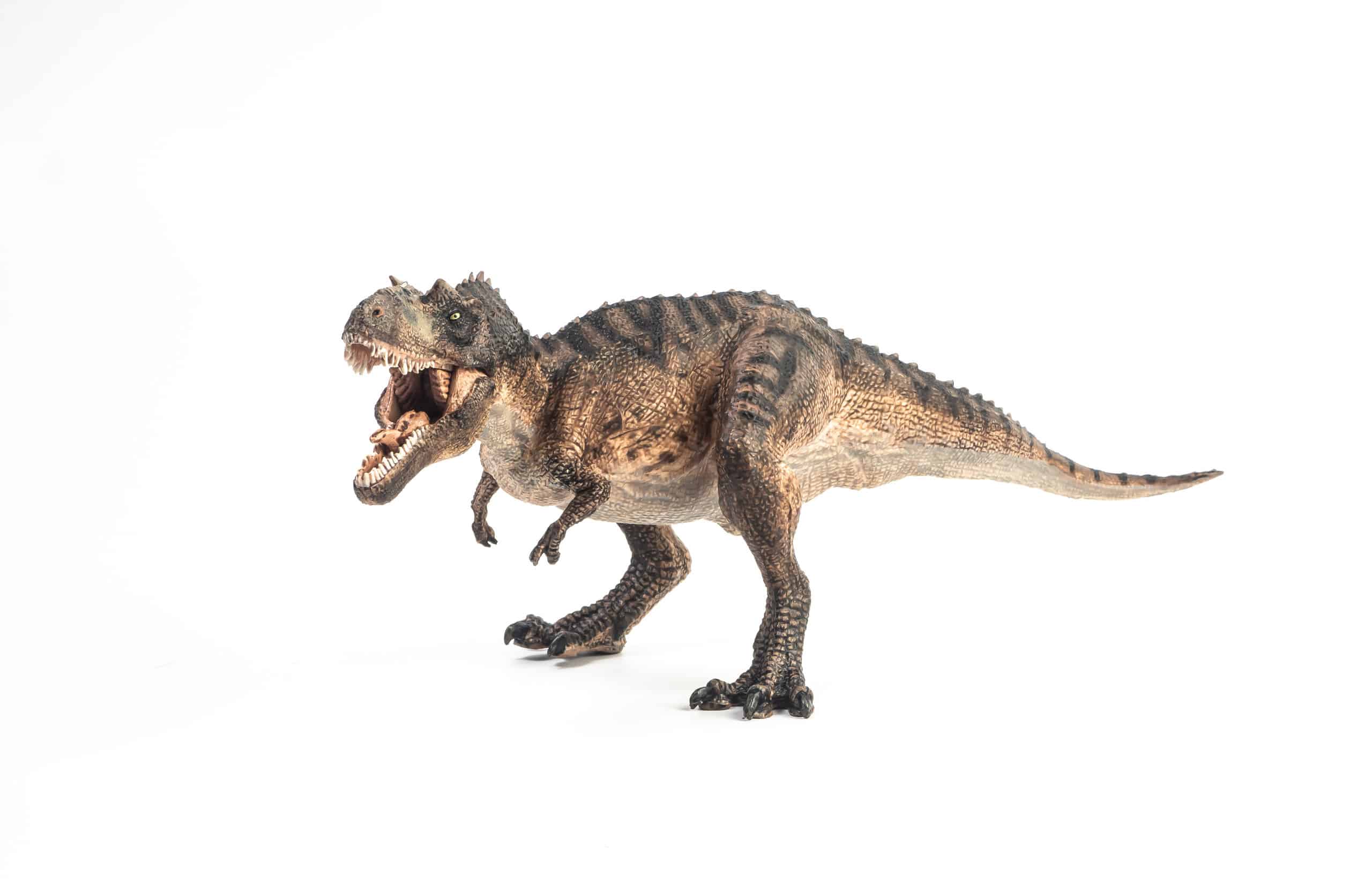
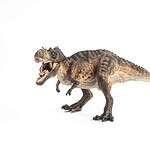
When Jurassic Park arrived in theaters in 1993, children wanted dinosaurs of every size, and Kenner delivered a toy line filled with roaring creatures, human characters, vehicles, and electronic features. Most of those dinosaurs were dragged through sandboxes, carried into swimming pools, or pitted against action figures from completely different movies. Packaged examples are therefore much harder to find today. Certain rare figures and later-wave releases can sell for hundreds or more, particularly when their boxes, accessories, collector cards, and electronic sounds remain intact. One standout is the red Series 2 Carnotaurus, often nicknamed the “Demon” Carnotaurus, which has sold for more than $1,000 in desirable condition. The figure is especially unusual because the dinosaur did not appear in the original movie. Parents who find an old plastic dinosaur in a storage bin should check the manufacturer markings and exact paint pattern before assuming it belongs in the yard-sale pile.
Rare Beanie Babies, but Only Certain Ones
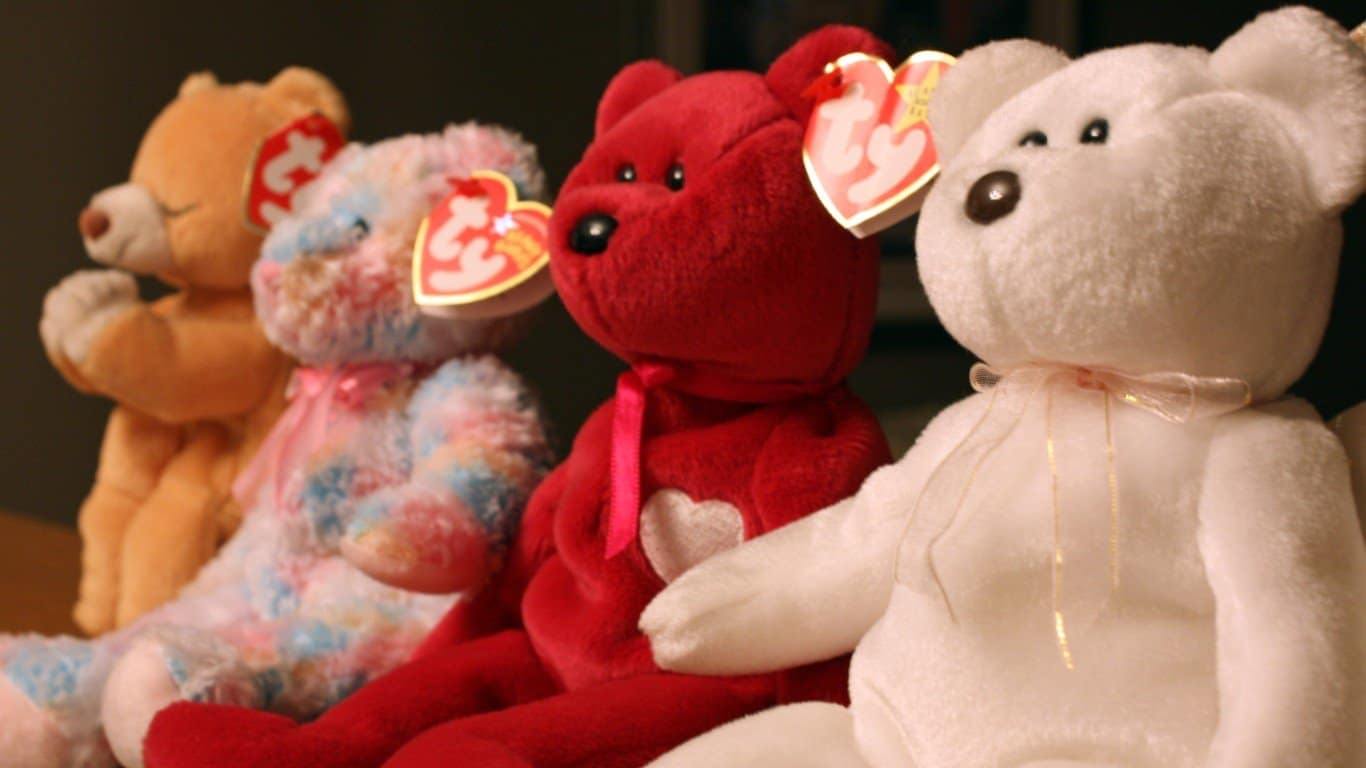
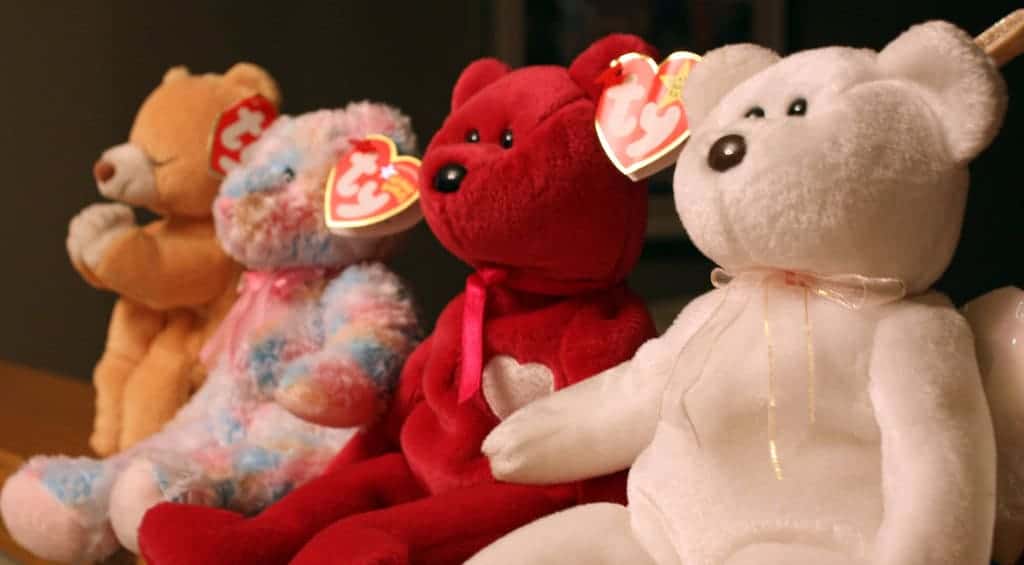
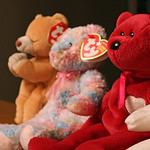
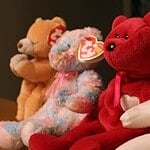
Beanie Babies may be the most misunderstood collectibles of the 1990s. Parents lined up for new releases, children memorized character names, and some families carefully stored dozens with their heart-shaped tags protected. Unfortunately, most common Beanie Babies are still worth only a few dollars, no matter how many online listings claim otherwise. Real value is usually limited to scarce early releases, unusual production variations, verified prototypes, or toys with documented mistakes that collectors actually recognize. The royal-blue version of Peanut the Elephant is one example that can command substantial prices because the color was changed early in production. Certain early Princess bears may also sell for more than common versions, although stories of six-figure values are usually exaggerated. Tags, pellet type, generation, manufacturing details, and condition all matter. A large collection can still be wonderful family nostalgia, but parents should compare exact versions with verified completed sales before assuming an attic full of Beanie Babies will pay for college.
Rare Micro Machines Sets
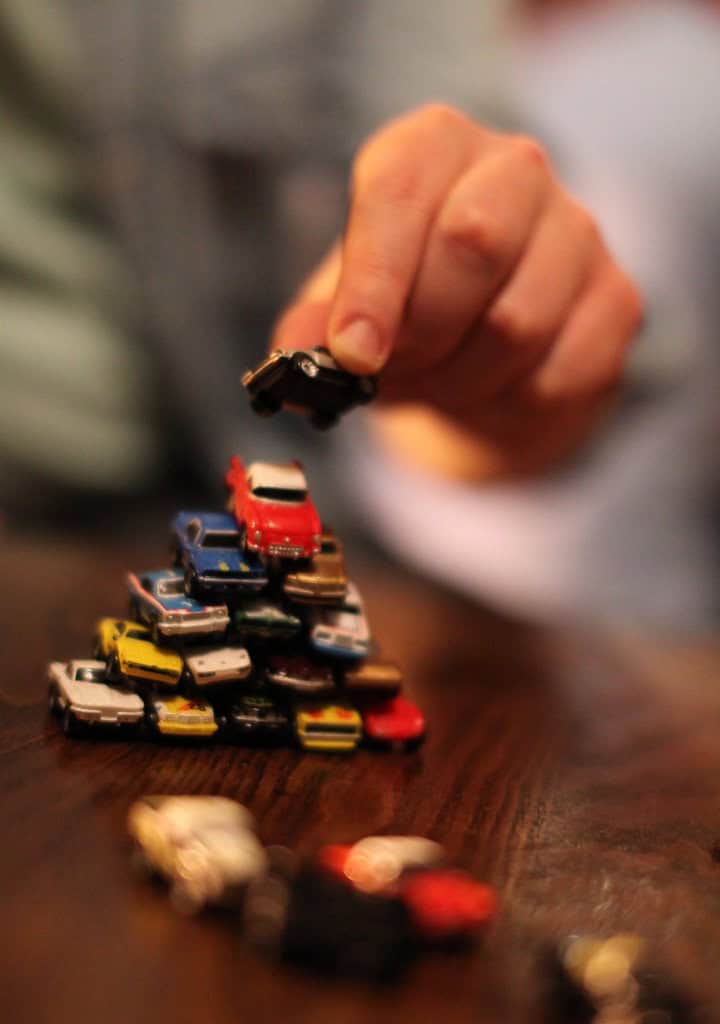
Micro Machines were designed for children who loved tiny details, fast cars, and playsets that unfolded into entire cities. Their small size also meant they were easily lost under furniture, swallowed by vacuum cleaners, or mixed into unrelated toy bins. Galoob released hundreds of vehicles and themed collections, but sealed examples of the rarest sets can now bring impressive prices. The Emergency Collection No. 8 has reportedly sold for more than $1,000, while unusual sets tied to Roswell, science fiction, and licensed properties can sell for hundreds depending on condition. Star Wars crossover sets are especially popular when complete with vehicles, figures, packaging, and instructions. Loose cars from common releases generally remain affordable, so the tiny vehicle itself is not enough to guarantee value. Parents should look for unopened multipacks, unusual packaging, limited collections, and complete playsets. The toys most likely to be valuable are often the ones a child somehow resisted opening, which was not easy when the entire appeal was seeing how many miniature cars could fit in one hand.
Hasbro WWF Wrestling Figures
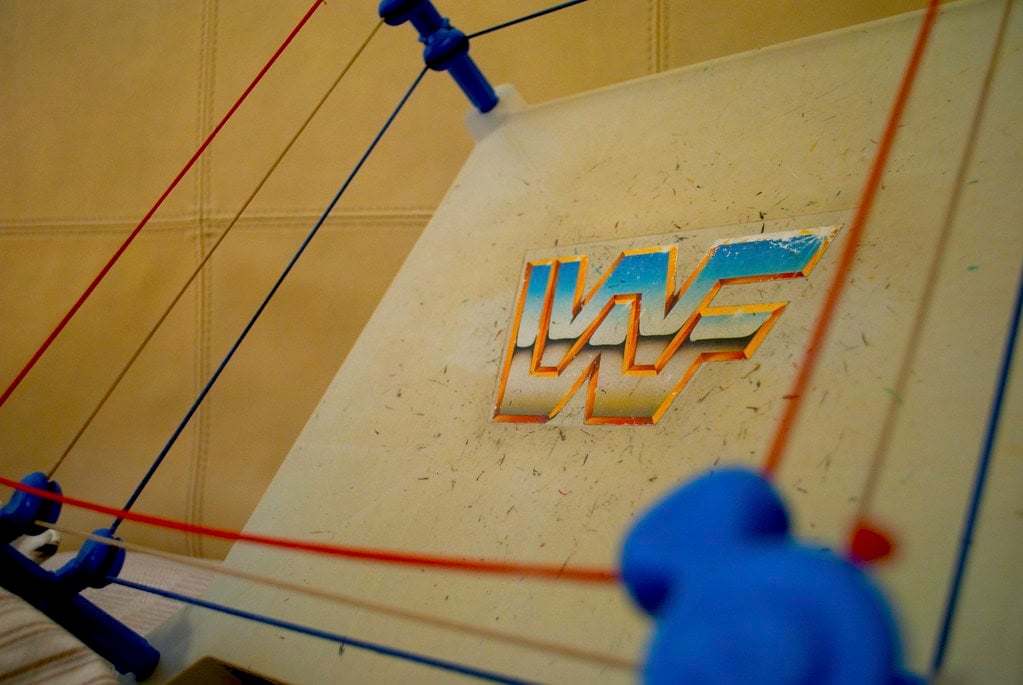
Hasbro released its colorful WWF wrestling figures between 1990 and 1994, giving children miniature versions of stars such as Hulk Hogan, The Undertaker, Bret Hart, and Ultimate Warrior. The figures were built for action, with spring-loaded punches, body slams, and other moves that encouraged rough play. As a result, many surviving wrestlers have chipped paint, loose mechanisms, or missing accessories. Common loose figures may sell for only a few dollars, but rare variants and mail-away promotions can be worth much more. A special Undertaker figure obtained through proof-of-purchase points has sold for more than $1,000 in original packaging. The rare Kamala “Moon Belly” variation has reached even higher prices in professionally graded condition. Small paint differences, card-back variations, and production changes can separate a common toy from a major collectible. Parents sorting through an old wrestling ring should identify each figure carefully before handing the entire roster to a new generation of enthusiastic children.
Pogs and Collectible Metal Slammers
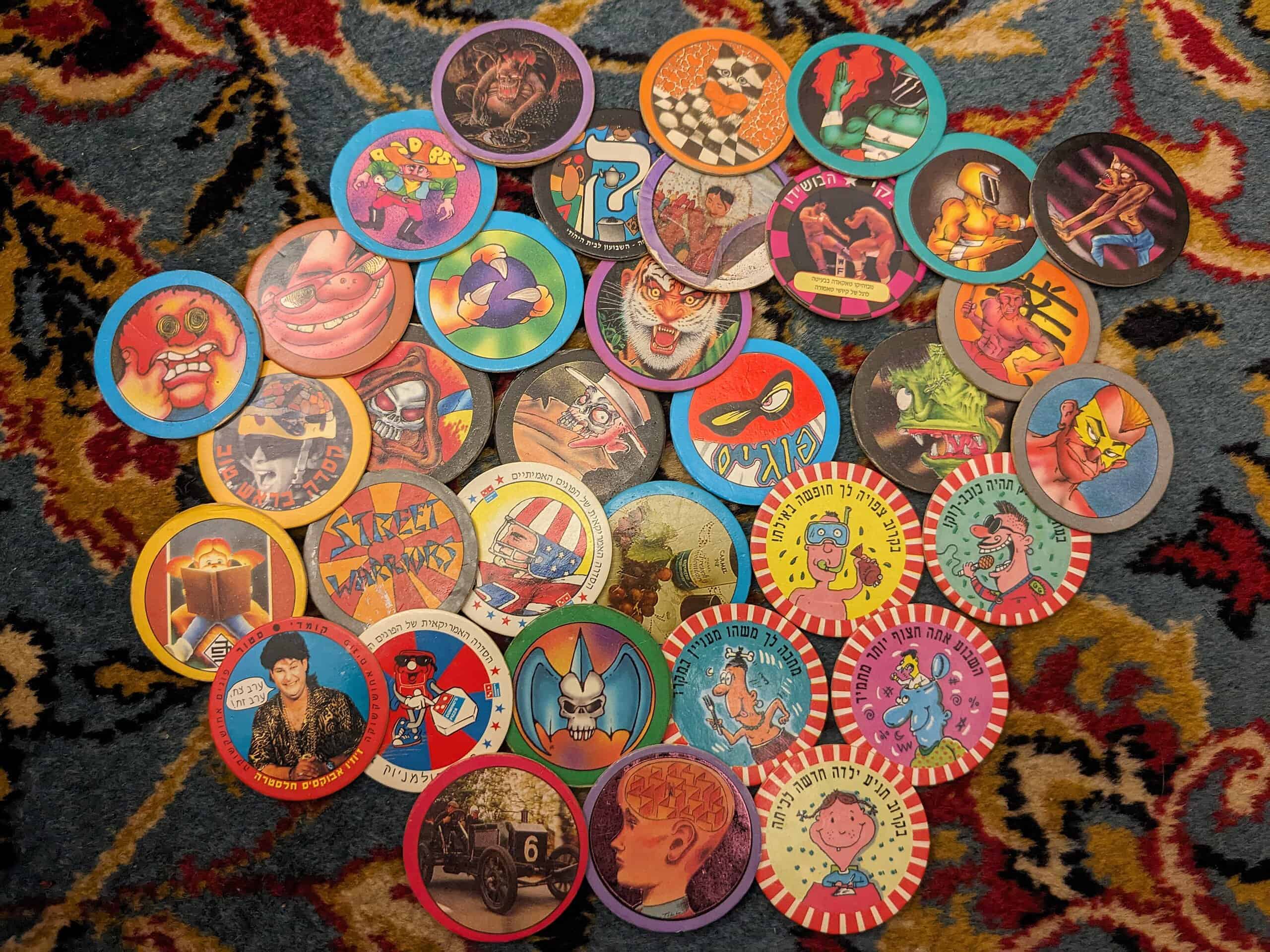
For a brief period in the 1990s, Pogs took over school playgrounds, lunch tables, and bedroom floors. Children stacked the cardboard discs, slammed heavier pieces on top, and hoped to flip enough Pogs to win the round. Because they were inexpensive and produced in enormous quantities, most loose Pogs are still worth very little today. The exceptions include rare licensed designs, early Hawaiian pieces, unusual promotional releases, limited tournament sets, and collectible metal slammers. Certain slammers may sell for several dollars or more, while sealed tubes and complete themed collections can bring significantly higher amounts. Condition and authenticity are important, since many designs were unofficial or widely copied. A shoebox filled with random, worn Pogs is unlikely to contain a fortune, but an unopened tube or rare branded set deserves a closer look. Parents may also want to check old pencil cases and desk drawers, since the heaviest metal slammers were often stored separately from the larger collection.
The image featured at the top of this post is ©dominiquegodbout / Flickr – License / Original