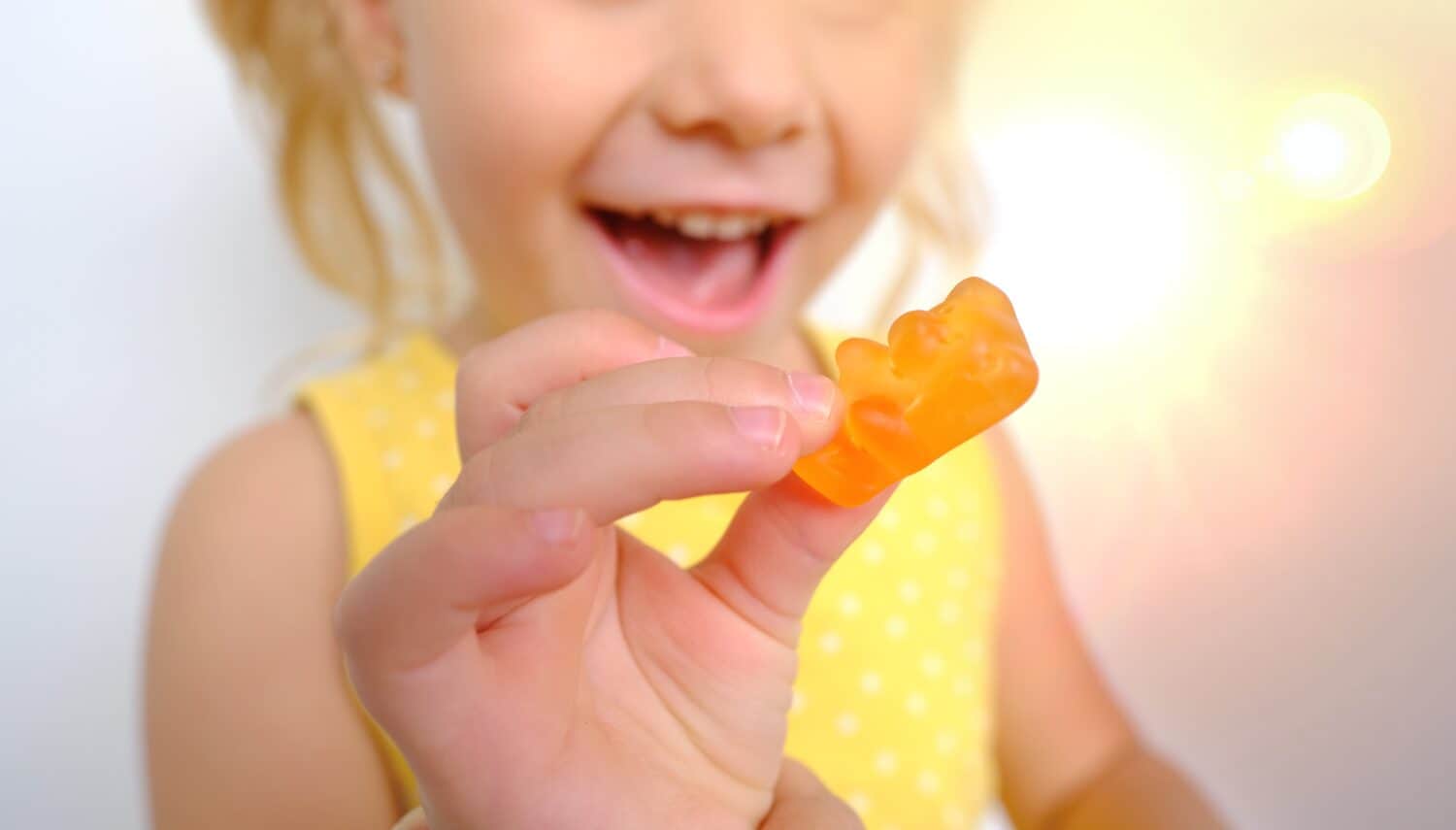
Candy is a dentist’s worst enemy — the sticky, sugary sweet morsels that stick to your teeth and can lead to cavities and tooth decay. But while most parents try to limit their kids' Skittles intake, they may not realize that other snack foods can harm little ones’ teeth just as much as regular candy.
To help parents determine which foods to skip, we speak with dentists about the dangers and risk factors of certain foods, plus healthy alternatives to help your kid have the healthiest teeth possible. Because no one (least of all, kids!) wants to have to endure crowns or dental surgery if they can avoid it.
For Better Dental Health, Say No to These Foods

Avoiding certain foods can limit the trips your child needs to take to the dentist.
©chaponta/Shutterstock.com
Some foods may not be considered candy, but they can still act like candy when your kid eats them. Case in point: dried fruit like raisins or dried mango, which are sticky and full of sugar. Liel Grinbaum, DMD, pediatric dentist and owner of smiles + grins NYC, tells us, “[Dried fruit can] cling to teeth and increase cavity risk.”
In fact, Madelyne Salo, DDS, dentist and owner at Select Dental & Orthodontics in California, says that chocolate is actually better for kids’ teeth than fruit snacks. “[Fruit snacks] are sticky; they tend to stay in tooth pits, and they remain in place and promote bacteria growth for hours. In contrast, chocolate tends to melt and dissolve in saliva quickly,” Salo says.
Other culprits include Goldfish, crackers, and pretzels, which might seem much healthier than lollipops, but are made up of refined starches that turn into sugar. “[These] break down into sugars and can linger on teeth, forming a sticky residue that promotes decay,” Dr. Grinbaum explains. Dr. Salo adds that snacking on Goldfish in the car for 45 minutes can significantly increase the risk of tooth decay. Yikes!
It's Not Just Food That Cause Decay
Additionally, certain drinks can harm your child’s teeth as well. “I meet many children who have early tooth cavities due to their habit of sipping juice,” Dr. Salo says. This is because the longer teeth are exposed to juice, the greater the risk of cavities.
“Sugary drinks and juices contain both sugar and acid, increasing the risk of cavities,” Dr. Grinbaum cautions. “Sparkling water and seltzer are better than soda but can still lower the mouth’s pH and contribute to enamel wear if consumed frequently.”
“Water is always the best option since it helps rinse away food debris and maintain a healthy oral environment,” he adds.

Fresh fruit, yogurt, and cheese are all great options if you're looking for food that won't harm your child's teeth.
©LightField Studios/Shutterstock.com
Encourage Your Kids to Eat These Foods Instead
So what’s left to feed your kids that won’t damage their teeth? According to Dr. Grinbaum, fresh fruit is always a great option. “Fresh fruit contains natural sugars and is generally less harmful, especially due to its water and fiber content,” he says.
“Firm, fibrous fruits like apples, pears, and plums help stimulate saliva and naturally clean teeth,” Dr. Grinbaum continues. “Strawberries are a good option and contain malic acid, which can help support oral health. Dark chocolate is a better sweet option than sticky or chewy candies, as it doesn’t adhere to teeth as easily.”
He also says that sugar-free gum can help, as the extra chewing will promote increased saliva flow that protects teeth. Dr. Salo agrees, adding, “[Sugar-free gum] can help to prevent tooth decay, as xylitol kills decay-causing bacteria, and the process of chewing stimulates saliva production.”
Dr. Salo recommends parents offer their kids more crunchy and juicy foods, apples, carrots, cucumbers, cheese strings or sticks, and plain yogurts. “Cheese is beneficial for the teeth as it increases oral pH and contains calcium and phosphorus useful to enamel,” Dr. Salo says. “[Don't] forget about water — if your child prefers it to juice, it will already make a great difference.”

Long-term snacking can contribute to tooth decay.
©Hananeko_Studio/Shutterstock.com
Prevention Starts Early for Young Children
If you have toddlers or older babies, it’s important to skip the pouches or purées as soon as your kid is able in favor of textured foods. “Crunchy, age-appropriate foods help support proper jaw development and oral function,” Dr. Grinbaum explains. “Encourage consistent brushing twice daily and begin flossing as soon as teeth touch.”
Most importantly, don’t let your child suck on juice or snack all day. “Think about when a child eats and not what he or she eats,” Dr. Salo says, recommending eating three main meals a day with a couple of snacks and water in between. “Each time someone eats, their mouth pH lowers for about 20-30 minutes,” she says. “Therefore, frequent snacking causes teeth to remain in an acidic state.”
It’s also vital to brush your kids’ teeth before bed. “Saliva production reduces during night sleep, so any leftover remains on the teeth for hours,” Dr. Salo says. “Moreover, it would be better to avoid giving children anything to eat besides water after brushing teeth.”
What Are Some Signs Your Kids’ Teeth Aren’t Healthy?
You don’t need to wait for your kid’s six-month dental checkup to take them to the dentist if there’s a problem. Dr. Grinbaum recommends looking for the following: “Visible buildup, discoloration, or white/brown spots on teeth are signs that teeth should be evaluated,” he says. “Complaints of sensitivity, discomfort, or pain are also signs that it's time to schedule a dental visit. X-rays (when appropriate) help detect early cavities, especially between teeth.”
Dr. Salo says to look for differences in your child’s teeth. “White chalk-like areas on the surfaces of molars close to the gum line indicate demineralization and can be treated,” she says. “However, brownish discoloration, tooth sensitivity to temperature changes, and reluctance to eat on one side of the mouth are reasons to consult a dentist. Persistent unpleasant breath can also indicate the presence of tooth decay or gum problems.”
Ultimately, the best treatment is prevention. “Baby teeth are temporary, but they are essential for proper development,” Dr. Grinbaum says. “Establishing a dental home early and good habits early helps prevent decay and sets the foundation for long-term oral health.”
The image featured at the top of this post is ©Kittyfly / Shutterstock.com