
When you think back to the holidays, what do you remember as a kid? Maybe it was family gatherings, or a flash or two of your childhood home. Perhaps it's even the meals you ate, or the shows or concerts you attended. If you try to recall the gifts you got, it's probably challenging. The reason is simple: kids often remember experiences and people rather than things.
Ironically, given this fact, so much emphasis is placed on gift-giving during the holidays. In reality, physical items are unlikely to be what your child remembers. Not only does science back this up, but the countless testimonials of adults also support this. Rather than the latest action figure, here's what your child is most likely to remember from their childhood.
Memory Is Connected to Emotions
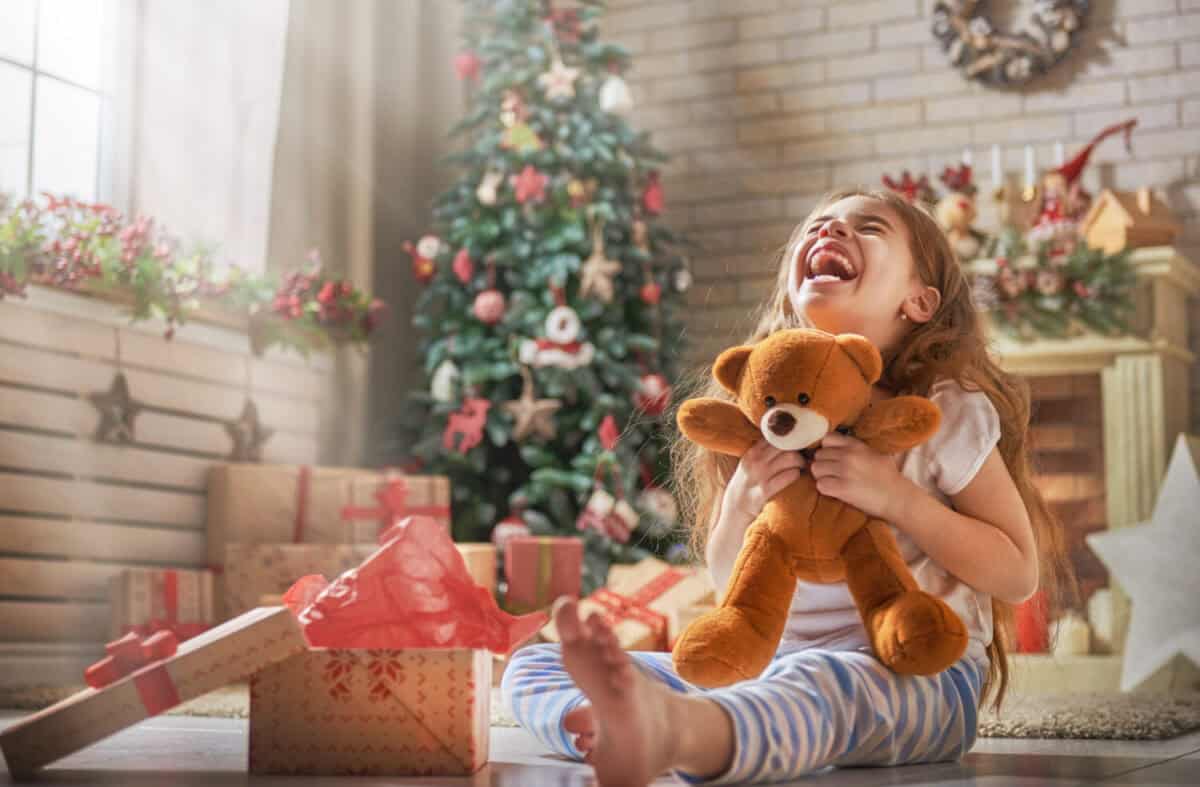
©Yuganov Konstantin/Shutterstock.com
Sometimes, gift-giving is more for the giver than the receiver. It makes us feel good to show acts of service, which is one of the seven love languages. The emotions that come with this are valid to the giver, who experiences a sense of heartfelt wholeness. The receiver, however, experiences this differently. If their love language is not also acts of service, the act might not evoke emotions strong enough to tie the moment to memory. As kids, memory-building comes from experience.
Anything that triggers a scent, a sight, a sound, or a strong emotion is highly likely to be remembered. This is why we often remember our mother's kitchens when we smell molasses, but can't remember the gifts we got for Christmas in 1998. A memory this constant and emotionally connected is more likely to persist through a child's teen and adult years. Whereas this tradition is steady, the “newness” of a toy or game wears off when the novelty fades.
Why Are Holiday Experiences So Much More Powerful?
According to a study by Rice University, memories are more likely to form when the brain has to work harder to remember them. For example, let's say your child has a toy car on their Christmas wishlist. When they open a gift on Christmas morning and see that they've gotten it, the brain interprets that as a reward. They've already asked for it, so it's neither a surprise nor an unexpected event. It takes less for the brain to remember this as a worthy experience, because it's already become familiar with that toy.
©Monkey Business Images/Shutterstock.com
In contrast, if you surprise your child with tickets to a holiday show, this locks in more effort from the brain. It helps to remember the appearance of the venue and stage, the actors' performances, the scent of food carts, and the orchestra's sounds. These things become core memories because the brain works harder to remember them.
On an emotional level, the unexpectedness and connection create a bond between a child's feelings and their memories. They'll remember how they felt experiencing this with their family, versus unwrapping a toy they'd already wished for.
Age Plays a Role In Memory Recall
It's important to remember that age also plays a role in what we remember. The mind of a child is constantly rewiring, especially in early childhood. This is why we struggle to remember our lives before a certain age, but may recall bits and pieces. According to Psychology Today, most adults struggle to remember full memories before the age of five. While it's entirely possible to recall moments before this age, it's unlikely.
The strongest memories to make it past this age are typically tied to strong emotions, positive and negative. Most memories, such as those around holidays, are lost until a child is old enough to understand and process them. However, this does not mean holiday experiences are not worth investing in. If anything, it's crucial to provide a foundation for traditions and family time so they can remember more of the moments as they grow.

©YanLev/Shutterstock.com
Studies show that things like travel, fun events, and new places help to shape a child's mind, even if they can't remember the experience. These encourage problem-solving, critical thinking, foster creativity, and can support their emotional regulation. It's also an excellent way to bond, laying down emotional connections that, while not remembered, will still be felt.
How Can Parents Encourage Positive Holiday Memories?
The best way to foster memories throughout the holiday season is to plan based on your child's age. If they're under five, the experiences that hold the most meaning for them will differ from those of a preteen. There are plenty of things parents can do with their children, depending on what they might potentially remember.
If Your Child Is Under the Age of Five, Do These Things
The beautiful thing about spending the holidays with your baby or toddler is that they don't need extravagant gifts. They're not quite old enough to flip through a toy store magazine, but they still get excited about things when you get excited. For a child this young, that's enough to make a memory!

©Irina Starikova1811/Shutterstock.com
Something as simple as baking cookies with them (even the take-and-bake kind), getting them a new toy and playing with them on Christmas morning, or watching holiday movies together is precious. Spending time with family, walking down your favorite street when it's decorated, or going to a light display show are also great ways to make memories. Your child might not remember the destination or what you bought, but they will remember how dazzled they were.
If Your Child Is Five Years or Older, Do These Things
You can still do all of the above with your child if they're over five, but you can also do more! Here are some examples that have core-memory potential:
- Gingerbread Houses: Bonus points if you make this a family activity, and let them pick out their own candy from the store.
- Christmas Movie Day: Let them pick out the movies, but watch at least one of your childhood favorites. Your kids will remember that you cared enough to share a bit of your holiday magic with them.
- Bake Cookies: The more involved kids are, and the more control they have, the better their emotional connection will be. Bake Christmas cookies, but let them pick out the recipe.
- Craft Day: Something as simple as a pinecone can turn into a festive holiday ornament. Forage the yard or a local park and help them gather craft supplies! You can also make popcorn garland, create Christmas cards, or make window decorations with construction paper.

©Ground Picture/Shutterstock.com
- Ice Skating: Or any other type of outdoor activity, such as sledding or building a snowman. It doesn't cost a thing if you've already got the equipment, and kids will undoubtedly remember such a learning experience.
- Pick Your Own Tree: Starting a tradition like this will surely become a core memory. Visiting a tree farm and picking out the perfect tree is an exciting, challenging, and family-friendly experience all rolled into one.
- Go Caroling: It might feel awkward to get outside your comfort zone, but your kids will love that you do it together. Join a local caroling group and belt out those high notes!
- Put Gifting to Good Use: If your kids are old enough to understand the significance, adopt a family or an Angel Tree tag for the holiday. This gives them the chance to be the gift-giver, rather than the receiver. It'll give the holidays purpose, and your child will remember that they made a difference in someone else's life.
At the end of the day, it's about the moments that matter versus what's under the tree. With science-backed facts, it's not just a cliché saying. Your child will remember the holidays filled with love, light, and family. When they're older, this will overshadow how many LEGOs or Barbies they got.
The image featured at the top of this post is ©illustrissima/Shutterstock.com