























These Are the Symptoms of Lyme Disease Every Parent Needs to Know
Ticks are those pesky arachnids no one wants to find on themselves or their kids after spending time outdoors. There's a lot of outdated information online, especially on social media, about what to do when you find a tick on you, and you may be wondering what the right course of action is.
On July 31, Justin Timberlake announced that he's been diagnosed with Lyme disease. As the news spread, it left many individuals, including parents, wondering: how do you get Lyme disease, and how can it be prevented?
Justin Timberlake isn't the only celebrity who's spoken out about this disease. Ben Stiller, Shania Twain, and other celebrities have also been affected, according to People. Timberlake is one of the approximately 476,000 people who are diagnosed with the condition every year.
Lyme disease is a bacterial infection transmitted to humans through the bite of infected ticks. There are many kinds of ticks, and not all of them spread diseases. If you live in an area where ticks are present, it's important as a parent for you to know what to look for and how to deal with a tick if you see one on your child.
In this slideshow, we'll walk you through everything you need to know about ticks, Lyme disease, and how to prevent tick bites.
Why Is Lyme Disease in the News?
On Thursday, July 31, Justin Timberlake announced on social media that he had been diagnosed with Lyme disease. Although he described himself in the post as a private person, he opened up about some of his recent struggles, including a Lyme disease diagnosis.
In the post, he talked about the reality that individuals with Lyme disease face, including how debilitating it is both physically and mentally.
What Is Lyme Disease?
Lyme disease is an illness caused by a specific type of bacteria, called Borrelia. Humans most frequently get infected with this bacterium after a tick bite, although most people who get diagnosed with Lyme disease don't recall being bitten. Lyme disease can impact humans, but it can also impact our pets.
What Kind of Ticks Spread Lyme Disease?
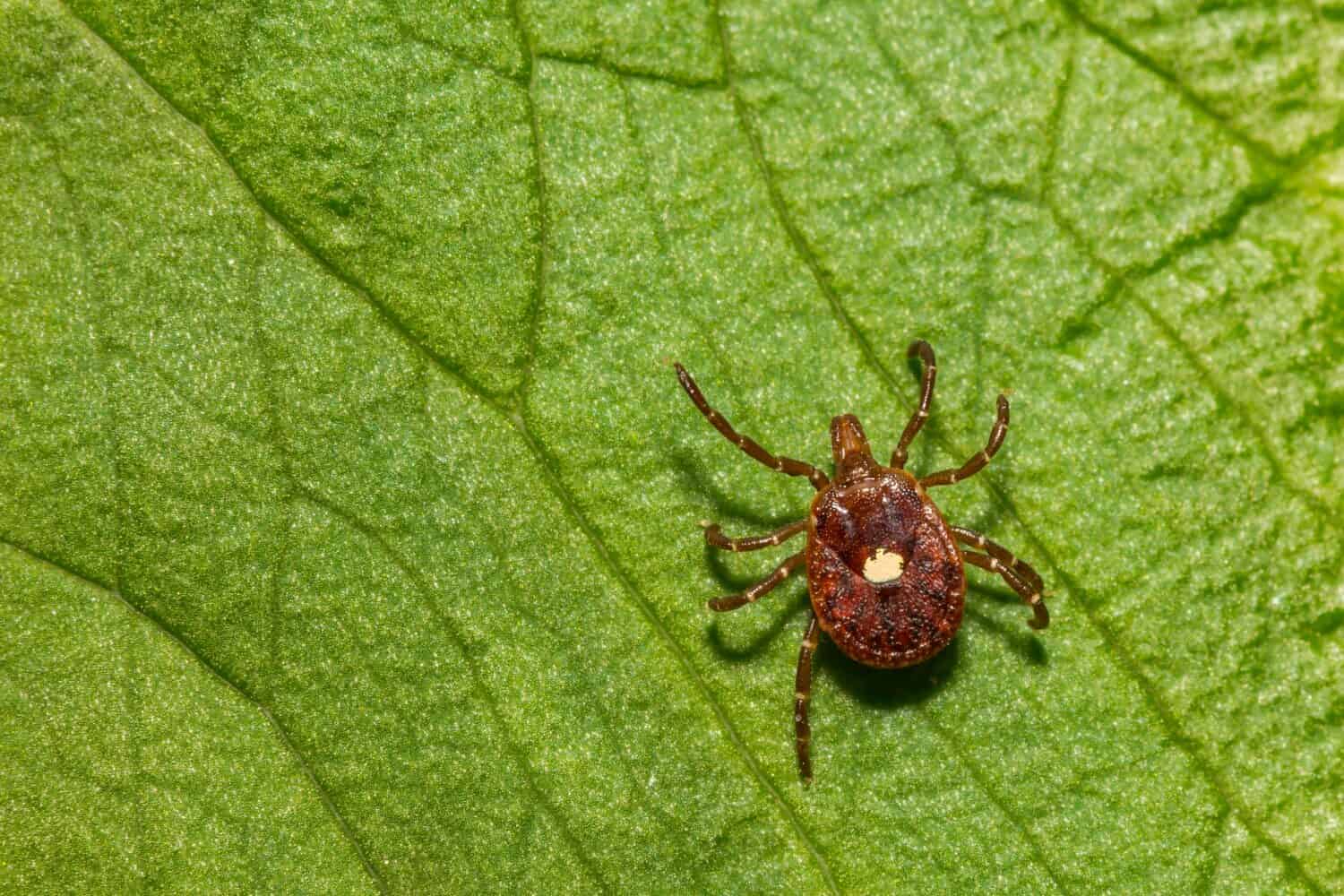
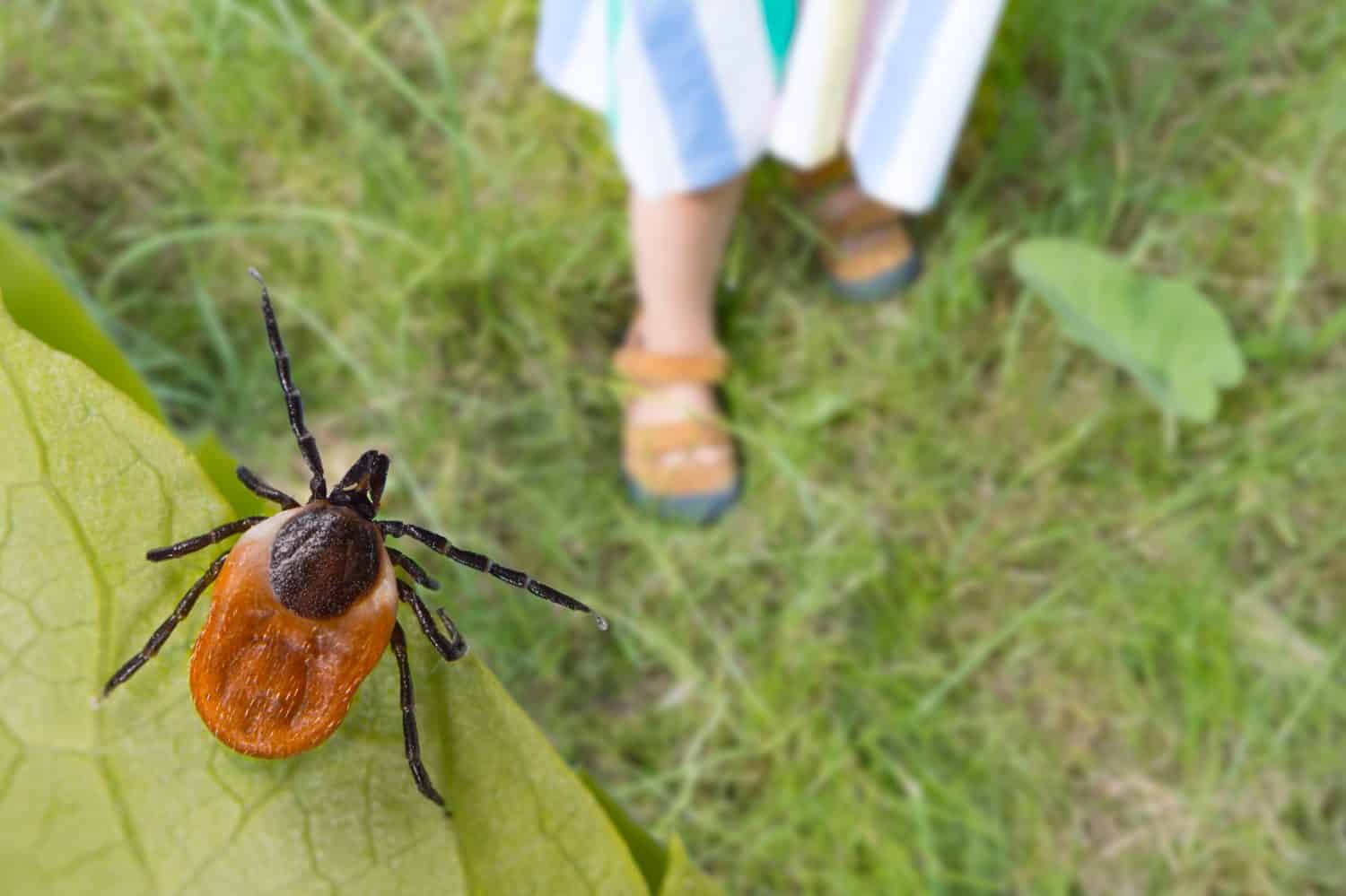
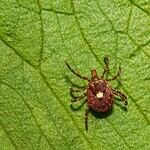
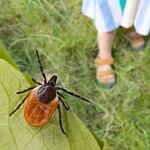
There are over 90 species of ticks in the United States, but the one associated with Lyme disease is the deer tick. This type of tick is also known as the black-legged tick.
Where Do Deer Ticks Live?
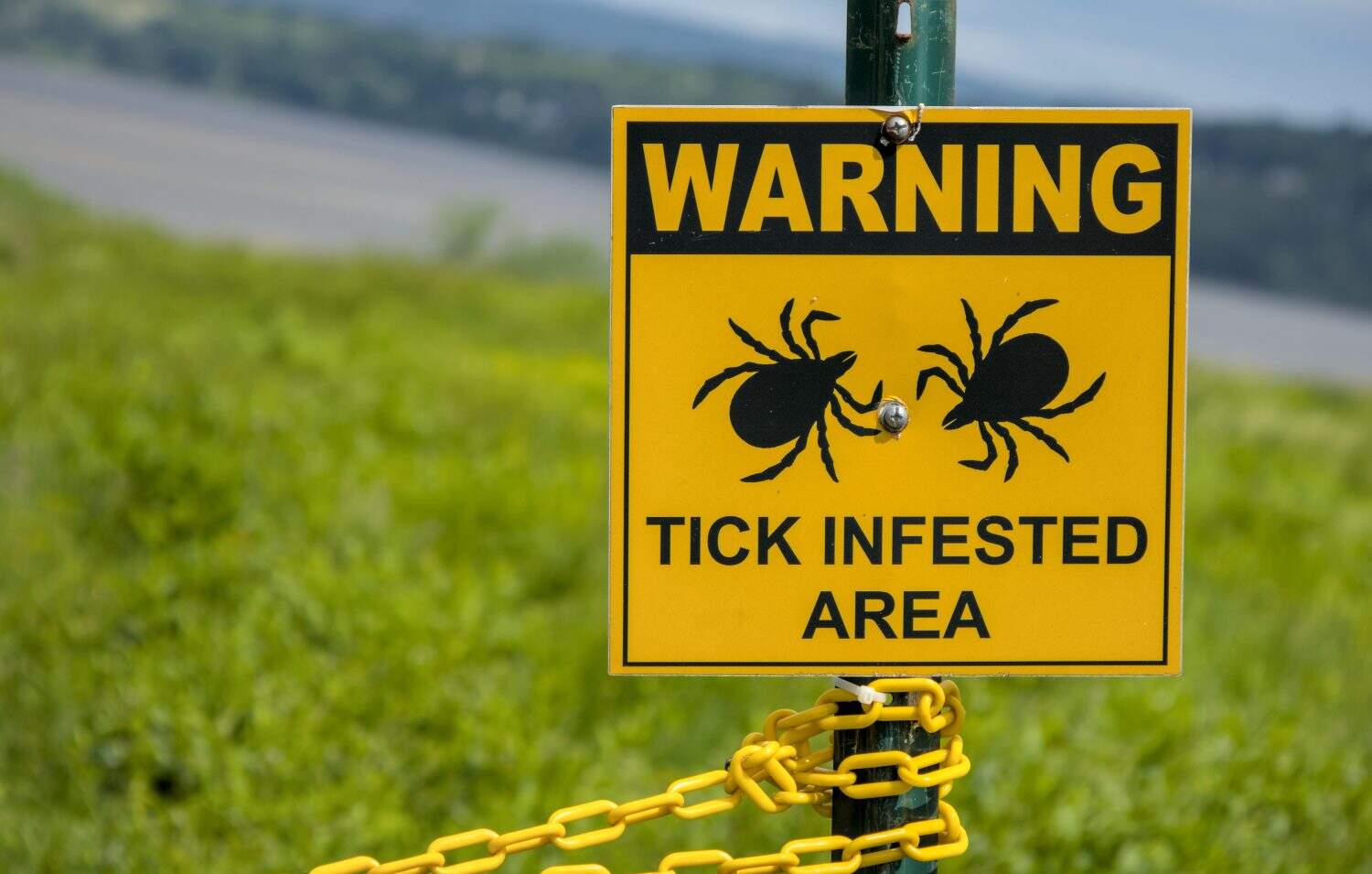
As the primary carriers of Lyme disease, it's important to know where deer ticks are most common. Deer ticks are most common in forests, gardens, and other wooded areas. There's an eastern deer tick and a western deer tick. One lives in the Midwest and eastern United States, and one lives in the West, including California, Oregon, and Washington.
How Common Is Lyme Disease?
Out of all the diseases transmitted to humans or animals through a bite, Lyme disease is the most common. Every year in the U.S., there are about 476,000 cases of Lyme disease, according to the CDC.
Preventing Infection
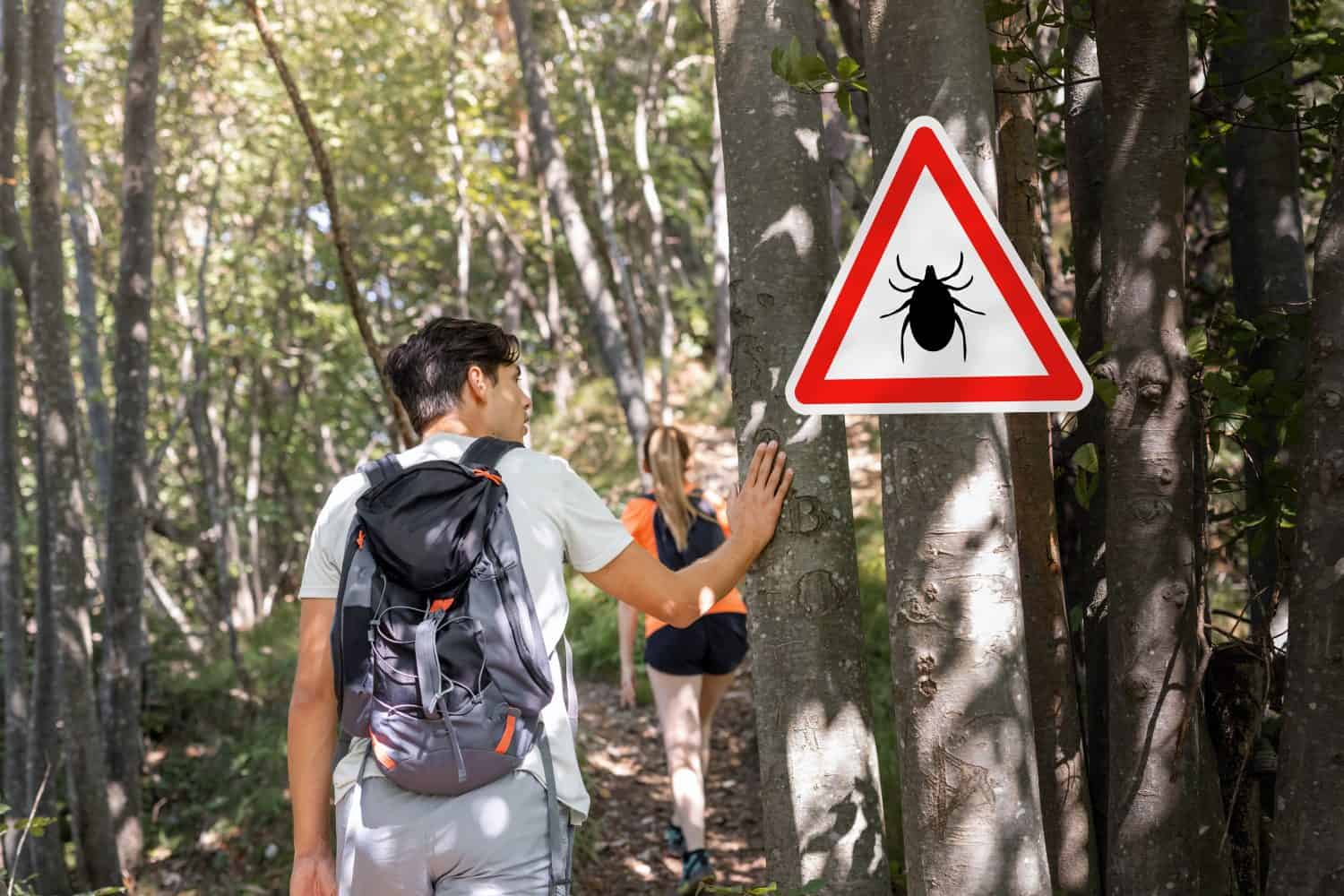
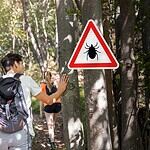
Even though not all deer ticks carry the bacteria that lead to Lyme disease, prevention is key when it comes to this infection. Deer ticks are most common in wooded areas, but they can also live in backyards or urban areas. If you know you're going to be in an area outside where ticks might be, here's how to prevent infection.
Dress Appropriately
The first step to preventing tick bites is to dress appropriately. It may be tempting to wear shorts and tank tops when you're going outside in the woods, especially if it's hot. However, wearing long sleeves, pants, and long socks can be one of the simplest ways to prevent a bite.
If it's warmer out, prioritize wearing light clothing, even if it's long-sleeved or pants. It's also important to wear closed-toed shoes instead of sandals.
Put on Insect Repellent
Insect repellent is also an essential preventative measure for avoiding ticks. The most effective type of repellents are ones that include DEET, picaridin, permethrin, or oil of lemon eucalyptus.
However, not all insect repellents are safe for children and pregnant women. How safe DEET is for kids depends on the concentration, so a lower concentration is usually best.
Essential oils such as lemon eucalyptus oil are not recommended for children under three, according to the American Academy of Pediatrics.
Do a Tick Check
After spending time outdoors, always do a tick check on yourself and your kids. If you're close to home, you can do this in the bath or shower. It's important to check all areas where a tick might be, including:
- Hairline
- Under the arms
- Around the ears
- Around the waist
- Between the knees or legs
- Belly button
If you don't have someone to do a tick check on you, it can be helpful to use a mirror to check areas you can't easily see. To remove any unattached ticks, make sure you and your kids take a shower or bath within two hours of being outside.
What to Do If You See a Tick
There's a lot of misinformation and outdated information about what to do if you find a tick. If you notice a tick on yourself or your child, use tweezers to grab it as close to the skin as you can. Then, pull away in an upward motion with even pressure.
After removal, you can get rid of the tick by wrapping it in tape, flushing it down the toilet, or putting it in alcohol. Finally, clean the bite area with soap and water.
Do not use nail polish, petroleum jelly, or a match to try and detach the tick. Simply use fine-tipped tweezers and remove as much of the tick as you can.
Don't Forget to Check Your Pets
If you're spending time outdoors with your furry friend, don't forget that pets can get tick bites, too! When you're doing a tick check on yourself and your kids, don't forget your pets if they've been outside with you.
What to Do After a Tick Bite
Even if you do have to pull a tick off your child, this doesn't necessarily mean that they'll get Lyme disease. It's not recommended that you save the tick or have it tested, since the tests are often inaccurate. Instead, you can speak to your child's doctor and watch for symptoms.
If you notice you or your child develop a rash or fever within the first few weeks after the bite, talk to a doctor.
Symptoms of Lyme Disease
If you know that a tick bite occurred, be on the lookout for any strange symptoms. The symptoms of Stage 1 Lyme disease include:
- Rash
- Fever
- Headache
- Fatigue
- Joint stiffness
- Muscle aches
- Swollen lymph nodes
Stage 1 Lyme disease is usually localized to the bite area and can be treated with antibiotics. However, if left untreated, Lyme disease can spread to other areas of the body.
Complications of Lyme Disease
Stage 2 and Stage 3 Lyme disease happen when the initial stage isn't treated. This can cause more serious symptoms and can even lead to arthritis in joints. The symptoms of Stage 2 and Stage 3 Lyme disease can show up months or years after the initial tick bite.
What's Next for Justin Timberlake?
After sharing his diagnosis, Timberlake stated he doesn't know what his future is onstage, but that he's grateful for the experiences he had on his most recent tour.
Our thoughts are with Justin Timberlake and the thousands of others who experience this disease every year.
The image featured at the top of this post is ©mamaza/Shutterstock.com