Your child can sit in school all day, every day, but that doesn’t mean they absorb, process, or retain information the same way as the student sitting next to them. Every student may have a specific way of learning that differs greatly from their peers.
As a parent, understanding your child’s learning style can positively contribute to their academic achievements. This is what you need to know about your child’s learning style, and how it can help them thrive.
What Are the Most Common Learning Styles?

©PeopleImages.com – Yuri A/Shutterstock.com
Learning styles are almost as individual as kids themselves, but you can learn the four most common styles with the VARK Model. “The VARK model refers to Visual, Auditory, Reading/Writing, and Kinesthetic,” explains David Hull, an educational psychologist and owner and CEO of Grammarheads.
Here’s a breakdown of the VARK Model:
- V: Visual learning —This helps students organize abstract concepts by visualizing them. This style works well with kids who benefit from seeing images, maps, and charts, for example.
- A: Auditory learning— These learners retain information through listening, repetition, and verbal discussion.
- R: Reading/Writing—In this learning style, students prefer material in a written format to allow for a deeper and more detailed analysis.
- K: Kinesthetic learning—Movement matters in the kinesthetic learning style, where physical activity leads to more productive studying sessions.
But is any one style better than another? Not really, according to the experts.
“Each learning style taps into different senses and brain pathways,” says Hull. “If their teaching doesn't align with the child's preferred style, learning can feel frustrating or ineffective for them.” That said, kinesthetic learning tends to be more common in younger students, who benefit from active play and movement while learning.
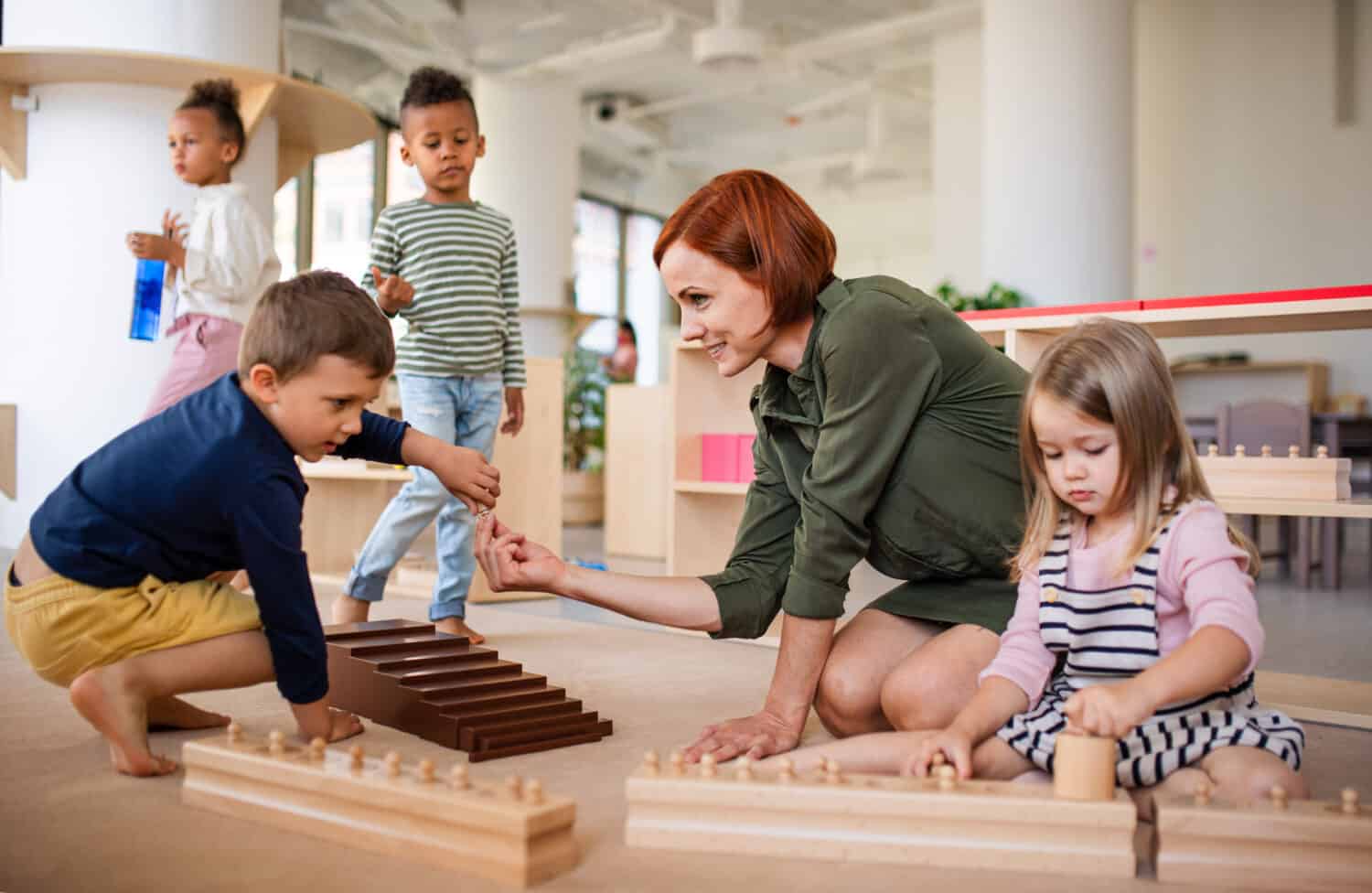
“Since their language and reading skills are still developing, they rely more on physical exploration and hands-on play to understand the world around them,” says Theresa Bertuzzi, a certified primary school teacher and Co-Owner & Founder of Tiny Hoppers, an award-winning early learning center.
Can All Learning Styles Still Achieve The Same Results?
Even if your child loves watching (educational) YouTube videos, that doesn’t mean they’re a visual learner. In fact, a blend of styles might improve your child’s performance. “All learning styles can lead to success, but the approach must match what's best for the child,” says Bertuzzi.
“Supporting a child's dominant style helps boost confidence and engagement while still exposing them to other methods for well-rounded development.”
Hull agrees, adding: “While one sense and style of learning may be predominant, all senses and styles of learning can be implemented to reinforce subject matter. If a child is only exposed to learning in their preferred style, they may struggle with internalizing the material.”

©Dikushin Dmitry/Shutterstock.com
How Can Parents Identify What Learning Style Their Child Favors?
You don’t have to have an educator to recognize how your child learns best. All you have to do is pay attention. “Parents can observe how their child plays, solves problems, or responds to information,” says Bertuzzi. “A child who loves drawing might be a visual learner, while one who enjoys singing and storytelling may be an auditory learner, so noticing these tendencies during everyday activities can give helpful clues.”
For older kids, communication is key. You can ask:
- “What helps you remember things for a test?”
- “Do you learn better when you see it, hear it, or do it?”
If you’re still unsure how your child learns best, try scheduling a meeting with their teacher. They should easily be able to tell you what learning style your child prefers, and how to support it at home.
How Can Parents Support Their Child’s Learning Style?
Once you’ve accurately identified what learning style your child excels in, there are easy ways to support their academic achievements. “Parents can offer activities that align with their child's natural learning approach,” advises Bertuzzi.
“The key is to blend fun, learning, and their preferred style into daily routines, making learning feel natural and enjoyable.” But patience is a big part of the process. After all, every child’s learning journey is different.
That’s why pressuring your child to learn in a way that doesn’t fit can be academically disastrous. “If the foundation of their learning style isn’t properly established, it can impact not only the child’s ability to acquire knowledge effectively but also their confidence and overall development as they move into adulthood,” says Hull. “A misaligned learning approach can shape how they approach challenges later in life.”
Supporting your child’s learning style isn’t just smart — it’s a powerful parenting tool. Sure, it shows you’re invested in their education, but it does something more. It reminds your child that they can count on you, and the confidence that comes from that will help them excel in all areas of their life.
And that, dear moms, will put you at the head of the parenting class.
The image featured at the top of this post is ©Ground Picture/Shutterstock.com