American food is rarely the work of one place or one tradition. It grew from generations of families blending Native ingredients, immigrant recipes, regional customs, and practical weeknight cooking into dishes that now feel unmistakably American. Some began in restaurants, others at neighborhood counters, church suppers, cookouts, or crowded family kitchens. Many have since traveled far beyond the United States, appearing on menus and dinner tables around the world. From saucy wings and loaded sandwiches to comforting soups and iconic desserts, these are the American favorites people keep ordering, recreating, and making their own.
Cobb Salad
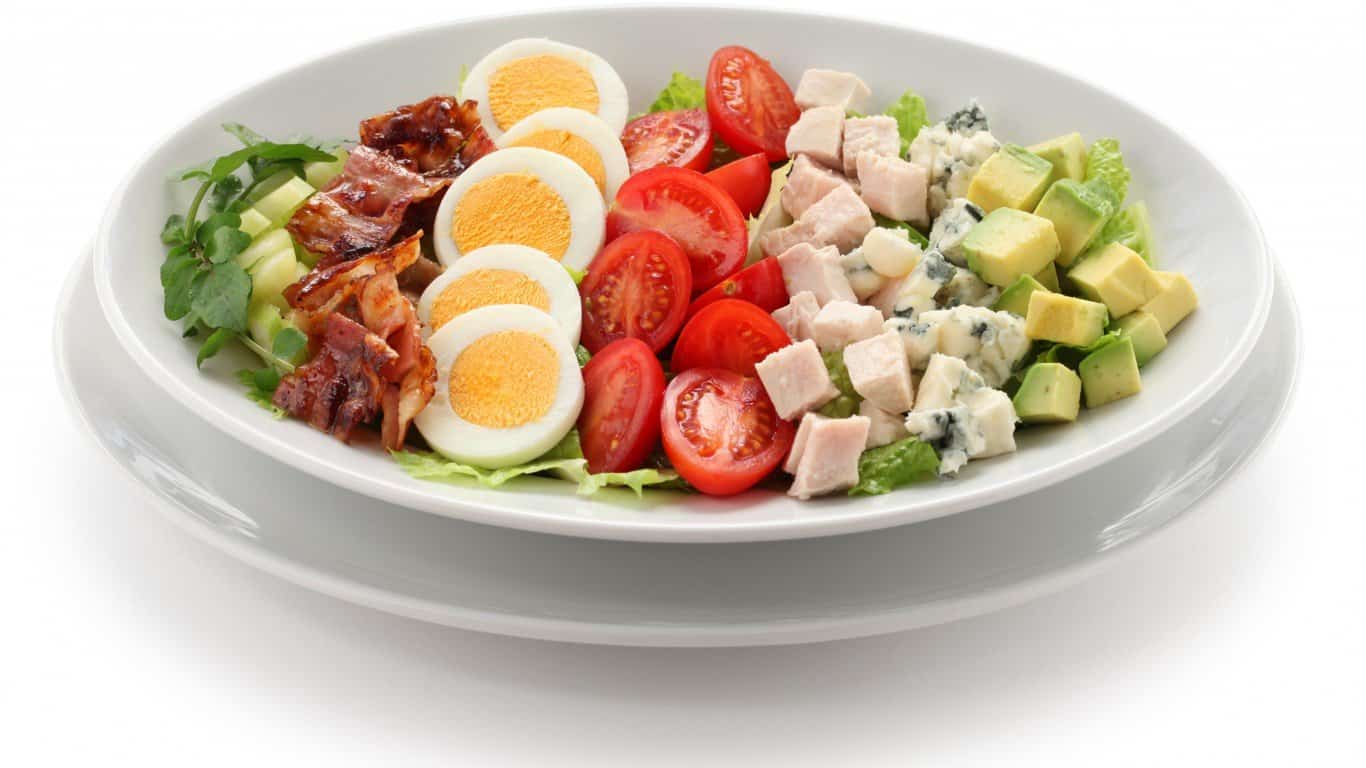
The Cobb salad is one of those rare restaurant creations that became a home-kitchen classic. It is widely associated with Hollywood's Brown Derby and co-owner Robert Cobb, although accounts differ on the exact night and year it first came together in the late 1930s. The familiar version layers chopped lettuce with chicken, bacon, hard-boiled egg, tomato, avocado, blue cheese, and vinaigrette. Modern restaurants often arrange the toppings in tidy rows, making the salad look as impressive as it tastes. It can be a full meal on its own, but the generous bacon, cheese, and dressing also prove that not every salad is automatically light. For families, it remains an easy way to turn leftovers into something that feels restaurant-worthy.
Shrimp Cocktail
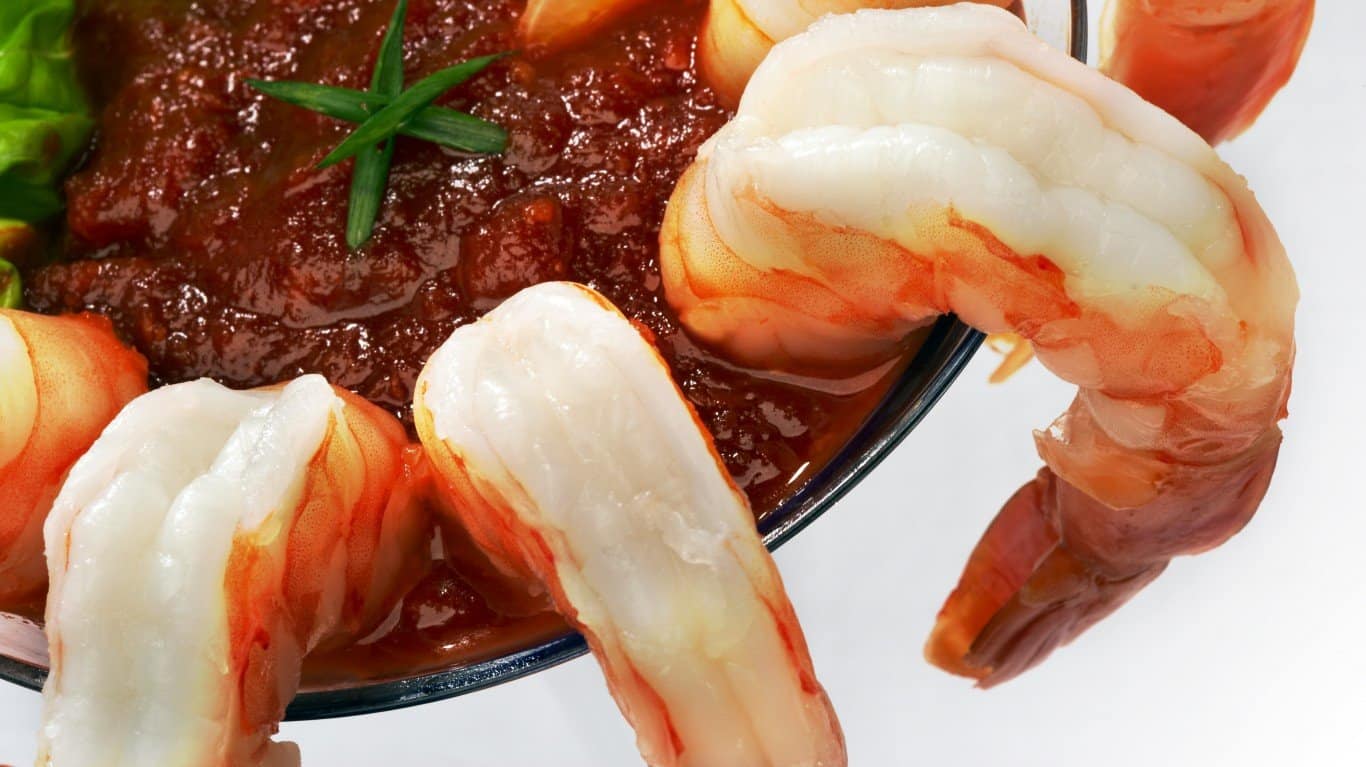
Shrimp cocktail feels fancy enough for a holiday table, yet it is surprisingly simple to prepare. The American version typically pairs chilled, cooked shrimp with a sharp sauce made from ketchup and horseradish, often brightened with lemon juice, Worcestershire sauce, or hot sauce. Britain has its own beloved prawn cocktail, but that version is commonly served with a creamy pink dressing rather than the punchier American sauce. The dish became a familiar restaurant appetizer during the 20th century and still appears at steakhouses, seafood counters, weddings, and family celebrations. Because it can be made ahead and served cold, it is also one of the easiest ways to give an ordinary gathering a special-occasion feel without spending all evening in the kitchen.
Matzo Ball Soup
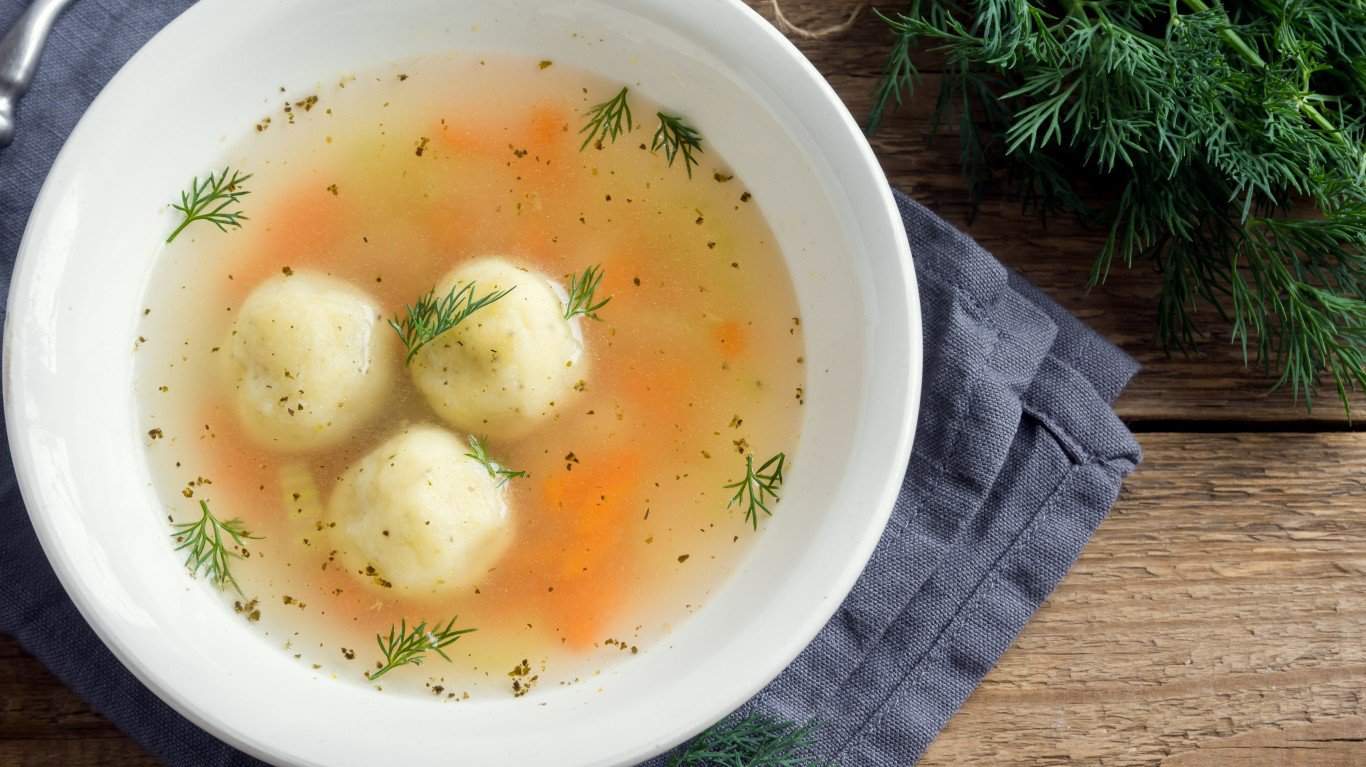
Matzo ball soup is deeply rooted in Ashkenazi Jewish cooking and is especially connected with Passover, when leavened bread is avoided. The dumplings, called kneidlach in Yiddish, are usually made from matzo meal, eggs, water or broth, and fat such as oil or rendered chicken fat. They are simmered until tender, then served in a clear chicken broth that may also include carrots, celery, herbs, noodles, or pieces of chicken. Families often debate whether the perfect matzo ball should be light and fluffy or firm enough to offer a little resistance. Either way, the dish has moved far beyond holiday tables. Jewish delis helped make it a year-round American comfort food, prized for the same soothing warmth that makes chicken soup a favorite when someone is sick.
Clam Chowder
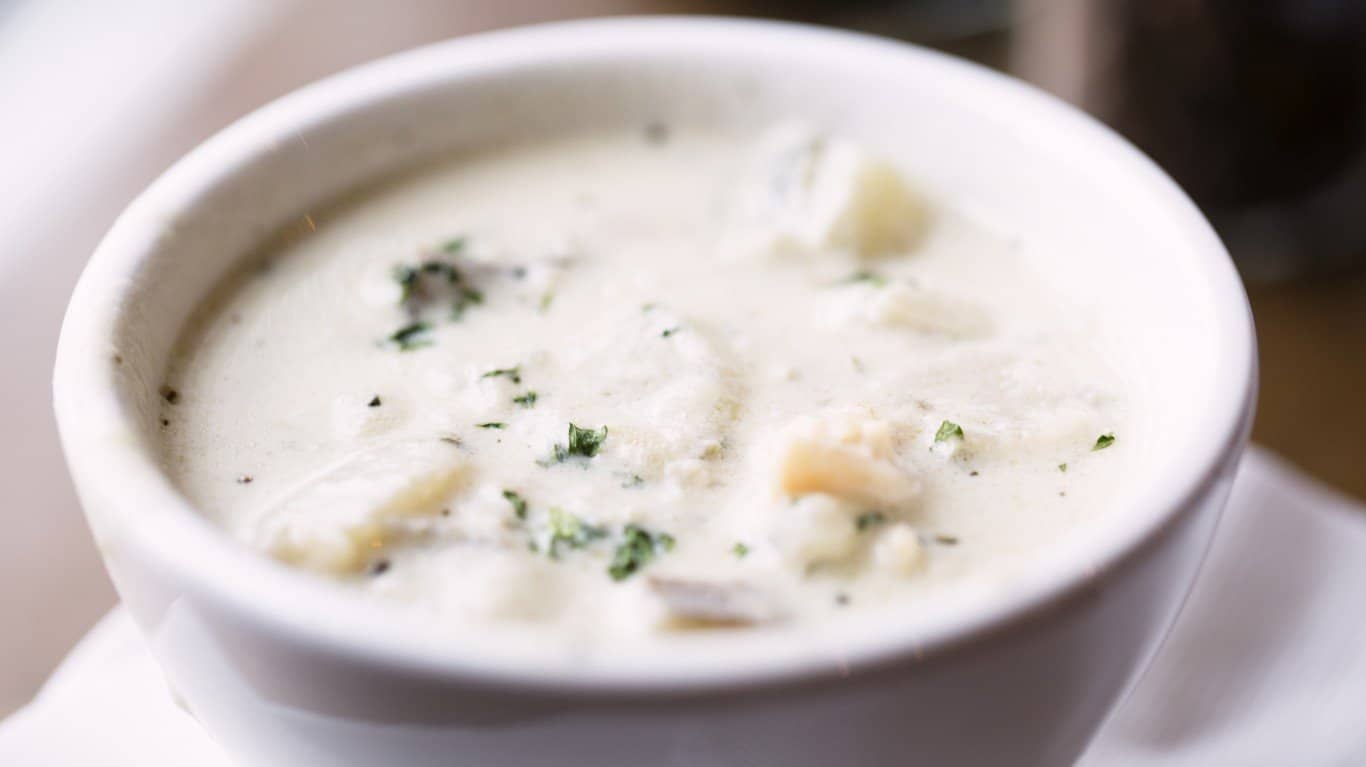
Clam chowder has several regional personalities, and Americans can be surprisingly loyal to their favorite. New England clam chowder is the best-known version, combining clams with potatoes, onions, salt pork or bacon, and milk or cream for a rich, pale soup. Manhattan clam chowder takes a completely different direction with tomatoes and a thinner broth, while Rhode Island-style chowder is often clear and briny. A newer Long Island variation blends the creamy and tomato-based styles, though it is less established than the others. What unites them is the comforting combination of shellfish, vegetables, and a warming broth. Served with oyster crackers or crusty bread, clam chowder can turn a cold evening into the kind of meal everyone gathers around.
Poke
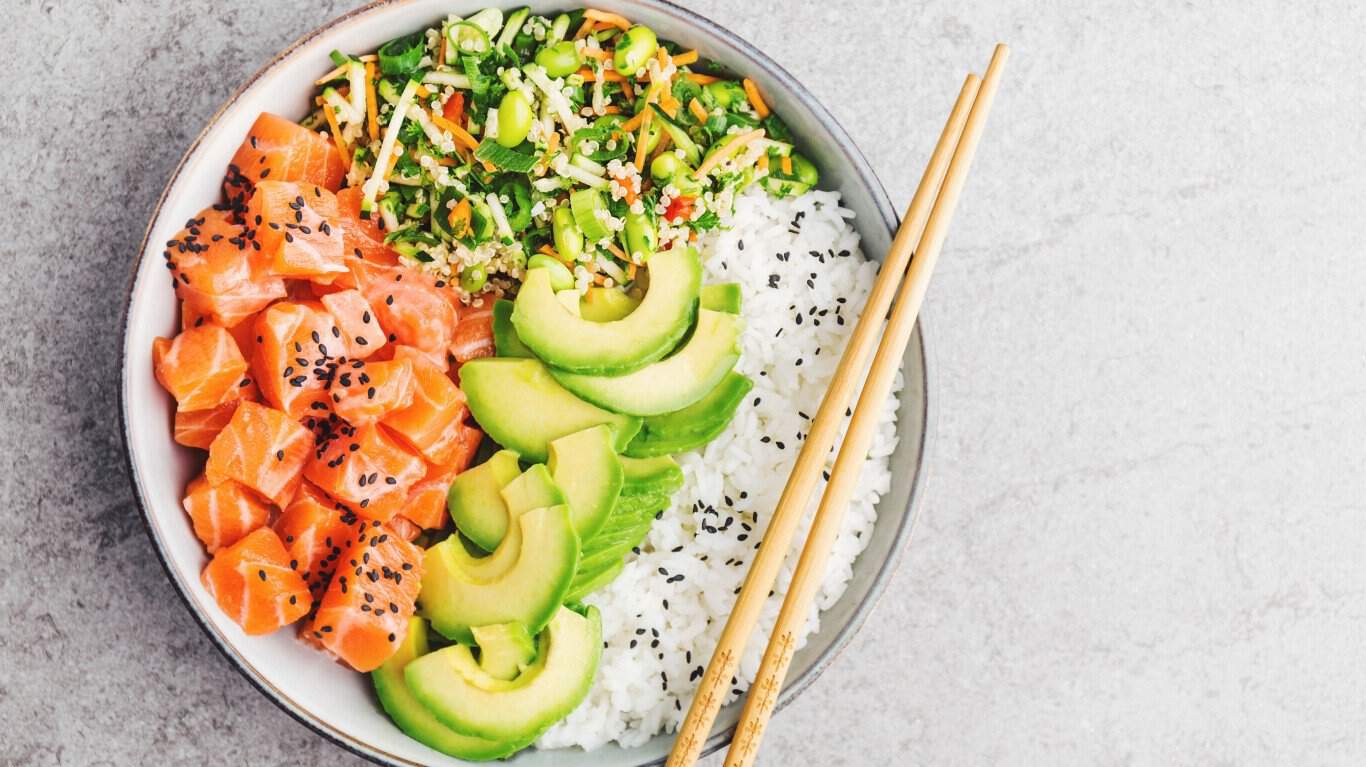
Poke is a Native Hawaiian dish whose name refers to cutting food into pieces. Long before mainland restaurants turned it into a customizable bowl, Hawaiian fishers seasoned pieces of freshly caught reef fish with sea salt, seaweed, and crushed kukui nuts. Modern poke often features cubed ahi tuna, although salmon, octopus, and other seafood are common, along with soy sauce, sesame oil, onions, and many creative additions. The fast-casual version may include rice, avocado, cucumber, spicy mayonnaise, or crunchy toppings, making it more elaborate than traditional preparations. Its popularity comes from that flexibility: families can keep the flavors simple, build a colorful dinner, or let everyone choose their own combination from the same basic idea.
Gumbo
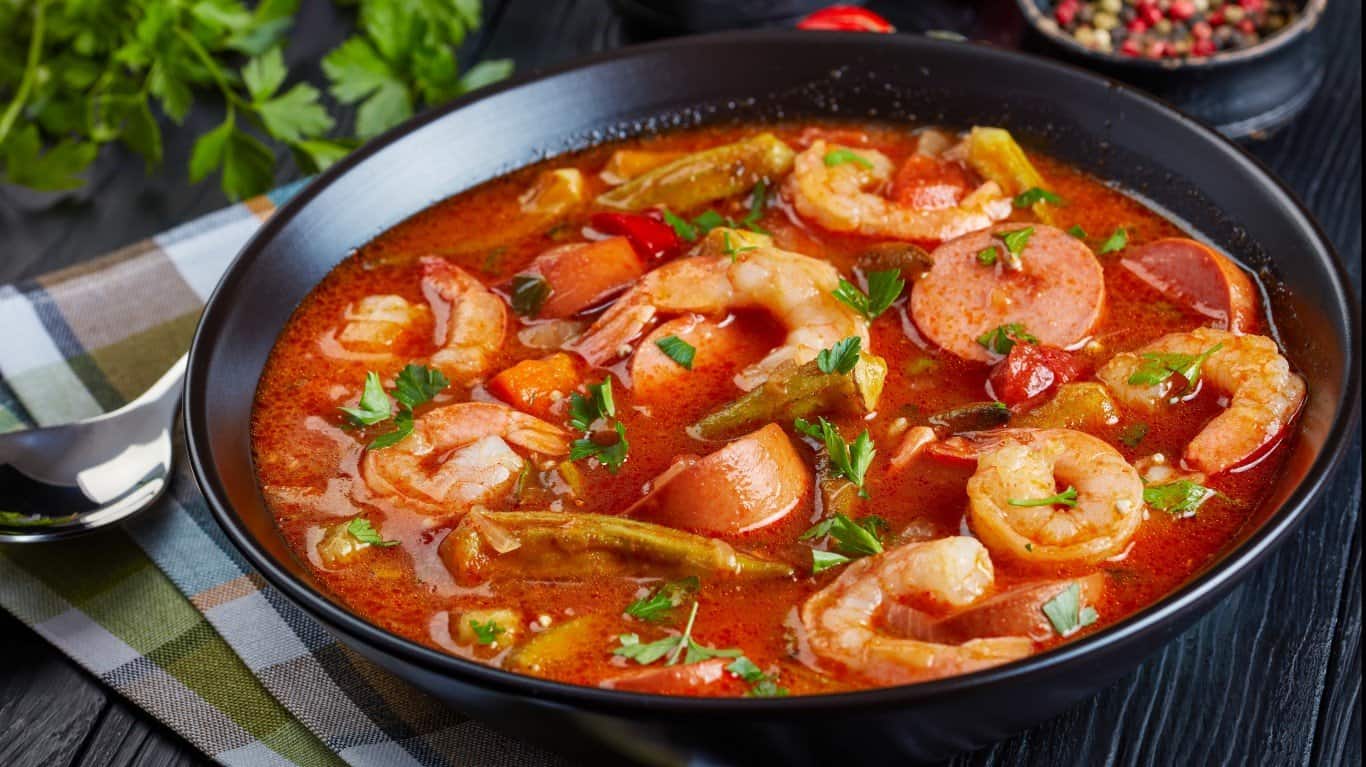
Gumbo is so closely tied to Louisiana that state law designated it the official state cuisine in 2004. The dish reflects generations of African, Native American, French, Spanish, and other influences, which helps explain why no single recipe can represent every kitchen. Many versions begin with a deeply browned roux and the Louisiana “holy trinity” of onion, celery, and bell pepper. From there, cooks may add chicken, sausage, seafood, okra, or filé powder made from sassafras leaves. Some Creole versions include tomatoes, while many Cajun cooks leave them out. Gumbo is usually spooned over rice and tastes even better after the flavors have had time to mingle, making it ideal for large family gatherings and leftovers.
Cioppino
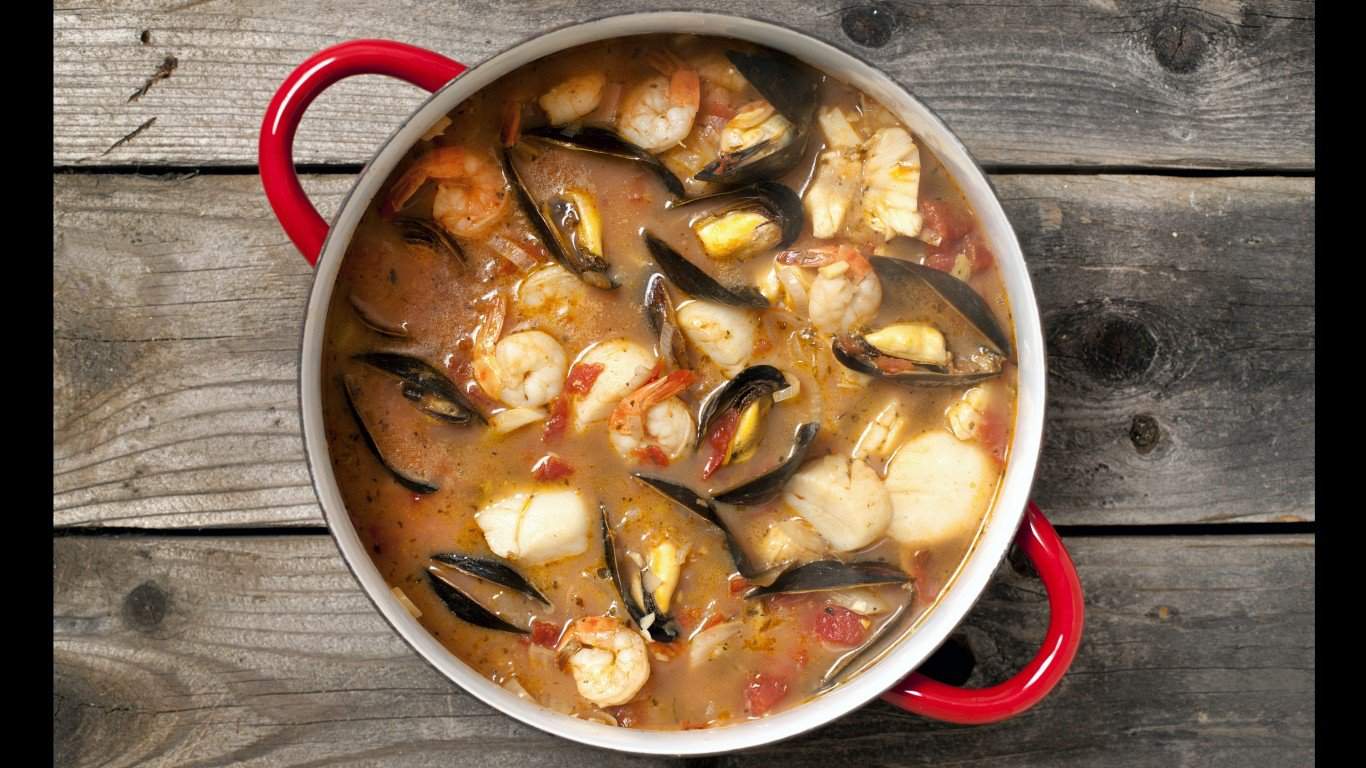
Cioppino may sound like an old Italian recipe, but the seafood stew developed in San Francisco among Italian immigrant fishing communities during the late 1800s. It was a practical way to combine whatever the boats brought in, so the ingredients have never been completely fixed. A pot might include Dungeness crab, clams, mussels, shrimp, squid, and firm white fish simmered in a tomato, wine, and seafood broth. The result is rich without feeling heavy, especially when served with crusty sourdough for soaking up every drop. Cioppino still carries the spirit of a shared family meal because the seafood is piled into one generous bowl and eaten slowly. It is messy, warming, and closely tied to the waterfront city that made it famous.
Biscuits and Gravy
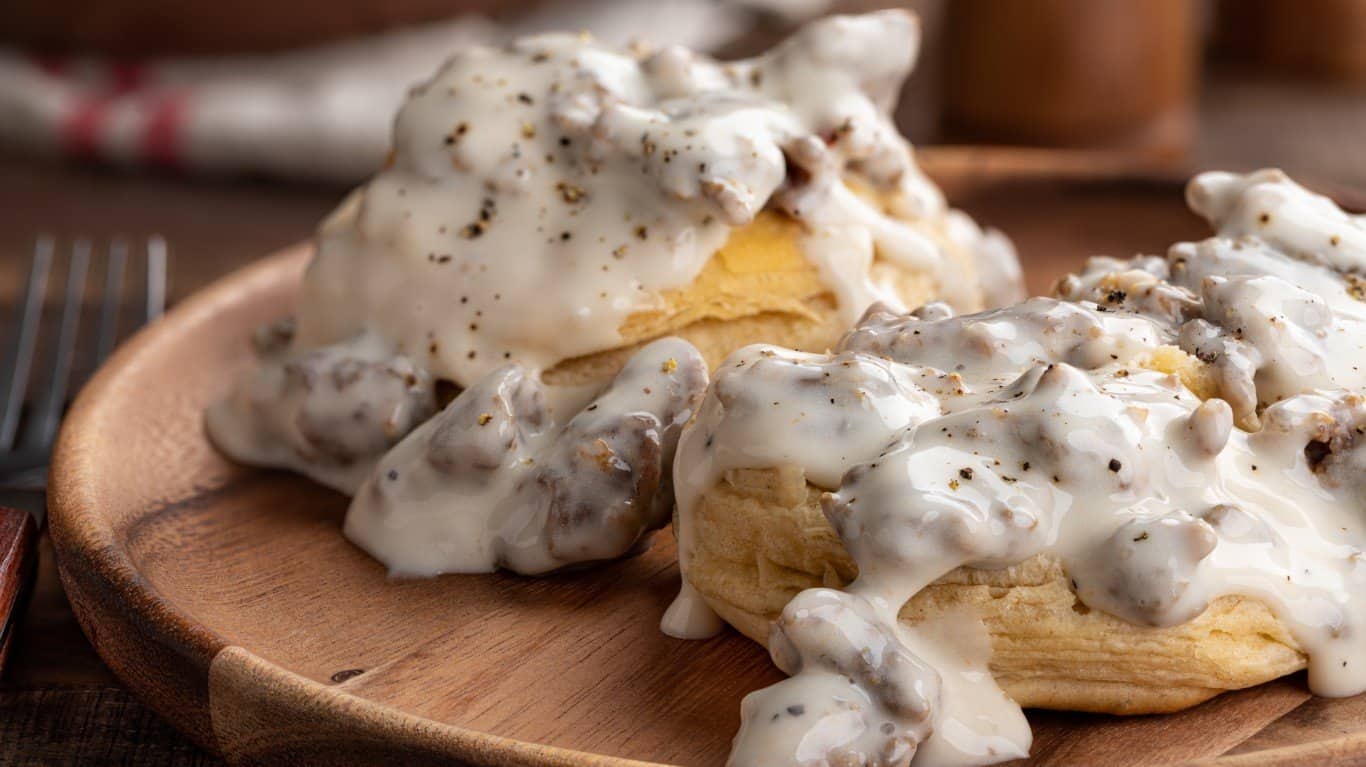
Biscuits and gravy is a Southern breakfast built from inexpensive ingredients that somehow tastes like a celebration. Soft, split biscuits are covered with creamy white gravy traditionally made from pork sausage drippings, flour, and milk. Many cooks crumble the sausage into the pan and season the sauce heavily with black pepper. The exact origin is difficult to pin down, but the dish became closely associated with working-class cooking in the South and Appalachia, where a filling breakfast had to carry people through long mornings. Today it appears at diners, family restaurants, and weekend brunches across the country. It is rich, comforting, and easy to scale for a crowd, which helps explain why families still order it when breakfast should feel indulgent.
Eggs Benedict
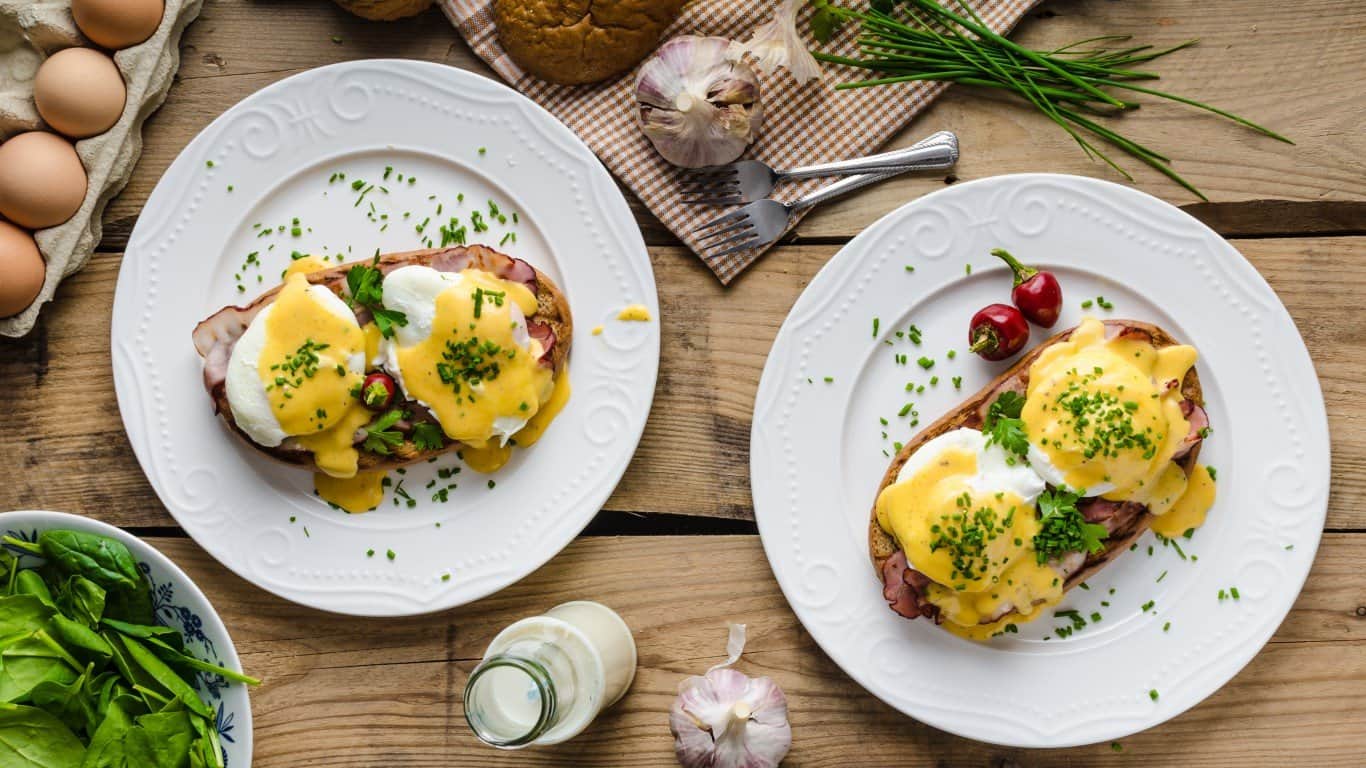
Eggs Benedict is one of America's most famous brunch dishes, even though its creation story remains unsettled. Delmonico's and the Waldorf in New York are both tied to competing late-19th-century accounts, and food historians have never found one version everyone accepts. The standard plate is easier to agree on: toasted English muffin halves topped with Canadian bacon, poached eggs, and buttery hollandaise sauce. It feels elegant, but the ingredients are familiar enough to remain comforting. Restaurants now serve countless variations, replacing the meat with spinach, smoked salmon, crab, or lobster. Making it at home takes coordination because the eggs and sauce are time-sensitive, but when everything lands together, an ordinary morning feels like an occasion.
Chili Con Carne
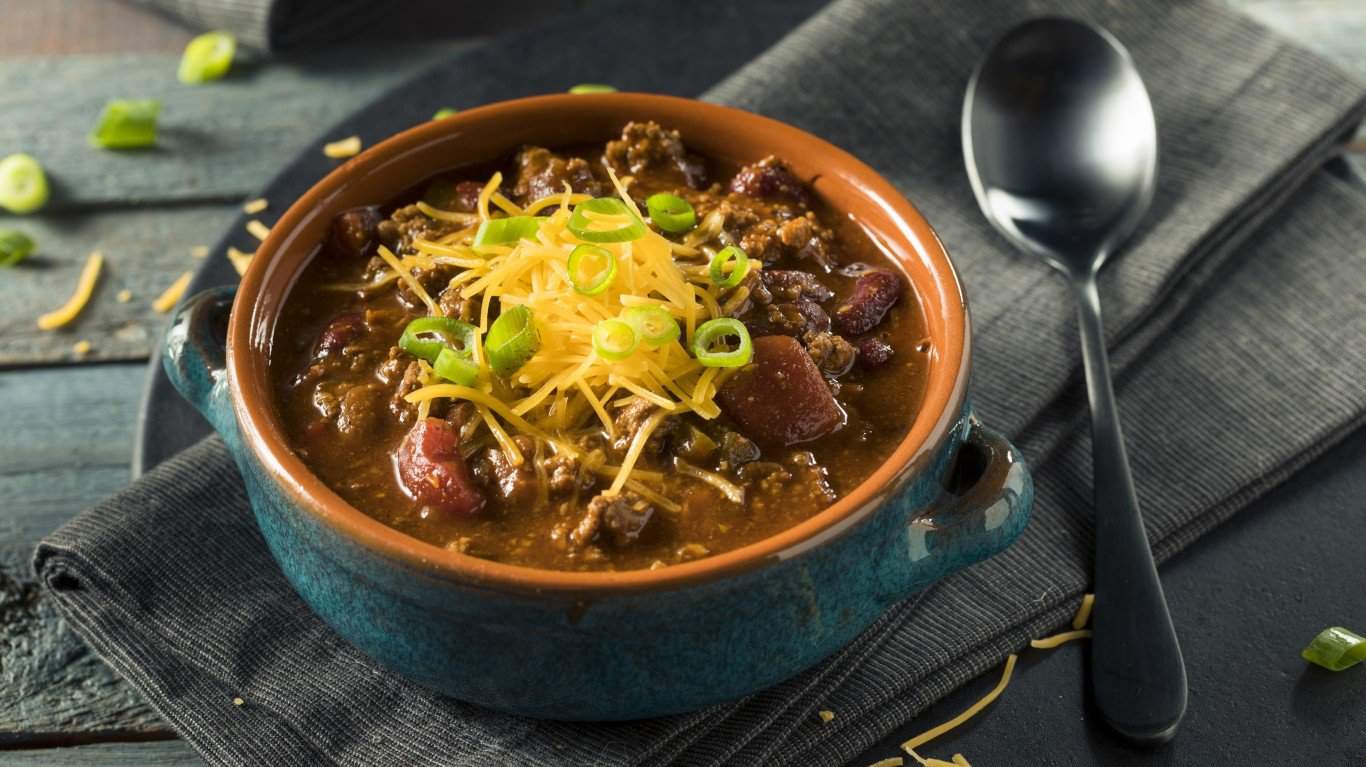
Chili con carne became the official state dish of Texas in 1977, but families across the country have spent generations arguing about what belongs in the pot. Traditional Texas chili, often called a bowl of red, emphasizes beef and dried chiles or chili powder and commonly leaves out beans. Elsewhere, cooks add tomatoes, onions, garlic, cumin, beans, ground beef, or whatever makes the meal stretch farther. That flexibility is a major reason chili became such a dependable family dinner. It can simmer slowly on the stove, cook all day in a slow cooker, or feed a crowd at a game-day gathering. Toppings such as cheese, sour cream, scallions, and crackers let everyone finish the bowl differently, while cook-offs keep the debate over the “best” recipe alive.
Jambalaya
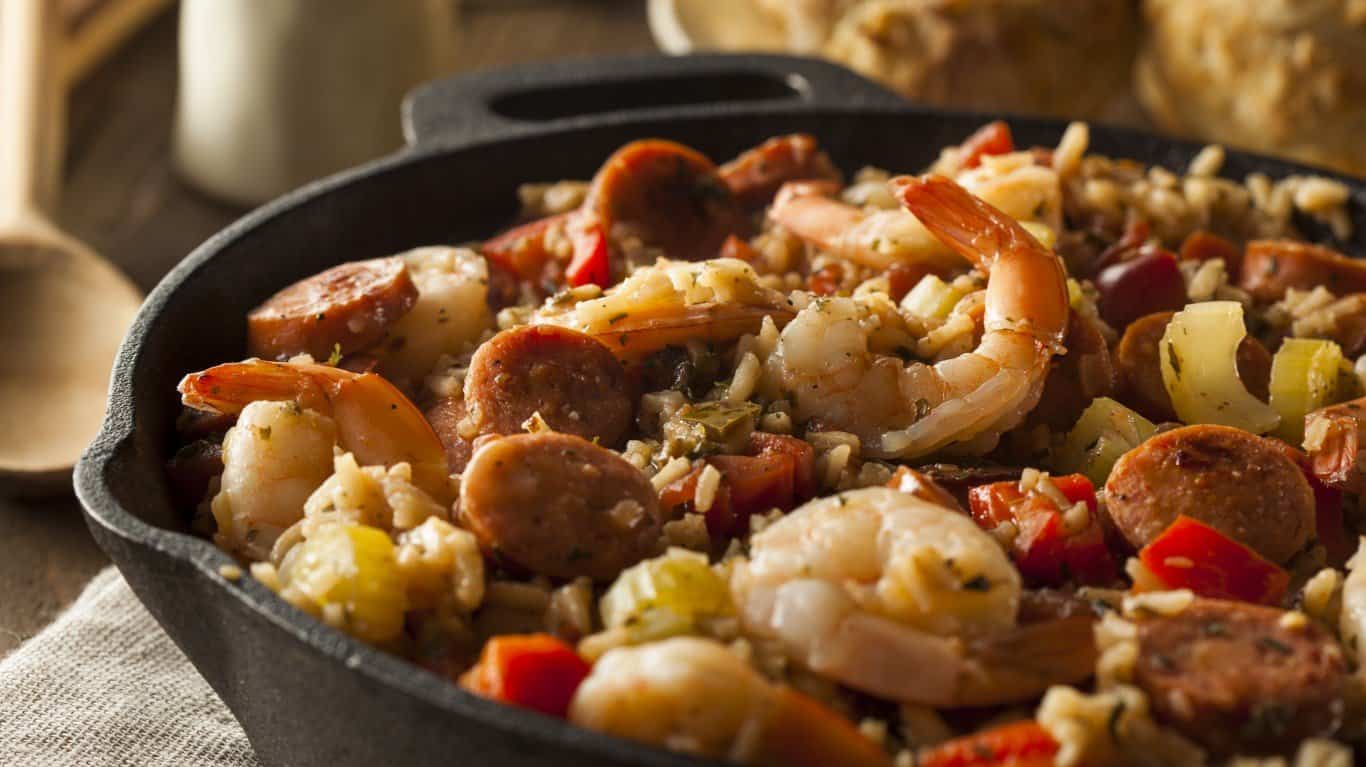
Jambalaya is a one-pot Louisiana rice dish shaped by African, French, Spanish, and Caribbean influences. It often begins with onion, celery, and bell pepper, followed by sausage, chicken, seafood, seasonings, stock, and rice that cooks directly in the same pot. Creole jambalaya, commonly associated with New Orleans, usually includes tomatoes and is sometimes called red jambalaya. Cajun versions from other parts of Louisiana often skip the tomatoes, allowing browned meat and stock to create a deeper color. Recipes vary from family to family, which is part of the appeal. Jambalaya is practical enough for a weeknight, festive enough for a party, and easy to adjust depending on what is available. Every spoonful delivers rice, meat, vegetables, and seasoning together.
Po'boy
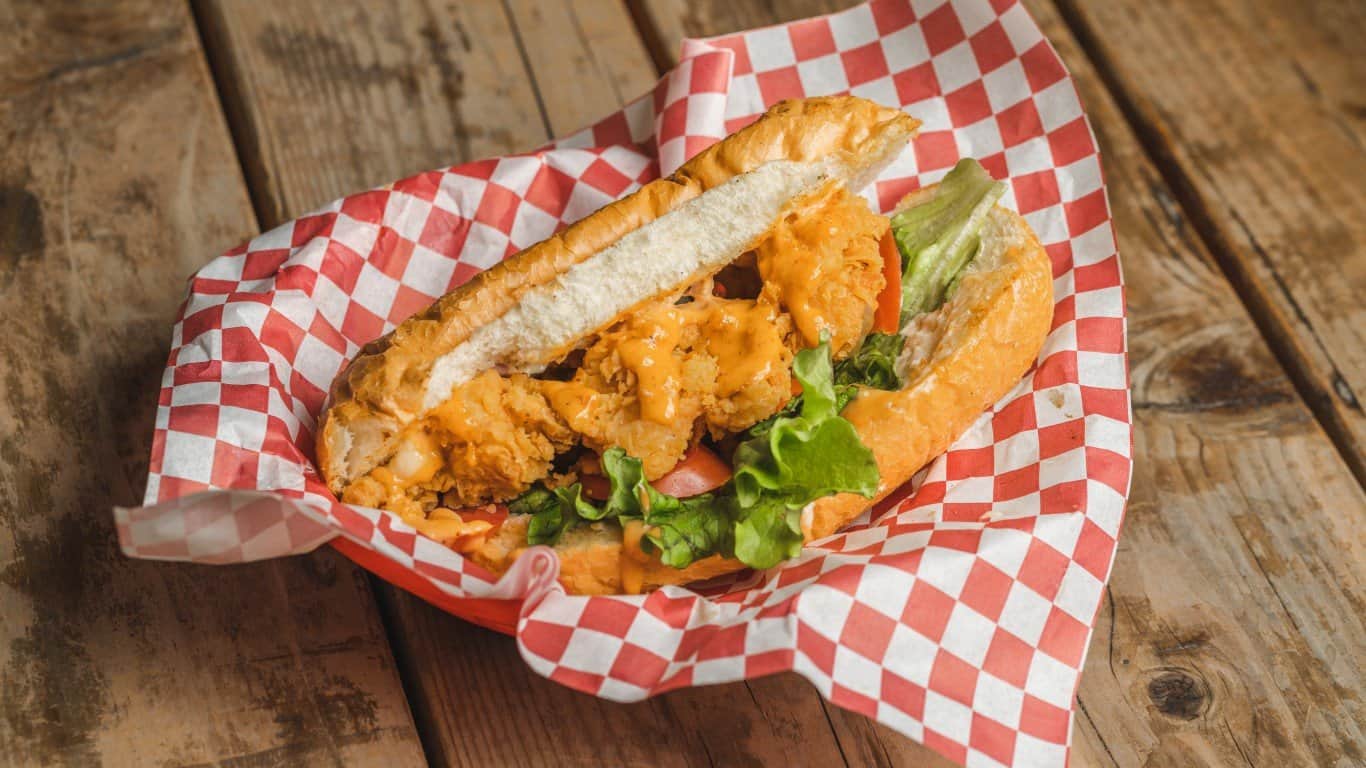
The po'boy is a New Orleans sandwich with a history tied to the city's 1929 streetcar strike. Former streetcar workers Bennie and Clovis Martin, who operated a restaurant, are widely credited with feeding striking workers free sandwiches and referring to each arriving worker as another “poor boy.” The story helped give the sandwich its name, although details have been polished through decades of retelling. A proper po'boy starts with New Orleans-style French bread that is crisp outside and tender inside. Fillings range from fried shrimp, oysters, and catfish to roast beef dripping with gravy. Ordering it “dressed” usually adds lettuce, tomato, pickles, and mayonnaise. It is messy, generous, and built to satisfy, exactly what a great family sandwich should be.
Cheeseburger
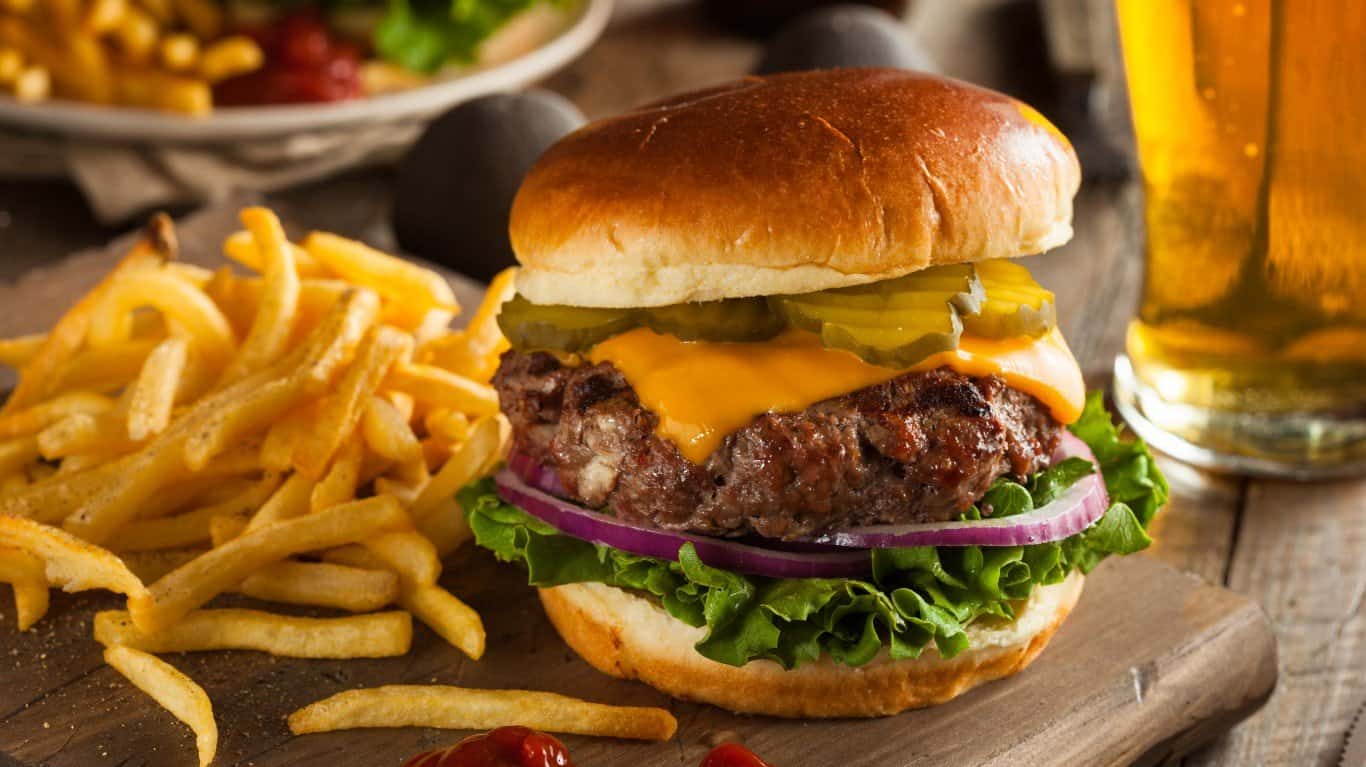
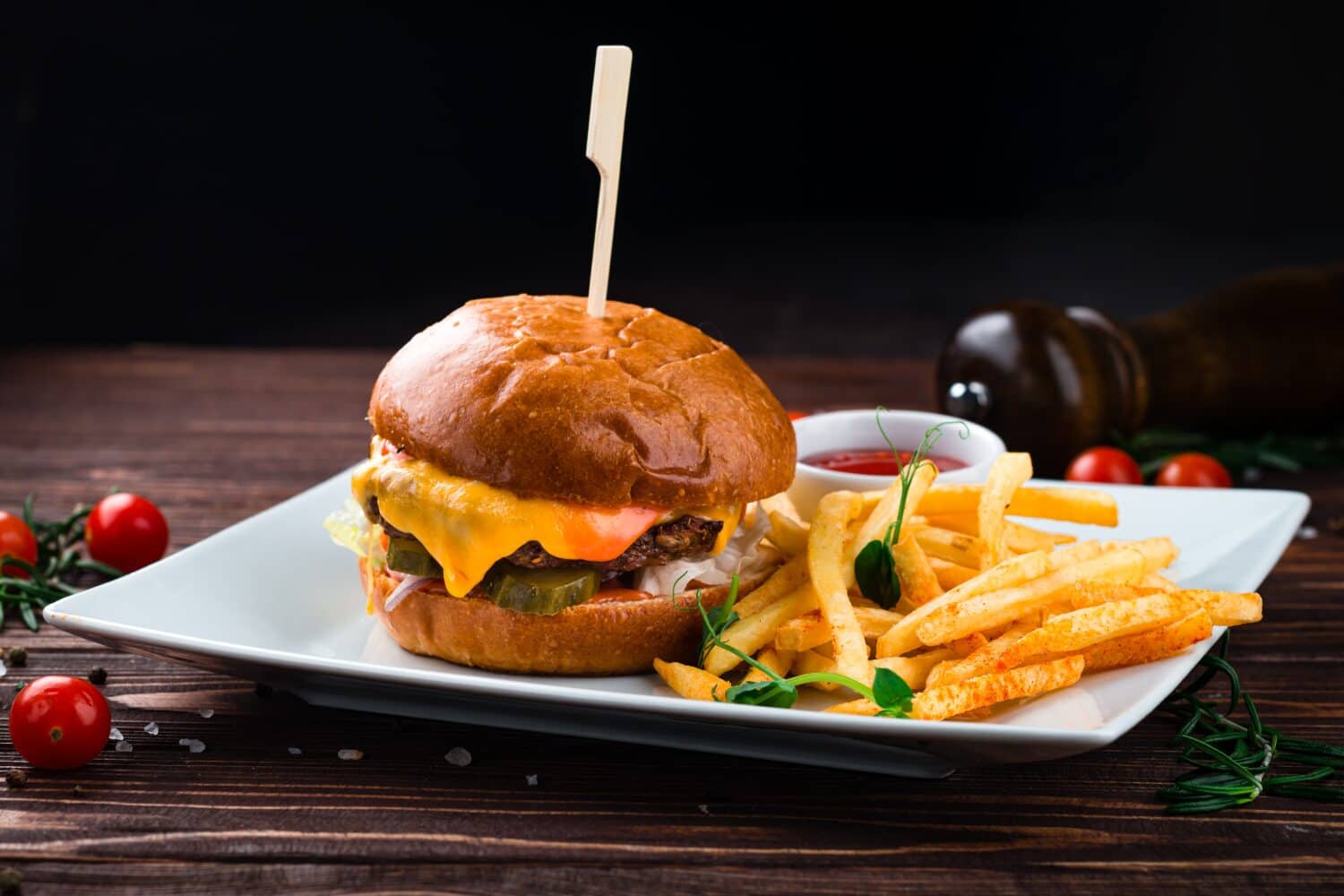
The cheeseburger feels inevitable now, but several restaurants and cooks have claimed they were the first to place cheese on a hamburger. One frequently repeated story credits teenager Lionel Sternberger with experimenting at his father's Pasadena sandwich shop in the 1920s, while other cities point to their own early examples. The uncertainty has not slowed the cheeseburger's rise into an American icon. A hot beef patty and melting cheese create the base, but families can add cheddar, American, pepper Jack, blue cheese, bacon, onions, pickles, or special sauce. It works on a backyard grill, diner griddle, or fast-food counter, and remains one of the easiest meals to customize for picky eaters without making a separate dinner.
Hot Dog
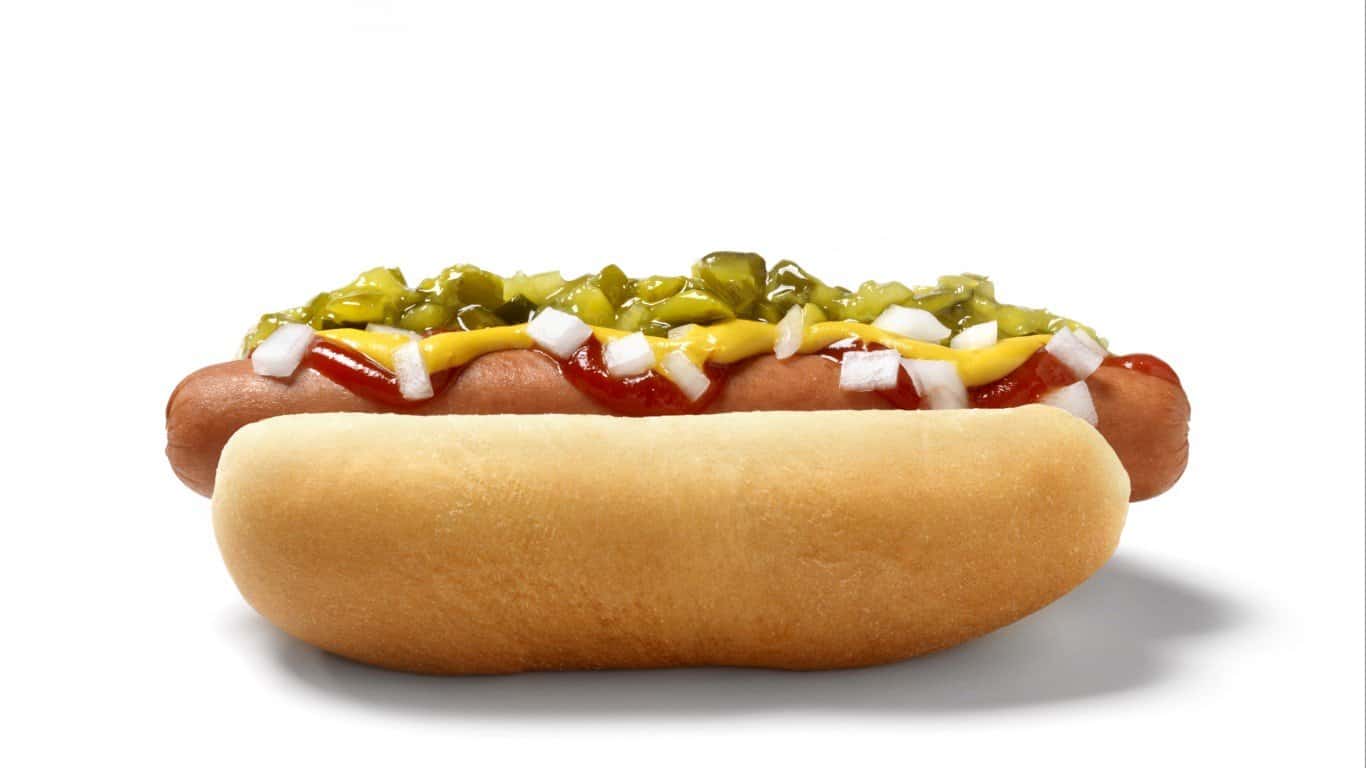
The hot dog's exact inventor is disputed, but German sausages served in rolls were being sold in American cities by the late 1800s, with Coney Island becoming one of the food's most famous early homes. Its real genius is portability. A sausage tucked into a soft bun can be eaten at a ballpark, cookout, fair, or hurried family lunch without a plate or fork. Regional toppings turned the simple idea into dozens of local traditions. New Yorkers favor mustard and sauerkraut, Chicago dogs arrive loaded with vegetables and relish, and chili-covered versions appear under several names around the country. At home, everyone can build their own, which makes hot dogs one of the rare meals that can satisfy a crowd without requiring the cook to guess what each person wants.
Lobster Roll
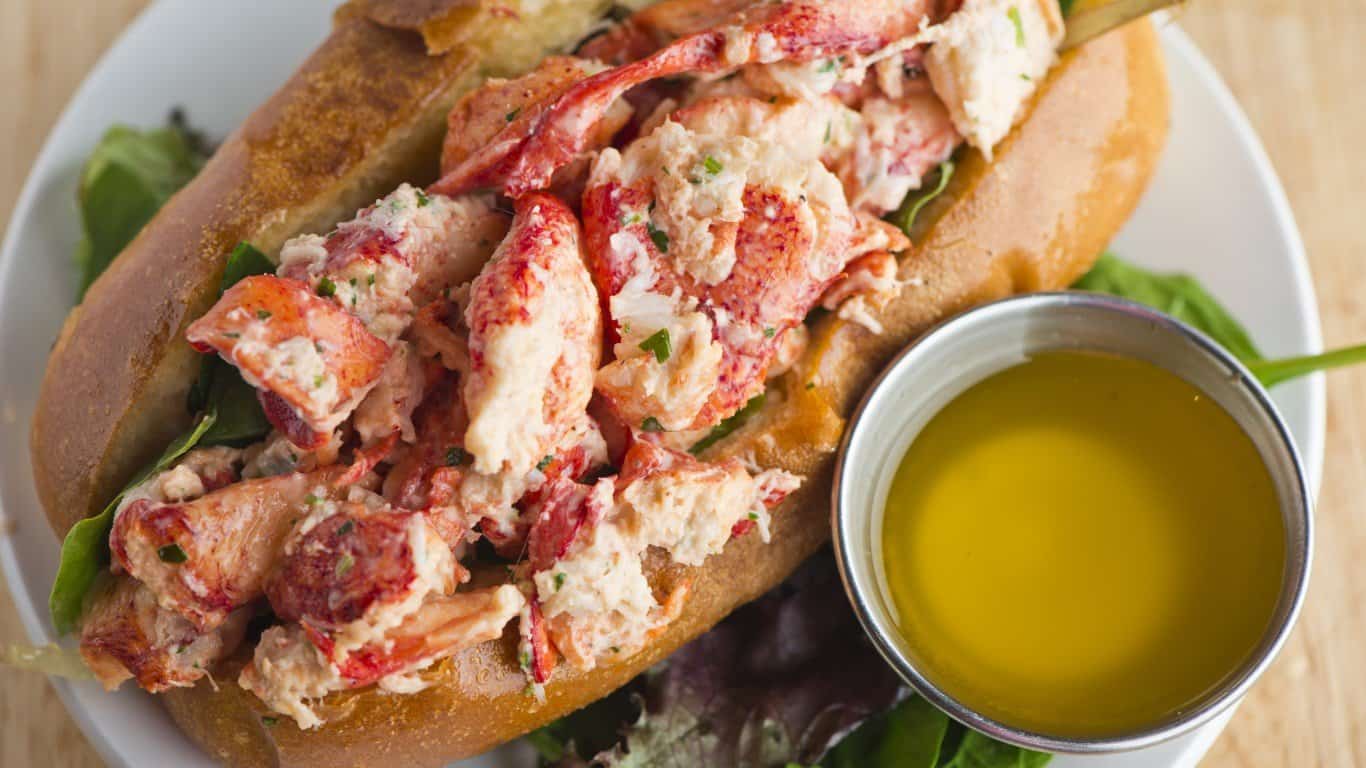
The lobster roll turns one of New England's most prized ingredients into a meal that can be eaten with one hand. Maine-style rolls generally feature chilled lobster lightly dressed with mayonnaise, sometimes with celery or herbs. Connecticut-style rolls are usually served warm, with the meat coated in melted butter. Both are commonly tucked into a buttered, griddled split-top bun that keeps the filling from spilling out. The best versions let the sweet lobster remain the star rather than burying it under sauce. Prices can climb quickly because lobster is costly and supply changes with the season, but the sandwich still feels wonderfully informal. For many families vacationing along the coast, eating one near the water is as essential as visiting the beach itself.
Philly Cheesesteak
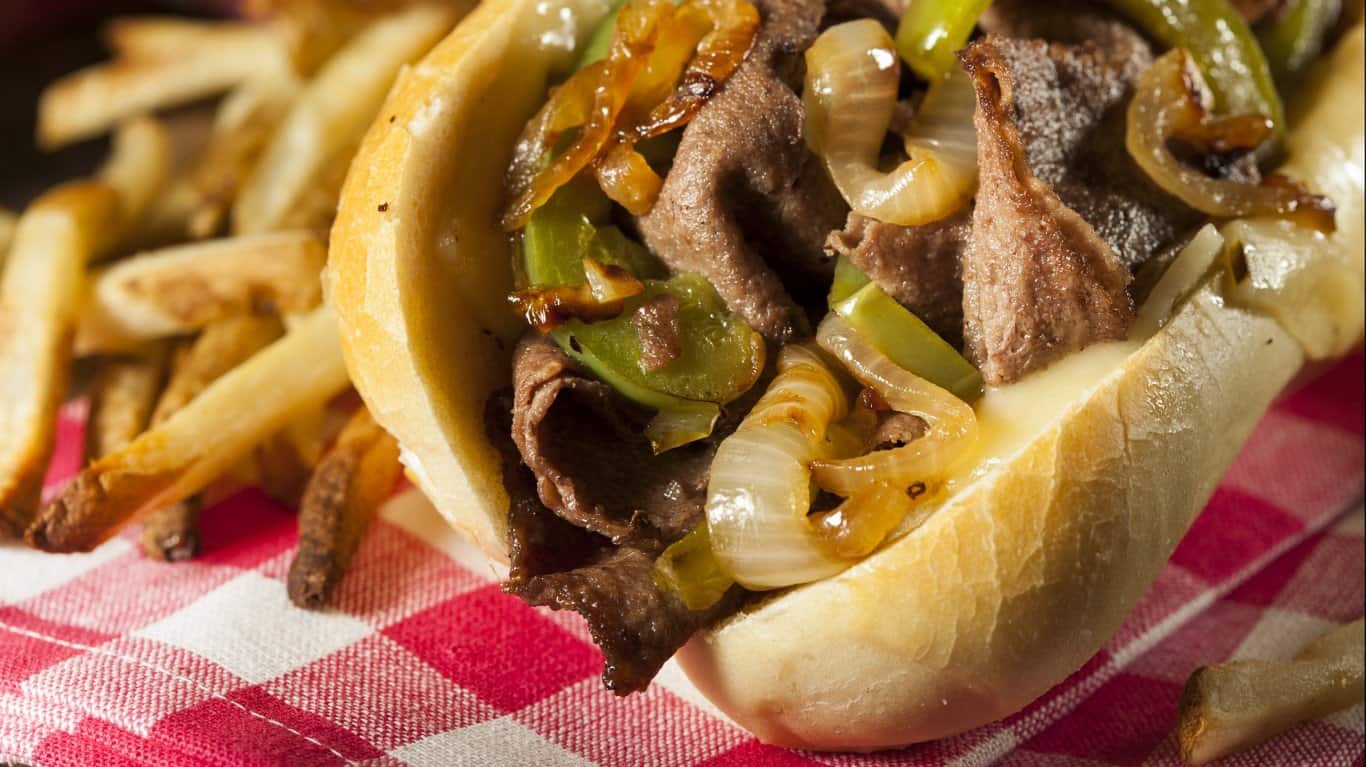
Philadelphia's cheesesteak began as a simple hot beef sandwich, and the earliest version may not have included cheese at all. Pat and Harry Olivieri are widely credited with selling the sandwich in the early 1930s, while cheese became a defining addition later. Today's classic piles thinly sliced beef onto a long roll with chopped or sliced onions and a choice of provolone, American cheese, or Cheez Whiz. Locals debate bread, cooking style, cheese, and whether onions belong, but everyone agrees that the sandwich should arrive hot, juicy, and difficult to eat neatly. Outside Philadelphia, many restaurants use the name loosely, yet a great cheesesteak still depends on the balance of tender beef, melted cheese, and bread sturdy enough to hold everything together.
Bánh Mì
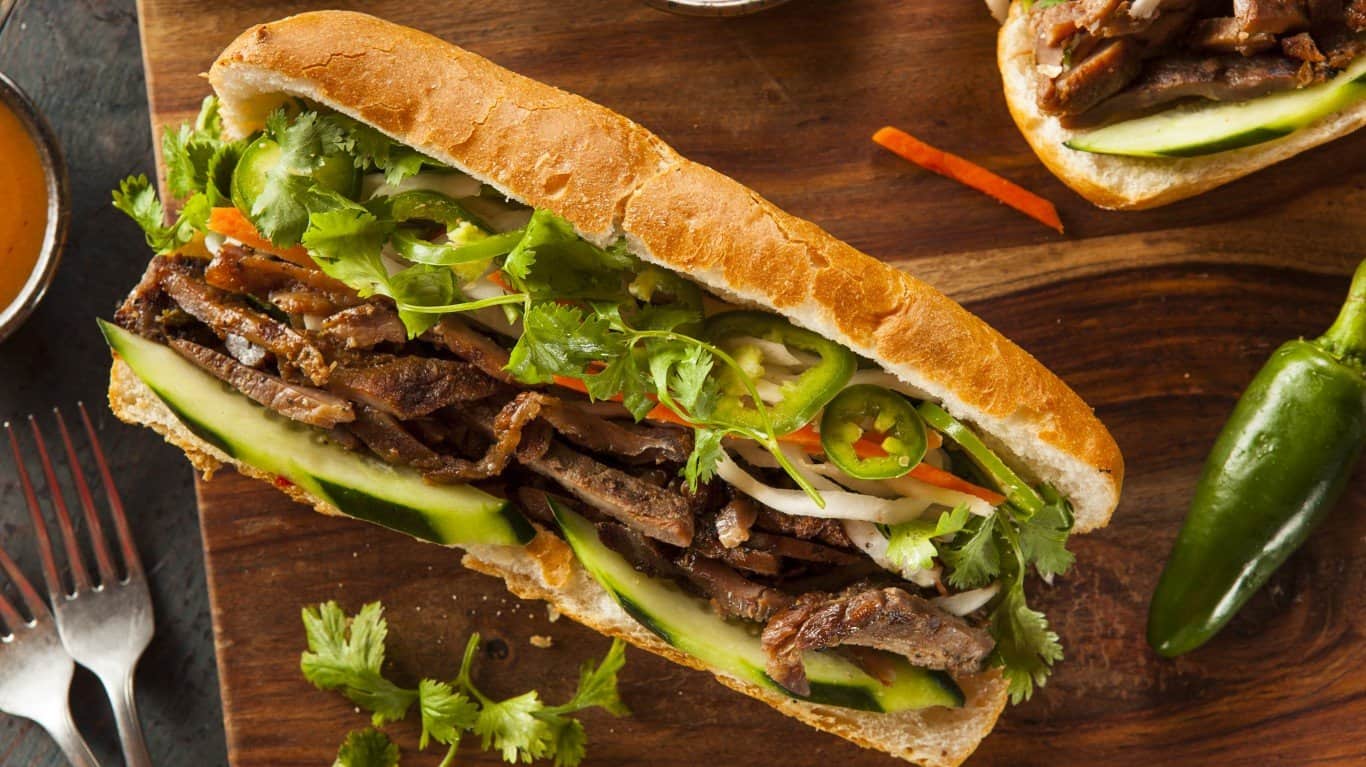
Bánh mì is Vietnamese rather than an American invention, but Vietnamese immigrants made the sandwich an essential part of the United States' food landscape. Its story begins with the French baguette introduced during colonial rule, then transformed in Vietnam into a lighter loaf with a thin, crisp crust. The sandwich may hold grilled pork, pâté, ham, meatballs, chicken, or tofu, usually joined by pickled carrot and daikon, cucumber, cilantro, chiles, mayonnaise, or seasoned sauce. That combination delivers crunch, richness, acidity, heat, and freshness in every bite. American bánh mì shops often offer long menus and family-friendly prices, helping the sandwich move from immigrant neighborhoods into food halls and suburbs without losing its Vietnamese identity.
Gyro
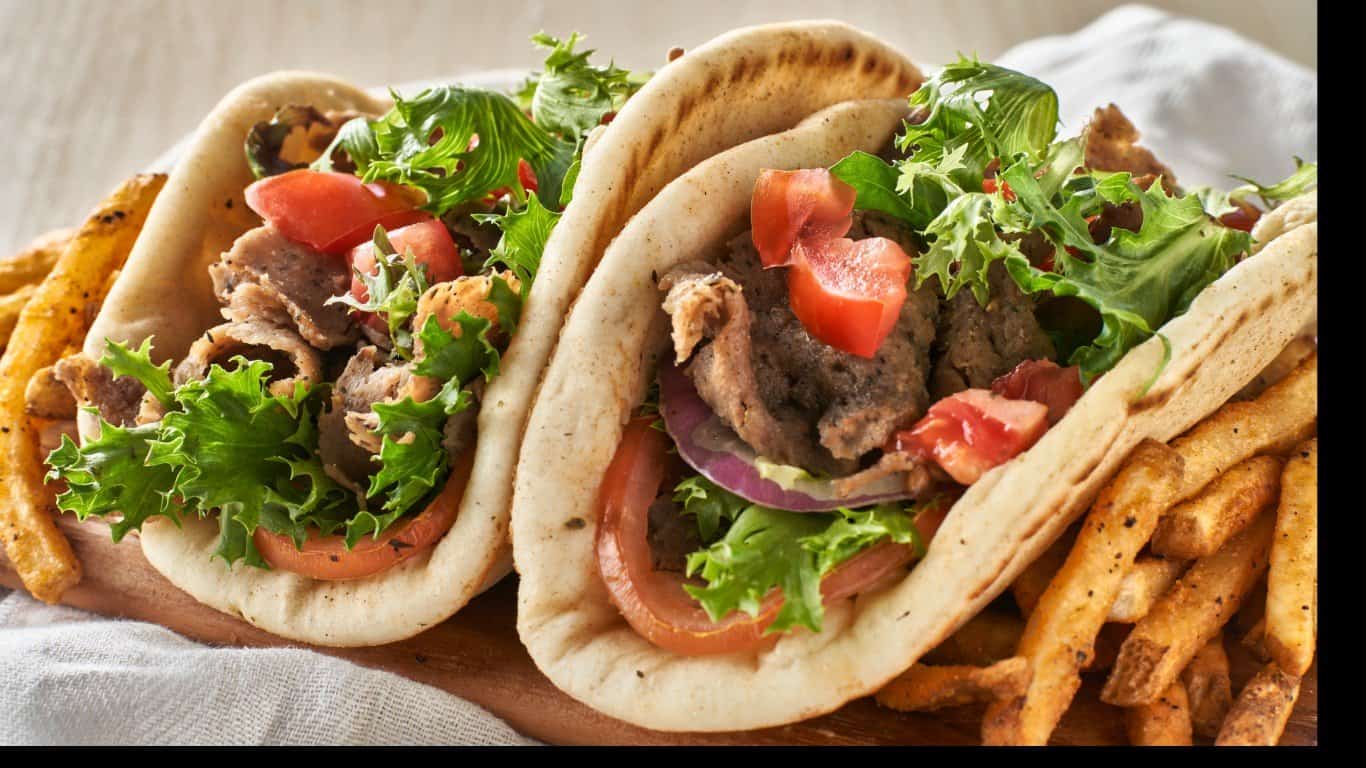
The gyro is a Greek favorite that became a familiar American street food through Greek immigrant restaurants and diners. In Greece, the name refers to meat cooked on a vertical rotisserie, commonly pork or chicken. In the United States, many shops use a seasoned mixture of beef and lamb formed into a dense cone, browned on the spit, and shaved into slices. The meat is wrapped in warm pita with tomato, onion, and cool tzatziki made from yogurt, cucumber, and garlic. French fries may be tucked inside in Greece, while American versions often serve them on the side. Gyros share a cooking tradition with Turkish döner and Middle Eastern shawarma, but the dishes are not identical. For families, a gyro offers sandwich comfort with far more exciting flavors.
California Roll
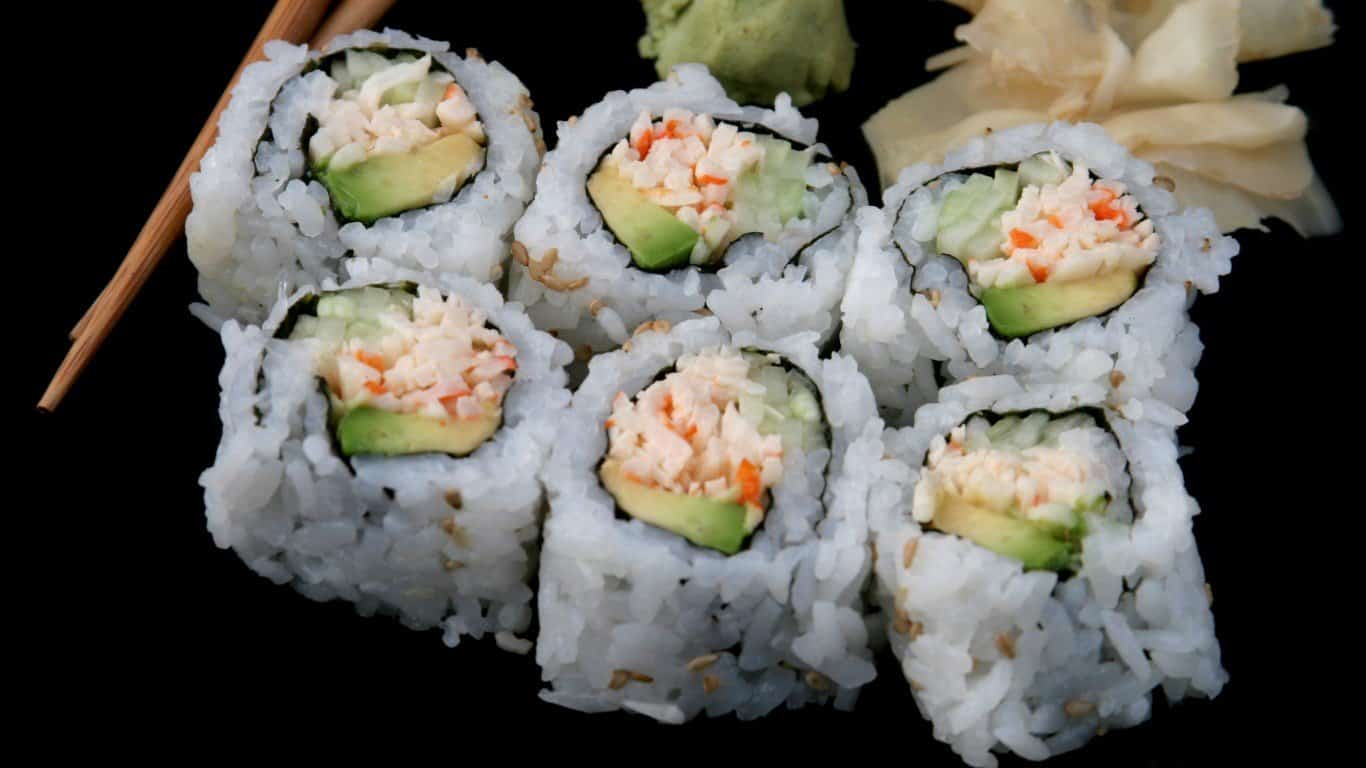
The California roll helped make sushi approachable for generations of American diners, especially those hesitant about raw fish. Its exact origin is disputed, with influential chefs in Los Angeles and Vancouver both connected to its development. What became standard was an inside-out roll filled with avocado, cucumber, and crab or imitation crab, with rice outside and seaweed tucked within. The mild ingredients and creamy avocado made it an easy first step into sushi, while the reversed construction hid the nori that some early customers found unfamiliar. By the 1980s, the roll was widely recognized and helped open the door for countless American-style sushi creations. It remains a dependable order for children, beginners, and anyone who simply enjoys it.
Buffalo Wings
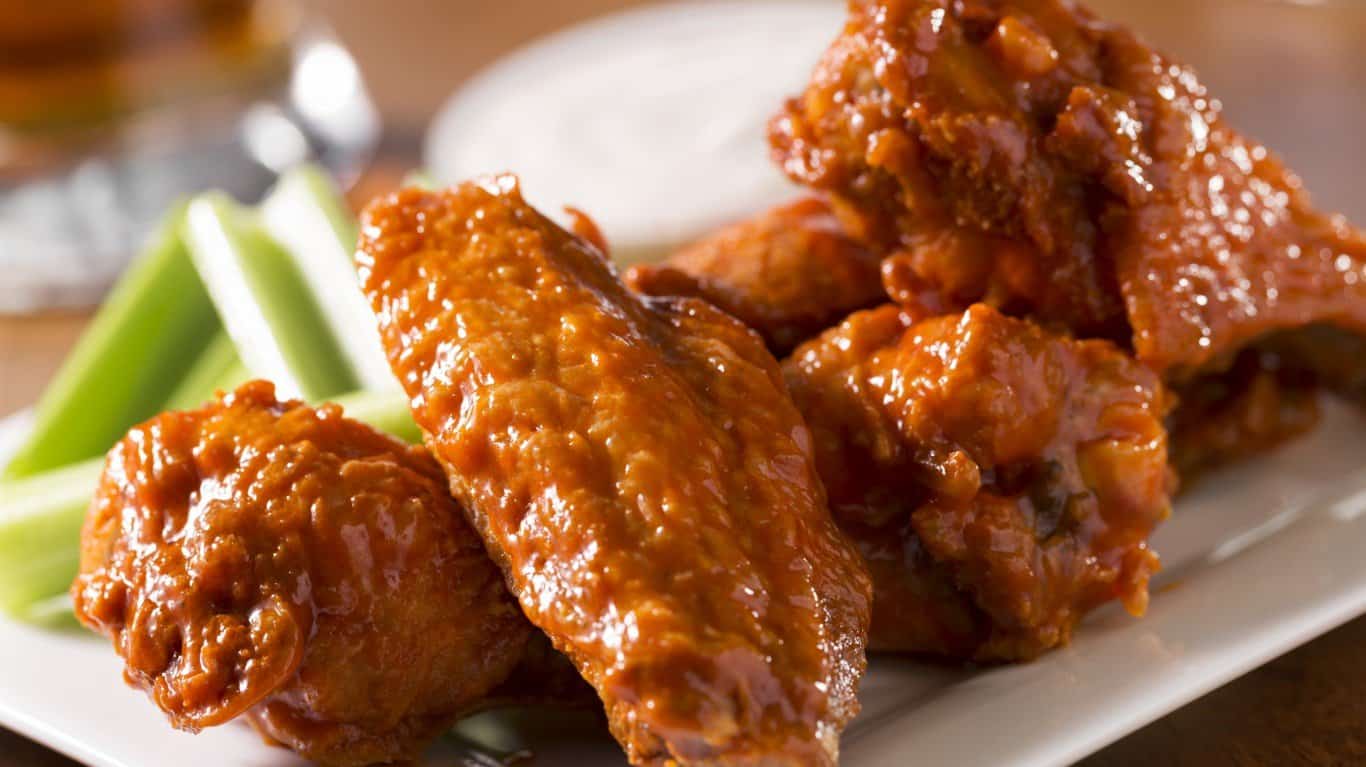
Buffalo wings are widely associated with the Anchor Bar in Buffalo, New York, where Teressa Bellissimo is credited with serving the now-famous dish in 1964. Other local origin stories exist, so the exact first plate is still debated, but Buffalo unquestionably gave the wings their name and identity. The classic preparation uses unbreaded chicken wing sections that are fried until crisp, tossed in a sauce of cayenne-pepper hot sauce and butter, and served with celery and blue cheese dressing. What began as bar food became a game-day requirement, a restaurant category, and a family takeout staple. Modern menus offer dozens of flavors, but the original remains hard to beat because it balances heat, tang, richness, and crunch without becoming complicated.
Toasted Ravioli
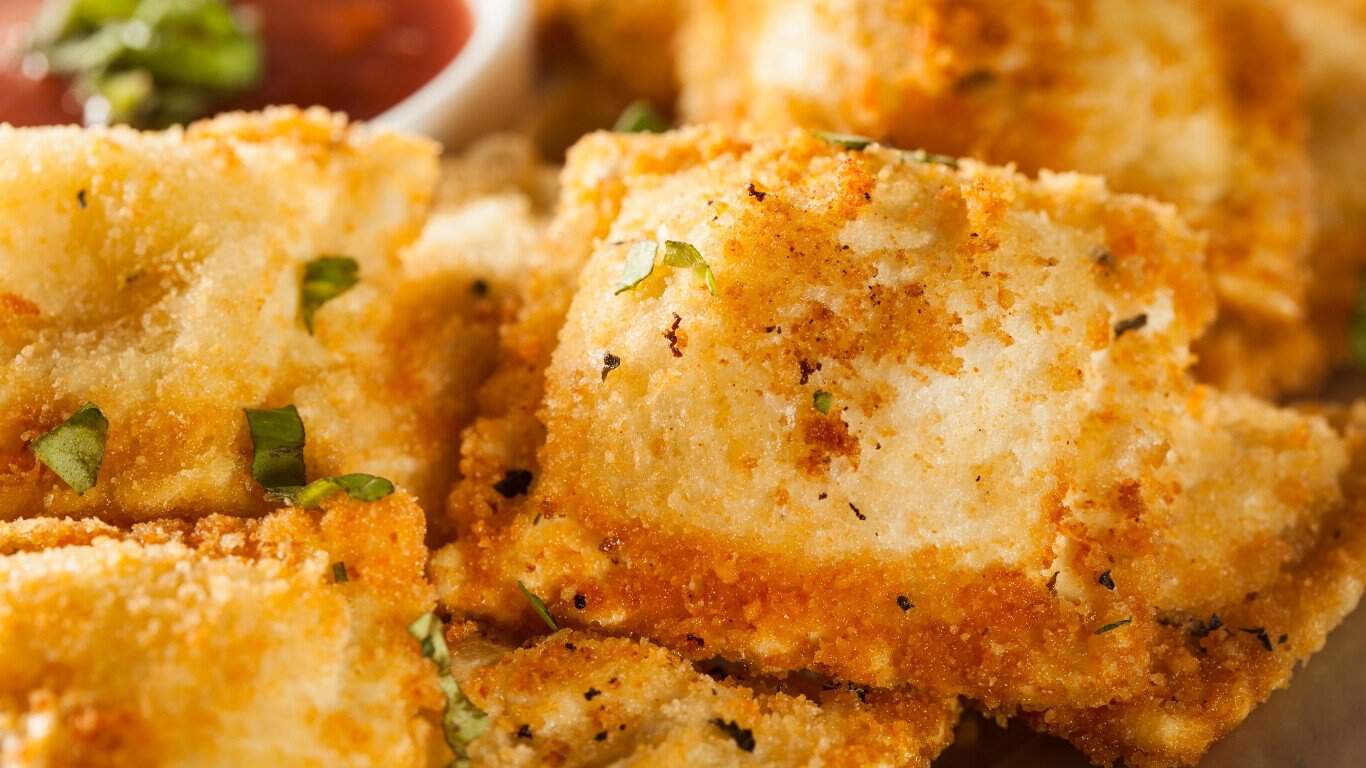
Toasted ravioli is a St. Louis specialty with one misleading name: the pasta is normally breaded and fried, not toasted. Several restaurants in the Italian-American neighborhood known as The Hill claim to have created it, often through an accidental drop into hot oil, but no single story has been proved. The familiar version uses square ravioli, usually filled with meat, dipped in egg and breadcrumbs, fried until crisp, dusted with Parmesan, and served with marinara sauce. The result lands somewhere between pasta and finger food, making it easy to share. Families can serve it as an appetizer, party snack, or quick dinner with salad. Its biggest mystery may be why such an obvious crowd-pleaser is still easier to find in St. Louis than elsewhere.
Pepperoni Pizza
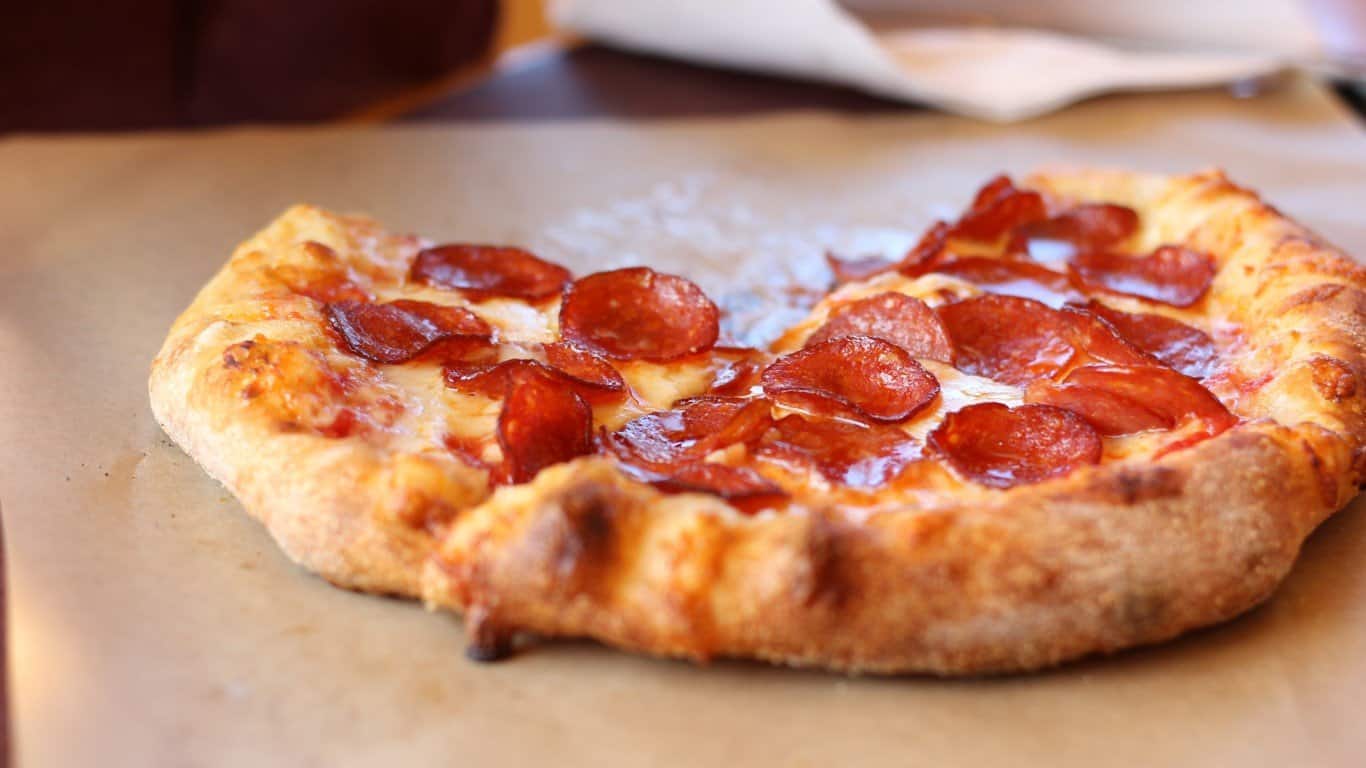
Pepperoni pizza is an Italian-American creation rather than a traditional Italian dish. Pepperoni developed in the United States as a seasoned, cured sausage inspired by southern Italian salumi, and it became a natural partner for American pizza. As the slices heat, their spicy fat spreads across the cheese and tomato sauce, adding flavor and crisp, curled edges many people fight over. Pepperoni remains one of America's most familiar pizza toppings, and its appeal has traveled through chains, frozen pizzas, and neighborhood shops. It is familiar enough for children, bold enough for adults, and dependable when a family cannot agree on anything more adventurous. Sometimes the safest pizza order is also the one everyone reaches for first.
Crab Cakes
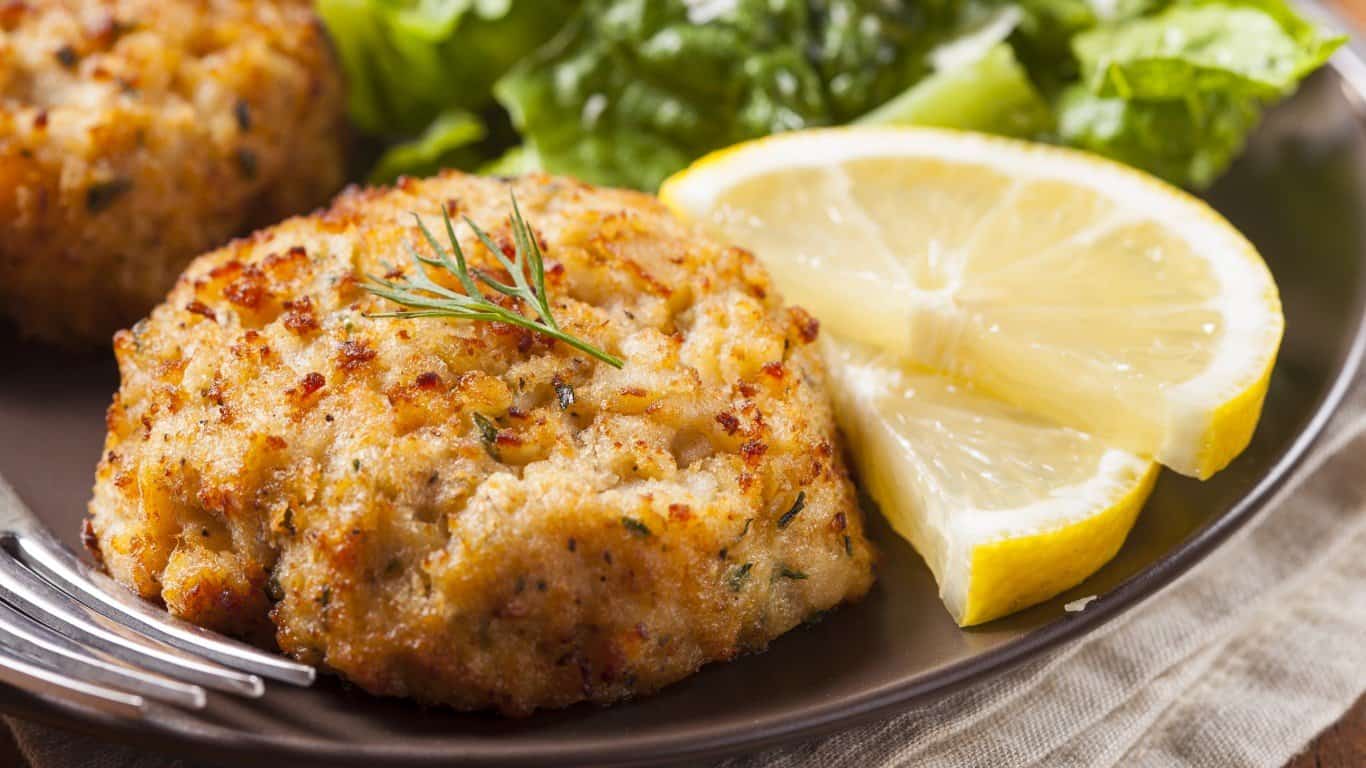
Crab cakes appear in coastal cooking around America, but Maryland made them famous. A classic Maryland-style cake uses blue crab meat, often prized jumbo lump pieces, held together with just enough egg, mayonnaise, crumbs, and seasoning to keep it from falling apart. Too much filler can hide the delicate sweetness families are paying for, which is why locals take the crab-to-binder ratio seriously. The cakes may be broiled, pan-fried, or baked and served as an appetizer, sandwich, or main course. Other regions use their own local crab species and seasonings, creating versions along the Gulf Coast and Pacific Northwest. A well-made crab cake feels special without being fussy, especially when paired with lemon, a simple sauce, and a table near the water.
General Tso's Chicken
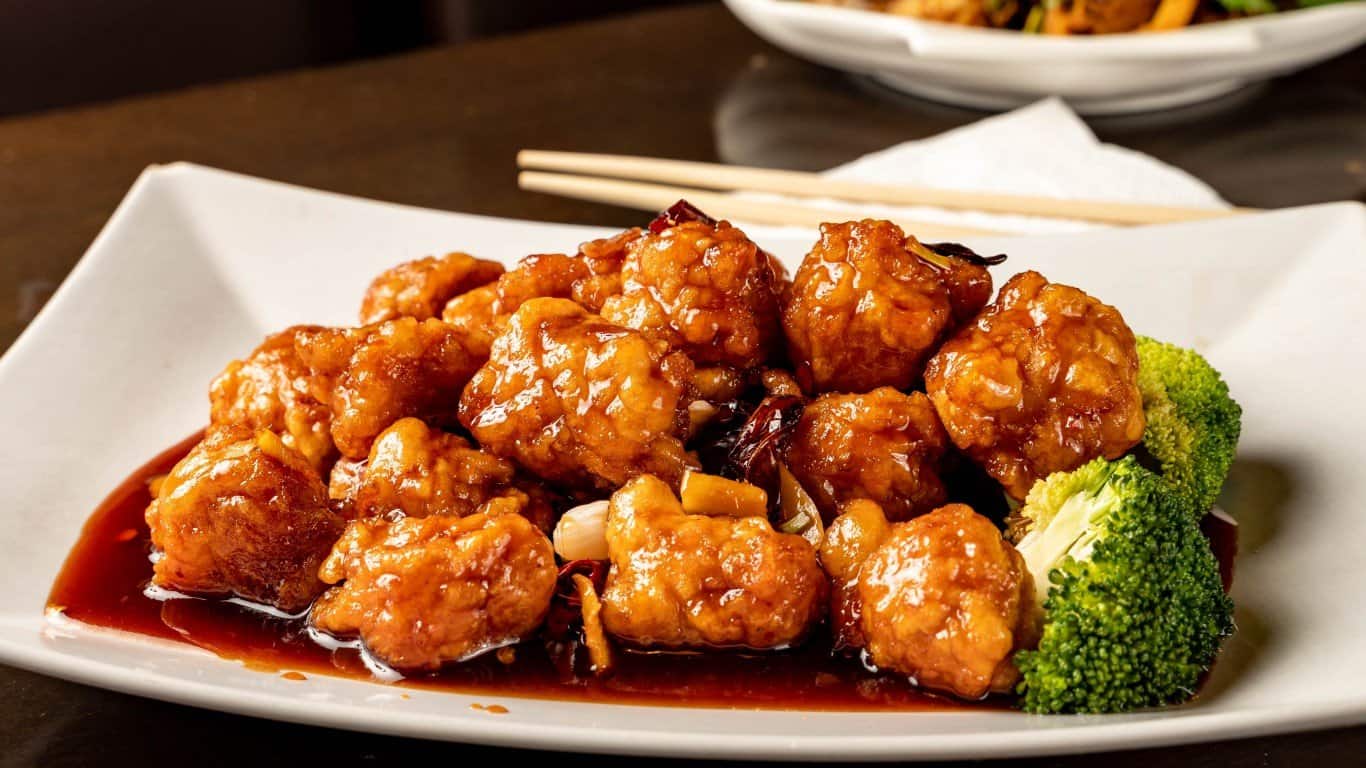
General Tso's chicken is a Chinese-American favorite with a more complicated history than most takeout menus suggest. Chef Peng Chang-kuei developed an earlier dish in Taiwan and named it for 19th-century military leader Zuo Zongtang, but Peng's version was not the sticky-sweet fried chicken familiar in the United States. The modern American style took shape in New York restaurants during the 1970s, where battered dark-meat chicken was fried and coated in a glossy sauce balancing sweetness, soy, vinegar, garlic, and chile heat. It has little connection to the general himself and is not a standard dish in China's Hunan province. Still, it became a recognizable takeout order because crunchy chicken and bold sauce are difficult to resist.
Crispy-Shell Ground Beef Taco
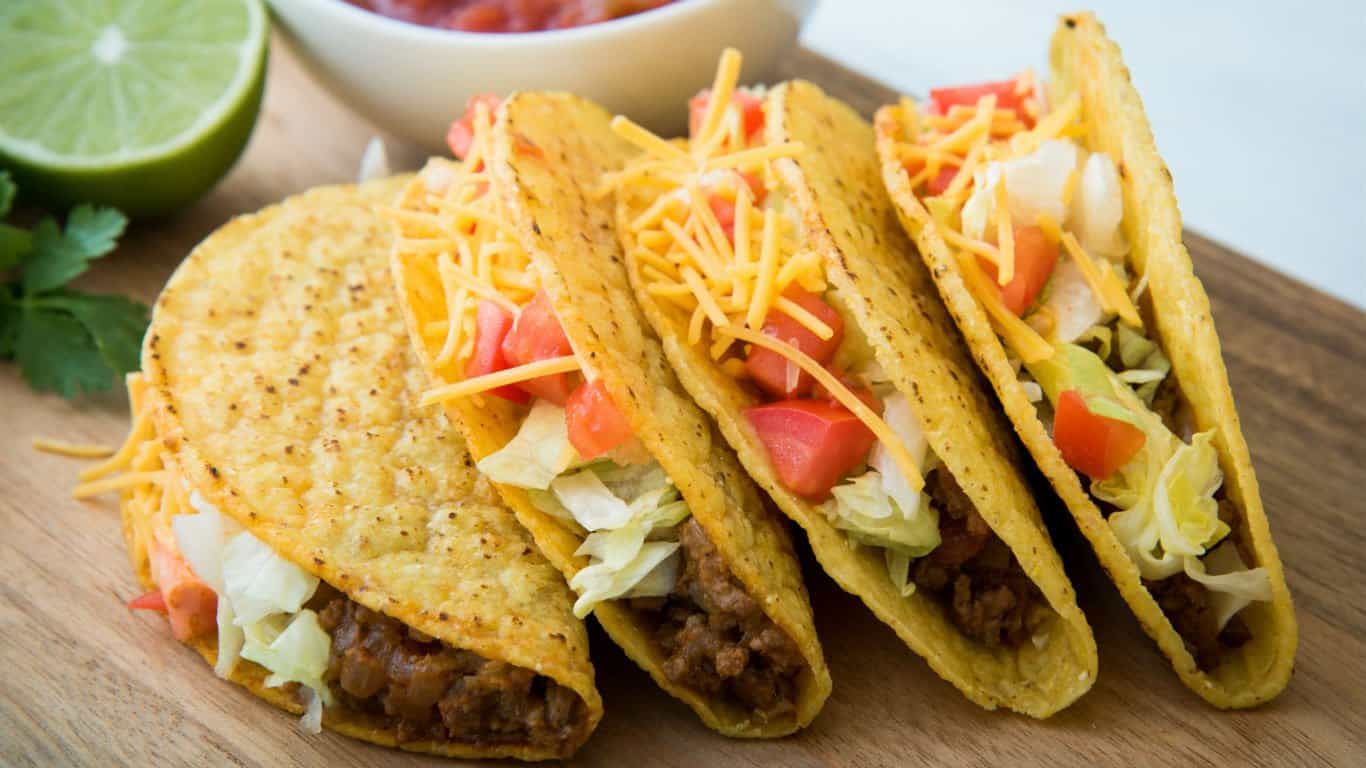
The crispy-shell ground beef taco is best understood as a Mexican-American family favorite, not as a replacement for the many traditional tacos served across Mexico. Its familiar form uses a fried corn shell filled with seasoned ground beef, shredded lettuce, tomato, cheese, and sometimes sour cream. Mexican-American cooks had been frying tortillas for tacos long before fast-food chains made the rigid shell a supermarket and drive-through standard. The appeal is clear: the ingredients are affordable, children can assemble their own, and the crunch makes taco night feel fun. The shells may crack and scatter fillings across the plate, but that mess is part of the experience. It is an Americanized style with real roots in borderland cooking and home kitchens.
Mission Burrito
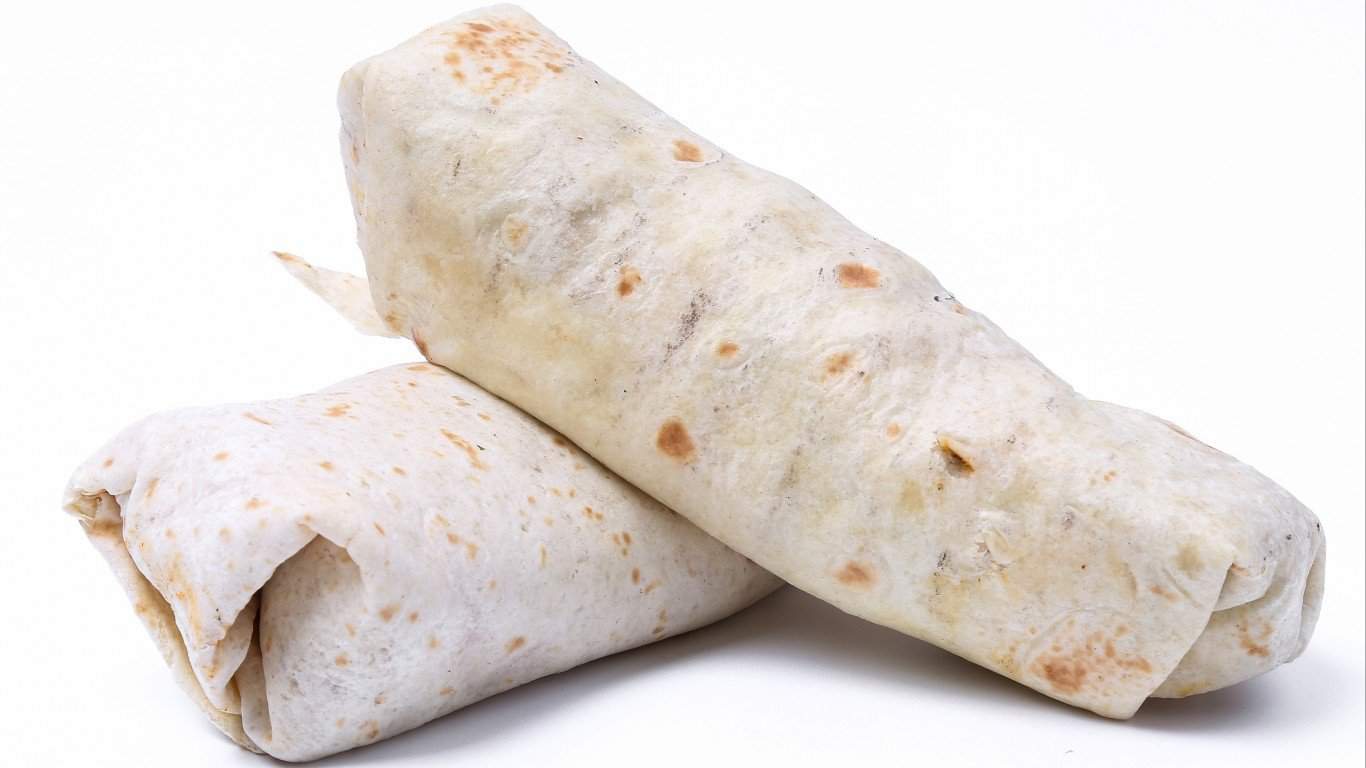
The Mission burrito is the oversized, foil-wrapped style many Americans picture whenever someone says “burrito.” It emerged in San Francisco's Mission District during the 1960s, although El Faro and La Cumbre are tied to competing origin claims. Unlike smaller northern Mexican burritos built around only a few fillings, the Mission version uses a large flour tortilla packed with meat, beans, rice, salsa, cheese, sour cream, and sometimes guacamole. The tortilla is often steamed so it can stretch around the generous filling without tearing. National fast-casual chains later carried the format across the country, but Mission District taquerias remain its spiritual home. One burrito can easily become a full meal, and sometimes tomorrow's lunch.
Corned Beef Hash
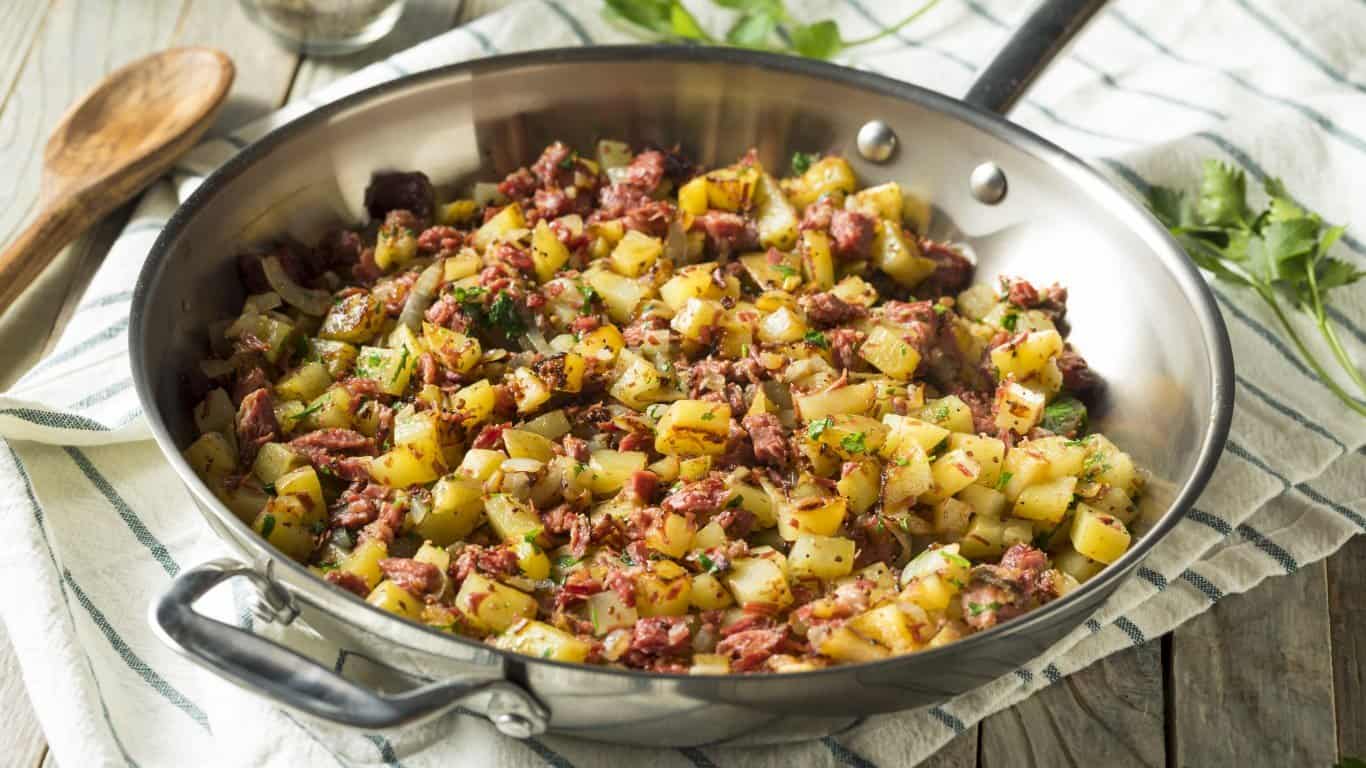
Corned beef hash turns leftovers into the kind of breakfast people may like even more than the original dinner. Hash has older European roots, but the American version became especially familiar in New England and through canned versions sold nationwide. Chopped corned beef is fried with potatoes and onions until the edges become brown and crisp, creating a salty, filling base for eggs. Home cooks can make it from a leftover corned beef supper, while diners often prepare a more polished version with herbs, peppers, or house-cured meat. The canned variety has loyal fans because it develops a uniquely crisp crust in a skillet. However it starts, the essential final step is leaving it alone long enough to brown before turning it.
Fried Chicken
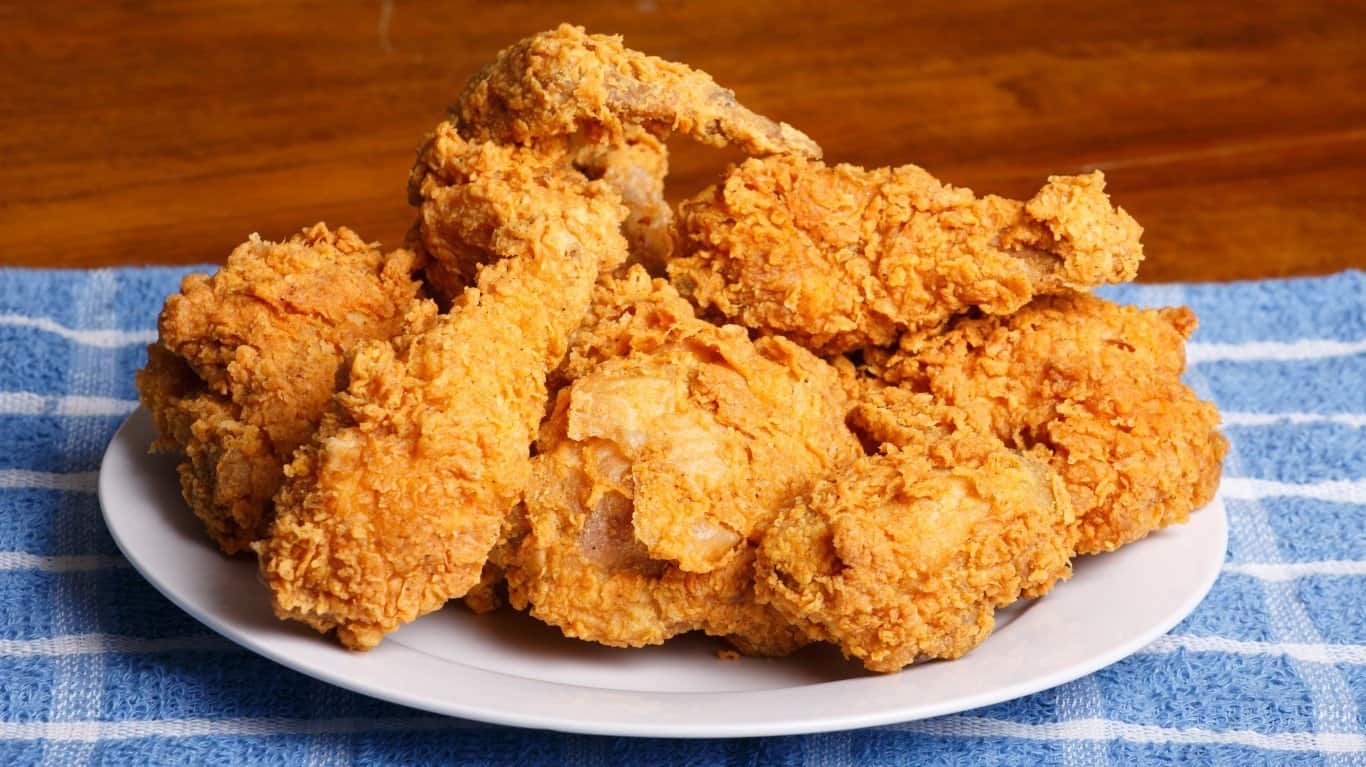
American fried chicken reflects a complicated blend of European frying methods, West African seasoning traditions, and the skill of enslaved African American cooks who helped shape Southern cuisine. It cannot be credited to one inventor or culture. Over time, seasoned chicken coated in flour or batter became a centerpiece at family tables, church gatherings, picnics, and restaurants. Pressure frying later helped chains cook it quickly while keeping the meat juicy, but home versions remain personal. Some families soak the chicken in buttermilk, while others use brine, hot sauce, or closely guarded spice blends. Whether pan-fried, deep-fried, served cold at a picnic, or stacked beside waffles, the goal is the same: seasoned meat beneath a crust that stays crisp.
Chicken and Waffles
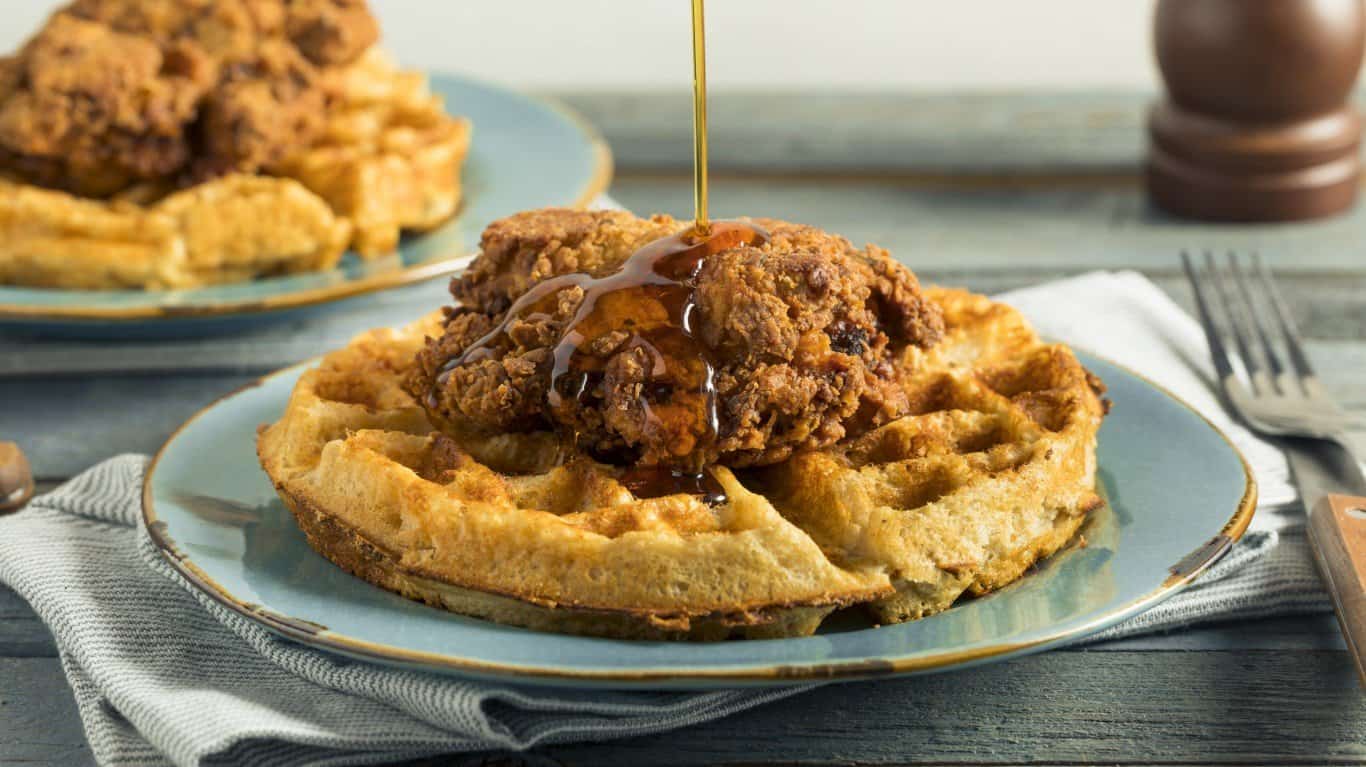
Chicken and waffles brings together two American traditions that did not begin as the same dish. Pennsylvania Dutch cooks served waffles with stewed chicken and gravy, while the now-famous combination of crisp fried chicken, waffles, butter, and syrup became associated with Harlem restaurants and Black American food culture in the 20th century. The exact path between those versions is debated, but the modern plate succeeds because it refuses to choose between savory and sweet. Crunchy chicken, a tender waffle, salty seasoning, and maple syrup work as breakfast, brunch, or dinner. Restaurants may add hot honey or spicy syrup, but families can make a satisfying version with frozen waffles and leftover fried chicken. It is playful comfort food built for weekends.
Barbecued Spare Ribs
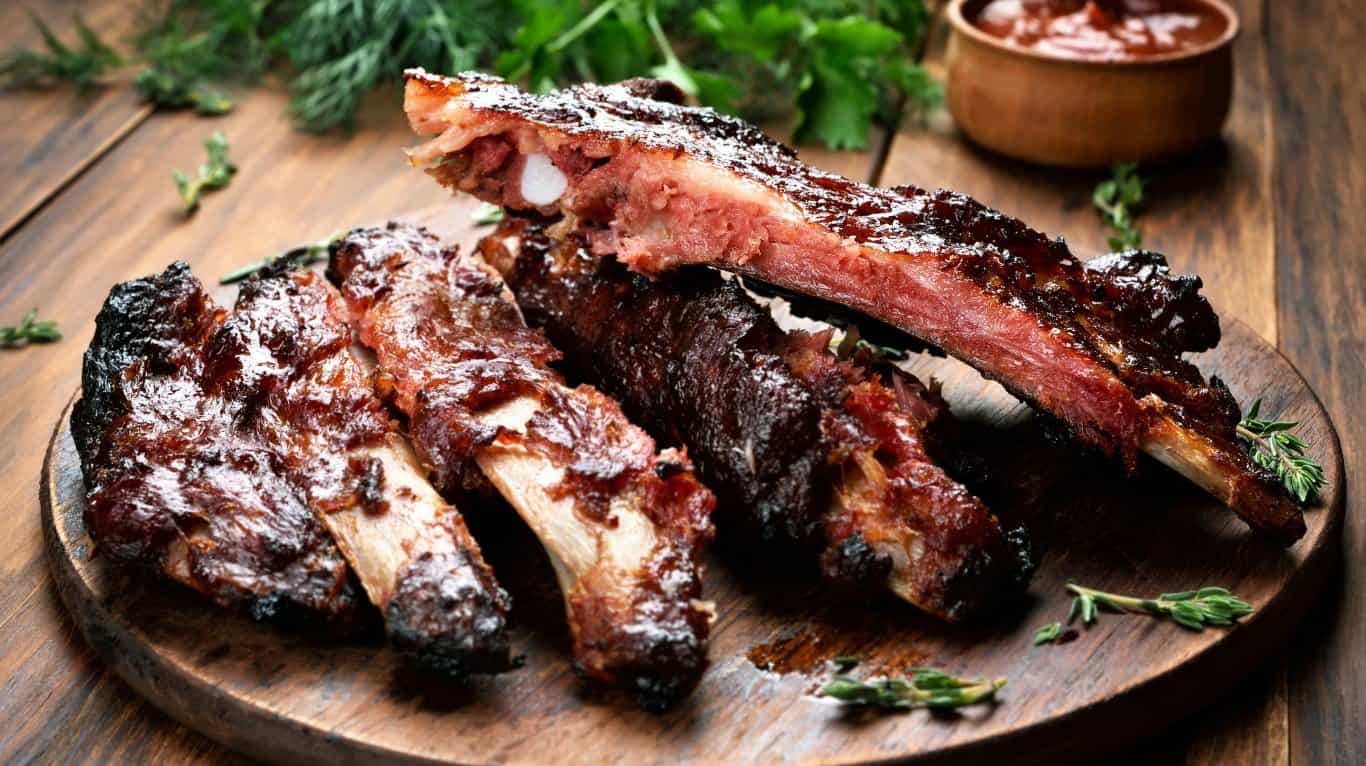
Barbecued spare ribs are part of America's larger barbecue tradition, which includes many regional methods rather than one official recipe. Spare ribs come from the lower portion of the pig's rib cage and contain more bone, fat, and connective tissue than baby back ribs. Low, slow cooking gives that tissue time to soften while smoke and seasoning build flavor. Some pitmasters rely on a dry rub, others add sauce near the end, and the preferred sauce may be sweet, tangy, tomato-based, or thin with vinegar. A smoker produces the classic result, but families without one can make tender ribs in an oven or pressure cooker before finishing them on a grill. The best ribs should be tender enough to bite cleanly, not so soft that all texture disappears.
Apple Pie
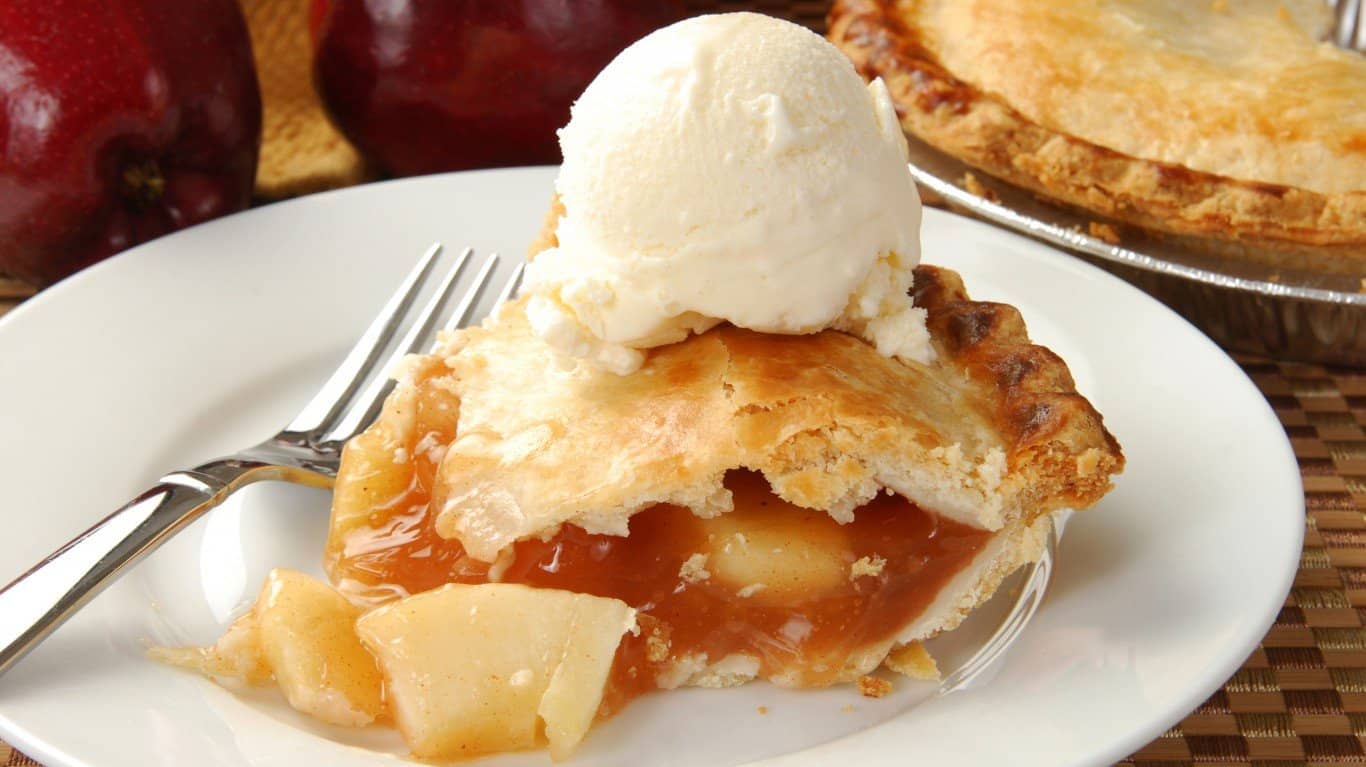
Apple pie did not originate in the United States. European settlers brought pie-making traditions and cultivated apples with them, then generations of American cooks adapted those recipes to local ingredients and tastes. By the 20th century, the phrase “as American as apple pie” had helped turn the dessert into a national symbol, even if its roots were international. The basic formula remains familiar: sliced apples seasoned with sugar and warm spices inside a flaky crust. Families argue over lattice tops, full crusts, crumb toppings, tart apple varieties, and whether the slice should be warm. Ice cream is the classic partner, while cheddar cheese has a long regional following. Whatever the topping, the smell of apple pie baking can make a kitchen feel like home.
Hot Fudge Sundae
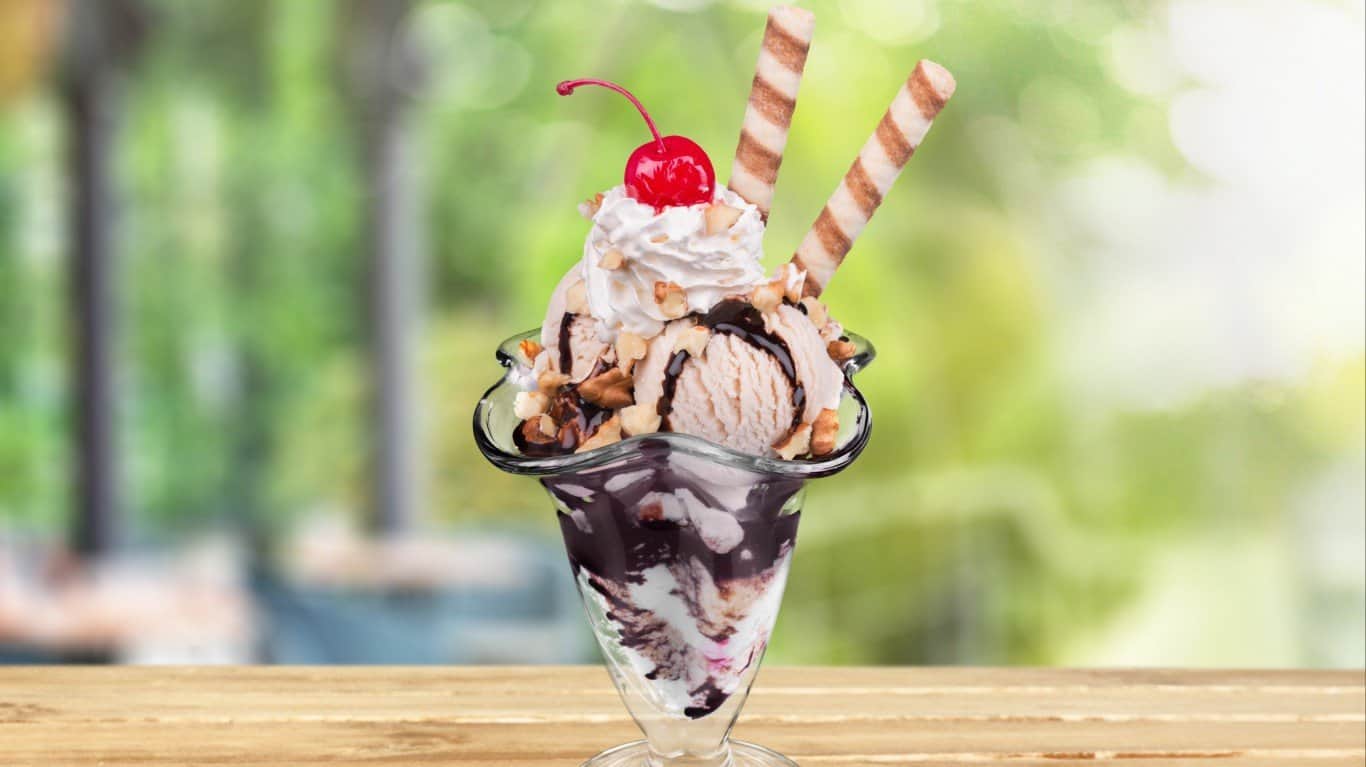
The sundae's origin is famously disputed, with Two Rivers, Evanston, and Ithaca among the American communities claiming a role in its creation during the late 1800s. Even the spelling may have evolved from “Sunday,” although no single account has settled the argument. The hot fudge version adds an irresistible contrast by pouring warm chocolate sauce over cold ice cream, usually with whipped cream, nuts, and a cherry. Los Angeles shop C.C. Brown's became famous for its hot fudge sundae during the 20th century, but claims that it invented the entire idea are difficult to prove. Families do not need to solve the history before dessert. A sundae bar with several ice creams and toppings lets everyone build a different masterpiece.
The image featured at the top of this post is ©smspsy / Shutterstock.com