
American family traditions rarely disappear all at once. More often, they become optional, get squeezed by packed schedules, or are replaced by faster digital versions. A handwritten card turns into a text, Sunday dinner becomes takeout between activities, and a neighborhood gathering moves online. Many families still practice the customs in this article, and some are even bringing them back. Yet they no longer feel as automatic or widely shared as they once did. From door-to-door Halloween nights to recipes learned beside a grandparent, these familiar rituals reveal how family and community life have changed, and why the smallest traditions are often the ones people miss most.
Unsupervised Neighborhood Trick-or-Treating
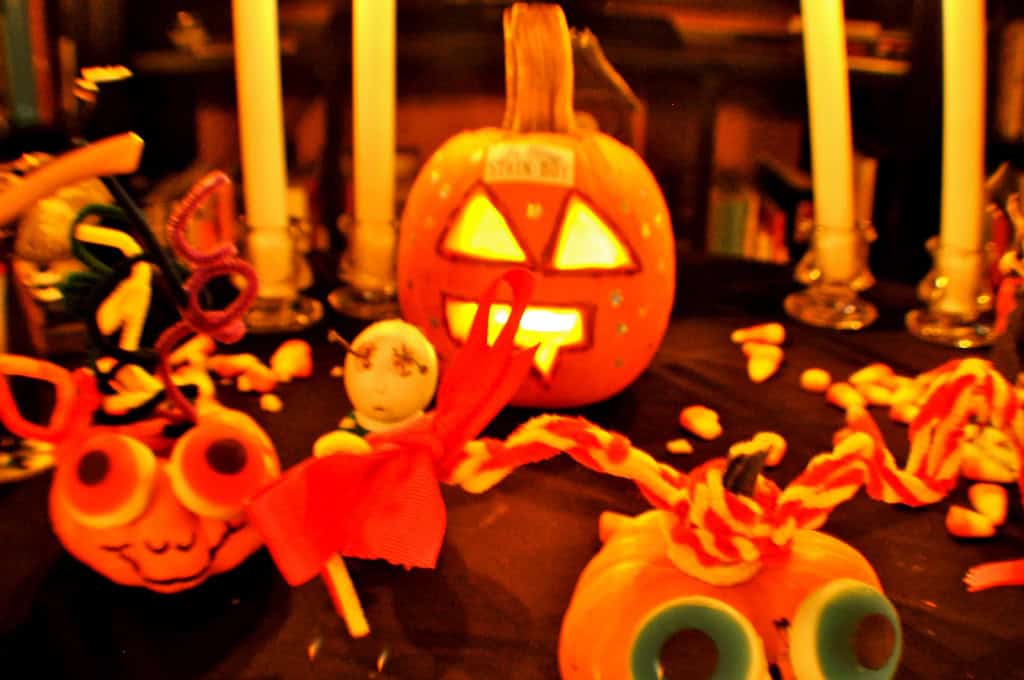
Door-to-door trick-or-treating is still alive in many communities, but the free-roaming version many parents remember has changed. Children once moved through familiar blocks in loose groups, checking in only when pillowcases grew heavy or porch lights switched off. Today, more adults walk every step, families drive to selected neighborhoods, and schools or churches offer trunk-or-treat events in controlled parking lots. Those alternatives can be convenient and welcoming, especially where streets lack sidewalks or homes sit far apart. What feels less common is the spontaneous neighborhood adventure, with children planning their own route, meeting friends along the way, and learning which house always handed out the full-size bars.
Bringing New Neighbors a Homemade Welcome Gift

Moving day once came with a good chance that someone nearby would knock with a casserole, pie, or plate of cookies. The food was useful, but the real gift was an introduction: names, phone numbers, neighborhood advice, and the beginning of a relationship. Plenty of thoughtful neighbors still make the effort, yet doorbell cameras, remote work, frequent moves, and simple uncertainty about dietary needs can make an unannounced visit feel less natural. New residents may now meet through a group chat or community app before speaking face to face. A homemade welcome dish asked for more time and courage, but it also made a new street feel less anonymous and gave families an easy reason to talk again.
Mailing Handwritten Thank-You Notes

Handwritten thank-you notes have not disappeared, and many parents still teach children to send them after birthdays, holidays, or special favors. Even so, a quick text, emoji, or photo often fills the role that once belonged to stationery, a stamp, and a trip to the mailbox. The older ritual required a child to sit down, name the gift, explain why it mattered, and address the envelope. That small effort made gratitude tangible for both the writer and the recipient. Digital thanks can be sincere and immediate, especially across long distances, but a card carries the unmistakable message that someone paused their day for you. That is why finding one in the mail can now feel unusually personal.
Decorating for Every Season

Seasonal decorating once unfolded gradually rather than arriving only for the biggest holidays. Families brought out the same autumn tablecloth, spring wreath, winter village, or summer porch decorations year after year, often storing each set in a carefully labeled box. The pieces did not have to match a trend; their value came from repetition and the memories attached to them. Many homes still celebrate every season, and social media has even inspired elaborate displays, but the tradition can feel more retail-driven and temporary now. Busy households may skip straight from an undecorated fall to Christmas lights, while inexpensive themed items are replaced instead of passed down. The old charm was recognizing the same familiar objects returning with the calendar.
Treating Sunday Dinner as a Family Event
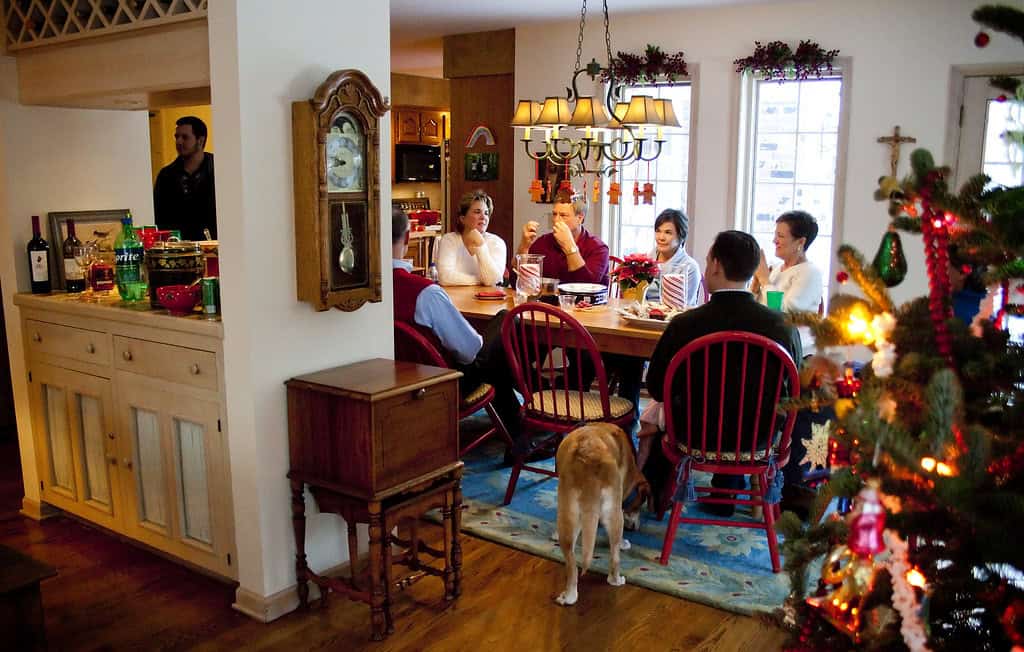
Sunday dinner was less about one particular menu than having a protected place on the family calendar. Grandparents, cousins, and children knew when to arrive, who would cook, and which seat everyone claimed. The meal might be roast chicken, pasta, or something simmered all afternoon, but its real purpose was keeping generations in the same conversation. Many families still gather regularly, and shared meals remain important, yet work shifts, youth sports, custody schedules, and long distances make one fixed weekly dinner harder to defend. A rushed meal in front of separate screens cannot create quite the same rhythm. Even when the food was ordinary, Sunday dinner told everyone that showing up for one another was part of the week.
Watching Every Big Game at the Same House
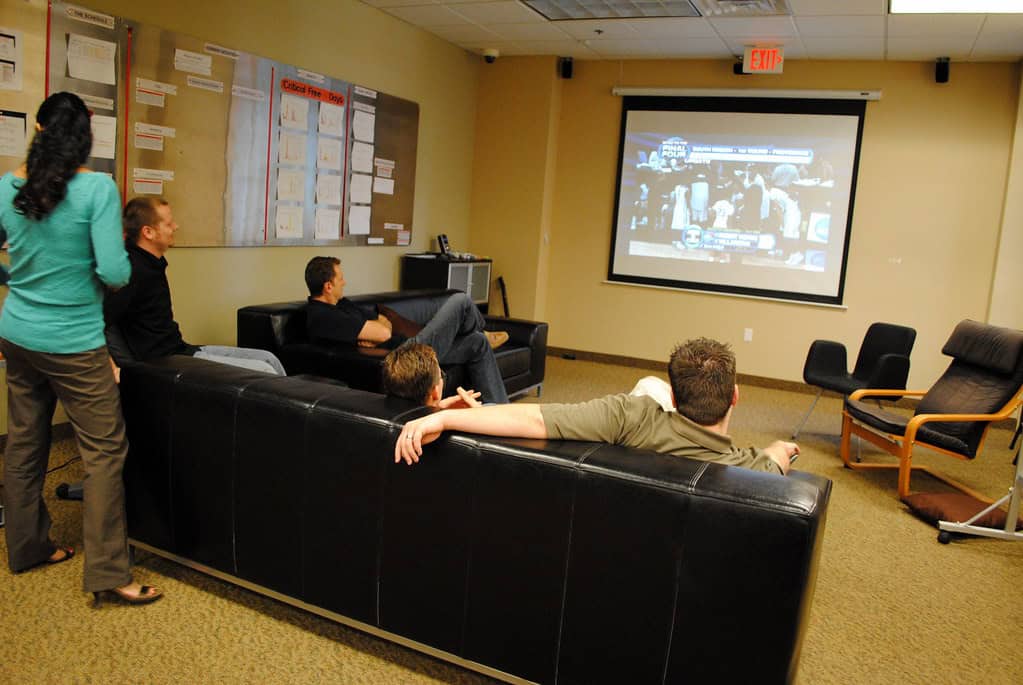
Before every game was available on a phone or spread across multiple streaming packages, one household often became the unofficial neighborhood sports headquarters. The host had the clearest television, the strongest antenna or cable package, and enough floor space for folding chairs. Guests brought chips, drinks, and plenty of opinions, while children drifted between the living room and backyard. Home watch parties certainly still happen, especially for championships, but the standing weekly invitation feels less automatic in many circles. Sports bars, personalized screens, and fragmented viewing options make it easier to watch alone. What disappeared was not the game itself, but the dependable excuse to crowd into one room and celebrate or complain together.
Fourth of July Block Parties

The classic Fourth of July block party depended on nearly everyone contributing something. One family supplied the grill, another filled coolers, and someone organized games while children moved from yard to yard. Where local permits allowed it, a closed residential street became a temporary dining room before everyone found a spot for the fireworks. These gatherings have not vanished, and many neighborhoods still hold wonderful celebrations, but they are no longer an automatic part of Independence Day everywhere. Organizing one takes permits, volunteers, money, and neighbors who know one another well enough to cooperate. For families who remember them, the best part was not a perfect event. It was seeing an ordinary block briefly become a real community.
Renting a Movie and Making a Night of It

Family movie night once began long before the opening credits. Everyone piled into the car, walked the aisles of a rental store, and tried to agree on one or two titles before the good copies disappeared. Children examined colorful cases while adults debated ratings, late fees, and whether anyone would actually stay awake. Once a movie came home, the choice felt final, which encouraged the whole family to give it a chance. Streaming offers far more convenience and selection, but endless menus can turn choosing into its own exhausting activity. The rental-store ritual created anticipation, a shared decision, and sometimes a snack stop on the way home. Even rewinding and returning the tape became part of a night families could predict and look forward to.
Dedicating One Night for Family Game Night
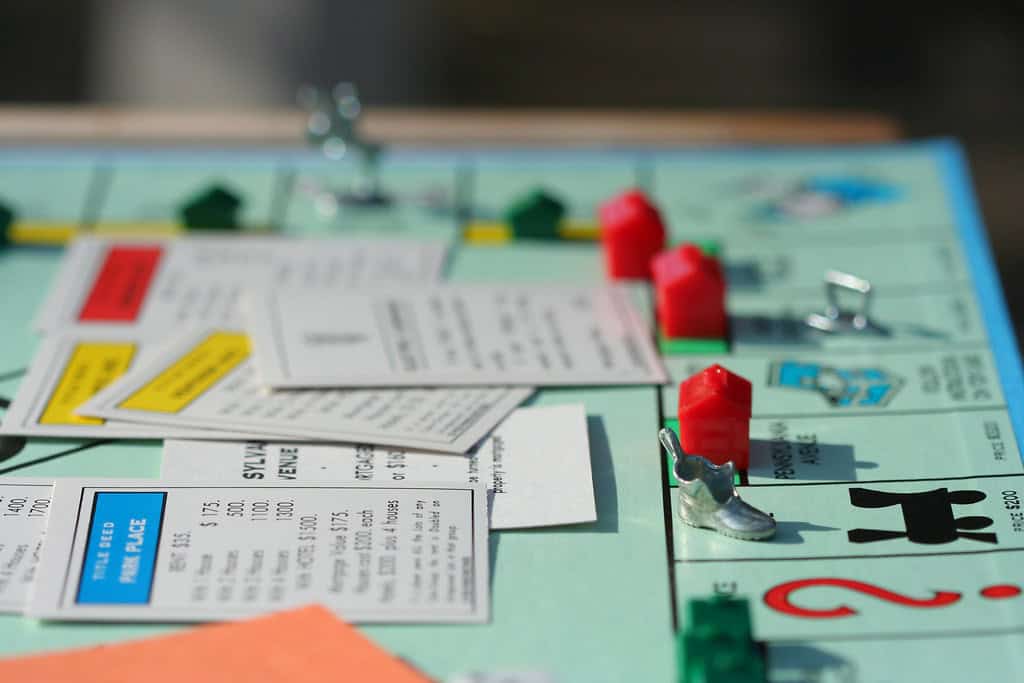
A scheduled family game night was one of the few occasions when friendly competition could outrank television. The same boxes came off the shelf each week, familiar arguments resurfaced, and someone inevitably insisted the rules had been interpreted incorrectly. Board and card games remain popular, so the activity itself is far from gone. What many households have lost is the protected recurring night when everyone was expected at the table. Homework portals, practices, streaming, and phones create more individual choices than families once had. The games were never really the point anyway. Waiting for a turn, laughing at a mistake, and surviving a dramatic Monopoly dispute gave children and adults a collection of shared stories that no one planned in advance.
Sending Holiday Cards to the Entire Address Book
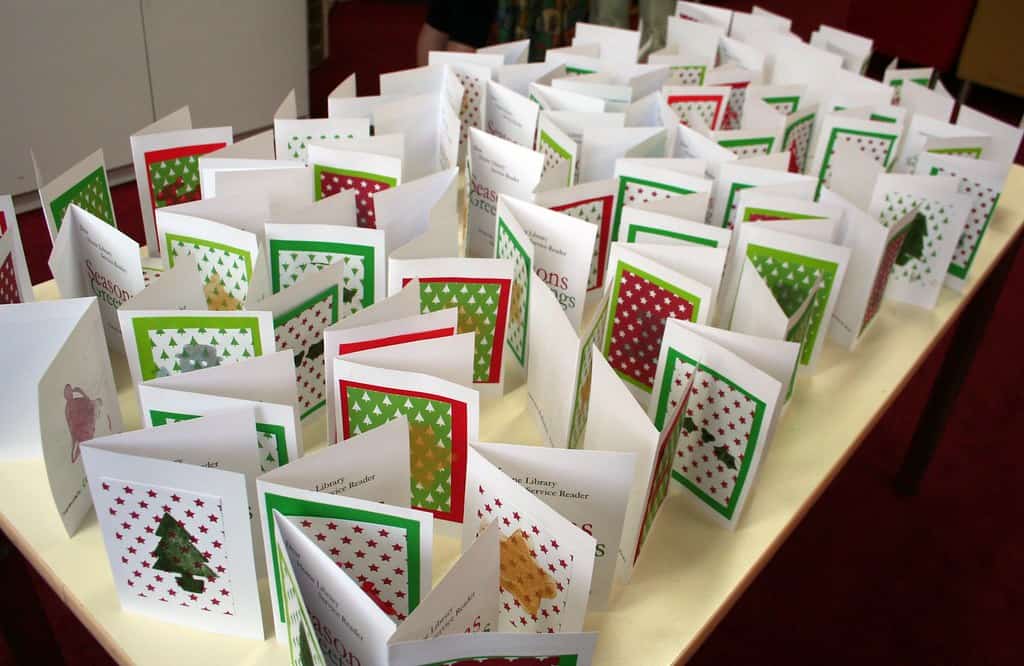
Holiday cards once turned December into a household mailing operation. Families updated address books, selected a photograph, signed stacks of cards, and added a short personal line for relatives, former coworkers, neighbors, and friends they rarely saw. Christmas and seasonal cards are still mailed in large numbers, but many people now share one digital greeting or social media post instead of working through a long list. The digital version is faster and reaches more people, yet it rarely becomes part of the mantel display or survives in a keepsake box. A mailed card quietly maintained relationships that might otherwise fade. It said, in a small but physical way, that someone still remembered your family when the year came to a close.
Turning the First Day of School Into an Occasion

First-day photos are arguably more visible than ever, but the larger back-to-school ritual can feel compressed. Families once devoted an evening to laying out new clothes, filling a carefully chosen backpack, sharpening pencils, and talking through what the morning might bring. Breakfast felt important, the walk to the bus stop became a family event, and the yearly doorway picture marked how much a child had grown. Many parents still preserve those moments, of course. The difference is that online forms, supply deliveries, packed activity schedules, and rushed mornings can turn the start of school into another logistical deadline. Giving the day a little ceremony helped children see it not only as an obligation, but as the beginning of a new chapter.
Hosting a Graduation Open House

Graduation parties remain popular, but the old-fashioned open house had a distinctive come-and-go rhythm. For hours, the graduate's home welcomed teachers, neighbors, teammates, distant relatives, and family friends without assigning everyone an arrival time. Folding tables held photo boards, sheet cake, and trays of food while guests left cards, offered advice, and caught up with people they had not seen in years. The custom is still especially familiar in some Midwestern and smaller communities, so it would be wrong to call it extinct. Elsewhere, restaurant dinners, destination celebrations, and tightly scheduled parties have become more common. An open house made graduation feel like a milestone shared by the entire community, not only the immediate family.
Getting a Personal Reference for a First Job

Getting a first job often depended on an adult willing to put a personal reputation behind a teenager. A teacher, coach, neighbor, clergy member, or family friend might write a letter or speak directly with the owner of a local store. That endorsement did more than confirm reliability; it connected a young person's behavior in the community with an opportunity to prove themselves at work. References still matter, but online applications, automated screening, and centralized hiring have made the process less personal for many entry-level jobs. A LinkedIn recommendation cannot fully recreate the moment when someone who watched you grow says, “Give this kid a chance.” The tradition also reminded teenagers that character could open doors before a résumé had much on it.
Learning Family Recipes Side by Side
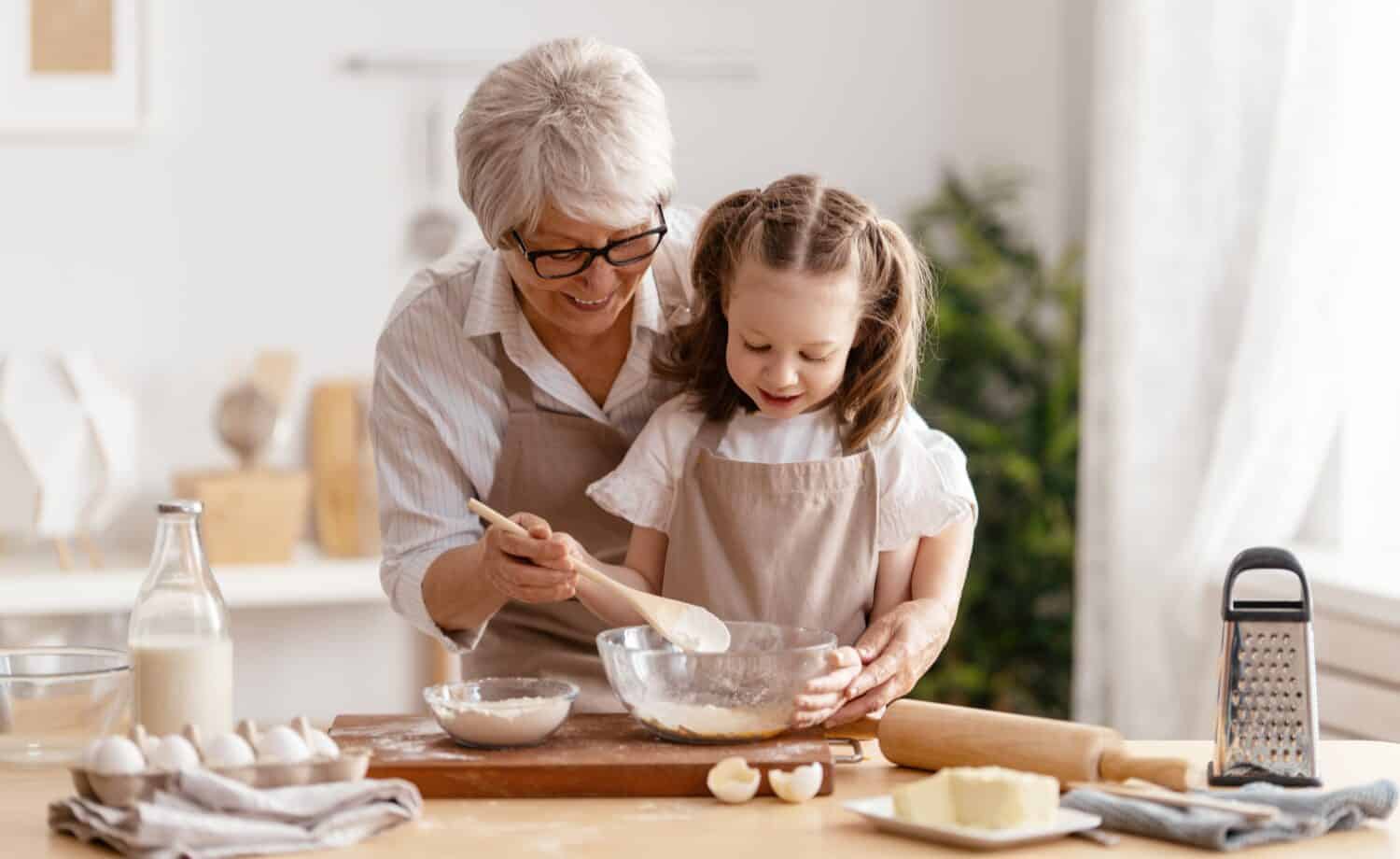
A family recipe used to be transferred through observation as much as instruction. A child or grandchild stood beside the cook, learned what the dough should feel like, and discovered that “a little” or “until it looks right” could not be measured neatly. The afternoon carried stories about who first made the dish, which ingredient had changed, and why one battered pan worked better than every newer replacement. Online recipes and video tutorials make almost any meal easier to learn, which is genuinely useful. What they cannot supply is a family's voice, timing, and memory. Writing down treasured recipes matters, but cooking them together preserves the details that never reach the index card and gives younger relatives the confidence to keep the dish alive.
Saying Grace Before Dinner
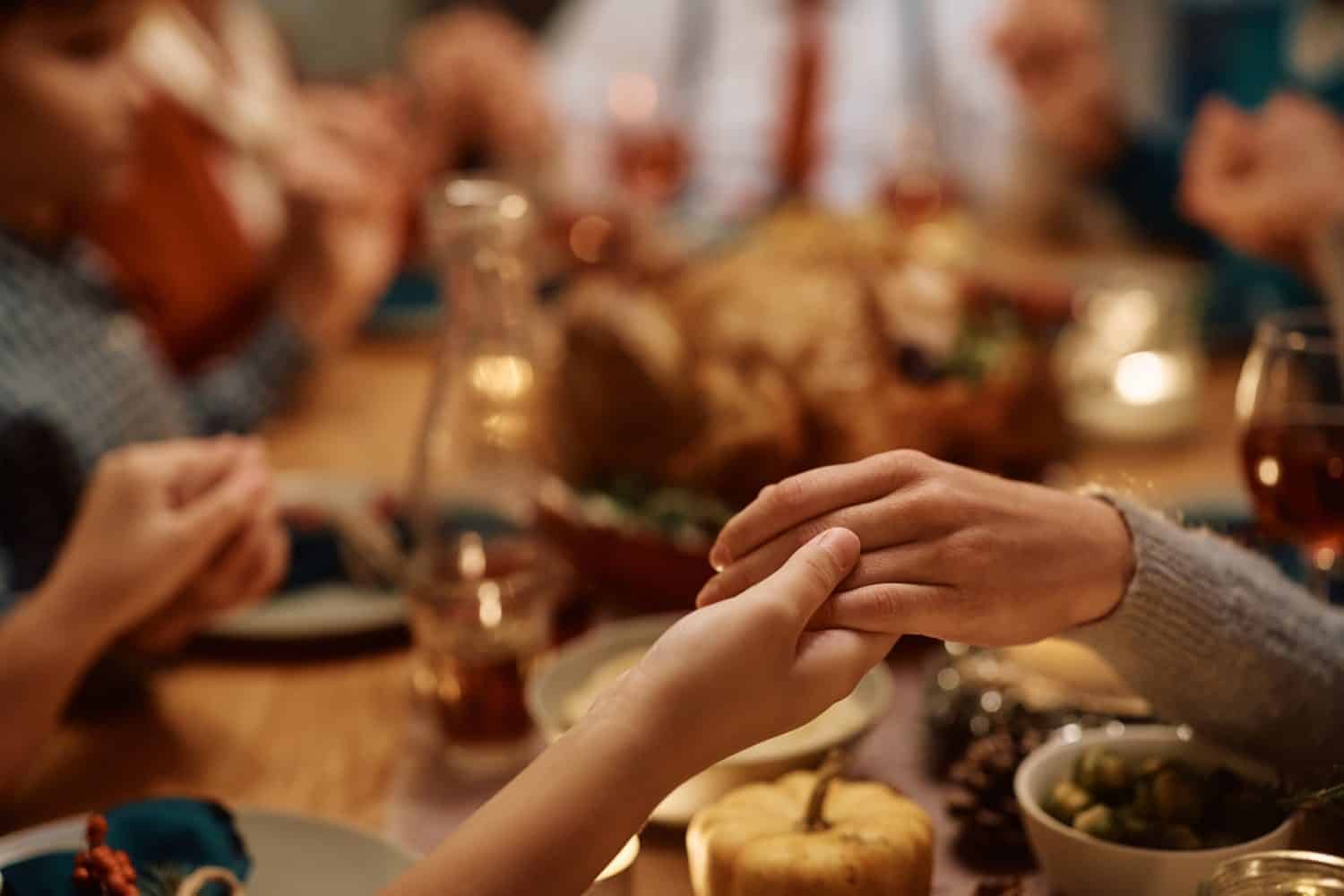
For many religious families, saying grace once gave dinner a clear beginning. Everyone paused, hands came off phones and serving spoons, and one person offered thanks for the food and the people around the table. Prayer remains a regular part of life for many Americans, so this tradition is by no means gone. Still, households with different beliefs, irregular meal schedules, or family members eating separately may be less likely to share the ritual each evening. Beyond its religious meaning, the pause encouraged humility and attention before anyone rushed into the meal. Families who want a similar moment can preserve it through prayer, gratitude, or a simple check-in about the day. The lasting idea is to begin together instead of merely eating in the same room.
Choosing a Real Christmas Tree Together

Choosing a real Christmas tree turned decorating into a family expedition. Everyone bundled up, walked the rows at a farm or neighborhood lot, and debated height, shape, and the suspicious bare patch someone promised could face the wall. Getting the tree home was only the beginning: the trunk had to be trimmed, the stand leveled, needles swept, and water checked throughout the season. Real trees remain an important holiday tradition for many households, while artificial trees offer understandable advantages in cost, allergies, convenience, and reuse. What becomes easier to lose is the annual outing itself. The imperfect tree carried a story before a single ornament went up, and years later the family often remembered the search as clearly as the finished display.
Going to the Drive-In Movies
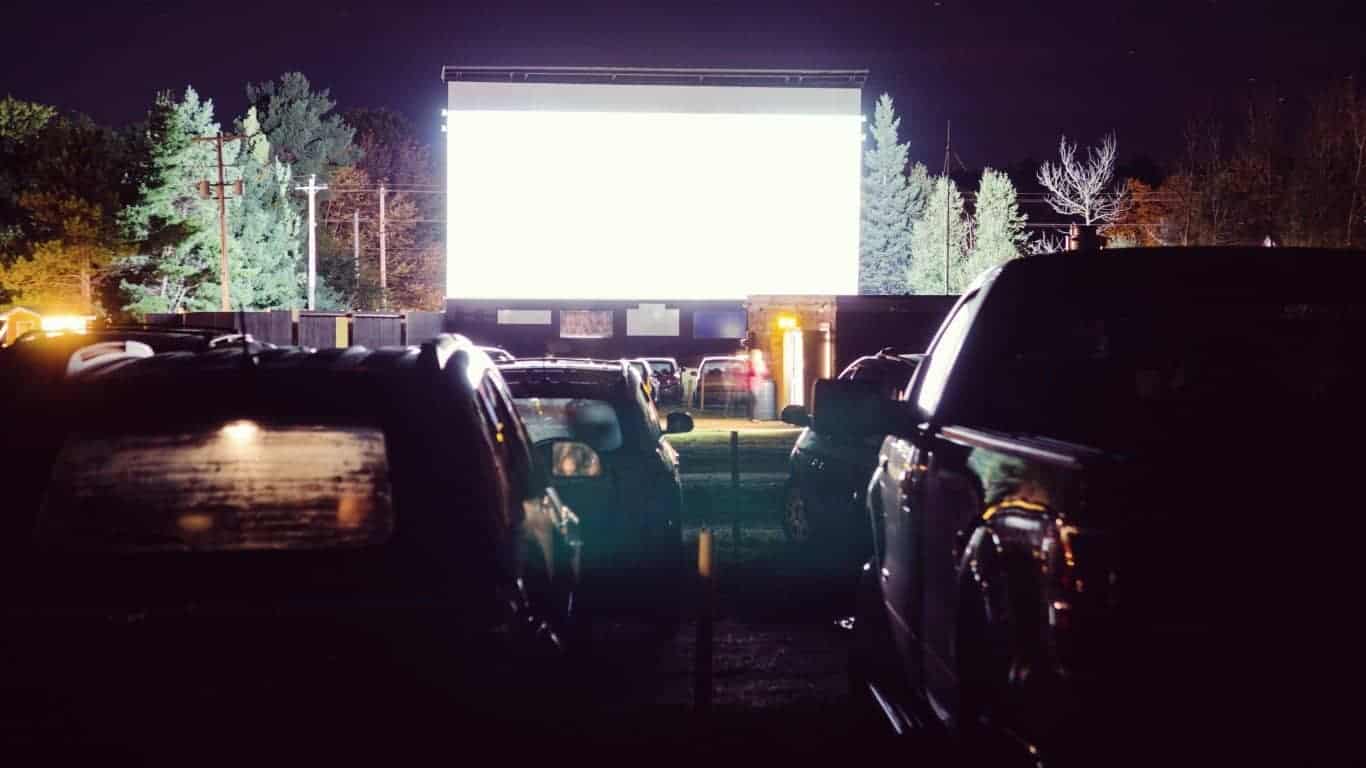
The drive-in transformed an ordinary movie into a family outing. Parents packed blankets and snacks, children claimed the best view from the back seat, and everyone watched beneath the night sky while sound came through a window speaker or, later, the car radio. The first drive-in opened in Camden, New Jersey, in 1933. More than 4,000 operated at the industry's late-1950s peak, while only a few hundred remain in the United States today. Surviving theaters still attract devoted crowds, proving the tradition is not dead. Yet most families no longer have one close enough for a casual Friday night. Even a forgettable film felt special when the screen glowed beyond the windshield and bedtime rules loosened for the trip home.
Christmas Caroling Door to Door

Door-to-door Christmas caroling once made the neighborhood itself part of the holiday celebration. Church groups, school friends, or nearby families bundled up, chose a list of familiar songs, and knocked on doors without expecting more than a smile or perhaps a cup of cocoa. Organized caroling still takes place at churches, senior communities, and public events, but an unexpected group singing on a residential porch is unusual in many places. Busy evenings, colder-weather logistics, and uncertainty about how strangers will respond can make the custom harder to organize. The performances were not always polished, which was part of their charm. Neighbors briefly became participants instead of spectators, and the gift was simply the willingness to show up and sing.
Passing Down Practical Skills in Person
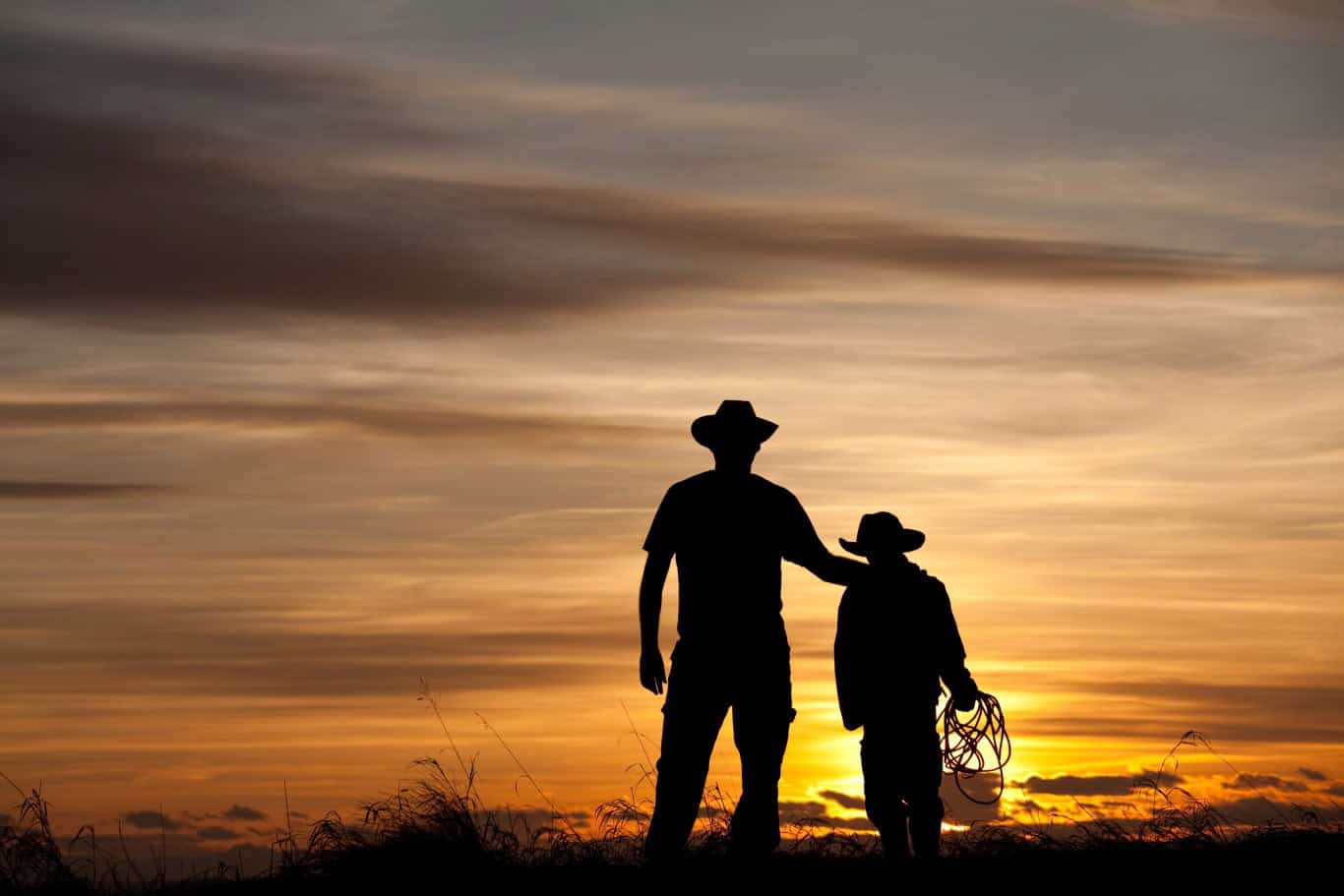
Practical skills were often passed down during ordinary time with a parent, grandparent, aunt, uncle, or trusted neighbor. Learning to change a tire, sew on a button, bait a hook, use a tool, shave safely, or cook a basic meal came with stories and gentle correction that no instruction manual included. Video tutorials now make expert guidance available within seconds, and that access can be enormously helpful when no teacher is nearby. Still, efficiency is not the same as connection. The older tradition gave a child permission to ask questions, make mistakes, and feel capable in front of someone they trusted. The finished task mattered, but so did hearing, “Let me show you,” and knowing that a useful piece of family knowledge had been placed in your hands.
Visiting Family Graves on Special Days
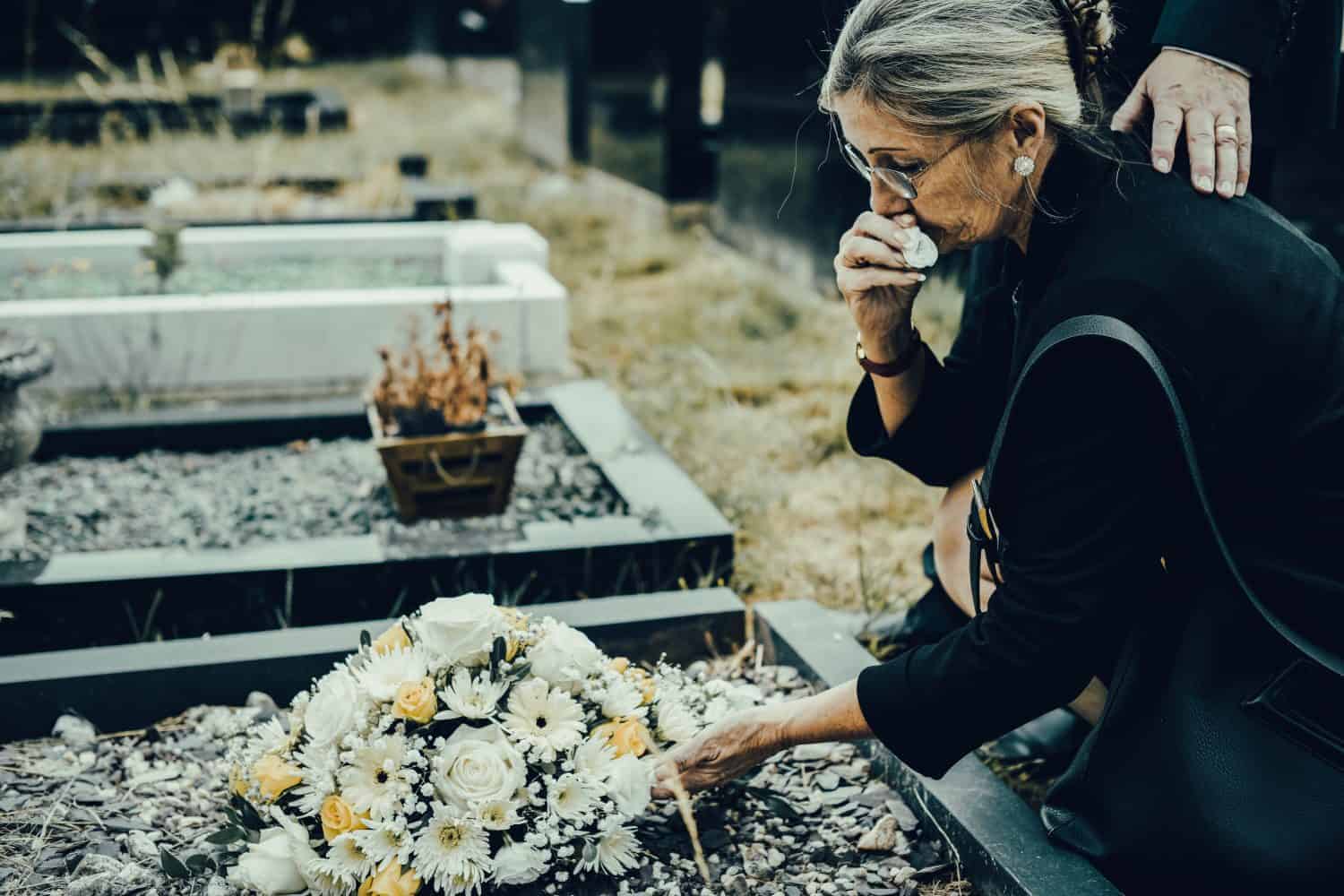
Visiting a cemetery on Memorial Day, Easter, Christmas, birthdays, or anniversaries remains meaningful in many families and cultural traditions. Relatives bring flowers, clean a marker, share stories, or stand quietly beside someone whose absence is still felt. The custom can become harder to continue when families move far from hometown cemeteries, older relatives who led the visit pass away, or children grow up without being included. Digital memorial pages provide another way to remember, but they do not create the same physical connection to family history. A cemetery visit placed loved ones who had died back into the family's calendar. It taught younger generations their names and made remembrance an action, not only a thought.
The image featured at the top of this post is ©Inside Creative House/Shutterstock.com