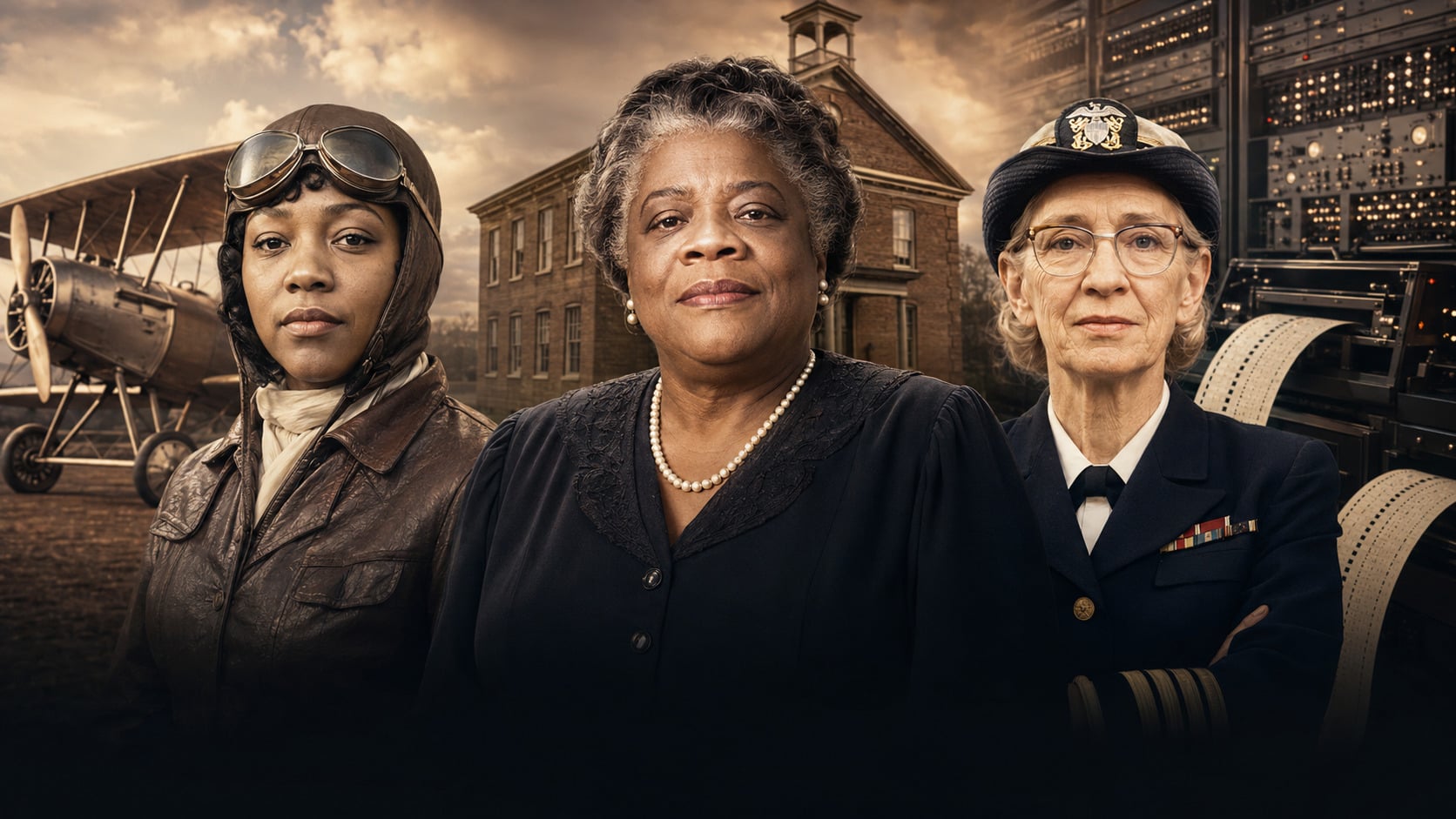
History books often return to the same presidents, generals, and inventors, leaving many of the women who transformed everyday life in the margins. Yet women challenged segregated transportation, opened schools, made factories safer, rewrote federal policy and produced discoveries that still protect families today. Some fought openly in courtrooms and Congress. Others changed medicine, science and technology from laboratories where they received little public credit. Their names may not be familiar, but their influence is everywhere. These are the remarkable women every family should know.
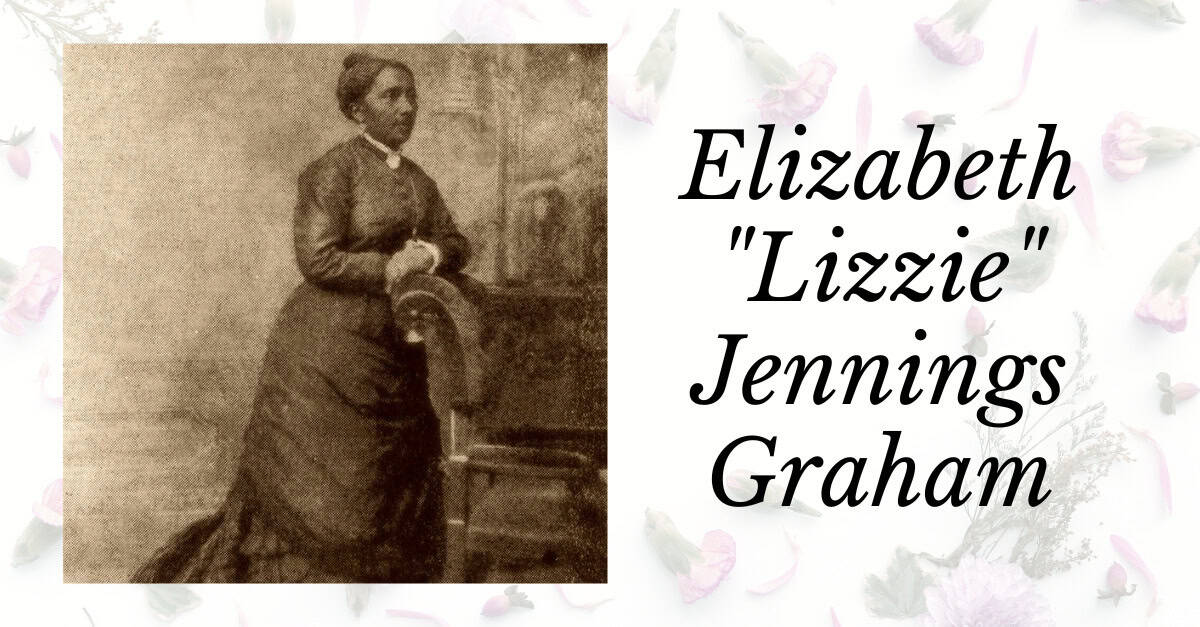
Elizabeth Jennings Graham Challenged Segregated Transit
©Library of Congress
Nearly a century before Rosa Parks resisted bus segregation in Montgomery, Elizabeth Jennings Graham took a stand on a New York City streetcar. On July 16, 1854, the Black schoolteacher boarded a car at Pearl and Chatham streets and refused the conductor’s order to leave. A police officer helped force her off, leaving her injured. Jennings sued the Third Avenue Railroad Company, represented by a young Chester A. Arthur, who later became president. She won her case and $225 in damages in 1855. The ruling helped begin the desegregation of the city’s privately operated streetcars, which were open to Black passengers by 1860. Jennings later helped establish a kindergarten for Black children.
Rebecca Lee Crumpler Broke a Barrier in American Medicine
Rebecca Lee Crumpler became the first Black woman in the United States to earn a medical degree when she graduated from the New England Female Medical College in Boston in 1864. After the Civil War, she worked in Richmond, Virginia, treating enslaved people formerly through agencies and charitable groups at a time when Black patients faced severe discrimination. Crumpler later returned to Boston and focused on the health of women and children. In 1883, she published “A Book of Medical Discourses,” drawing on years of clinical experience to offer guidance on maternal and child health. It was one of the earliest medical books written by an African American and made her knowledge available far beyond her own practice.
Bessie Coleman Refused to Let American Flight Schools Stop Her
Bessie Coleman wanted to fly, but American flight schools would not admit a Black woman. She learned French, traveled to France and earned an international pilot’s license from the Fédération Aéronautique Internationale on June 15, 1921. Coleman became the first African American woman and the first woman of Native American descent known to hold a pilot’s license. Back in the United States, she drew crowds as a daring exhibition pilot and refused to perform at venues that segregated spectators. Her larger goal was to establish a flight school for Black aviators. Coleman died during a practice flight in Florida on April 30, 1926, before that dream was completed, but her career opened the sky to generations told they did not belong there.
Jovita Idar Used Journalism to Defend Mexican American Families
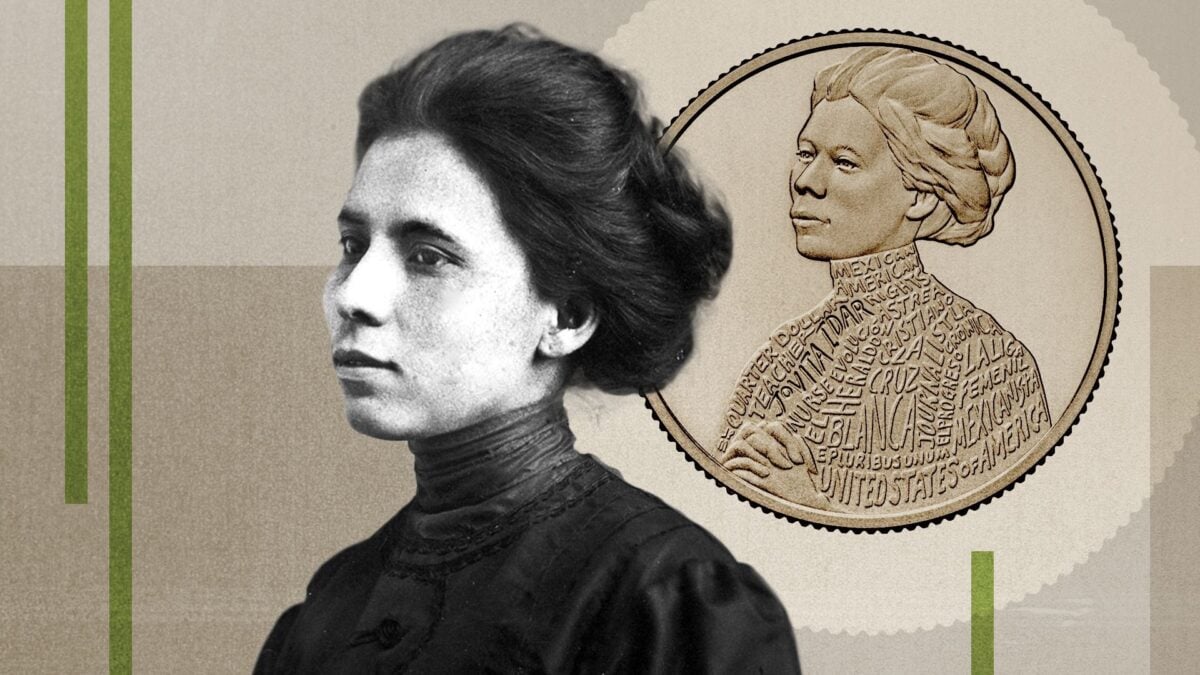
Jovita Idar began as a teacher in South Texas, where she saw Mexican American children receiving inadequate resources. She decided journalism could reach a wider audience and joined her family’s Spanish-language newspaper, La Crónica, writing about racism, education, lynching and women’s rights. In September 1911, her family helped organize the First Mexicanist Congress in Laredo, a major gathering devoted to the civil rights of people of Mexican descent. Idar then became the first president of La Liga Femenil Mexicanista, which promoted education and practical aid for families. She also supported women’s suffrage, worked as a nurse during the Mexican Revolution and continued organizing in San Antonio. The United States Mint honored her on a quarter in 2023.
Zitkala-Sa Fought Forced Assimilation With Art and Activism
Zitkala-Sa, also known as Gertrude Simmons Bonnin, turned painful experience into a national campaign for Native rights. Born on the Yankton Sioux Reservation in 1876, she was sent to a boarding school that cut her hair, discouraged her language and pressured children to abandon their cultures. She later described that system in essays read by a national audience. An accomplished violinist and writer, she collaborated on “The Sun Dance Opera,” completed in 1913 and based on a sacred ceremony the federal government had prohibited. In 1926, Zitkala-Sa and her husband founded the National Council of American Indians. As its president, she campaigned for voting rights, education reform, citizenship protections and greater self-government until her death in 1938.
Mary McLeod Bethune Built a School and a National Movement
Mary McLeod Bethune was born in South Carolina in 1875 to parents who had been enslaved. In October 1904, she opened a school for Black girls in Daytona Beach, Florida, in a rented house with five girls and her young son. That modest school grew, merged with Cookman Institute in 1923 and eventually became Bethune-Cookman University. Bethune carried her belief in education into national politics. She founded the National Council of Negro Women in 1935 and became director of Negro Affairs for the National Youth Administration in 1936, then the highest federal appointment held by a Black woman. She also organized the informal “Black Cabinet,” advising the Roosevelt administration and pressing the federal government to expand opportunity for Black Americans.
Alice Hamilton Made Dangerous Workplaces Harder to Ignore
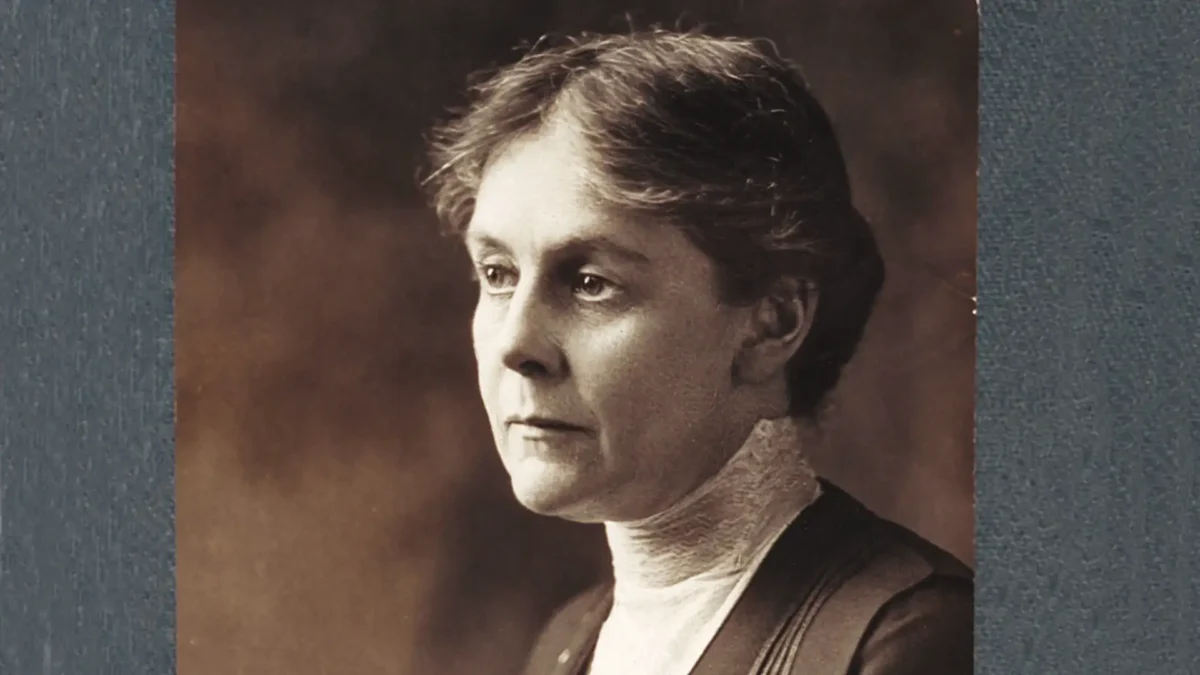
At Chicago’s Hull House, physician Alice Hamilton met families devastated by illnesses connected to factory work. Instead of accepting industrial poisoning as an unavoidable cost of progress, she visited workplaces, interviewed laborers and traced disease to lead, mercury, carbon monoxide and other hazards. In 1910, she led an Illinois investigation described by the CDC as the nation’s first survey of industrial sickness. Her evidence helped drive new safety measures, medical examinations and public awareness of occupational disease. In 1919, Hamilton became Harvard’s first female faculty member as an assistant professor of industrial medicine. Her combination of field investigation, toxicology and concern for workers helped establish occupational health as a serious American discipline.
Frances Perkins Helped Create the Modern Social Safety Net
Frances Perkins witnessed the Triangle Shirtwaist Factory fire in New York City on March 25, 1911, when 146 workers died. The disaster strengthened her commitment to labor reform. In 1933, President Franklin D. Roosevelt appointed her secretary of labor, making Perkins the first woman to serve in a presidential Cabinet. She remained in the post until 1945 and became one of the central architects of the New Deal. Perkins played a leading role in developing the Social Security Act of 1935 and championed unemployment insurance, workplace protections and limits on child labor. She also fought for the Fair Labor Standards Act of 1938, which established a federal minimum wage and maximum workweek. Programs many families now consider basic protections bear her imprint.
Lillian Moller Gilbreth Redesigned Work at Home and on the Job
Lillian Moller Gilbreth combined engineering and psychology to ask a question that industry often overlooked: How does a task affect the person doing it? Working with her husband, Frank, she studied motion in factories and offices, looking for ways to reduce fatigue as well as wasted effort. After his death in 1924, clients initially doubted that a woman could lead their consulting work, so she built a major career of her own. Gilbreth applied the same thinking to kitchens and household equipment, contributing to more efficient layouts, refrigerator door shelving and the foot-pedal trash can. A mother of 12, she later became the first woman to teach in Purdue’s engineering school and, in 1965, the first woman elected to the National Academy of Engineering.
Grace Hopper Helped Make Computers Understand People
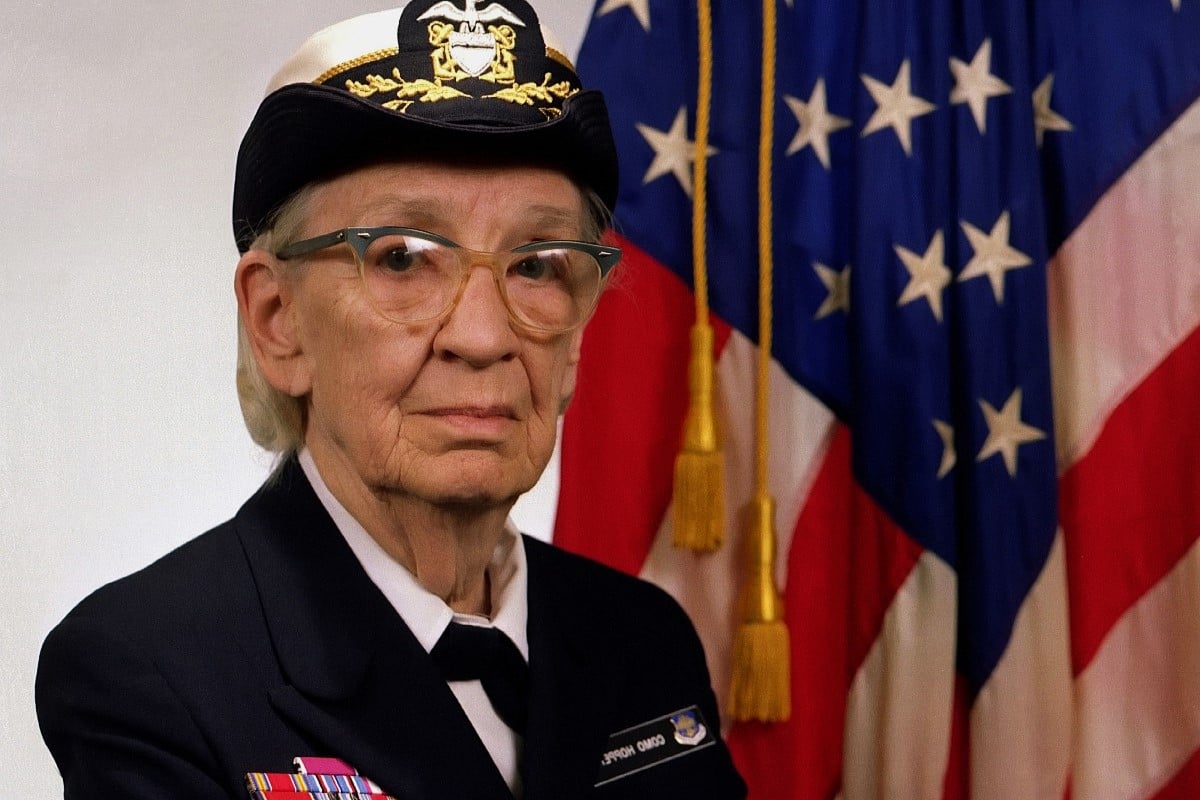
Grace Hopper joined the United States Naval Reserve in 1943 and became part of the Harvard team programming the Mark I computer during World War II. At a time when many experts expected programmers to communicate with machines only through numbers and symbols, Hopper pushed for languages closer to ordinary English. In 1952, she published an early paper on compilers, programs that translate human-readable instructions into machine code. Her work on automatic programming influenced the development of COBOL, a language that became essential to business and government computing. Hopper remained in uniform for decades, retiring as a rear admiral in 1986 at age 79. Modern software owes much to her insistence that computers should adapt to people, not the other way around.
Chien-Shiung Wu Changed Physicists’ Understanding of Nature
Chien-Shiung Wu was already a respected experimental physicist when she worked on uranium research for the Manhattan Project during World War II. Her most famous achievement came in 1956, when she designed and led an exacting experiment with scientists at the National Bureau of Standards. The results showed that parity, the assumption that nature behaves the same way in a mirror, is not conserved in weak nuclear interactions. The finding overturned a principle many physicists had treated as fundamental. The theorists Tsung-Dao Lee and Chen-Ning Yang received the 1957 Nobel Prize in Physics, while Wu was excluded despite providing the decisive experimental proof. She later received the first Wolf Prize in Physics in 1978, but her name remains far less familiar than her discovery.
Virginia Apgar Gave Newborns a Clearer Chance at Survival
Before Virginia Apgar introduced her newborn scoring system, delivery teams had no widely standardized way to describe a baby’s condition immediately after birth. The anesthesiologist presented her method in 1952 and published it in 1953. It assigned zero, one or two points to five observable signs: heart rate, breathing effort, muscle tone, reflex response and skin color. The assessment, now known as the Apgar score, is routinely recorded at one and five minutes after birth and helps clinicians communicate quickly about a newborn’s condition and response to care. Apgar had already broken barriers at Columbia University, becoming the first woman to lead its anesthesia division in 1938. Her simple, practical system became one of the most recognizable tools in modern maternity care.
Stephanie Kwolek Discovered the Fiber That Became Kevlar
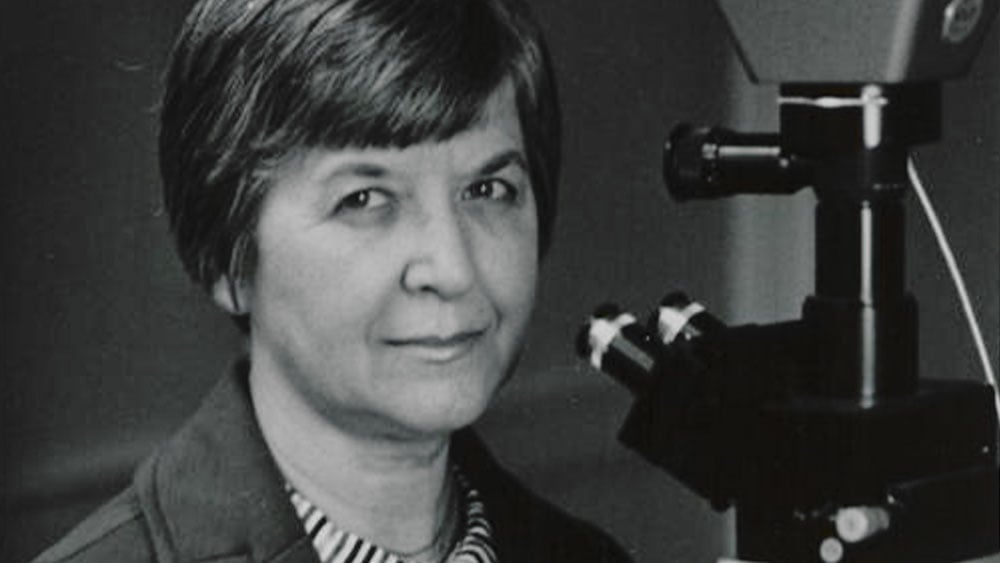
In 1965, DuPont chemist Stephanie Kwolek was studying lightweight polymers when she produced a cloudy, unusually thin solution that looked so unpromising a colleague hesitated to run it through spinning equipment. Kwolek persisted. The resulting fibers were exceptionally stiff, light and strong, leading to the material later marketed as Kevlar. Pound for pound, it is about five times stronger than steel. Kevlar became known for protective body armor, but it also appears in tires, ropes, cables, aircraft, boats and many other products. Kwolek had originally planned to work at DuPont only long enough to save money for medical school. Instead, she spent decades in polymer chemistry, earned multiple patents and entered the National Inventors Hall of Fame in 1995.
Henrietta Lacks Changed Medicine Without Knowing It
Henrietta Lacks was a 31-year-old mother receiving treatment for cervical cancer at Johns Hopkins Hospital in 1951 when cells from her tumor were used for research without her knowledge or consent. Unlike earlier samples, her cells kept dividing in the laboratory, creating the first human cell line cultured continuously for research. Named HeLa, the line became important to work on polio vaccines, cancer, genetics, infectious disease and the effects of radiation. Lacks died on October 4, 1951. Her family did not learn the full story for years and had no control over the cells’ use. In 2013, the National Institutes of Health reached an agreement with family members that gave them a role in access to HeLa genome data, an important step in a continuing debate over consent and medical ethics.
Patsy Takemoto Mink Opened Doors in Education and Congress
When Hawaii voters elected Patsy Takemoto Mink to the House of Representatives in 1964, she became the first woman of color and the first Asian American woman elected to Congress. Taking office in 1965, Mink brought personal experience with discrimination into battles over education, child care and equal opportunity. She was one of the lawmakers at the center of Title IX, enacted in 1972 to prohibit sex discrimination in federally funded education programs. Although the law is closely associated with school athletics today, its protections reach admissions, scholarships, employment and other parts of education. Mink also advanced Head Start and the Women’s Educational Equity Act. After her death in 2002, Title IX was renamed the Patsy T. Mink Equal Opportunity in Education Act.