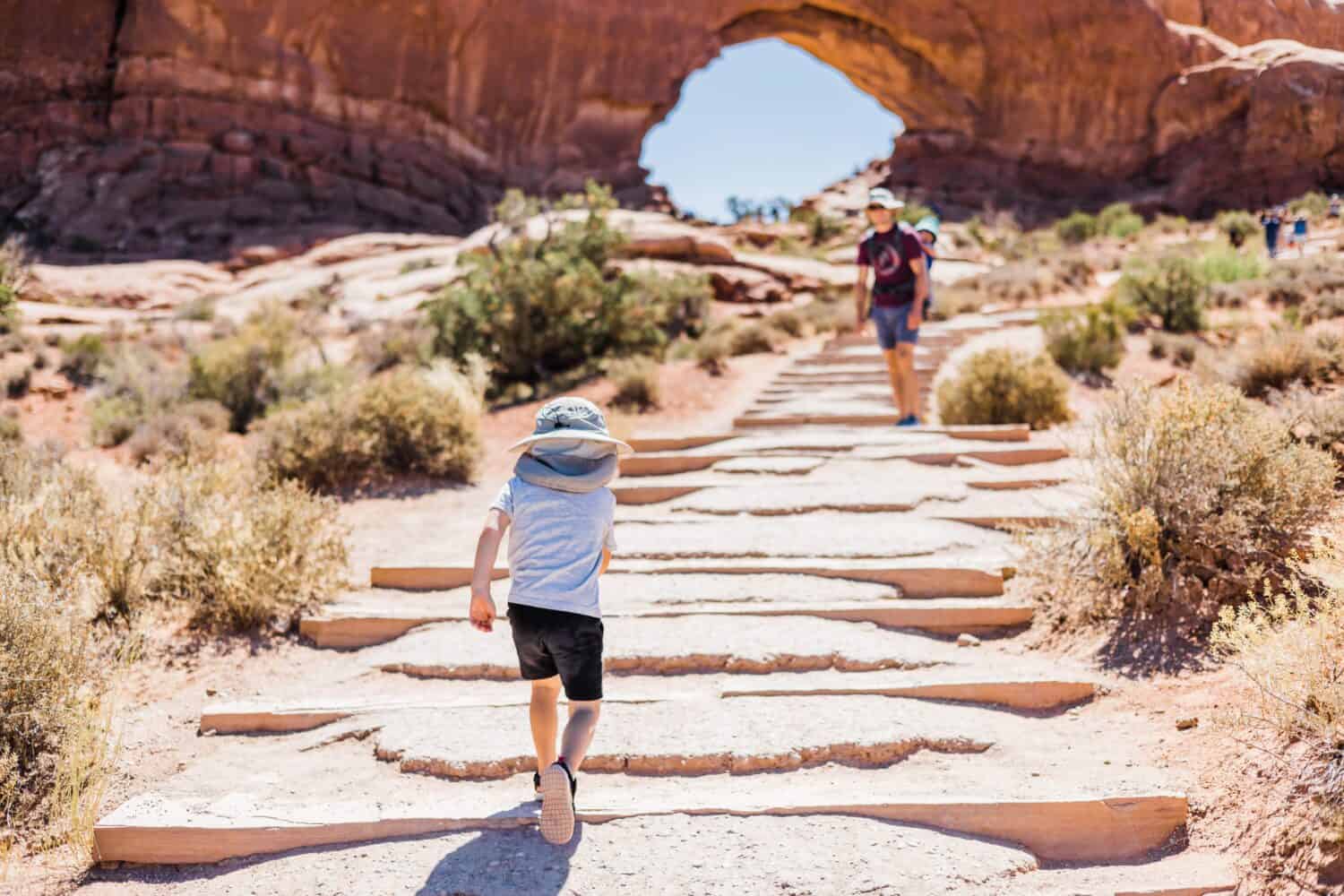
America’s biggest landmarks get most of the attention, but some of the best family memories begin at places that barely appear on the usual vacation lists. Every state has at least one destination that feels wonderfully unexpected, from a fire-breathing roadside dragon and a house made with newspaper to blue desert water, moss-covered rainforest, and a room so quiet visitors can hear their own bodies. Some stops are free, while others require tickets, reservations, seasonal access, or special safety preparation. Before setting out, check current hours and conditions, then use this state-by-state guide to add something truly unusual to your next road trip.
Alabama: Neversink Pit
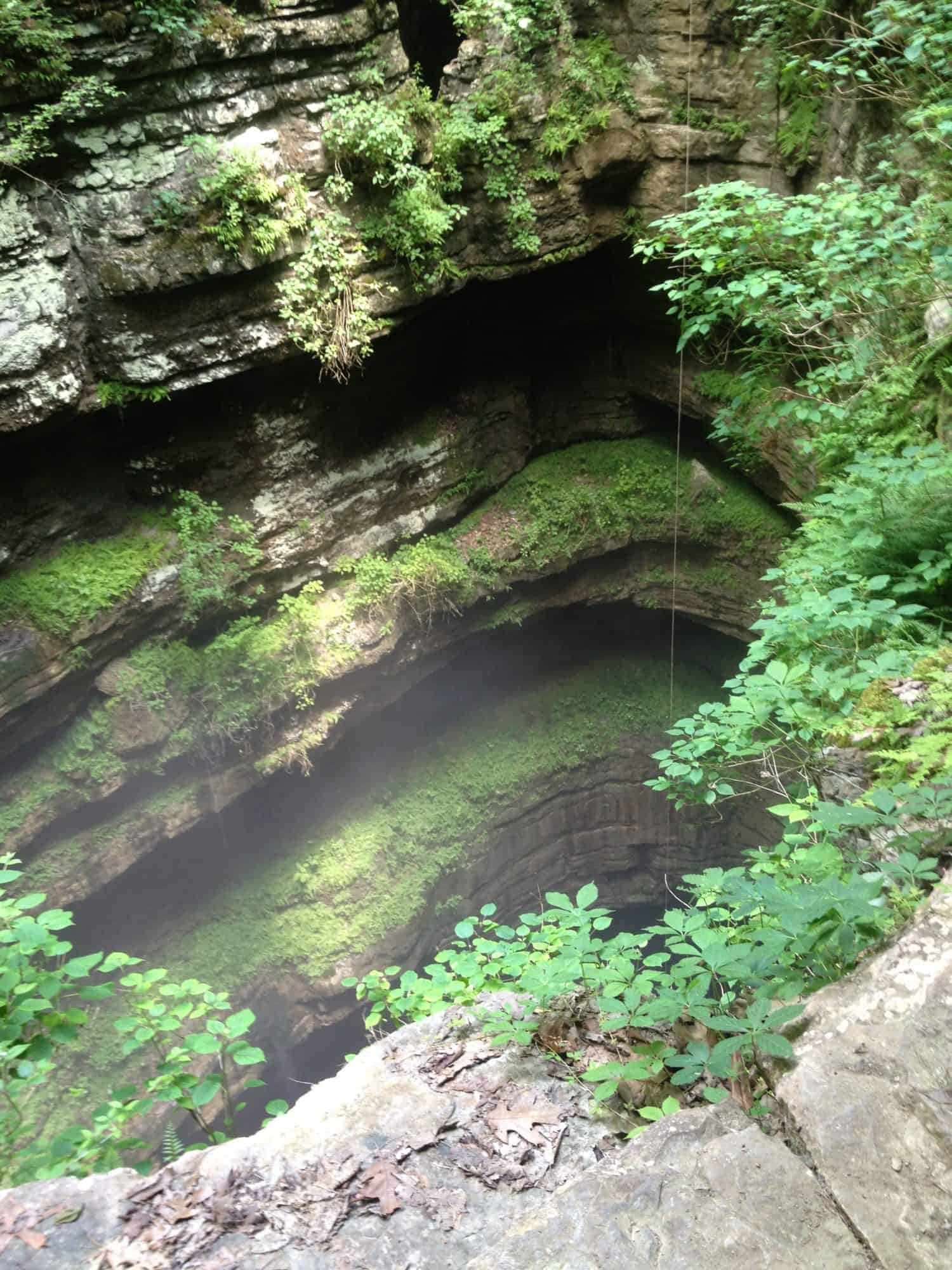
Alabama’s Neversink Preserve protects a dramatic open-air pit that drops about 162 feet into the limestone of Jackson County. Ferns and seasonal waterfalls cling to the walls, giving the sinkhole an almost prehistoric look from above. This is not a casual walk-up cave, however. The preserve is managed by the Southeastern Cave Conservancy, and visitors need permission to enter the property. Descending the pit requires vertical-caving equipment, training, and experience, so families should never attempt the rappel without qualified guidance. Even viewing the opening demands caution near the edge. For capable cavers, Neversink is unforgettable. For everyone else, its photographs alone explain why it is one of Alabama’s strangest natural wonders.
Alaska: Reindeer Farm

Near Palmer, the Reindeer Farm offers a more approachable wildlife experience than many of Alaska’s remote adventures. The family-run farm maintains a large herd of reindeer and offers seasonal opportunities to learn about, photograph, and sometimes feed the animals under staff supervision. Depending on the time of year, visitors may also encounter elk, bison, moose, or other farm residents. This is a managed attraction rather than a hike through wild reindeer habitat, which makes it especially practical for families traveling with younger children. Tour formats and schedules change by season, and winter visits may work differently from summer admission, so reservations are worth checking before the drive from Anchorage or the Mat-Su Valley.
Arizona: Arizona Hot Spring Trail
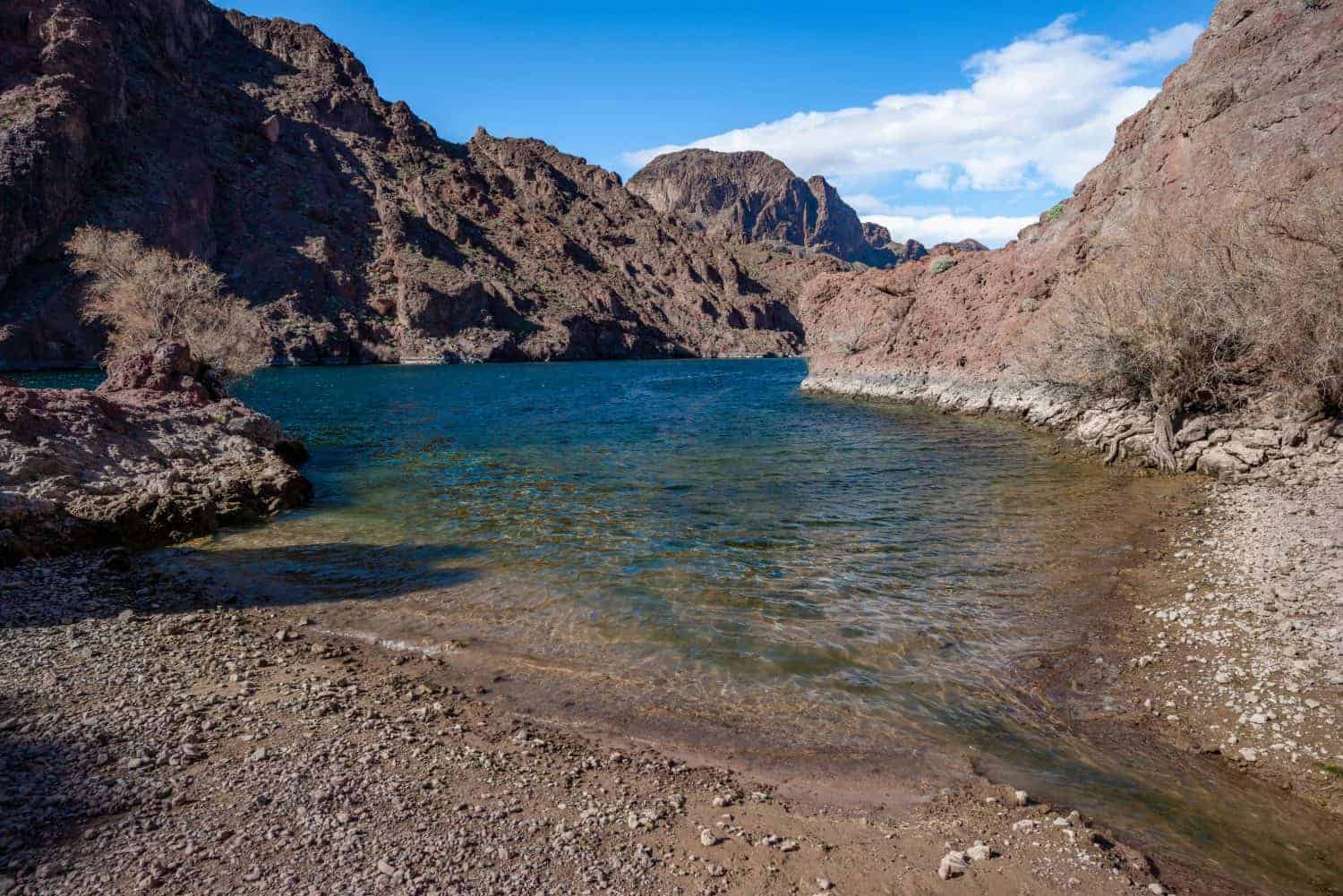
The Arizona Hot Spring Trail near Lake Mead leads through rugged desert canyons to warm pools tucked between steep rock walls. The scenery is remarkable, but this is not a carefree soak reached by an easy stroll. The National Park Service closes the trail each year from May 15 through September 30 because extreme heat can become deadly, and temporary closures may begin earlier when temperatures spike. Outside the closure period, hikers still need abundant water, sturdy shoes, route awareness, and realistic expectations about the strenuous terrain. The springs can also be reached from Lake Mohave by water when land routes are closed. Families should check current park alerts and never bring children onto the trail during dangerous heat.
Arkansas: Hot Air Balloon Championship
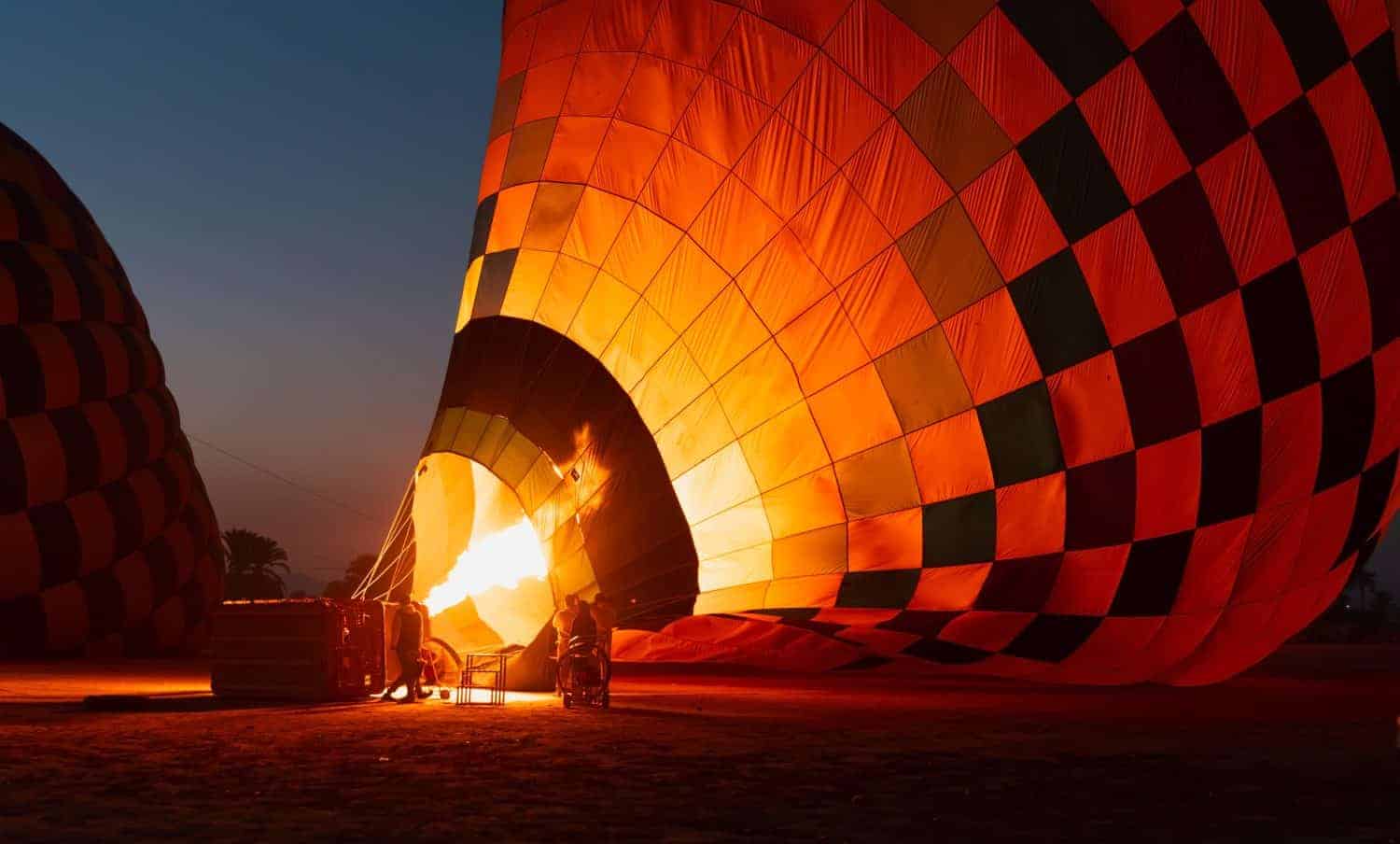
Harrison’s Arkansas Hot Air Balloon State Championship turns the sky into one of the state’s most colorful attractions. The annual event began in the 1990s and typically combines competitive balloon flights with family activities such as a balloon glow, vendors, music, and tethered experiences when weather allows. Because balloons depend heavily on wind and visibility, schedules can shift or individual launches may be canceled with little notice. That uncertainty is part of the adventure, but it also means families should check the official event calendar before making a long drive. Arriving early provides the best chance of seeing balloons lift off, while the evening glow offers a dramatic view without needing to leave the ground.
California: Cabazon Dinosaurs
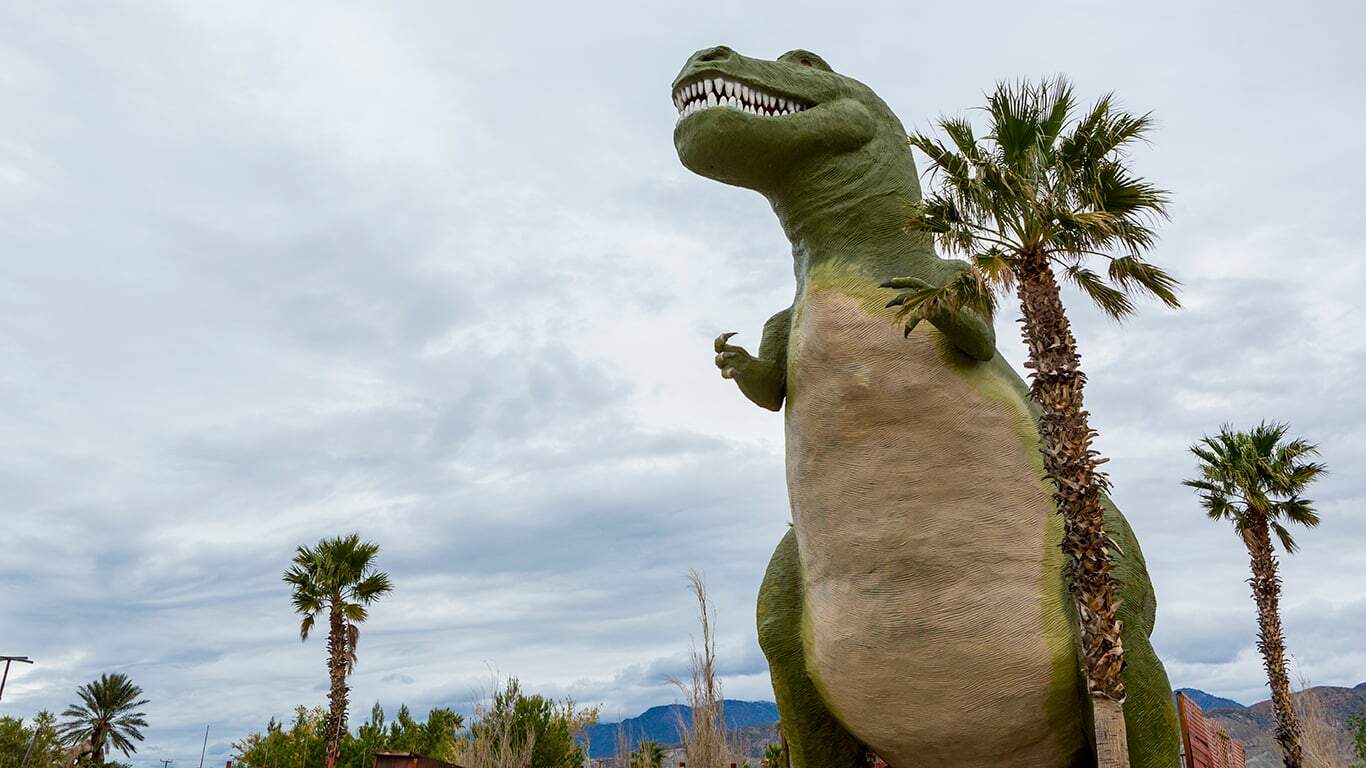
The Cabazon Dinosaurs are exactly the kind of roadside surprise children remember long after a road trip ends. Located beside Interstate 10 near Palm Springs, the attraction is anchored by two enormous concrete dinosaurs named Dinny and Mr. Rex. The sculptures became pop-culture landmarks after appearing in movies, including “Pee-wee’s Big Adventure.” Travelers can photograph the famous dinosaurs from outside, while paid admission provides access to additional dinosaur displays and themed activities. The attraction is playful rather than scientifically rigorous, but that is part of its charm. A quick stop can break up a desert drive, while families with enthusiastic young dinosaur fans may want enough time to explore the larger grounds.
Colorado: Ouray Ice Park
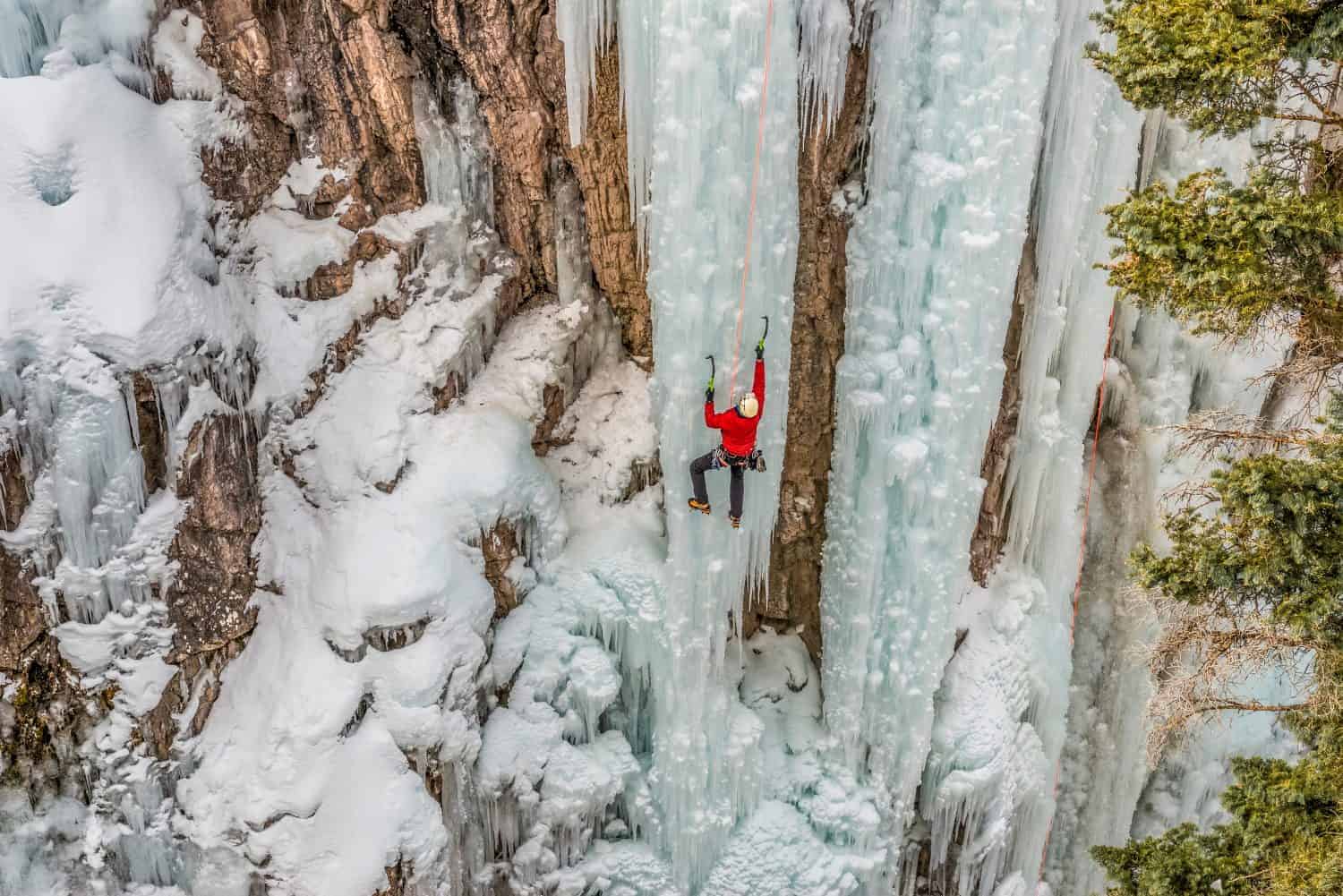
Ouray Ice Park transforms a mountain gorge into a frozen climbing destination each winter. Water is carefully routed over the canyon walls, creating hundreds of ice routes within walking distance of downtown Ouray. The park is famous among climbers, but the towering curtains of ice are impressive even to visitors who remain safely on designated paths and viewing areas. Ice climbing is a technical activity that requires proper equipment, training, and judgment, so beginners should book qualified instruction instead of attempting a route alone. Conditions change with temperature and weather, and the operating season is limited. Families visiting Ouray can combine a look at the park with hot springs, winter scenery, and the town’s compact historic district.
Connecticut: The Glass House
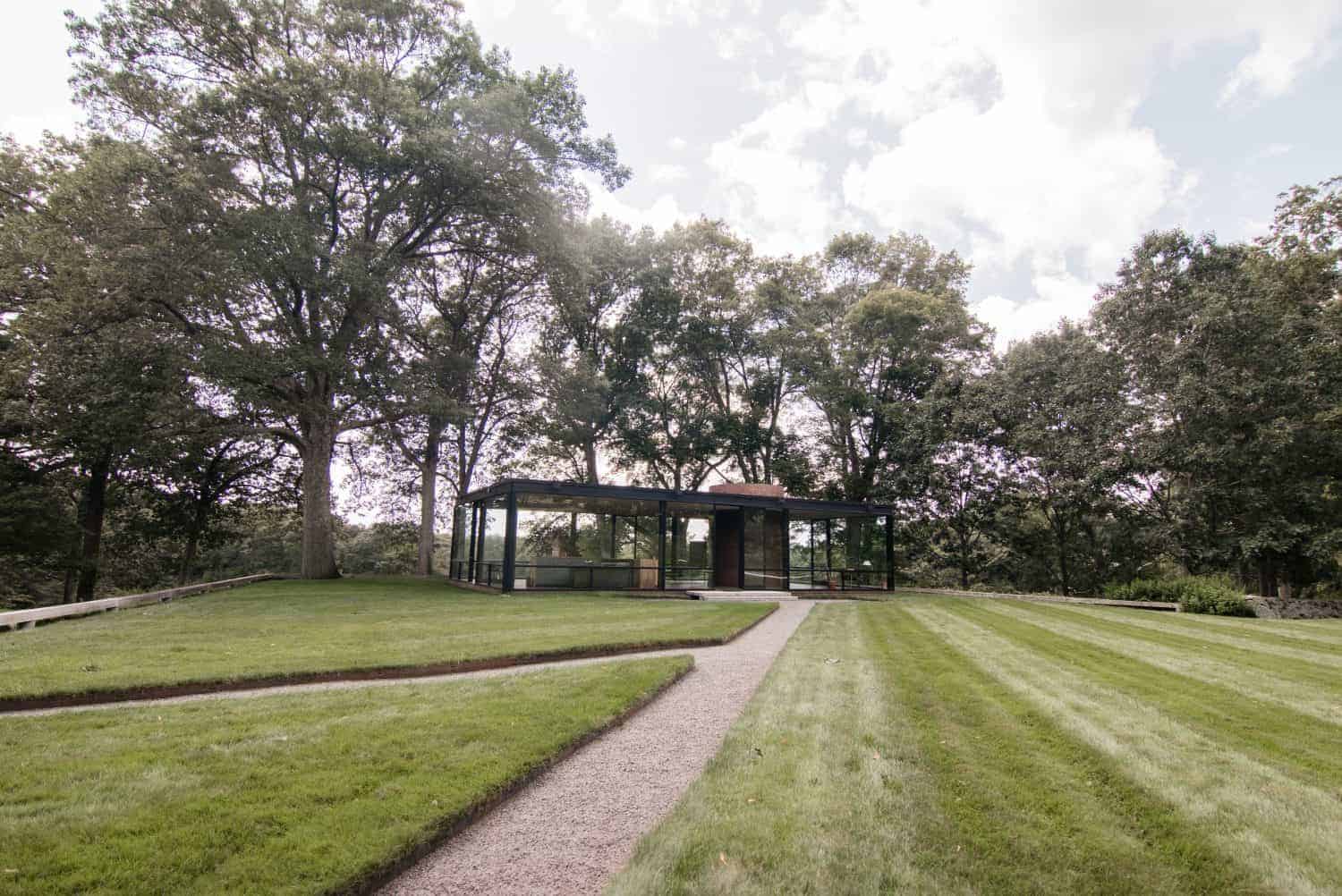
The Glass House in New Canaan is one of America’s most recognizable works of modern residential architecture. Philip Johnson completed the transparent house in 1949, placing it within a landscaped property that now includes multiple structures, galleries, sculpture, and twentieth-century art. Visitors cannot simply wander onto the grounds. Admission is by ticketed tour, and trips begin at the visitor center before guests are transported to the site. That controlled access protects both the architecture and the quiet setting. Children interested in design may enjoy the visual novelty, but the experience is best suited to families comfortable with a guided cultural tour. Advance booking is especially important during popular weekends and exhibition periods.
Delaware: DiscoverSea Shipwreck Museum

DiscoverSea Shipwreck Museum in Fenwick Island turns objects recovered from the ocean into a surprisingly personal history lesson. The independently operated museum opened in 1995 and displays an evolving collection of coins, pottery, navigational pieces, weapons, and everyday objects connected to shipwrecks from the Mid-Atlantic and beyond. Admission has traditionally been free, with donations helping support the collection, although visitors should confirm current hours before arriving. The compact setting makes it easy to add to a beach trip, and children who enjoy treasure stories may be fascinated by objects that spent decades or centuries underwater. It is less about dramatic recreations than seeing real artifacts that survived extraordinary journeys.
Florida: Medieval Torture Museum
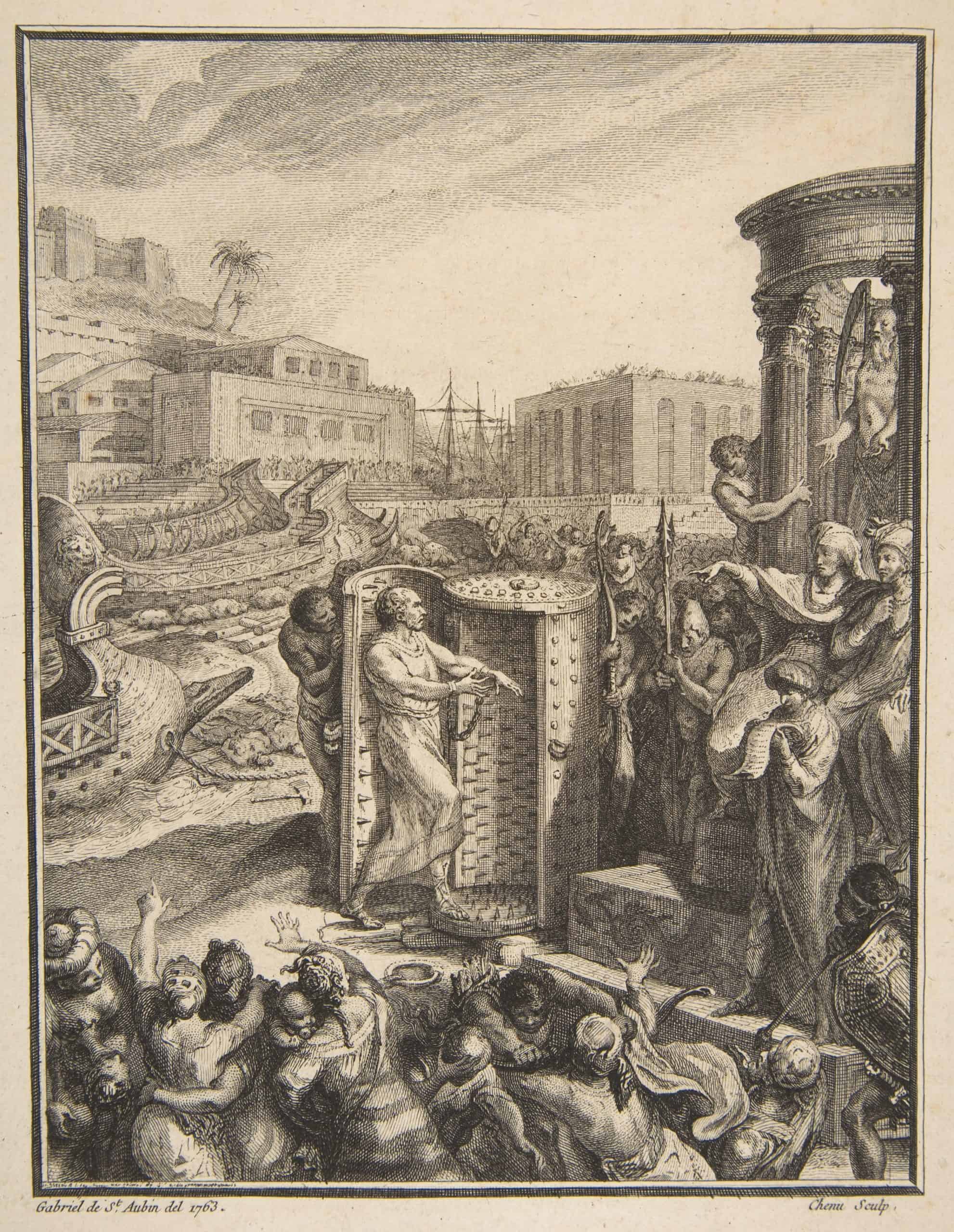
St. Augustine’s Medieval Torture Museum offers a much darker experience than the city’s usual beaches and colonial landmarks. The interactive attraction uses displays, reconstructed devices, and staged scenes to examine punishments associated with medieval and early modern history. Although it is marketed as an educational museum, portions are graphic and intentionally unsettling, so it may not be appropriate for young children or sensitive visitors. Families with older teens who enjoy unusual history may find it memorable, but adults should review the attraction before buying tickets. The museum is in St. Augustine’s walkable historic district, making it easy to pair with lighter stops afterward. Check current hours and ticket options in advance.
Georgia: Pasaquan

Pasaquan, near Buena Vista, looks less like a conventional museum and more like a brightly colored world invented by one person. Folk artist Eddie Owens Martin, who called himself St. EOM, transformed the rural property into a seven-acre visionary art environment filled with painted walls, faces, symbols, walkways, and sculptural forms. Columbus State University now oversees the site and works to preserve and interpret it. Pasaquan is generally open only on selected days, with seasonal closures and special events affecting access, so families should confirm the calendar before making the trip. The vivid colors and unusual shapes make it engaging for children, while adults may appreciate the complicated story behind Martin’s intensely personal creation.
Hawaii: Waikanaloa Wet Cave
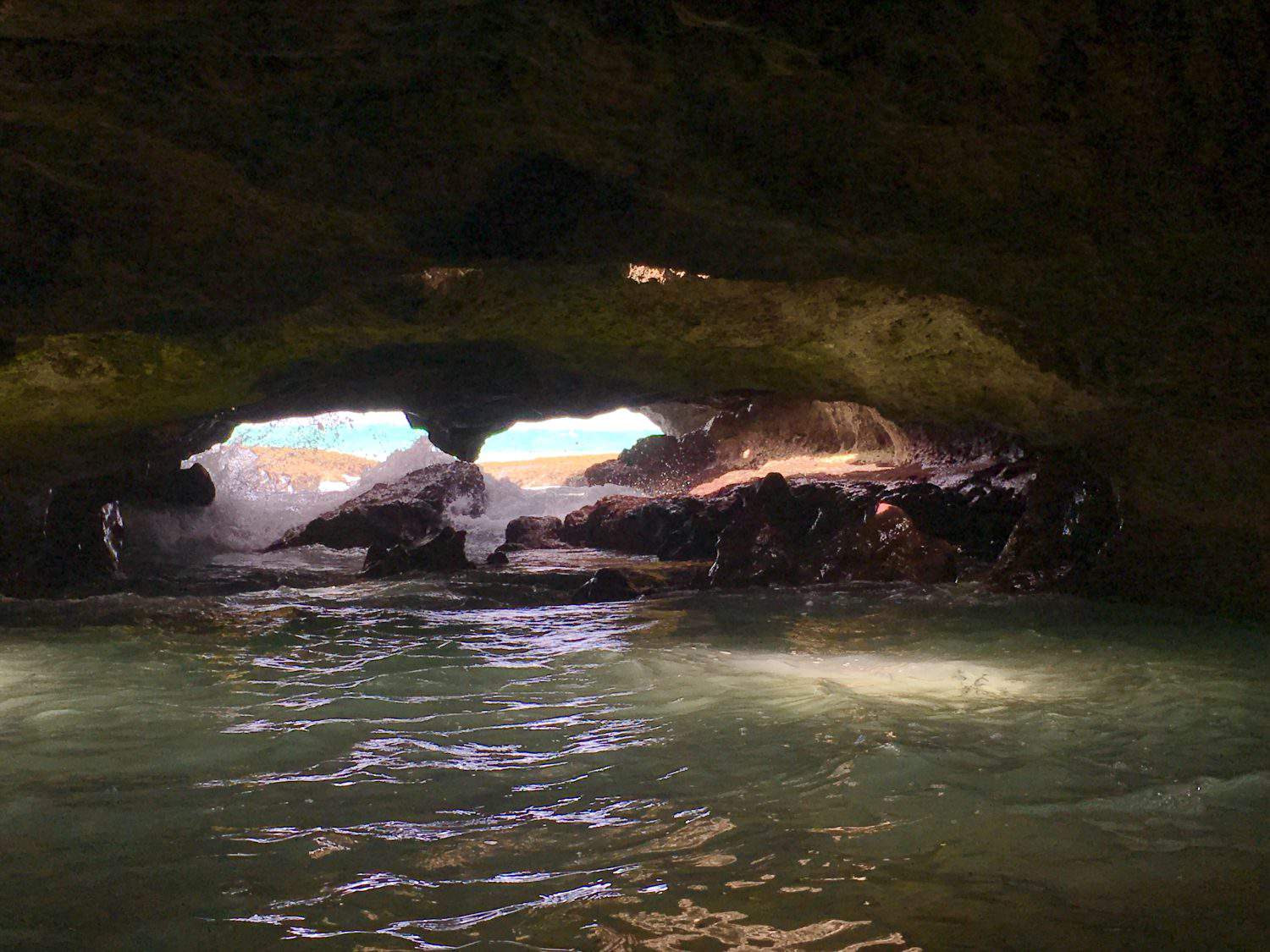
On Kauai’s north shore, Waikanaloa Wet Cave offers an eerie glimpse into the island’s volcanic and coastal geology. The water-filled cave sits near the road in the Hāʻena area, where ancient seas carved openings into the rock when ocean levels were higher. A nearby cave, Waikapalae, contains the chamber often called the Blue Room, but access rules and safety conditions have changed over time. Visitors should not swim into caves, cross barriers, or enter closed areas. Hāʻena State Park also uses advance reservations and daily visitor limits. The safest family experience is to admire the accessible cave from outside, respect signs and culturally significant spaces, and check official park guidance before traveling to the end of the highway.
Idaho: Independence Point
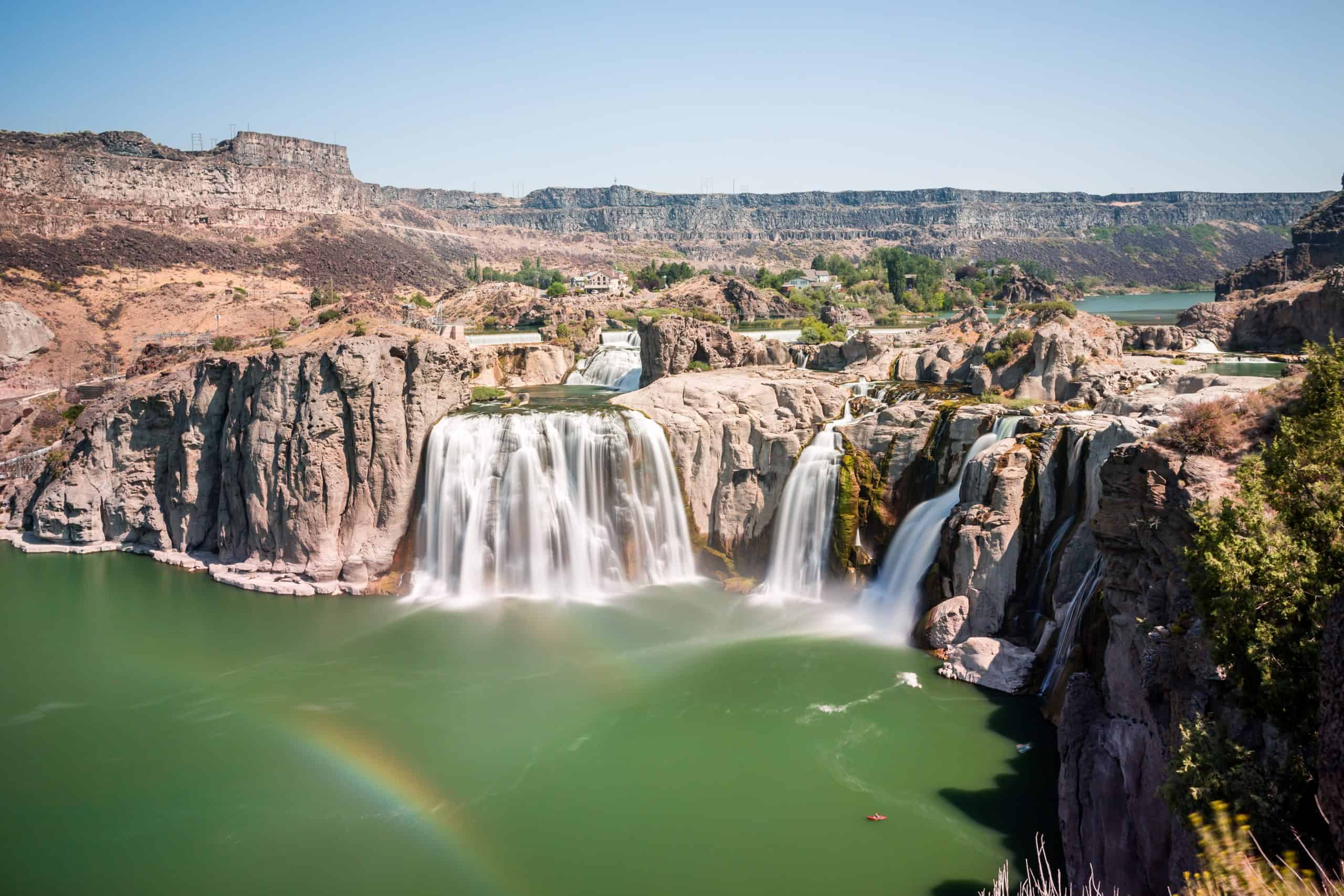
Independence Point in downtown Coeur d’Alene is more peaceful than strange, but its lakefront setting and unexpected Statue of Liberty replica make it a memorable stop. The park connects with City Park and includes a beach, swimming area, benches, water features, and views across Lake Coeur d’Alene. Families can watch seaplanes and tour boats, walk along the waterfront, or use the stop as a starting point for exploring downtown. The statue is not the full-size New York monument, so expectations should stay realistic, but it adds a playful patriotic detail to the scenery. Summer parking and beach areas can become busy, and swimming conditions vary, so visitors should follow posted rules and supervise children closely near the water.
Illinois: Kaskaskia Dragon
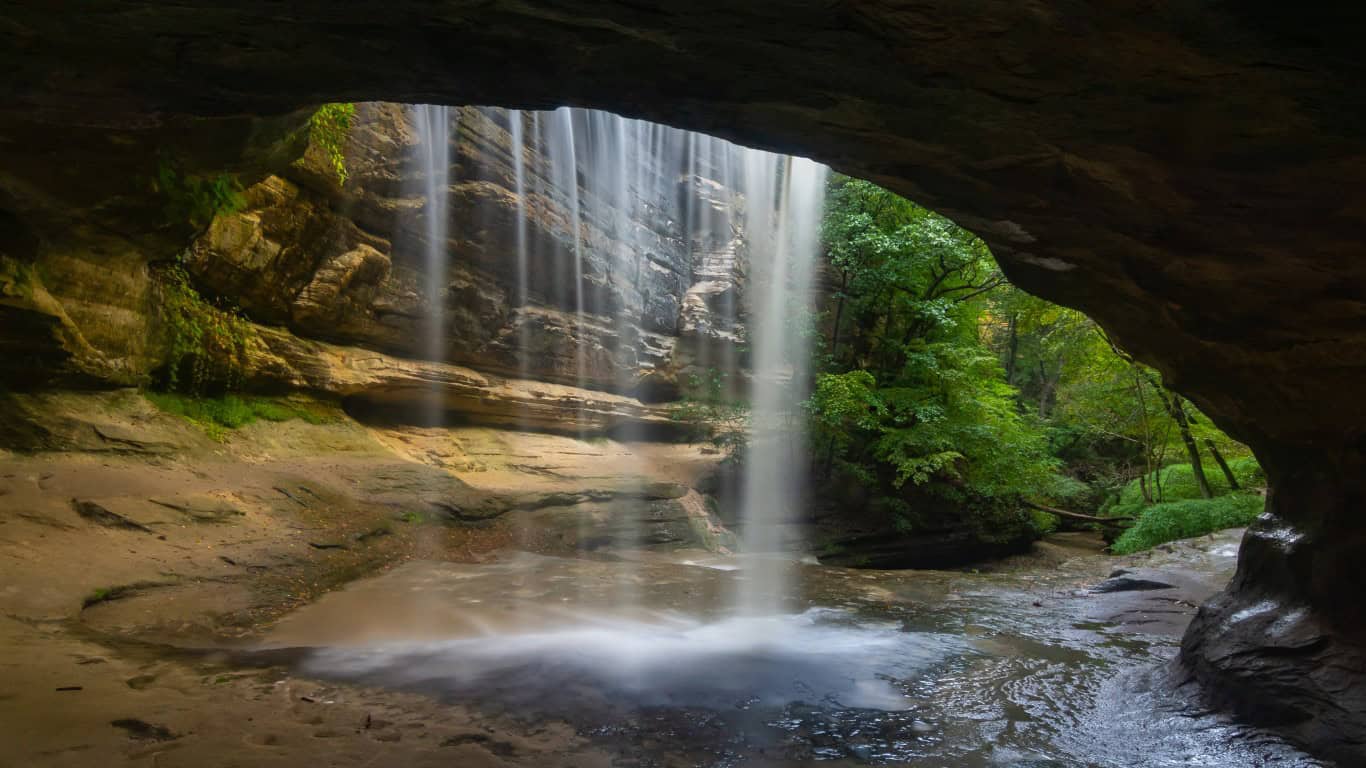
The Kaskaskia Dragon near Vandalia is a roadside attraction with one unforgettable trick: it breathes real fire. The roughly 35-foot metal dragon has glowing eyes and uses propane to send a short burst of flame from its mouth after visitors purchase and insert a special token. It is wonderfully unnecessary, which is exactly why families remember it. The dragon stands near an RV park rather than inside a large theme park, so the visit may take only a few minutes unless you stop for photos. Children should remain well behind the marked viewing area, and adults should operate the token mechanism. Availability can depend on maintenance and weather, making it smart to confirm the dragon is working before planning a major detour.
Indiana: World's Largest Ball of Paint
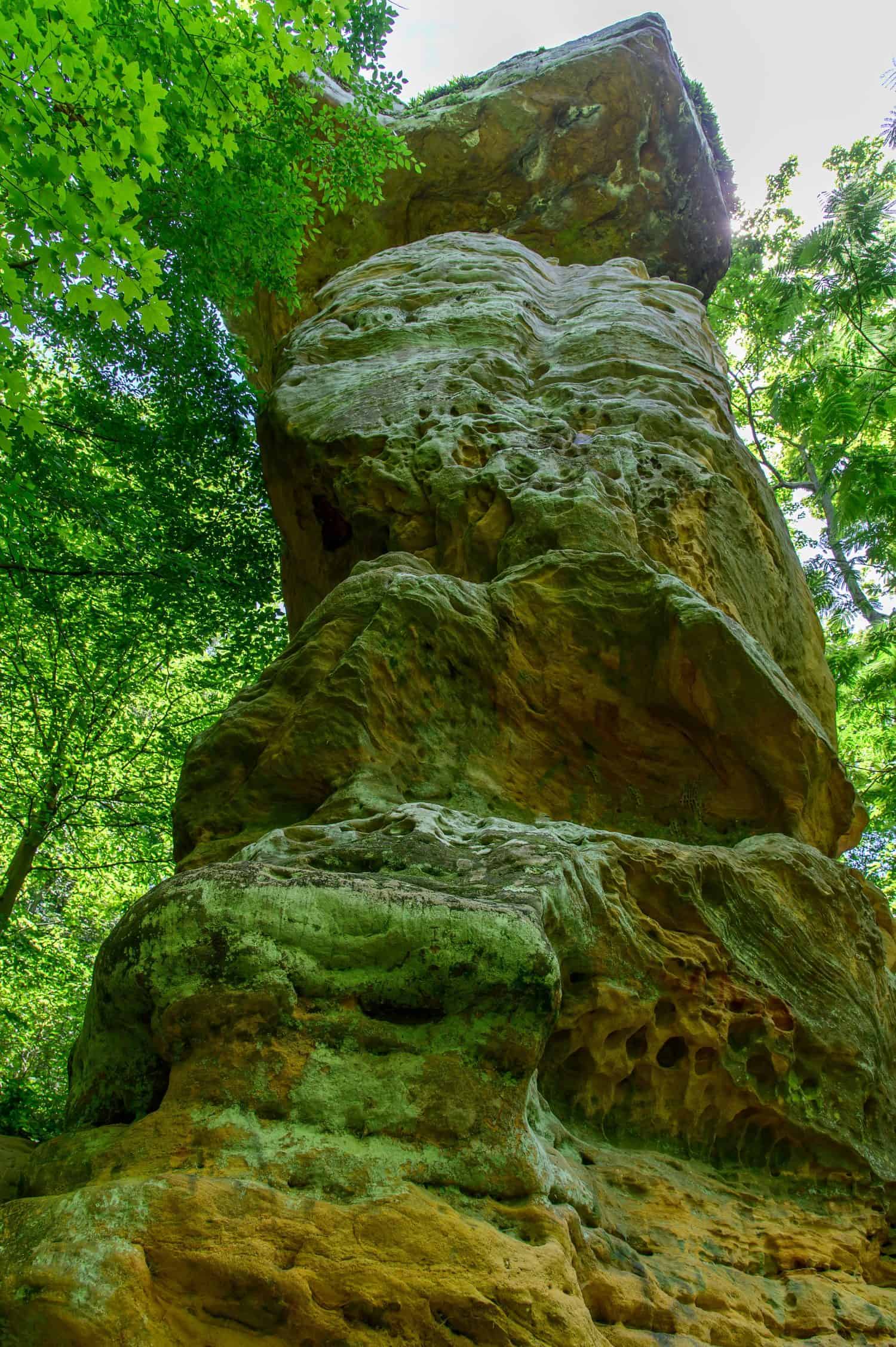
The World’s Largest Ball of Paint in Alexandria began in 1977 when a baseball received its first coat. Decades and thousands of layers later, the project has become an enormous, record-holding sphere maintained by the Carmichael family. This is more than a look-and-leave roadside stop. Visitors may be able to add a layer of paint themselves and become part of the attraction’s continuing history. Because the ball is located on private property and visits are generally arranged in advance, families should call or email before arriving. Children who love messy crafts will appreciate the idea, although the actual painting is carefully supervised. The result is a strangely wholesome monument to patience, repetition, and one family refusing to let a simple project end.
Iowa: Matchstick Marvels
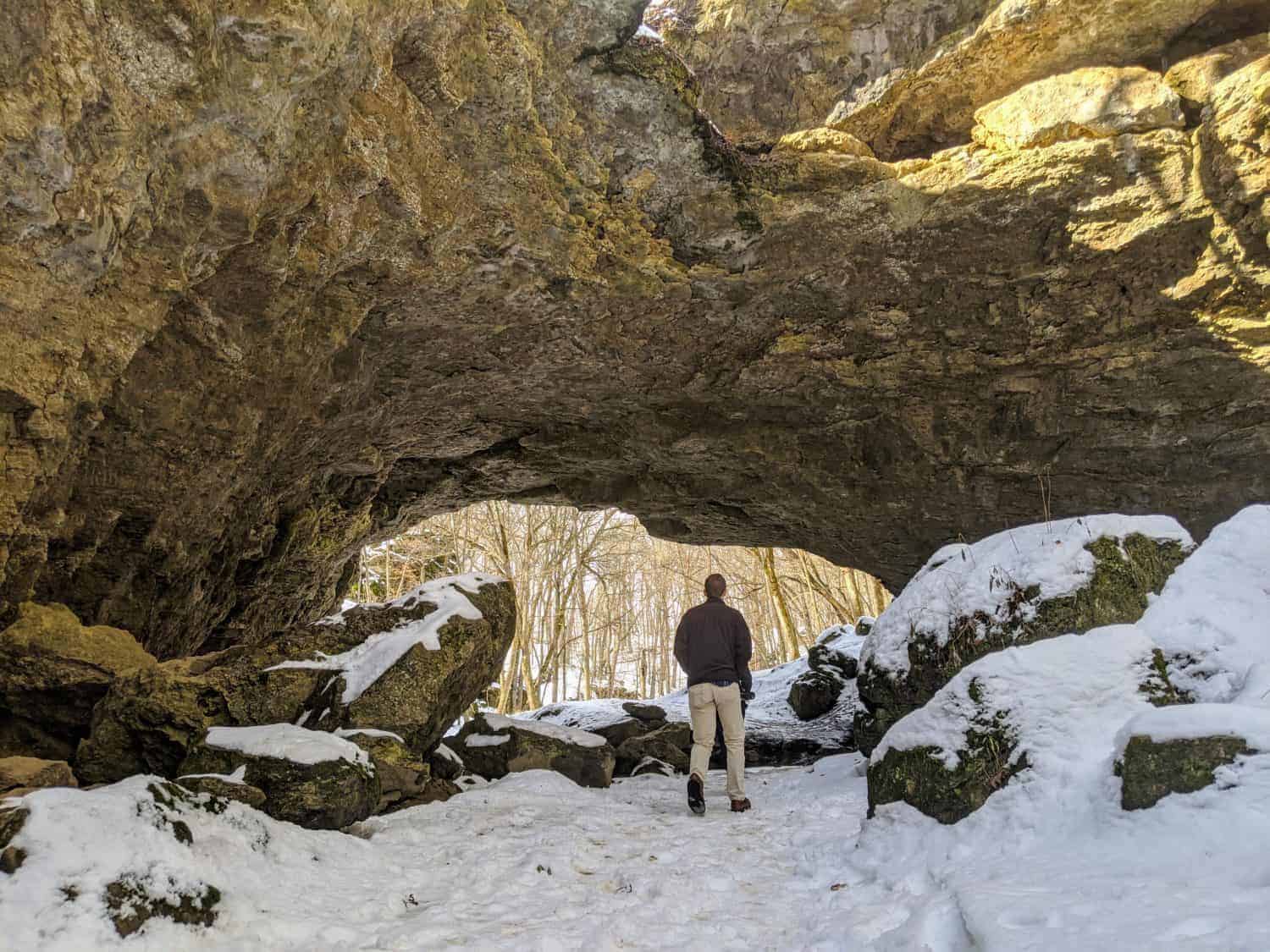
Matchstick Marvels in Gladbrook turns one of the smallest craft materials into models that can fill an entire room. Artist Pat Acton has spent decades constructing elaborate buildings, machines, spacecraft, and fantasy creations from wooden matchsticks placed one at a time. The museum displays a changing selection of his work along with plans, tools, and information about the building process. Some models contain hundreds of thousands of sticks and required years of labor. The attraction operates seasonally, with limited holiday hours, so families should check the calendar before visiting. Children who enjoy LEGO sets, model building, or crafts may leave inspired, while adults will likely wonder how anyone had the patience to finish them.
Kansas: Mushroom Rock State Park
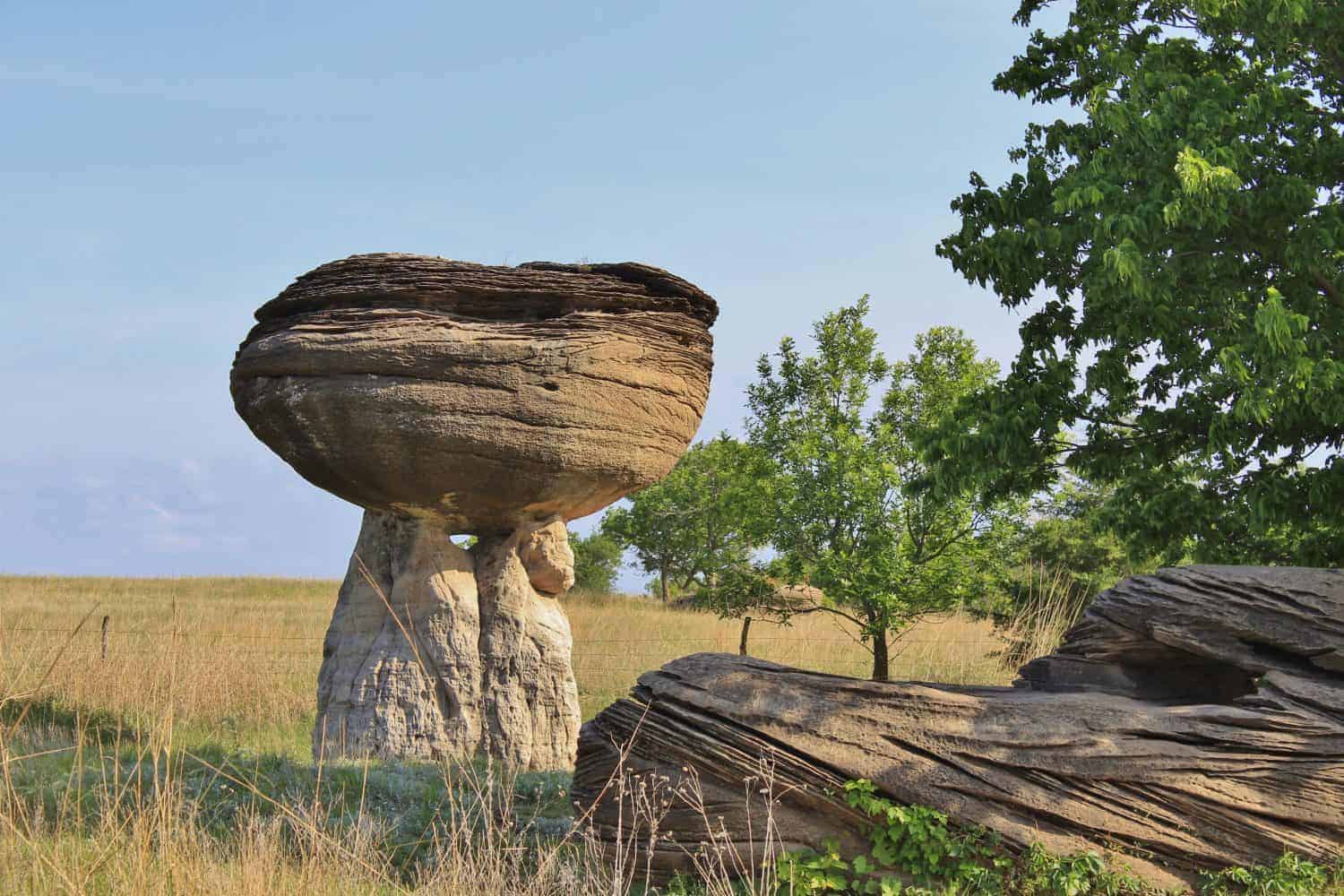
Mushroom Rock State Park proves that Kansas scenery can be much stranger than flat farmland. The tiny state park protects sandstone formations shaped like giant mushrooms, tables, and other improbable objects. Softer rock eroded more quickly than harder, naturally cemented layers, leaving broad caps balanced above narrower stems. The park is small enough for a brief family stop, and there is no lake or campground on the property. Visitors should avoid climbing on fragile formations or carving names into the stone, since damage cannot be undone. For children, the rocks invite comparisons to giant furniture or storybook scenery. For adults, they offer an unusually visible lesson in erosion.
Kentucky: Copperas Falls
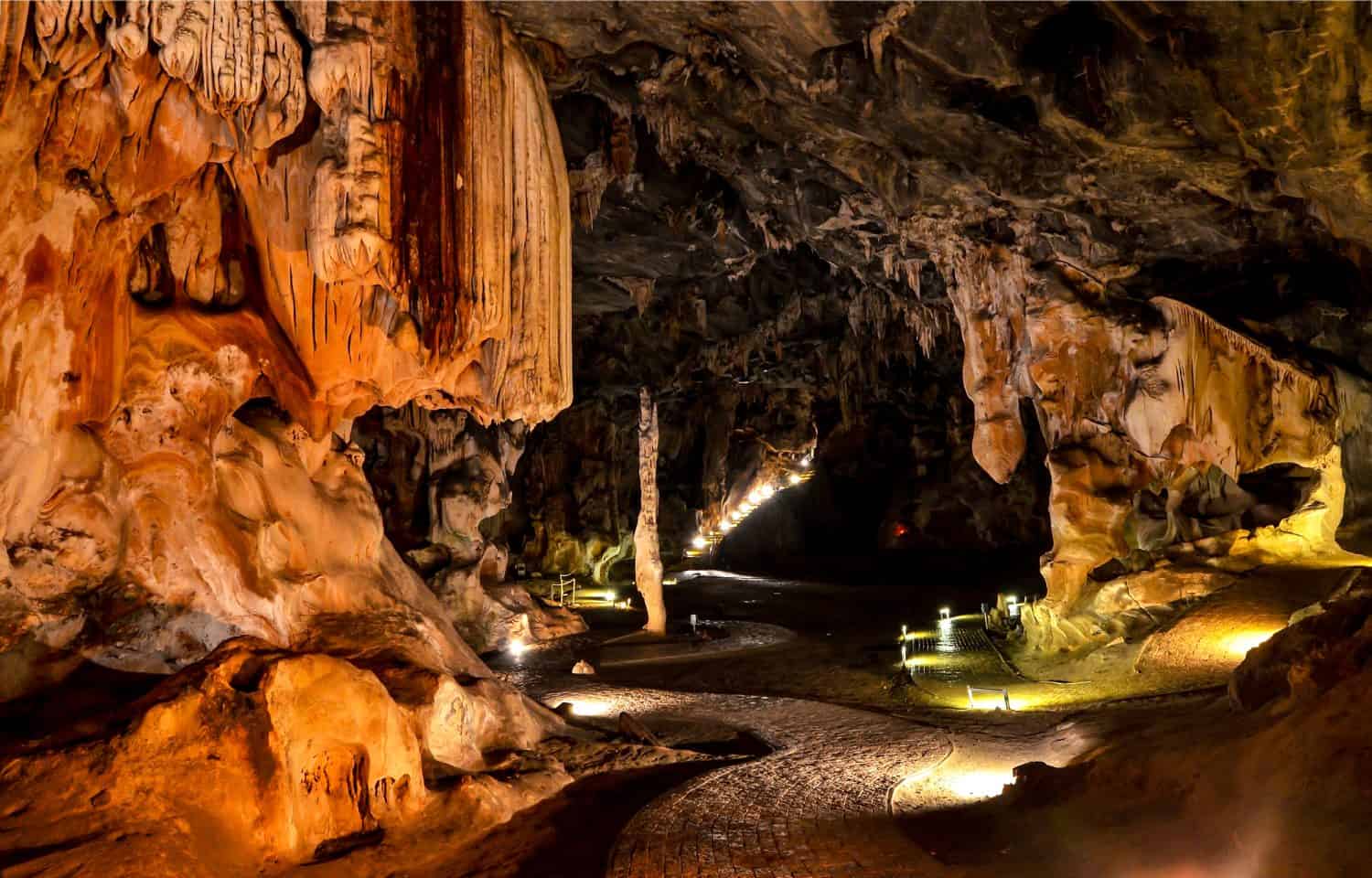
Copperas Falls in the Red River Gorge area rewards hikers with a secluded cascade framed by sandstone cliffs and forest. The route is not a polished boardwalk attraction. It follows an unofficial path through the Clifty Wilderness, includes creek crossings, and can become muddy, slick, or difficult to follow after storms. Water flow also changes with recent rainfall, so the falls may look dramatically different from one visit to the next. Families should use reliable maps, wear sturdy footwear, and avoid the hike with very young children or during high water. Visitors who want an easier outing can choose one of the gorge’s marked arch trails instead. For prepared hikers, however, the quiet approach and hidden waterfall feel like a genuine discovery.
Louisiana: Fort Proctor
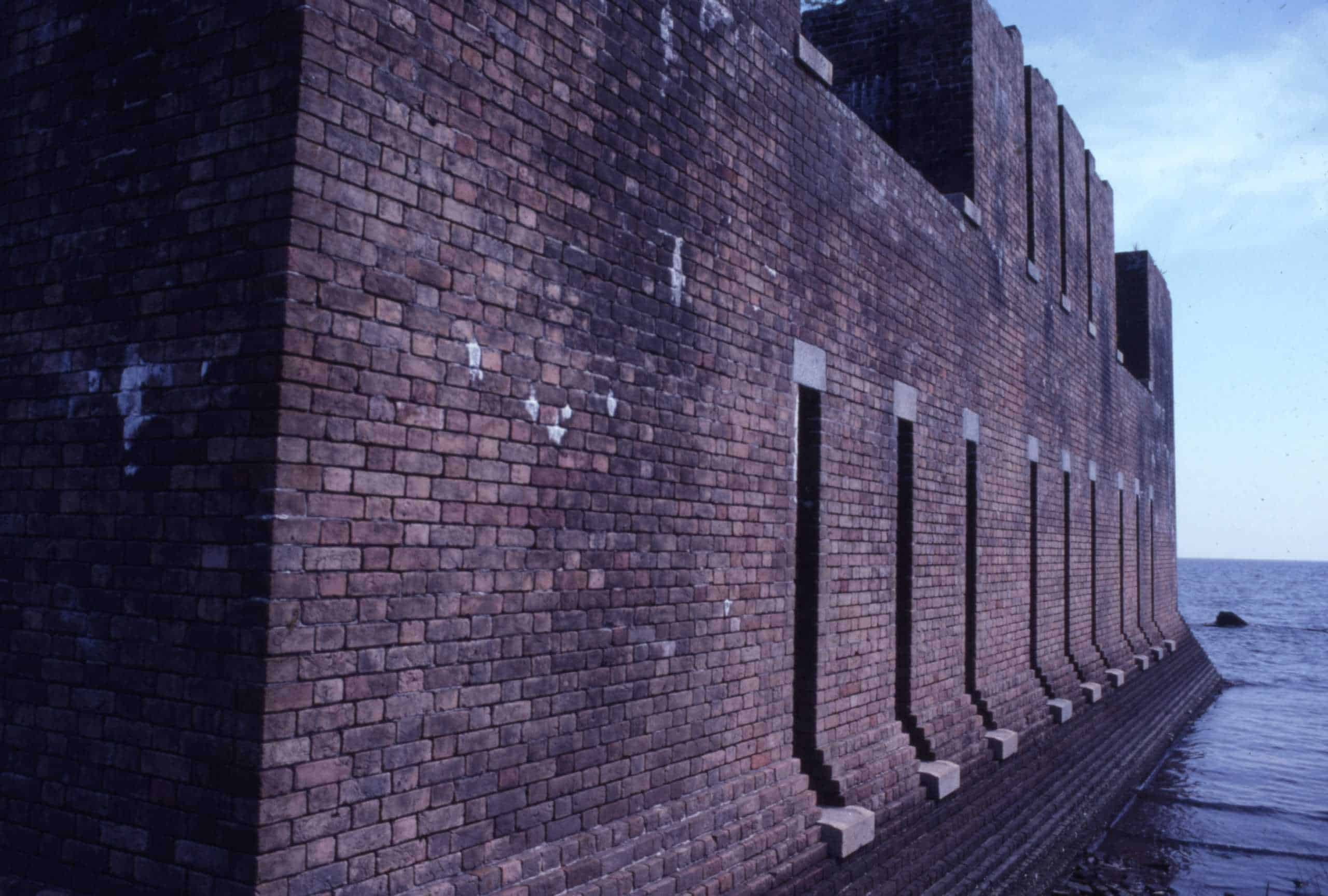
Fort Proctor rises from the shallow waters of Lake Borgne like the remains of a building that should not be there. Construction began in the 1850s as part of the defenses protecting approaches to New Orleans, but hurricane damage and the Civil War kept the fort from serving its intended role. Changes to the surrounding waterways later eliminated land access, leaving the ruins isolated offshore near Shell Beach. Visitors should view the fort only from a responsible boat trip or shoreline vantage point. Entering the unstable structure can be dangerous, and there are no public facilities at the site. Its appeal comes from the view itself: weathered masonry surrounded by water, slowly being reclaimed by the coast it was built to defend.
Maine: Seapoint Beach
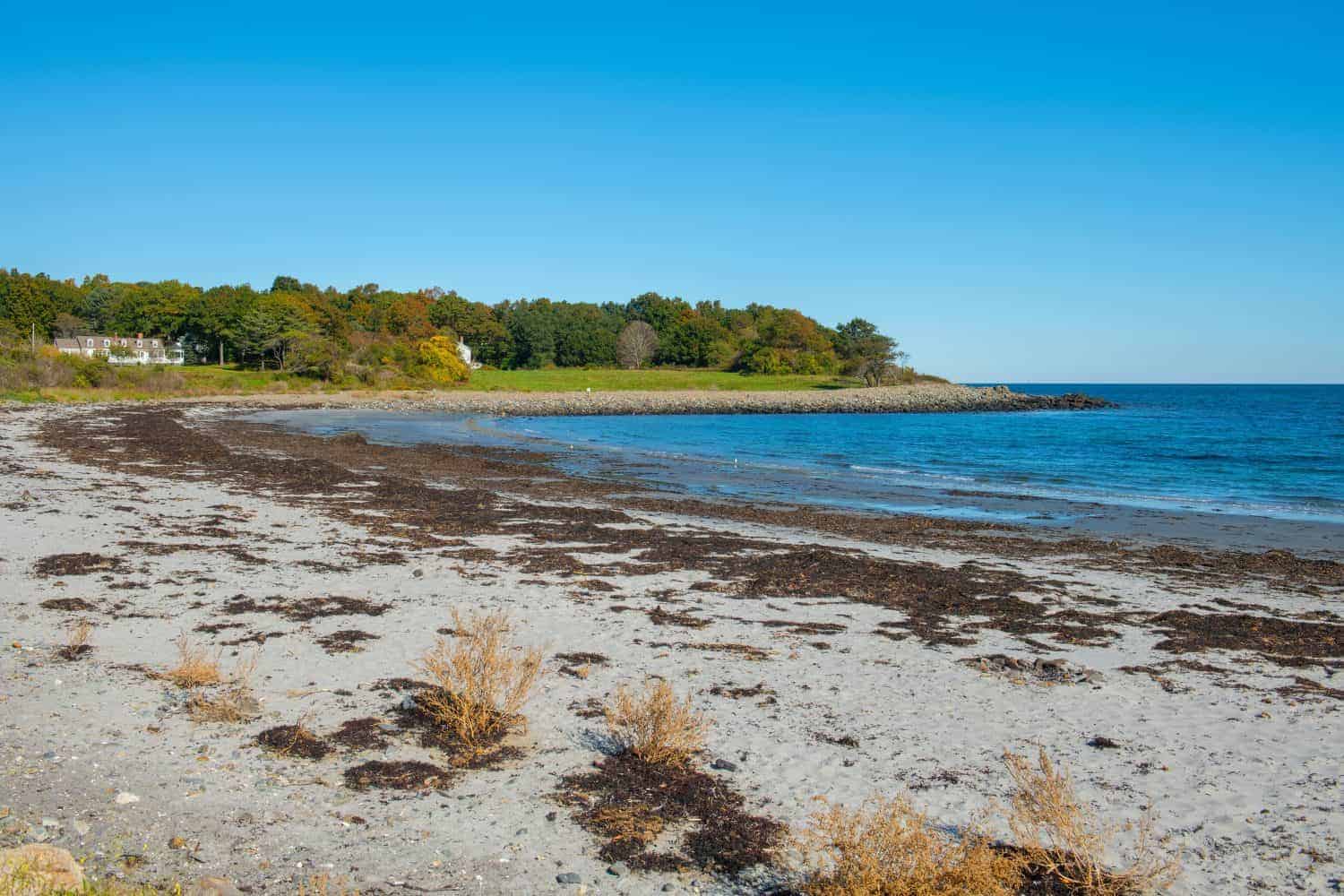
Seapoint Beach in Kittery offers a quieter coastal experience than Maine’s larger resort beaches. The shoreline mixes sand, rocks, seaweed, tide pools, and broad views toward the Atlantic, making it a good place for a slow walk or a family search for shells and marine life. It is not always the gentle, empty beach described in travel brochures. Tides, waves, insects, seaweed, parking limits, and seasonal dog rules can all change the experience. Kittery residents may receive priority under local beach and parking policies, so visitors should review town regulations before going. Children need close supervision around slippery rocks and cold water. With the right timing, Seapoint feels less like an attraction and more like a small piece of working Maine coast.
Maryland: Assateague Island

Assateague Island is famous for horses that roam beaches, marshes, and maritime forest, but visitors should remember that these are wild animals, not a petting-zoo herd. The Maryland horses are managed by the National Park Service as a separate population from the herd on the Virginia side of the island. Families can camp, hike, paddle, and enjoy the beach while watching horses from a safe distance. Food must be secured because a horse that learns to approach people can become dangerous to visitors and itself. Never feed, touch, surround, or block the animals. Weather, insects, and storm conditions can be intense on the barrier island, so checking park alerts and packing for wind, sun, and mosquitoes will make the trip far more enjoyable.
Massachusetts: The Paper House
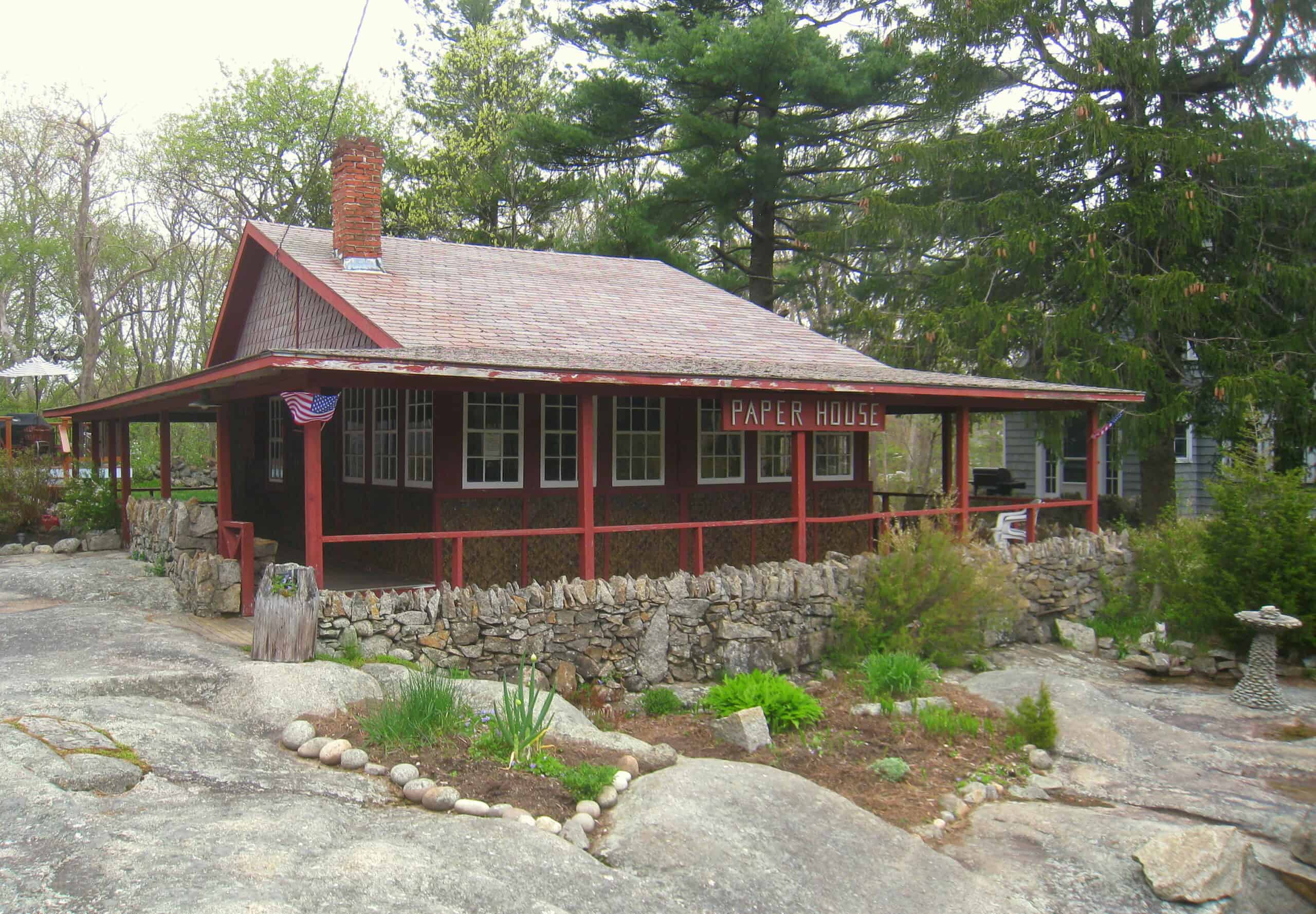
Rockport’s Paper House looks like a typical cottage until visitors realize that much of its walls and furniture was built from newspaper. Mechanical engineer Elis F. Stenman began the project in 1922, using layered and varnished papers around a wooden frame. He later created paper furniture, including chairs, tables, and a clock, from tightly rolled pages. The roof and floor are conventional materials, so the building is not literally made from paper alone, but the surviving craftsmanship is remarkable. The small museum is privately operated and generally follows a seasonal schedule. Families should check hours before visiting and remind children not to handle fragile surfaces. Reading old headlines hidden in the walls can be almost as entertaining as the house.
Michigan: Arch Rock
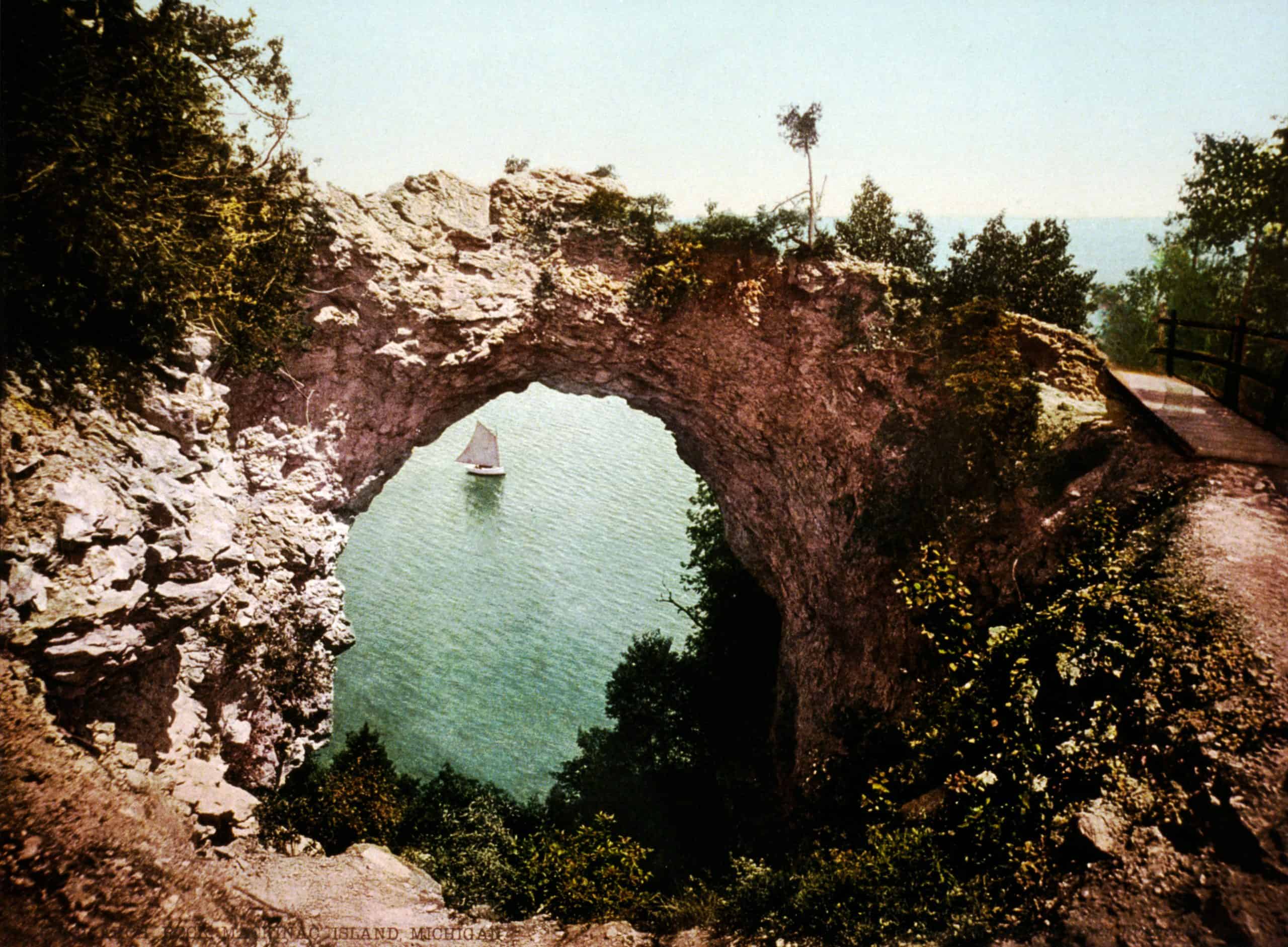
Arch Rock rises above the Lake Huron shoreline on Mackinac Island, creating a natural limestone window with sweeping views of the water. The formation stands about 146 feet above the lake and developed through erosion of ancient rock shaped by changing Great Lakes water levels and weather. Visitors can reach overlooks by foot, bicycle, carriage, or roads within Mackinac Island State Park, but the arch itself should never be climbed. The island does not allow ordinary private automobiles, which makes the journey feel different before the landmark appears. Families should expect hills and crowds during peak summer days. Visiting early or later in the afternoon can make it easier to appreciate why this rare formation became one of Michigan’s most photographed sights.
Minnesota: Orfield Laboratories' Anechoic Chamber
Orfield Laboratories in Minneapolis contains an anechoic chamber recognized by Guinness World Records for an extraordinarily low background sound level. The room absorbs reflections and blocks outside noise so effectively that visitors may notice their heartbeat, breathing, stomach, and other normally hidden body sounds. This is a working research facility rather than a walk-in museum, and public experiences require advance reservations. Standard tours may include only a limited session inside the chamber, while longer private visits follow separate rules. The intense silence can feel disorienting, so it may not suit young children or anyone uncomfortable in enclosed spaces. For curious kids and adults, it offers a lesson in how much sound surrounds us every day.
Mississippi: Ship Island
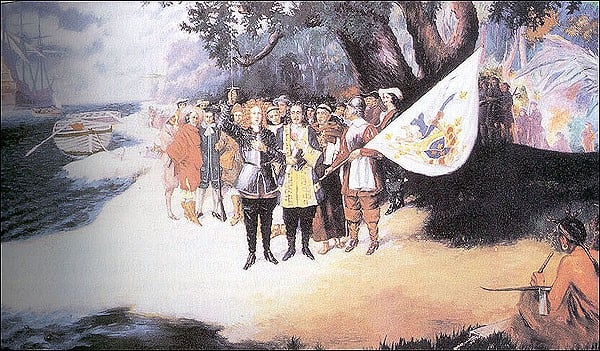
Ship Island sits roughly 12 miles off the Mississippi coast and combines Gulf beaches with one of the state’s most unusual historic sites. The barrier island is part of Gulf Islands National Seashore and can be reached only by private boat or seasonal passenger ferry. Once ashore, visitors can swim, watch birds, walk the beach, and explore Fort Massachusetts, a nineteenth-century fortification built from brick. Facilities are limited compared with a mainland beach, cell service can be weak, and weather may cancel ferry trips. Families should bring sun protection, water, and everything needed for the day while following National Park Service rules. The boat ride, open shoreline, and isolated fort make the outing feel much farther from Gulfport than it really is.
Missouri: Missouri State Penitentiary
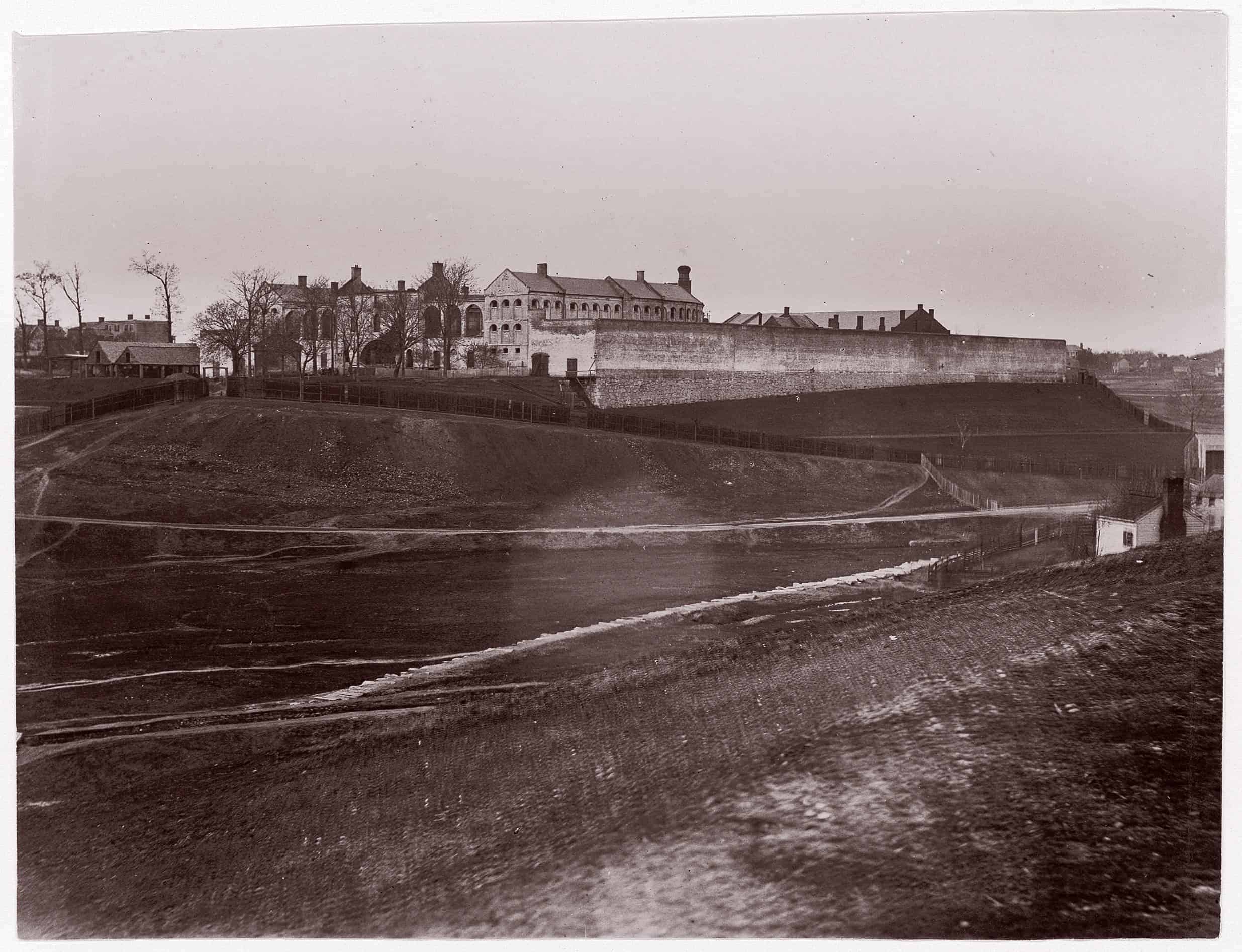
Missouri State Penitentiary in Jefferson City operated from 1836 until 2004, leaving behind cellblocks, stone walls, guard towers, and stories spanning nearly two centuries. Today, visitors can enter only through organized history, photography, or paranormal tours. The experience focuses on prison conditions, notable inmates, escapes, punishment, and the facility’s role in state history. Some stories and spaces may be frightening or unsuitable for younger children, so parents should choose an age-appropriate tour. Tours are generally seasonal and require tickets, with stairs, uneven surfaces, and limited climate control in parts of the complex. It is a sobering attraction, but also a powerful way to see how American prisons changed over time.
Montana: American Computer & Robotics Museum
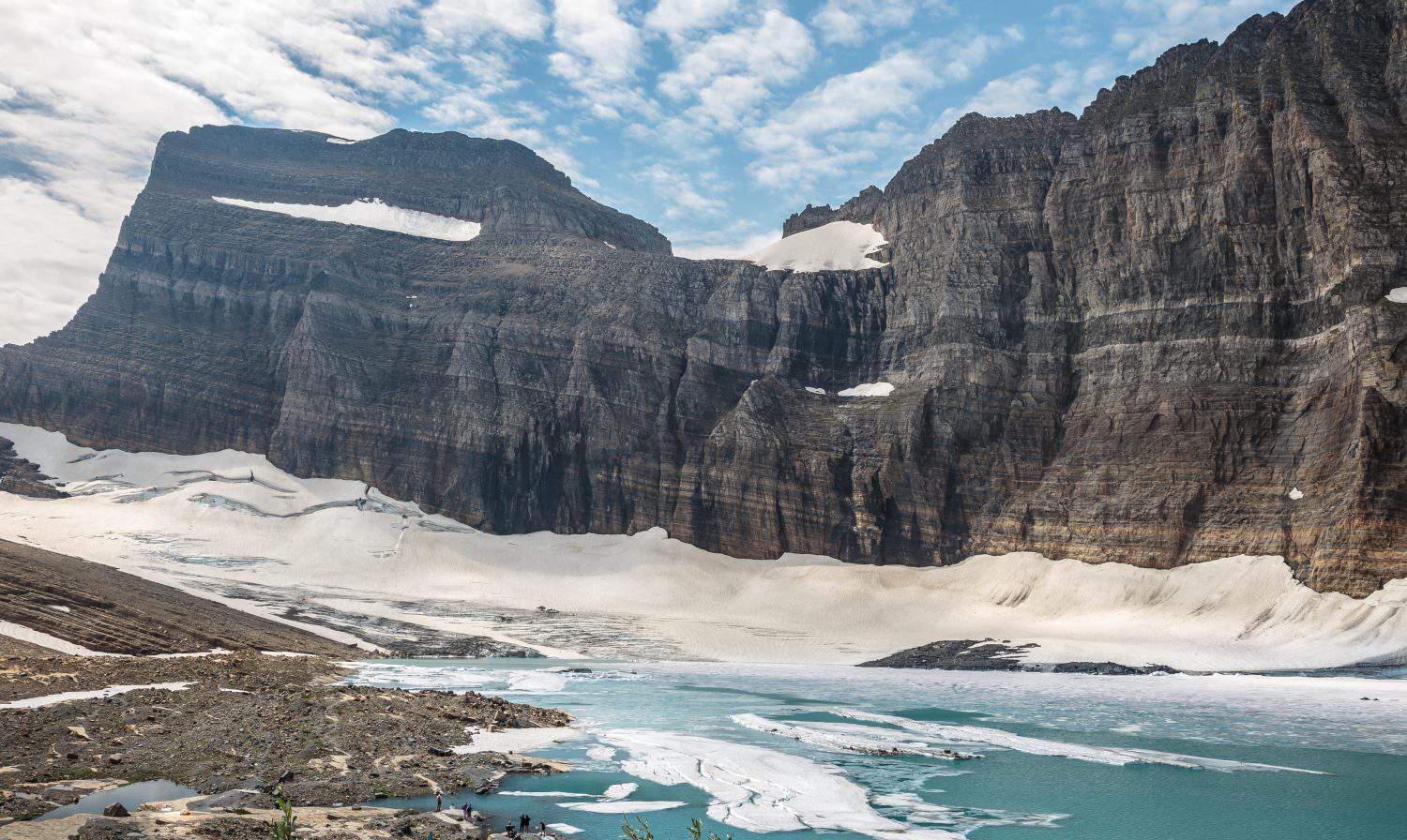
The American Computer & Robotics Museum in Bozeman traces information technology across thousands of years rather than beginning with the first home computer. Exhibits connect early writing and calculating devices with codebreaking, space exploration, personal computers, artificial intelligence, and robotics. Founded in 1990, the museum describes itself as the oldest continually operating institution of its kind. Its compact size makes it manageable for families, while original artifacts and clear stories give adults plenty to examine. Children who think computer history began with smartphones may be surprised by the mechanical machines and room-sized systems that came first. Hours and special exhibits can change, so check the current schedule before visiting.
Nebraska: The Lincoln Highway
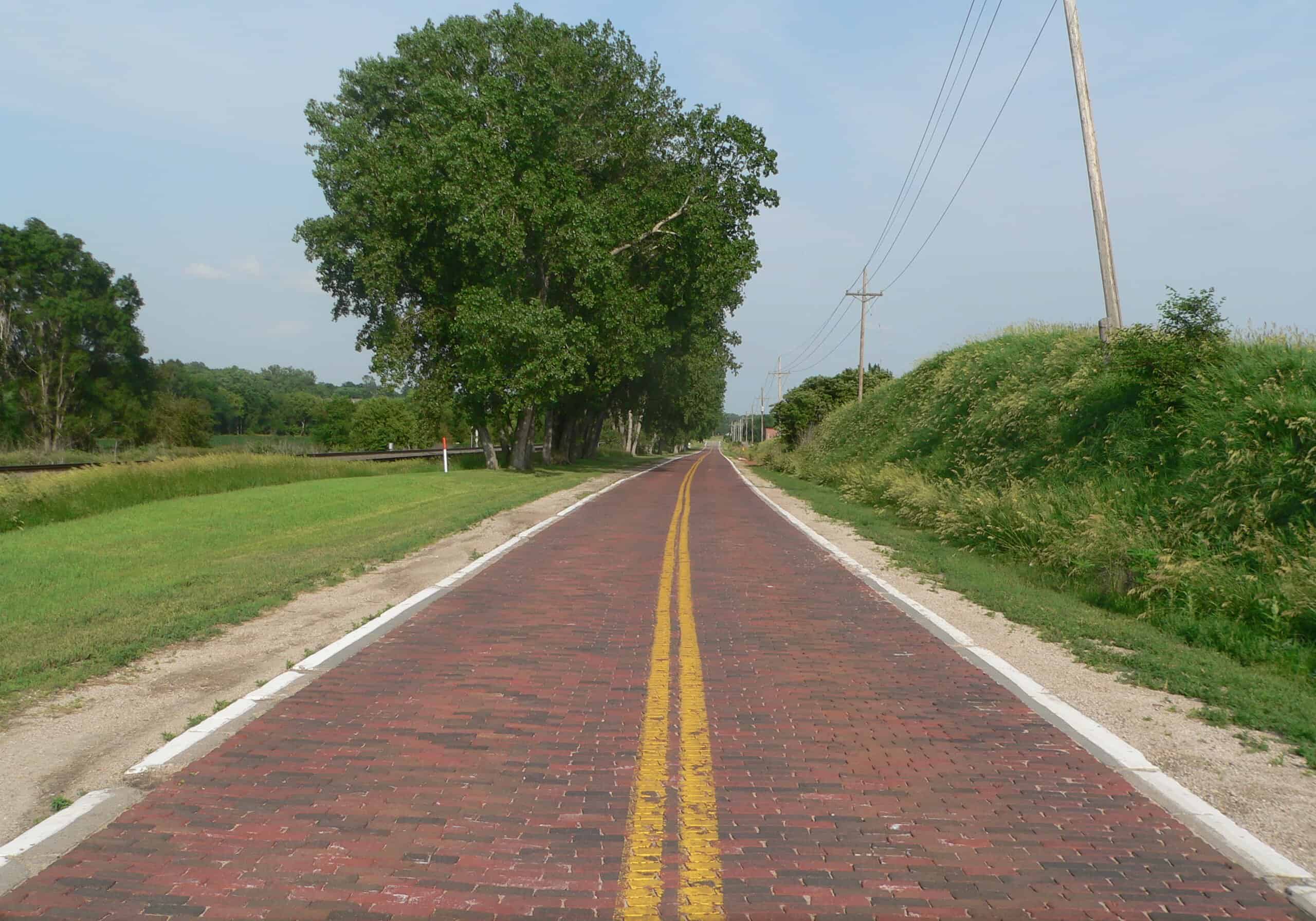
Driving a surviving stretch of the Lincoln Highway in Nebraska offers a road trip through the early age of American automobile travel. Dedicated in 1913, the route is commonly described as the nation’s first transcontinental highway, linking existing roads into a promoted path between New York and San Francisco. Much of the original route was later absorbed into modern highways, but Nebraska still has historic alignments, markers, brick sections, roadside buildings, and towns connected to the road’s story. There is no single entrance or attraction, so families should plan a specific segment before leaving. The fun comes from comparing old motels, service stations, and two-lane roads with the high-speed interstate system that eventually replaced them.
Nevada: Atomic Museum

Las Vegas is known for neon and casinos, but the Atomic Museum examines the complicated history of nuclear weapons testing in Nevada. The museum documents work at the former Nevada Test Site through artifacts, films, scientific equipment, personal accounts, and exhibits about Cold War culture. It does not treat atomic history as simple entertainment. Displays address technology, national security, public fascination, radiation, and the consequences experienced by workers and surrounding communities. Some topics may require explanation for younger visitors, but older children interested in science or history can find plenty to discuss. The museum is separate from the restricted test site, so visitors should not assume a ticket includes a trip into the desert.
New Hampshire: American Classic Arcade Museum

The American Classic Arcade Museum occupies the upper floor of Funspot in Laconia and preserves hundreds of coin-operated games from the golden age of arcades. Visitors can do more than look at cabinets behind ropes. Many machines are playable, allowing parents to introduce children to Pac-Man, Donkey Kong, pinball, and games that once required a pocket full of tokens. The nonprofit museum also documents the history, artwork, controls, and engineering of early arcade entertainment. Game availability can change when machines require repair, and the museum follows Funspot’s schedule. Families should budget time carefully because a planned one-hour stop can disappear quickly once everyone finds a favorite. It is equal parts museum and multigenerational nostalgia.
New Jersey: Martinka & Company

Martinka & Company has roots stretching to 1877 and is often described as America’s longest-running magic business. The company supplied props, illusions, and collectibles to generations of performers, and its history is connected with Harry Houdini and the early Society of American Magicians. Its New Jersey operation is not a large theme-park attraction with daily demonstrations, so families should contact the company before planning a visit and confirm whether showroom access, events, or appointments are available. Even when an in-person stop is limited, the story offers a fascinating glimpse behind stage magic, where handcrafted mechanisms and careful misdirection created effects long before digital editing. Aspiring young magicians may leave eager to practice.
New Mexico: Blue Hole
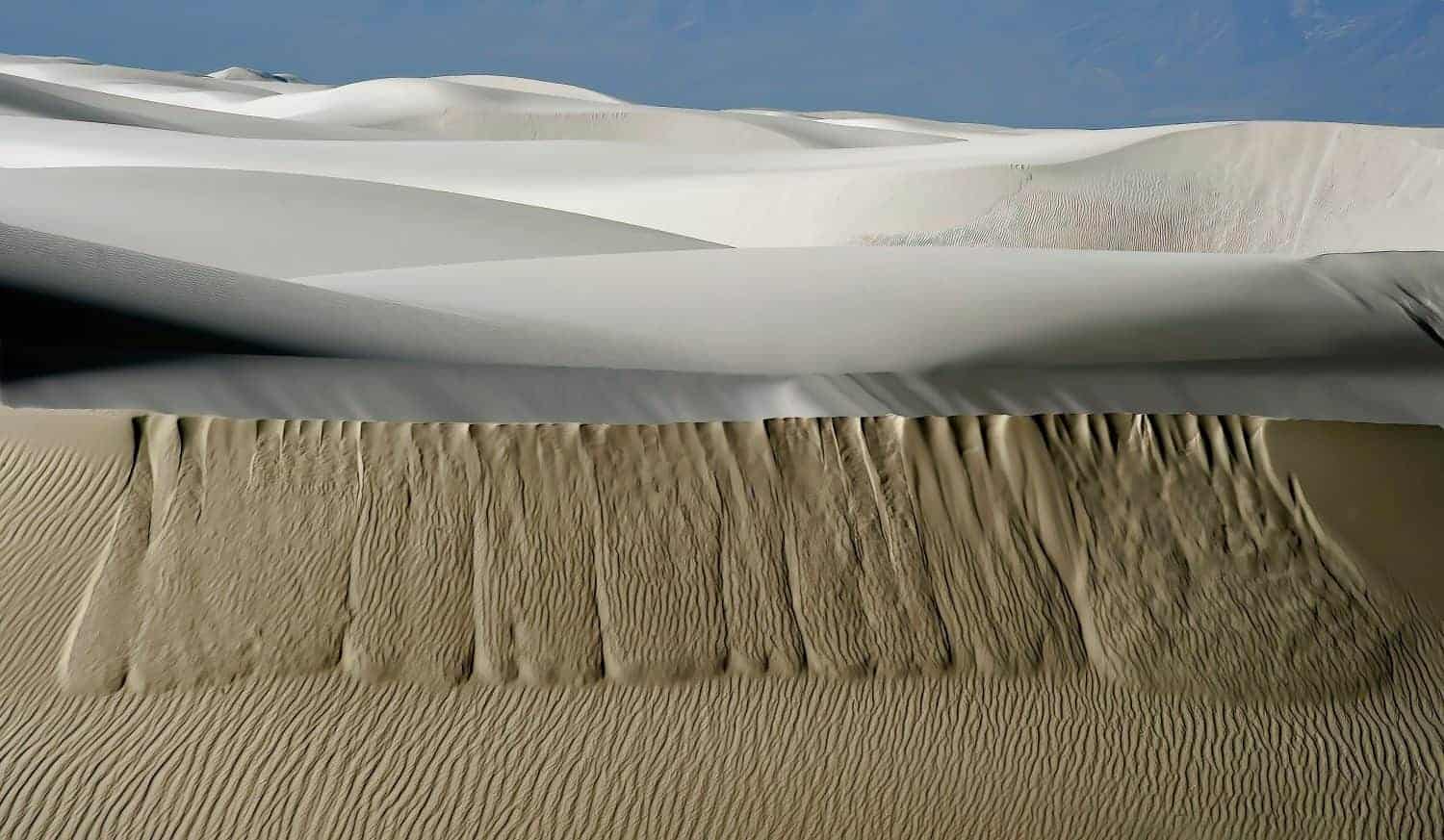
The Blue Hole of Santa Rosa looks almost unreal against New Mexico’s dry landscape. The spring-fed pool is about 80 feet deep, stays cold throughout the year, and is known for exceptionally clear blue water. Recreational swimming is permitted when conditions allow, while scuba divers must follow local permit, certification, and safety requirements. The pool is not a shallow family splash area, and its depth and temperature can surprise inexperienced swimmers. Children should remain within their abilities and under direct supervision, while nobody should jump or dive from unauthorized spots. Located near historic Route 66, the Blue Hole makes an easy road-trip stop, but families should check current rules, water access, and weather before arriving.
New York: Museum of Ice Cream

New York City’s Museum of Ice Cream is less a traditional museum than a brightly colored, interactive dessert experience. The SoHo attraction includes themed rooms, oversized installations, photo opportunities, a sprinkle pool, and ice cream treats offered throughout the visit. Guests generally move through at their own pace, and advance tickets are recommended because popular time slots can sell out. The experience welcomes children, but younger visitors must remain with an adult, and families managing allergies should review ingredient information before eating. It is intentionally playful and commercial rather than a deep history museum. For families seeking a break from conventional galleries, jumping into a pool of giant sprinkles is difficult to forget.
North Carolina: Mingo Falls
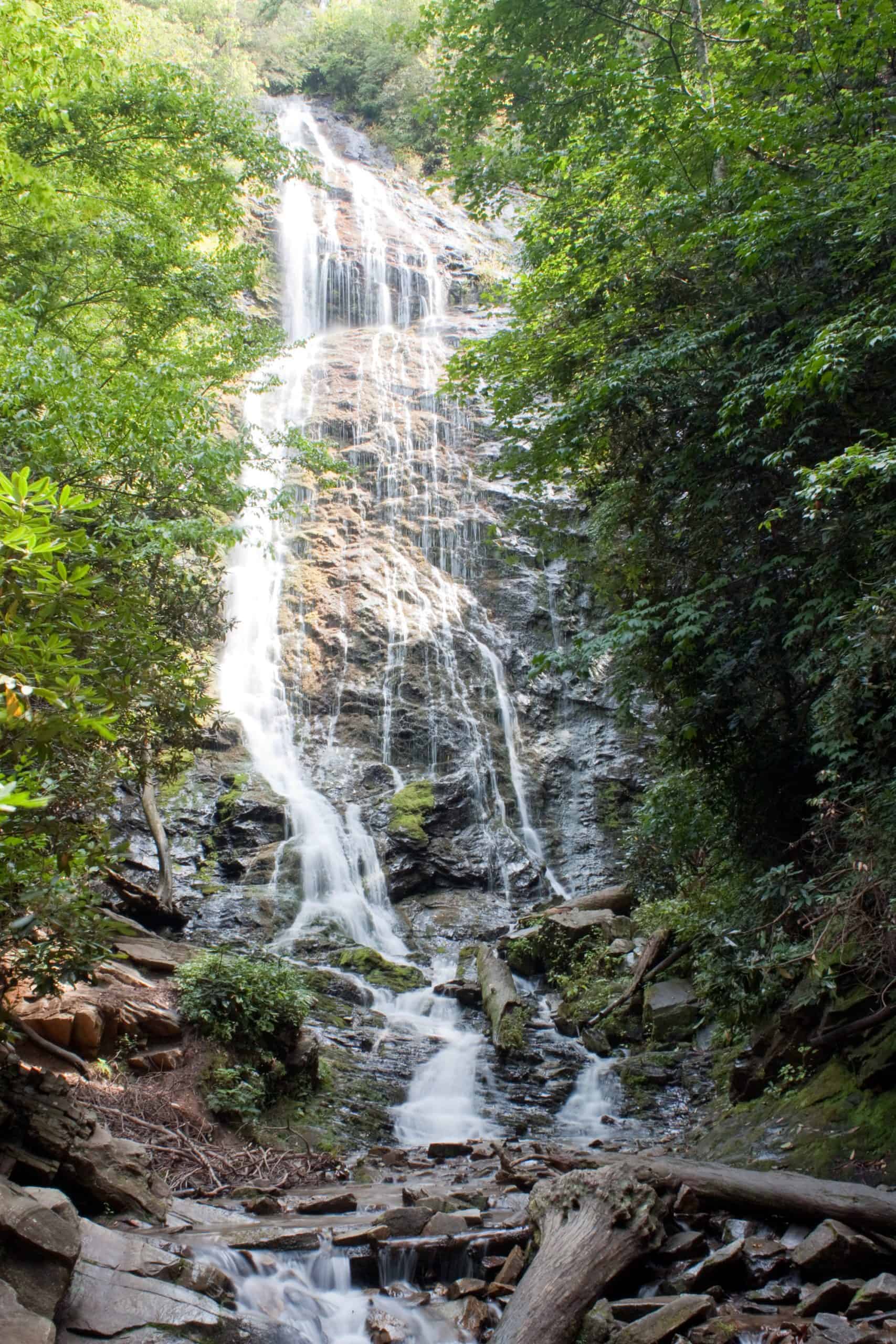
Mingo Falls drops roughly 120 feet through a wooded mountainside on the Qualla Boundary, the homeland of the Eastern Band of Cherokee Indians near Cherokee. The waterfall is outside Great Smoky Mountains National Park, although the National Park Service provides visitor information for it. Reaching the viewpoint requires climbing a long series of steps followed by a short trail, so the walk can feel more demanding than its distance suggests. No special permit is normally required, but visitors should respect tribal land, stay on the path, and avoid slick rocks near the water. Flow is often strongest after rain, which also makes surfaces more hazardous. The single tall cascade is dramatic enough without being described as several waterfalls.
North Dakota: Coghlan Castle
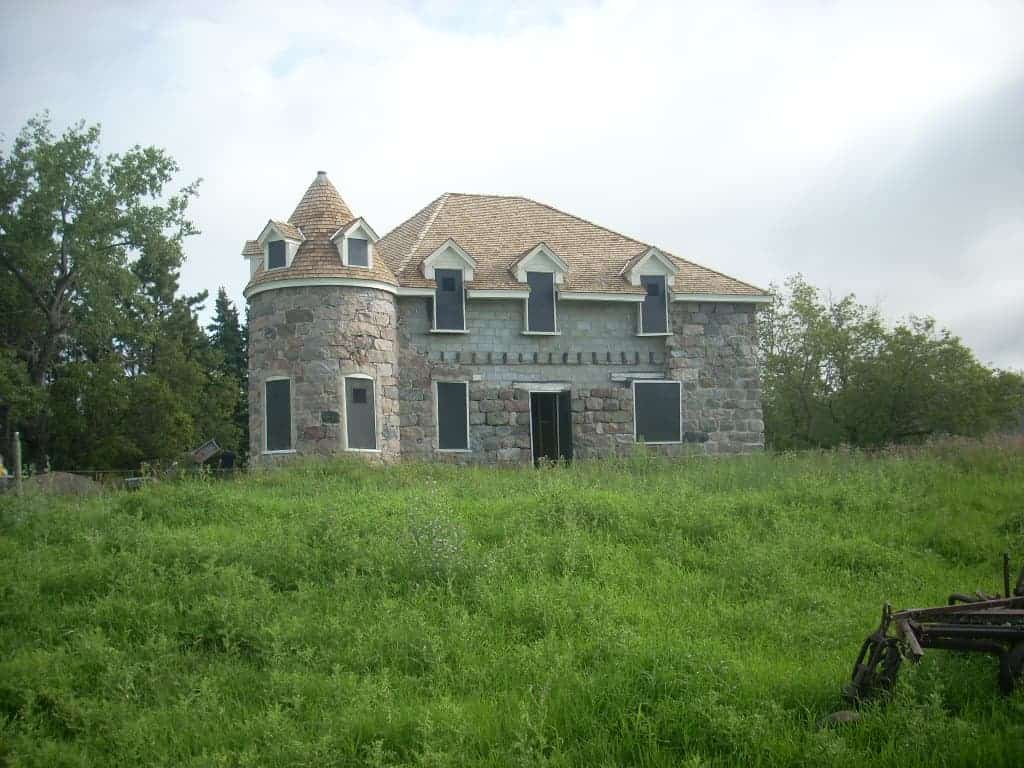
Coghlan Castle near Rolla is a striking fieldstone farmhouse built between 1906 and 1909 for Irish-born homesteader Maurice Coghlan and his family. Its heavy stone walls, towers, and unusual profile make it look more like a storybook fortress than a prairie residence. The important catch is that the building stands on private property, so it should be treated as a historic landmark to view respectfully rather than a public attraction to explore. Visitors should not cross fences, enter structures, or block local roads for a photograph. North Dakota tourism materials identify the site, but access can be limited. Families seeking a fully public stop nearby can pair the drive with Rolla or another regional attraction.
Ohio: Pyramid Hill Sculpture Park

Pyramid Hill Sculpture Park in Hamilton combines a large outdoor art collection with 470 acres of hills, gardens, lakes, overlooks, and walking trails. More than 60 monumental sculptures appear throughout the landscape, creating the feeling of discovering art in the woods rather than moving through a quiet gallery. The property also includes the Pyramid House, antiquities, and rotating contemporary exhibitions. Because the park is spread out, families should review the map, wear comfortable shoes, and decide whether to walk or rent an available art cart. Admission and hours vary by season and event. Children may not connect with every sculpture, but the scale, open space, and unusual shapes make the experience far more approachable than many formal museums.
Oklahoma: Great Salt Plains Crystal Digging
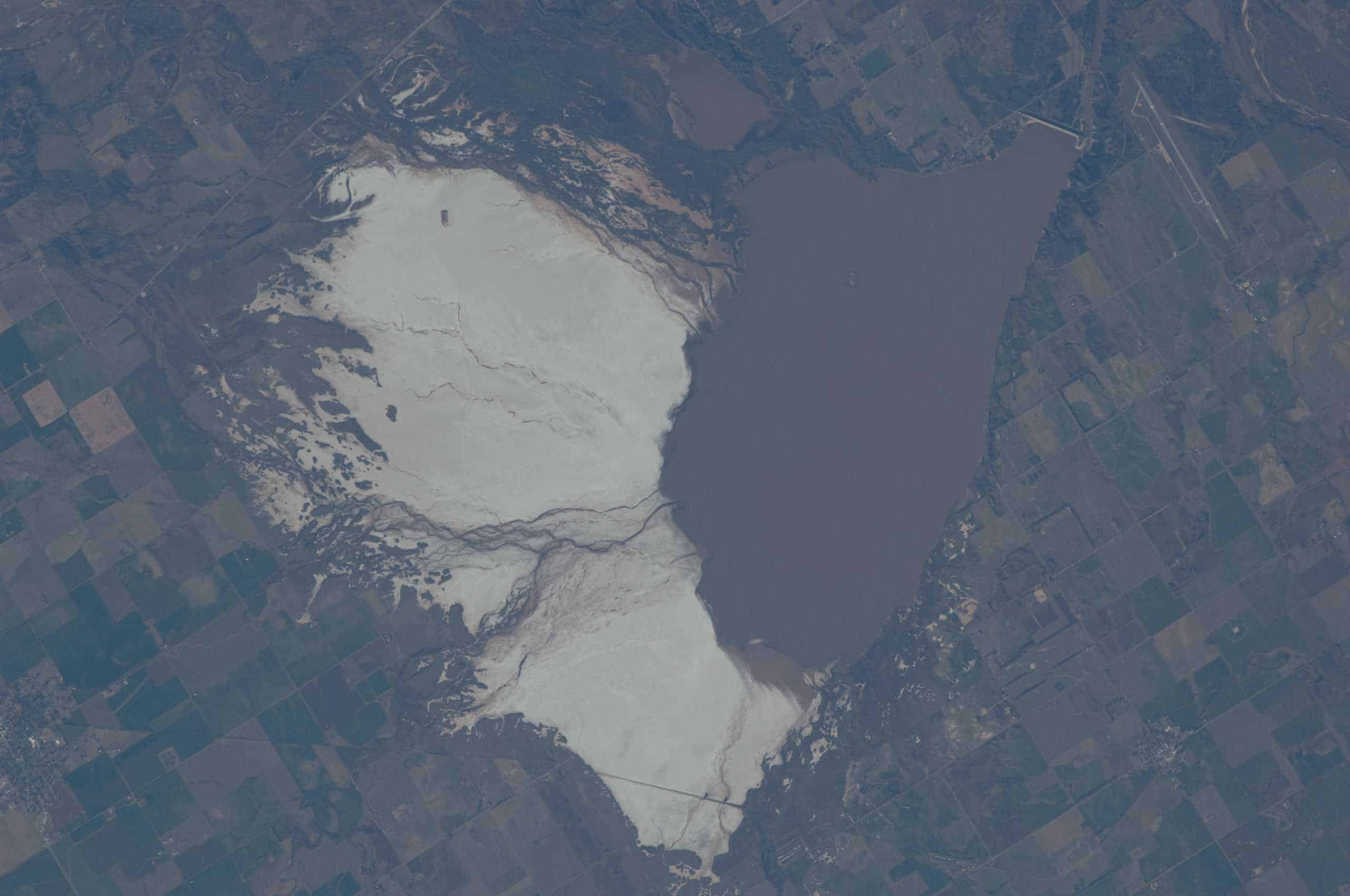
At Salt Plains National Wildlife Refuge, families can dig for Oklahoma’s state crystal in a landscape that looks like a white desert. The refuge opens a designated selenite crystal digging area from April 1 through October 15, generally from sunrise to sunset. The unusual crystals may contain a dark hourglass-shaped inclusion formed by sand and clay inside the selenite. Digging is free, but visitors must remain within marked areas and follow collection limits and tool rules. The salt surface can become extremely hot, bright, muddy, or stormy, with little shade available. Bring water, sun protection, eye protection, gloves, and shoes that can get dirty. The observation area remains an option outside the digging season.
Oregon: Crater Lake in the Off-Season
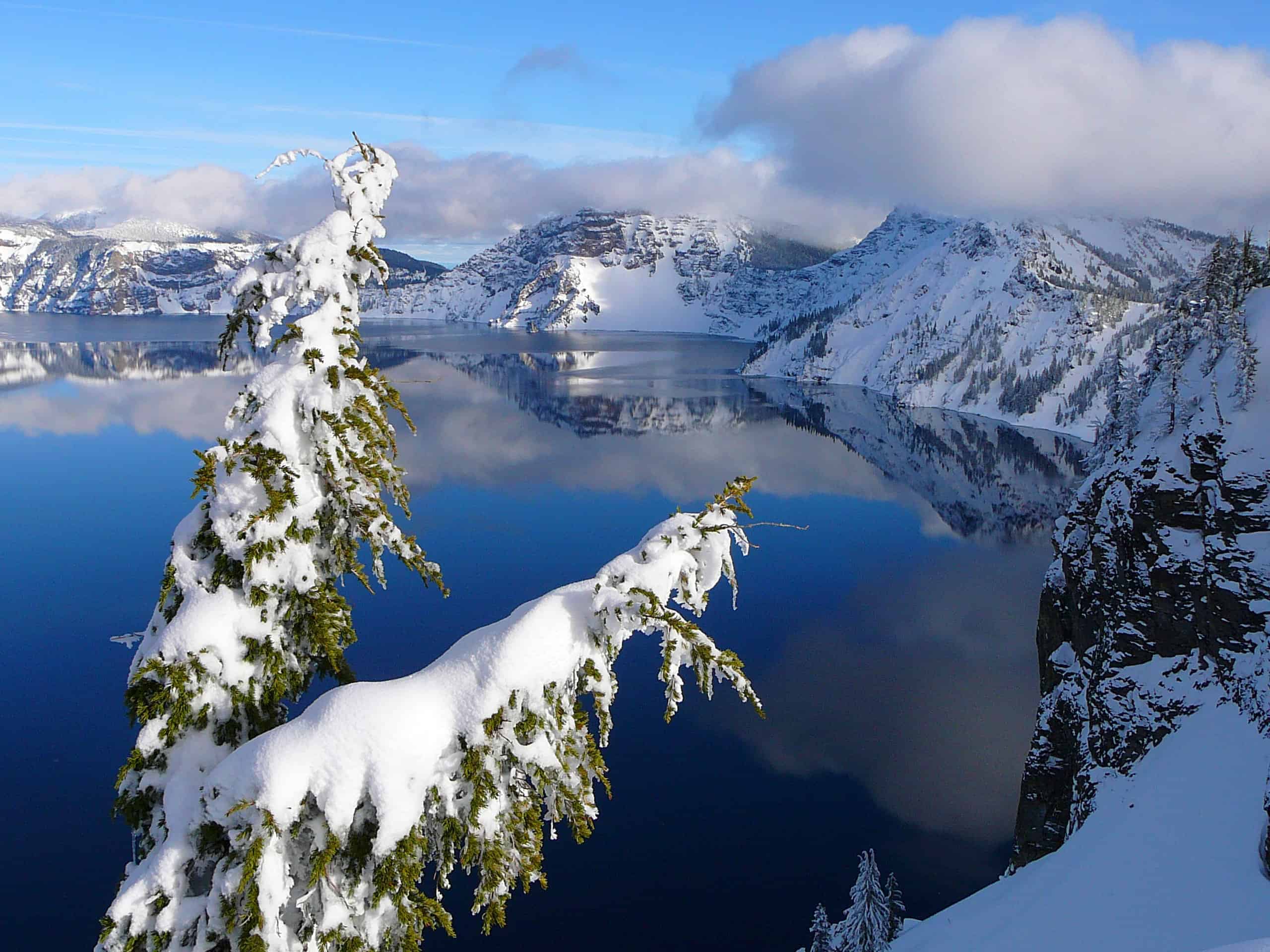
Crater Lake is hardly unknown, but winter and shoulder-season visits reveal a side of Oregon’s only national park that many summer travelers never see. The lake fills the caldera left when Mount Mazama collapsed after a massive eruption about 7,700 years ago. At roughly 1,943 feet deep, it is the deepest lake in the United States. Snow can bury roads and trails for much of the year, so access is limited and conditions change quickly. During 2026 and 2027, rehabilitation of the Cleetwood Cove Trail also prevents visitors from reaching the shoreline for swimming or boat tours. Rim viewpoints still offer unforgettable blue-water scenery, but families must check closures, carry winter gear, and avoid walking onto unstable snowbanks.
Pennsylvania: Coudersport Ice Mine
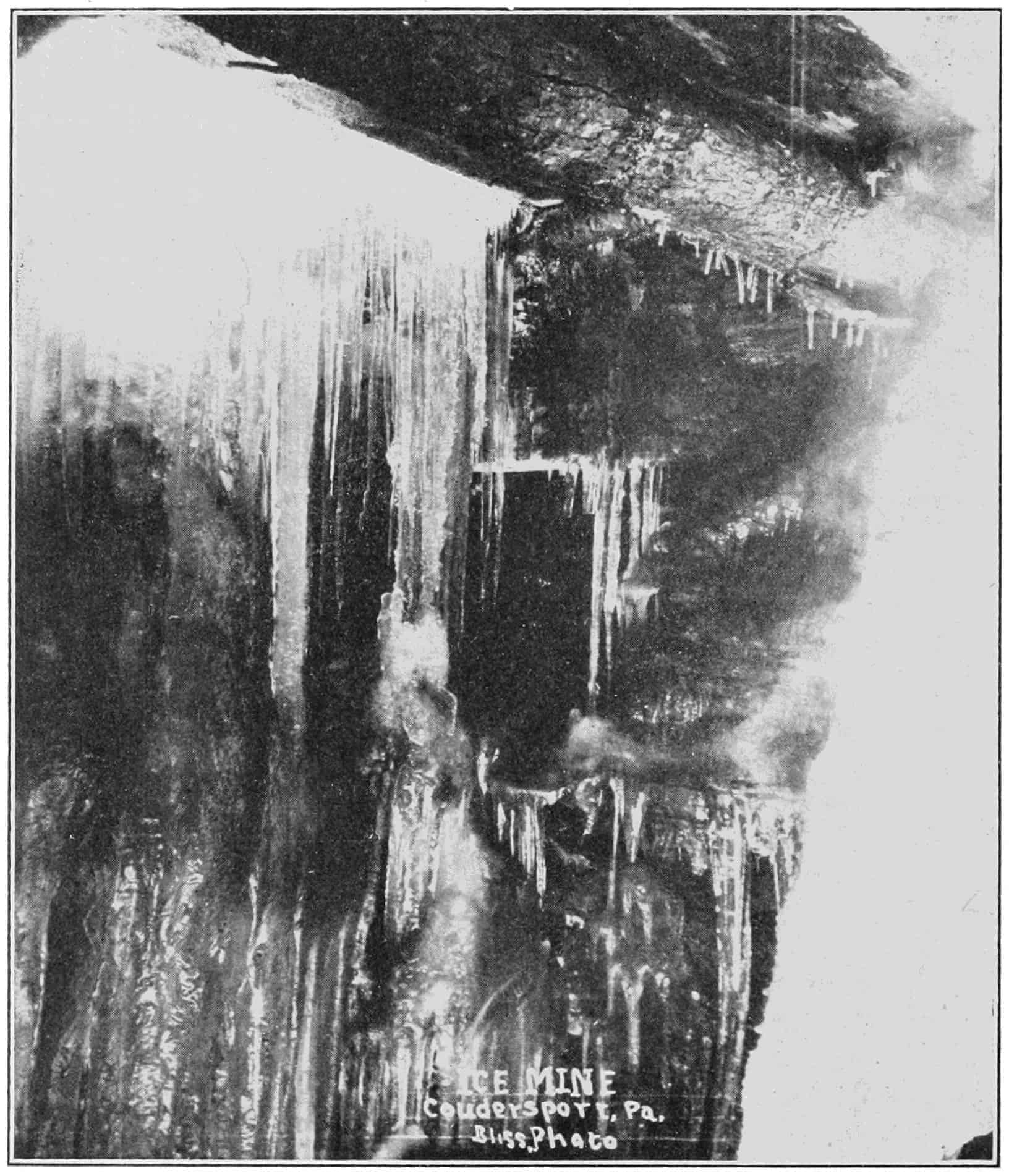
The Coudersport Ice Mine behaves in the opposite way many visitors expect. Ice commonly forms inside the narrow shaft during spring and summer, then diminishes as colder weather arrives. Air moving through connected rock fractures is believed to create the unusual seasonal cycle, although the site still feels mysterious when thick ice appears during a hot afternoon. The attraction is generally open from Memorial Day weekend through Labor Day on a limited weekly schedule, not all year. Visitors view the formations from above rather than entering a full underground mine. Conditions vary with weather, so visible ice is never guaranteed. Families should wear stable shoes, supervise children near railings, and confirm hours before driving into Potter County.
Rhode Island: Purgatory Chasm
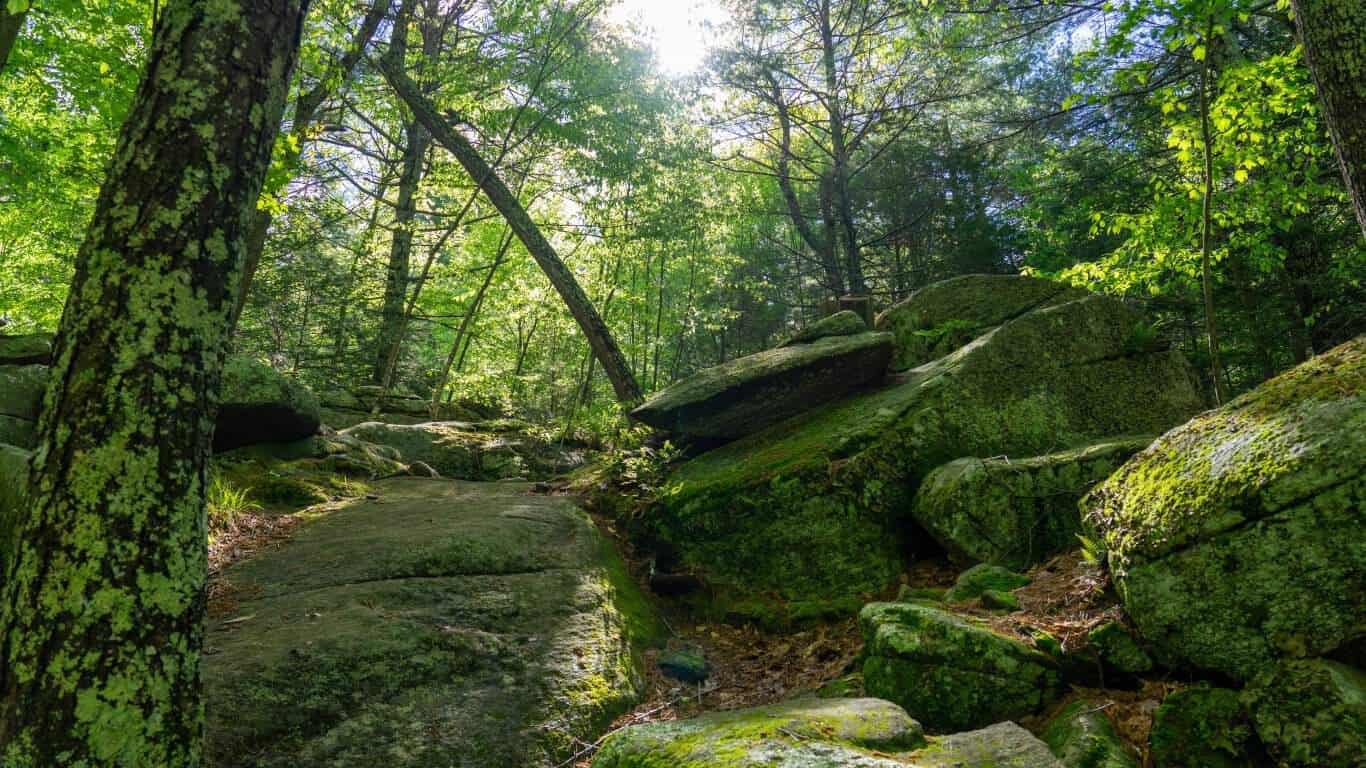
Purgatory Chasm in Middletown is a narrow coastal fissure where dark rock drops toward the Atlantic below. A short walk from the small parking area leads to views of the chasm, cliffs, and crashing water, making it an easy stop near Newport. The feature is sometimes described as glacial, but its exact development is tied to fractures, erosion, waves, and the region’s complex geology rather than one simple origin story. There are no guardrails protecting every edge, and wet stone can be dangerously slick. Families should keep children close, stay back during rough seas, and never climb into the chasm. The site is generally open seasonally from dawn to dusk, but parking and conditions should be checked before visiting.
South Carolina: Cypress Gardens

Cypress Gardens in Moncks Corner gives families a chance to paddle through a blackwater swamp filled with towering cypress and tupelo trees. The property also includes walking paths, gardens, wildlife exhibits, a butterfly house, and locations used in movies such as “The Notebook” and “The Patriot.” Boat access and individual attractions can change with weather, water levels, maintenance, or seasonal schedules, so checking the day’s offerings before arrival is worthwhile. The swamp is a real wildlife habitat, not a controlled movie set. Visitors may see alligators, snakes, birds, and insects and should follow staff directions without approaching animals. With several hours available, families can combine the boat ride with indoor exhibits and shaded trails.
South Dakota: Wildlife Loop Road
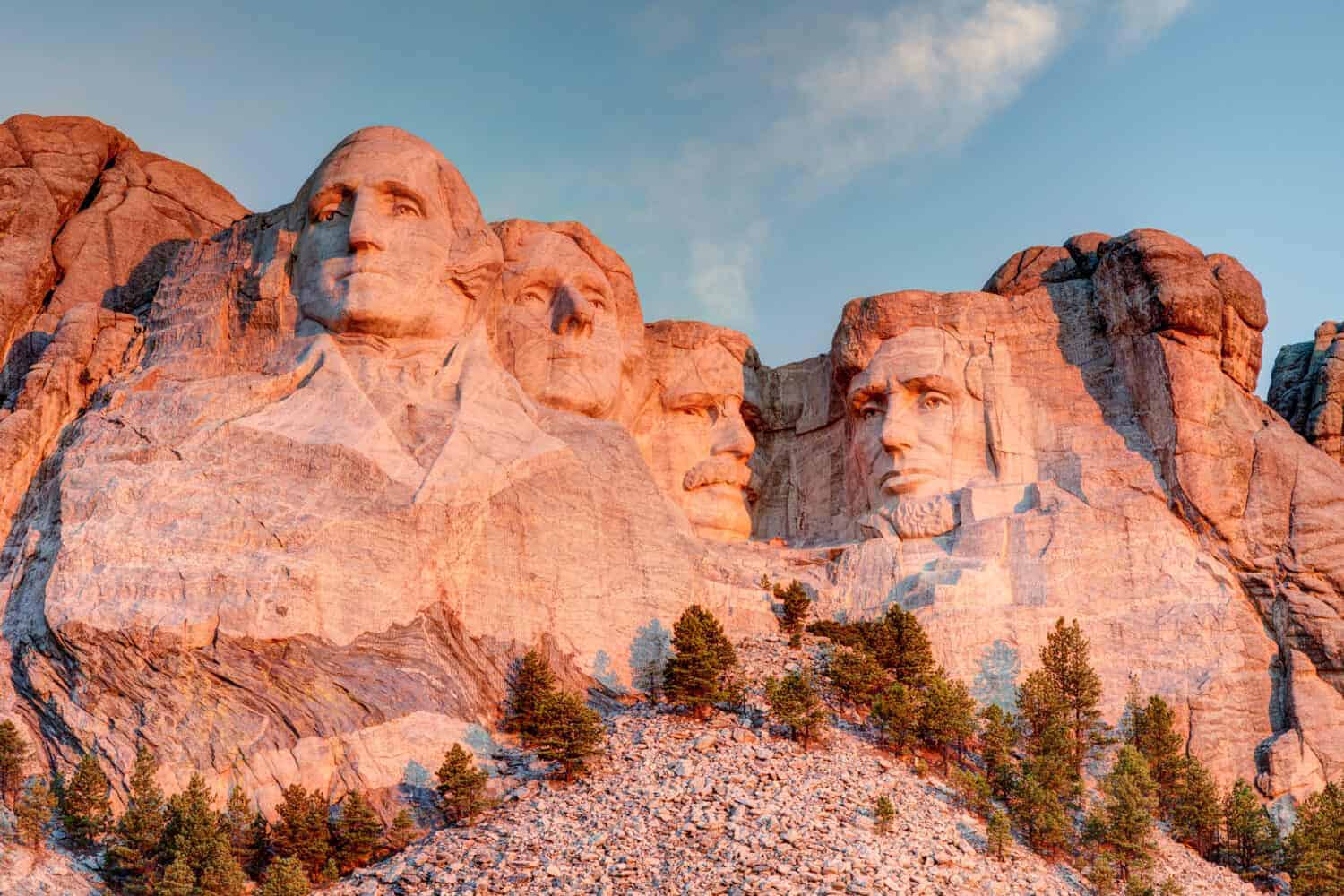
Custer State Park’s Wildlife Loop Road offers one of the most accessible ways to see large animals without leaving the car. The 18-mile route crosses open grassland and pine-covered hills used by bison, pronghorn, deer, elk, prairie dogs, coyotes, burros, and many birds. Sightings are never guaranteed, and traffic can stop when animals enter the road. That does not make them tame. Park rules prohibit feeding or disturbing wildlife, and visitors should remain in their vehicles or maintain at least 100 yards of distance from bison and elk. Families should allow extra time, keep windows controlled around curious animals, and avoid turning a wildlife encounter into a dangerous photo opportunity.
Tennessee: Blue Hole Falls
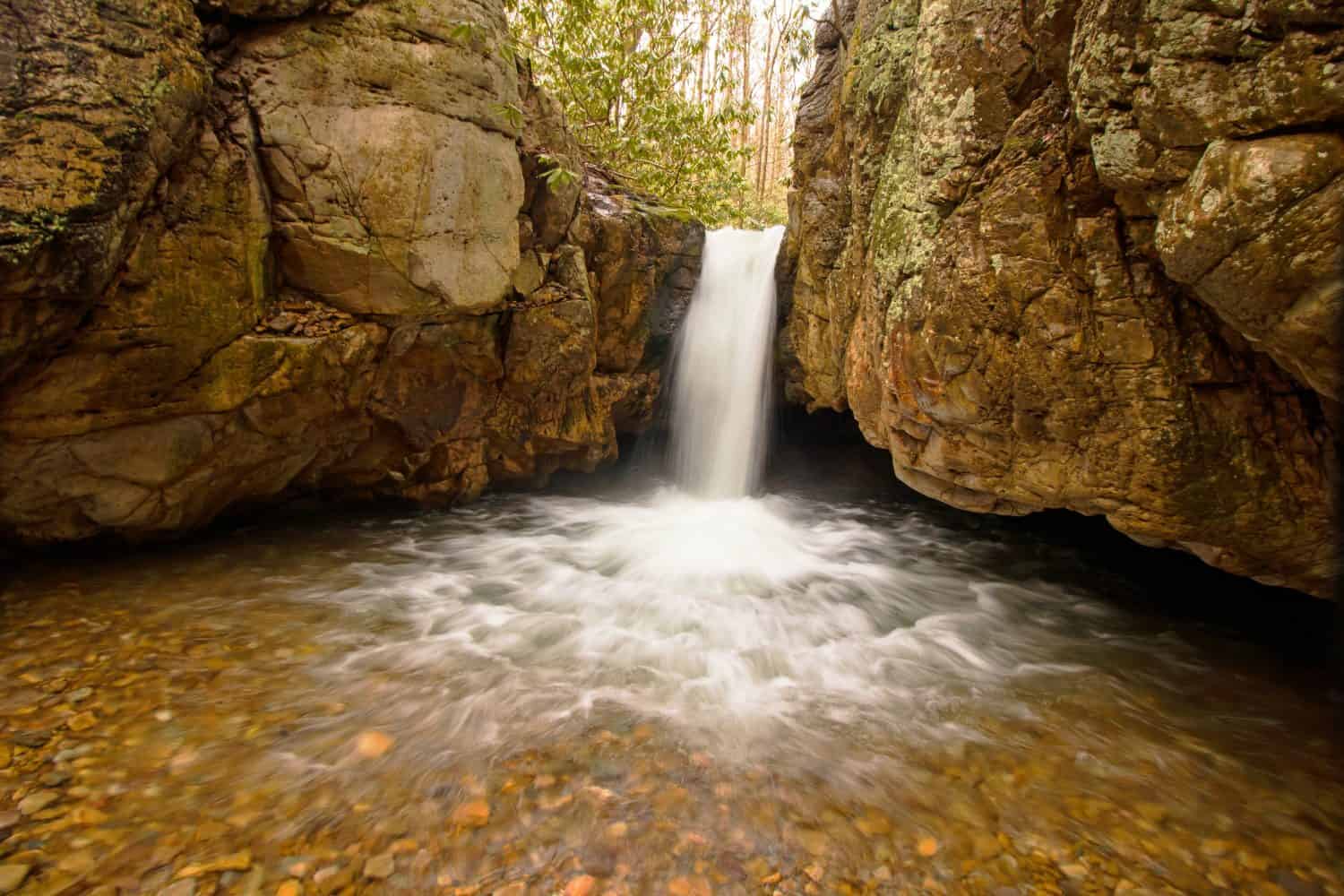
Blue Hole Falls in Carter County is a compact waterfall destination hidden within Cherokee National Forest near Elizabethton. The main cascade is commonly listed at about 45 feet, with additional smaller drops and pools nearby that make the short walk feel more varied than one single viewpoint. Rocks around the water can be slick, and unofficial paths may lead visitors toward steep or unstable areas. Families should remain on established access routes, supervise children closely, and avoid climbing beside the falls or entering fast water. Flow changes with rainfall, so spring and periods after moderate rain may provide the best views. The stop is small enough to combine with another forest outing, but the bright pool and layered cascade make it memorable.
Texas: Westcave Outdoor Discovery Center
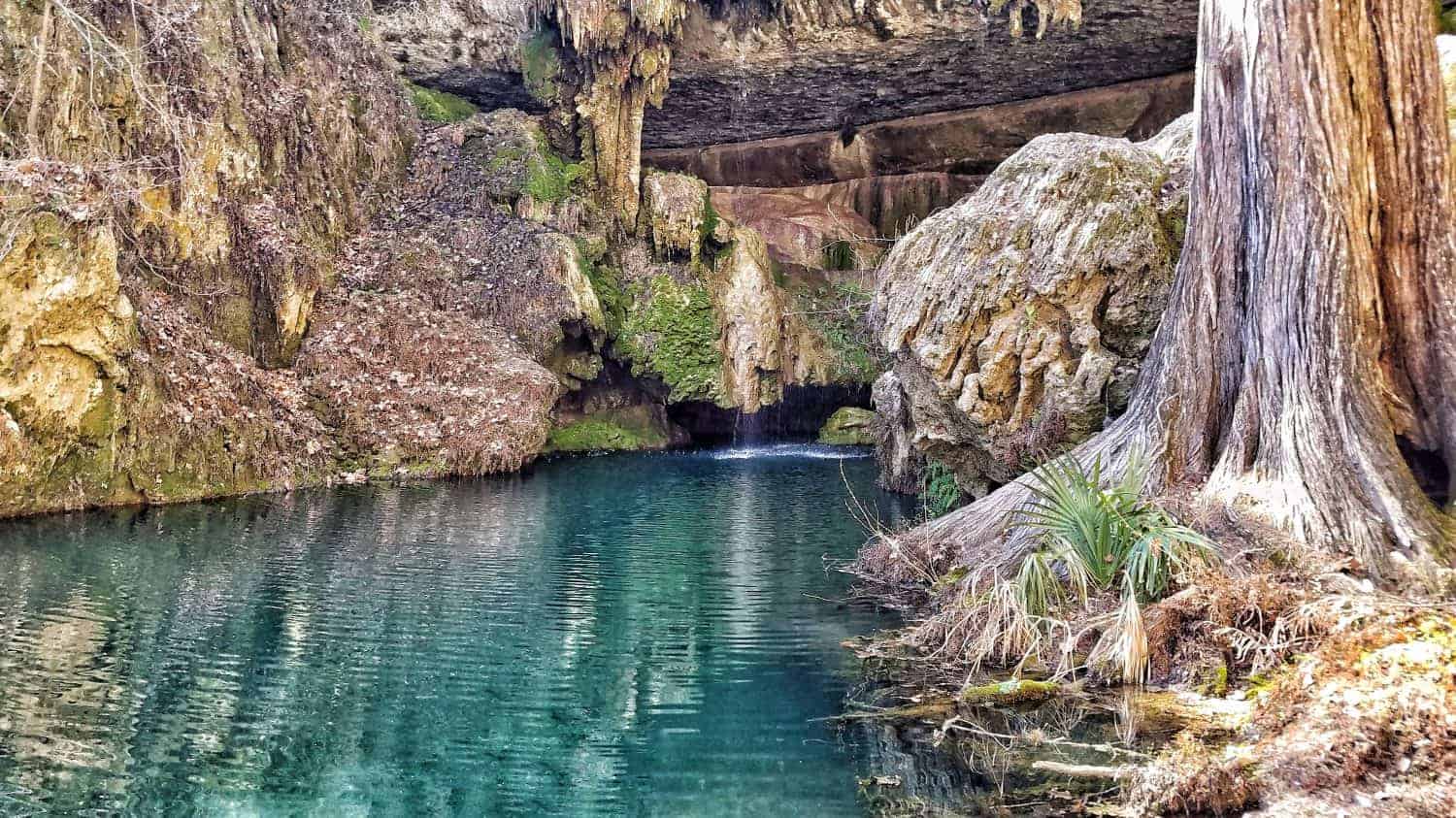
Westcave Outdoor Discovery Center protects a surprising pocket of green in the Texas Hill Country. Guided canyon tours descend from dry uplands into a sheltered limestone canyon with a grotto, cave, lush plants, and a waterfall that drops into an emerald-colored pool. Access to the delicate lower canyon is controlled, so visitors need a ticketed tour rather than wandering in on their own. The route includes uneven ground, stairs, and elevation changes that may be challenging for strollers or anyone with limited mobility. Waterfall flow depends on recent conditions, and swimming is not part of the tour. Families who reserve ahead can experience a landscape that feels dramatically cooler and more tropical than the sun-baked terrain above it.
Utah: Mount Ellen-Blue Hills
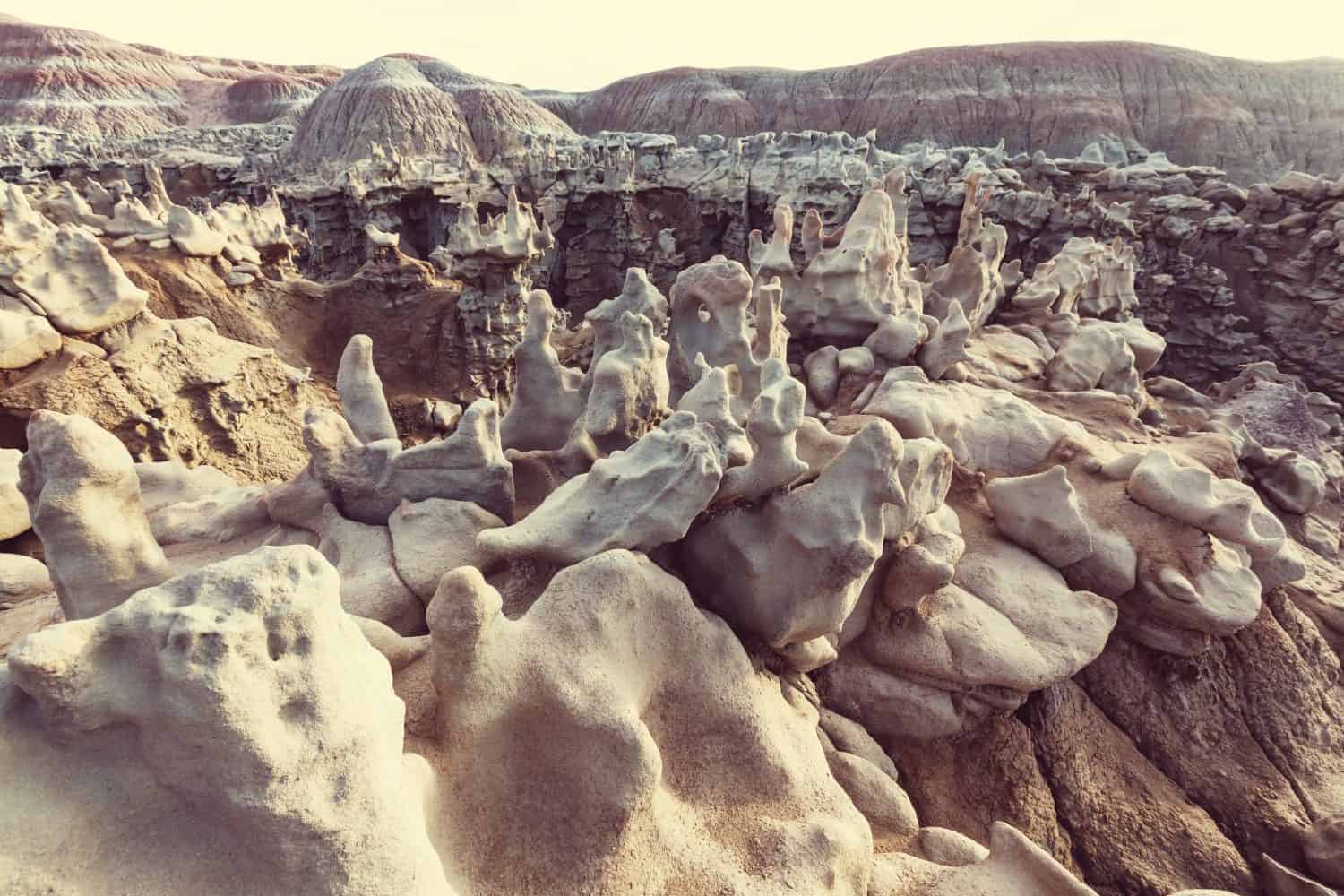
The Mount Ellen-Blue Hills Wilderness Study Area near Hanksville reveals a remote side of Utah that most national-park itineraries miss. Erosion has carved blue-gray marine shale into low mesas, barren badlands, basins, and wide canyons below the Henry Mountains. The colors can shift with light and weather, creating the striped, almost painted appearance that gives the Blue Hills their appeal. This is not a developed family attraction with restrooms, paved overlooks, or reliable phone service. Bureau of Land Management guidance warns that access roads can be steep, narrow, rocky, and best suited to four-wheel-drive vehicles. Visitors need maps, water, emergency supplies, and the judgment to turn around if road or weather conditions become unsafe.
Vermont: Giant Filing Cabinet
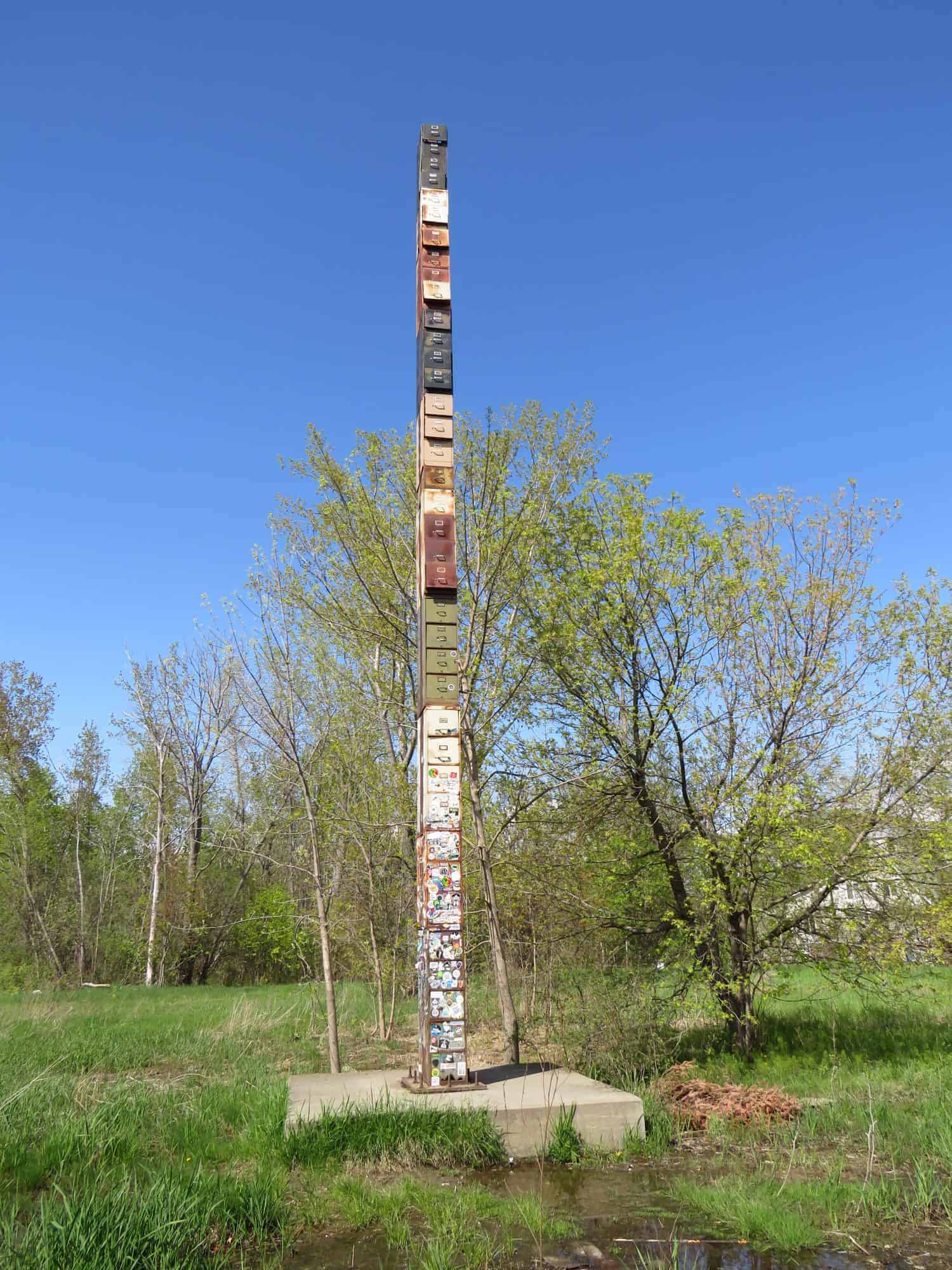
Burlington’s giant filing cabinet is a public artwork that turns decades of paperwork into a roadside joke. Artist Bren Alvarez stacked 38 metal drawers into a tower more than 30 feet high, with the drawers representing the years of delay surrounding a long-planned local road project. It is widely called the World’s Tallest Filing Cabinet, although that title is more playful than an uncontested official record. The sculpture sits in Burlington’s South End and can be viewed quickly from the surrounding area. Families should treat it as public art rather than playground equipment and avoid climbing or opening anything. Pairing the stop with nearby murals, shops, or the Lake Champlain waterfront makes the odd photo opportunity part of a fuller day.
Virginia: Foamhenge
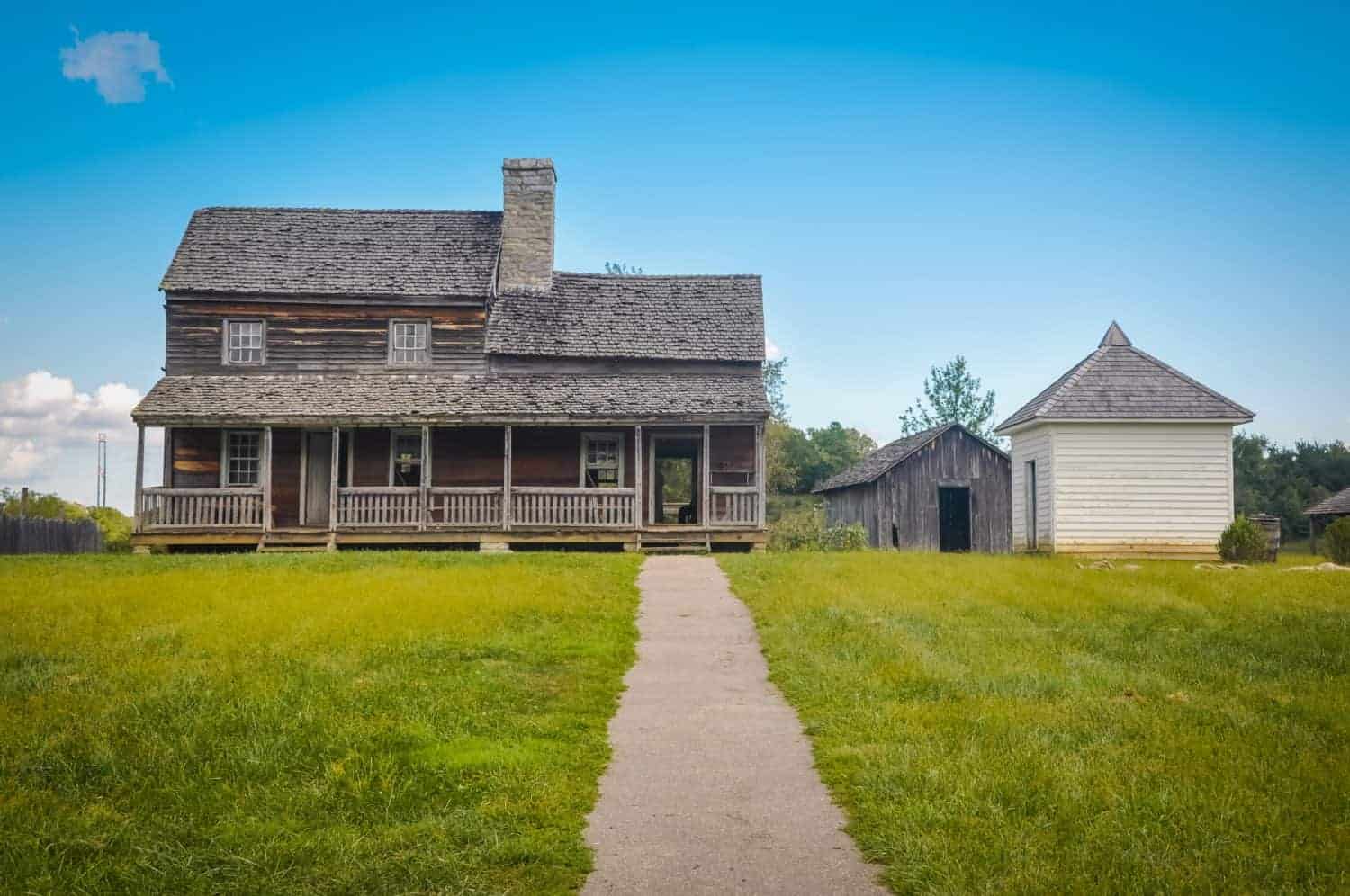
Foamhenge recreates Stonehenge at full scale using painted foam instead of ancient stone. Artist Mark Cline built the original installation in 2004, and the pieces later moved from Natural Bridge to Cox Farms in Centreville. The replica is convincing enough from a distance to produce wonderfully misleading family photographs, but access is seasonal rather than available every day. It is typically included during the farm’s fall events, with limited viewing opportunities sometimes offered during other seasons. Visitors should check the Cox Farms calendar before driving out. Children can appreciate the absurdity immediately, while adults may enjoy comparing the lightweight imitation with a monument whose real stones have stood in England for thousands of years.
Washington: Hoh Rain Forest
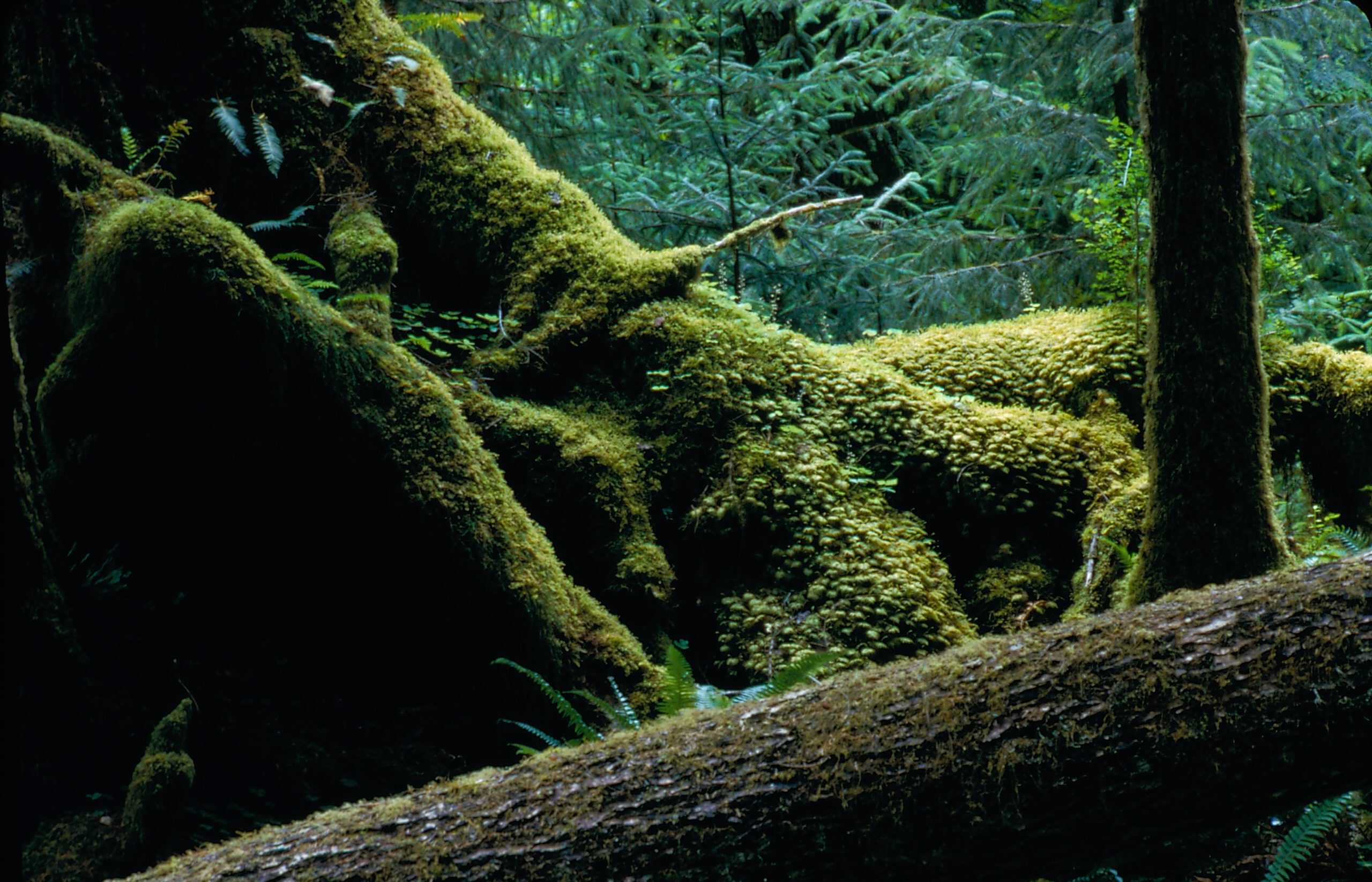
The Hoh Rain Forest in Olympic National Park surrounds visitors with giant trees, sword ferns, hanging moss, and the constant presence of moisture. Short trails near the visitor center make the forest approachable for families, while longer routes follow the Hoh River toward the park’s interior. The area is one of the park’s most popular destinations, so summer entrance lines and parking delays can be substantial. Roads have also experienced storm damage in recent years, making current alerts essential. Rain is possible in any season, boardwalks and roots become slippery, and pets are restricted on most trails. Arriving early, carrying waterproof layers, and choosing a short loop can turn the visit into a peaceful experience instead of a crowded race for parking.
West Virginia: New River Gorge Bridge
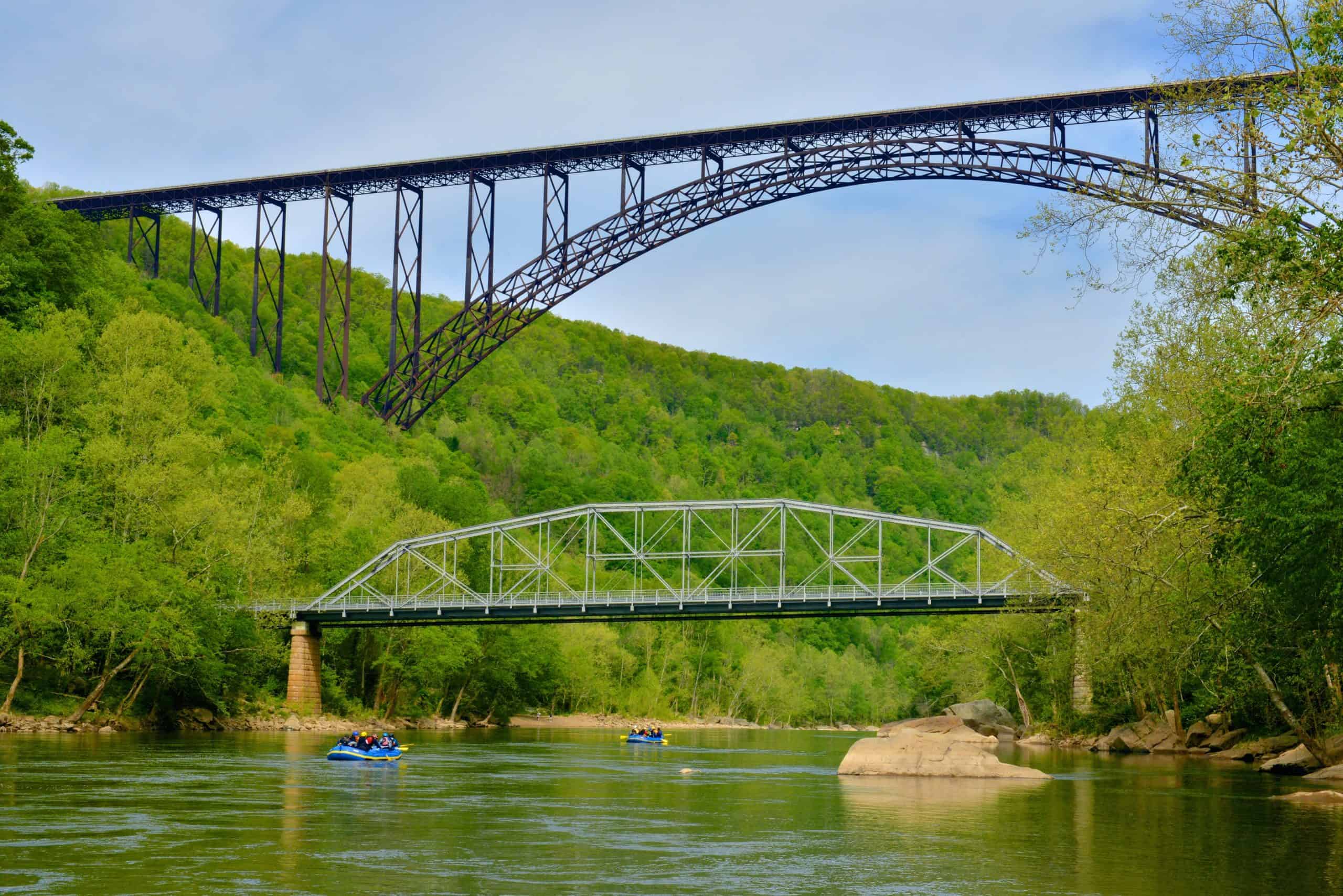
The New River Gorge Bridge spans a deep Appalachian canyon more than 800 feet above the river, creating one of West Virginia’s most dramatic views. The steel arch opened in 1977 and dramatically shortened travel across the gorge. Families can see it from National Park Service overlooks, hike to viewpoints, or book a guided Bridge Walk on the maintenance catwalk beneath the roadway. That tour uses a safety system and is very different from walking across the open road. On Bridge Day, held annually in October, the bridge becomes the center of a major extreme-sports event. Outside organized access, visitors should never enter restricted areas. The surrounding national park also offers trails, historic sites, rafting, and overlooks.
Wisconsin: House on the Rock

The House on the Rock near Spring Green is difficult to describe because it combines architecture, collections, mechanical music, fantasy displays, and enormous objects into one maze-like attraction. Its famous Infinity Room extends 218 feet over the valley with no supports directly beneath the far end. Elsewhere, a huge indoor carousel glows beneath thousands of lights, although visitors cannot ride it. The experience involves long indoor routes, stairs, dim rooms, sound, and unusual displays that may overwhelm very young children. Tour sections and seasonal hours vary, so families should choose tickets carefully and allow more time than expected. It is less a conventional historic house than a sprawling cabinet of curiosities built at architectural scale.
Wyoming: Medicine Wheel
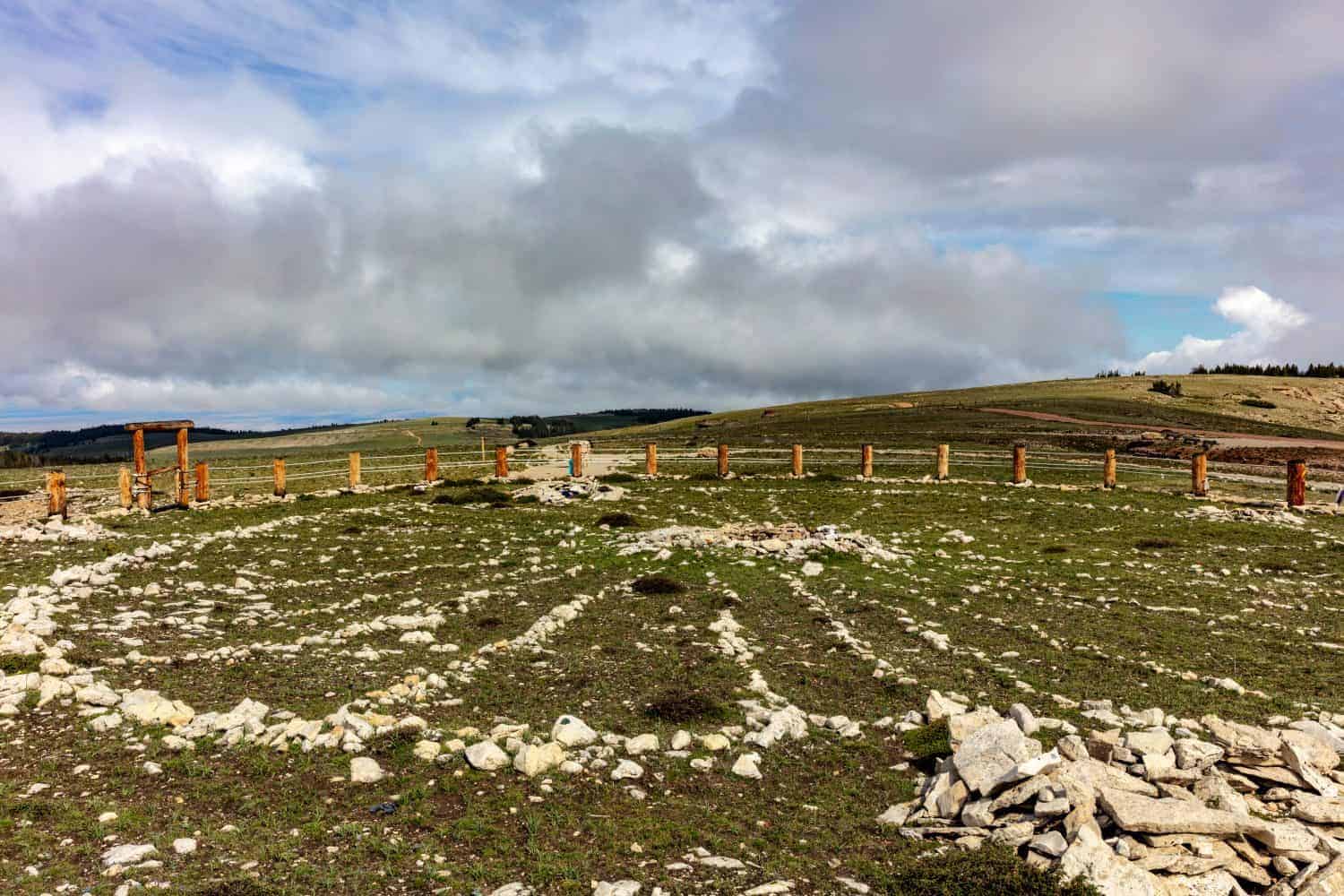
The Medicine Wheel on Medicine Mountain is not simply a roadside rock formation. It is a sacred Native American site that remains culturally and ceremonially important to many tribes. The roughly 75-foot stone circle includes a central cairn, outer rim, and 28 radial lines, all set at an elevation above 9,600 feet in Bighorn National Forest. Vehicle access is seasonal and weather dependent, and visitors may need to walk from a parking area. Ceremonies can temporarily limit access, and offerings should never be touched or photographed without guidance. Families should approach quietly, stay on designated paths, and treat the visit as an opportunity to learn rather than a novelty stop. High altitude, wind, and sudden weather also require preparation.
The image featured at the top of this post is ©Emily Rose Photography/Shutterstock.com