







I Used to Give My Cat These People Foods as Treats, Until I Learned They Could Be Dangerous
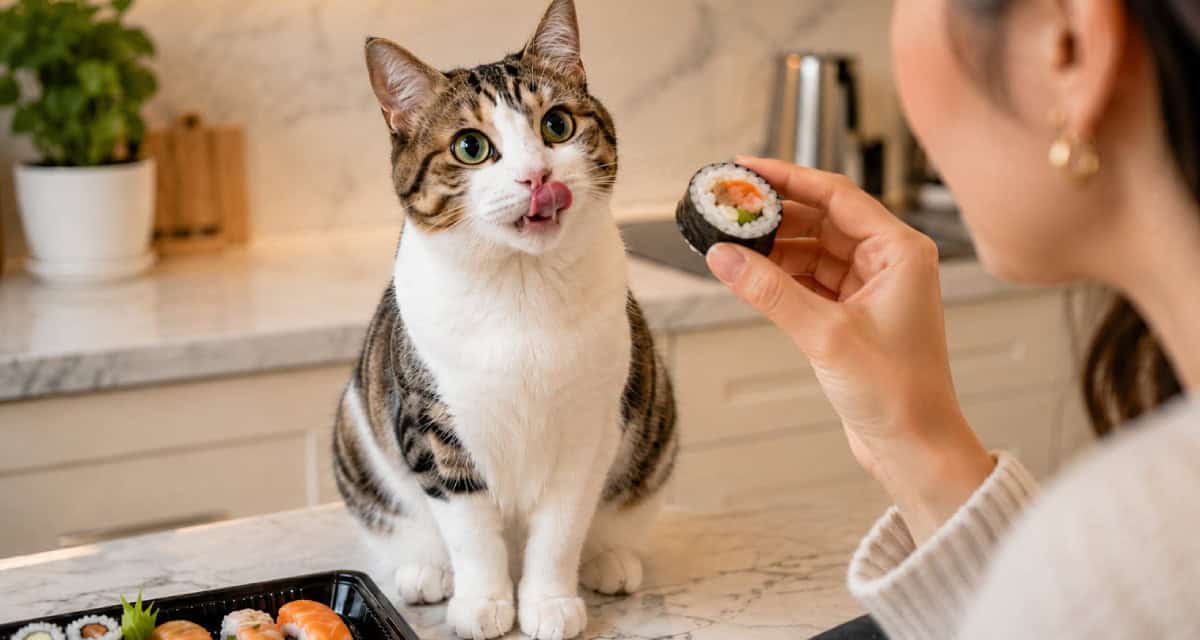
Many cat owners know the look: you sit down with a snack or dinner, and your cat suddenly appears, hoping for a bite. Sharing a little people food can feel harmless, but not everything on your plate is safe for your feline friend. Some foods are fine in small amounts, while others can cause stomach upset, toxic reactions, or serious health problems.
This guide breaks down which people foods cats can safely eat in moderation and which ones should stay far away from their bowl. We’ll cover common foods that can be dangerous, including onions, garlic, chocolate, grapes, and raisins, along with safer options like plain cooked meat, certain fish, and a few cat-friendly vegetables.
Before offering your cat a bite, it helps to know what is actually safe. With the right information, you can give your kitty the occasional treat without putting their health at risk.
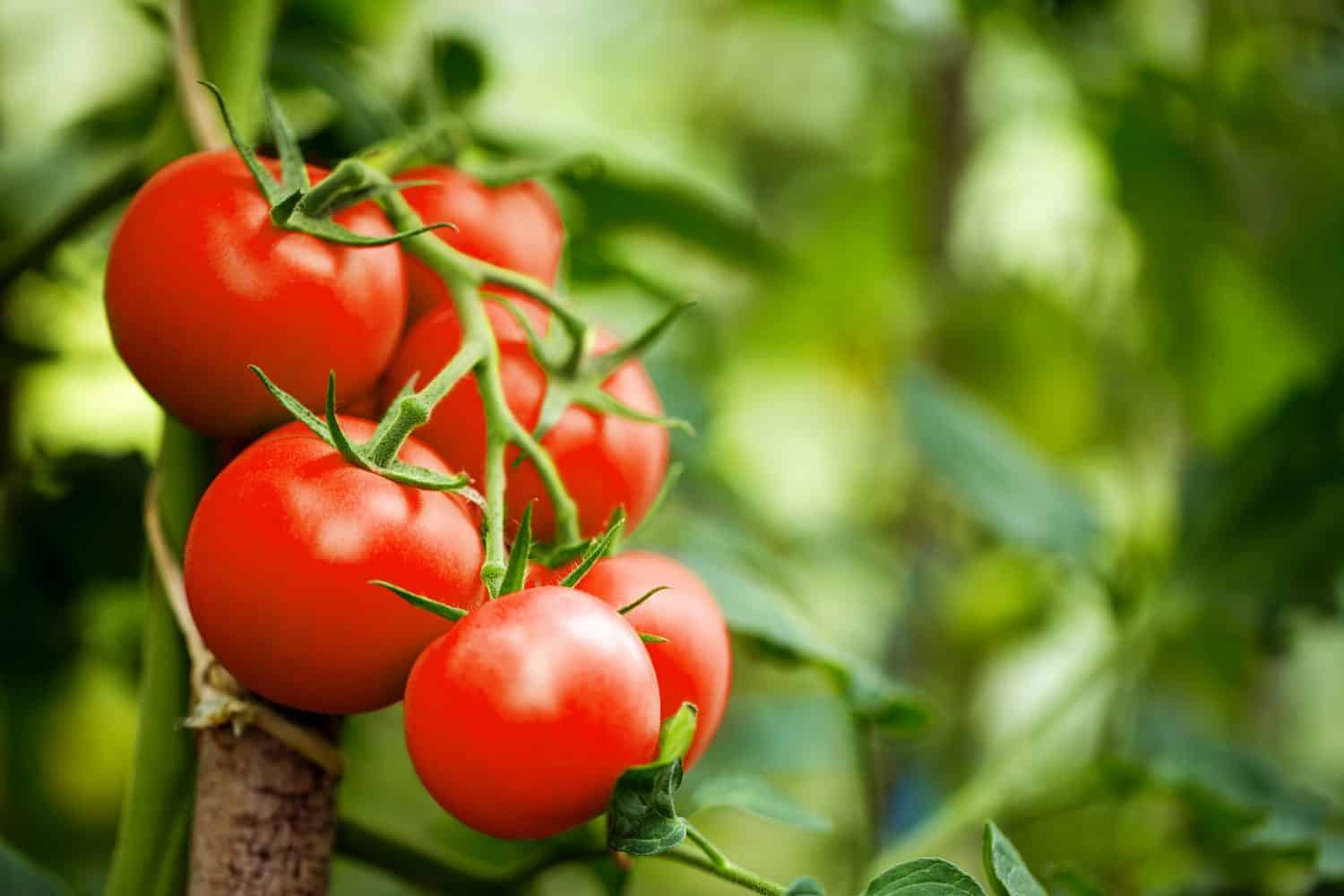
Bad: Tomatoes
These fruits are just as toxic as potatoes because they share the same compound that causes severe damage to the cat's digestive system. Even eating the leaves or stems of a tomato is enough to warrant a vet visit.
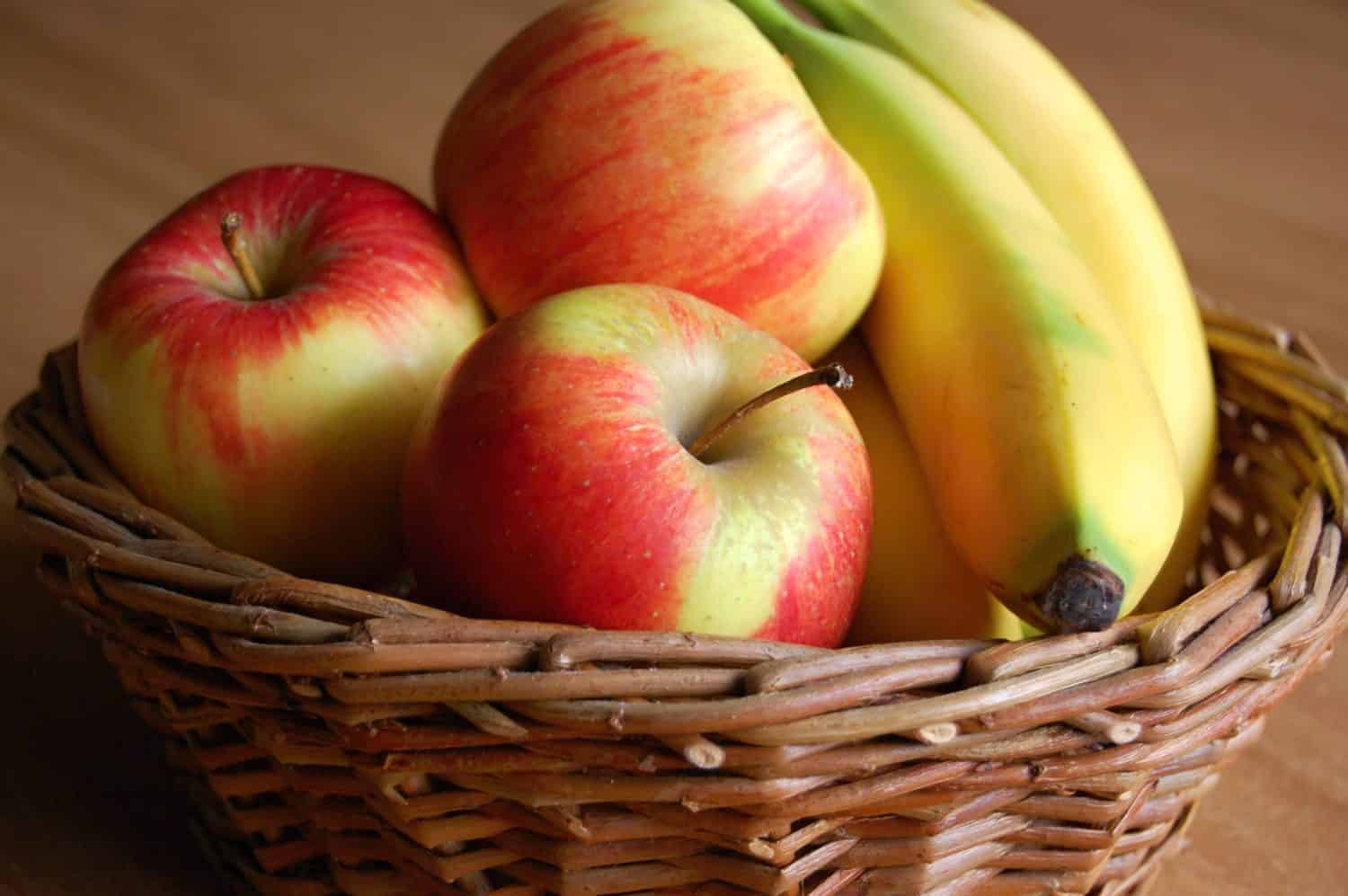
Good: Apples And Bananas
These fruits are some of the most popular to give pets. They are high in vitamins A and C, which cats need for immunity. Even the outside of this fruit contains tons of phytonutrients for your feline.
Bad: Grapes Or Raisins
When cats eat grapes or raisins, they can't digest their tannins and other compounds. Without being able to digest it, these fruits have a toxic effect on the body, causing severe or fatal kidney damage in the wrong quantities.
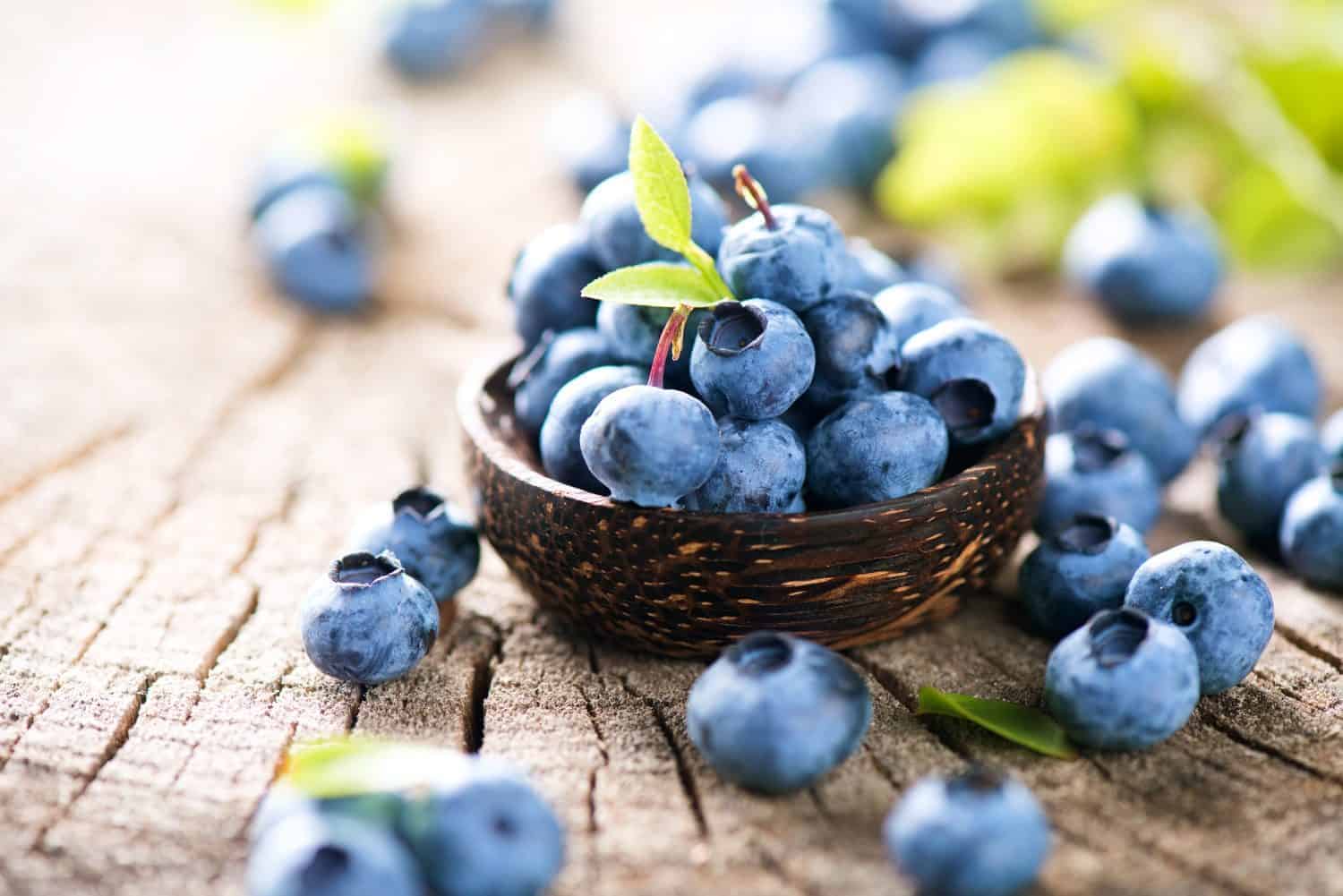
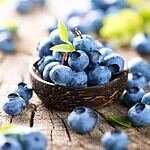
Good: Blueberries
With blueberries' rich antioxidants and polyphenols, many pet owners add these berries to their cats' diet. They can improve immunity and support joints in older cats.
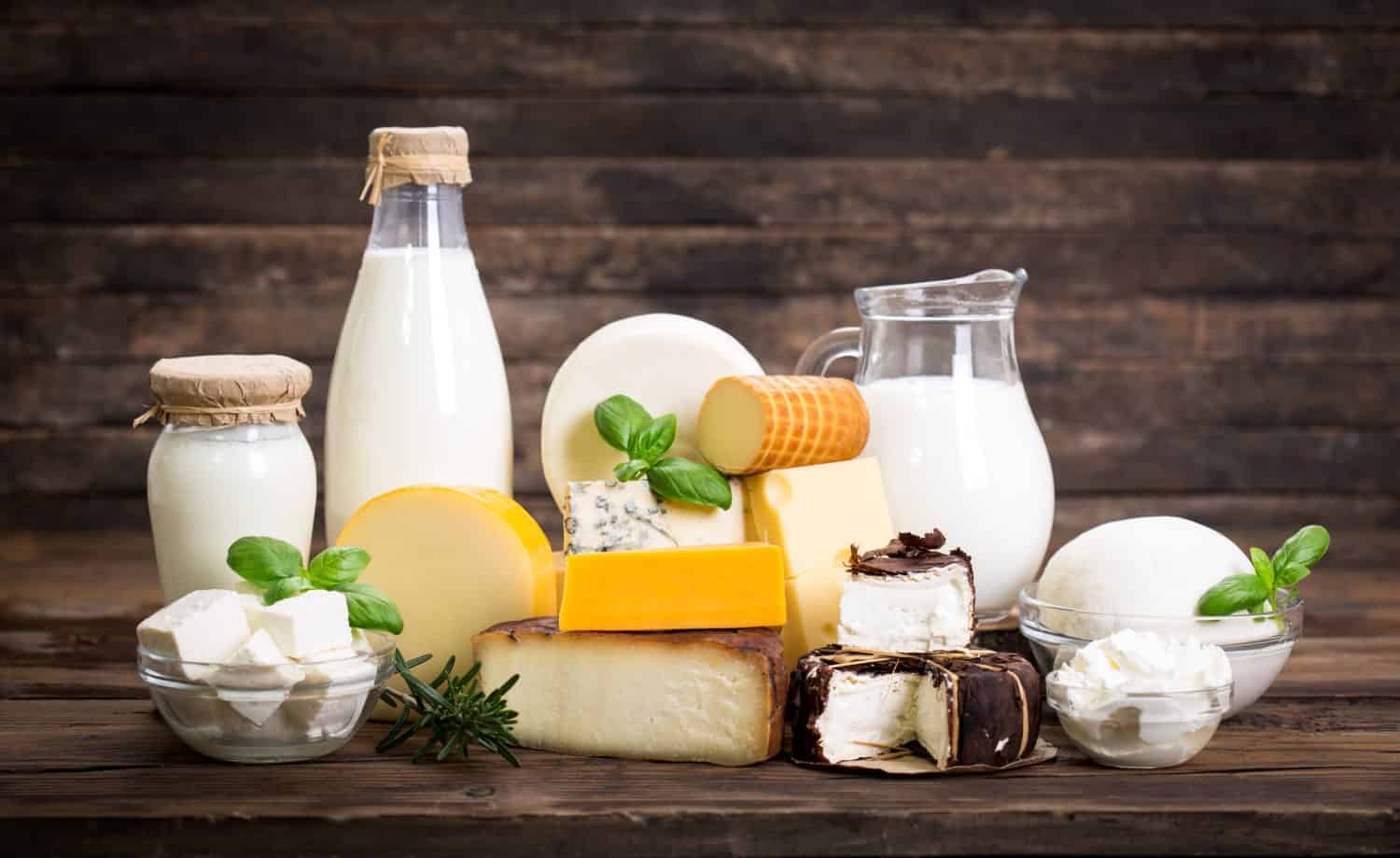
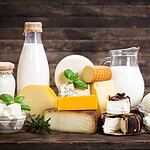
Bad: Milk And Other Dairy Products
If your cat eats too much dairy, they may vomit or have runny stools. Even if you purchase canned food with cheese, monitor your cat for any adverse reaction to the meal.
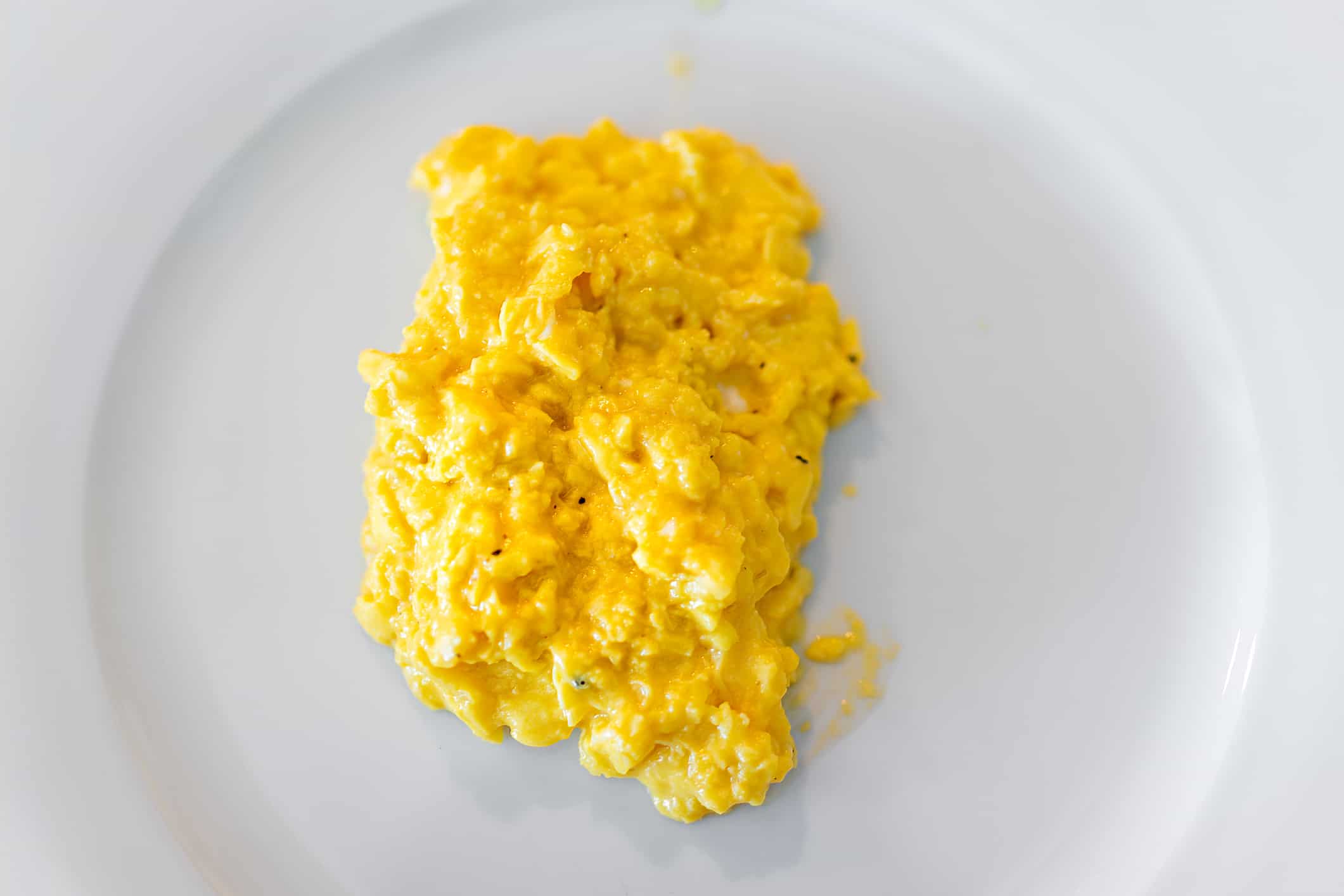
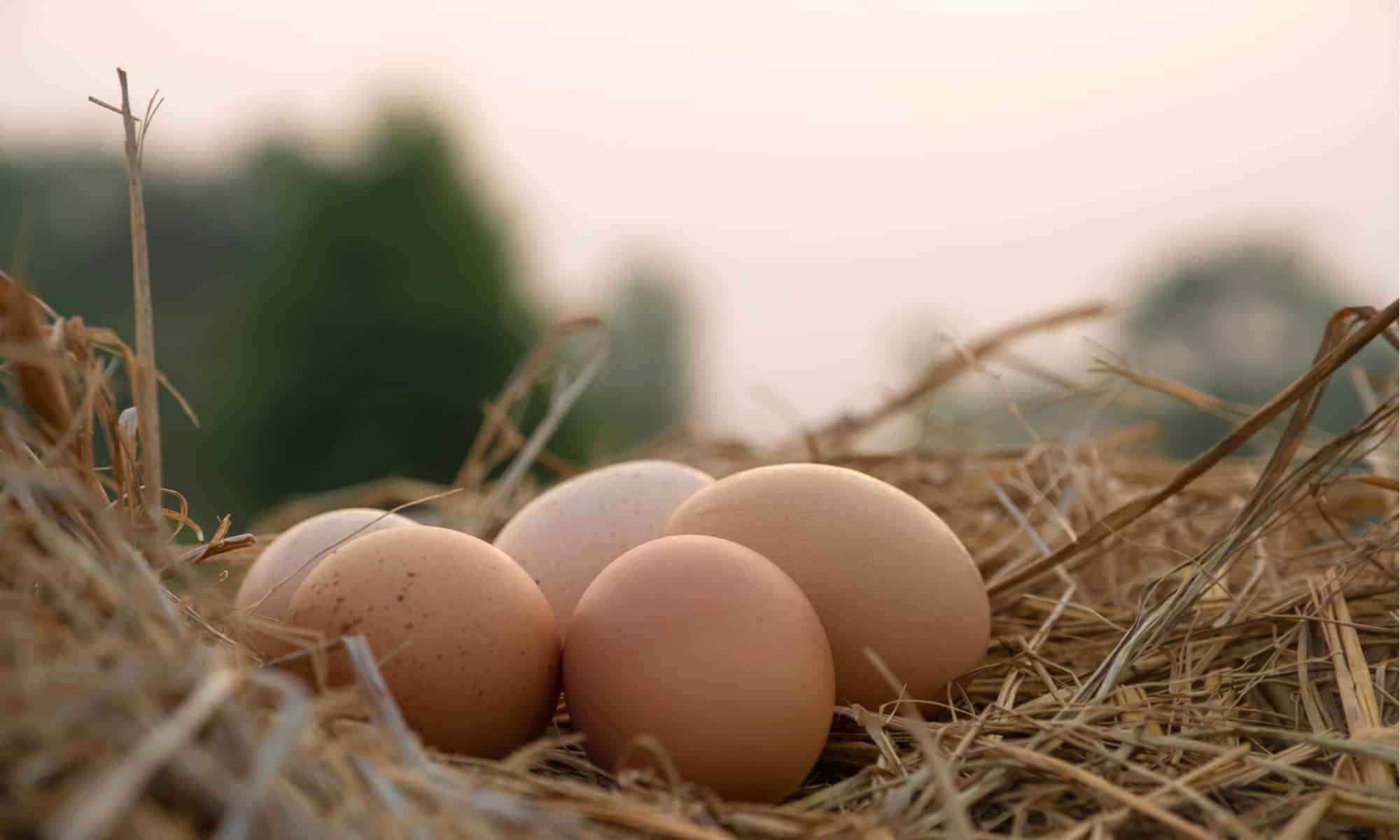
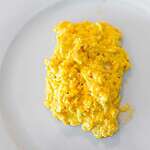
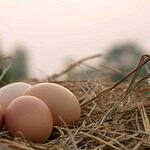
Good: Cooked Eggs
Eggs offer linoleic acid, B vitamins, and protein that nourish the skin and coat. How you prepare the eggs for your cat doesn't matter as long as the eggs are cooked thoroughly.
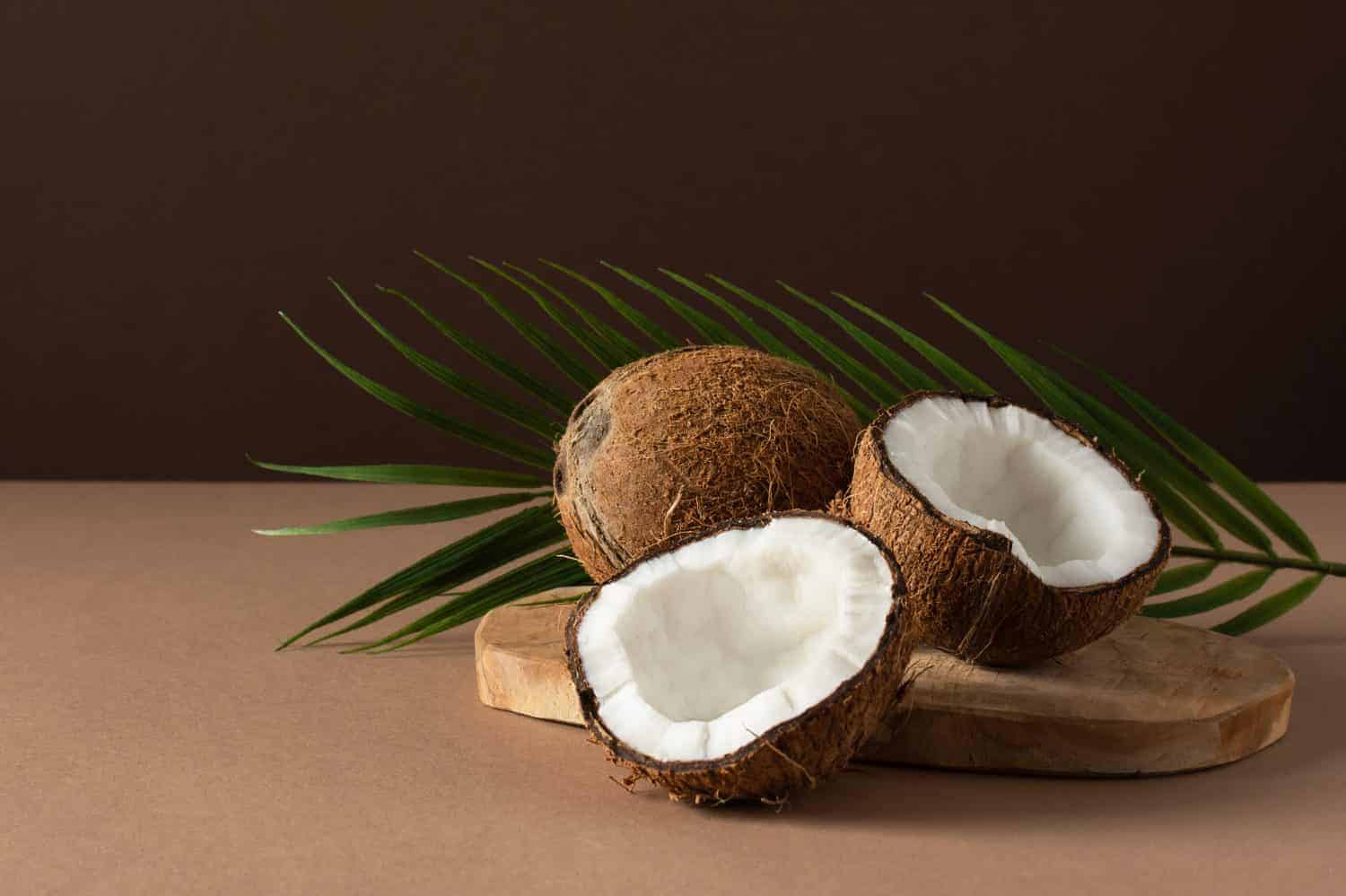
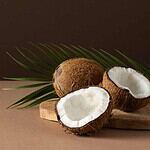
Bad: Coconuts
When it comes to coconuts, keep them away. With all of the fat that coconuts contain, you put your cat at risk for hyperlipidemia or pancreatitis. It also makes them obese.
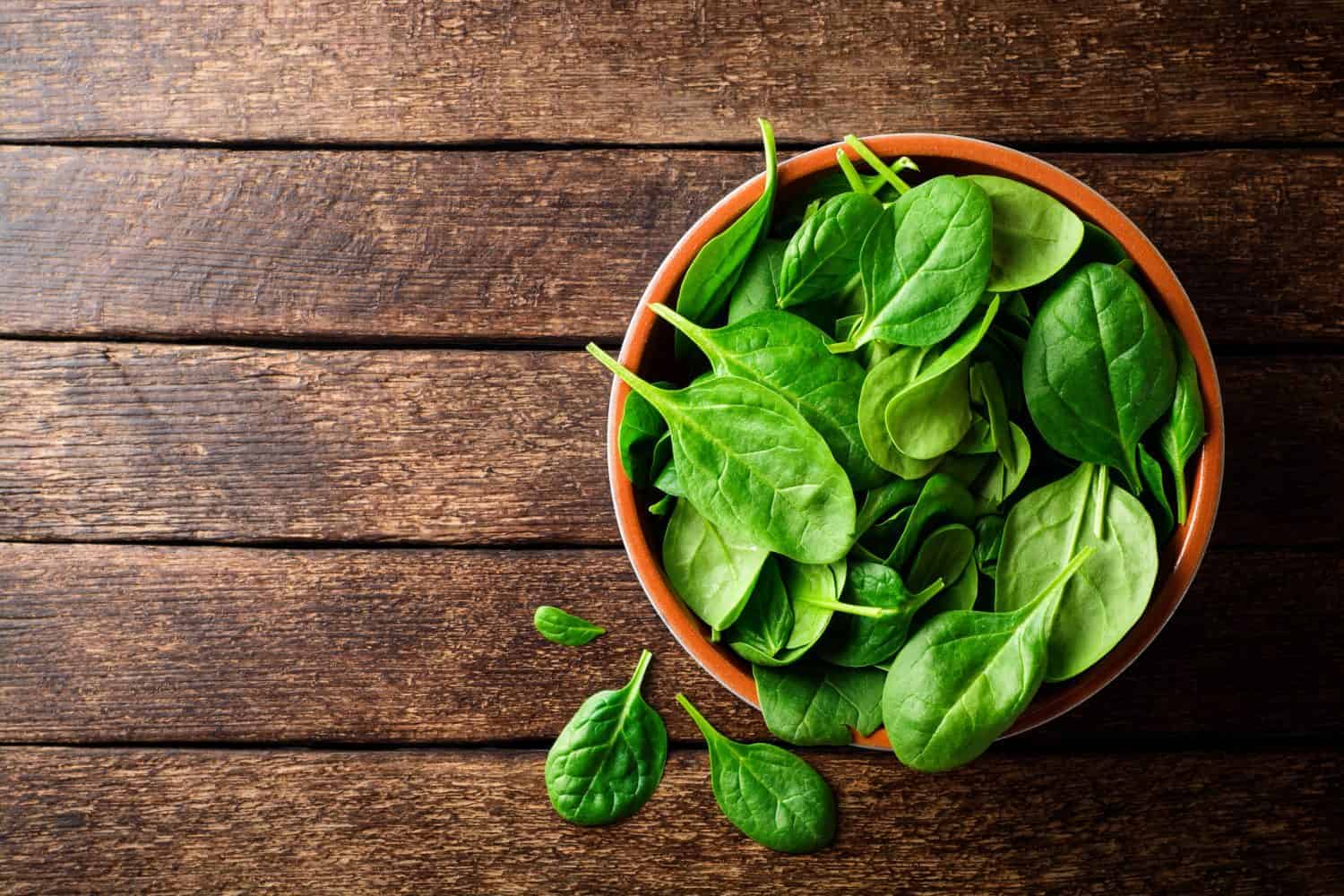
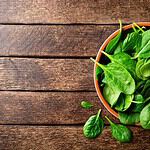
Good: Spinach
Many cats enjoy spinach, though they only need it in small amounts. Along with vitamin K, this leafy green vegetable provides them with a natural source of folate, potassium, calcium, and essential vitamins for their health.
Bad: Raw Eggs
Salmonella is a common concern when using raw eggs, but they also contain an enzyme that prevents cats from absorbing biotin. Biotin is necessary for your cat's body because it supports their metabolism.
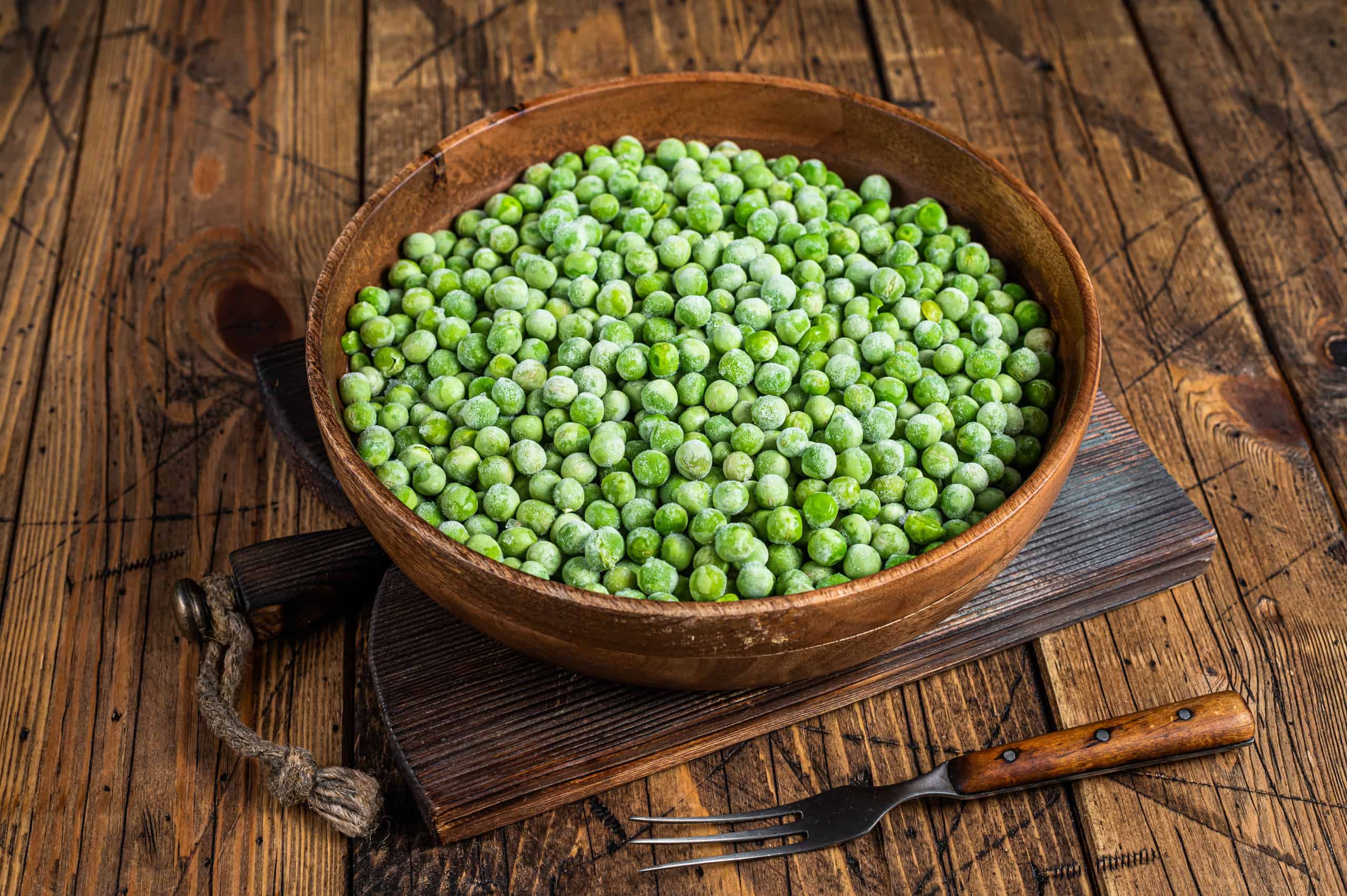
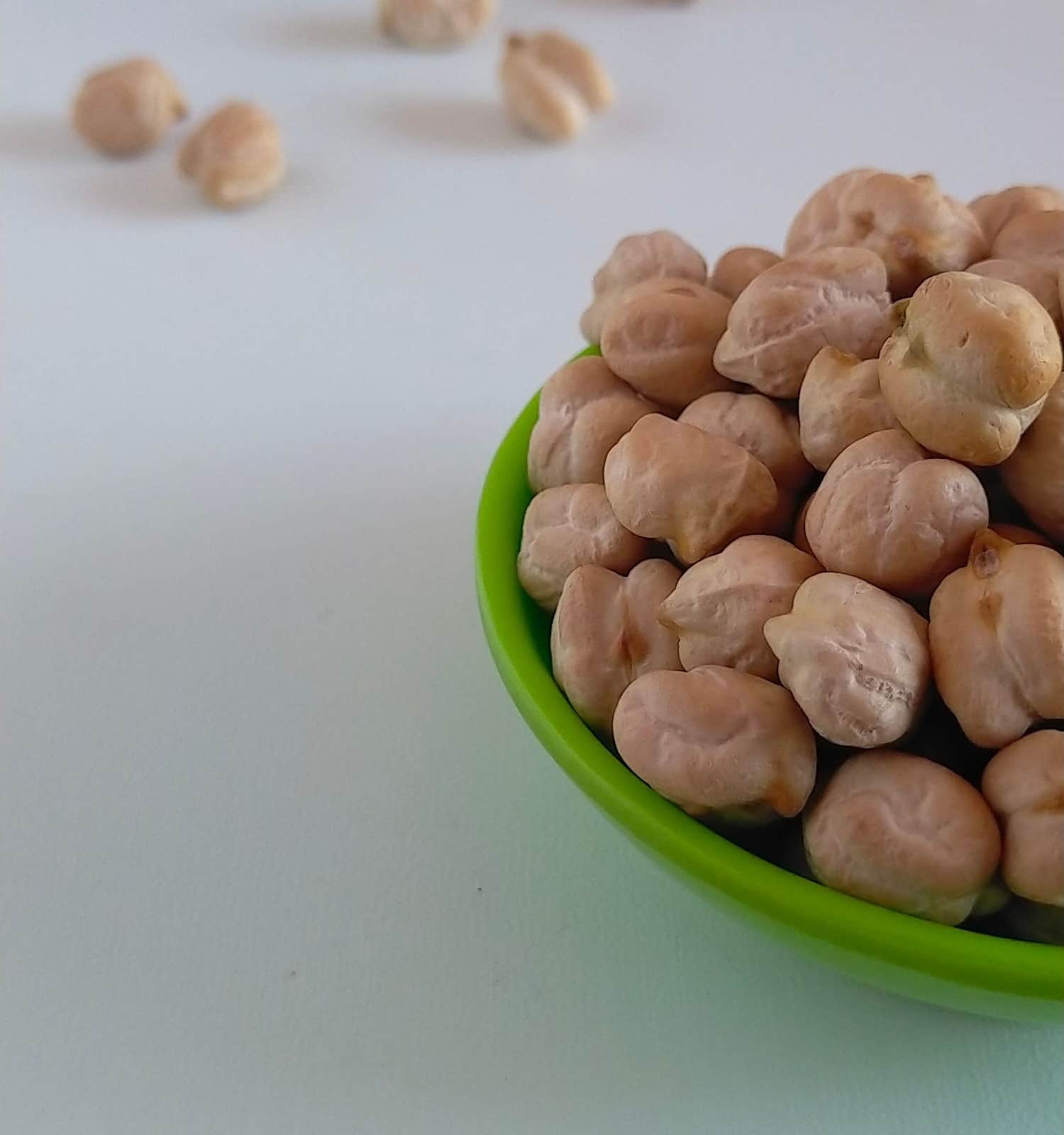
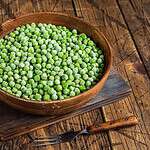
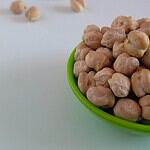
Good: Peas
Peas provide your cat with healthy proteins and carbohydrates in moderation. They shouldn't be given in abundance. Most veterinarians recommend that peas comprise less than 10% of the cat's daily food, especially if their weight needs monitoring.
Bad: Coffee And Alcohol
Drinking alcohol from your glass or getting into your sugar-free gums are all dangerous to cats. Since a cat's digestive system is not meant for either of these substances, it can lead to rapid liver failure.
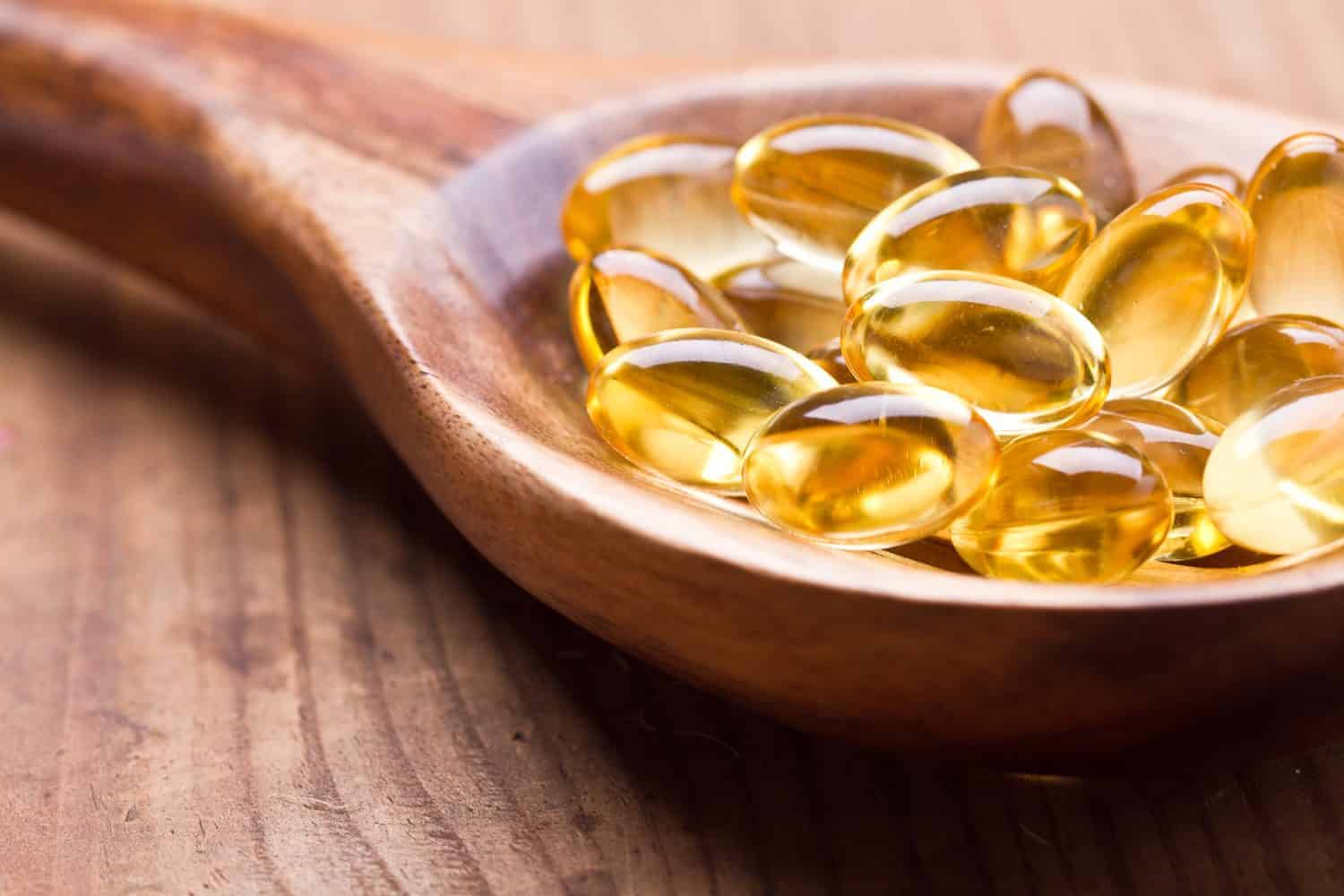
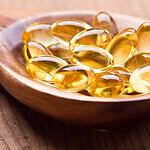
Good: Fish Oil Supplement
Fish oil can reduce the symptoms cats experience with organ disease, arthritis, and skin allergies. It contains omega-3 fatty acids, which are both safe and necessary for your cat's health
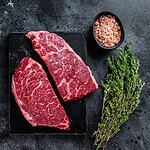
Bad: Raw Or Undercooked Meats
While some people adjust their cats to a raw food diet like they would consume in the wild, avoiding raw meat completely is much safer for inexperienced owners or cats with sensitive stomachs. Without proper preparation, these meats can contain toxic bacteria.
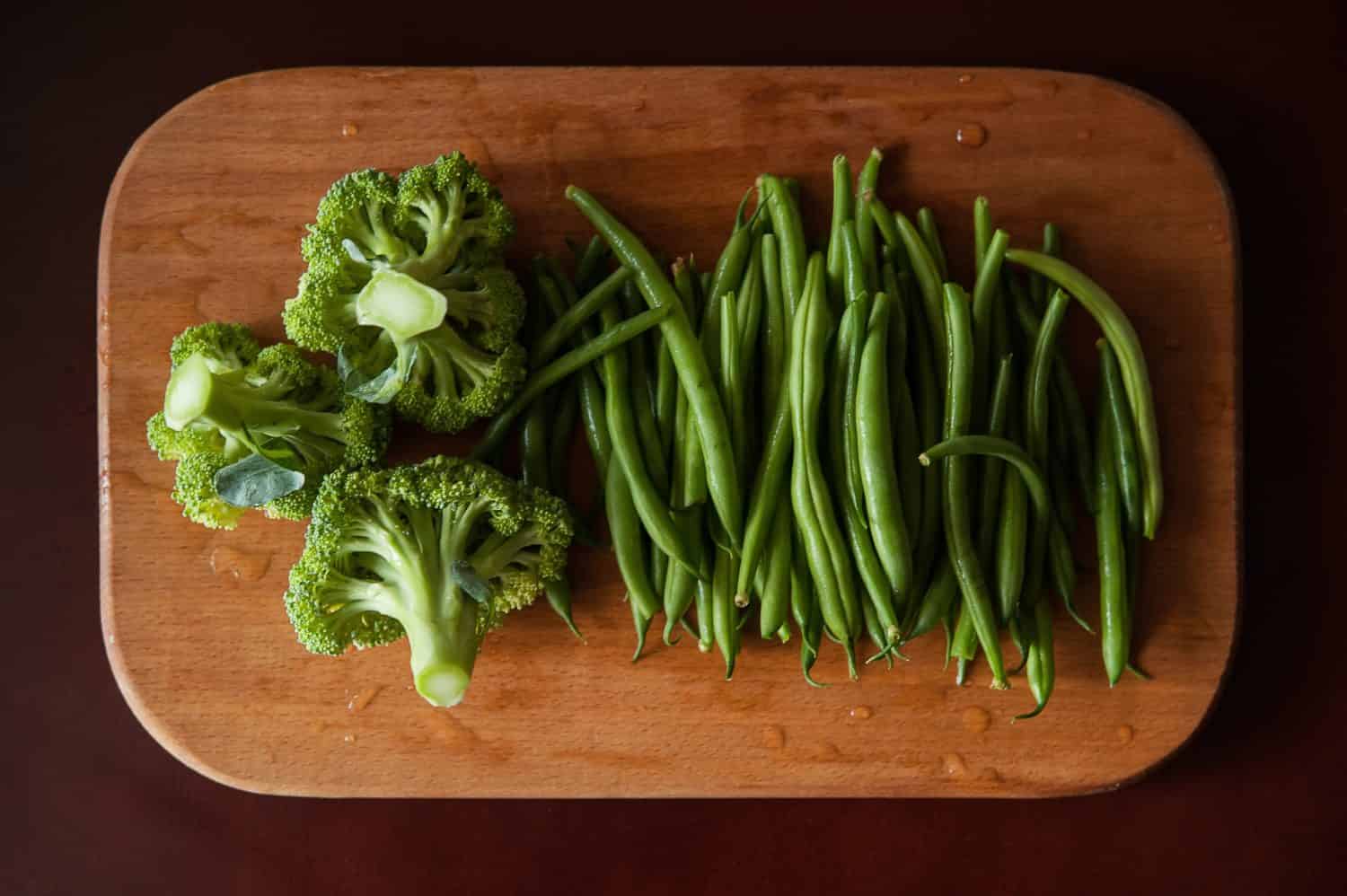
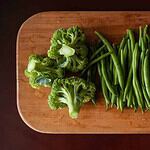
Good: Cooked Broccoli And Green Beans
Whether together or separately, broccoli and green beans are good for the cat's digestive system. They offer calcium and iron in high amounts, but you need to cook and puree them first.
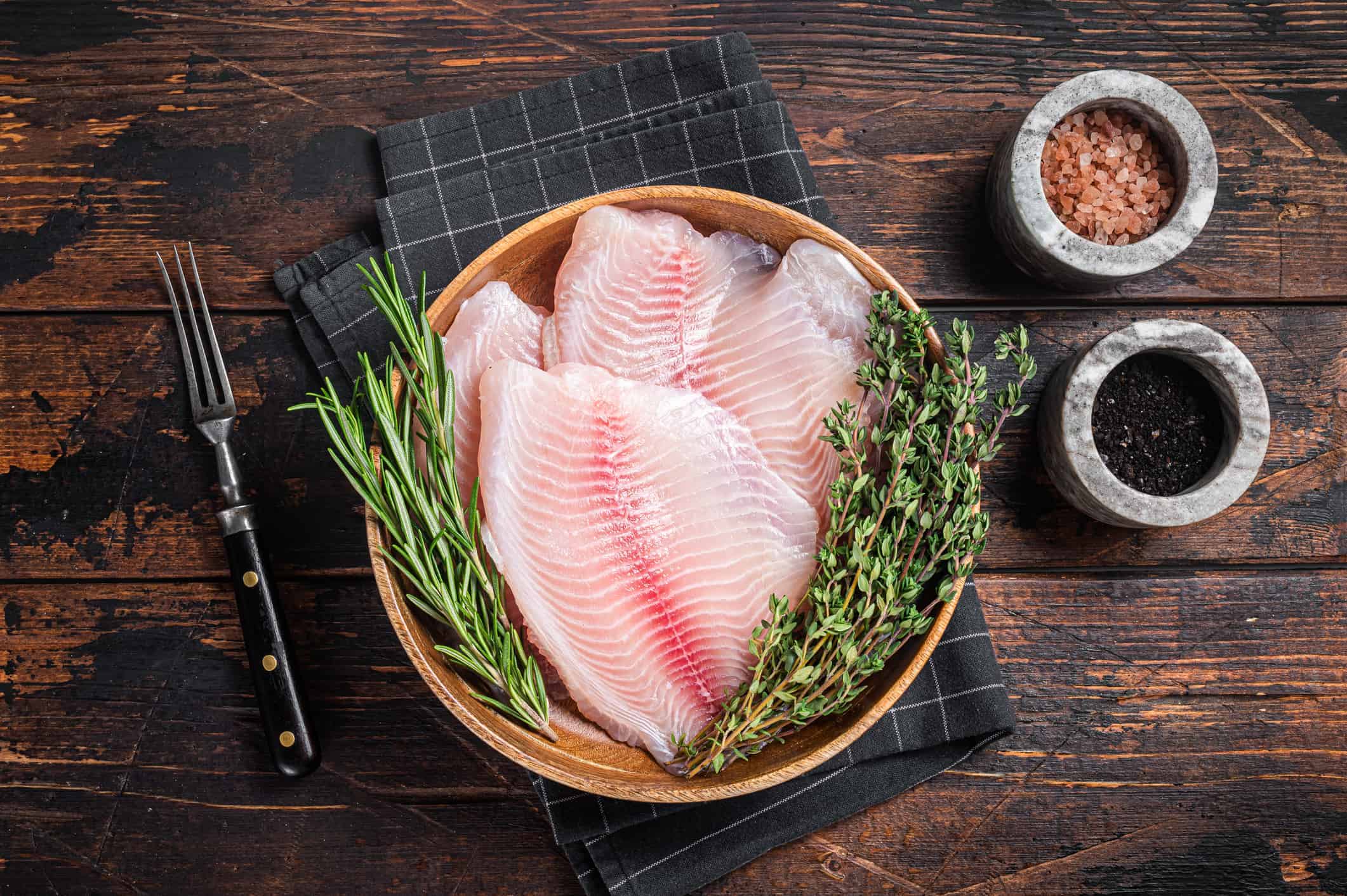
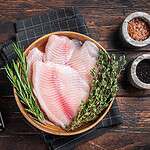
Bad: Raw Fish
Raw fish can cause food poisoning in your cat. They ruin your cat's thiamine levels, which can lead to neurological issues or even a coma.
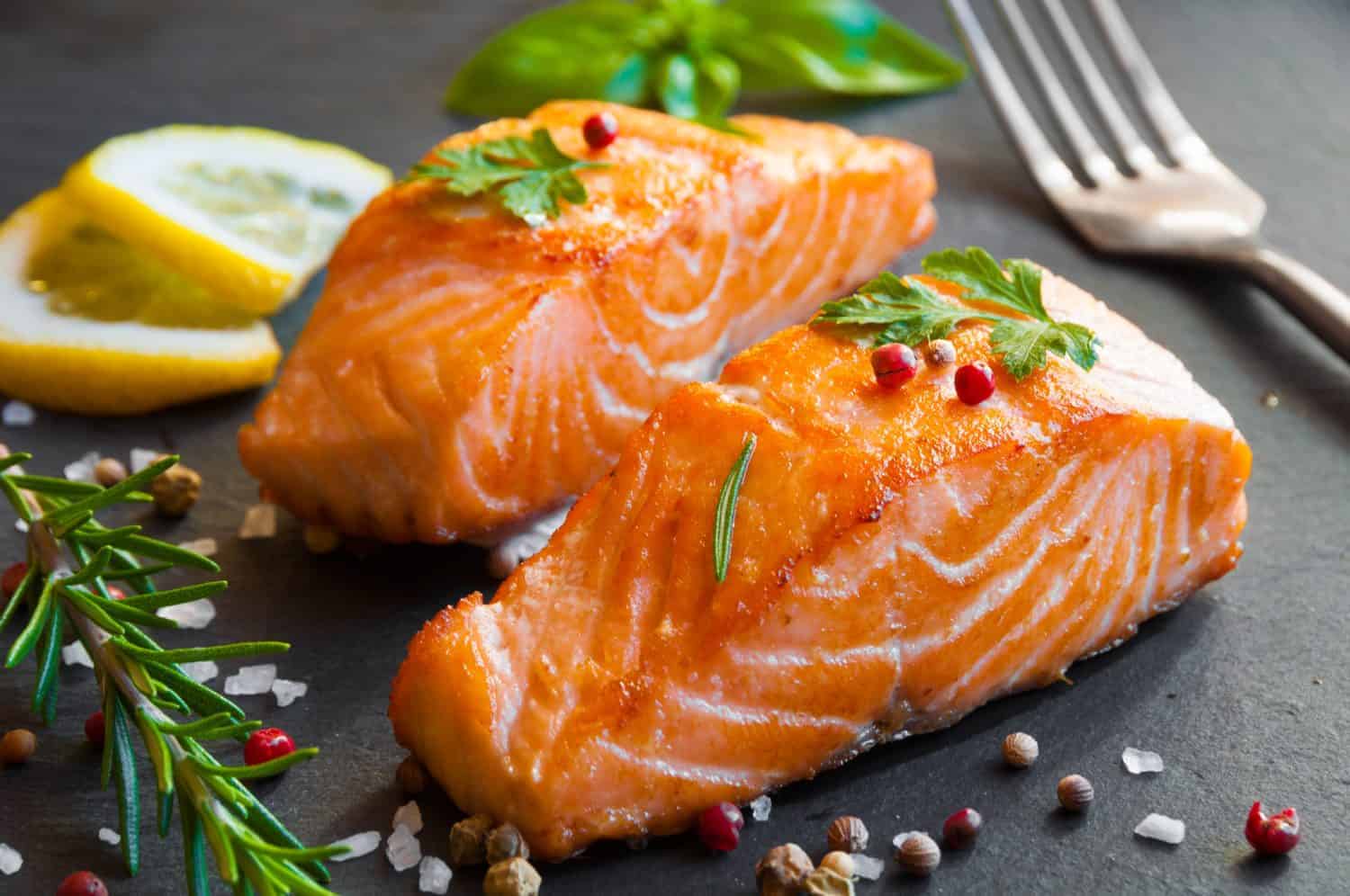
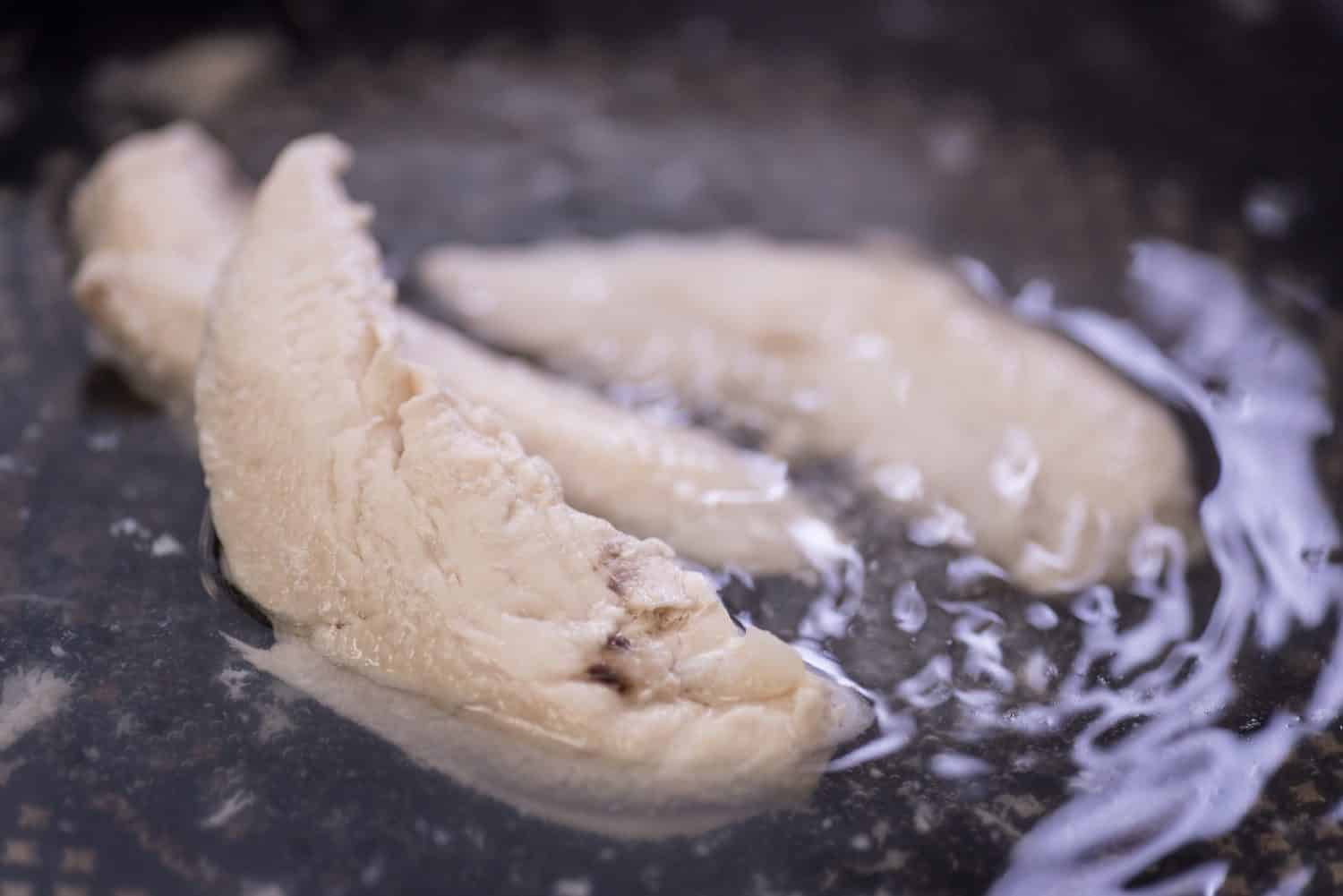
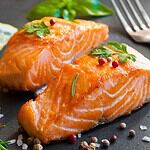
Good: Cooked Fish
One of the best foods you can give your cat is cooked fish. Most cats are big fans of salmon and other fish, but not all cooked fish are safe. Avoid giving your cat too much canned tuna because it may be high in mercury.
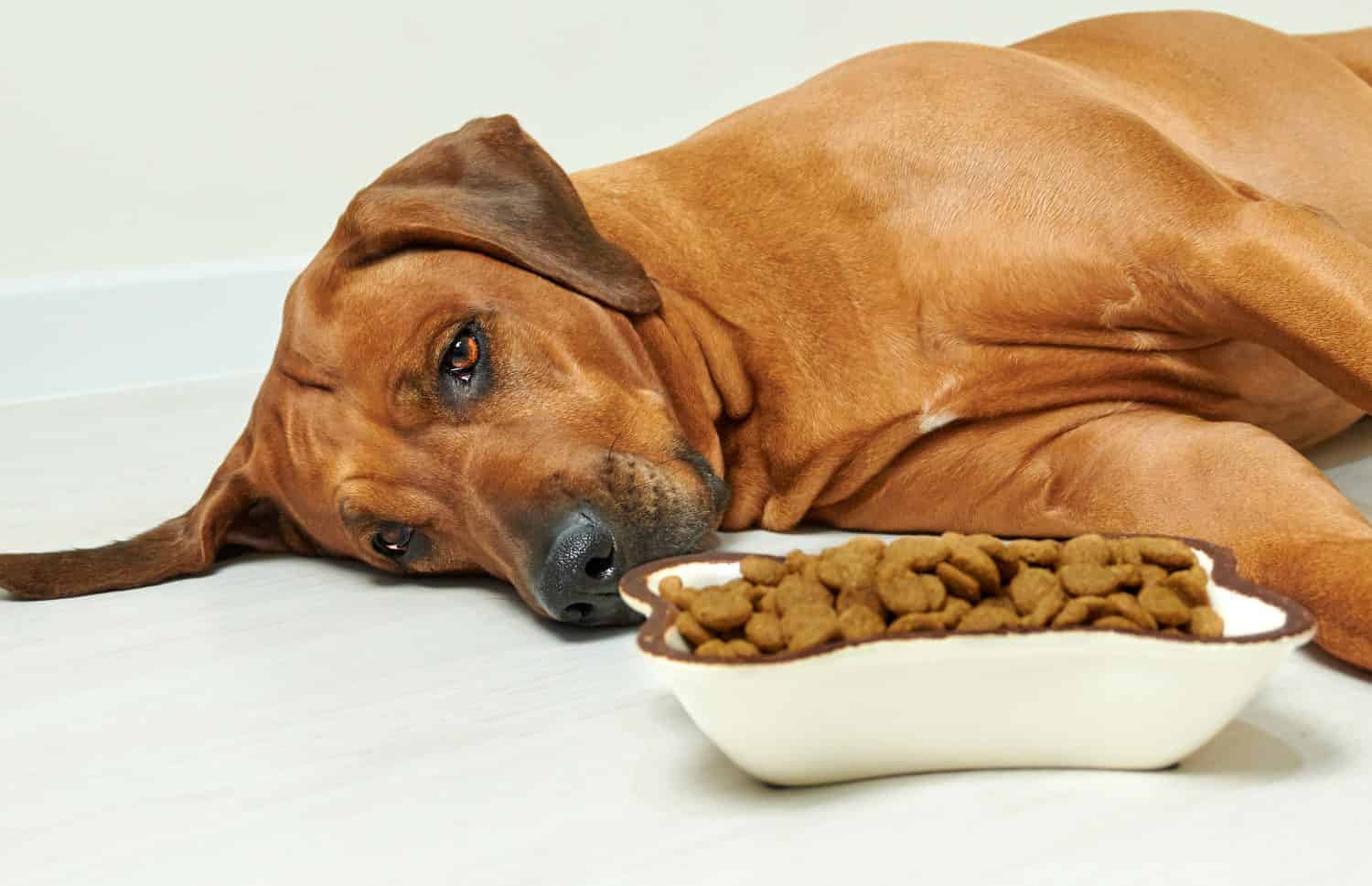
Bad: Dog Food
If you are tempted to save some money and share food between your cats and dogs, don't. Dog food lacks the right protein and doesn't include the vitamins and minerals cats need. It isn't toxic, but it isn't healthy for them either.
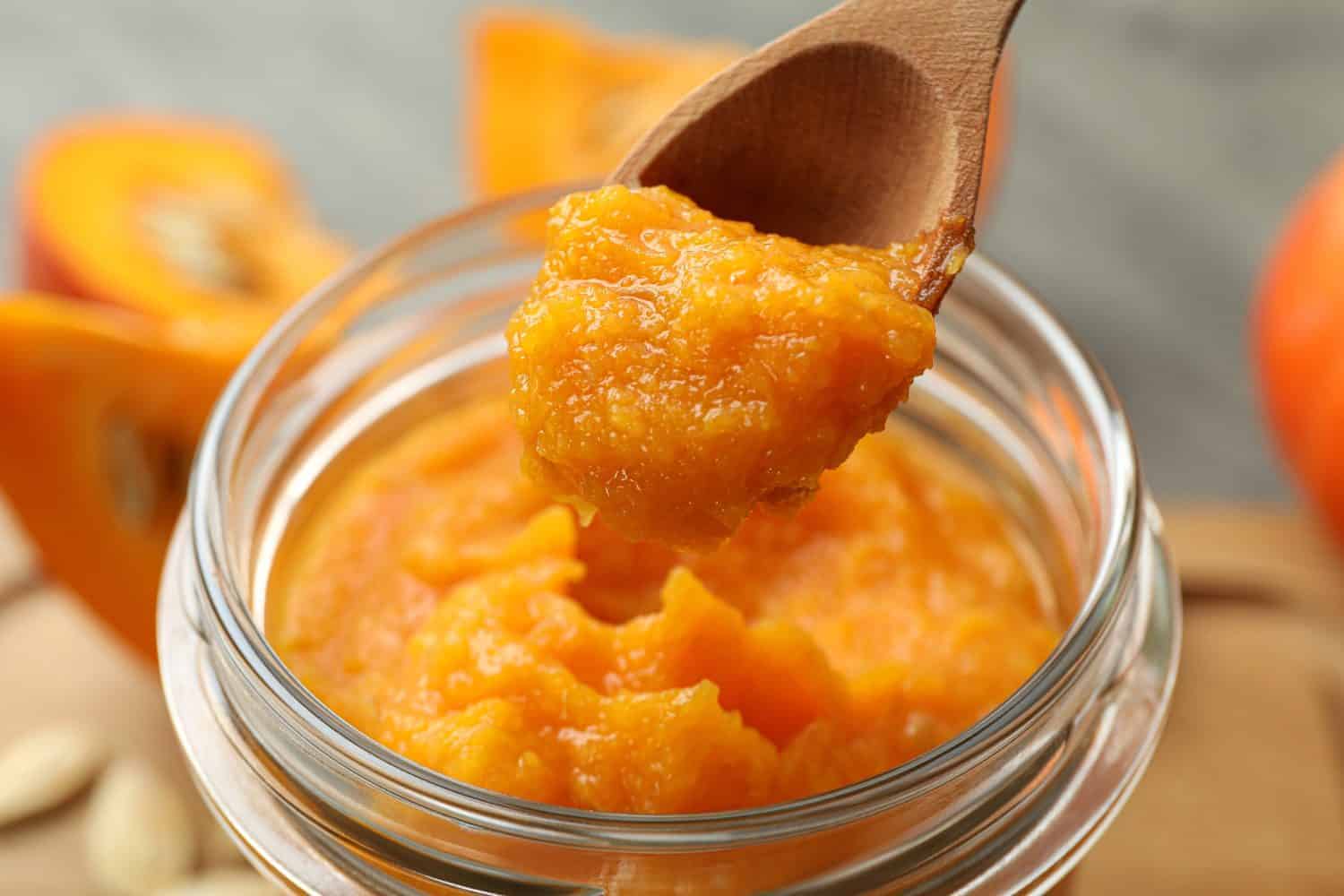
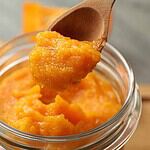
Good: Cooked Pumpkin
Once cooked and pureed, pumpkin is an excellent source of nutrition for cats. It provides them with vitamin A, beta-carotene, and other necessary vitamins. Most experts limit pumpkin consumption to no more than a teaspoon twice a day, served with a regular meal.
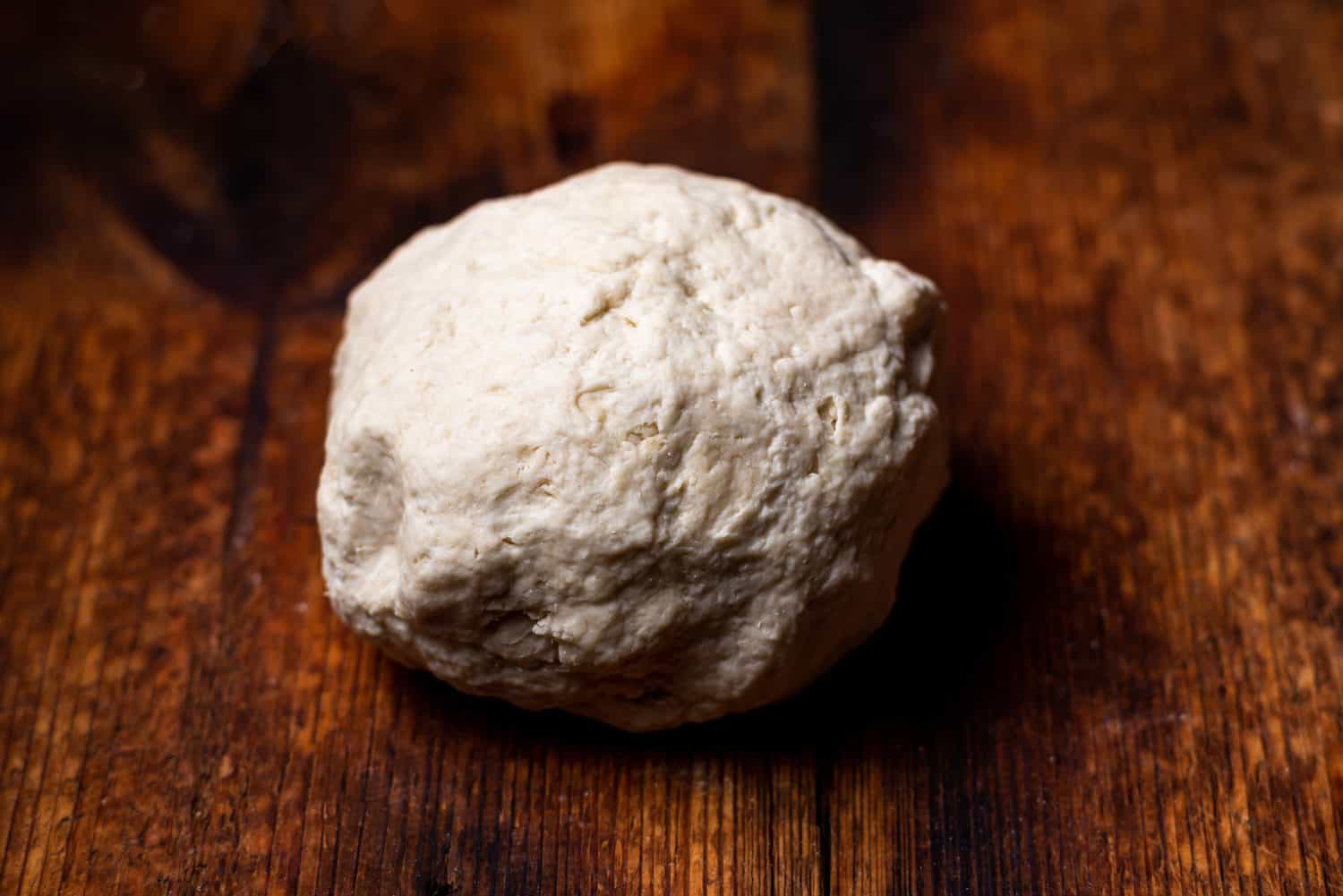
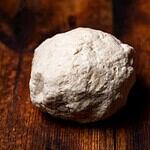
Bad: Yeast-Based Dough
The ASPCA states that no uncooked bread dough with yeast should be a part of your cat's diet. It has no essential nutrients your cat needs, but yeast produces ethanol, which is dangerous for cats.
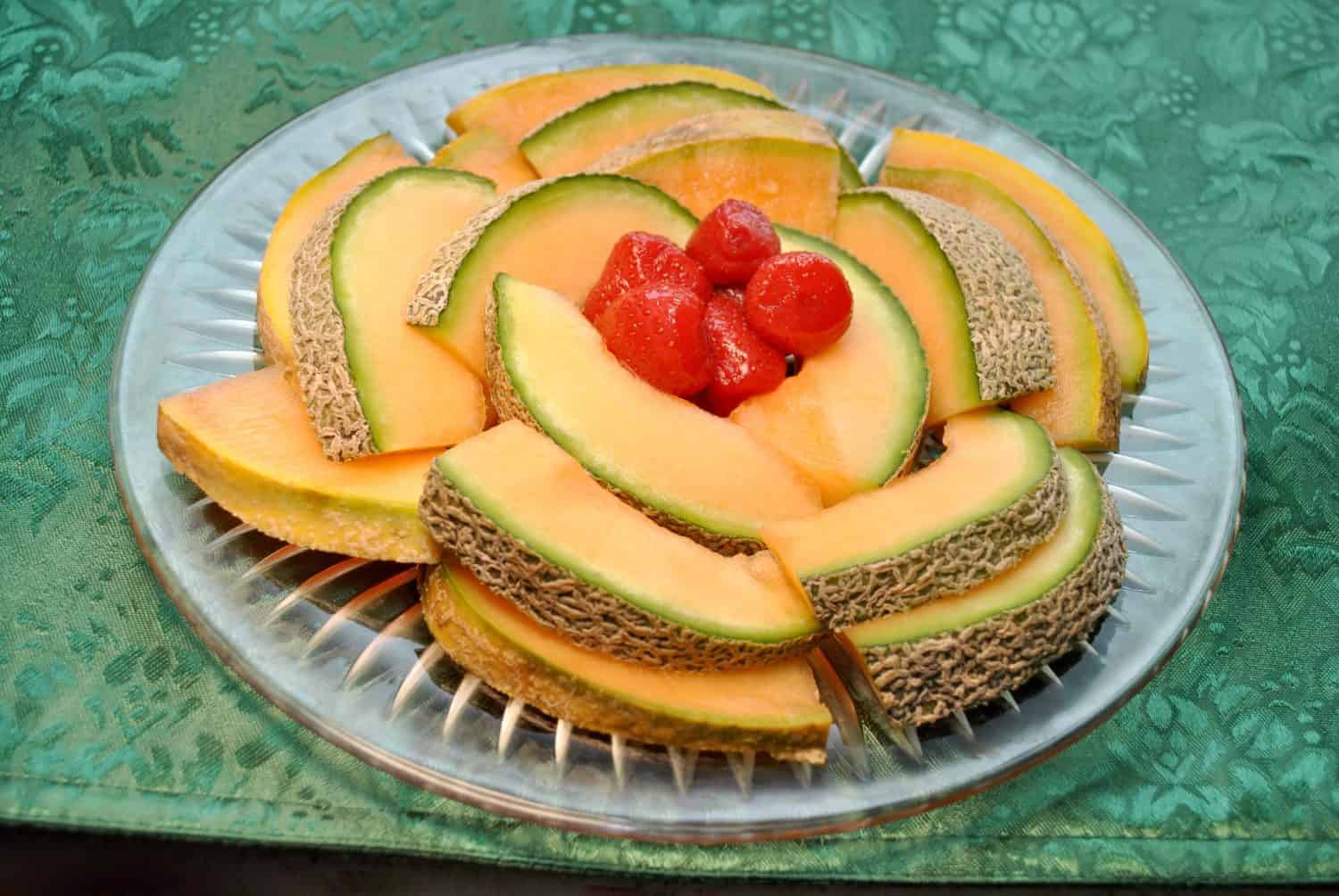
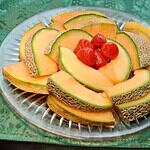
Good: Cantaloupes And Strawberries
Melons are a great source of vitamins A and C. Unlike many of the best human foods for their diet, cantaloupe and strawberries don't need to be cooked first. You can even let your cat try small bites of honeydew in moderation.
Bad: Macadamia Nuts And Seeds
Consuming macadamia nuts is quite dangerous for your cat, causing lethargy, tremors, and hyperthermia without warning. These dangers extend to other nuts as well, like walnuts.
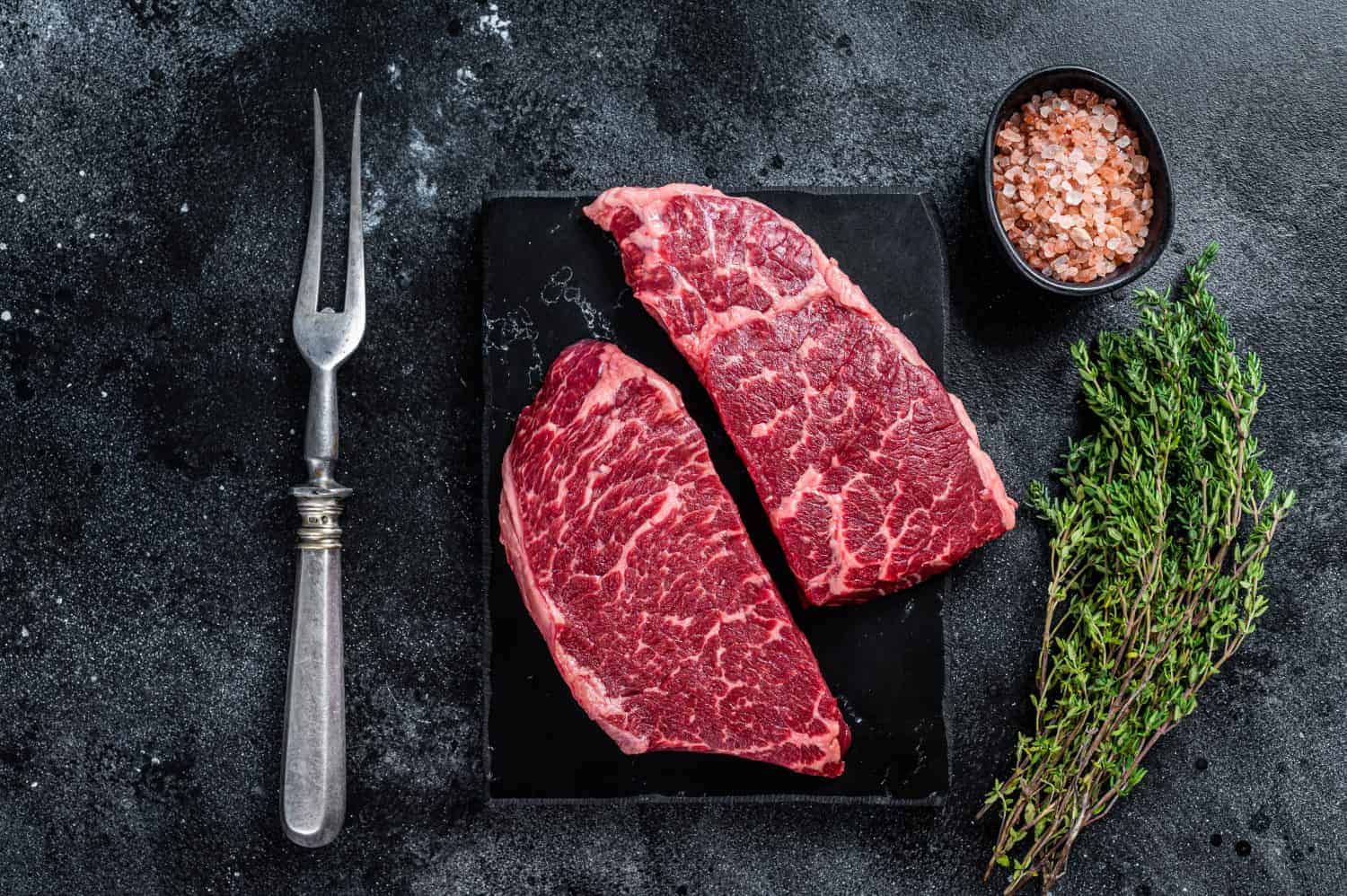
Good: Cooked Lean Meats
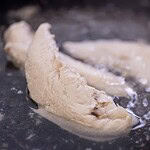
Lean beef, chicken, and turkey cuts are the best healthy protein sources. However, you must remove bones to avoid splintering in the digestive tract. Some cats even enjoy small bites of deli meat, as long as it hasn't been seasoned.
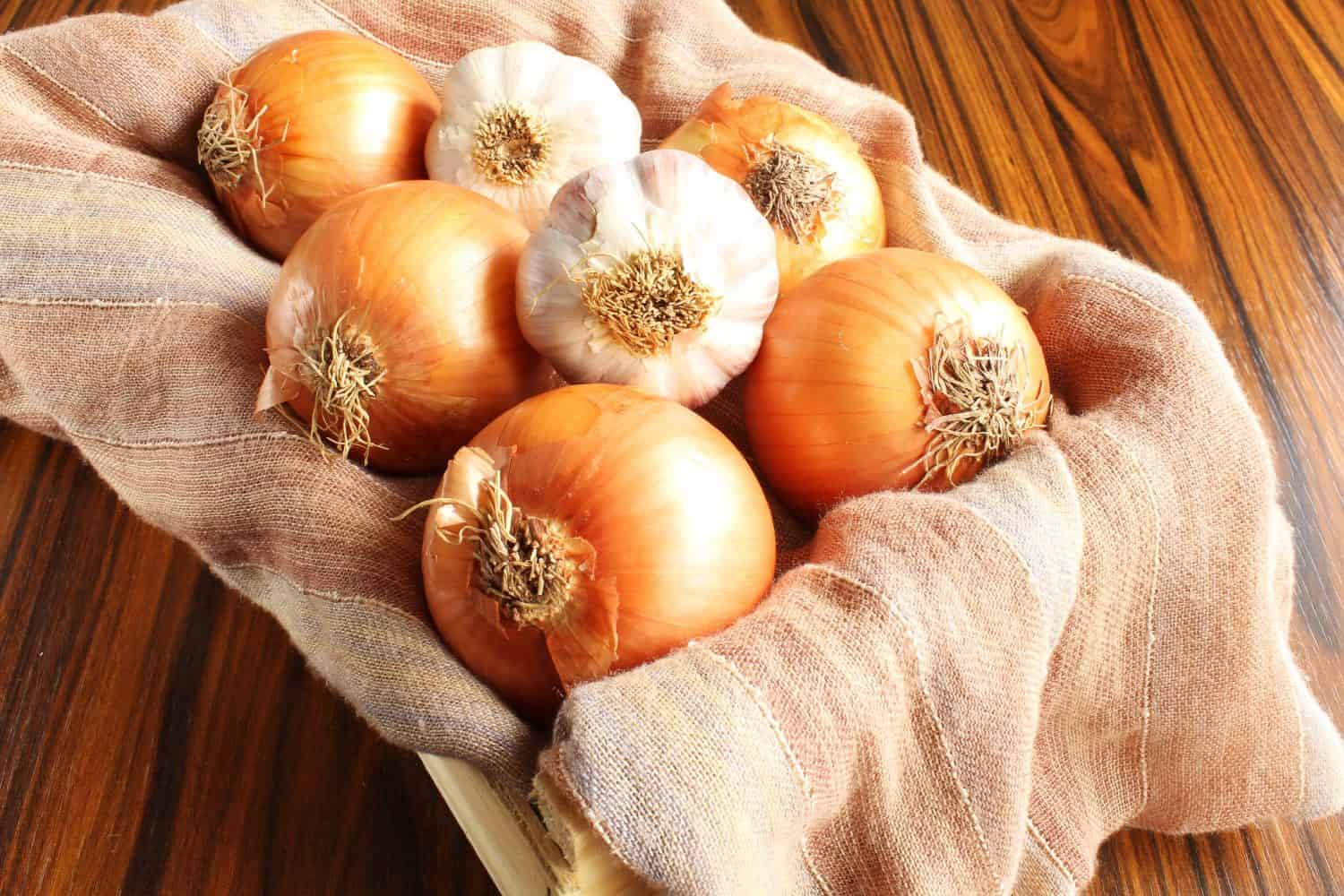
Bad: Onions And Garlic
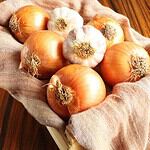
A cat's digestive system is not meant to have garlic or onions. When cats consume it, the natural enzymes can lead to hemolysis, leading to anemia.
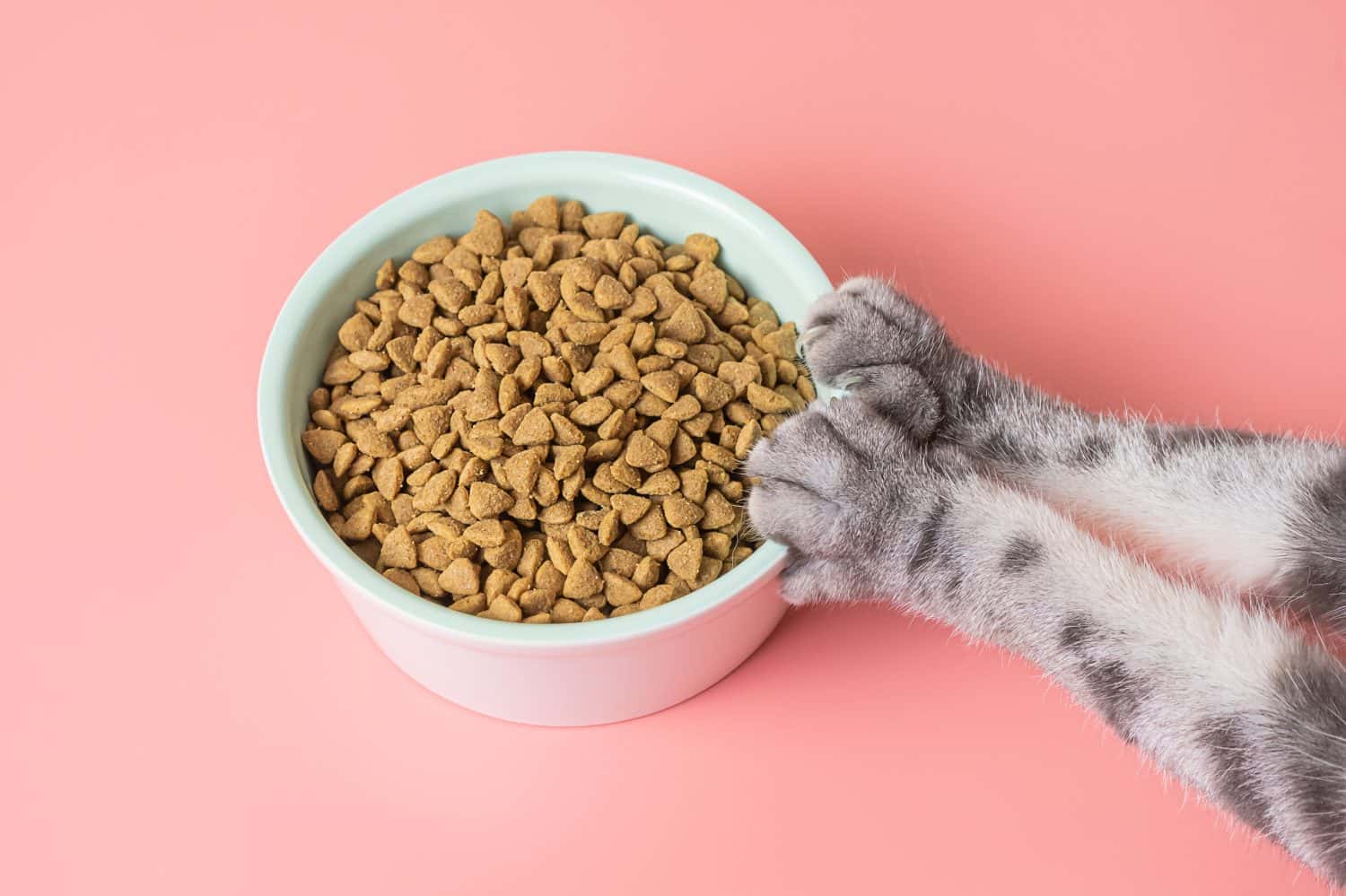
Good: High-Quality Cat Food
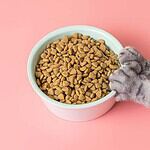
Even though it seems obvious, many people don't give their cat the necessary food. Human foods should never exceed 10% of their daily diet, so find a cat food brand you trust.
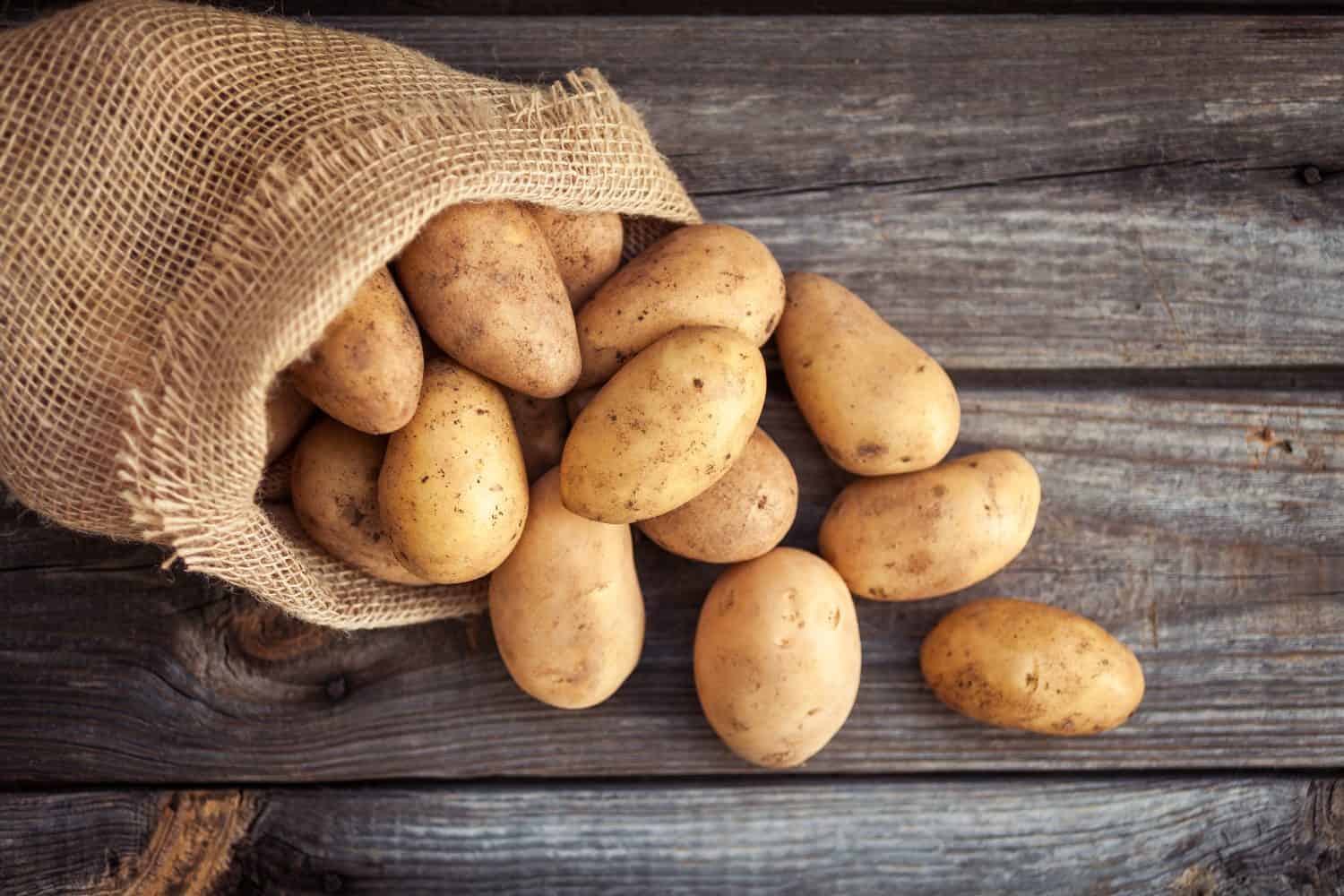
Bad: Raw Potatoes
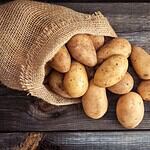
Potatoes, whether cooked or raw, should not be consumed by your cat. They naturally contain solanine, which is toxic to cats. Even if they consume a peel you left in the flood, get medical attention immediately.
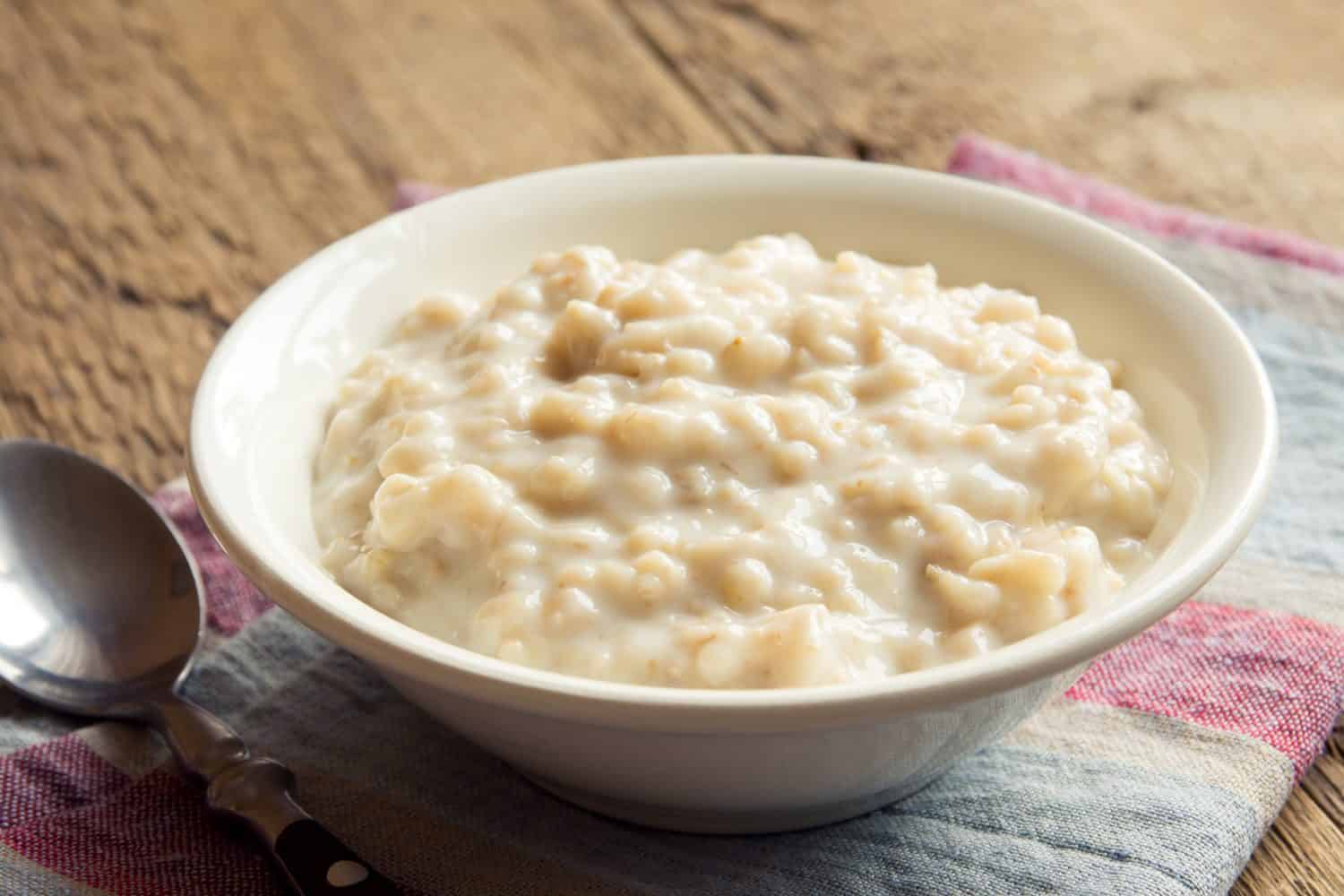
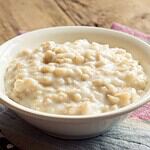
Good: Oatmeal
If you want to prepare a nourishing breakfast, make your cat a bowl of oatmeal. It has tons of protein, fiber, and fat, and all of this nourishment is good for your cat. It should only be given occasionally as less than 10% of their diet, like any human food.
Bad: Chocolate And Coffee
One of the worst human foods your cat might eat is chocolate or coffee. Since both contain caffeine, they put your cat at risk of muscle tremors, rapid breathing, heart issues, and restlessness.
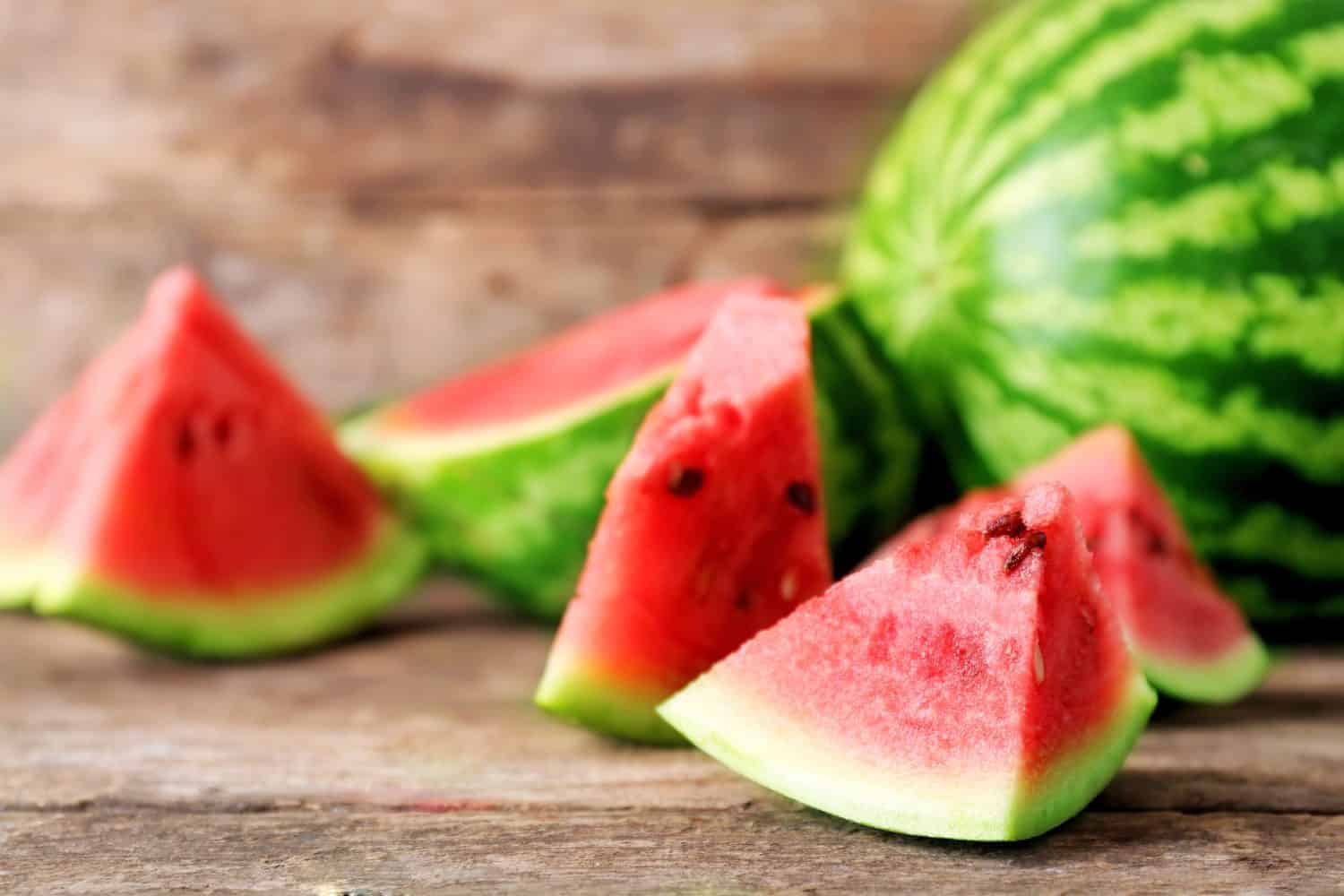
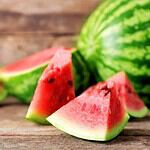
Good: Watermelon
Like cantaloupe, watermelon is safe to add to your cat's diet. It has a lot of important vitamins for their brain and body, but the sugary fruit should only be given in small amounts.